All The Love I Could Handle
Los Angeles, California | Film Short
Drama, Family
Far too often, portraits of our pioneers are mythic depictions of heroes, devoid of the complexity that makes them human. This film, told from pioneer filmmaker Kathleen Collins' perspective, tells a layered story of the intimate sacrifices we all make in order to achieve our dreams.
All The Love I Could Handle
Los Angeles, California | Film Short
Drama, Family

2 Campaigns | New York, United States
Green Light
This campaign raised $21,921 for production. Follow the filmmaker to receive future updates on this project.
98 supporters | followers
Enter the amount you would like to pledge
Far too often, portraits of our pioneers are mythic depictions of heroes, devoid of the complexity that makes them human. This film, told from pioneer filmmaker Kathleen Collins' perspective, tells a layered story of the intimate sacrifices we all make in order to achieve our dreams.
About The Project


- The Story
- Wishlist
- Updates
- The Team
- Community
Mission Statement
The Story
LOGLINE
When a beloved family dog unexpectedly gives birth and abandons her litter, two headstrong children stop at nothing to get their distracted mother’s attention and keep the puppies alive. Inspired by true events.
THE STORY
1982. Upstate New York. The hottest summer on record. Filmmaker Kathleen Collins has decided to risk everything – her finances, relationships, and even her home – to do what no other Black woman had done before: make a feature film.
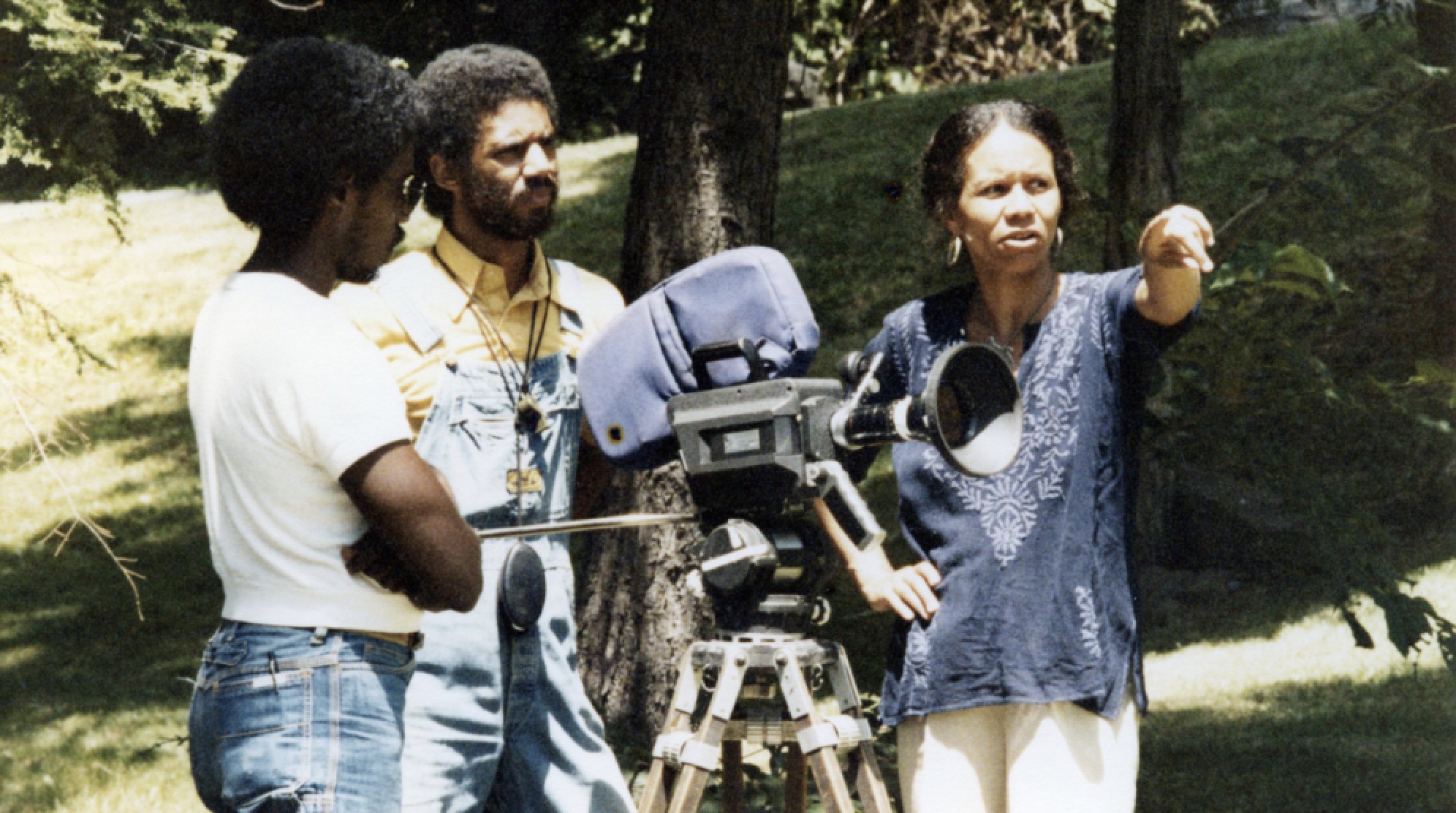
After a month of filming, and with only one weekend to edit, Kathleen barricades herself in her living room with her lively cinematographer, Ronald Grey, a Steenbeck and a dozen film canisters. Meanwhile, her children, Nina, 7, and Miwo, 5, discover that their beloved family dog, Ginger, has curled into the pantry... and is about to give birth. As Nina pines for her mother’s help, Kathleen stays focused in her artistic obsession, searching for the best shot to finish the film. Understanding that it'll be up to them, Nina and Miwo scramble to help Ginger deliver her puppies... and they do. The film follows the kids as they take imaginative measures to try and keep the puppies alive, while Kathleen fights to save her film.
THE CONTEXT
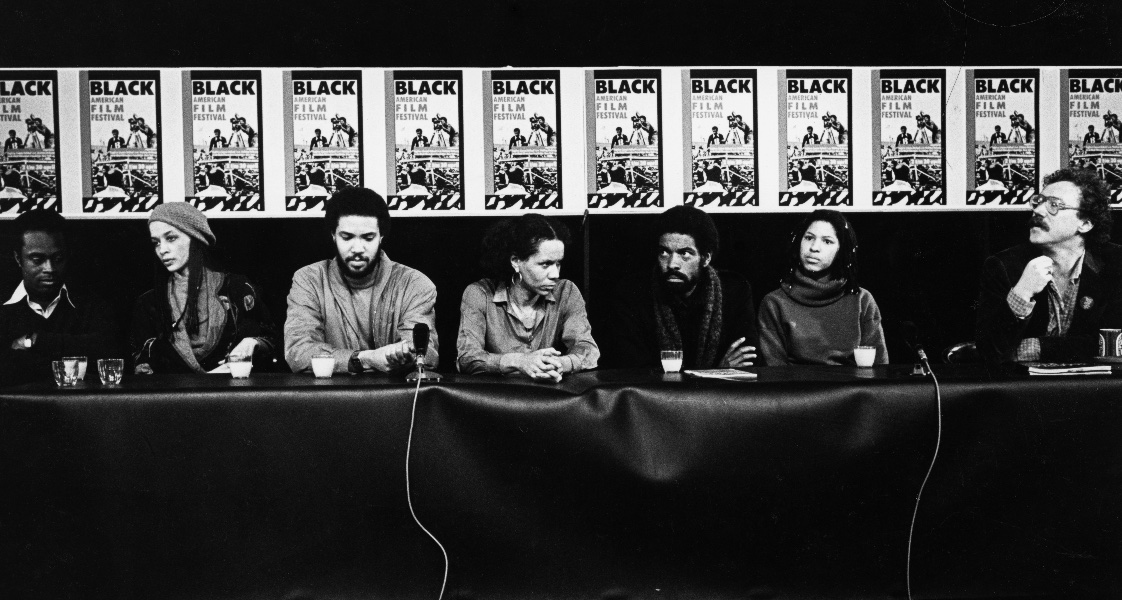
Kathleen's unwavering commitment to her craft carries more weight than simply that of an artist with a dream. Kathleen fervently believed that Black people deserved more complexity on screen, that Hollywood had too long permeated a mythology wherein Black people were either saints or sinners, and that humanity actually existed in the in-between. To deny a person the right to complication -- to the good, the bad, the ugly, and the beautiful -- is to deny them their right to live. In 1982, portraits of Black people were already few and far between, and the ones that did exist, relied heavily on liminal stereotypes. Kathleen's seminal film, LOSING GROUND, was the first portrait of a Black woman that allowed true normalcy. Gone were the expectations of Blaxploitation films, of Mammy or Jezebel stereotypes, and in was a complicated portrait of a middle-class Black woman simply pursuing a life of pleasure. Unfortunately, in Kathleen's lifetime, film distributors said they didn't "know any Black people like that" and that there was no market for her work. Soon after, she died unexpectedly at the young age of 46.
In 2015, more than thirty years later, Kathleen's daughter, Nina, restored her mother's work, finally giving it the audience it deserved. LOSING GROUND became a seminal work in the film canon, even formally added to the Library of Congress and honored by The Academy. Today, Kathleen is given the historic recognition she deserves for allowing generations of filmmakers to not only see a path toward their futures, but for Black women to see themselves on screen.
THE FILMMAKER & THE WHY

Growing up, I knew almost nothing about my grandmother. All I knew was that she died young. I watched my mother try to raise herself while she raised me, unable to fully break away from the pain of the loss of her mother. I knew that, in many ways, my mother would always be a child longing for her lost mother, that my life would inevitably be painted by that pain. As I got older, I started to witness myself in her shadow, behaving in the same patterns she did, and I wanted to interrogate why. I knew I needed to understand the many things that shaped my mother, and how her own maternal relationship sculpted who she was. I sought to learn everything I could, began sifting through decades of diaries, letters... and that's when I came across my mother's plain re-telling of this story: the day her beloved dog Ginger gave birth to a litter of puppies.
We've all heard a version of the saying "We spend our whole lives trying not to become our parents until we wake up one day and realize we are them." This film, centered on Kathleen's story, with my mother and my gaze as lenses, fundamentally asks, and begins to answer, how we can stop cycles of generational trauma and heal from our inherited pasts.
THE CREATIVE APPROACH
This is a film about the two waring sides to a life, the push and pull between our conflicting wants and needs. The visual and auditory language roots itself duality and the importance of perspective. For the majority of the film, the camera follows Nina intimately, in tight close-up shots, almost entirely handheld, immersing the viewer in Nina’s view of not only the world, but of her mother. Tight, fast-paced, vérité sequences — that feel like they never end — will ground the viewer in this reality. The viewer is never an outside observer, but an active participant in this world. In the final act of the film, however, the perspective shifts from Nina’s to Kathleen’s. In one instant, Kathleen realizes the gravity of her blind spots as a mother, and for the first time, the camera pivots to her interiority, allowing the viewer to empathize with the fullness of her humanity.
KATHLEEN'S WORLD
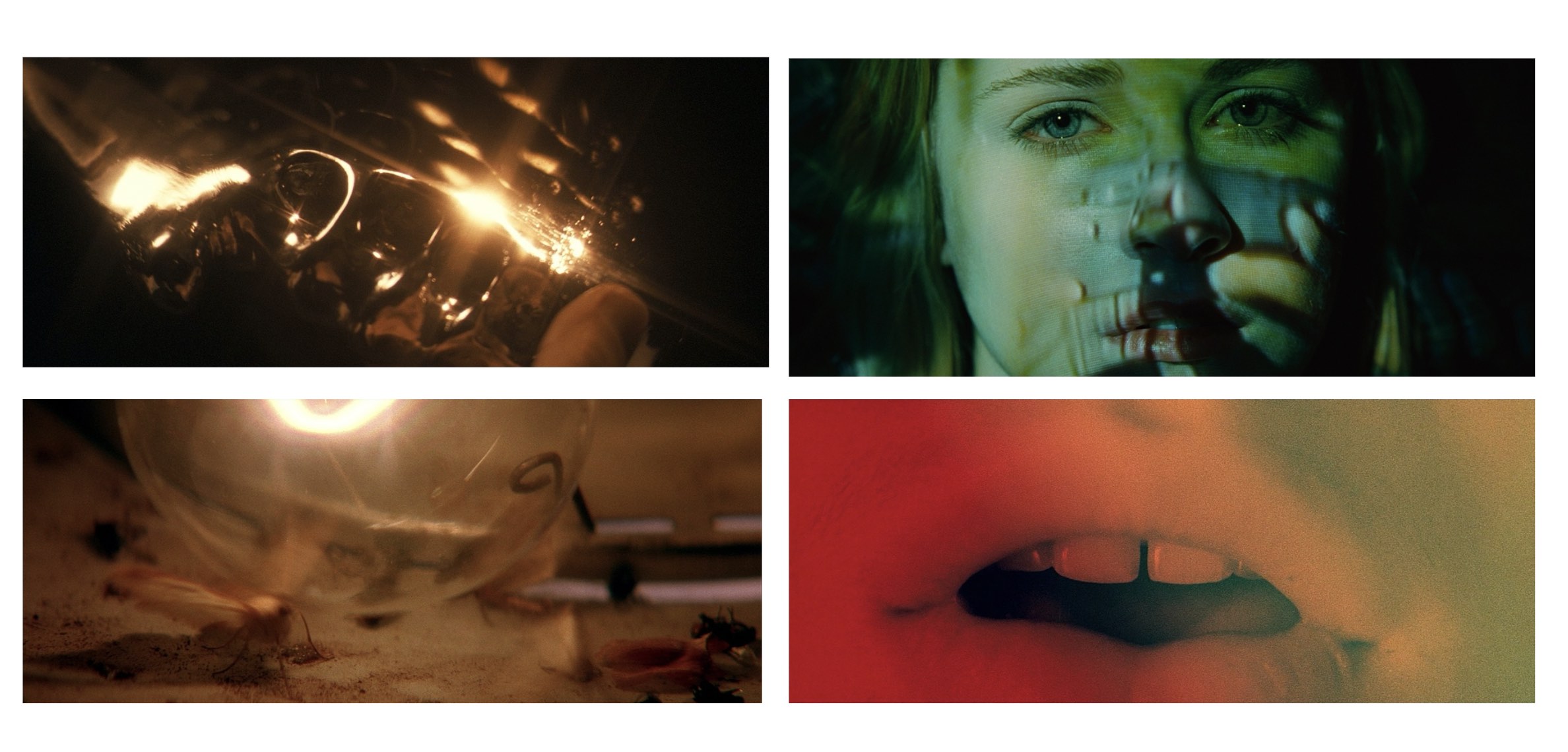
Passionate. Tense. Claustrophobic. Urgent. Artificial. Sexy. Angular. She's made the living room into her alchemist's lab.
 NINA & MIWO'S WORLD
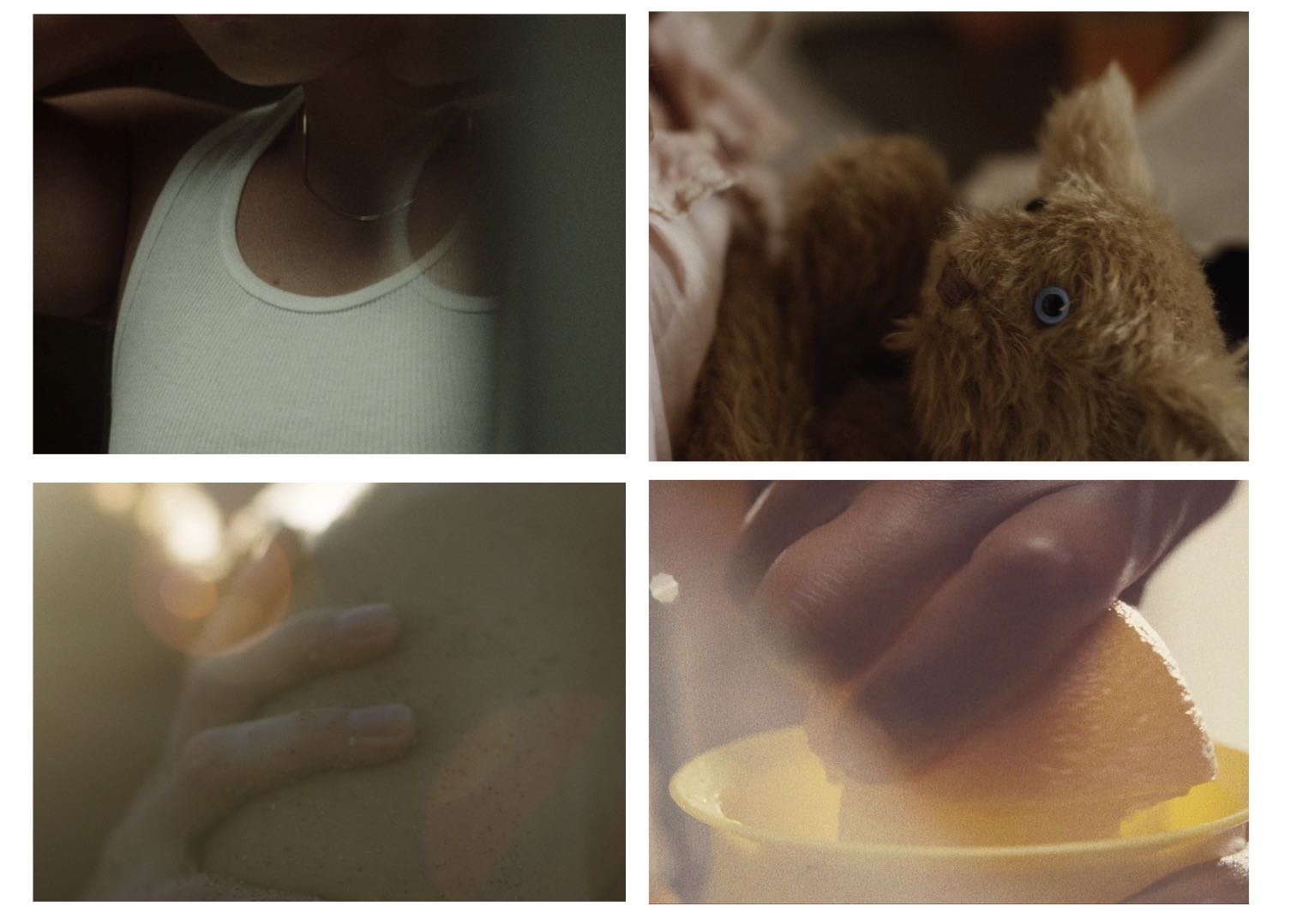
Hot. Sticky. Nostalgic. Dreamy. Romantic. Slow. Natural. Open. Free. Only interrupted by the chaos of the adult world.
WHAT WE NEED
Our team has been lucky enough to secure funds for a significant portion of production: cast and crew wages. Still, making a low-budget film that features two young children, a dog giving birth, real life puppies, actual swimming in a lake... and set in 1970s New York is not an easy task! To make this film possible, we are looking to secure funding to:
- Create the 1970s world of ALL THE LOVE I COULD HANDLE through Production Design. This includes 1970s film equipment, realistic puppies, birthing SPFX and costumes to match the era.
- Adhere to SAG guidelines and ensure the safety and well-being of our young cast. Working with a 9-year-old and a 6-year-old means we will need to ensure we have a Studio Teacher on set, as well as film over five days as opposed to three.
- Purchase Production Insurance to secure shooting locations and rent equipment.
- Feed our crew Meals & Catering over five days.
- Secure ideal locations, including a Lakefront dock and a 1970s-era home.
...and more! See "wishlist" for more details on how your generous contribution will be used.
THE ARCHIVE
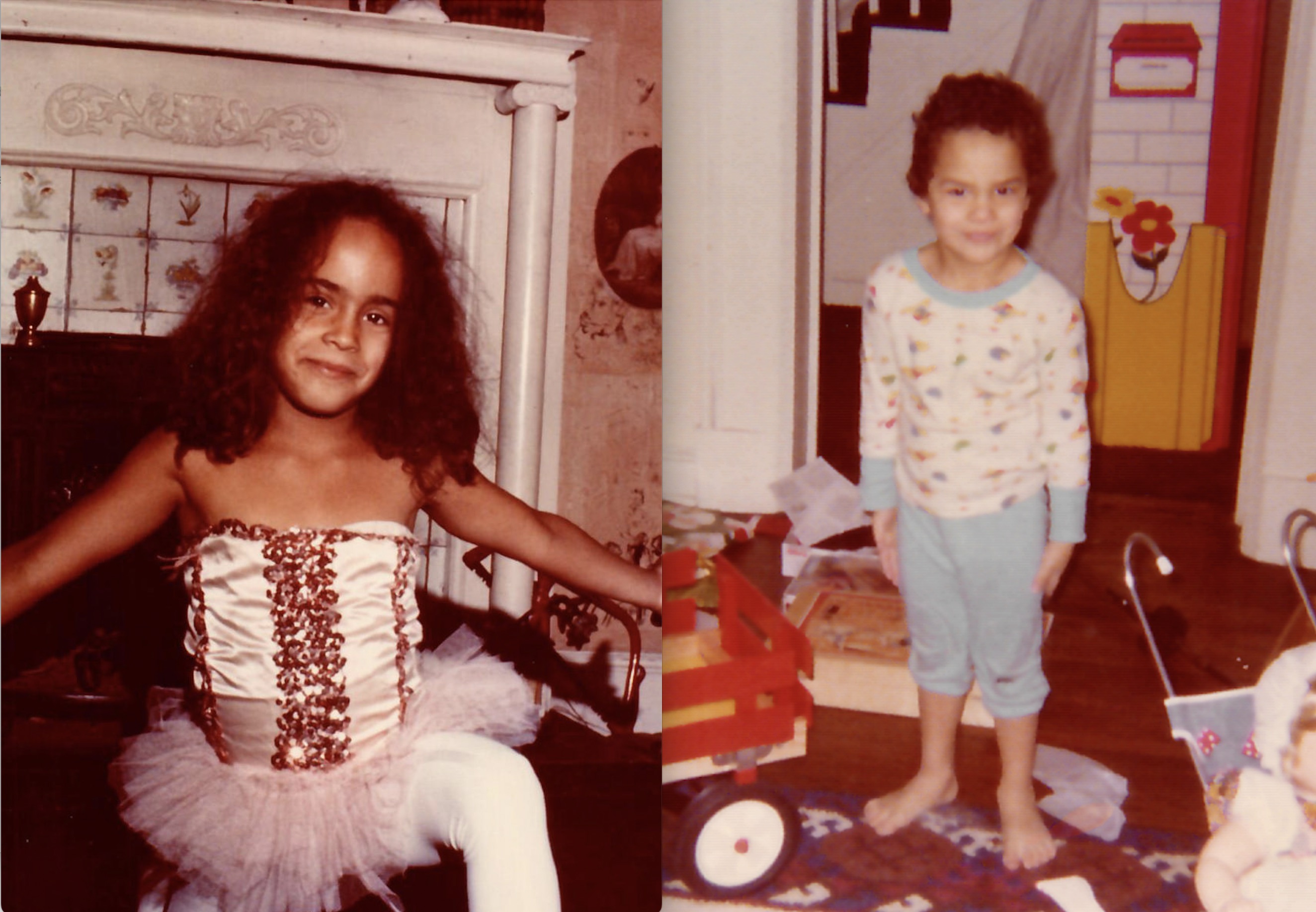
LOST AND FOUND; Richard Brody, 2015, The New York Times
https://www.newyorker.com/magazine/2015/02/09/lost-found
KATHLEEN COLLINS'S OTHERWORLDLY WOMEN, 2020, The New Yorker
https://www.newyorker.com/magazine/2020/04/27/kathleen-collins-otherworldly-women
HOW KATHLEEN COLLINS' DAUGHTER KEPT HER LATE MOTHER'S CAREER ALIVE, Nina Lorez Collins, 2016, Vogue
https://www.vogue.com/article/kathleen-collins-filmmaker-career-daughter-nina-lorez-collins
THANK YOU!
Wishlist
Use the WishList to Pledge cash and Loan items - or - Make a pledge by selecting an Incentive directly.
Steenbeck Editing Bay
Costs $750
We will transport and rent real editing tools from the 1970s.
Dog & Wrangler
Costs $2,000
We will hire a humane society-approved dog wrangler to assist on set with our dog-intensive scenes.
Lifeguard
Costs $600
The opening and final scenes of our film feature the kids swimming in a natural lake... safety FIRST!
The House
Costs $5,350
We are filming over five days in Los Angeles and have found the perfect house that mimics east coast, and closely mirrors the real house.
Puppies SPFX
Costs $980
We will be using prop puppies for the newborn dogs, and will need to pay for premium props to ensure their realism.
Re-Print of Losing Ground
Costs $850
We will re-print portions of Kathleen's seminal 35mm film LOSING GROUND, to show her editing it in real time on the Steenbeck.
1980s Set Design & Costumes
Costs $1,750
Our film is set in the 1980s, and we'll need the world to match it!
Cast & Crew Meals
Costs $3,500
We will be filming over five days, with a cast and crew of 25 people.
The Lake
Costs $2,000
We will be filming for one day at Malibu Lake.
Lighting Package
Costs $2,300
We will be renting beautiful cinema lights.
Cash Pledge
Costs $0


Direct link:
Share this update!
About This Team
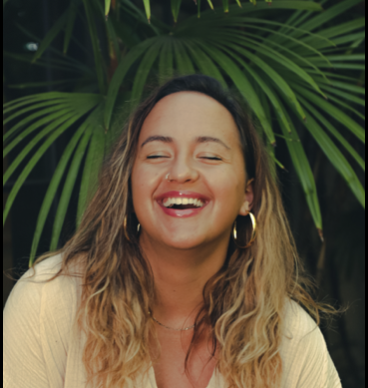
Ruby Rose Collins (Writer-Director)
With roots in documentary journalism, Ruby Rose is passionate about stories that merge nonfiction with genre-bending spectacle to give viewers insight into the most complicated layers of our humanity. As a documentarian, Ruby has produced series that have aired on ABC, A&E, and Hulu, most recently working on the Nipsey Hussle docu-series with Lebron James’ Springhill Entertainment and Jay Z’s RocNation. Outside of documentary, Ruby has produced a wide slate of short films that have premiered at festivals globally, worked in development at HBO and Universal Studios, and had short stints at production companies Big Beach and QC Entertainment. She is a a history-research nerd who grew up sneaking in her older sister's bedroom to watch science fiction thrillers.

https://www.gemmadlgrossman.com/

Mboni Maumba (Production Designer)
Mboni Maumba is a Tanzanian-Chinese filmmaker based in Los Angeles. As a designer, she is a two-time Student Oscars winner for The Chef’19 and Shedding Angels’22. Her first feature film, The Listener’22, directed by Steve Buscemi and starring Tessa Thompson premiered at The Venice Film Festival, Giornate Degli Autori section. Mboni loves story and production design fiercely, perhaps more than anything in the world. She is steered by a passion to mould images into speaking more than words ever could, with a strong belief that the truth is often what is not spoken but exhibited subtly.
https://www.mbonimaumba.com/

Damanuel Richardson (Producer, Hello Benjamin Films)
DaManuel is a writer, programmer, and creative producer alongside his award-winning partners at Hello Benjamin Films. His sub-rural upbringing and extensive family tree inspire his love for stories that explore loss, identity, and healing generational trauma. Leaving the cow fields of Georgia behind, DaManuel journeyed to Los Angeles, where he attained his MFA from CalArts. He later programmed shorts for the Sundance Film Festival and recently worked as a showrunner's assistant at WBTV. DaManuel now works with the Oscar-winning team behind Everything Everywhere All At Once, producer Jonathan Wang, and directing duo Daniels. Despite traveling far from his southern roots, DaManuel is happy to report his green thumb is still intact, thanks to years of urban farming in LA.
https://hellobenjaminfilms.com/


Solomon Turner is a filmmaker, cinematographer, producer and co-founder of Hello Benjamin Films, an award winning film production company. He recently participated in the 2020 Visions du Réel Industry Rough Cut Lab with a feature in post production. Solomon received his BA in Cinema Studies from Oberlin College and an MFA in Film/Video from the California Institute of the Arts. His work has been featured on IndieWire and has screened at the REDCAT Theatre and Poetic Research Bureau (Los Angeles), Art Basel Miami, and Vienna International Film Festival. He was one of 20 documentary producers invited to the 2019 Sundance Creative Producing Summit. In 2019, Solomon was named a Sundance Documentary Fund Grantee.
Ames Ward (Producer)
Ames Ward is an independent producer based in Los Angeles. Most recently, Ward produced THE HEART, a film directed by Malia Ann and produced by Donald Glover, that premiered at Telluride Film Festival, and took away the Jury Award for Best Short Film at Chicago Film Festival. He also produced WATER RISES, directed by Wyatt Winborne and starring Emma Passarow and Lewis Pullman which premiered at The Santa Fe International Film Festival. His music video producing work has been been shown in THE FADER and GQ.
Sofie Somoroff (Assistant Director)
Her latest directing work is primarily coming to terms with her bodily functions. Most recently LOVE IS A FIRE, about an acidic yeast infection, won Best Midnight Short at both FilmQuest and Nightmares Film Festival (“The Cannes of Horror” - iHorror), and screened in the Academy Award Qualifying HollyShorts Film Festival. Prior to that, she made a series of musicals about living in Los Angeles: MY FIRST NIGHT IN LOS ANGELES, about a girl learning self-love while crashing in her friend’s living room, and MY WORST NIGHT IN LOS ANGELES, about needing to poop while on a Hinge date.
She’s a born and bred New Yorker, based in Los Angeles, with extremely strong opinions about bagels.
Current Team
Incentives
- The Story
- Wishlist
- Updates
- The Team
- Community
Mission Statement
The Story
LOGLINE
When a beloved family dog unexpectedly gives birth and abandons her litter, two headstrong children stop at nothing to get their distracted mother’s attention and keep the puppies alive. Inspired by true events.
THE STORY
1982. Upstate New York. The hottest summer on record. Filmmaker Kathleen Collins has decided to risk everything – her finances, relationships, and even her home – to do what no other Black woman had done before: make a feature film.
After a month of filming, and with only one weekend to edit, Kathleen barricades herself in her living room with her lively cinematographer, Ronald Grey, a Steenbeck and a dozen film canisters. Meanwhile, her children, Nina, 7, and Miwo, 5, discover that their beloved family dog, Ginger, has curled into the pantry... and is about to give birth. As Nina pines for her mother’s help, Kathleen stays focused in her artistic obsession, searching for the best shot to finish the film. Understanding that it'll be up to them, Nina and Miwo scramble to help Ginger deliver her puppies... and they do. The film follows the kids as they take imaginative measures to try and keep the puppies alive, while Kathleen fights to save her film.
THE CONTEXT
Kathleen's unwavering commitment to her craft carries more weight than simply that of an artist with a dream. Kathleen fervently believed that Black people deserved more complexity on screen, that Hollywood had too long permeated a mythology wherein Black people were either saints or sinners, and that humanity actually existed in the in-between. To deny a person the right to complication -- to the good, the bad, the ugly, and the beautiful -- is to deny them their right to live. In 1982, portraits of Black people were already few and far between, and the ones that did exist, relied heavily on liminal stereotypes. Kathleen's seminal film, LOSING GROUND, was the first portrait of a Black woman that allowed true normalcy. Gone were the expectations of Blaxploitation films, of Mammy or Jezebel stereotypes, and in was a complicated portrait of a middle-class Black woman simply pursuing a life of pleasure. Unfortunately, in Kathleen's lifetime, film distributors said they didn't "know any Black people like that" and that there was no market for her work. Soon after, she died unexpectedly at the young age of 46.
In 2015, more than thirty years later, Kathleen's daughter, Nina, restored her mother's work, finally giving it the audience it deserved. LOSING GROUND became a seminal work in the film canon, even formally added to the Library of Congress and honored by The Academy. Today, Kathleen is given the historic recognition she deserves for allowing generations of filmmakers to not only see a path toward their futures, but for Black women to see themselves on screen.
THE FILMMAKER & THE WHY
Growing up, I knew almost nothing about my grandmother. All I knew was that she died young. I watched my mother try to raise herself while she raised me, unable to fully break away from the pain of the loss of her mother. I knew that, in many ways, my mother would always be a child longing for her lost mother, that my life would inevitably be painted by that pain. As I got older, I started to witness myself in her shadow, behaving in the same patterns she did, and I wanted to interrogate why. I knew I needed to understand the many things that shaped my mother, and how her own maternal relationship sculpted who she was. I sought to learn everything I could, began sifting through decades of diaries, letters... and that's when I came across my mother's plain re-telling of this story: the day her beloved dog Ginger gave birth to a litter of puppies.
We've all heard a version of the saying "We spend our whole lives trying not to become our parents until we wake up one day and realize we are them." This film, centered on Kathleen's story, with my mother and my gaze as lenses, fundamentally asks, and begins to answer, how we can stop cycles of generational trauma and heal from our inherited pasts.
THE CREATIVE APPROACH
This is a film about the two waring sides to a life, the push and pull between our conflicting wants and needs. The visual and auditory language roots itself duality and the importance of perspective. For the majority of the film, the camera follows Nina intimately, in tight close-up shots, almost entirely handheld, immersing the viewer in Nina’s view of not only the world, but of her mother. Tight, fast-paced, vérité sequences — that feel like they never end — will ground the viewer in this reality. The viewer is never an outside observer, but an active participant in this world. In the final act of the film, however, the perspective shifts from Nina’s to Kathleen’s. In one instant, Kathleen realizes the gravity of her blind spots as a mother, and for the first time, the camera pivots to her interiority, allowing the viewer to empathize with the fullness of her humanity.
KATHLEEN'S WORLD
Passionate. Tense. Claustrophobic. Urgent. Artificial. Sexy. Angular. She's made the living room into her alchemist's lab.
NINA & MIWO'S WORLD
Hot. Sticky. Nostalgic. Dreamy. Romantic. Slow. Natural. Open. Free. Only interrupted by the chaos of the adult world.
WHAT WE NEED
Our team has been lucky enough to secure funds for a significant portion of production: cast and crew wages. Still, making a low-budget film that features two young children, a dog giving birth, real life puppies, actual swimming in a lake... and set in 1970s New York is not an easy task! To make this film possible, we are looking to secure funding to:
- Create the 1970s world of ALL THE LOVE I COULD HANDLE through Production Design. This includes 1970s film equipment, realistic puppies, birthing SPFX and costumes to match the era.
- Adhere to SAG guidelines and ensure the safety and well-being of our young cast. Working with a 9-year-old and a 6-year-old means we will need to ensure we have a Studio Teacher on set, as well as film over five days as opposed to three.
- Purchase Production Insurance to secure shooting locations and rent equipment.
- Feed our crew Meals & Catering over five days.
- Secure ideal locations, including a Lakefront dock and a 1970s-era home.
...and more! See "wishlist" for more details on how your generous contribution will be used.
THE ARCHIVE
LOST AND FOUND; Richard Brody, 2015, The New York Times
https://www.newyorker.com/magazine/2015/02/09/lost-found
KATHLEEN COLLINS'S OTHERWORLDLY WOMEN, 2020, The New Yorker
https://www.newyorker.com/magazine/2020/04/27/kathleen-collins-otherworldly-women
HOW KATHLEEN COLLINS' DAUGHTER KEPT HER LATE MOTHER'S CAREER ALIVE, Nina Lorez Collins, 2016, Vogue
https://www.vogue.com/article/kathleen-collins-filmmaker-career-daughter-nina-lorez-collins
THANK YOU!
Wishlist
Use the WishList to Pledge cash and Loan items - or - Make a pledge by selecting an Incentive directly.
Steenbeck Editing Bay
Costs $750
We will transport and rent real editing tools from the 1970s.
Dog & Wrangler
Costs $2,000
We will hire a humane society-approved dog wrangler to assist on set with our dog-intensive scenes.
Lifeguard
Costs $600
The opening and final scenes of our film feature the kids swimming in a natural lake... safety FIRST!
The House
Costs $5,350
We are filming over five days in Los Angeles and have found the perfect house that mimics east coast, and closely mirrors the real house.
Puppies SPFX
Costs $980
We will be using prop puppies for the newborn dogs, and will need to pay for premium props to ensure their realism.
Re-Print of Losing Ground
Costs $850
We will re-print portions of Kathleen's seminal 35mm film LOSING GROUND, to show her editing it in real time on the Steenbeck.
1980s Set Design & Costumes
Costs $1,750
Our film is set in the 1980s, and we'll need the world to match it!
Cast & Crew Meals
Costs $3,500
We will be filming over five days, with a cast and crew of 25 people.
The Lake
Costs $2,000
We will be filming for one day at Malibu Lake.
Lighting Package
Costs $2,300
We will be renting beautiful cinema lights.
Cash Pledge
Costs $0
Direct link:
Share this update!
About This Team
Ruby Rose Collins (Writer-Director)
With roots in documentary journalism, Ruby Rose is passionate about stories that merge nonfiction with genre-bending spectacle to give viewers insight into the most complicated layers of our humanity. As a documentarian, Ruby has produced series that have aired on ABC, A&E, and Hulu, most recently working on the Nipsey Hussle docu-series with Lebron James’ Springhill Entertainment and Jay Z’s RocNation. Outside of documentary, Ruby has produced a wide slate of short films that have premiered at festivals globally, worked in development at HBO and Universal Studios, and had short stints at production companies Big Beach and QC Entertainment. She is a a history-research nerd who grew up sneaking in her older sister's bedroom to watch science fiction thrillers.
https://www.gemmadlgrossman.com/
Mboni Maumba (Production Designer)
Mboni Maumba is a Tanzanian-Chinese filmmaker based in Los Angeles. As a designer, she is a two-time Student Oscars winner for The Chef’19 and Shedding Angels’22. Her first feature film, The Listener’22, directed by Steve Buscemi and starring Tessa Thompson premiered at The Venice Film Festival, Giornate Degli Autori section. Mboni loves story and production design fiercely, perhaps more than anything in the world. She is steered by a passion to mould images into speaking more than words ever could, with a strong belief that the truth is often what is not spoken but exhibited subtly.
https://www.mbonimaumba.com/
Damanuel Richardson (Producer, Hello Benjamin Films)
DaManuel is a writer, programmer, and creative producer alongside his award-winning partners at Hello Benjamin Films. His sub-rural upbringing and extensive family tree inspire his love for stories that explore loss, identity, and healing generational trauma. Leaving the cow fields of Georgia behind, DaManuel journeyed to Los Angeles, where he attained his MFA from CalArts. He later programmed shorts for the Sundance Film Festival and recently worked as a showrunner's assistant at WBTV. DaManuel now works with the Oscar-winning team behind Everything Everywhere All At Once, producer Jonathan Wang, and directing duo Daniels. Despite traveling far from his southern roots, DaManuel is happy to report his green thumb is still intact, thanks to years of urban farming in LA.
https://hellobenjaminfilms.com/
Solomon Turner is a filmmaker, cinematographer, producer and co-founder of Hello Benjamin Films, an award winning film production company. He recently participated in the 2020 Visions du Réel Industry Rough Cut Lab with a feature in post production. Solomon received his BA in Cinema Studies from Oberlin College and an MFA in Film/Video from the California Institute of the Arts. His work has been featured on IndieWire and has screened at the REDCAT Theatre and Poetic Research Bureau (Los Angeles), Art Basel Miami, and Vienna International Film Festival. He was one of 20 documentary producers invited to the 2019 Sundance Creative Producing Summit. In 2019, Solomon was named a Sundance Documentary Fund Grantee.
Ames Ward (Producer)
Ames Ward is an independent producer based in Los Angeles. Most recently, Ward produced THE HEART, a film directed by Malia Ann and produced by Donald Glover, that premiered at Telluride Film Festival, and took away the Jury Award for Best Short Film at Chicago Film Festival. He also produced WATER RISES, directed by Wyatt Winborne and starring Emma Passarow and Lewis Pullman which premiered at The Santa Fe International Film Festival. His music video producing work has been been shown in THE FADER and GQ.
Sofie Somoroff (Assistant Director)
Her latest directing work is primarily coming to terms with her bodily functions. Most recently LOVE IS A FIRE, about an acidic yeast infection, won Best Midnight Short at both FilmQuest and Nightmares Film Festival (“The Cannes of Horror” - iHorror), and screened in the Academy Award Qualifying HollyShorts Film Festival. Prior to that, she made a series of musicals about living in Los Angeles: MY FIRST NIGHT IN LOS ANGELES, about a girl learning self-love while crashing in her friend’s living room, and MY WORST NIGHT IN LOS ANGELES, about needing to poop while on a Hinge date.
She’s a born and bred New Yorker, based in Los Angeles, with extremely strong opinions about bagels.