Connecting Tissue
New York City, New York | Film Short
Comedy, Drama
Connecting Tissue is a romance and dark comedy short film which deals with themes of grief and lost connection in the internet era. It is a thesis project by Samuel Bachman at the School of Visual Arts.
Connecting Tissue
New York City, New York | Film Short
Comedy, Drama

3 Campaigns | New York, United States
Green Light
This campaign raised $8,165 for pre-production. Follow the filmmaker to receive future updates on this project.
23 supporters | followers
Enter the amount you would like to pledge
Connecting Tissue is a romance and dark comedy short film which deals with themes of grief and lost connection in the internet era. It is a thesis project by Samuel Bachman at the School of Visual Arts.
About The Project


- The Story
- Wishlist
- Updates
- The Team
- Community
Mission Statement
The Story
 The film opens with Tommix swiping on a dating app and landing on Mercury, a seemingly familiar woman. Soon we’re near the end of their date, when Tommix and Mercury realize that Mercury’s dead boyfriend, Rian, was Tommix’s best friend. This changes everything for both of them: although Tommix and Mercury previously never met and the date wasn’t going that well, Mercury asks if Tommix will walk her home. On the way home they discuss each of their close relationships to Rian. At Mercury’s apartment they talk more, and Mercury tries to sleep with Tommix in an attempt to get over Rian. Tommix refuses, thinking it’d be a betrayal of his dead best friend. Eventually, as a compromise, Mercury and Tommix video call each other from within the same room to engage in intimacy in a way that doesn't feel like a direct betrayal to their dead friend. Yet the plan doesn't work to resolve their feelings and in the end only the grief remains.
 I came to writing Connecting Tissue by thinking of a way to talk about the way the internet has affected my generation. I didn’t want to completely condemn or celebrate. The internet as it exists today can be incredibly isolating, foster feelings of loneliness, and increase likelihood of mental illness. Yet frequently, and more often amongst my generation, it allows for unfiltered and seemingly impossible moments of real connection. Technology brings Tommix and Mercury together, and it could be what ultimately drives them apart. I want audiences to come to their own conclusions, and wonder how they relate or differ to these characters.
These are incredibly important ideas to explore today, and this project being my thesis film means it's the best possible time for me to explore them onscreen.
 The main visual approach we plan to take with Connecting Tissue is to use film emulation to create a analog feel, which contrasts with the digital feel of the story. An analog feel for this story is important because it attaches us to the more concrete emotions of the characters, and not the digital world they live in. Also, the film will contrast the color-coded costumes of the protagonists with duller backgrounds. Tommix will be coded with blue, representing his depression and sadness as a response to the loss of his best friend. Mercury, who has more anger mixed with her grief and is the more passionate of the two, will be coded with red. For the interior scenes in the restaurant and the apartments we want to have a duller color palette - muted yellows & light browns. Tommix and Mercury have strong responses to their grief, but the world around them doesn’t seem to care.
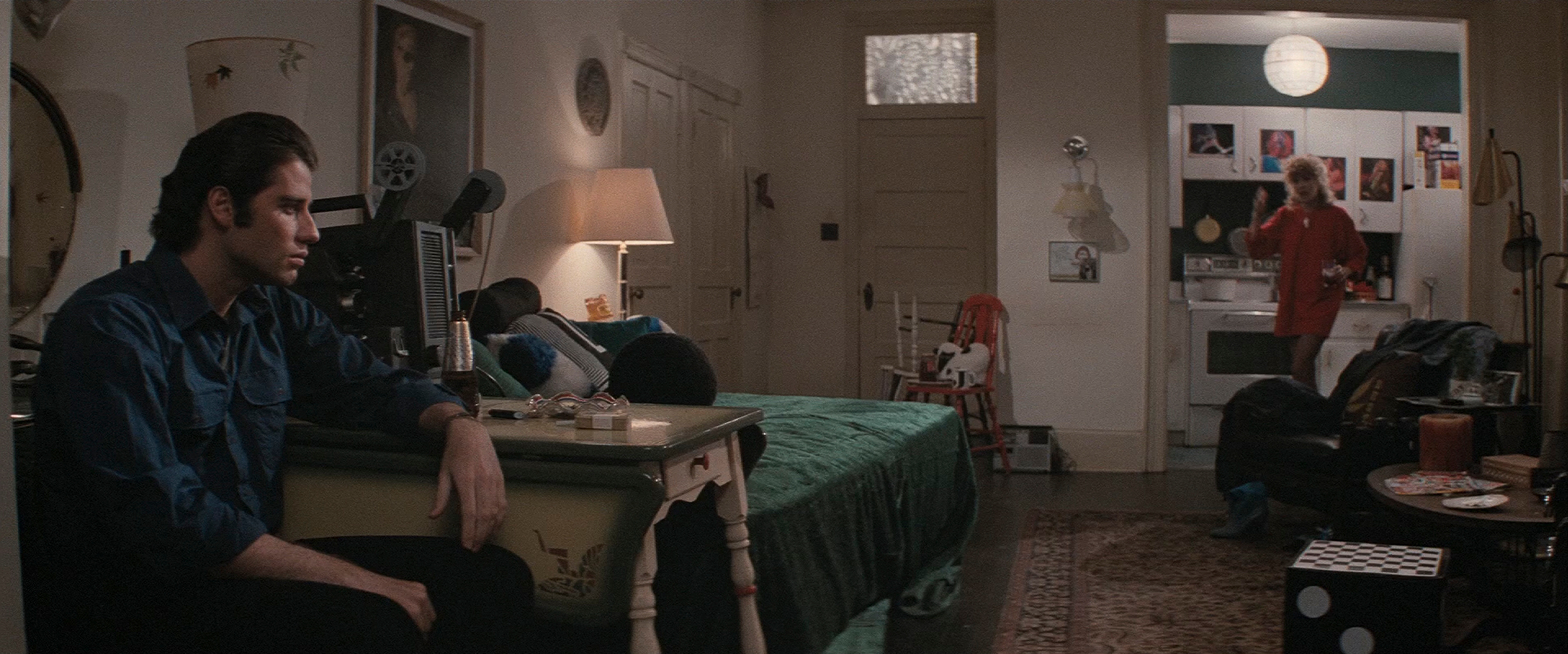
Image Credit: Blow Out

The Ask
We're asking for $8,150 for production and post-production costs. This goes towards everything needed to bring this film to life including cast, locations, meals for crew, insurance, and more. If Connecting Tissue's themes regarding technology, connection, and grief seem worthwhile to you, please consider supporting this project either by donating or sharing the campaign.
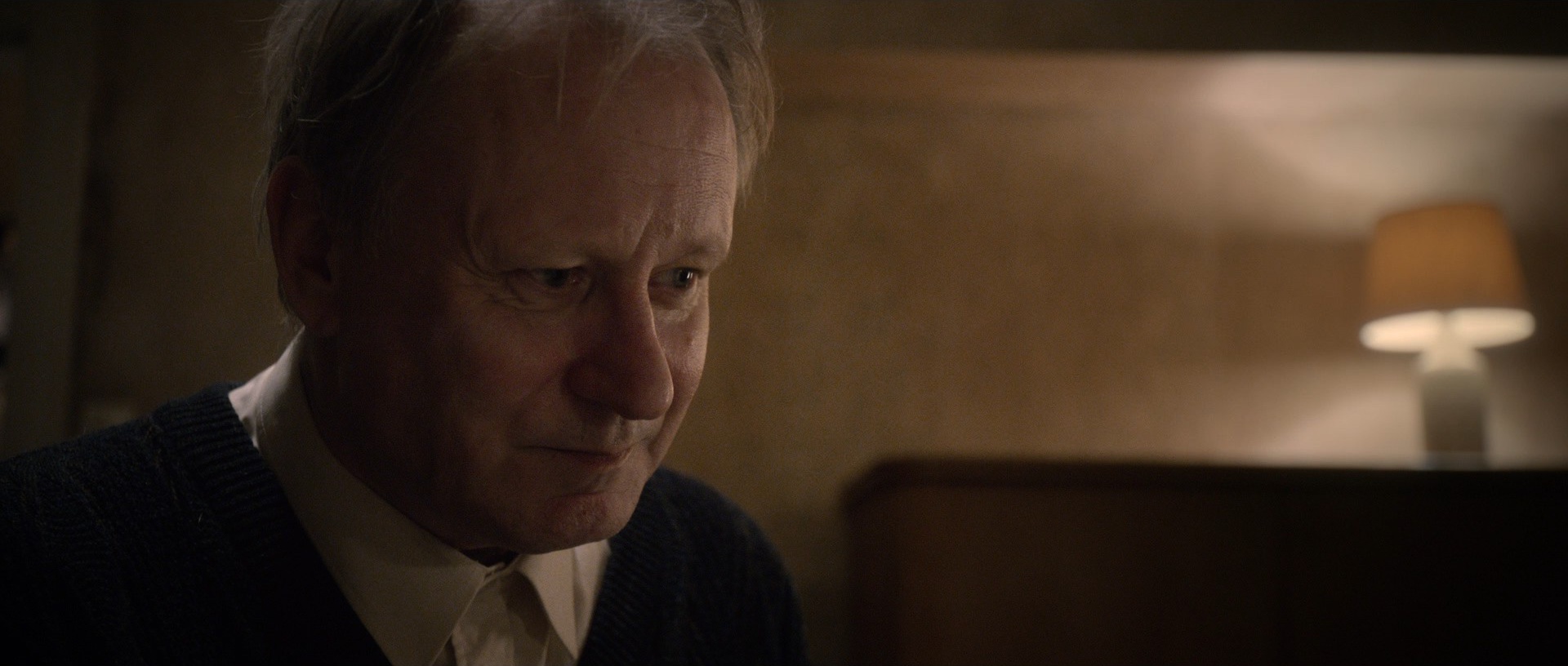 Image Credit: Nymphomaniac
Wishlist
Use the WishList to Pledge cash and Loan items - or - Make a pledge by selecting an Incentive directly.
Pay Cast
Costs $500
Paying cast on SAG Micro-budget agreement.
Locations
Costs $2,000
Cost of locations to shoot the film.
Intimacy Coordinator
Costs $300
For intimate scenes in the film.
Catering & Crafty
Costs $2,000
Feeding our cast and crew.
Transportation
Costs $650
To bring equipment and otherwise to the locations.
Production Design / Wardrobe
Costs $1,000
To make the look of the film pop.
Post Production
Costs $500
To enhance the look and sound of the film in post.
Insurance
Costs $1,200
Just in case!
Cash Pledge
Costs $0


Direct link:
Share this update!
About This Team
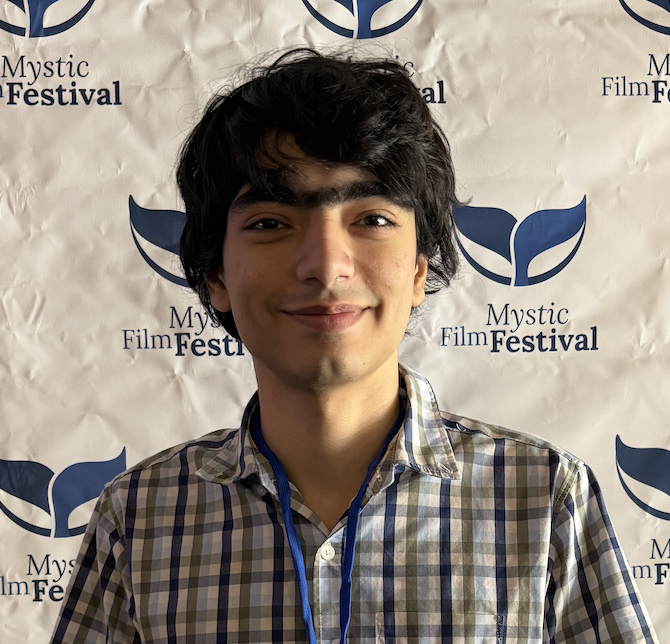 Samuel Bachman, Writer/Director
Samuel Bachman is a Peruvian-American filmmaker from Astoria, Queens. His short film David Loves played at the Mystic Film Festival (2025). Samuel’s films explore the dramatic lives of young adults who fight, love, and (in the occasional genre picture) get abducted by aliens. Recently he completed his third year as a film student at the School of Visual Arts, where three films he assistant directed were selected for screening. He is also a graduate from Frank Sinatra School of the Arts as a film major.
 Matt Haller, Producer
Matt Haller is a writer and filmmaker born in New Haven, CT. He has directed several short films, including You Will Find Love, Burn Me Back, and the upcoming Where’s Your Sunset Spot?. He is also a producer and assistant director, having contributed to films like Selene (dir. Jaime H. Berrio) and Pancit (dir. Thalia Torio). Along with being a filmmaker, he is a published essayist and art curator.
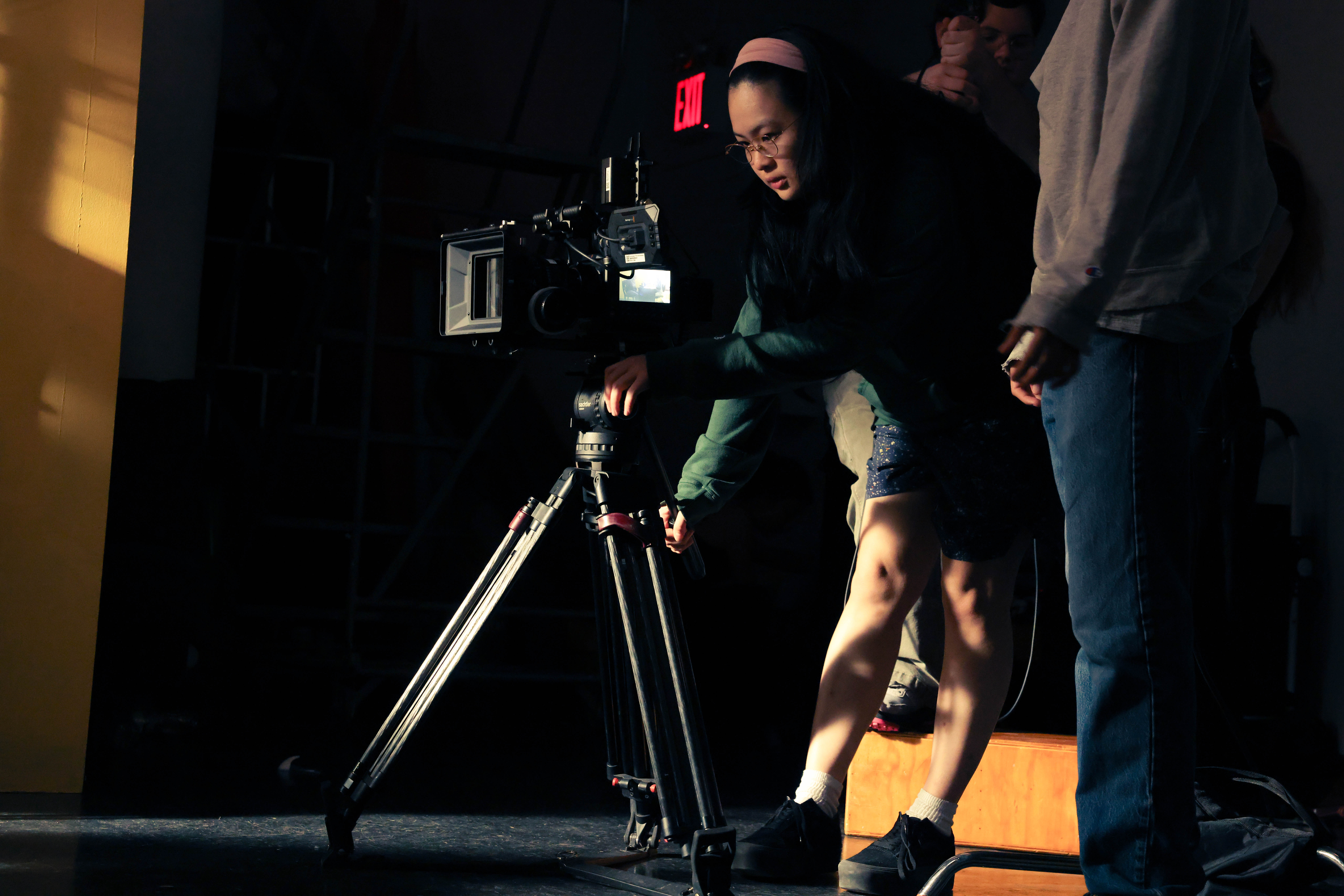 Zia Lee, Director of Photography
Zia Lee is a cinematographer and filmmaker based in New York City. Since 2022, she has accumulated experience shooting and directing short films and other video content in a variety of genres. In her three years at School of Visual Arts’ BFA Film program, she has been a consistent collaborator to Connecting Tissue director Samuel Bachman; her work in David Loves was screened at Mystic Film Festival.
As a cinematographer, Zia favors a dynamic use of color and movement, combined with the choice to hold still when the moment calls for it. She has an intuition for composition and blocking, and is responsive to the director’s vision and passion when making artistic decisions. Above all, Zia lets her love of storytelling drive her filmmaking choices. As a director, she has been awarded by Dollhouse of Horror Film Festival 2025 for her first short film, Spell Defeat.
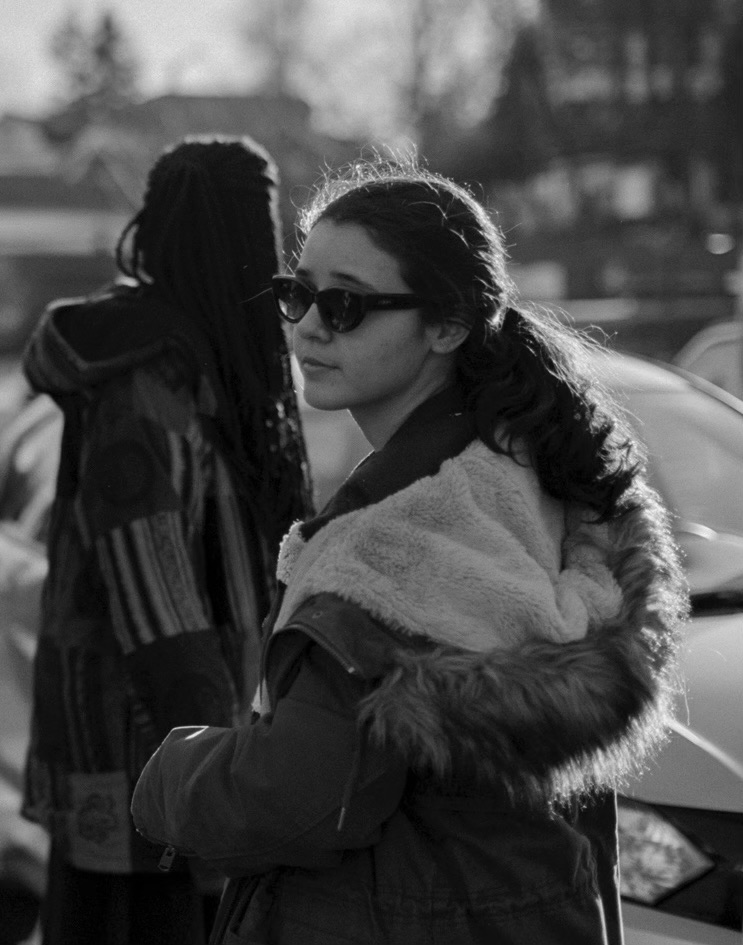 Beatriz Coelho de Soárez, Assistant Director
Beatriz Coelho de Soárez is a writer and filmmaker from São Paulo, Brazil. Inspired by the current scene of character-driven, introspective films, she uses her unique voice to create works that inspire deep involuntary feelings in the audience.
As a screenwriter, she has participated in several types of work, ranging from original to adaptations and putting collaborators’ ideas to the page. Since her first year at the School of Visual Arts in New York, where she is now finishing Junior year, Beatriz has taken it upon herself to find other creatives and partner up to bring their vision to life, writing scripts for directors and cinematographers to make their own with a camera.
Current Team
Incentives
- The Story
- Wishlist
- Updates
- The Team
- Community
Mission Statement
The Story
The film opens with Tommix swiping on a dating app and landing on Mercury, a seemingly familiar woman. Soon we’re near the end of their date, when Tommix and Mercury realize that Mercury’s dead boyfriend, Rian, was Tommix’s best friend. This changes everything for both of them: although Tommix and Mercury previously never met and the date wasn’t going that well, Mercury asks if Tommix will walk her home. On the way home they discuss each of their close relationships to Rian. At Mercury’s apartment they talk more, and Mercury tries to sleep with Tommix in an attempt to get over Rian. Tommix refuses, thinking it’d be a betrayal of his dead best friend. Eventually, as a compromise, Mercury and Tommix video call each other from within the same room to engage in intimacy in a way that doesn't feel like a direct betrayal to their dead friend. Yet the plan doesn't work to resolve their feelings and in the end only the grief remains.
I came to writing Connecting Tissue by thinking of a way to talk about the way the internet has affected my generation. I didn’t want to completely condemn or celebrate. The internet as it exists today can be incredibly isolating, foster feelings of loneliness, and increase likelihood of mental illness. Yet frequently, and more often amongst my generation, it allows for unfiltered and seemingly impossible moments of real connection. Technology brings Tommix and Mercury together, and it could be what ultimately drives them apart. I want audiences to come to their own conclusions, and wonder how they relate or differ to these characters.
These are incredibly important ideas to explore today, and this project being my thesis film means it's the best possible time for me to explore them onscreen.
The main visual approach we plan to take with Connecting Tissue is to use film emulation to create a analog feel, which contrasts with the digital feel of the story. An analog feel for this story is important because it attaches us to the more concrete emotions of the characters, and not the digital world they live in. Also, the film will contrast the color-coded costumes of the protagonists with duller backgrounds. Tommix will be coded with blue, representing his depression and sadness as a response to the loss of his best friend. Mercury, who has more anger mixed with her grief and is the more passionate of the two, will be coded with red. For the interior scenes in the restaurant and the apartments we want to have a duller color palette - muted yellows & light browns. Tommix and Mercury have strong responses to their grief, but the world around them doesn’t seem to care.
Image Credit: Blow Out
The Ask
We're asking for $8,150 for production and post-production costs. This goes towards everything needed to bring this film to life including cast, locations, meals for crew, insurance, and more. If Connecting Tissue's themes regarding technology, connection, and grief seem worthwhile to you, please consider supporting this project either by donating or sharing the campaign.
Image Credit: Nymphomaniac
Wishlist
Use the WishList to Pledge cash and Loan items - or - Make a pledge by selecting an Incentive directly.
Pay Cast
Costs $500
Paying cast on SAG Micro-budget agreement.
Locations
Costs $2,000
Cost of locations to shoot the film.
Intimacy Coordinator
Costs $300
For intimate scenes in the film.
Catering & Crafty
Costs $2,000
Feeding our cast and crew.
Transportation
Costs $650
To bring equipment and otherwise to the locations.
Production Design / Wardrobe
Costs $1,000
To make the look of the film pop.
Post Production
Costs $500
To enhance the look and sound of the film in post.
Insurance
Costs $1,200
Just in case!
Cash Pledge
Costs $0
Direct link:
Share this update!
About This Team
Samuel Bachman, Writer/Director
Samuel Bachman is a Peruvian-American filmmaker from Astoria, Queens. His short film David Loves played at the Mystic Film Festival (2025). Samuel’s films explore the dramatic lives of young adults who fight, love, and (in the occasional genre picture) get abducted by aliens. Recently he completed his third year as a film student at the School of Visual Arts, where three films he assistant directed were selected for screening. He is also a graduate from Frank Sinatra School of the Arts as a film major.
Matt Haller, Producer
Matt Haller is a writer and filmmaker born in New Haven, CT. He has directed several short films, including You Will Find Love, Burn Me Back, and the upcoming Where’s Your Sunset Spot?. He is also a producer and assistant director, having contributed to films like Selene (dir. Jaime H. Berrio) and Pancit (dir. Thalia Torio). Along with being a filmmaker, he is a published essayist and art curator.
Zia Lee, Director of Photography
Zia Lee is a cinematographer and filmmaker based in New York City. Since 2022, she has accumulated experience shooting and directing short films and other video content in a variety of genres. In her three years at School of Visual Arts’ BFA Film program, she has been a consistent collaborator to Connecting Tissue director Samuel Bachman; her work in David Loves was screened at Mystic Film Festival.
As a cinematographer, Zia favors a dynamic use of color and movement, combined with the choice to hold still when the moment calls for it. She has an intuition for composition and blocking, and is responsive to the director’s vision and passion when making artistic decisions. Above all, Zia lets her love of storytelling drive her filmmaking choices. As a director, she has been awarded by Dollhouse of Horror Film Festival 2025 for her first short film, Spell Defeat.
Beatriz Coelho de Soárez, Assistant Director
Beatriz Coelho de Soárez is a writer and filmmaker from São Paulo, Brazil. Inspired by the current scene of character-driven, introspective films, she uses her unique voice to create works that inspire deep involuntary feelings in the audience.
As a screenwriter, she has participated in several types of work, ranging from original to adaptations and putting collaborators’ ideas to the page. Since her first year at the School of Visual Arts in New York, where she is now finishing Junior year, Beatriz has taken it upon herself to find other creatives and partner up to bring their vision to life, writing scripts for directors and cinematographers to make their own with a camera.