Dead Mall
New York City, New York | Film Short
Horror, Satire
When a gifted medium and her podcaster boyfriend investigate a dead mall haunted by a 1996 Black Friday riot, they find a place discarded by time, spirits cycling on repeat, and something that knows they're there.
Dead Mall
New York City, New York | Film Short
Horror, Satire

1 Campaigns | New York, United States
97 supporters | followers
Enter the amount you would like to pledge
$10,300
Goal: $12,500 for production
When a gifted medium and her podcaster boyfriend investigate a dead mall haunted by a 1996 Black Friday riot, they find a place discarded by time, spirits cycling on repeat, and something that knows they're there.
About The Project


- The Story
- Wishlist
- Updates
- The Team
- Community
Mission Statement
The Story

Lydia Pierce, a gifted medium and Eli Cross, an ambitious podcast producer arrive at long abandoned Wonderland Mall on an overcast morning with the goal of capturing proof of paranormal activity in the mall. The mall is rumored to be haunted with restless spirits, victims of a catastrophic Black Friday mob in 1996 that left sixteen dead and an event that’s the subject of Eli’s first self-produced podcast. Next ?, the electronic toy at the center of the hysteria, disappeared from shelves without explanation shortly after the tragedy. While Lydia prefers to protect her abilities rather than perform them, Eli leans on his girlfriend's talents for the sake of good content. Archival advertisements, local news casts and security footage bleed into the story, the past repeating the promise of a future that never came.
Lydia immediately knows that the forces in the mall are unfriendly, and while she tries to leave before they can be harmed by the trauma of the past, something won’t let them. Doors slam shut, muzak broadcasts through a busted PA system, a cashier’s register beeps on repeat. Lydia sees these phenomena for what they are, the residual looping trap of people who died mid-task on that awful day, trying to complete the work they never finished. Eli sees these impressions as peak content. Each encounter further divides the couple until the tension finally breaks when Lydia becomes possessed by a desperate spirit. When she disappears into the mall Eli must choose whether to follow her or continue his quest. The mall has its own plans.

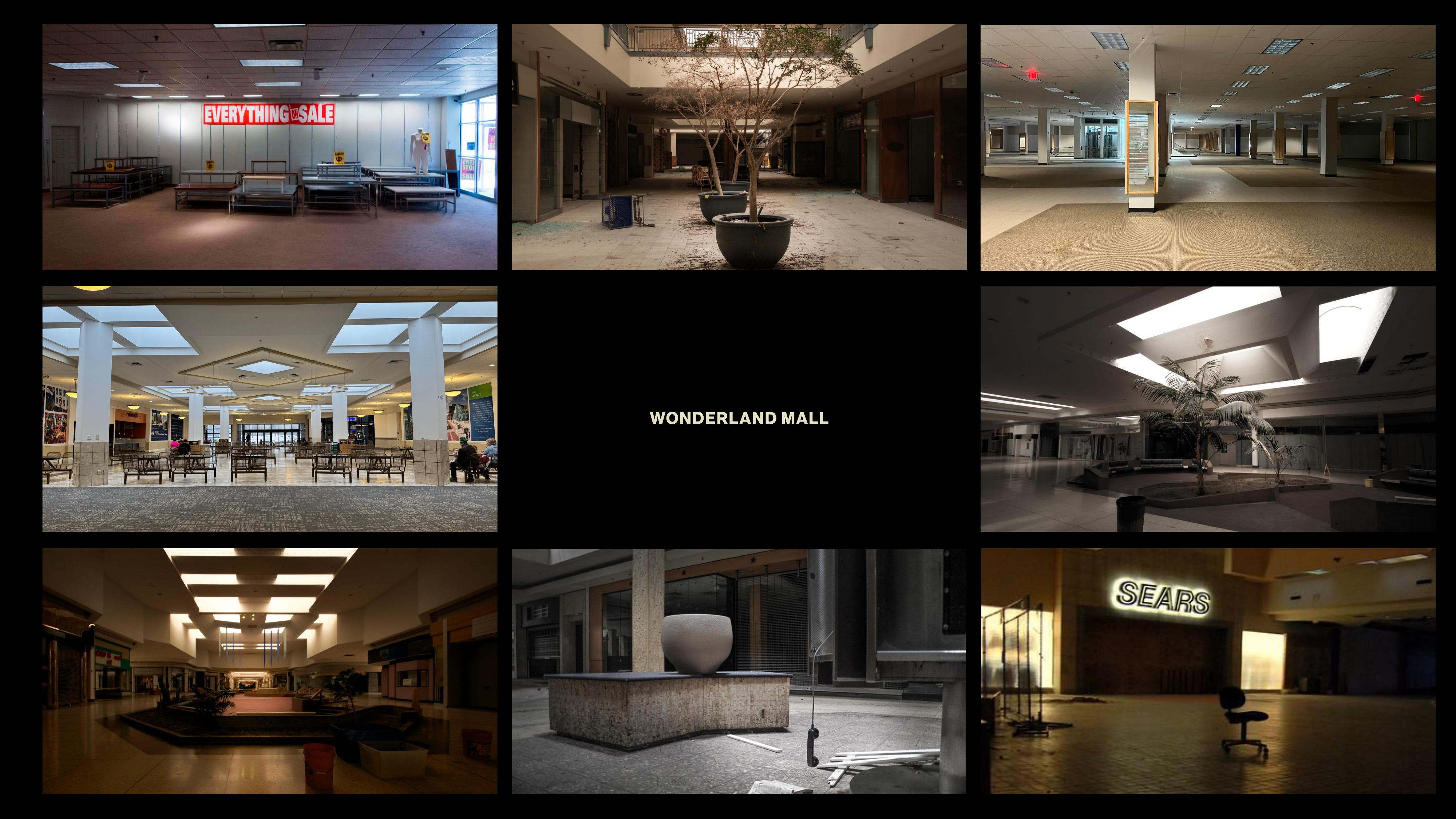
Wonderland Mall is a real place. It was one of the malls that upheld the promise of a comfortable, middle class, suburban life in Livonia, Michigan, my hometown. Growing up during peak mall culture in the eighties and nineties the mall represented something both comforting and limiting to me. Malls were a monolith, they housed corporate cookie cutter stores, flattening culture into a single expression as they provided a communal third space where local teens and families could hang out. As society has transformed in ways and at speeds that would have been unimaginable to that nineties kid, the disorientation I feel in the modern era is real and generational. For me, these hulking monuments to an era when a future was promised that felt safe, comfortable and accessible are reminders of simpler, if imperfect, times.
The communal promise the mall represented has collapsed. And yet, we seem trapped, repeating the same systematic solutions and procedures that no longer serve us. These ruins stand to remind us of what we once believed so completely that it felt like it would never change. Until it did. I find this fascinating, like living in the ruins of an empire mid-collapse.
As a motion designer and director I know exactly how these systems of desire and consumption are constructed because I’ve spent twenty years building them. Combine this experience with my Gen-X upbringing and living through various digital revolutions in the field and the format and story of Dead Mall becomes something unique to me as a filmmaker and artist. Rather than shrinking from new technologies like generative AI, I have always been on the side of embracing these tools because I didn’t really have the luxury of choice. Dead Mall’s fractured narrative structure, use of mixed formats and integration of new AI filmmaking software work together to reflect how flat our culture has become. The story of Lydia and Eli’s conflicting approaches to the past and the present are an encapsulation of the complications of living in this fragmented and reflective era. Ultimately, I love films that find satire in horror, inviting the audience to discover and experience the ugly contradictions that define our society. Dead Mall is a story of haunted toys, misplaced ambitions and consumer obsession that reflects the fractured experience of growing up in suburban America.

When Wonderland Mall opened in the late seventies the American dream of middle class convenience and comfort was at its prime. The anchor stores, food courts, movie theaters and chain retailers were a welcome escape for those that visited. The mall was a climate controlled Main Street with everything your heart desired. For over twenty years, that promise held. A humming system of consumption and capitalism conveniently located in your very own town, the polite buzz of neighbors shopping accompanied by muzak, best enjoyed with a warm soft pretzel from the food court.
On November 29, 1996, a Black Friday sale on the hottest toy of the year, Next ?, drew an enormous and ravenous mob so intent on possessing this toy that once the doors finally opened the chaos led to a death toll of sixteen.
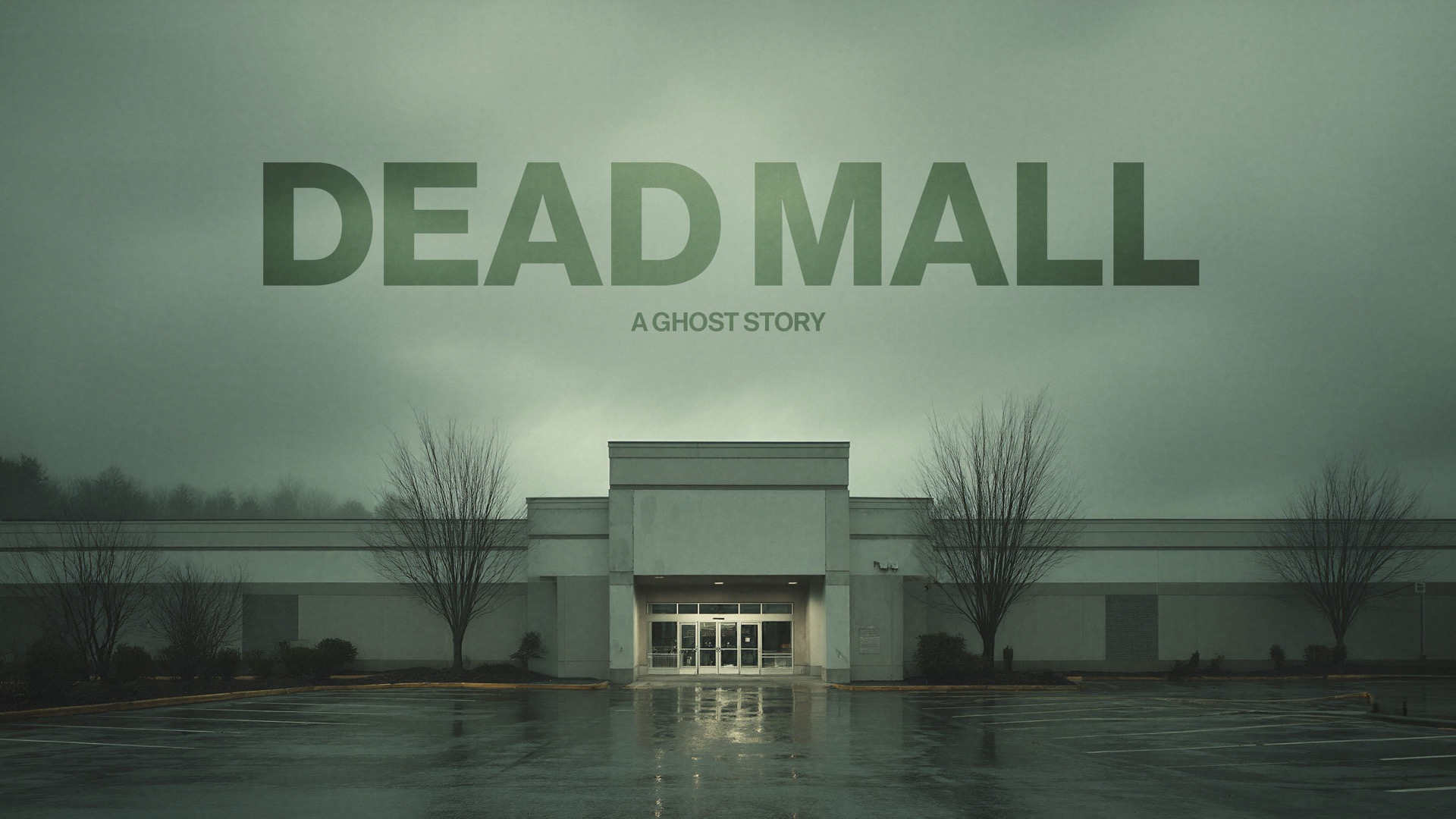
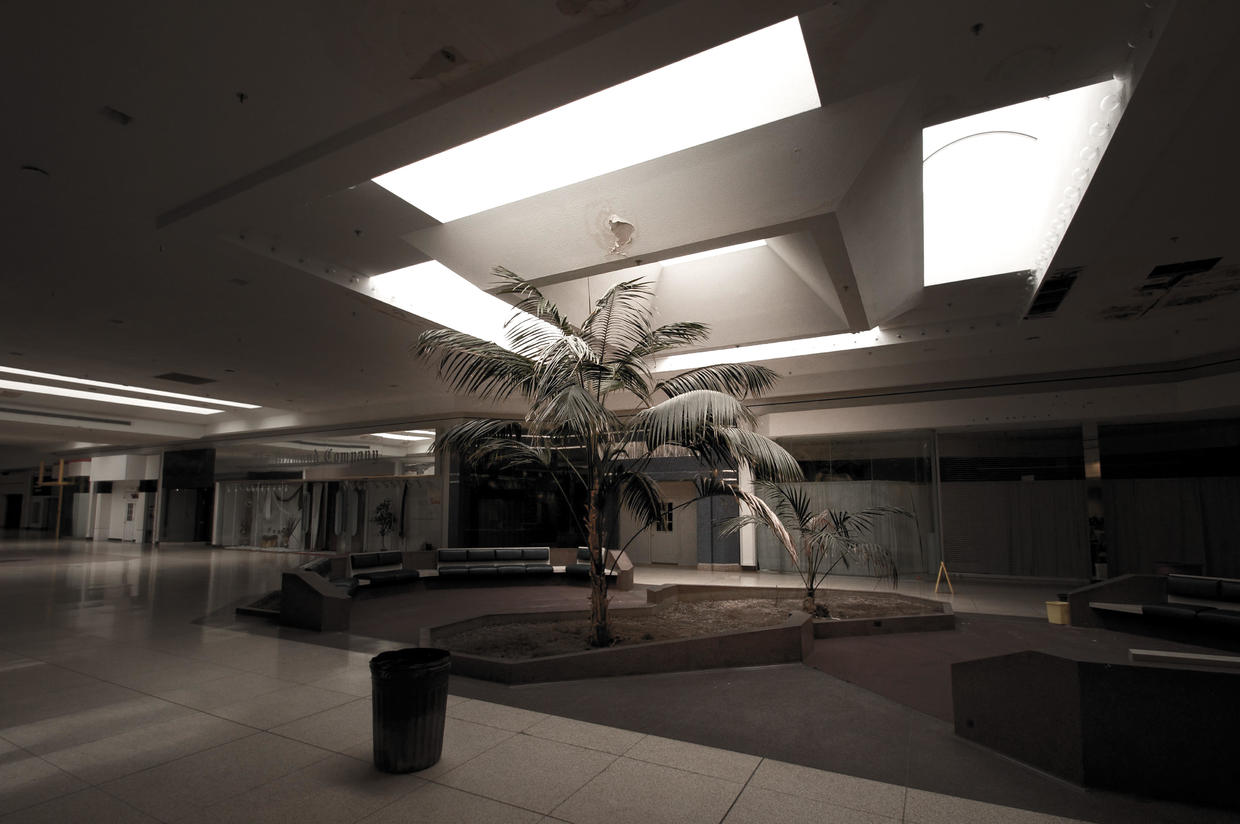
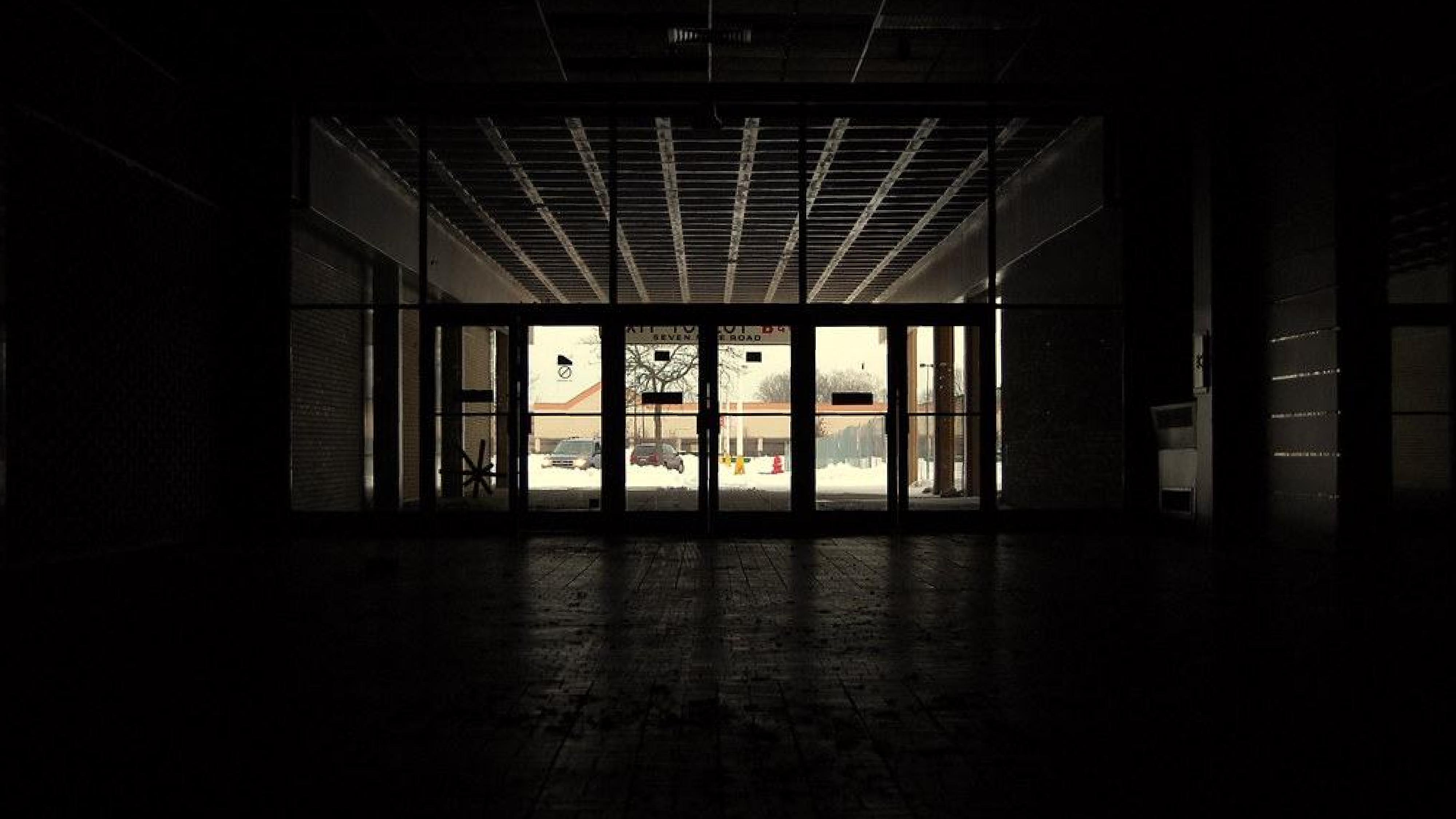
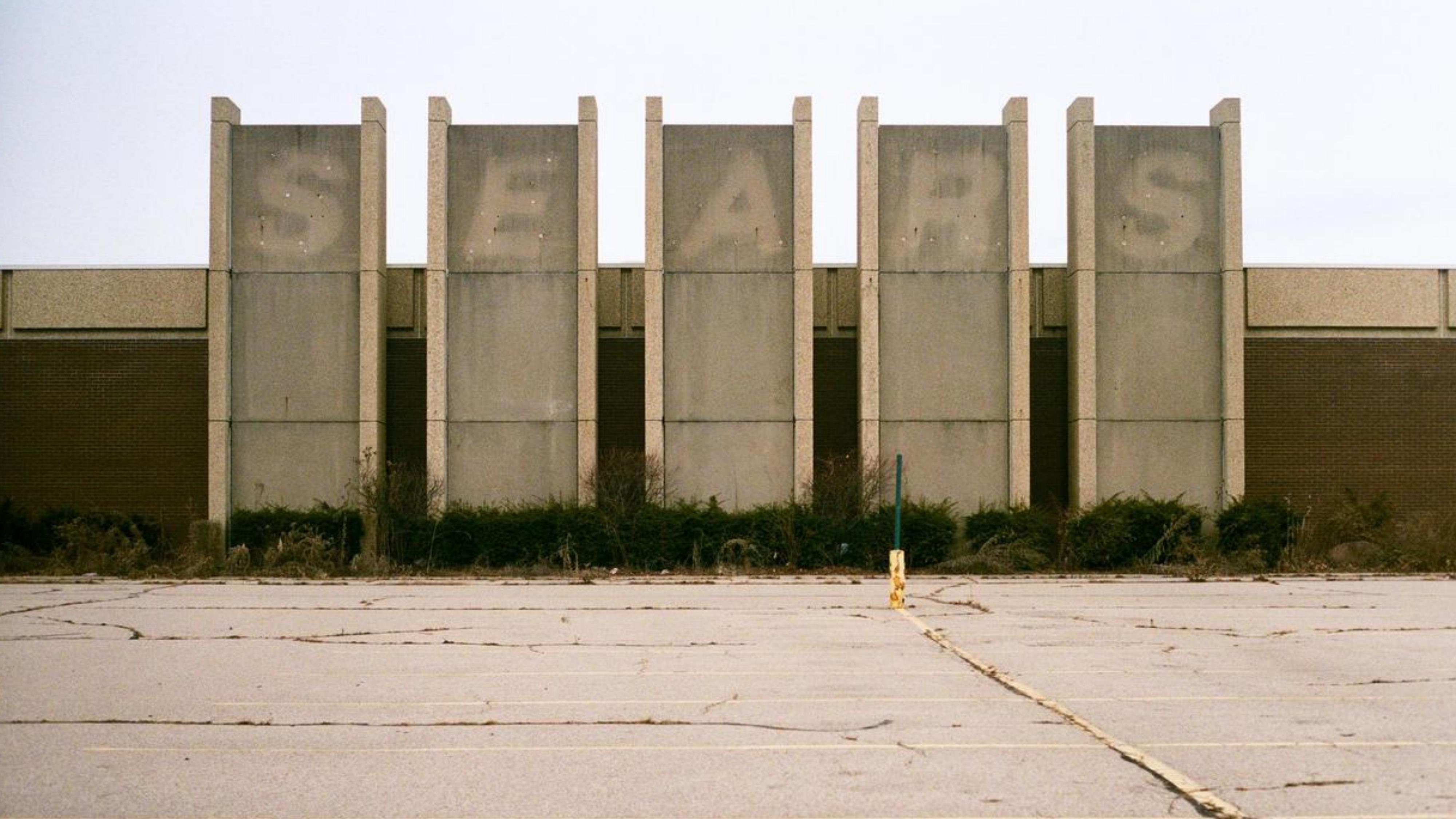
The riot left a stain on Wonderland Mall and as new modes of commerce overtook traditional storefronts at the turn of the century it lost its luster and its purpose. It closed quietly and without ceremony in 2013. Since then it has sat abandoned and ruined. Caged storefronts, dead escalators and sky lights loom over dusty corridors that lead nowhere. The once vibrant infrastructure of consumption, now an empty ruin.
But is it abandoned? Local legend claims that’s not the case. The energy of what happened on that Black Friday has transformed into something darker that did not leave with the last tenant. It has settled and it repeats. A traumatic pattern from a tragic event forced into a never ending cycle.
This is where the film takes place.

LYDIA PIERCE
Lydia Pierce, mid-thirties, has had an intuitive ability to sense and communicate with the metaphysical world since she was a child. A gift that she treats more as an academic curiosity than a performance, she sees the spirits she encounters as something much more complex than scary apparitions or the dead haunting the living. Understated and composed, her process is entirely internal: feelings, sensations, listening, watching. Eli has recruited her to help him with the paranormal side of his podcast, believing she’s the lynchpin to recording proof of the mall's haunting and the success of the story. But where Eli sees evidence as content to capture, Lydia sees something more sacred and meaningful. She is cautious when it comes to powerful spaces with residual hauntings, she knows the danger that people with psychic gifts face when spirits are desperate. While she agreed to share her gift for this project, she has a code that she won’t bend, even for Eli.
ELI CROSS
Eli Cross, mid-thirties, is neither skeptic nor believer when it comes to the paranormal. An ambitious podcast producer, after years making content for brands and advertisers he's finally making something he genuinely cares about. For Eli, that's scarier than any ghost or demon. The black sheep of an overachieving family, he has spent his adult life trying to prove that what interests him has value. This podcast is the biggest bet he's ever placed on himself. Confident, intelligent and driven, he leans on facts and technology as a shield against his fear of failure. The story of Wonderland Mall genuinely intrigues him and he knows it has the potential to become a massive hit. Throughout their journey through the mall Eli repeatedly ignores warnings from Lydia in favor of capturing sensational content for the podcast. Eli enters Wonderland Mall with the goal of capturing definitive proof of paranormal activity at the mall, the irony is he ends up being the very proof he was looking for.

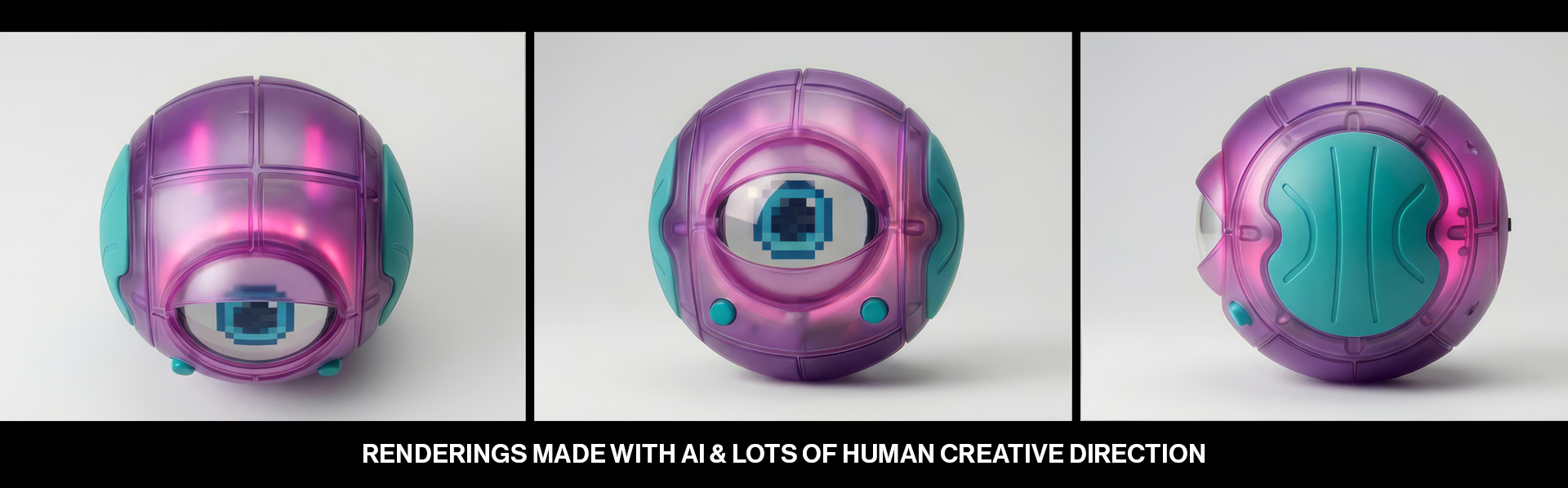
In the fall of 1996, every kid in America wanted one thing under their Christmas tree, Next ?. Part magic eight ball, part handheld game, part oracle, kids could ask questions and receive answers that were everything from eerily specific to no answer at all.
The advertisements were everywhere. Millions of dollars worth of television commercials, print ads and retail placement turned Next ? into the must-have toy of the holiday season. Parents lined up. Kids begged. The demand was unlike anything retailers had seen since the Cabbage Patch frenzy of the eighties.
What happened at Wonderland Mall on Black Friday 1996 is well documented. What is less documented is what happened to Next ? afterward. The toy was rumored to have shut itself off shortly before the riot began and Next ? disappeared from shelves without a recall, without a press release, without explanation. The manufacturer never fully responded to questions about the incident.
The rules printed on the back of the box now read differently than they did in 1996. If it stops, you must stop. Turn Next Question off immediately. Do not restart. If Next Question does not turn off, seek help from an adult.
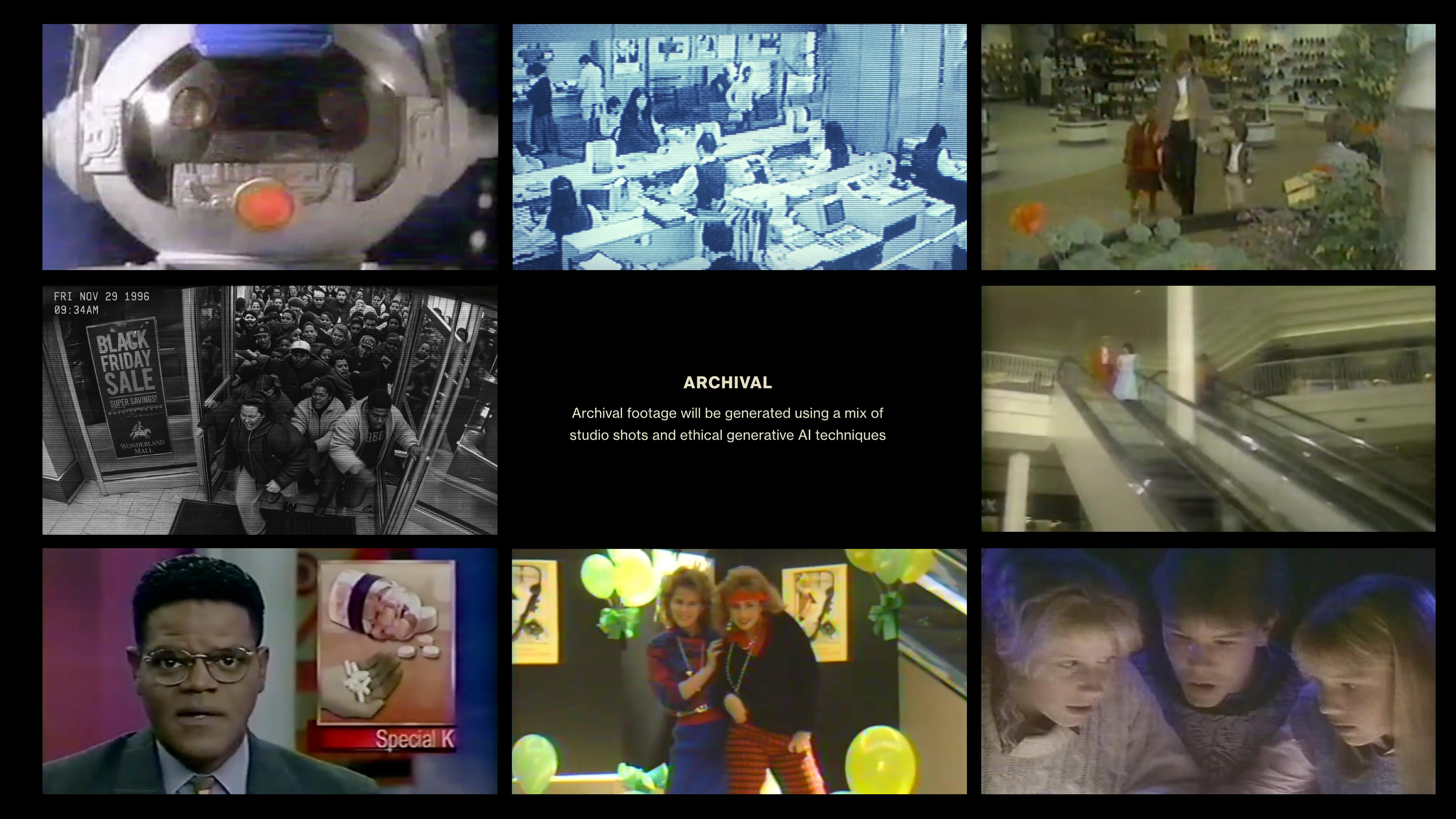
In Dead Mall, Next ? exists as an artifact and as evidence, a haunting spirit from the past in and of itself. A period-accurate commercial for the toy will be produced for the film, functioning simultaneously as nostalgia and as dread. Additional archival news coverage of the toy appears as an interruption layer woven throughout.

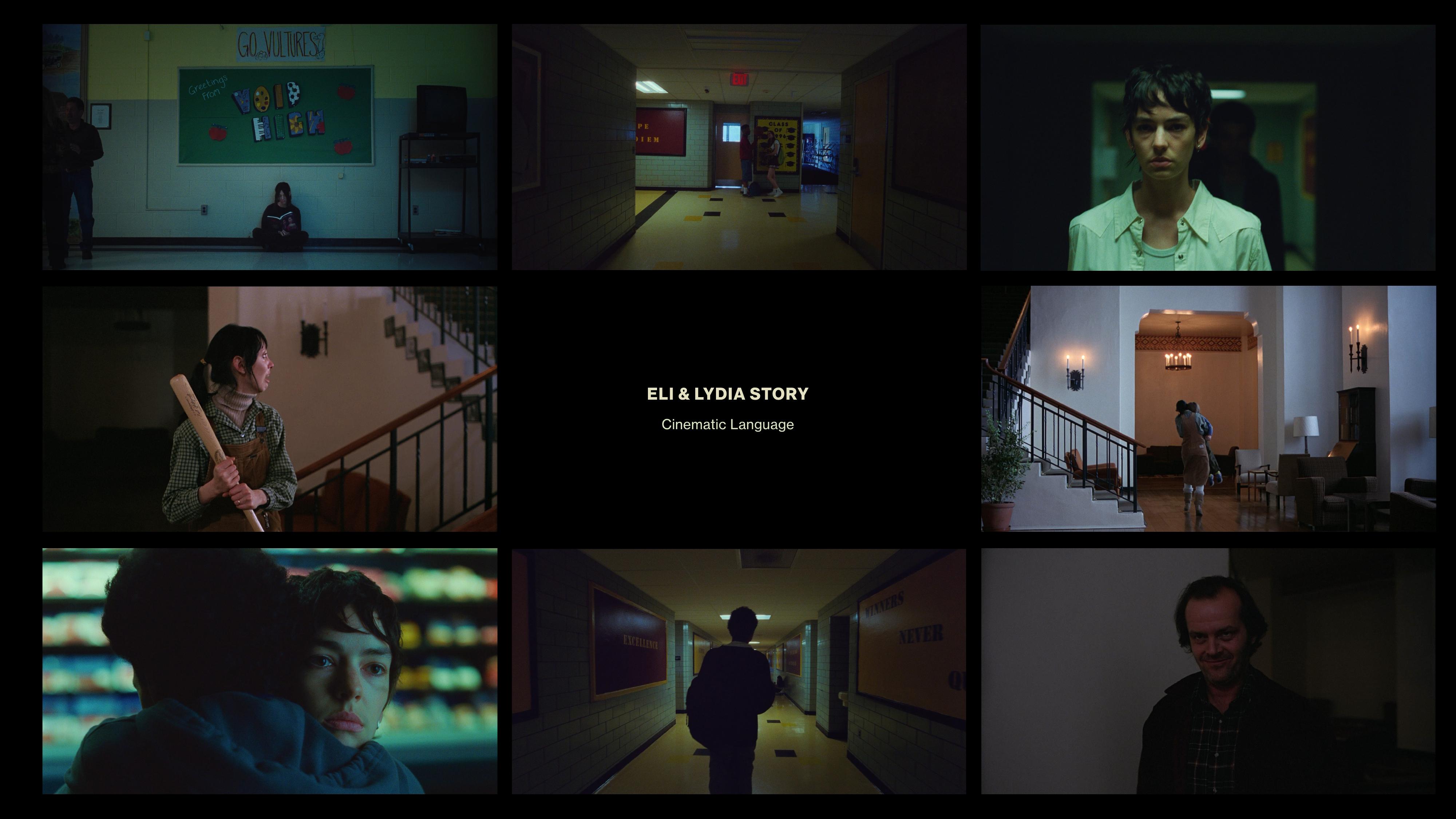
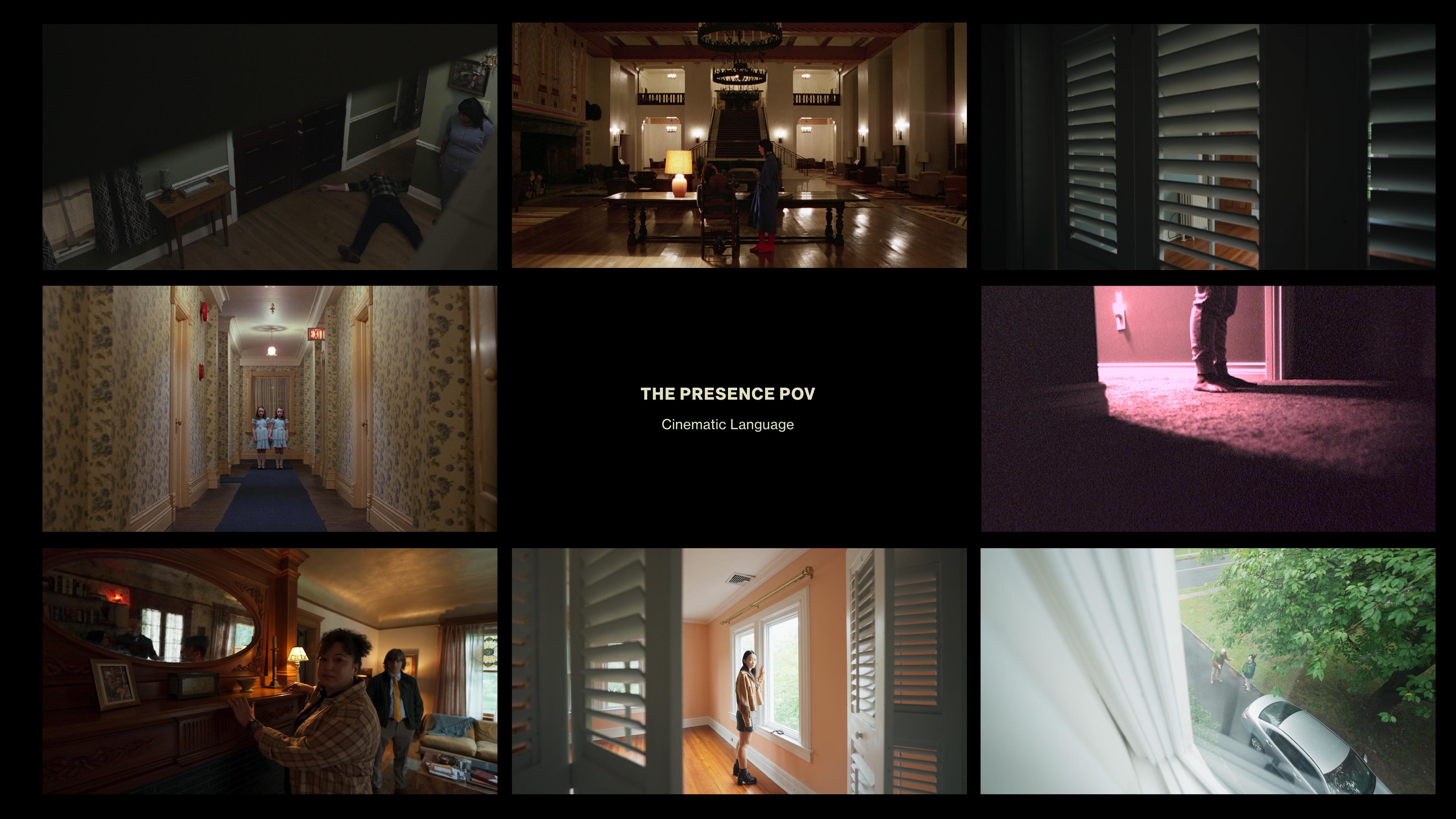
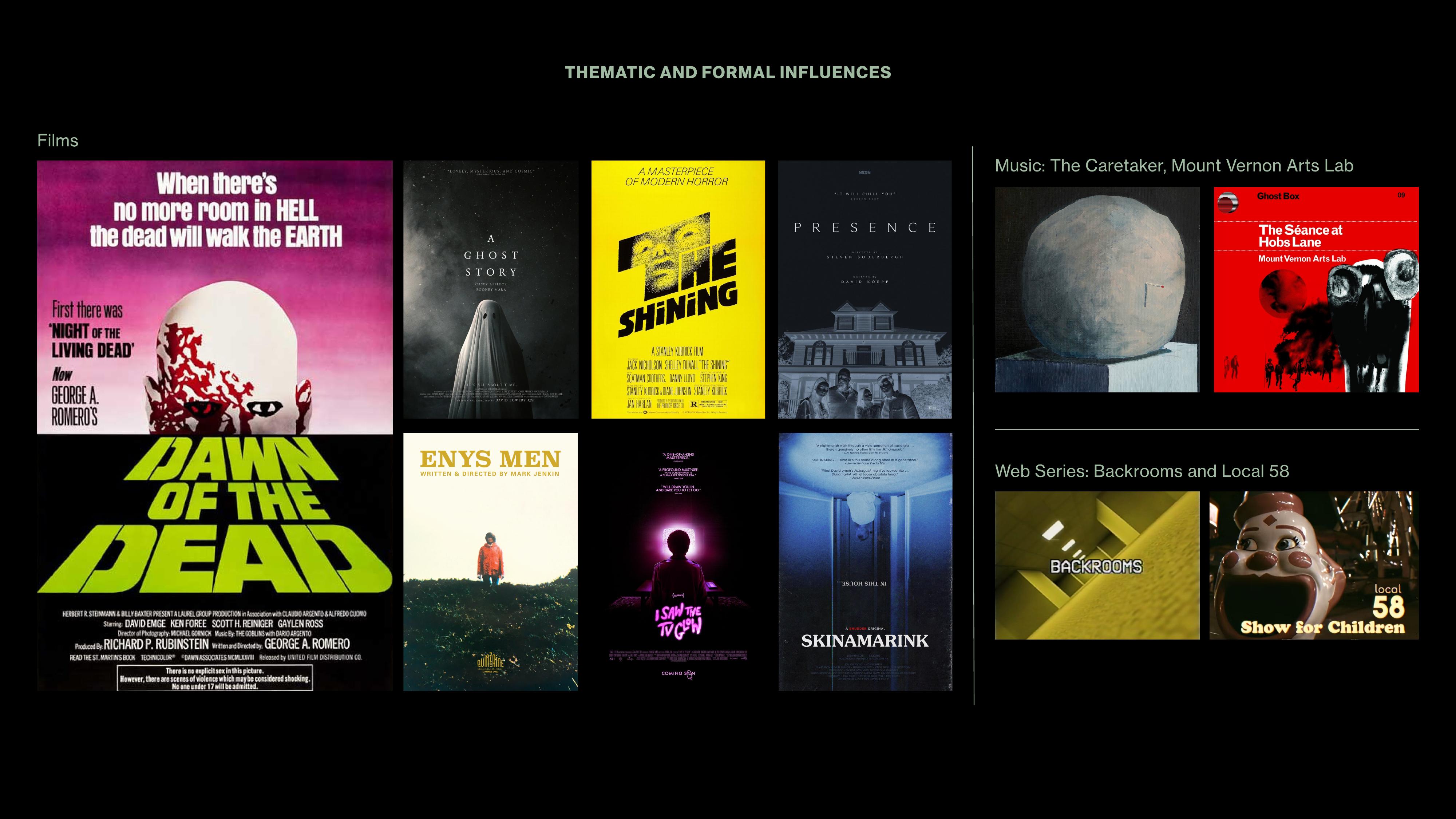
Dead Mall is a mixed format ghost story. Through multiple formats the audience is invited to experience the story in fragments and impressions versus a traditional linear narrative structure. The spine of the film is Lydia and Eli’s investigation of the mall’s haunted past. None of the formats claim ultimate authority over the narrative, they intertwine through repetition, juxtaposition and interruption to create a more complex experience of nostalgia, longing and distortion. This fragmented structure mirrors the cyclical, referential and flattened way we currently experience culture. Time has collapsed. The past interrupts the present without explanation.
The formats the film utilizes are present day narrative, archival surveillance footage from the day of the event, era specific commercials for the Next ? toy and the opening of Wonderland Mall, and archival news footage.


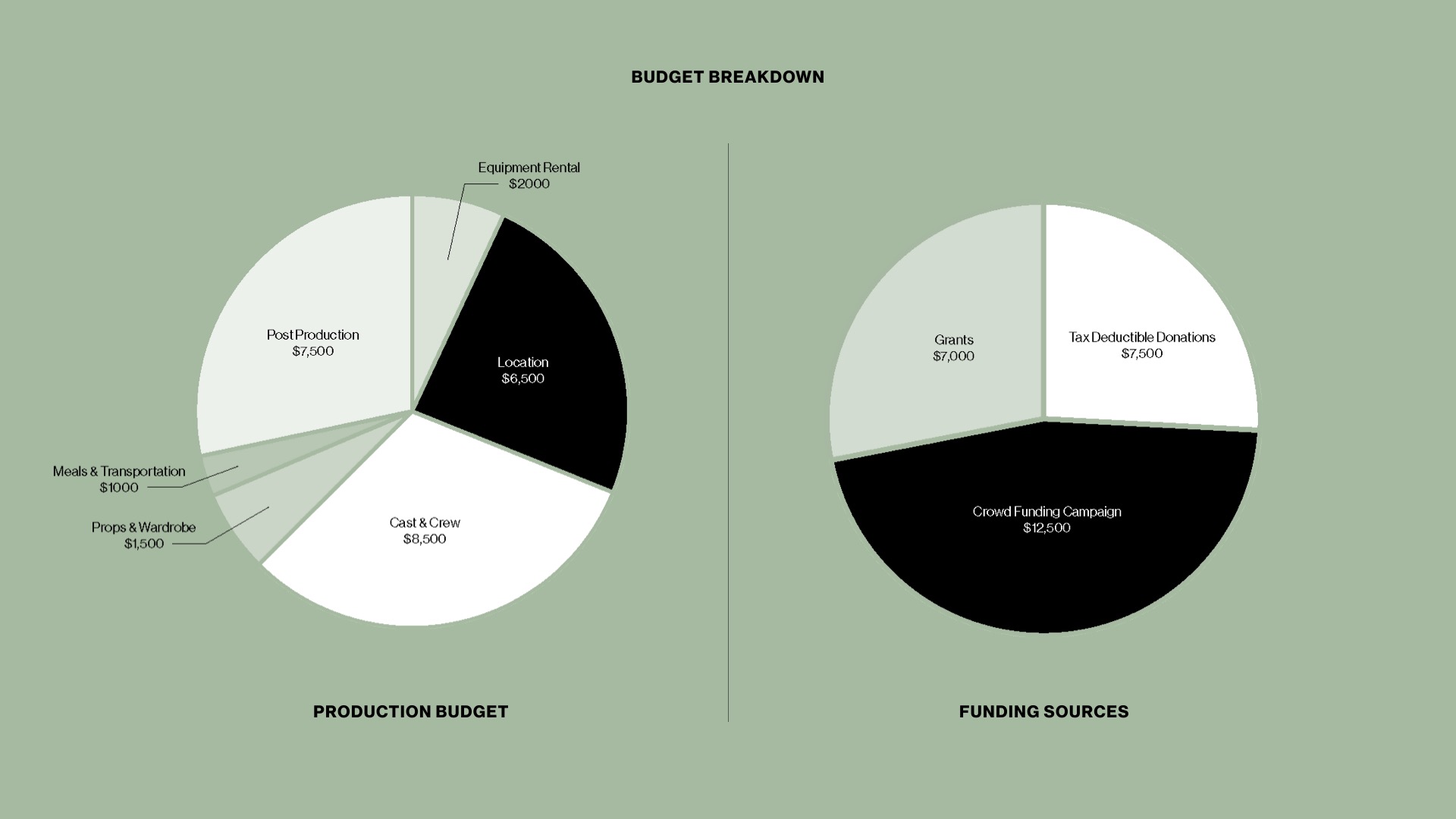
Dead Mall has a total production budget of $27,000. We have already secured $7,000 through grants from the Film Fund Short Film Grant and a Vermont College of Fine Arts Production Grant. This campaign is raising $12,500 to get us into production. Every dollar goes directly toward building the world of this film and paying the people who will bring it to life.

As with all art and film productions this is a labor of love and one thing we love above all else is the ability to make awesome things with awesome people. As a contributor to our campaign you're not just dropping a dollar in a donation box, you will be an integral part of the team. You'll be kept in the know with every twist and turn in the production from the shoot to the festival run. Your contribution goes a long way to creating something unique and authentic in a world where this is getting increasingly difficult. Thank you so much.
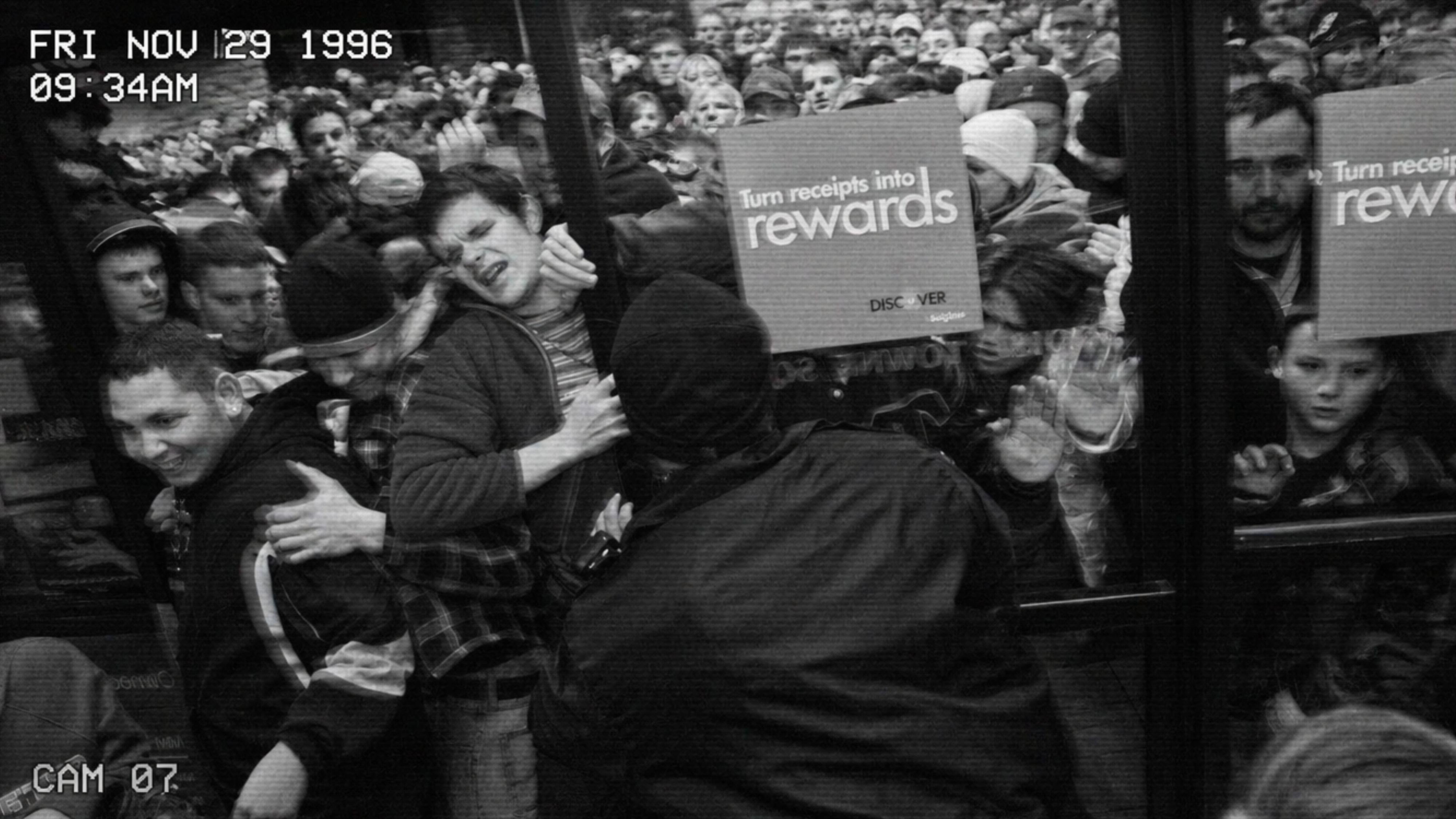
AI Disclaimer: Dead Mall will use generative AI in production for visual effects and B-roll purposes. Specifically, it will be used to generate the surveillance footage of the mob at the Black Friday event, backplates for green screen shoots for the news cast, and the Wonderland Mall ad. In this campaign, AI was used to generate the header image of the parking lot and mall storefront. Why we use AI: we feel that using AI is not only a commentary on the flattening of culture that the film is exploring but it's also a technology that has potential in aiding independent filmmakers working on tight budgets. As a director, I am excited about the possibilities that these tools can offer the filmmaking community. I'm an advocate of ethical usage and signatory and involved in the Creators Coalition on AI.
Wishlist
Use the WishList to Pledge cash and Loan items - or - Make a pledge by selecting an Incentive directly.
Camera Equipment & Rental
Costs $2,000
Camera bodies, lenses, lighting, grip gear, or hard drives for a 3-day shoot in NY/NJ.
Dead Mall Location
Costs $3,500
Abandoned or partially vacant mall or large retail space in the NY/NJ area. This is the heart of the film. If you know someone, tell someone
Cast & Crew
Costs $5,000
A small, tight team of working artists. Two principal actors, cinematographer, sound, grip and electric, production design.
Props & Production Design
Costs $1,000
Period-accurate items for the 1996 sequences and set dressing for Wonderland Mall.
Transportation
Costs $400
Cargo van to haul equipment from NYC to our NJ location for a weekend shoot.
Crafty & Meals
Costs $600
A fed crew is a happy crew. Breakfast, lunch, and snacks for a small crew across a 3-day shoot.


Direct link:
Share this update!
About This Team
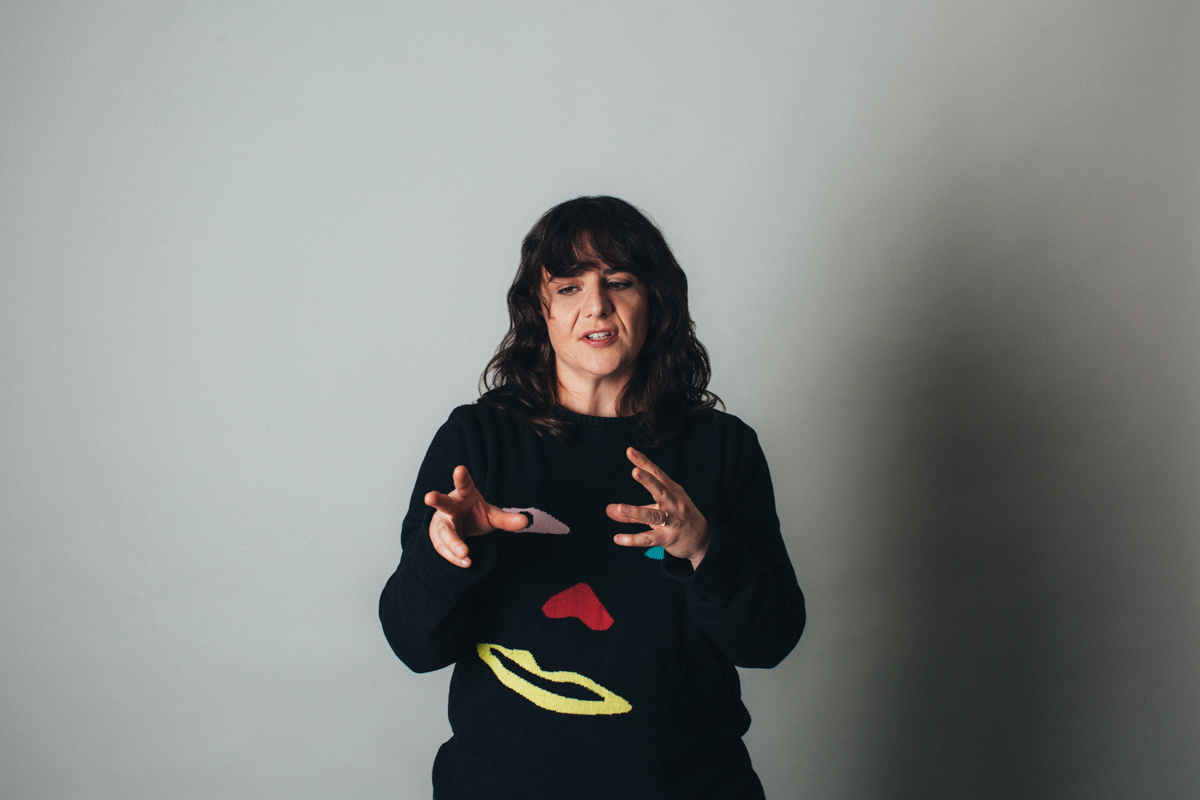
Kelli Miller is an award-winning filmmaker, writer/director and creative director. She founded And/Or, her creative practice, in 2014. For over 15 years, she has worked across film, motion design and branding with clients including HBO, Netflix, Amazon, MTV, and CBS. As a title designer, Miller has collaborated with acclaimed filmmakers such as Kelly Reichardt (Certain Women), Eliza Hittman (Never Rarely Sometimes Always), Mariama Diallo (Master), and Laura Poitras (Cover-Up). She has also directed documentary graphics for White Hot: The Rise & Fall of Abercrombie & Fitch, Arrest the Midwife, and Skate Dreams.
In addition to film, her commercial directing credits include branded films and campaigns for FX, CBS, Paramount, Spotify, and TOMS, as well as music videos for Deidre & the Dark and Posse. Her first film, Is That All There Is? follows her band through Detroit’s early-2000s indie rock surge.
Miller is an MFA graduate of the 2D Design program at Cranbrook Academy of Art and is currently working on a film MFA from Vermont College of Fine Arts, a CalArts affiliate.
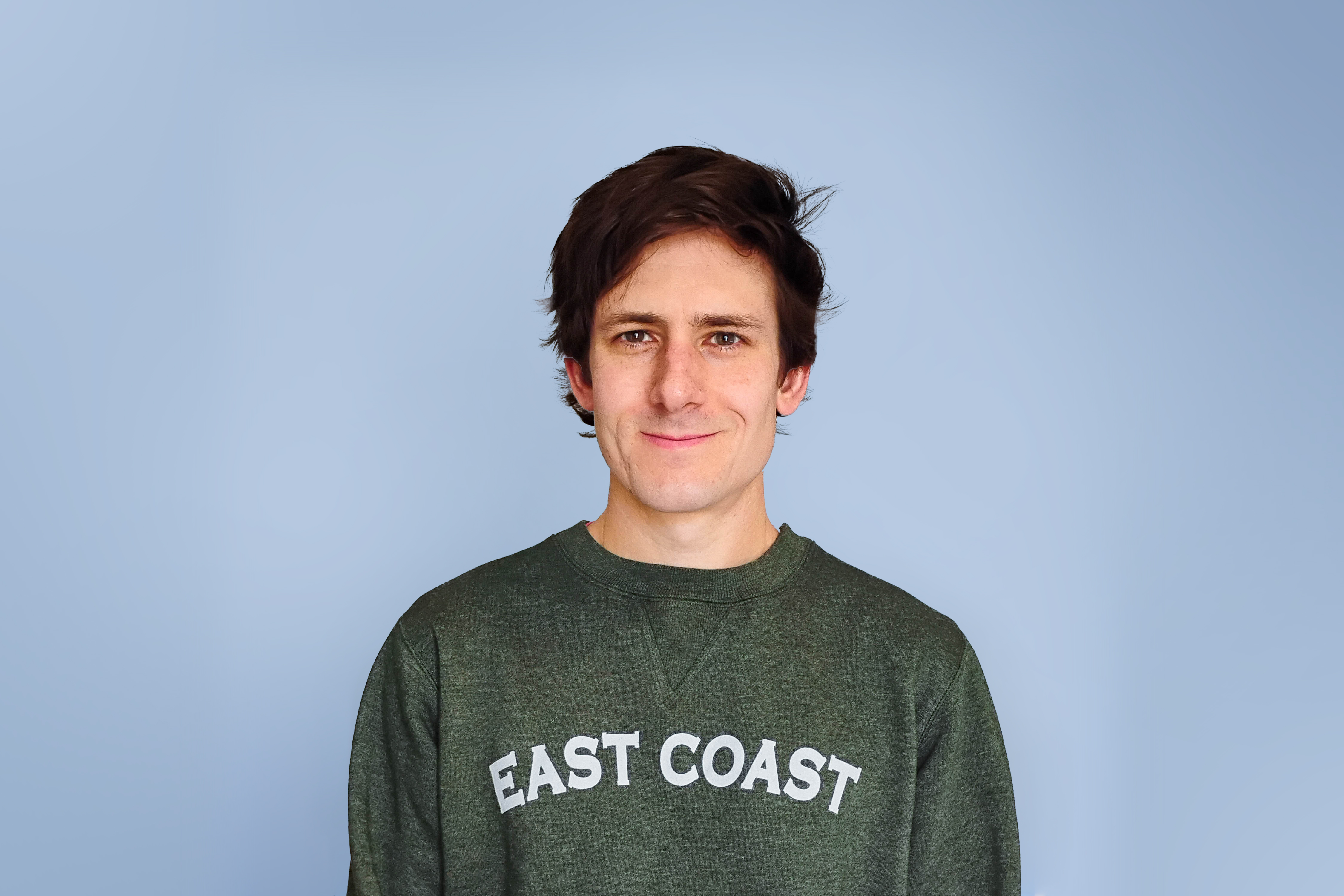
Matt Antonucci is a Montclair, NJ-based producer, director, and cinematographer who has been successfully bringing independent projects to life since 2017. With hands-on experience in almost every position behind the camera, Matt knows exactly what it takes to make small-scale productions thrive. To date, he has produced three feature projects, a half-dozen documentaries, and over 30 comedy and horror shorts, alongside high-level content for major brands including GE, TikTok, Casper, and Wonder. Drawing on his roots in the NYC sketch comedy scene, Matt specializes in narrative filmmaking and is passionate about championing ambitious comedy and horror projects from the ground up.
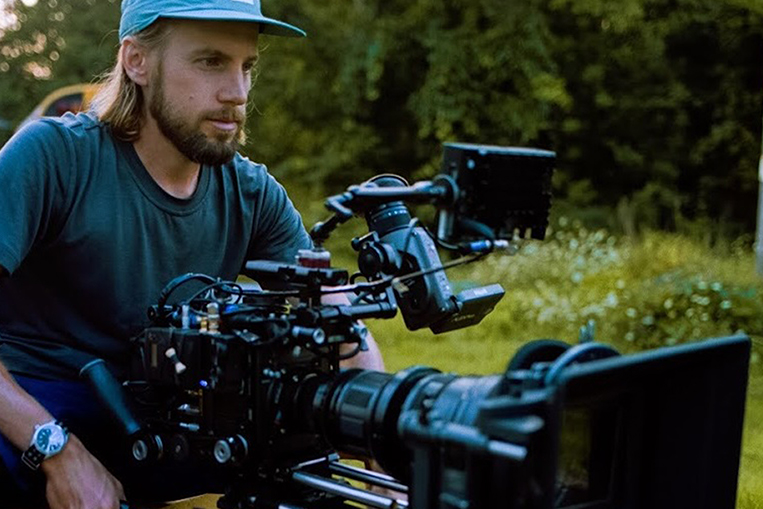
Kyle Repka / Director of Photography
Kyle Repka is a New York City–based Director of Photography and IATSE Local 600 member with a background as a camera assistant and operator on commercials, television and feature film productions. Kyle gravitates toward character-centered stories, bringing a documentary intimacy and naturalistic approach to lighting. His work spans campaigns for brands including Enterprise, Airbnb, Sony, Toyota, and U.S. Soccer Federation, as well as music videos for artists like Future Islands and College. He served as Director of Photography on the indie feature Adventures in Success, which premiered at the Cinequest Film Festival and Austin Film Festival, and in 2024 worked on the traveling production unit for the Harris–Walz campaign, filming rallies, concerts, and live events across the country.
Current Team
Incentives
- The Story
- Wishlist
- Updates
- The Team
- Community
Mission Statement
The Story
Lydia Pierce, a gifted medium and Eli Cross, an ambitious podcast producer arrive at long abandoned Wonderland Mall on an overcast morning with the goal of capturing proof of paranormal activity in the mall. The mall is rumored to be haunted with restless spirits, victims of a catastrophic Black Friday mob in 1996 that left sixteen dead and an event that’s the subject of Eli’s first self-produced podcast. Next ?, the electronic toy at the center of the hysteria, disappeared from shelves without explanation shortly after the tragedy. While Lydia prefers to protect her abilities rather than perform them, Eli leans on his girlfriend's talents for the sake of good content. Archival advertisements, local news casts and security footage bleed into the story, the past repeating the promise of a future that never came.
Lydia immediately knows that the forces in the mall are unfriendly, and while she tries to leave before they can be harmed by the trauma of the past, something won’t let them. Doors slam shut, muzak broadcasts through a busted PA system, a cashier’s register beeps on repeat. Lydia sees these phenomena for what they are, the residual looping trap of people who died mid-task on that awful day, trying to complete the work they never finished. Eli sees these impressions as peak content. Each encounter further divides the couple until the tension finally breaks when Lydia becomes possessed by a desperate spirit. When she disappears into the mall Eli must choose whether to follow her or continue his quest. The mall has its own plans.
Wonderland Mall is a real place. It was one of the malls that upheld the promise of a comfortable, middle class, suburban life in Livonia, Michigan, my hometown. Growing up during peak mall culture in the eighties and nineties the mall represented something both comforting and limiting to me. Malls were a monolith, they housed corporate cookie cutter stores, flattening culture into a single expression as they provided a communal third space where local teens and families could hang out. As society has transformed in ways and at speeds that would have been unimaginable to that nineties kid, the disorientation I feel in the modern era is real and generational. For me, these hulking monuments to an era when a future was promised that felt safe, comfortable and accessible are reminders of simpler, if imperfect, times.
The communal promise the mall represented has collapsed. And yet, we seem trapped, repeating the same systematic solutions and procedures that no longer serve us. These ruins stand to remind us of what we once believed so completely that it felt like it would never change. Until it did. I find this fascinating, like living in the ruins of an empire mid-collapse.
As a motion designer and director I know exactly how these systems of desire and consumption are constructed because I’ve spent twenty years building them. Combine this experience with my Gen-X upbringing and living through various digital revolutions in the field and the format and story of Dead Mall becomes something unique to me as a filmmaker and artist. Rather than shrinking from new technologies like generative AI, I have always been on the side of embracing these tools because I didn’t really have the luxury of choice. Dead Mall’s fractured narrative structure, use of mixed formats and integration of new AI filmmaking software work together to reflect how flat our culture has become. The story of Lydia and Eli’s conflicting approaches to the past and the present are an encapsulation of the complications of living in this fragmented and reflective era. Ultimately, I love films that find satire in horror, inviting the audience to discover and experience the ugly contradictions that define our society. Dead Mall is a story of haunted toys, misplaced ambitions and consumer obsession that reflects the fractured experience of growing up in suburban America.
When Wonderland Mall opened in the late seventies the American dream of middle class convenience and comfort was at its prime. The anchor stores, food courts, movie theaters and chain retailers were a welcome escape for those that visited. The mall was a climate controlled Main Street with everything your heart desired. For over twenty years, that promise held. A humming system of consumption and capitalism conveniently located in your very own town, the polite buzz of neighbors shopping accompanied by muzak, best enjoyed with a warm soft pretzel from the food court.
On November 29, 1996, a Black Friday sale on the hottest toy of the year, Next ?, drew an enormous and ravenous mob so intent on possessing this toy that once the doors finally opened the chaos led to a death toll of sixteen.
The riot left a stain on Wonderland Mall and as new modes of commerce overtook traditional storefronts at the turn of the century it lost its luster and its purpose. It closed quietly and without ceremony in 2013. Since then it has sat abandoned and ruined. Caged storefronts, dead escalators and sky lights loom over dusty corridors that lead nowhere. The once vibrant infrastructure of consumption, now an empty ruin.
But is it abandoned? Local legend claims that’s not the case. The energy of what happened on that Black Friday has transformed into something darker that did not leave with the last tenant. It has settled and it repeats. A traumatic pattern from a tragic event forced into a never ending cycle.
This is where the film takes place.
LYDIA PIERCE
Lydia Pierce, mid-thirties, has had an intuitive ability to sense and communicate with the metaphysical world since she was a child. A gift that she treats more as an academic curiosity than a performance, she sees the spirits she encounters as something much more complex than scary apparitions or the dead haunting the living. Understated and composed, her process is entirely internal: feelings, sensations, listening, watching. Eli has recruited her to help him with the paranormal side of his podcast, believing she’s the lynchpin to recording proof of the mall's haunting and the success of the story. But where Eli sees evidence as content to capture, Lydia sees something more sacred and meaningful. She is cautious when it comes to powerful spaces with residual hauntings, she knows the danger that people with psychic gifts face when spirits are desperate. While she agreed to share her gift for this project, she has a code that she won’t bend, even for Eli.
ELI CROSS
Eli Cross, mid-thirties, is neither skeptic nor believer when it comes to the paranormal. An ambitious podcast producer, after years making content for brands and advertisers he's finally making something he genuinely cares about. For Eli, that's scarier than any ghost or demon. The black sheep of an overachieving family, he has spent his adult life trying to prove that what interests him has value. This podcast is the biggest bet he's ever placed on himself. Confident, intelligent and driven, he leans on facts and technology as a shield against his fear of failure. The story of Wonderland Mall genuinely intrigues him and he knows it has the potential to become a massive hit. Throughout their journey through the mall Eli repeatedly ignores warnings from Lydia in favor of capturing sensational content for the podcast. Eli enters Wonderland Mall with the goal of capturing definitive proof of paranormal activity at the mall, the irony is he ends up being the very proof he was looking for.
In the fall of 1996, every kid in America wanted one thing under their Christmas tree, Next ?. Part magic eight ball, part handheld game, part oracle, kids could ask questions and receive answers that were everything from eerily specific to no answer at all.
The advertisements were everywhere. Millions of dollars worth of television commercials, print ads and retail placement turned Next ? into the must-have toy of the holiday season. Parents lined up. Kids begged. The demand was unlike anything retailers had seen since the Cabbage Patch frenzy of the eighties.
What happened at Wonderland Mall on Black Friday 1996 is well documented. What is less documented is what happened to Next ? afterward. The toy was rumored to have shut itself off shortly before the riot began and Next ? disappeared from shelves without a recall, without a press release, without explanation. The manufacturer never fully responded to questions about the incident.
The rules printed on the back of the box now read differently than they did in 1996. If it stops, you must stop. Turn Next Question off immediately. Do not restart. If Next Question does not turn off, seek help from an adult.
In Dead Mall, Next ? exists as an artifact and as evidence, a haunting spirit from the past in and of itself. A period-accurate commercial for the toy will be produced for the film, functioning simultaneously as nostalgia and as dread. Additional archival news coverage of the toy appears as an interruption layer woven throughout.
Dead Mall is a mixed format ghost story. Through multiple formats the audience is invited to experience the story in fragments and impressions versus a traditional linear narrative structure. The spine of the film is Lydia and Eli’s investigation of the mall’s haunted past. None of the formats claim ultimate authority over the narrative, they intertwine through repetition, juxtaposition and interruption to create a more complex experience of nostalgia, longing and distortion. This fragmented structure mirrors the cyclical, referential and flattened way we currently experience culture. Time has collapsed. The past interrupts the present without explanation.
The formats the film utilizes are present day narrative, archival surveillance footage from the day of the event, era specific commercials for the Next ? toy and the opening of Wonderland Mall, and archival news footage.
Dead Mall has a total production budget of $27,000. We have already secured $7,000 through grants from the Film Fund Short Film Grant and a Vermont College of Fine Arts Production Grant. This campaign is raising $12,500 to get us into production. Every dollar goes directly toward building the world of this film and paying the people who will bring it to life.
As with all art and film productions this is a labor of love and one thing we love above all else is the ability to make awesome things with awesome people. As a contributor to our campaign you're not just dropping a dollar in a donation box, you will be an integral part of the team. You'll be kept in the know with every twist and turn in the production from the shoot to the festival run. Your contribution goes a long way to creating something unique and authentic in a world where this is getting increasingly difficult. Thank you so much.
AI Disclaimer: Dead Mall will use generative AI in production for visual effects and B-roll purposes. Specifically, it will be used to generate the surveillance footage of the mob at the Black Friday event, backplates for green screen shoots for the news cast, and the Wonderland Mall ad. In this campaign, AI was used to generate the header image of the parking lot and mall storefront. Why we use AI: we feel that using AI is not only a commentary on the flattening of culture that the film is exploring but it's also a technology that has potential in aiding independent filmmakers working on tight budgets. As a director, I am excited about the possibilities that these tools can offer the filmmaking community. I'm an advocate of ethical usage and signatory and involved in the Creators Coalition on AI.
Wishlist
Use the WishList to Pledge cash and Loan items - or - Make a pledge by selecting an Incentive directly.
Camera Equipment & Rental
Costs $2,000
Camera bodies, lenses, lighting, grip gear, or hard drives for a 3-day shoot in NY/NJ.
Dead Mall Location
Costs $3,500
Abandoned or partially vacant mall or large retail space in the NY/NJ area. This is the heart of the film. If you know someone, tell someone
Cast & Crew
Costs $5,000
A small, tight team of working artists. Two principal actors, cinematographer, sound, grip and electric, production design.
Props & Production Design
Costs $1,000
Period-accurate items for the 1996 sequences and set dressing for Wonderland Mall.
Transportation
Costs $400
Cargo van to haul equipment from NYC to our NJ location for a weekend shoot.
Crafty & Meals
Costs $600
A fed crew is a happy crew. Breakfast, lunch, and snacks for a small crew across a 3-day shoot.
Direct link:
Share this update!
About This Team
Kelli Miller is an award-winning filmmaker, writer/director and creative director. She founded And/Or, her creative practice, in 2014. For over 15 years, she has worked across film, motion design and branding with clients including HBO, Netflix, Amazon, MTV, and CBS. As a title designer, Miller has collaborated with acclaimed filmmakers such as Kelly Reichardt (Certain Women), Eliza Hittman (Never Rarely Sometimes Always), Mariama Diallo (Master), and Laura Poitras (Cover-Up). She has also directed documentary graphics for White Hot: The Rise & Fall of Abercrombie & Fitch, Arrest the Midwife, and Skate Dreams.
In addition to film, her commercial directing credits include branded films and campaigns for FX, CBS, Paramount, Spotify, and TOMS, as well as music videos for Deidre & the Dark and Posse. Her first film, Is That All There Is? follows her band through Detroit’s early-2000s indie rock surge.
Miller is an MFA graduate of the 2D Design program at Cranbrook Academy of Art and is currently working on a film MFA from Vermont College of Fine Arts, a CalArts affiliate.
Matt Antonucci is a Montclair, NJ-based producer, director, and cinematographer who has been successfully bringing independent projects to life since 2017. With hands-on experience in almost every position behind the camera, Matt knows exactly what it takes to make small-scale productions thrive. To date, he has produced three feature projects, a half-dozen documentaries, and over 30 comedy and horror shorts, alongside high-level content for major brands including GE, TikTok, Casper, and Wonder. Drawing on his roots in the NYC sketch comedy scene, Matt specializes in narrative filmmaking and is passionate about championing ambitious comedy and horror projects from the ground up.
Kyle Repka / Director of Photography
Kyle Repka is a New York City–based Director of Photography and IATSE Local 600 member with a background as a camera assistant and operator on commercials, television and feature film productions. Kyle gravitates toward character-centered stories, bringing a documentary intimacy and naturalistic approach to lighting. His work spans campaigns for brands including Enterprise, Airbnb, Sony, Toyota, and U.S. Soccer Federation, as well as music videos for artists like Future Islands and College. He served as Director of Photography on the indie feature Adventures in Success, which premiered at the Cinequest Film Festival and Austin Film Festival, and in 2024 worked on the traveling production unit for the Harris–Walz campaign, filming rallies, concerts, and live events across the country.