Dyingmoon
San Francisco, California | Film Short
Comedy, Drama
What do you do when your dying father flies back to Hawai‘i for a final trip home—and leaves you to cat-sit with your twin sister you barely talk to? You tape off a fake pool in the yard, climb into an inflatable unicorn, and pretend everything’s fine... until it’s not.
Dyingmoon
San Francisco, California | Film Short
Comedy, Drama

1 Campaigns | California, United States
Green Light
This campaign raised $12,175 for post-production. Follow the filmmaker to receive future updates on this project.
80 supporters | followers
Enter the amount you would like to pledge
What do you do when your dying father flies back to Hawai‘i for a final trip home—and leaves you to cat-sit with your twin sister you barely talk to? You tape off a fake pool in the yard, climb into an inflatable unicorn, and pretend everything’s fine... until it’s not.
About The Project


- The Story
- Wishlist
- Updates
- The Team
- Community
Mission Statement
The Story
 Twin sisters Aggie and Bea have just sent their dying father and his overbearing wife on an all-expenses-paid vacation to return to his native Hawaiʻi one last time. But instead of joining him, the sisters are left behind to cat-sit. Determined to make the most of the situation, they make a desperate stab at normalcy: a staycation, complete with margaritas, karaoke, and inflatable floaties, never mind that there’s no pool and it’s October. But things go awry when old dust gets kicked up, and all the old tricks they used to settle arguments as kids fail spectacularly. Suddenly, they’re forcd to confront their pain head on.
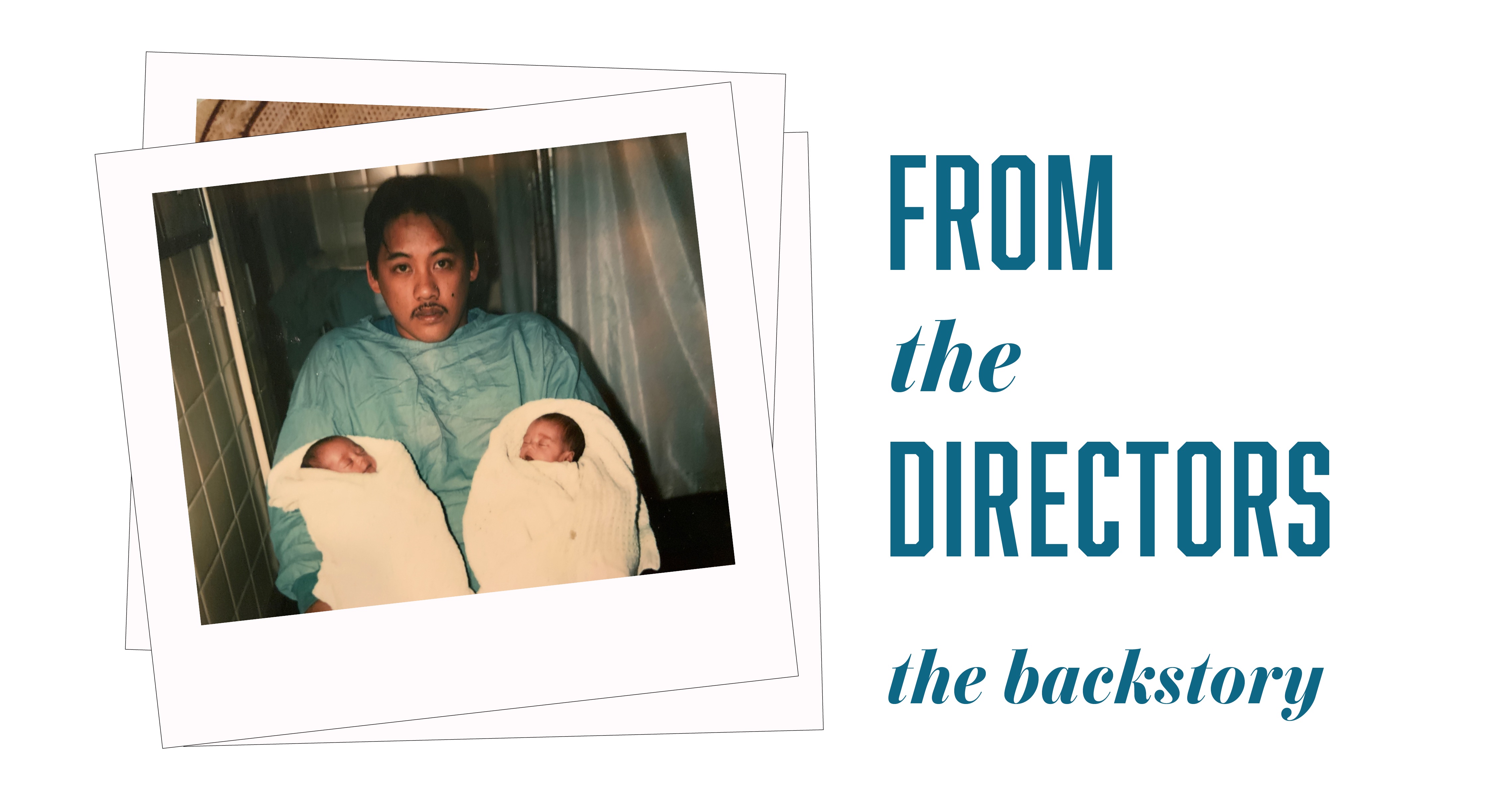 The boundaries of time can become a bit fuzzy when a loved one is dying: The past rushes up to meet the future. The present feels like an illusion. And there’s a suspension of reality, even as life continues unabated around you. It’s an unsettling feeling that can turn the most innocuous of interactions into a pressure cooker.
This is the contextual setting for Dyingmoon, a short dramedy about sibling bonds that are tested in the face of imminent loss. But it’s more than a film about grief. It’s also a meditation on first-gen American preoccupations like identity and belonging, and the internal tug of war between freedom and obligation. It’s about the tension between the world of the living and dying, and between old world and new world.
Dyingmoon is the first installment in a trilogy of short films. This first installment is a deeply personal story, as it was written in the months that followed our father’s death. It was a way for us to process all that we had experienced during his last days battling cancer, and also a way to confront the immensity of our loss. Our father was Native Hawaiian, but we siblings spent most of our lives in the continental United States. Even though there was a strong Pacific Islander community in San Diego where we were raised, our father was our connection to the islands—a bridge to the old world. By losing our father, what vestiges of our ancestry and history would also be lost? With Dyingmoon, we wanted to convey the urgency and disorientation of that loss with equal parts tenderness and humor. What better vehicle than twinship, a complicated dynamic all its own.
Dyingmoon is also an homage to diaspora kids. Growing up mixed/first-gen, we struggled to feel a sense of belonging—never feeling Hawaiian enough or Filipino enough or American enough. We got made fun of for bringing our Filipino mom's dinuguan to school for lunch and were put into ESL classes, which further intensified our sense of otherness. Those tension points were part of the challenge—but they were also hallmarks of the peculiar joy—of being diasporic: a sameness among others who could relate to each other. We hope our short film engenders a sense of belonging and kinship for our audiences.
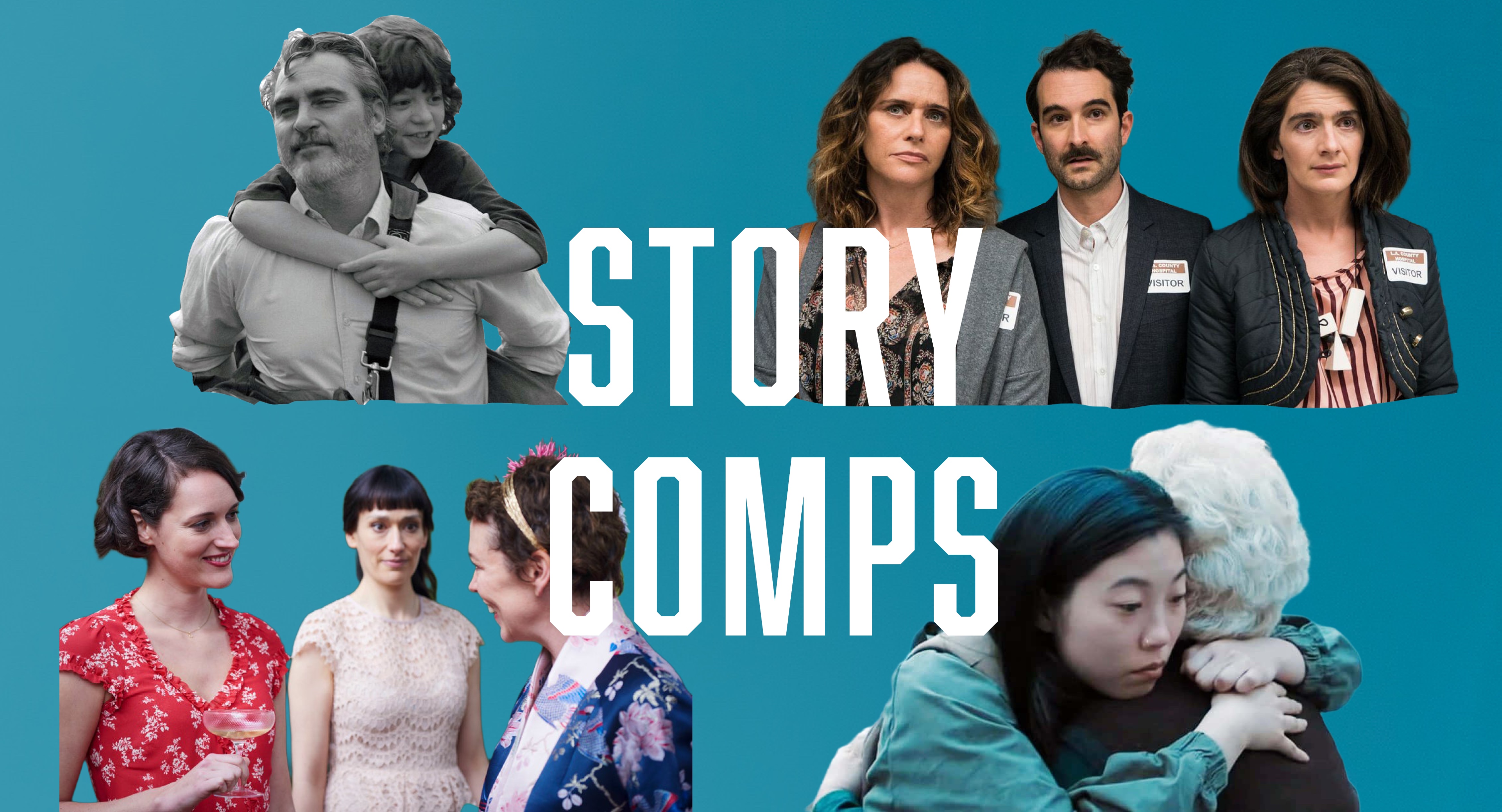 We wrote our screenplay with films like C’mon C’mon and The Farewell, and shows like Fleabag and Transparent in mind, drawn to their tender and humorous portrayal of complex family dynamics.
THE WORLD
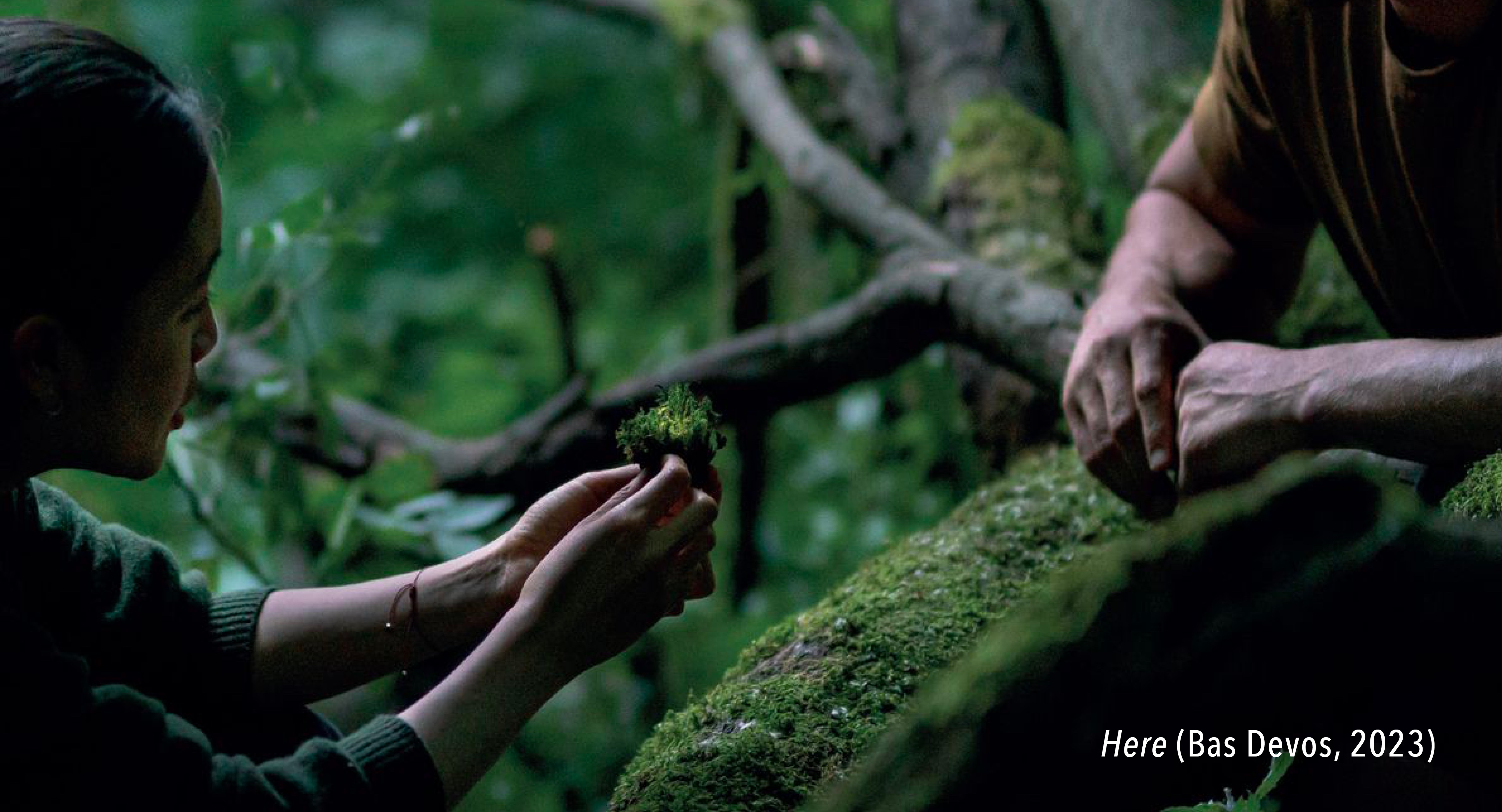
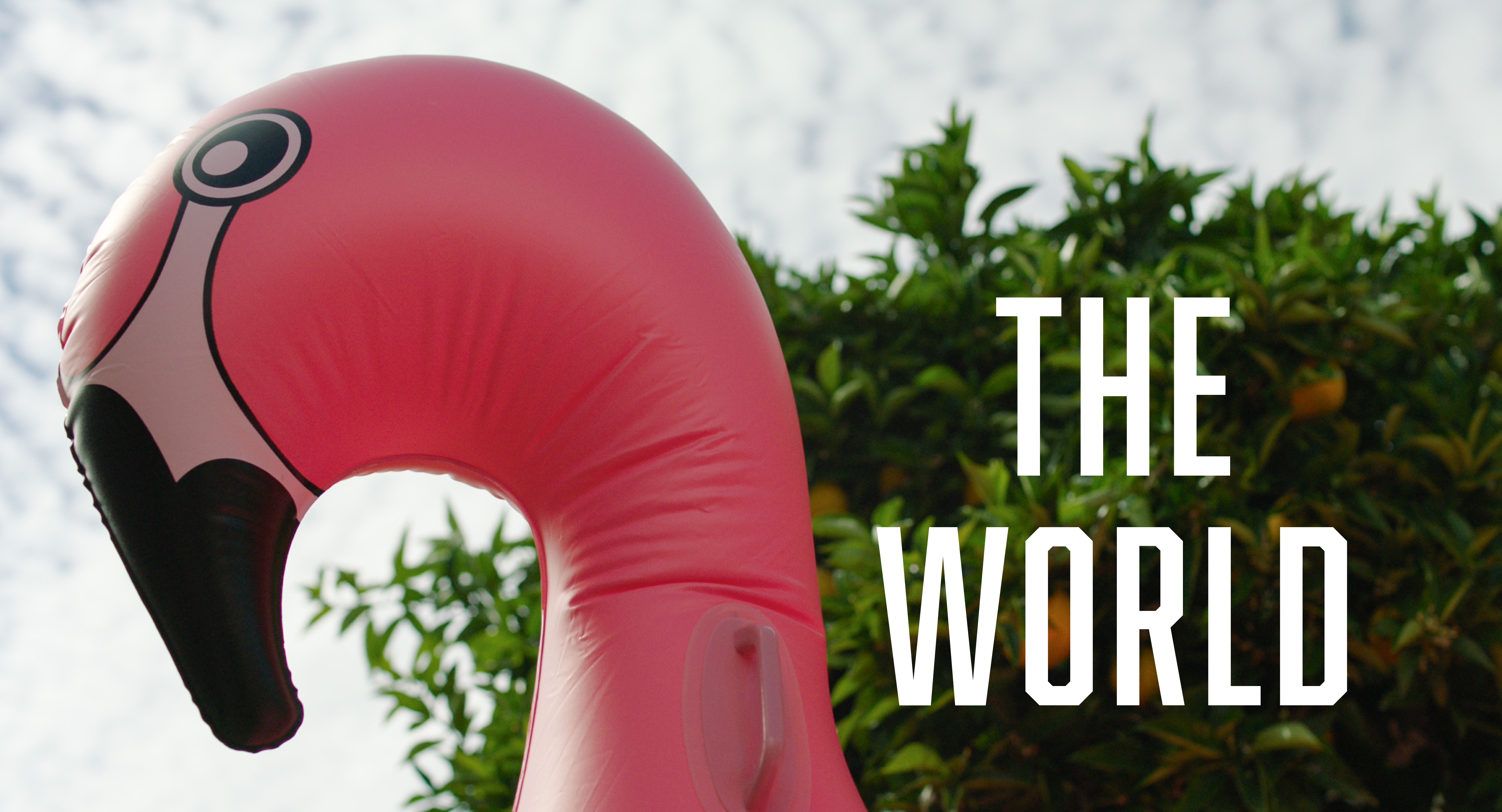 We were also inspired visually by films like Aftersun, Here, and Somewhere for their rich tone, slow, deliberate pacing, and intentional framing.
SETTING: California’s laid back vibe serves as a counterpoint to the tension that’s been building between the sisters and that finally reaches a boiling point during their staycation. By setting the film in one location—their father’s backyard, a relaxing spot by all accounts—we create an encroaching sense of claustrophobia and a feeling of entrapment in this happy space.
LOOK + FEEL: In order to emphasize the dissonance between the external facade of revelry and the interior darkness of grief that’s besetting our main characters, we employ rich, bright colors to create a visual language that evokes the hyper joyful hue of California.
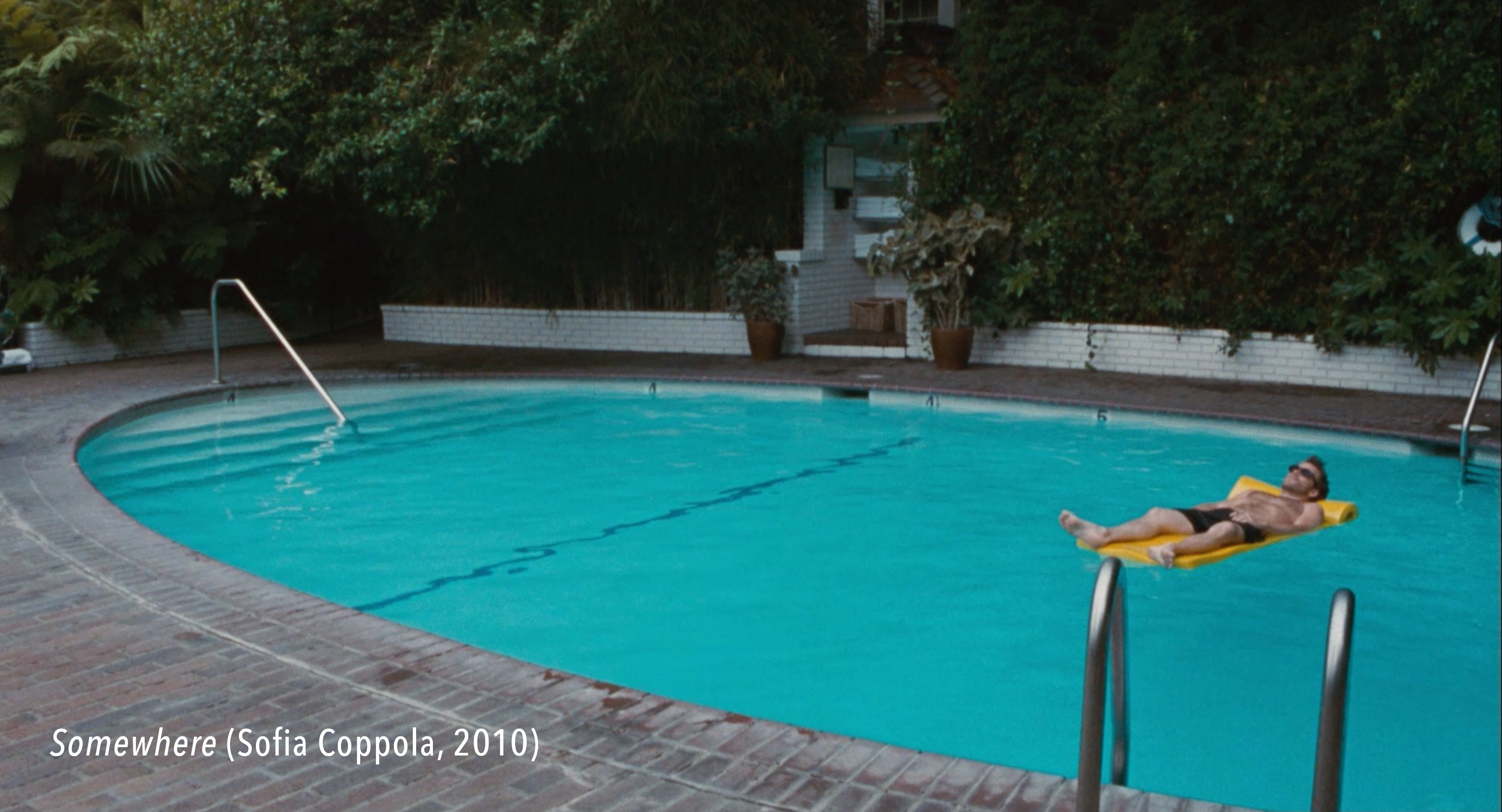
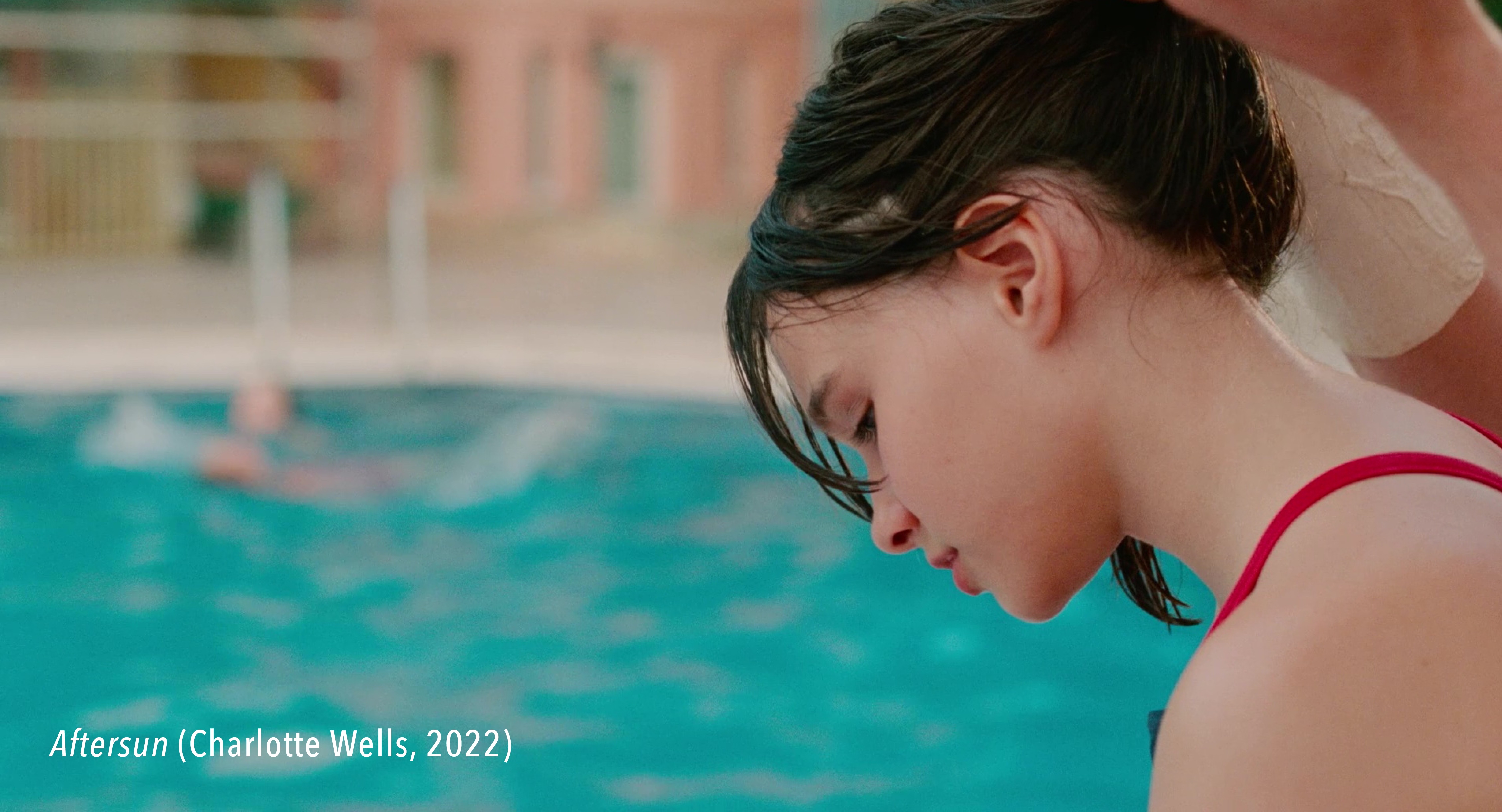 Lingering static shots will embed viewers both in the stillness of the mundane and in the discomfort of the siblings’ rising tension, like in the films Somewhere (Sofia Coppola), Here (Bas Devos), and Jeanne Dielman (Chantal Akerman).
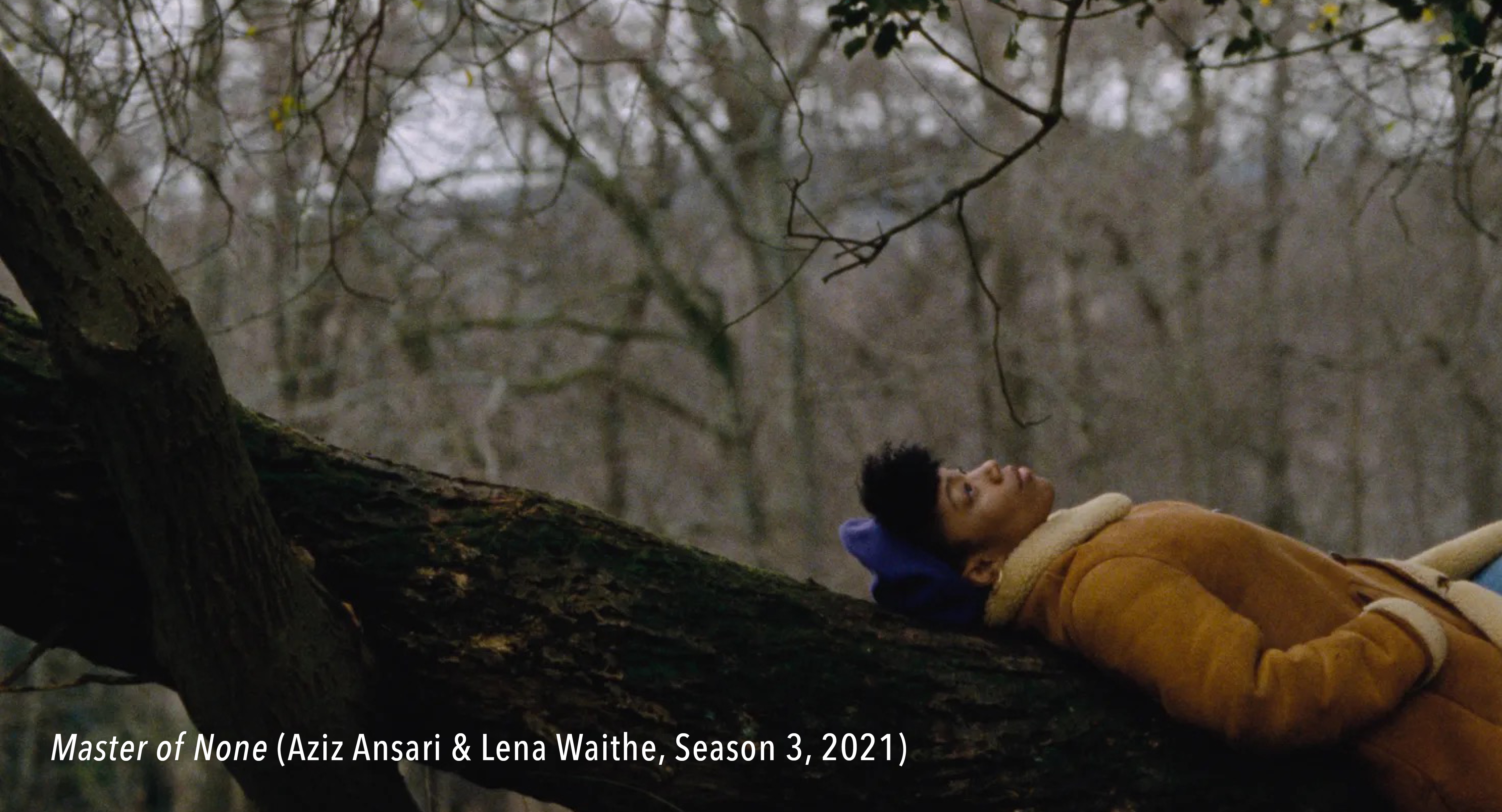 Our framing is just wide enough to capture context, but close enough to hold an intimacy that reflects the claustrophobic feel of their situation. References of such framing include Jeanne Dielman (Chantal Akerman), Master of None, Season 3 (Aziz Ansari and Lena Waithe), and Perfect Days (Wim Wenders).
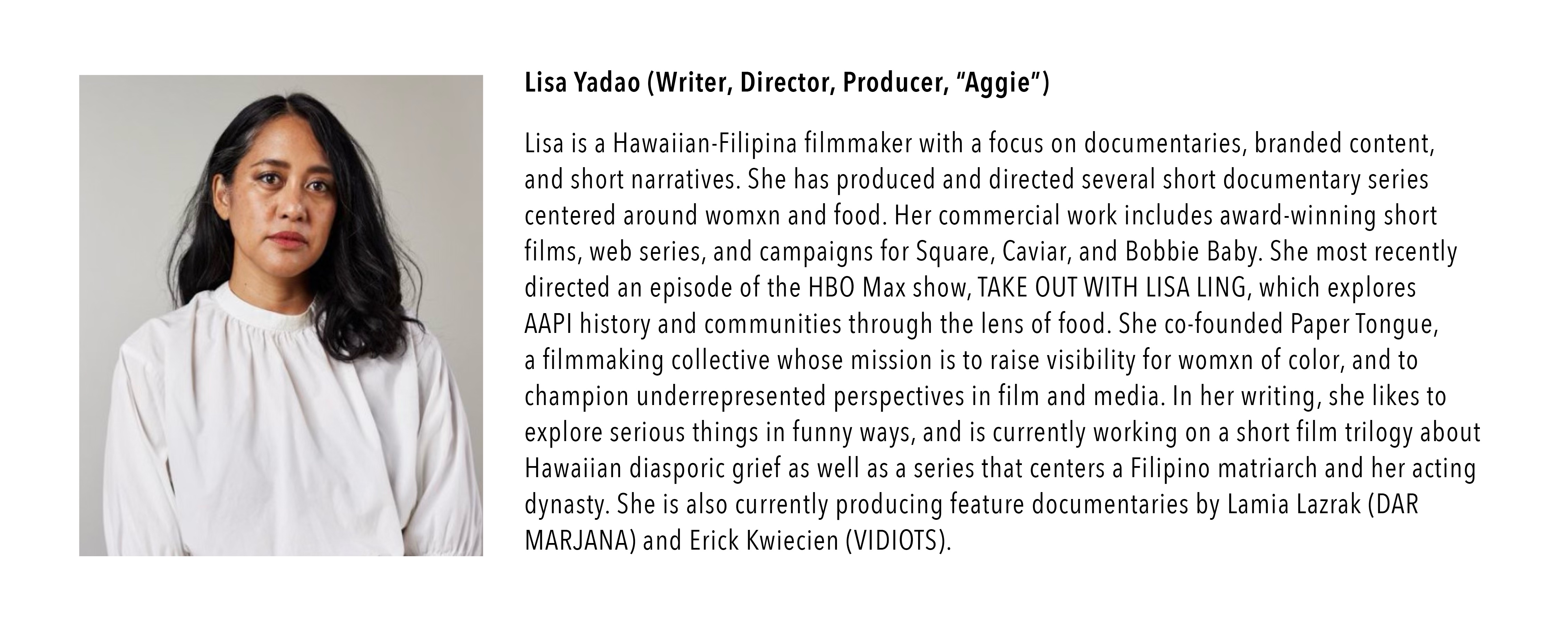
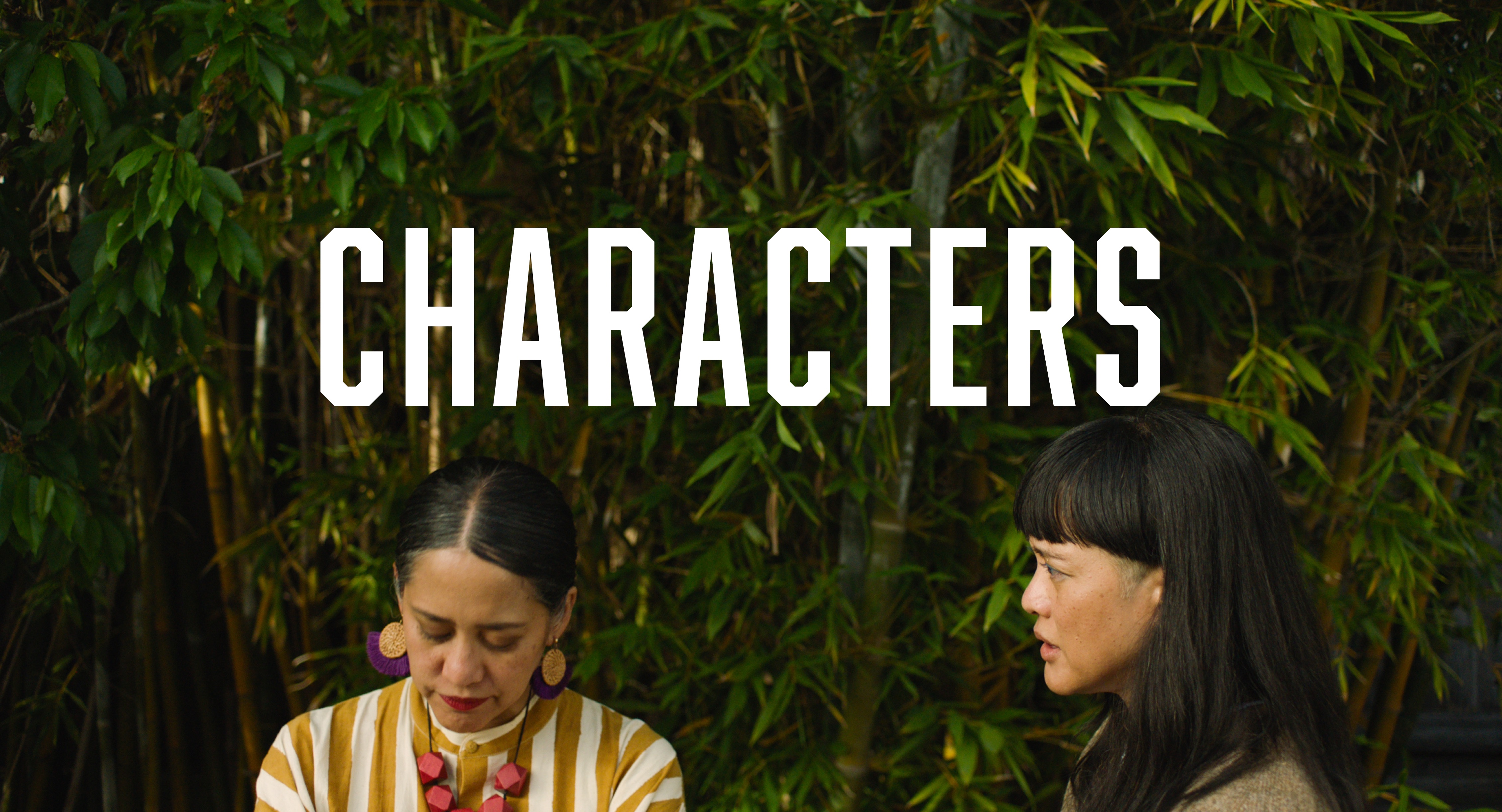 AGGIE: A litigator who is perpetually in win mode, Aggie is driven by a desire to make sure everyone is okay. She is the anchor of the family—the one who knows everyone’s social security numbers and passwords. But she's also burnt out being the caretaker and wants to have a little fun before things start to get heavy for her family.
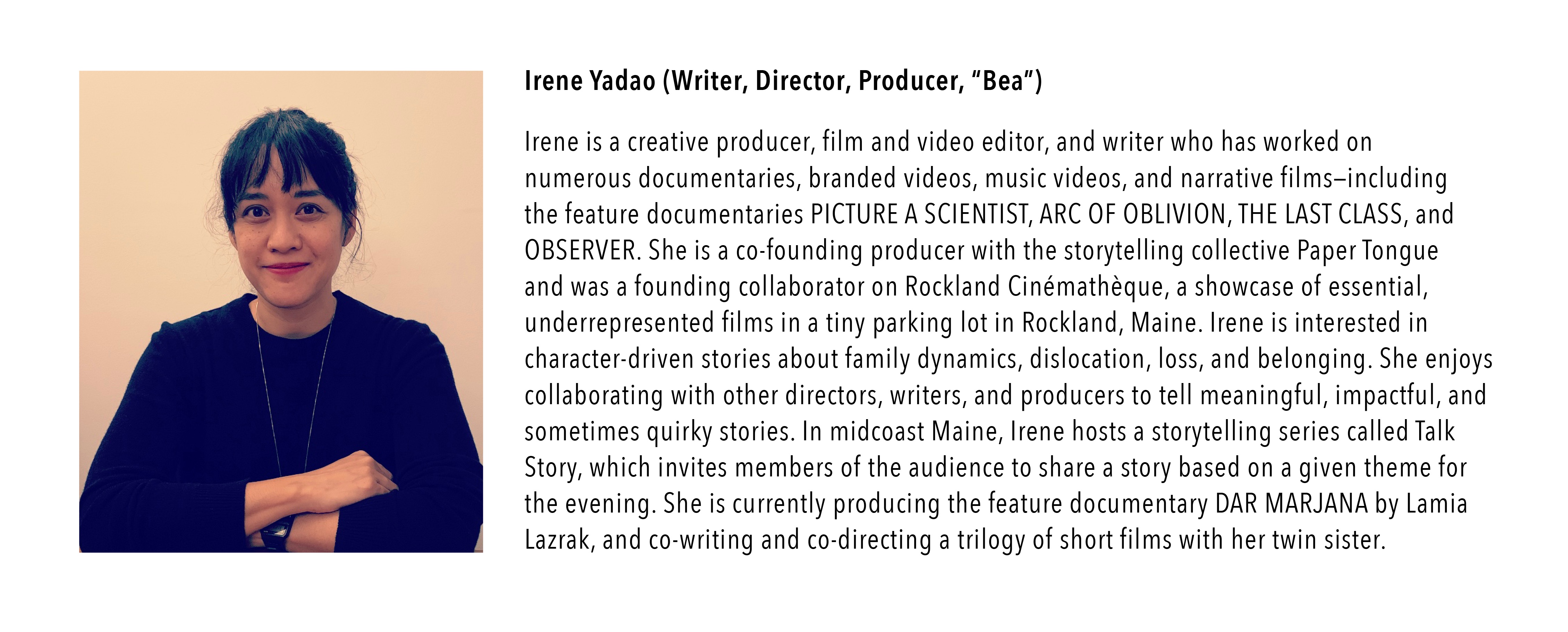
BEA: A session musician, Bea is carrying decades-long guilt for not being home to help carry the burden of their toxic family. She goes along with Aggie’s idea for a fun staycation, even though it’s incongruous with what’s actually happening in their lives, and all she really wants to do is wallow in her sadness.
These twins are played by yours truly (Lisa and Irene). Though we’re not fully qualified in the same way that other sibling actor pairs are (Duplass Brothers, Mary-Kate and Ashley, etc.), we did share the stage as Tweedledum and Tweedledee in middle school. Don't call it a comeback!
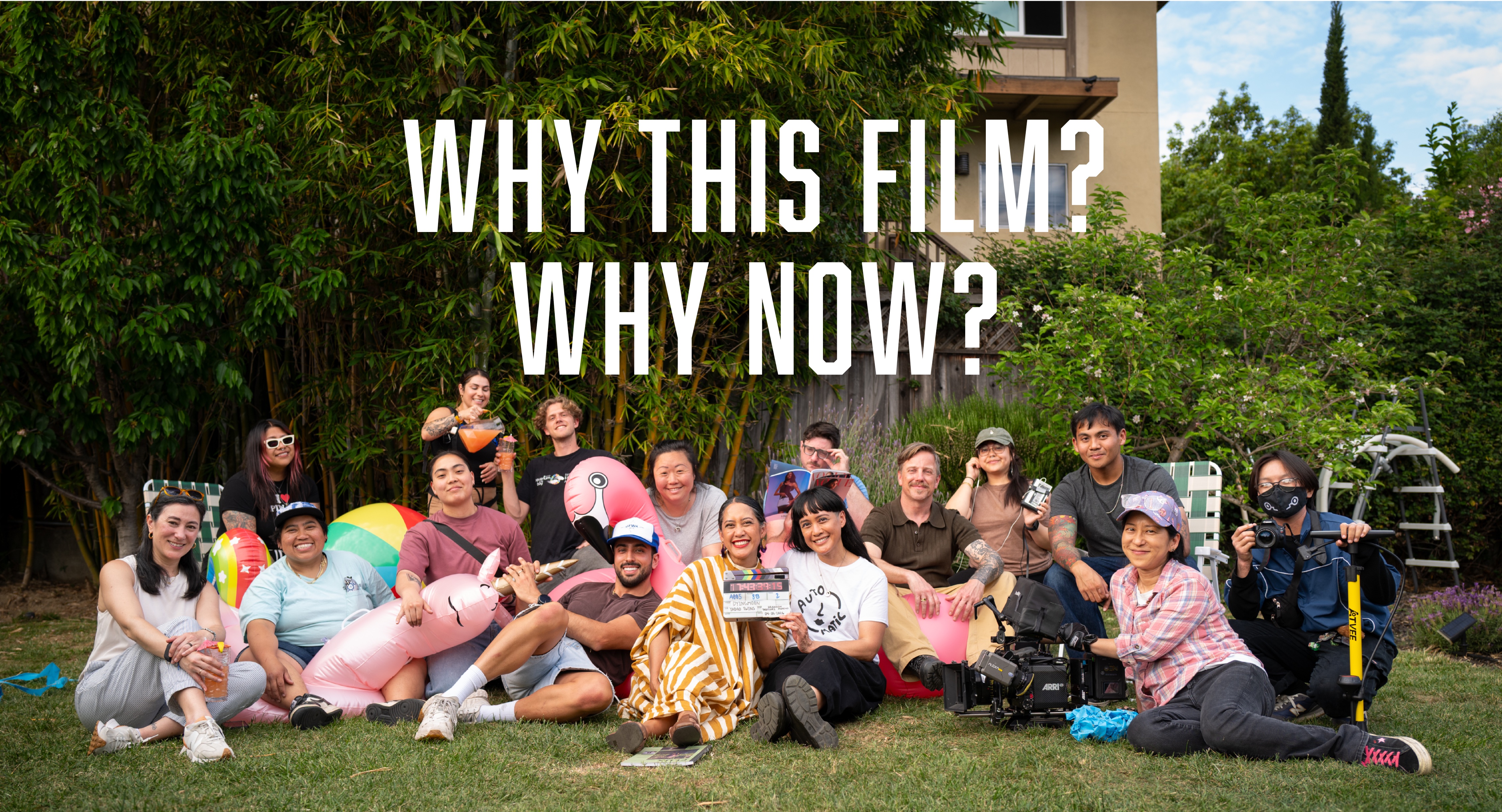
In September 2025, we were awarded a Screenwriting Grant from Birns & Sawyer (LA's oldest camera rental house), for which received a generous camera package of $4K worth of gear. A little over six months later, and with the support of our friends at Near Future, 3rd & Gilman, Galdes Fine Lighting, and some early donors, we brought our wonderful Bay Area filmmaking family together to shoot Dyingmoon for a couple of days in San Rafael.
Now we’re entering our post-production stage in order to be festival ready and meet our deadline to premiere at this year’s FilAm Creative Film Fest in late September 2026. We would be so grateful for your help.
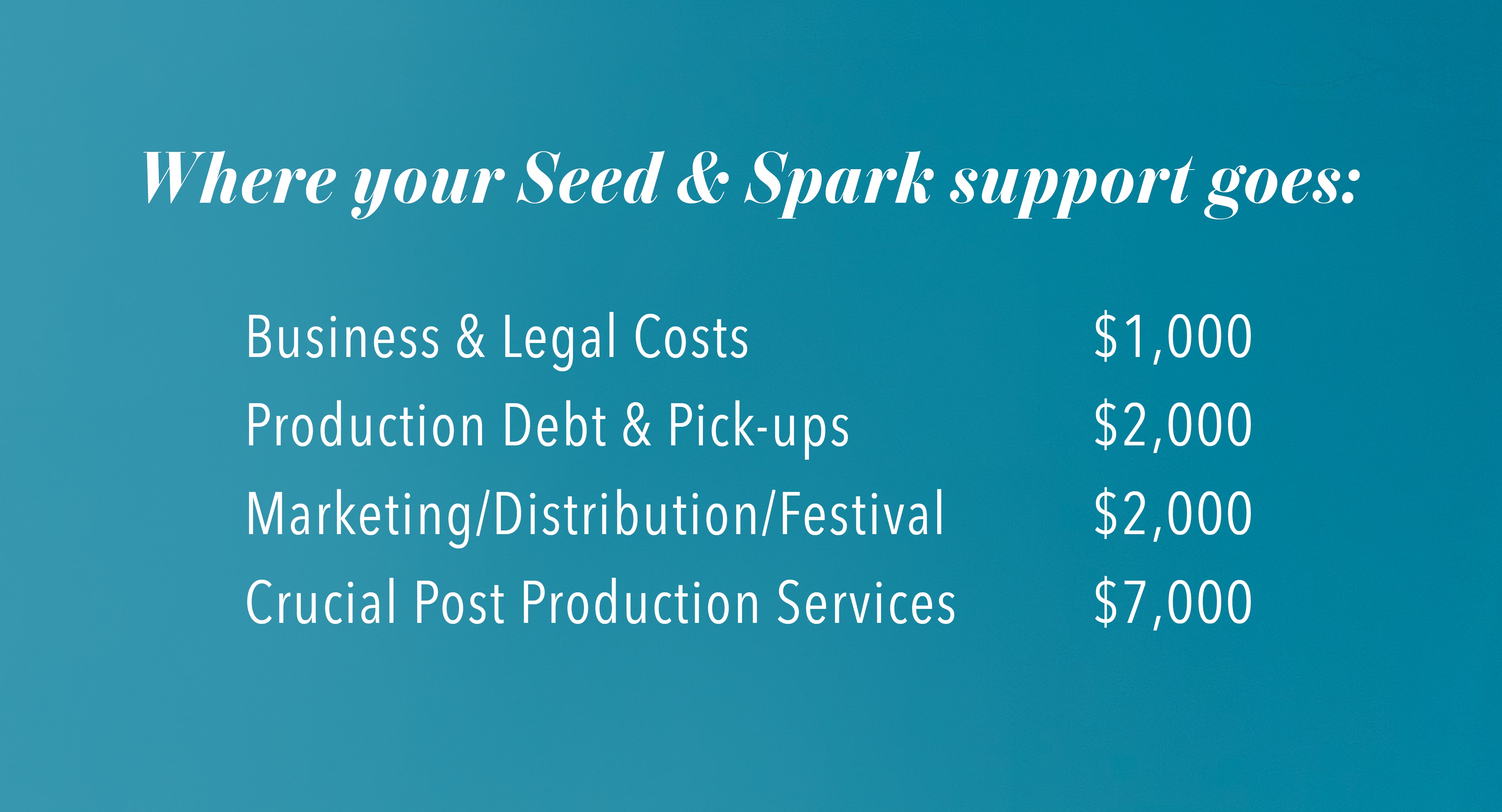 Funds raised through Seed & Spark will go directly to post-production, marketing, distribution (Short of the Week, Tubi, MUBI, Omeleto, Kanopy, Hawaiian Airlines, iTunes, Amazon Prime, Netflix), festival submissions (FilAm Creative, Pacific Island, SD Filipino Film Festival, CAAMFest, SDAFF, Honolulu Int'l, SF Int'l, Mill Valley, LA Asian Pacific, SXSW, Sundance), and production gap funding. Our priority is ensuring our talented post team is compensated and our remaining costs are covered to complete and share the film with the world.
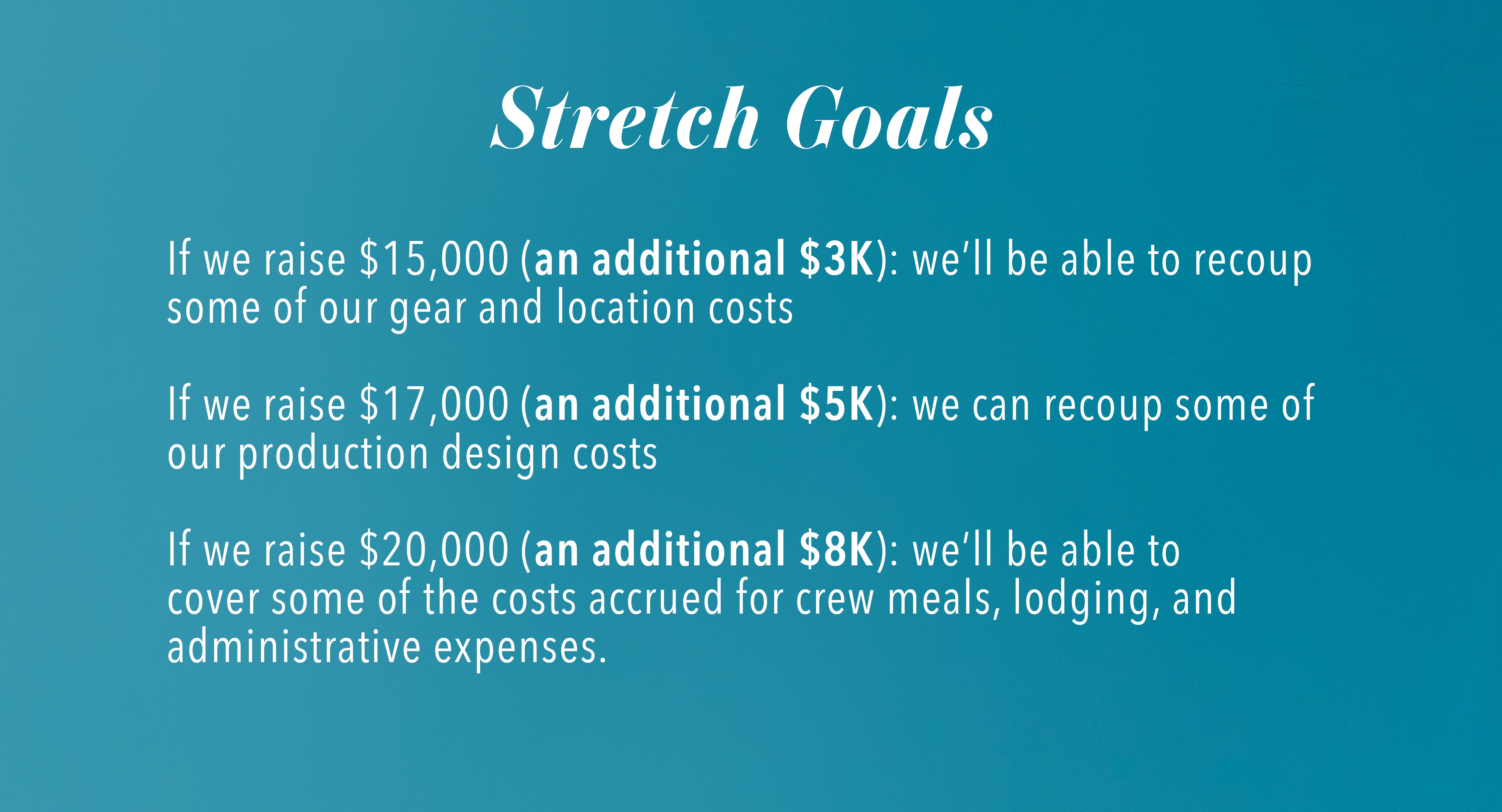 Our post production campaign goal of $12,000 is the bare minimum to cover our post production phase, but we also have stretch goals that will allow us filmmakers to recoup some of our out-of-pocket expenses (we self-funded the production phase alongside our early supporters).
Dyingmoon is a slow, intimate film by design. At a time when so much content is optimized for speed, mass consumption, and immediate resolution, we’re choosing to make something slower—a film that’s constrained within the parameters of a single location but is spacious in emotional scope. Its pace is meditative, allowing the audience to linger in whatever arises—discomfort, sadness, humor—and it trusts that they can.
We’re also intentionally centering mid-40s AAPI women, an age group and identity still rarely given due depth on screen. Rather than framing this didactically, Dyingmoon simply allows our characters to exist however imperfectly—just as they are. What comes through is a story built around lived complexity, rather than stereotype.
This intentional approach extends beyond the story to how we’re making the film. We’ve assembled a predominantly BIPOC team because shared values and lived experience matter when telling a story like ours, which explores the grief that comes with losing a parent and cultural connection to one’s roots. It’s a deeply personal project, and we feel it's important to share it because it offers a sense of connection and catharsis, not just for other diasporic folks like us but for anyone who is navigating family dynamics and loss. That human connection feels so vital right now.
And as short films continue to be incubators for new voices—especially at a moment when many are being narrowed or erased— your support helps ensure that our stories aren’t flattened, diluted, or lost, but carried forward.
TRILOGY TO FEATURE PATHWAY
Dyingmoon is the directorial debut and calling card for the Yadao Twins as a duo, and we intend for it to have its own festival run and unique audience engagement. But it also serves as the first installment in a trilogy of short films, with each film taking on a different family member’s perspective to reveal the layers of history between our characters, and to explore the intersecting complexities of family, diasporic identity, and grief. This short film trilogy may also be combined to create a feature length film.
Film One: Dyingmoon (the twins)
Film Two: The Call (the stepmother)
Film Three: Tinman (the father)
HIGHLIGHTS
2022 SuperSpecial TRIBE Writers’ Program, Round 2 Finalists
2025 Birns & Sawyer Screenwriting Grant Winner
2026 Fiscally Sponsored by Film Independent
2026 Festival premiere at FilAm Creative Film Fest slated for Sep 2026
Wishlist
Use the WishList to Pledge cash and Loan items - or - Make a pledge by selecting an Incentive directly.
Post-production support
Costs $7,000
This will cover editing, motion GFX, ADR, sound design and mix, color costs, and licensing to get our film to the finish line.
Production debt
Costs $2,000
Would be used to pay off some of our debts accumulated during production and upcoming pick-up shoot
Business Affairs
Costs $1,000
We'll need help covering legal and business expenses to ensure compliance come time for distribution.
Marketing / Distribution / Festival
Costs $2,000
This will help with costs to market and distribute the film to our target channels and target film festivals.
Cash Pledge
Costs $0


Direct link:
Share this update!
About This Team
About the Production Company
paper tongue is a collective of storytellers based in the San Francisco Bay Area and Maine, whose aim is to raise visibility for womxn, especially womxn, especially womxn of color, and champion underrepresented perspectives in film and media.
Our founding members, collectively and individually, have worked on award-winning films and branded content, documentaries, narratives and music videos, and have always made telling womxn’s stories and collaborating with BIPOC and womxn storytellers behind the camera the driving force behind the work they do.
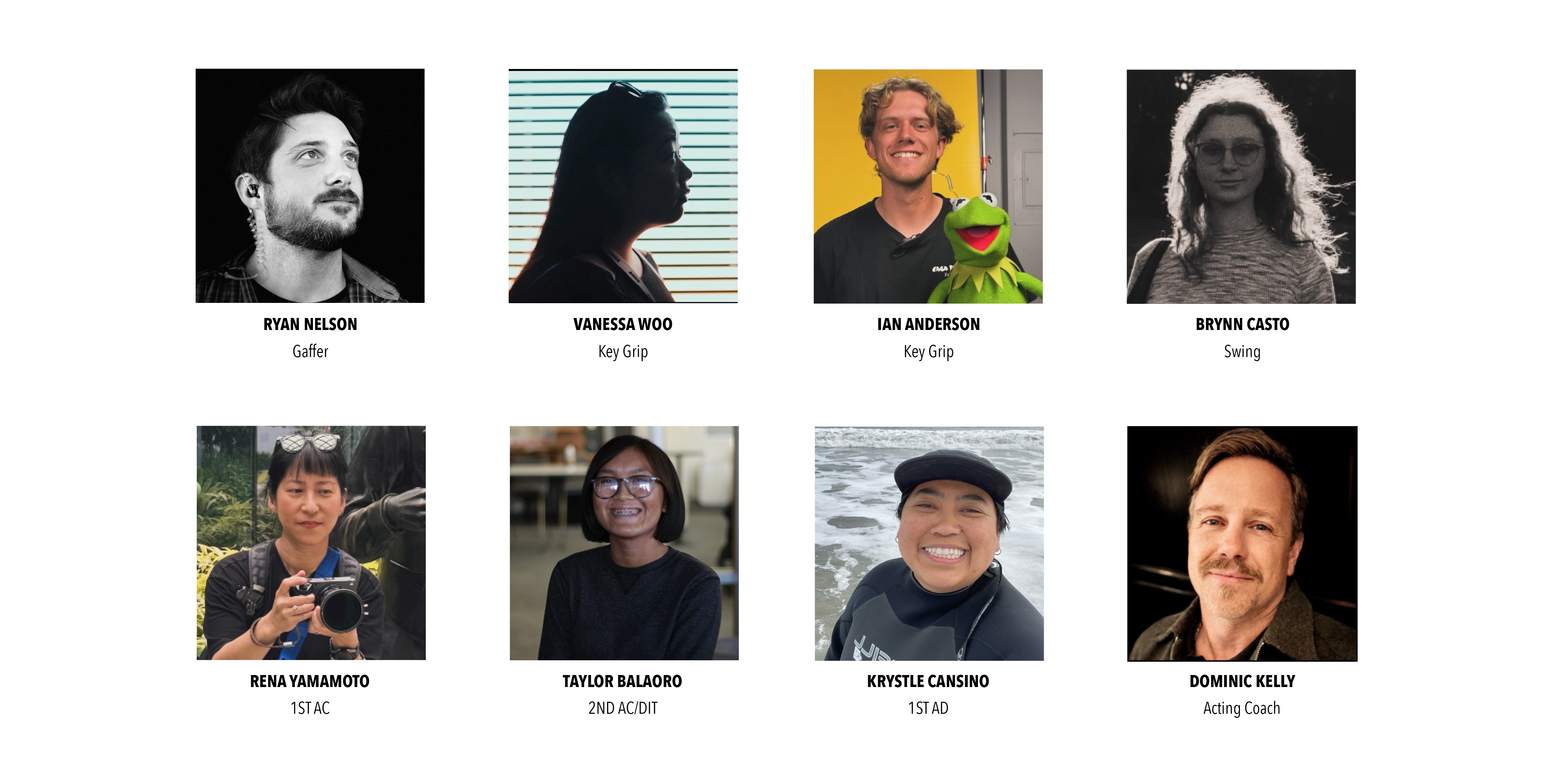
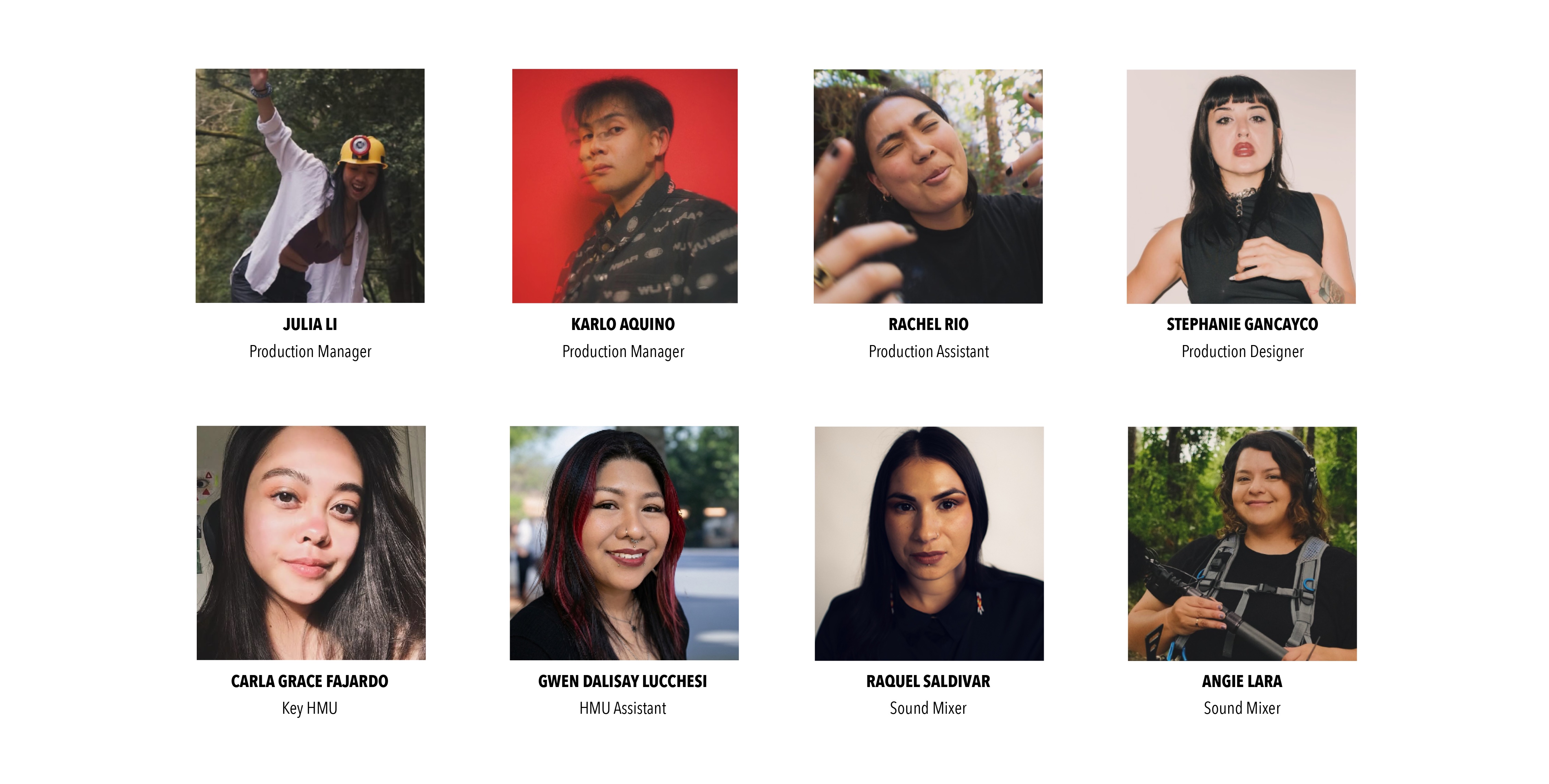
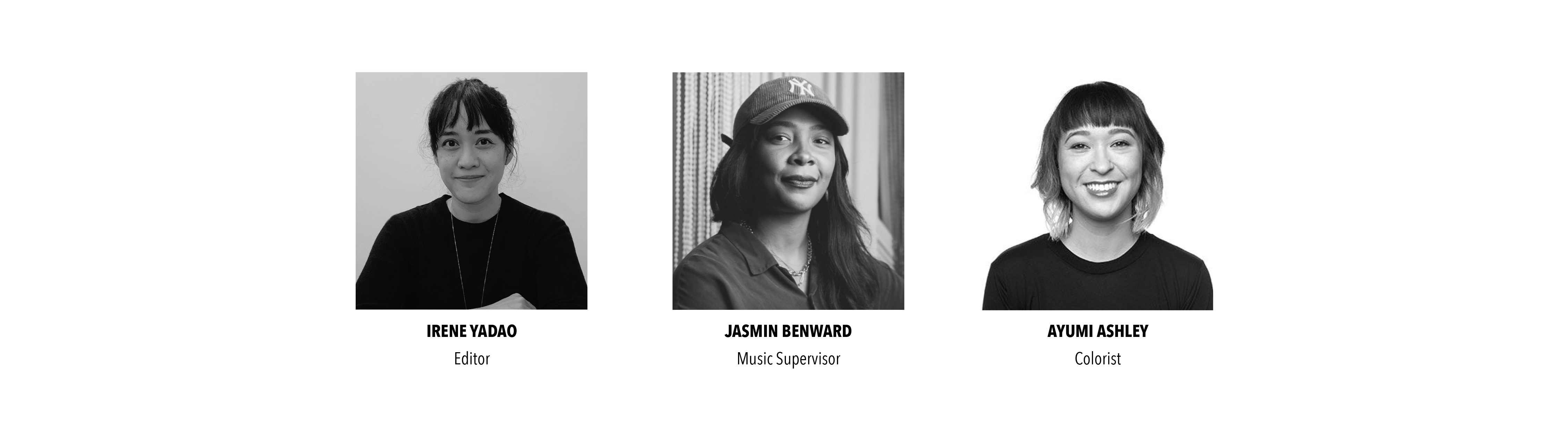
Current Team
Incentives
- The Story
- Wishlist
- Updates
- The Team
- Community
Mission Statement
The Story
Twin sisters Aggie and Bea have just sent their dying father and his overbearing wife on an all-expenses-paid vacation to return to his native Hawaiʻi one last time. But instead of joining him, the sisters are left behind to cat-sit. Determined to make the most of the situation, they make a desperate stab at normalcy: a staycation, complete with margaritas, karaoke, and inflatable floaties, never mind that there’s no pool and it’s October. But things go awry when old dust gets kicked up, and all the old tricks they used to settle arguments as kids fail spectacularly. Suddenly, they’re forcd to confront their pain head on.
The boundaries of time can become a bit fuzzy when a loved one is dying: The past rushes up to meet the future. The present feels like an illusion. And there’s a suspension of reality, even as life continues unabated around you. It’s an unsettling feeling that can turn the most innocuous of interactions into a pressure cooker.
This is the contextual setting for Dyingmoon, a short dramedy about sibling bonds that are tested in the face of imminent loss. But it’s more than a film about grief. It’s also a meditation on first-gen American preoccupations like identity and belonging, and the internal tug of war between freedom and obligation. It’s about the tension between the world of the living and dying, and between old world and new world.
Dyingmoon is the first installment in a trilogy of short films. This first installment is a deeply personal story, as it was written in the months that followed our father’s death. It was a way for us to process all that we had experienced during his last days battling cancer, and also a way to confront the immensity of our loss. Our father was Native Hawaiian, but we siblings spent most of our lives in the continental United States. Even though there was a strong Pacific Islander community in San Diego where we were raised, our father was our connection to the islands—a bridge to the old world. By losing our father, what vestiges of our ancestry and history would also be lost? With Dyingmoon, we wanted to convey the urgency and disorientation of that loss with equal parts tenderness and humor. What better vehicle than twinship, a complicated dynamic all its own.
Dyingmoon is also an homage to diaspora kids. Growing up mixed/first-gen, we struggled to feel a sense of belonging—never feeling Hawaiian enough or Filipino enough or American enough. We got made fun of for bringing our Filipino mom's dinuguan to school for lunch and were put into ESL classes, which further intensified our sense of otherness. Those tension points were part of the challenge—but they were also hallmarks of the peculiar joy—of being diasporic: a sameness among others who could relate to each other. We hope our short film engenders a sense of belonging and kinship for our audiences.
We wrote our screenplay with films like C’mon C’mon and The Farewell, and shows like Fleabag and Transparent in mind, drawn to their tender and humorous portrayal of complex family dynamics.
THE WORLD
We were also inspired visually by films like Aftersun, Here, and Somewhere for their rich tone, slow, deliberate pacing, and intentional framing.
SETTING: California’s laid back vibe serves as a counterpoint to the tension that’s been building between the sisters and that finally reaches a boiling point during their staycation. By setting the film in one location—their father’s backyard, a relaxing spot by all accounts—we create an encroaching sense of claustrophobia and a feeling of entrapment in this happy space.
LOOK + FEEL: In order to emphasize the dissonance between the external facade of revelry and the interior darkness of grief that’s besetting our main characters, we employ rich, bright colors to create a visual language that evokes the hyper joyful hue of California.
Lingering static shots will embed viewers both in the stillness of the mundane and in the discomfort of the siblings’ rising tension, like in the films Somewhere (Sofia Coppola), Here (Bas Devos), and Jeanne Dielman (Chantal Akerman).
Our framing is just wide enough to capture context, but close enough to hold an intimacy that reflects the claustrophobic feel of their situation. References of such framing include Jeanne Dielman (Chantal Akerman), Master of None, Season 3 (Aziz Ansari and Lena Waithe), and Perfect Days (Wim Wenders).
AGGIE: A litigator who is perpetually in win mode, Aggie is driven by a desire to make sure everyone is okay. She is the anchor of the family—the one who knows everyone’s social security numbers and passwords. But she's also burnt out being the caretaker and wants to have a little fun before things start to get heavy for her family.
BEA: A session musician, Bea is carrying decades-long guilt for not being home to help carry the burden of their toxic family. She goes along with Aggie’s idea for a fun staycation, even though it’s incongruous with what’s actually happening in their lives, and all she really wants to do is wallow in her sadness.
These twins are played by yours truly (Lisa and Irene). Though we’re not fully qualified in the same way that other sibling actor pairs are (Duplass Brothers, Mary-Kate and Ashley, etc.), we did share the stage as Tweedledum and Tweedledee in middle school. Don't call it a comeback!
In September 2025, we were awarded a Screenwriting Grant from Birns & Sawyer (LA's oldest camera rental house), for which received a generous camera package of $4K worth of gear. A little over six months later, and with the support of our friends at Near Future, 3rd & Gilman, Galdes Fine Lighting, and some early donors, we brought our wonderful Bay Area filmmaking family together to shoot Dyingmoon for a couple of days in San Rafael.
Now we’re entering our post-production stage in order to be festival ready and meet our deadline to premiere at this year’s FilAm Creative Film Fest in late September 2026. We would be so grateful for your help.
Funds raised through Seed & Spark will go directly to post-production, marketing, distribution (Short of the Week, Tubi, MUBI, Omeleto, Kanopy, Hawaiian Airlines, iTunes, Amazon Prime, Netflix), festival submissions (FilAm Creative, Pacific Island, SD Filipino Film Festival, CAAMFest, SDAFF, Honolulu Int'l, SF Int'l, Mill Valley, LA Asian Pacific, SXSW, Sundance), and production gap funding. Our priority is ensuring our talented post team is compensated and our remaining costs are covered to complete and share the film with the world.
Our post production campaign goal of $12,000 is the bare minimum to cover our post production phase, but we also have stretch goals that will allow us filmmakers to recoup some of our out-of-pocket expenses (we self-funded the production phase alongside our early supporters).
Dyingmoon is a slow, intimate film by design. At a time when so much content is optimized for speed, mass consumption, and immediate resolution, we’re choosing to make something slower—a film that’s constrained within the parameters of a single location but is spacious in emotional scope. Its pace is meditative, allowing the audience to linger in whatever arises—discomfort, sadness, humor—and it trusts that they can.
We’re also intentionally centering mid-40s AAPI women, an age group and identity still rarely given due depth on screen. Rather than framing this didactically, Dyingmoon simply allows our characters to exist however imperfectly—just as they are. What comes through is a story built around lived complexity, rather than stereotype.
This intentional approach extends beyond the story to how we’re making the film. We’ve assembled a predominantly BIPOC team because shared values and lived experience matter when telling a story like ours, which explores the grief that comes with losing a parent and cultural connection to one’s roots. It’s a deeply personal project, and we feel it's important to share it because it offers a sense of connection and catharsis, not just for other diasporic folks like us but for anyone who is navigating family dynamics and loss. That human connection feels so vital right now.
And as short films continue to be incubators for new voices—especially at a moment when many are being narrowed or erased— your support helps ensure that our stories aren’t flattened, diluted, or lost, but carried forward.
TRILOGY TO FEATURE PATHWAY
Dyingmoon is the directorial debut and calling card for the Yadao Twins as a duo, and we intend for it to have its own festival run and unique audience engagement. But it also serves as the first installment in a trilogy of short films, with each film taking on a different family member’s perspective to reveal the layers of history between our characters, and to explore the intersecting complexities of family, diasporic identity, and grief. This short film trilogy may also be combined to create a feature length film.
Film One: Dyingmoon (the twins)
Film Two: The Call (the stepmother)
Film Three: Tinman (the father)
HIGHLIGHTS
2022 SuperSpecial TRIBE Writers’ Program, Round 2 Finalists
2025 Birns & Sawyer Screenwriting Grant Winner
2026 Fiscally Sponsored by Film Independent
2026 Festival premiere at FilAm Creative Film Fest slated for Sep 2026
Wishlist
Use the WishList to Pledge cash and Loan items - or - Make a pledge by selecting an Incentive directly.
Post-production support
Costs $7,000
This will cover editing, motion GFX, ADR, sound design and mix, color costs, and licensing to get our film to the finish line.
Production debt
Costs $2,000
Would be used to pay off some of our debts accumulated during production and upcoming pick-up shoot
Business Affairs
Costs $1,000
We'll need help covering legal and business expenses to ensure compliance come time for distribution.
Marketing / Distribution / Festival
Costs $2,000
This will help with costs to market and distribute the film to our target channels and target film festivals.
Cash Pledge
Costs $0
Direct link:
Share this update!
About This Team
About the Production Company
paper tongue is a collective of storytellers based in the San Francisco Bay Area and Maine, whose aim is to raise visibility for womxn, especially womxn, especially womxn of color, and champion underrepresented perspectives in film and media.
Our founding members, collectively and individually, have worked on award-winning films and branded content, documentaries, narratives and music videos, and have always made telling womxn’s stories and collaborating with BIPOC and womxn storytellers behind the camera the driving force behind the work they do.