Gold in the Grave
Athens, Georgia | Film Short
Drama, Fantasy
A supernatural historical heist short film set at the end of the Reconstruction Era, following a newly freed woman who risks everything to reclaim buried family wealth. Guided by ancestral spirits, the film confronts unfinished freedom, Black women’s agency, and why reclamation still matters now.
Gold in the Grave
Athens, Georgia | Film Short
Drama, Fantasy

1 Campaigns | Georgia, United States
Green Light
This campaign raised $12,015 for development. Follow the filmmaker to receive future updates on this project.
43 supporters | followers
Enter the amount you would like to pledge
A supernatural historical heist short film set at the end of the Reconstruction Era, following a newly freed woman who risks everything to reclaim buried family wealth. Guided by ancestral spirits, the film confronts unfinished freedom, Black women’s agency, and why reclamation still matters now.
About The Project


- The Story
- Wishlist
- Updates
- The Team
- Community
Mission Statement
The Story
Set at the end of Reconstruction, Gold in the Grave follows Minnie Mae, a newly freed young woman asked to retrieve what was hidden when freedom was forbidden. The land still belongs to her former enslaver. Trespassing could mean retaliation. Her family, shaped by fear that once kept them alive, believes the past is safer left buried.
Minnie Mae does not.
For her, the buried gold represents more than wealth. It is mobility. Choice. A chance to leave the South and imagine a future not dictated by silence or restraint. A letter places that future in her hands and asks her to decide what freedom will mean now.
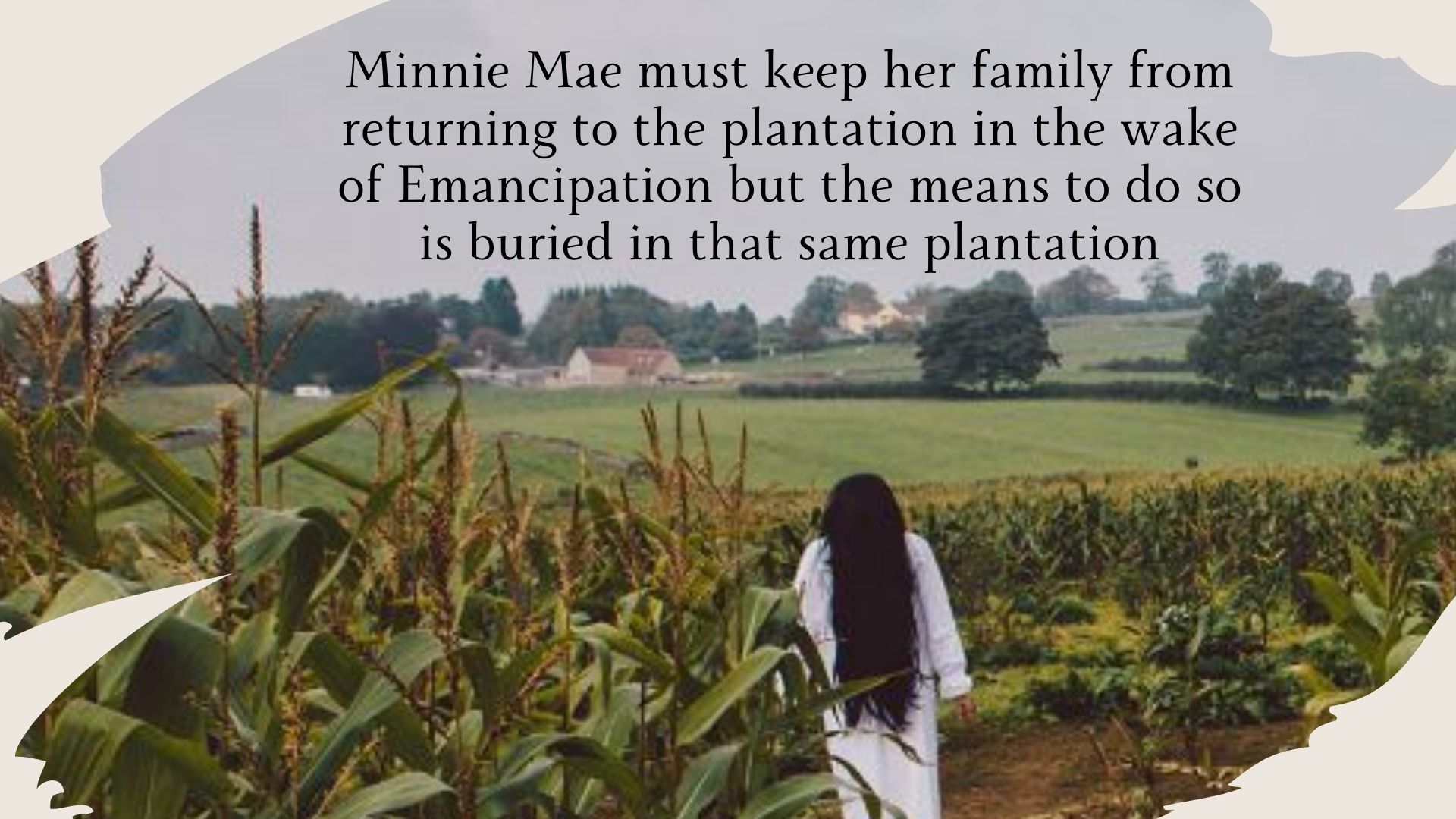
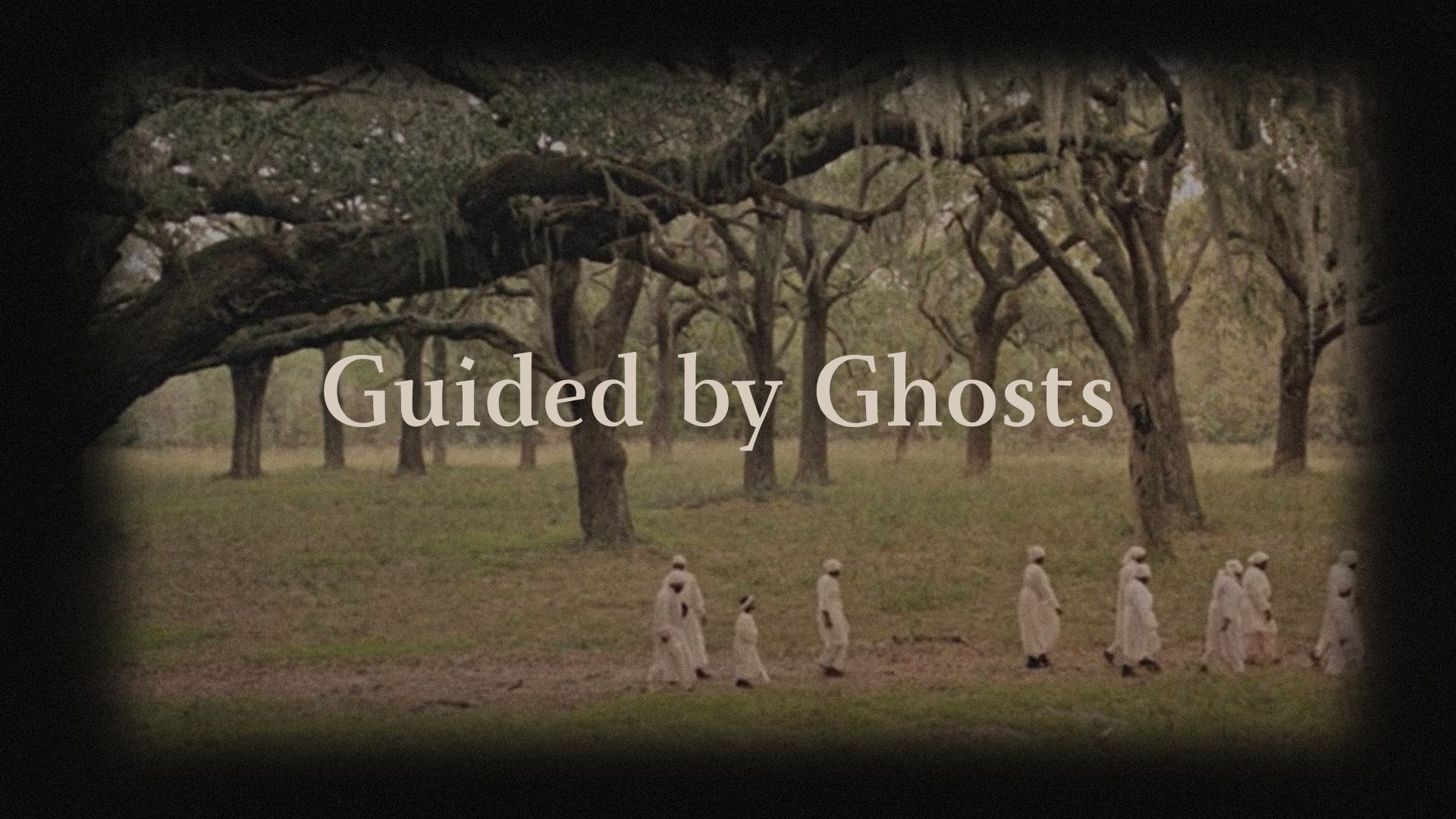
Guiding Minnie Mae are the “ghosts of the field,” the spirits of enslaved people who never lived to see freedom. They do not haunt her. They witness her. They insist that what was taken, hidden, and denied must be reclaimed. Their presence reminds her that labor was never repaid, lives were never completed, and freedom delayed still carries a cost.
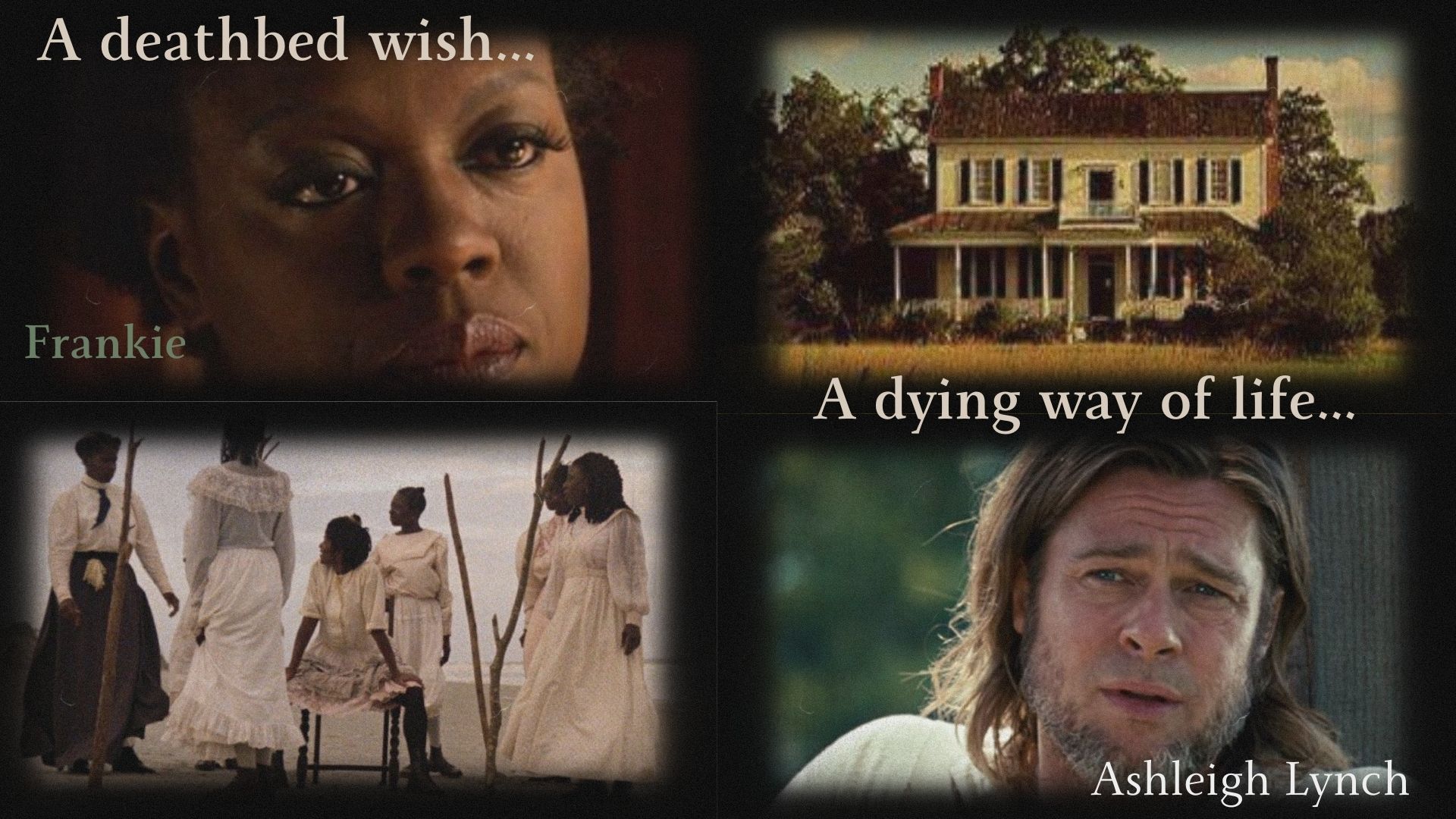
This is a story about inheritance.
Fear passed down.
Courage demanded.
Trust placed in one woman to act when the moment finally arrives.
Why This Story, Why Now
Gold in the Grave centers Black women as decision-makers navigating liberation in real time. It treats the supernatural not as fantasy, but as ancestral memory and cultural truth.
The film’s visual and material storytelling is informed by consultation with UGA Associate Professor Dr. Sha’Mira Covington, whose work examines Black liberation within the fashion-industrial complex, grounding the story in the realities of labor, survival, and resistance.
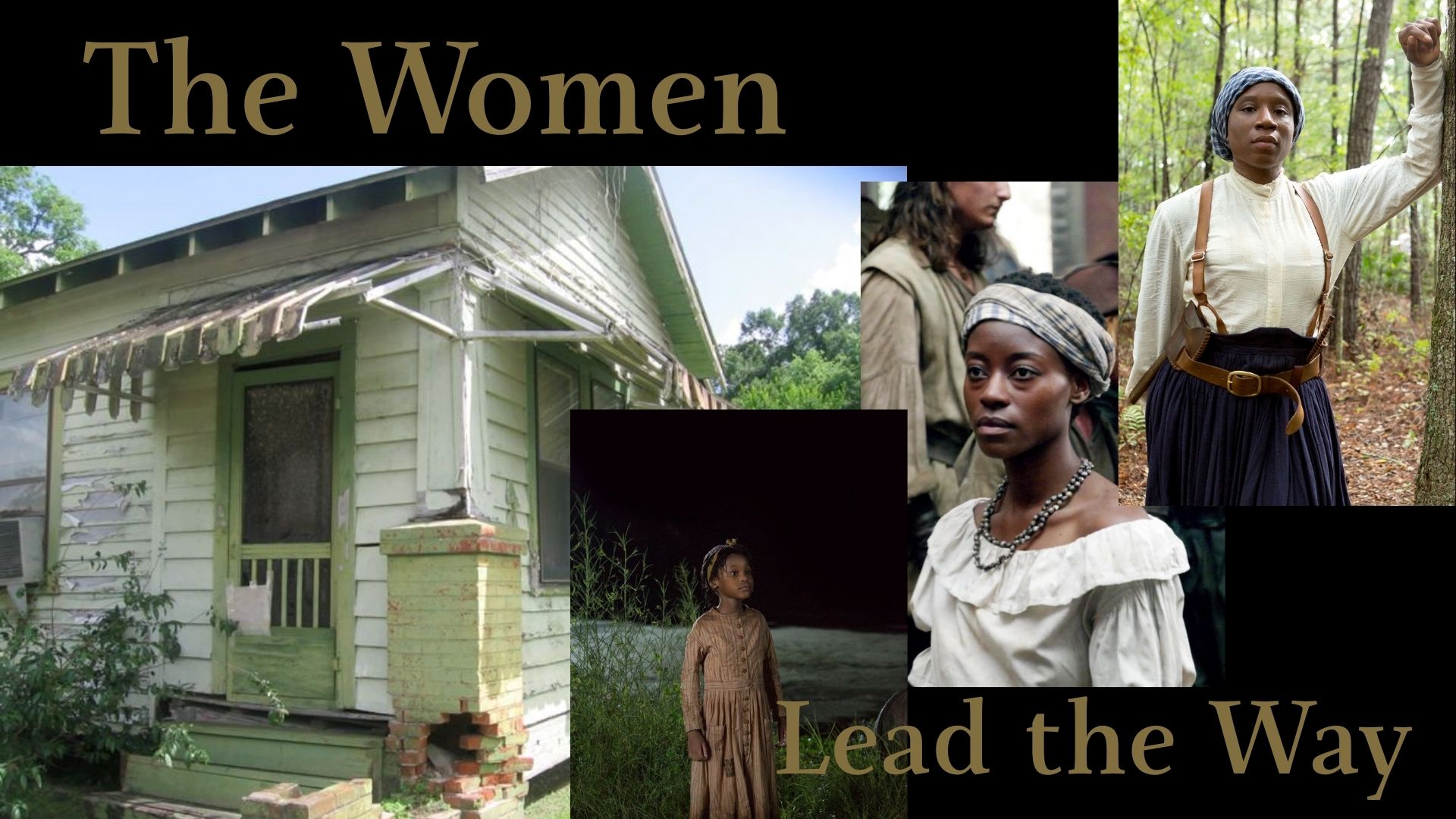
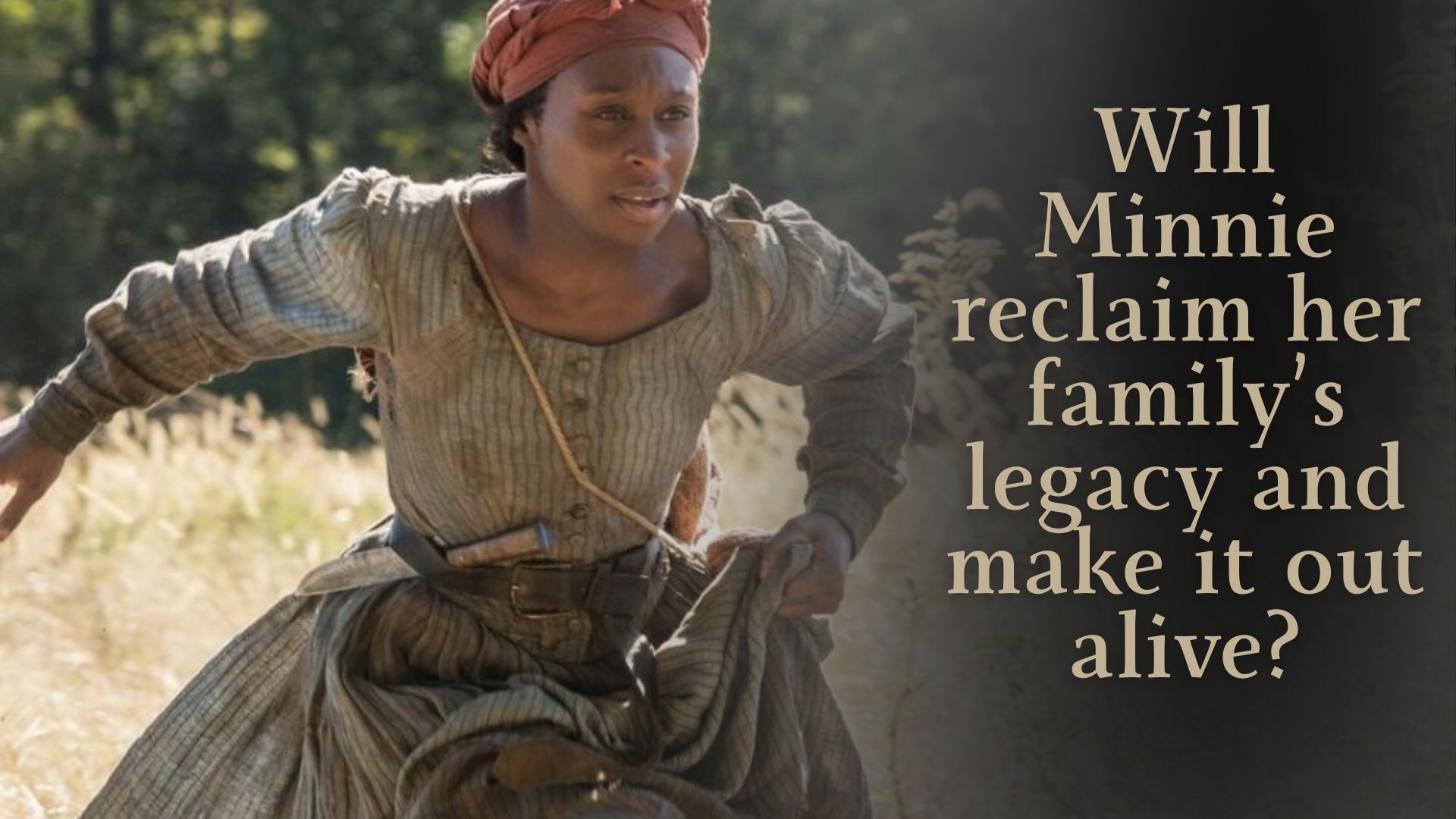
We are telling this story now because the questions it raises remain unresolved. Conversations around reparations, sovereignty, and historical accountability persist because the past has never been fully settled. This film invites audiences to feel what is often discussed abstractly: what freedom costs when it arrives without protection, resources, or repair.
The film draws inspiration from American Gangster, Daughters of the Dust, and Gone with the Wind, while intentionally reframing whose stories are centered, whose labor is acknowledged, and whose inheritance is honored.
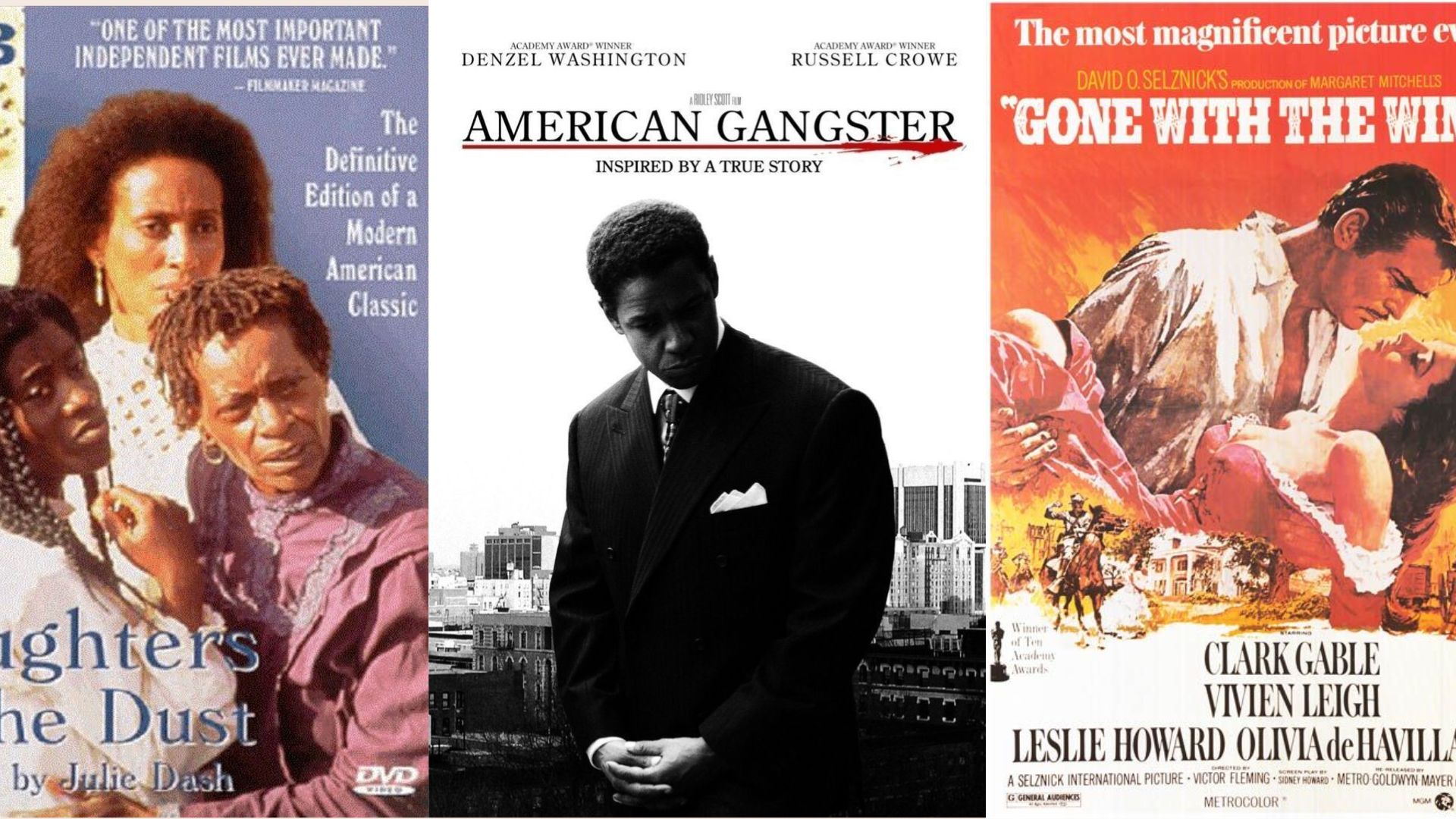
Inspired by ‘American Gangster’, ‘Daughters of the Dust’, and 'Gone With the Wind'.
Research and Aesthetic Approach
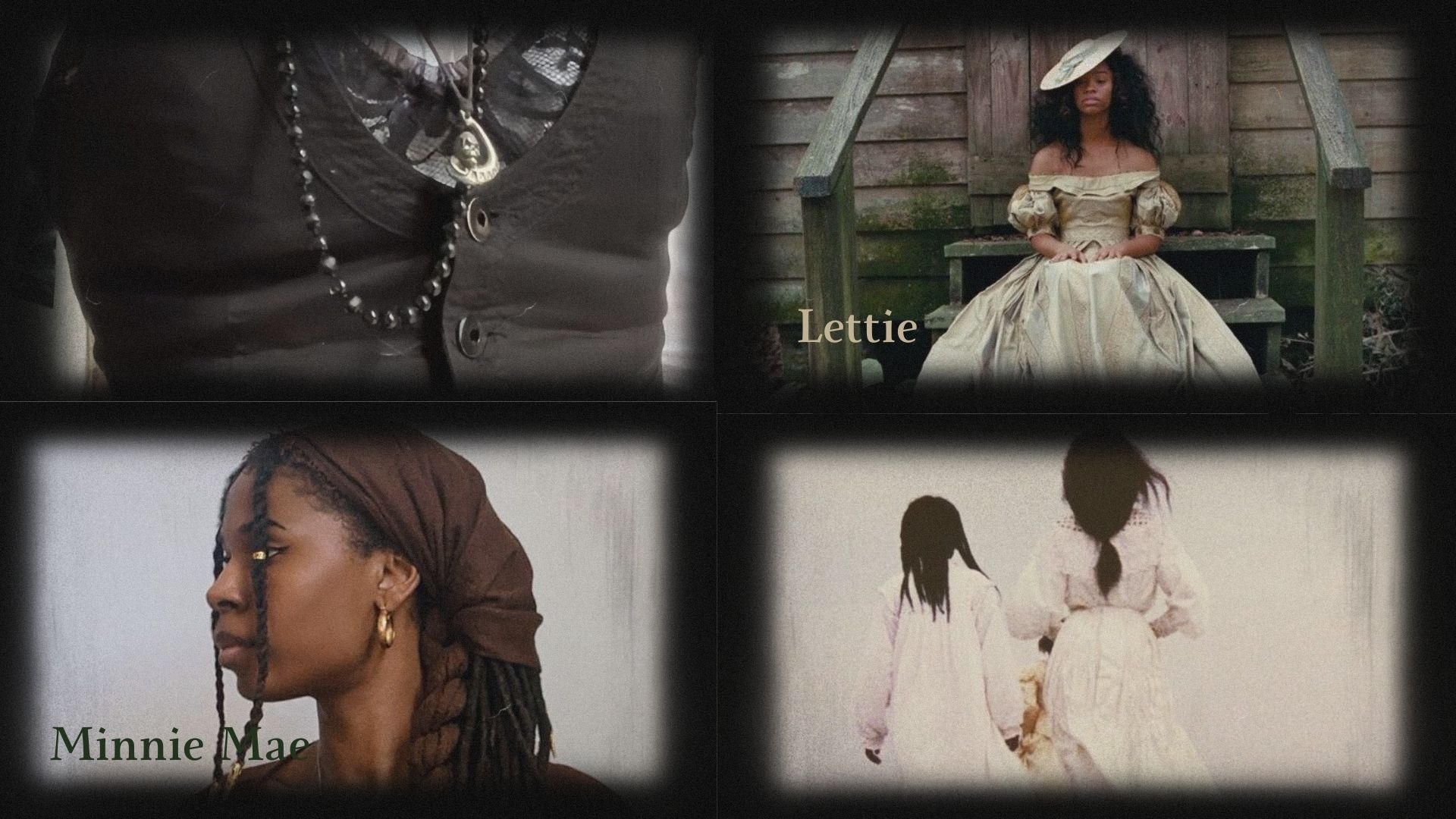
The visual language of Gold in the Grave is informed by a year of research conducted with UGA Associate Professor Dr. Sha’Mira Covington, examining Black aesthetics in both the North and South during and after Reconstruction. For me, character is built through material culture, where clothing, jewelry, and adornment function as narrative tools that communicate status, intention, and rebellion without dialogue.
Minnie Mae’s aesthetic blends Southern antebellum silhouettes with pirate-inspired imagery, a visual language associated with autonomy and resistance, while gold operates as both symbol and survival. At a moment when Reconstruction is rarely examined and history is increasingly erased, the film uses historically grounded, spiritually resonant visuals to make the story urgent, legible, and deeply human.
Independent films like this exist only when communities choose to believe in stories before they are finished. By supporting Gold in the Grave, you are not just helping make a short film. You are participating in the reclamation of a story that was buried for survival and entrusted to be unearthed when the time was right.
Some stories are not announced.
They are entrusted.
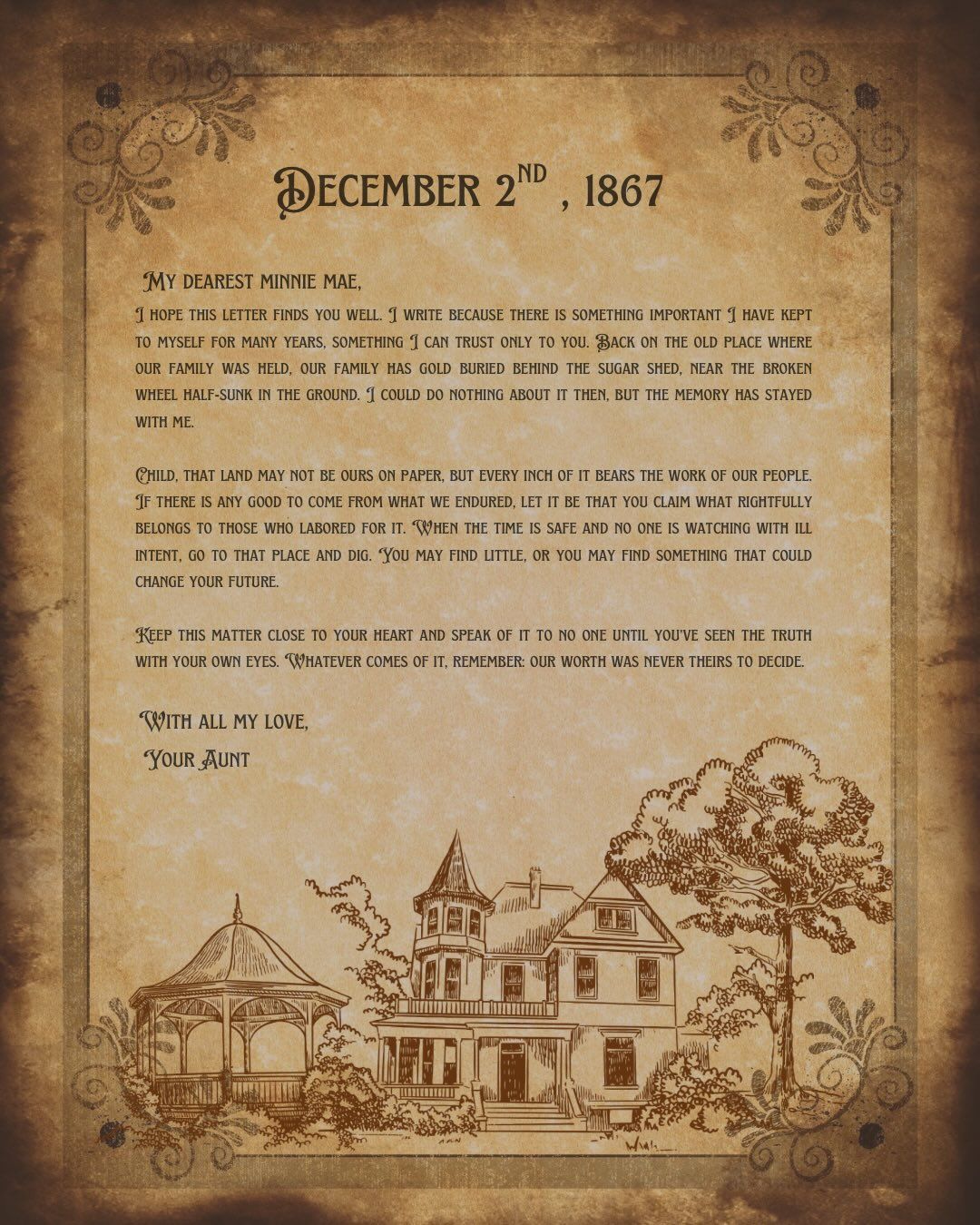
Some truths are passed down quietly.
This one is ready to be told.
Where We Are in the Process
The script for Gold in the Grave is in the finalization stage.
Our core creative team is assembled. We are entering pre-production.
This crowdfunding campaign allows us to move from preparation to production with intention, care, and historical integrity.
The Schedule:
April - Filming Begins
May - Film Editing and Post-Production
July - Early Screening for Select Patrons
August - Premier (Online and Select Cities)
What Your Support Makes Possible
Funds raised through this campaign will directly support:
- Location access and production design rooted in historical accuracy
- Camera, lighting, and sound equipment
- Cast and crew compensation
- Wardrobe and material storytelling
- Post-production including editing, sound design, and color
Every contribution helps ensure that this story is told with the respect, craft, and depth it requires.
What Happens Next
When funded, Gold in the Grave will move into production immediately following the campaign. Post-production will follow, with plans for:
- Private screenings for supporters
- Festival submissions
- Digital screenings for backers
Supporters at select levels will receive early access to the film, behind-the-scenes materials, and invitations to virtual screenings and conversations with the filmmakers.
Stretch Goals
If we surpass our initial goal, additional funding will allow us to:
- Extend our shooting schedule
- Deepen sound design and original scoring
- Expand distribution and community screenings
How You Can Help Right Now
- Pledge at any level to help bring the film to life
- Follow the campaign for updates and momentum
- Share this project with your community
Sharing is just as powerful as donating. Independent films exist because communities choose to believe in stories before they are finished.
Copy + Paste to Share:
Gold in the Grave is a short film set at the end of Reconstruction, centering a Black woman reclaiming what was hidden when freedom was forbidden. I’m supporting this project because these stories matter. Join me in bringing it to life.
Independent films like this exist only when communities choose to believe in stories before they are finished.
By supporting Gold in the Grave, you are not just helping make a short film. You are participating in the reclamation of a story that was buried for survival and entrusted to be unearthed when the time was right.
Some stories are not announced.
They are entrusted.
Some truths are passed down quietly.
This one is ready to be told.
Wishlist
Use the WishList to Pledge cash and Loan items - or - Make a pledge by selecting an Incentive directly.
Equipment
Costs $4,770
Quality camera, sound, and lighting gear to capture the film’s atmospheric, low-light visuals with care and clarity.
Crew Meals & Crafty
Costs $3,405
A fed crew is a safe, focused crew. This covers meals, snacks, water, and long shooting days to ensure morale, energy, and care on set.
Location
Costs $2,730
Filming on location brings authenticity, but it comes at a cost. This covers permits, location fees, insurance requirements, and site prep.
Art Direction
Costs $1,365
Period-accurate props, set dressing, makeup, and visual details that ground the film in the Reconstruction era.
Crew Compensation
Costs $1,365
This allocation supports fair pay for crew members who are helping bring this story to life with care and professionalism.
Contingency
Costs $1,365
A necessary buffer for weather, equipment issues, or unexpected production needs so safety and quality are never compromised.
Cash Pledge
Costs $0


Direct link:
Share this update!
About This Team
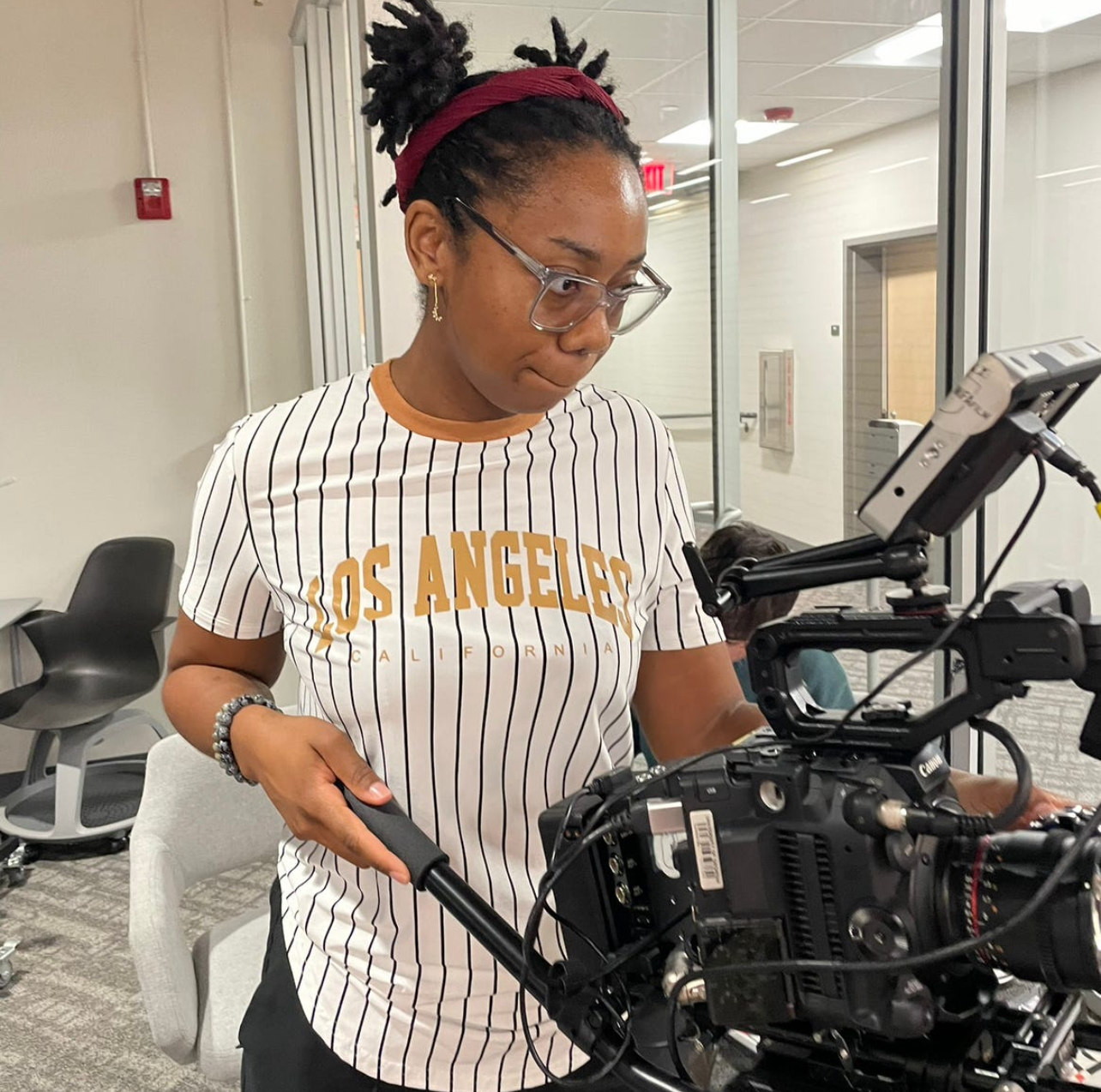 Alexzundra is a writer and director committed to centering Black women’s agency, interior lives, and strategies for survival.
She holds a BA in Creative Writing from Columbia University in New York City and is currently pursuing her MFA in Film at the University of Georgia.
She has worked on film sets in Atlanta, Los Angeles, and internationally. Her goal is to bring more books by Black women to the screen and expand whose stories are preserved and widely seen.
 Jane Negreira is a talented Latina cinematographer with specialized expertise in color grading. Jane brings a unique and vibrant visual style to her projects. Her love for horror movies and art history heavily influences her cinematography, blending atmospheric and artistic elements to create compelling visuals.
Jane believes it is crucial to have women behind the camera, bringing diverse perspectives and voices to the film industry. She hopes to continue her career with a strong focus on cinematography, eager to bring her distinct perspective and creativity to new and exciting projects.
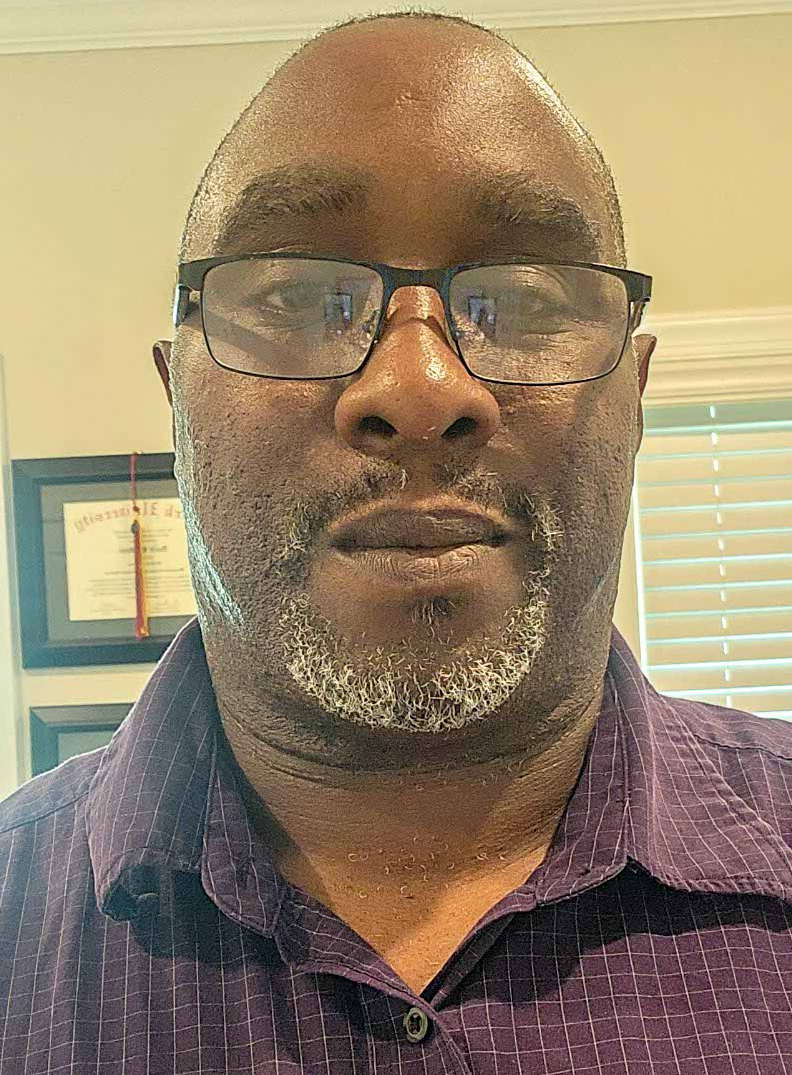
David B. White is an Independent Creative Producer based in Sugar Hill, Georgia. A recent graduate of the University of Georgia's Master's program in Film, Television, and Digital Media, he has produced four short films and directed two, bringing a strong passion for collaborative storytelling and project success. A retired United States Marine with 20 years of honorable service, David now channels his leadership and dedication into creative arts. He is married to Mrs. Shanay S. White, MBA, MA, and together they are proud parents of three children.
Current Team
Incentives
- The Story
- Wishlist
- Updates
- The Team
- Community
Mission Statement
The Story
Set at the end of Reconstruction, Gold in the Grave follows Minnie Mae, a newly freed young woman asked to retrieve what was hidden when freedom was forbidden. The land still belongs to her former enslaver. Trespassing could mean retaliation. Her family, shaped by fear that once kept them alive, believes the past is safer left buried.
Minnie Mae does not.
For her, the buried gold represents more than wealth. It is mobility. Choice. A chance to leave the South and imagine a future not dictated by silence or restraint. A letter places that future in her hands and asks her to decide what freedom will mean now.
Guiding Minnie Mae are the “ghosts of the field,” the spirits of enslaved people who never lived to see freedom. They do not haunt her. They witness her. They insist that what was taken, hidden, and denied must be reclaimed. Their presence reminds her that labor was never repaid, lives were never completed, and freedom delayed still carries a cost.
This is a story about inheritance.
Fear passed down.
Courage demanded.
Trust placed in one woman to act when the moment finally arrives.
Why This Story, Why Now
Gold in the Grave centers Black women as decision-makers navigating liberation in real time. It treats the supernatural not as fantasy, but as ancestral memory and cultural truth.
The film’s visual and material storytelling is informed by consultation with UGA Associate Professor Dr. Sha’Mira Covington, whose work examines Black liberation within the fashion-industrial complex, grounding the story in the realities of labor, survival, and resistance.
We are telling this story now because the questions it raises remain unresolved. Conversations around reparations, sovereignty, and historical accountability persist because the past has never been fully settled. This film invites audiences to feel what is often discussed abstractly: what freedom costs when it arrives without protection, resources, or repair.
The film draws inspiration from American Gangster, Daughters of the Dust, and Gone with the Wind, while intentionally reframing whose stories are centered, whose labor is acknowledged, and whose inheritance is honored.
Inspired by ‘American Gangster’, ‘Daughters of the Dust’, and 'Gone With the Wind'.
Research and Aesthetic Approach
The visual language of Gold in the Grave is informed by a year of research conducted with UGA Associate Professor Dr. Sha’Mira Covington, examining Black aesthetics in both the North and South during and after Reconstruction. For me, character is built through material culture, where clothing, jewelry, and adornment function as narrative tools that communicate status, intention, and rebellion without dialogue.
Minnie Mae’s aesthetic blends Southern antebellum silhouettes with pirate-inspired imagery, a visual language associated with autonomy and resistance, while gold operates as both symbol and survival. At a moment when Reconstruction is rarely examined and history is increasingly erased, the film uses historically grounded, spiritually resonant visuals to make the story urgent, legible, and deeply human.
Independent films like this exist only when communities choose to believe in stories before they are finished. By supporting Gold in the Grave, you are not just helping make a short film. You are participating in the reclamation of a story that was buried for survival and entrusted to be unearthed when the time was right.
Some stories are not announced.
They are entrusted.
Some truths are passed down quietly.
This one is ready to be told.
Where We Are in the Process
The script for Gold in the Grave is in the finalization stage.
Our core creative team is assembled. We are entering pre-production.
This crowdfunding campaign allows us to move from preparation to production with intention, care, and historical integrity.
The Schedule:
April - Filming Begins
May - Film Editing and Post-Production
July - Early Screening for Select Patrons
August - Premier (Online and Select Cities)
What Your Support Makes Possible
Funds raised through this campaign will directly support:
- Location access and production design rooted in historical accuracy
- Camera, lighting, and sound equipment
- Cast and crew compensation
- Wardrobe and material storytelling
- Post-production including editing, sound design, and color
Every contribution helps ensure that this story is told with the respect, craft, and depth it requires.
What Happens Next
When funded, Gold in the Grave will move into production immediately following the campaign. Post-production will follow, with plans for:
- Private screenings for supporters
- Festival submissions
- Digital screenings for backers
Supporters at select levels will receive early access to the film, behind-the-scenes materials, and invitations to virtual screenings and conversations with the filmmakers.
Stretch Goals
If we surpass our initial goal, additional funding will allow us to:
- Extend our shooting schedule
- Deepen sound design and original scoring
- Expand distribution and community screenings
How You Can Help Right Now
- Pledge at any level to help bring the film to life
- Follow the campaign for updates and momentum
- Share this project with your community
Sharing is just as powerful as donating. Independent films exist because communities choose to believe in stories before they are finished.
Copy + Paste to Share:
Gold in the Grave is a short film set at the end of Reconstruction, centering a Black woman reclaiming what was hidden when freedom was forbidden. I’m supporting this project because these stories matter. Join me in bringing it to life.
Independent films like this exist only when communities choose to believe in stories before they are finished.
By supporting Gold in the Grave, you are not just helping make a short film. You are participating in the reclamation of a story that was buried for survival and entrusted to be unearthed when the time was right.
Some stories are not announced.
They are entrusted.
Some truths are passed down quietly.
This one is ready to be told.
Wishlist
Use the WishList to Pledge cash and Loan items - or - Make a pledge by selecting an Incentive directly.
Equipment
Costs $4,770
Quality camera, sound, and lighting gear to capture the film’s atmospheric, low-light visuals with care and clarity.
Crew Meals & Crafty
Costs $3,405
A fed crew is a safe, focused crew. This covers meals, snacks, water, and long shooting days to ensure morale, energy, and care on set.
Location
Costs $2,730
Filming on location brings authenticity, but it comes at a cost. This covers permits, location fees, insurance requirements, and site prep.
Art Direction
Costs $1,365
Period-accurate props, set dressing, makeup, and visual details that ground the film in the Reconstruction era.
Crew Compensation
Costs $1,365
This allocation supports fair pay for crew members who are helping bring this story to life with care and professionalism.
Contingency
Costs $1,365
A necessary buffer for weather, equipment issues, or unexpected production needs so safety and quality are never compromised.
Cash Pledge
Costs $0
Direct link:
Share this update!
About This Team
Alexzundra is a writer and director committed to centering Black women’s agency, interior lives, and strategies for survival.
She holds a BA in Creative Writing from Columbia University in New York City and is currently pursuing her MFA in Film at the University of Georgia.
She has worked on film sets in Atlanta, Los Angeles, and internationally. Her goal is to bring more books by Black women to the screen and expand whose stories are preserved and widely seen.
Jane Negreira is a talented Latina cinematographer with specialized expertise in color grading. Jane brings a unique and vibrant visual style to her projects. Her love for horror movies and art history heavily influences her cinematography, blending atmospheric and artistic elements to create compelling visuals.
Jane believes it is crucial to have women behind the camera, bringing diverse perspectives and voices to the film industry. She hopes to continue her career with a strong focus on cinematography, eager to bring her distinct perspective and creativity to new and exciting projects.
David B. White is an Independent Creative Producer based in Sugar Hill, Georgia. A recent graduate of the University of Georgia's Master's program in Film, Television, and Digital Media, he has produced four short films and directed two, bringing a strong passion for collaborative storytelling and project success. A retired United States Marine with 20 years of honorable service, David now channels his leadership and dedication into creative arts. He is married to Mrs. Shanay S. White, MBA, MA, and together they are proud parents of three children.