Graphite & War
Los Angeles, California | Film Short
Documentary, Biography
A documentary short that explores how Wiyot artist Rick Bartow's experience in Vietnam forever changed him, his journey to heal his trauma through art, and the legacy he left behind after his death.
Graphite & War
Los Angeles, California | Film Short
Documentary, Biography

0 Campaigns |
A documentary short that explores how Wiyot artist Rick Bartow's experience in Vietnam forever changed him, his journey to heal his trauma through art, and the legacy he left behind after his death.
About The Project


- The Story
- Wishlist
- Updates
- The Team
- Community
Mission Statement
The Story

What is the legacy that we leave behind? This is a question that many don’t think about when we are living, especially during the first stage of life when we’re young and entering adulthood. The thought of legacy likely did not cross Rick Bartow’s mind when he was drafted into the Vietnam War, an event that would have an everlasting impact on his life and lead him on a journey of becoming a prolific Native artist.
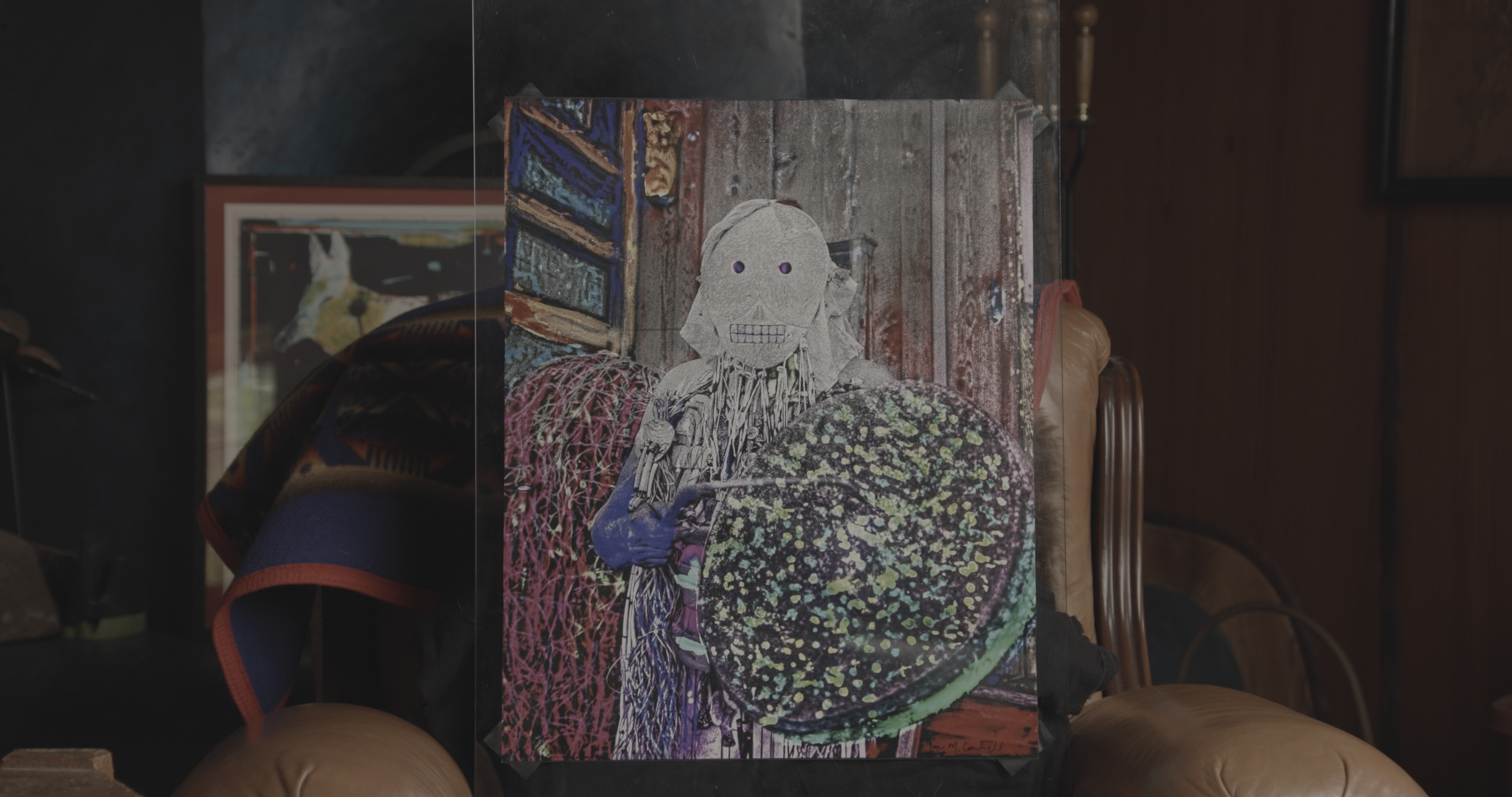
Portrait of Rick Bartow Photographed by Joe Cantrell.
Graphite & War is a short documentary that tells the story of Wiyot artist Rick Bartow and his early life to his experience in the Vietnam War and the aftermath. Born in Newport, Oregon to a Native (Wiyot) father and White mother, Rick was interested in the arts from an early age, always finding ways to incorporate art into his life. Unfortunately, time did not allow Rick to use his Secondary Arts Education degree as he found himself being drafted into the Vietnam War in 1969. During his two-year tour in Vietnam, Rick served as a teletype operator and a musician, singing to the soldiers who were going to pass or were dealing with traumatic wounds. Though he received a Bronze Star for his service, being engulfed by the casualties and disturbing sights of war caused Rick to develop PTSD and abuse drugs and alcohol.
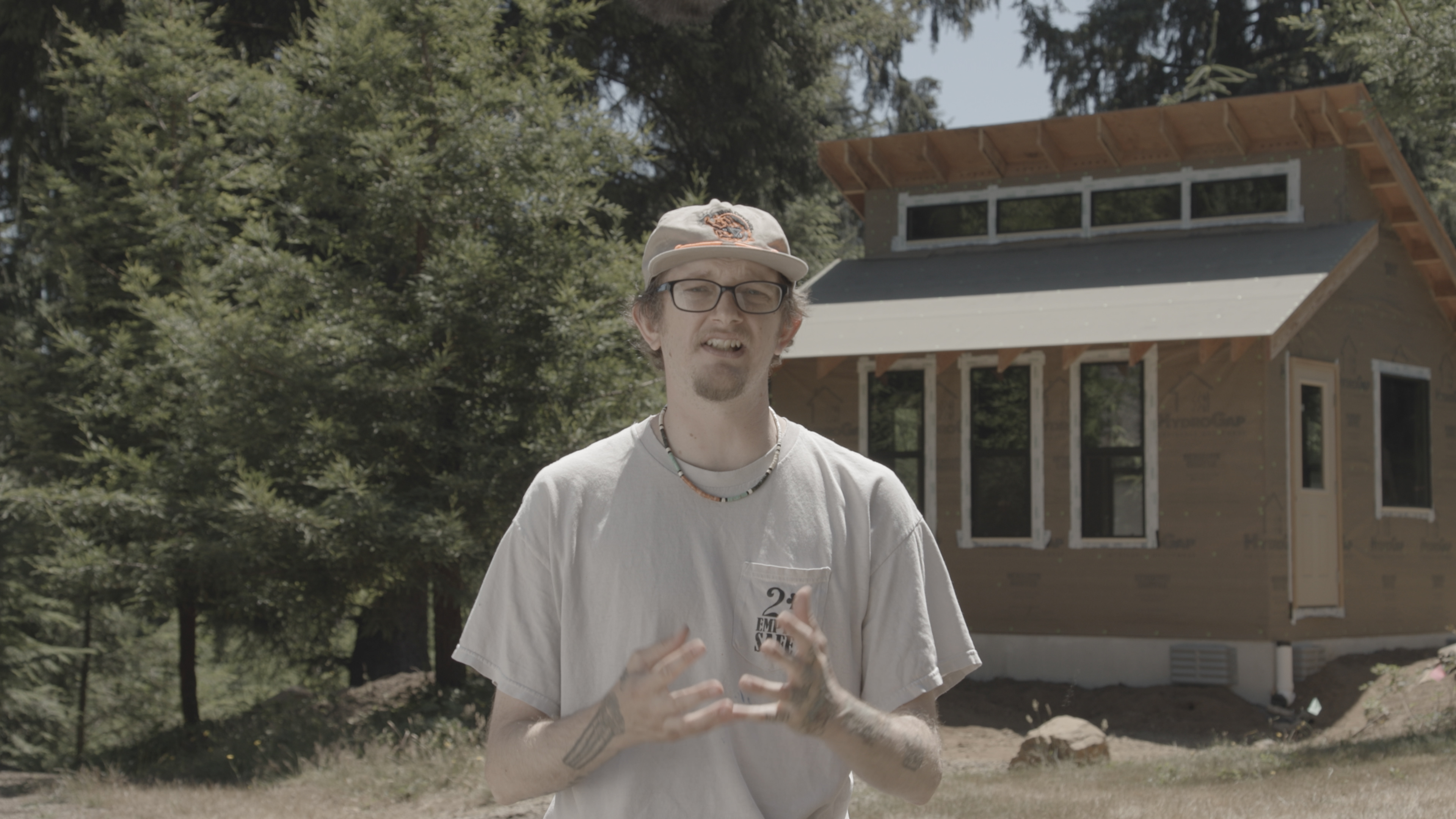
Rick Bartow's son, Booker Bartow, being interviewed in front of Rick's studio at Yakona Nature Preserve & Learning Center.
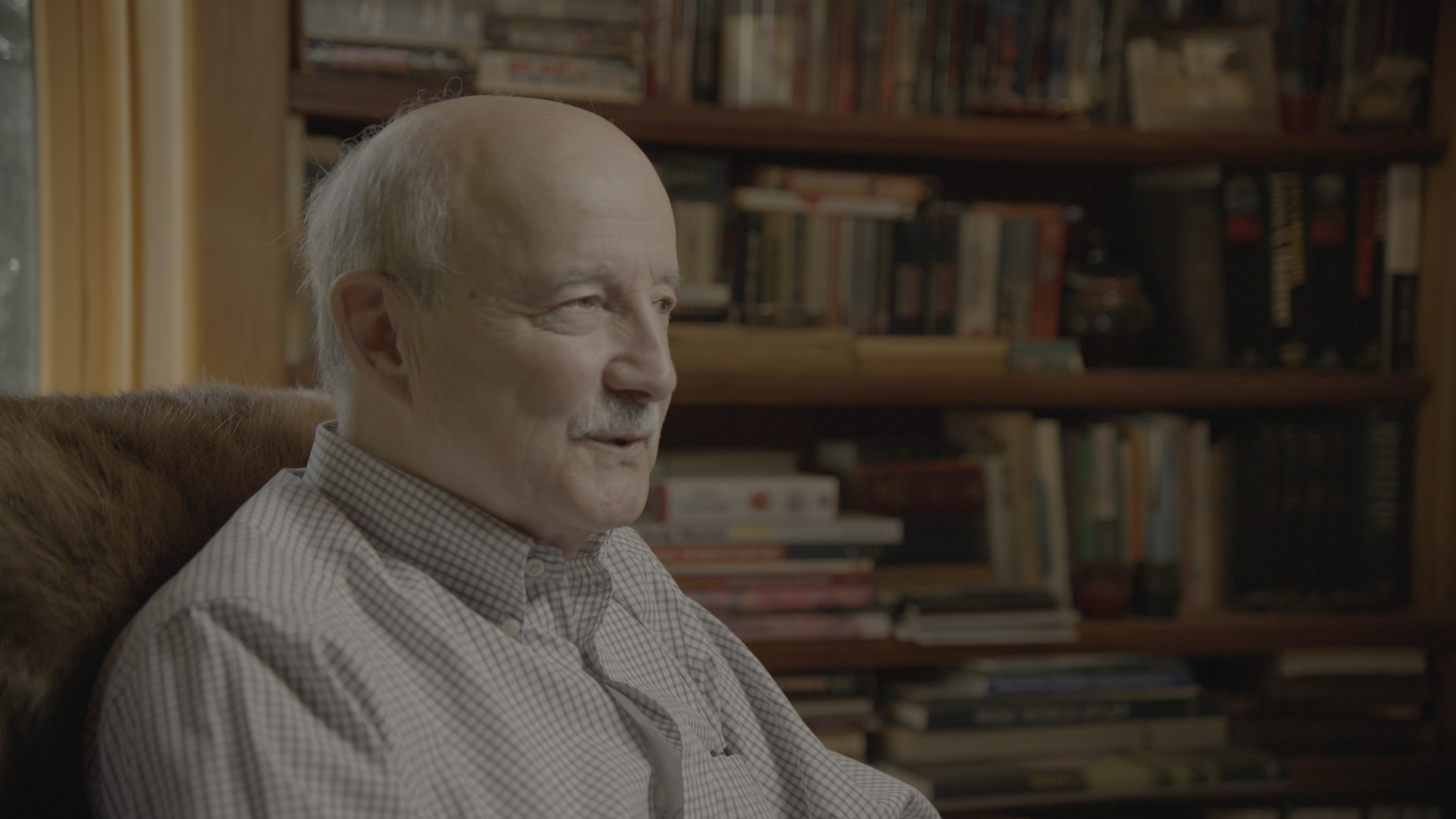
Rick's longtime friend, Ted Swigart, discussing some stories about Rick.
Art proved therapeutic for Rick as he dealt with the inescapable horrors that imprinted on his mind from his time in Vietnam. In an insert from his 1989 essay Transformations, Rick eloquently described the experience:
“When I returned from Viet Nam, like so many others, I was a bit twisted. I was a house filled with irrational fears, beliefs, and symbols. Wind-blown paper would send me running; crows became many things; I never remembered dreams and detested the wind; I wore bells on my wrists so I could hear my parts when they moved; I slept in my clothes so I’d be ready to go nowhere at all. And I once recall answering when asked my name and where I was from, Nobody. Nowhere. I must have been a wonderful companion. During this time I found a huge pad of newsprint and began to draw, trying to exorcise the demons that had made me strange to myself. My work has never stopped being therapy.”
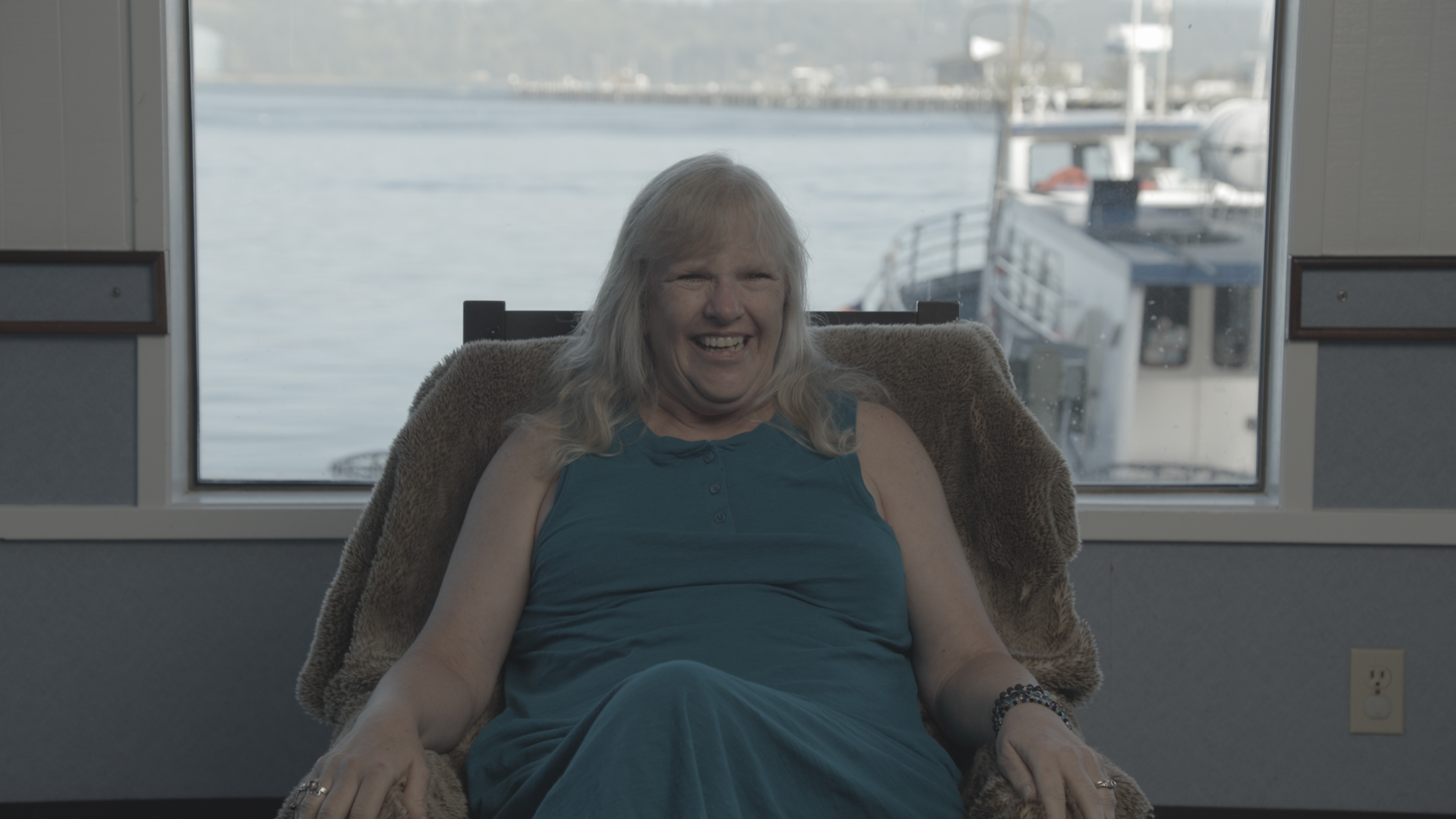
Rick's stepdaughter, Ronda Kossow, reminiscing on a past memory at Mo's Annex.
Using graphite as his initial tool, Rick would capture his feelings of despair into intimate portraits of psychological and physical horror. These portraits would later be destroyed with only a few surviving art pieces left today. Art also became a way to express his tribal identity and history, a major theme throughout his artistic career. Though his art began with what he could get his hands on, it would soon expand into other art forms like paintings, carvings, and sculptures. During his last act of his life he began to acknowledge a vital piece that was hard for him to accept: his time during Vietnam, creating pieces that would confront his experience in the war.
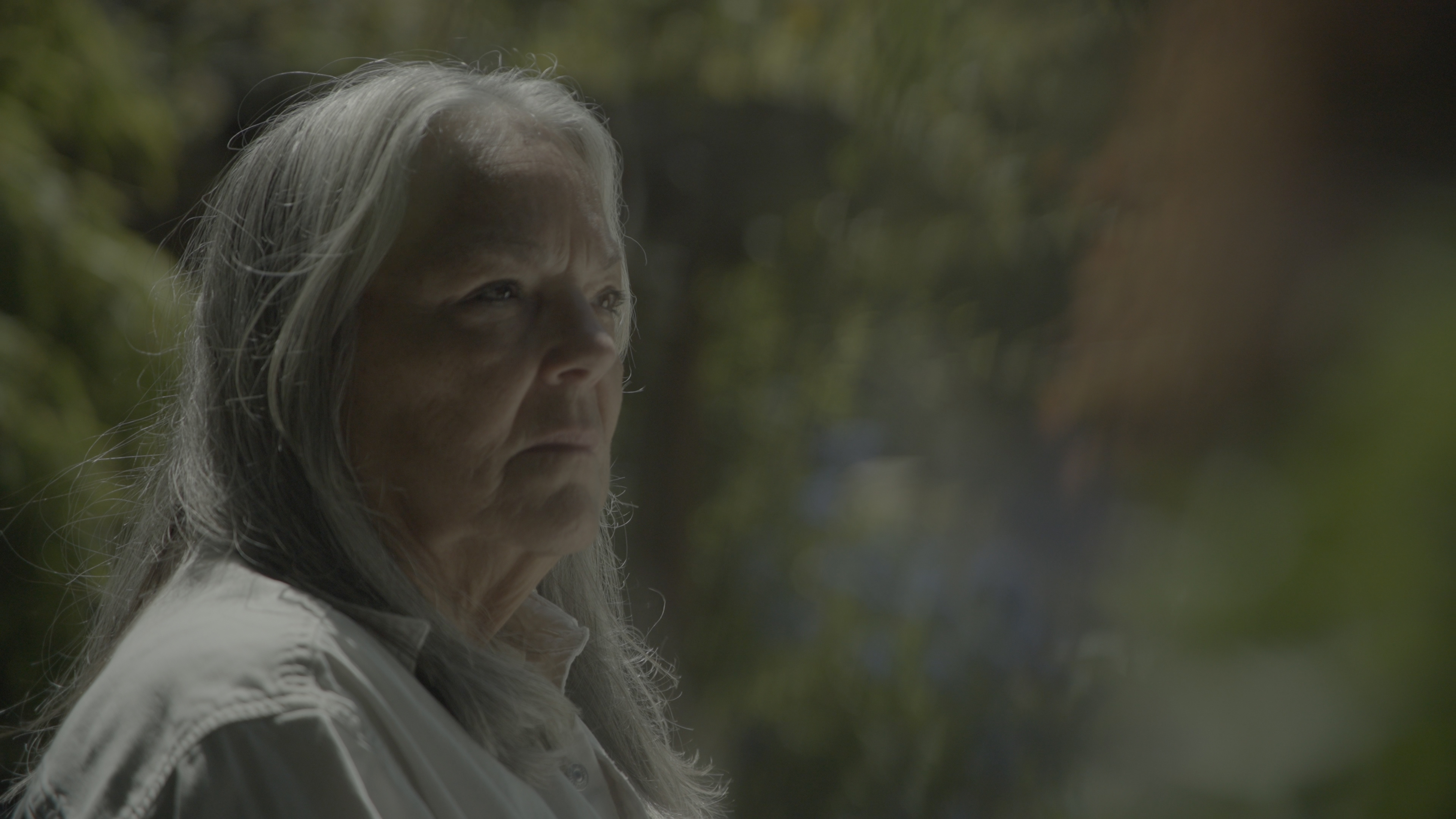
Capturing a moment with Karen Murphy, one of Rick's best friends and the co-head of The Bartow Trust.
Rick created a legacy that still reverberates today, and can be felt within his community and the art world. This includes his work being displayed in the White House in 1997, permanently held in more than 60 public institutions throughout the United States including the Smithsonian Native American History Museum, 35 solo museum exhibits, and his art being shown in over 250 books, catalogs, and articles. Although he dealt with trauma, Rick would find a way to heal himself, express his soul to the world, and create an imprint that would last even after his death in 2016. His art studio is being relocated within a nature preserve in his hometown that will hold art classes for the youth and influence the next generation of artists. Maybe in the end, when it’s all said and done, that is Rick Bartow’s legacy.
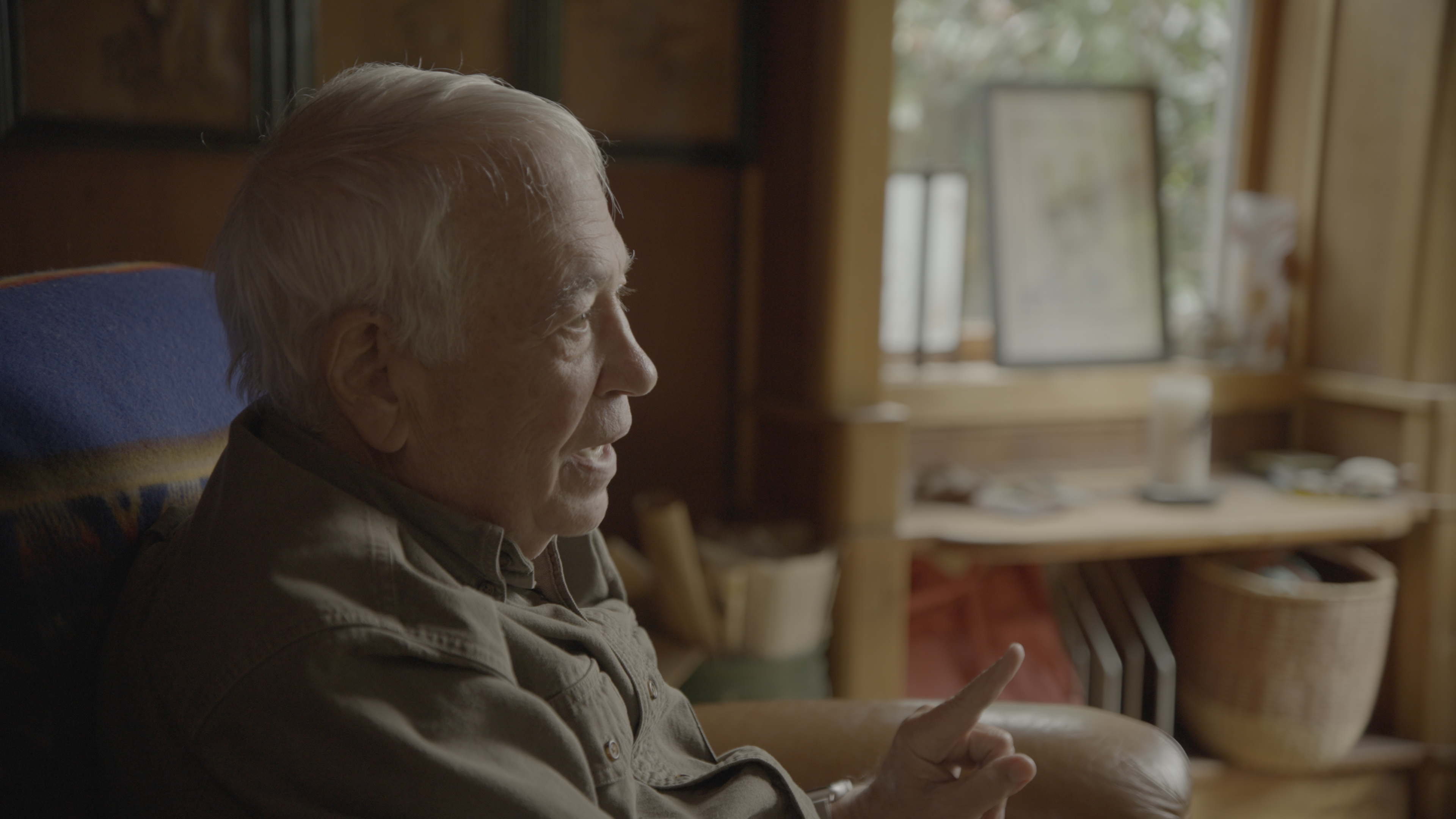
Photographer Joe Cantrell talking about his experience in Vietnam.

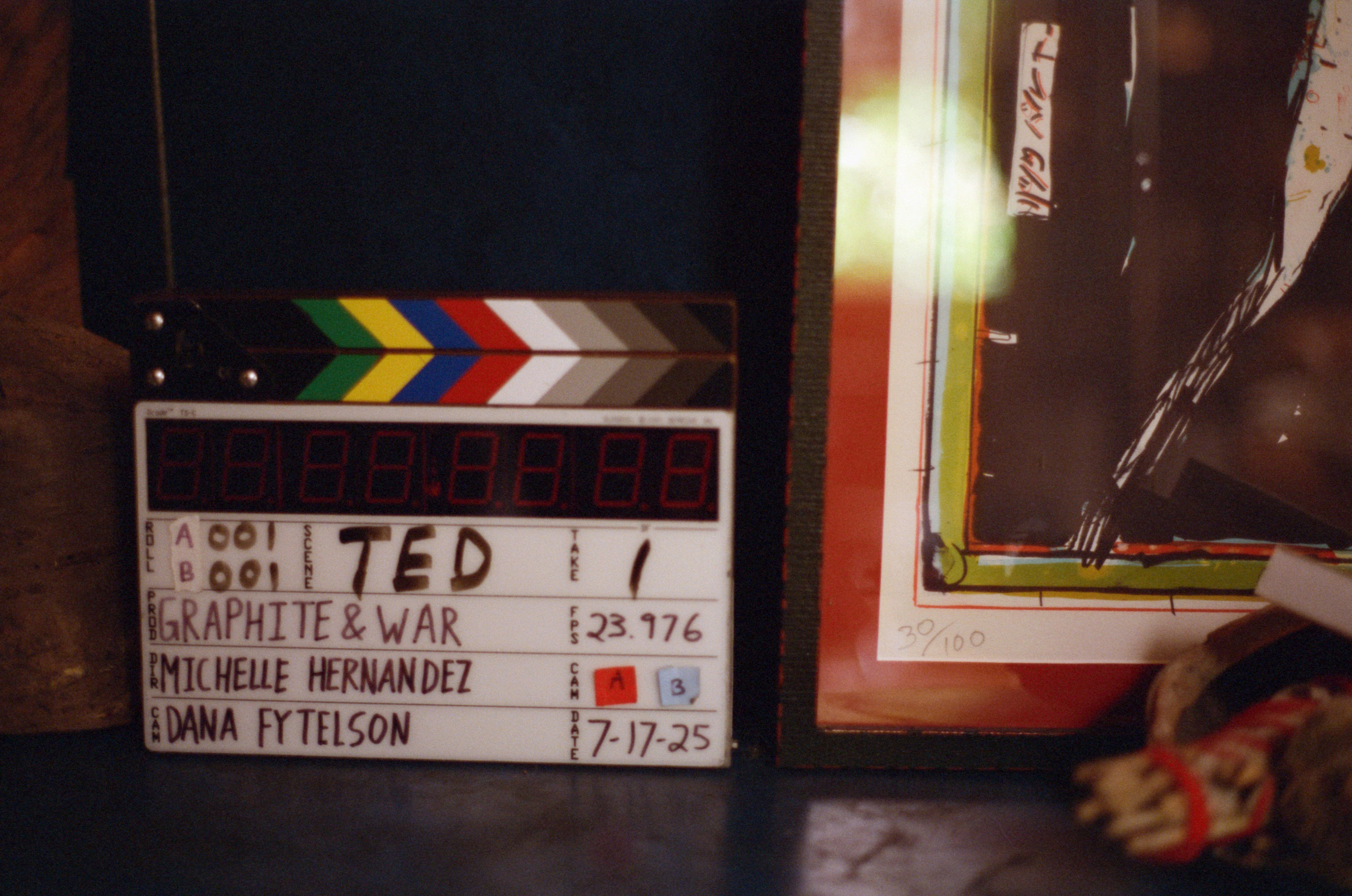
The First Day Slate. Photographed by Richie Wenzler.
Last summer, July 2025, the film crew travelled up to Newport, where during the course of a week, they interviewed Rick’s friends and family for the documentary.
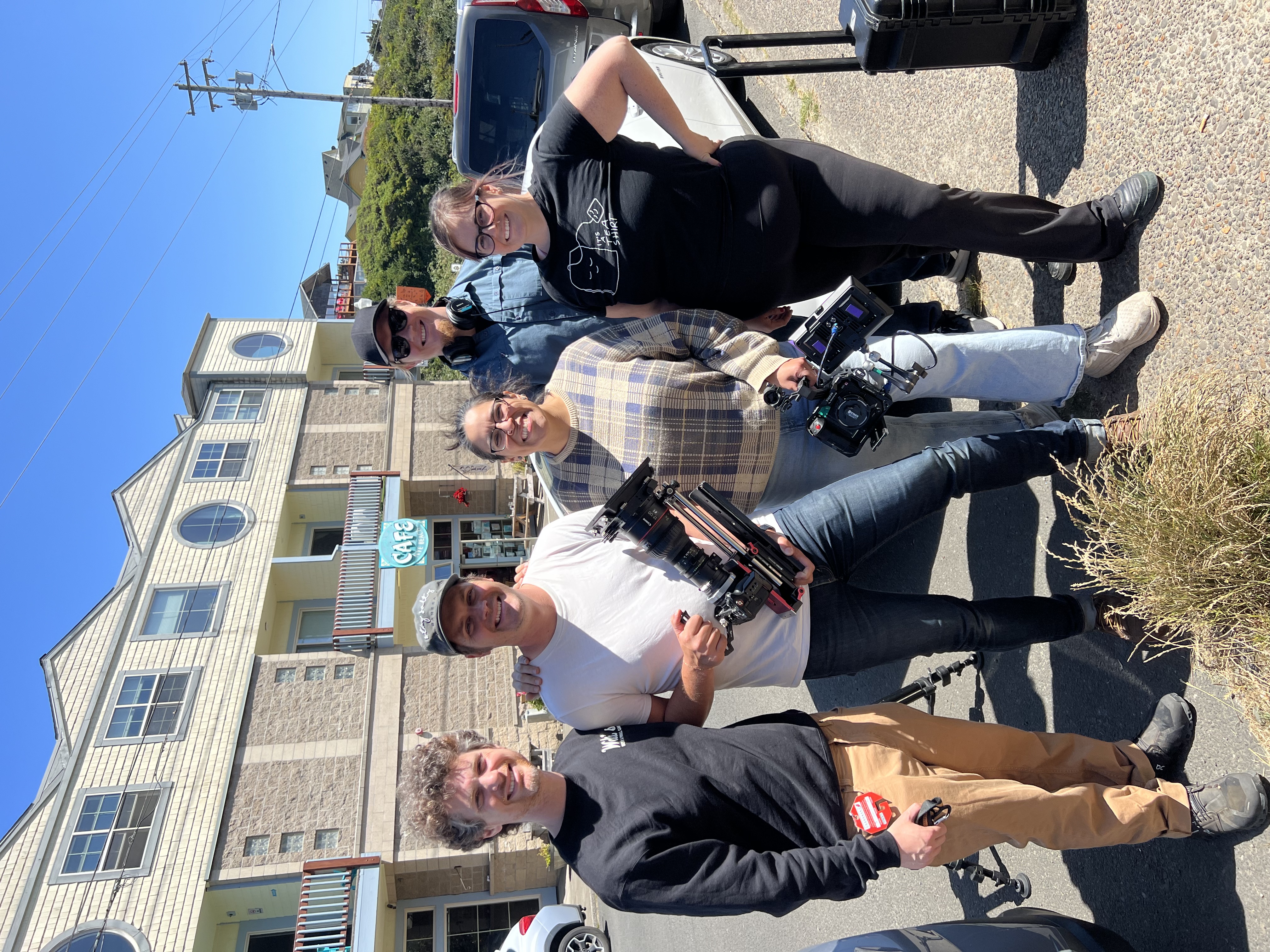
(From Left to Right) Producer/Editor Richie Wenzler, Second Camera Operator/G&E Timothy S. Jensen, Director/Producer Michelle Hernandez, Key Sound Operator Kyle Jacobsen, and Director of Photography Dana Fytelson after they finished the last shot from the week of filming.

Currently, our project is in post-production, where we’ve been editing the interviews and have begun the animation phase with our animators. Some of the images you've seen come from the latest edit of the documentary.
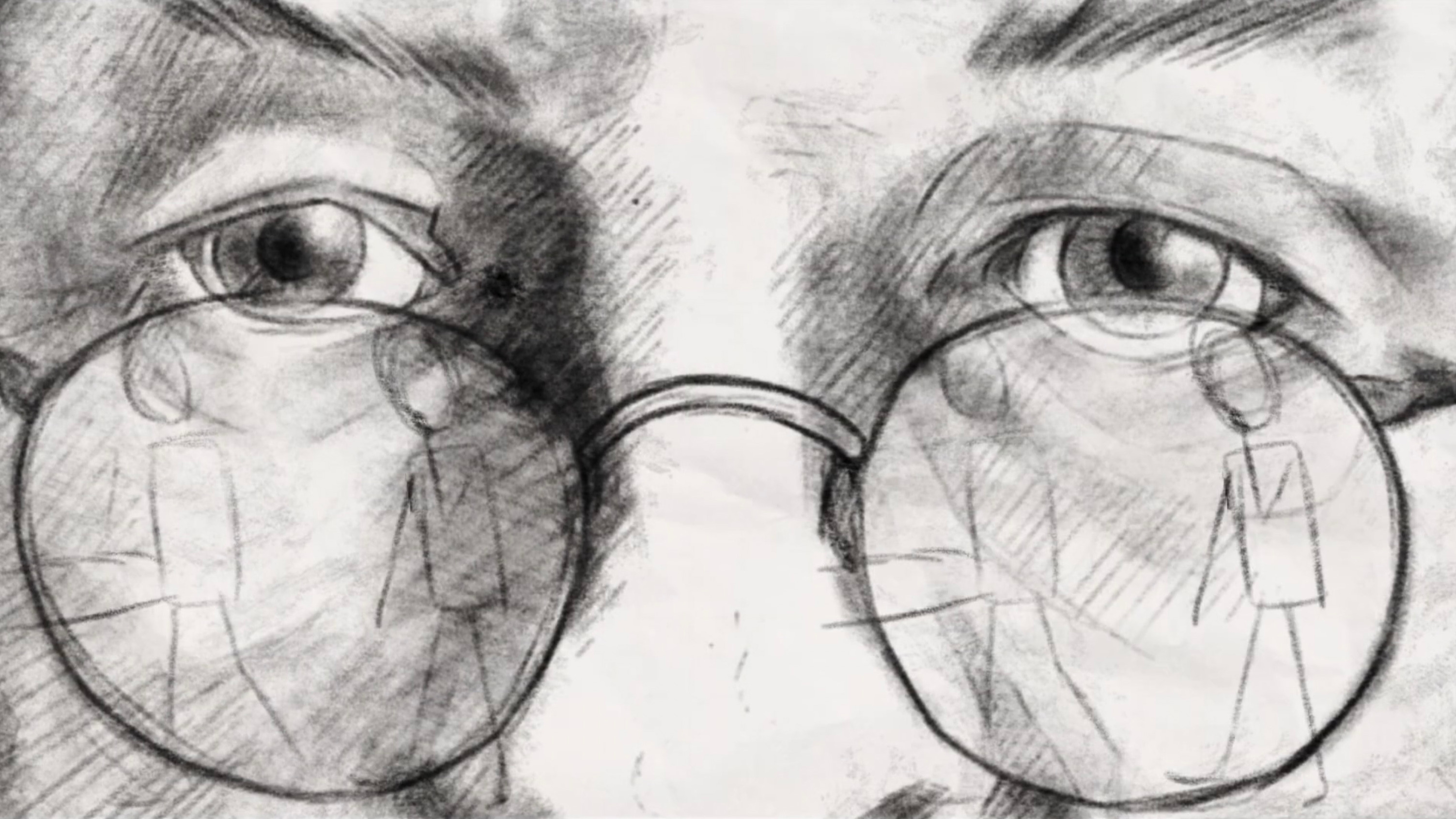
A first draft animatic still animated by Parker “ᎵᏅ” Vassel.
Earlier this year, we received a grant from Vision Media Maker where it funded most, but not all, of our post-production needs. This campaign is seeking funds to fully finish our post-production, and the funds will go into some of the following items:
- Music
- Licensing Fees
- Sound Mix and Design
- Legal fees and insurance
- And other things that may come up
Additionally, any additional money will help secure further marketing and film festival submissions and travel once post-production is completed.

To keep up with updates about Graphite & War, check out our official website and social media handles:
Wishlist
Use the WishList to Pledge cash and Loan items - or - Make a pledge by selecting an Incentive directly.
Legal Fees
Costs $1,000
To ensure we dot our I's and cross our T's. But this will help us to afford a lawyer and cover E&O insurance.
Marketing
Costs $1,000
To market the film for social media and awareness, as well as using it for film festival submissions.
Miscellaneous Contingency Plan
Costs $1,000
Like with most productions, there's usually some hiccups and surprise expenses. We just want to be prepared and ready for whatever happens.
Sound Mixing
Costs $1,000
Whether you know it or not, sound is one of the most important things in film. This will help to ensure that the sound is to our standards.


Direct link:
Share this update!
About This Team
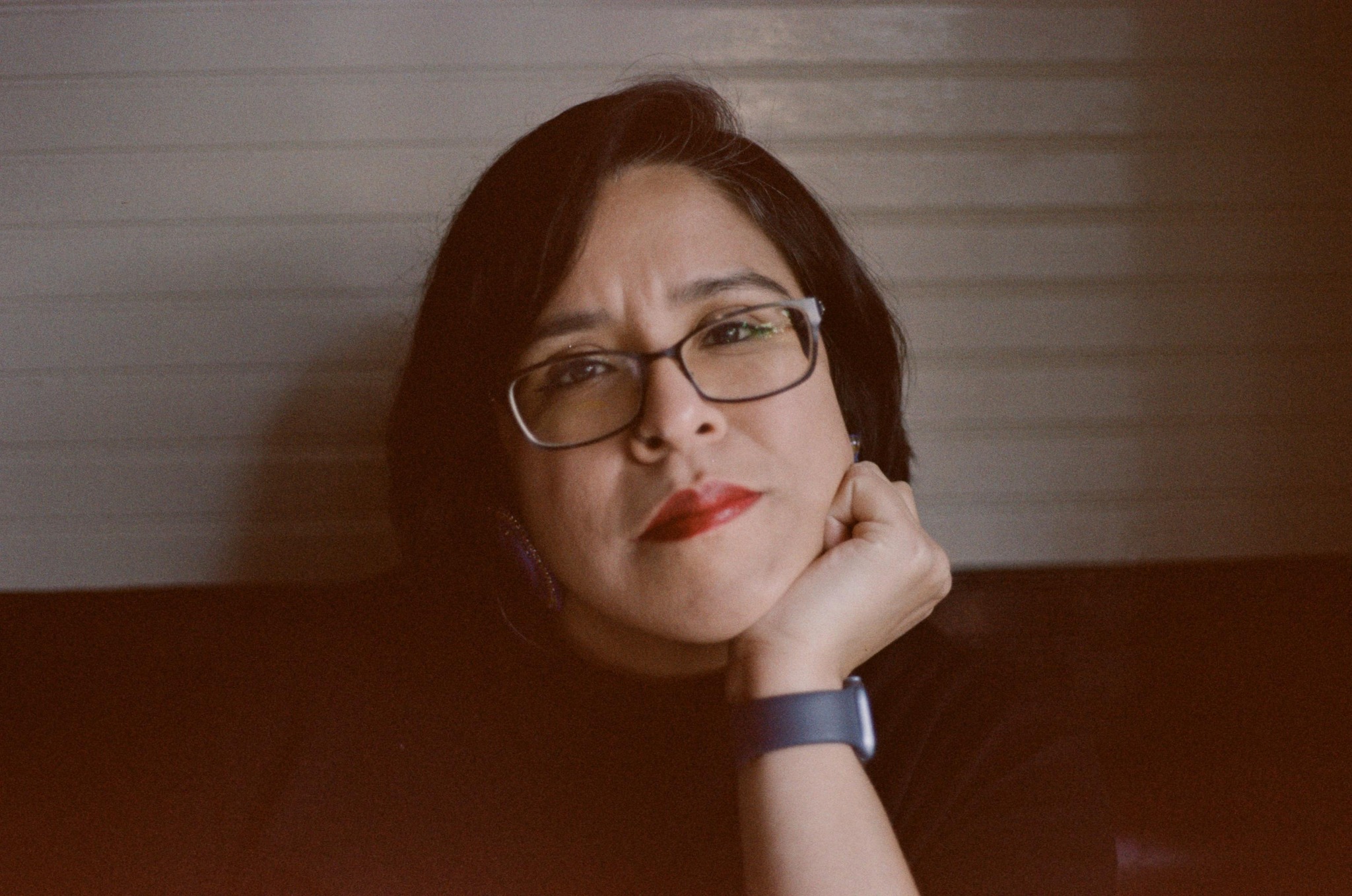
Michelle Hernandez (Director / Producer)
Michelle Hernandez is a Wiyot and Latina filmmaker. She grew up on the Table Bluff Reservation, where she found her love for filmmaking. She has a Masters in Film and Electronic Media at American University in Washington, D.C. and a B.A. at Humboldt State in both Film and Native American Studies. Her work often focuses on the importance of culture, traditions, and identity, as well as dealing with Indigenous subjects. With her work she gives voice to stories that are rarely told. Her goal is to give representation in her projects. Michelle most recently participated as a fellow for the 2nd Annual Native American Writers Seminar with her pilot Somewhat Fairly as well as the 3rd Annual Native American Animation Lab with her script Edgar and His New Friend. Additionally, Michelle is a co-founder of Sugarbush Hill Productions, which she currently runs with her partner, Richie Wenzler. Michelle’s career began to take off with her thesis film Douk, about an Native family dealing with the repercussions of the Native Boarding School experience that was shot on Yurok ancestral land, which she won the Horizon Award at the 2019 LA Skins Fest and the April 2021 Showcase Cinema Femme Womxn to Womxn in Film Mentorship Program. With Douk, Michelle began to get more work, and just recently completed overseeing The Bartow Project as its Co-Artistic Director, which is a multimedia project centering around Wiyot artist Rick Bartow, that she helped in co-directing two of the shorts which both are starting their film festival circuits. Presently, Michelle has projects that are in various levels of development that she’ll be directing and/or producing.
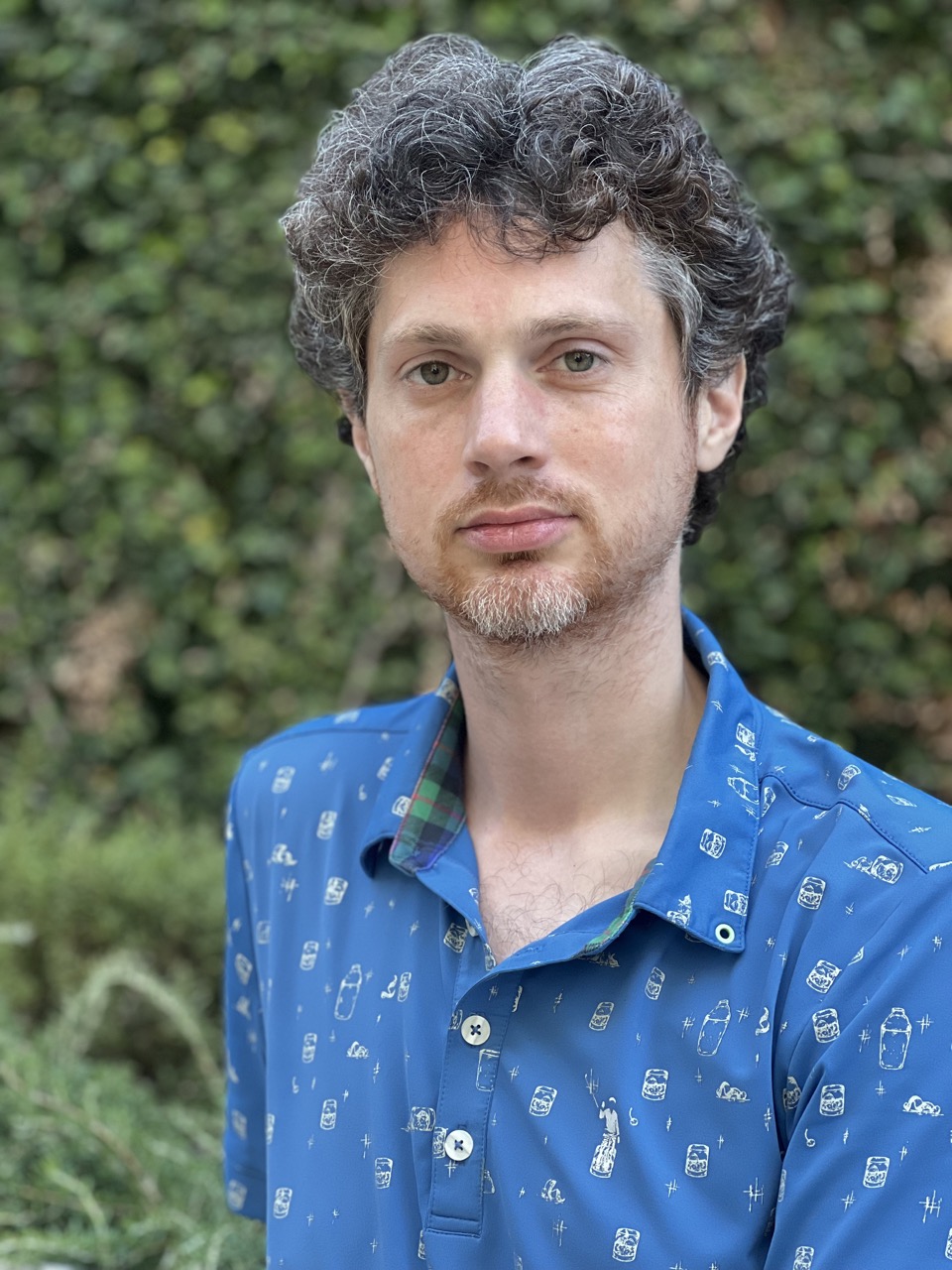
Richie Wenzler (Producer / Editor)
Richie Wenzler received his MFA in Film and Electronic Media at American University and earned a double B.A. in Telecommunications and Communications & Culture at Indiana University. Currently living in the Los Angeles area, Richie primarily does freelance editing work, where he does an assortment of projects from music videos to narrative shorts while also honing in on his abilities making vlogs. As co-founder of Sugarbush Hill Productions with his partner Michelle Hernandez, named after the neighborhood he grew up in, Richie primarily does most of the editing on their projects, which includes Douk (where he also made a remarkable cameo against his will), Things You Know But Cannot Explain, and Work is Ceremony. He also made his directorial debut with Sugarbush Hill’s inaugural project Insomnia Nights, which won four awards and a nomination. Somewhat of an introvert, Richie’s biggest claim to fame was appearing in a Buzzfeed video, where people didn’t get the joke he was making in it.
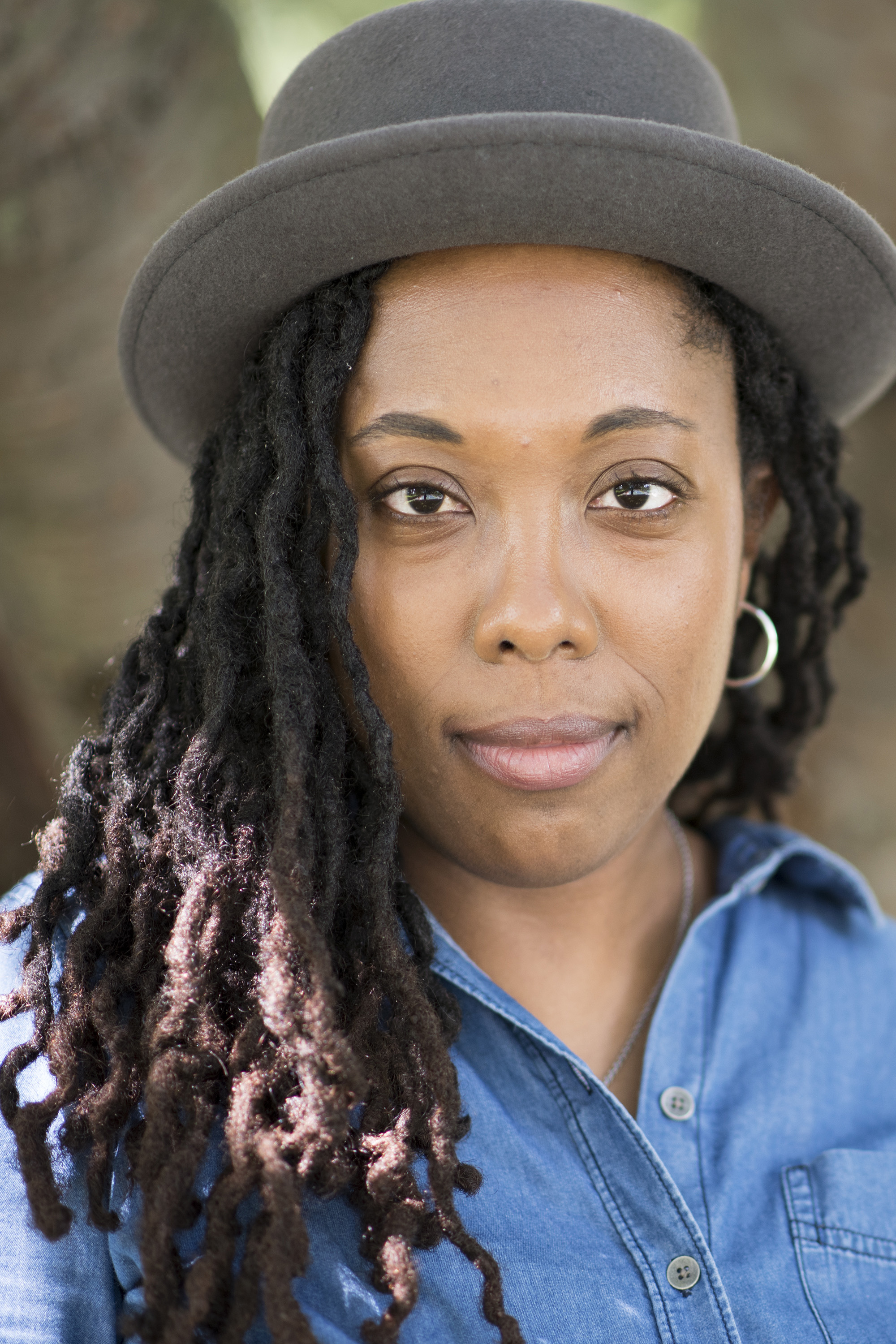
Mitra I. Arthur (Producer)
MITRA I. ARTHUR (she/her) is a native of Columbia, SC, and Upper Marlboro, MD. She has devoted her career to connecting audiences with opportunities to actively engage and explore the arts through engaging storytelling and immersive educational experiences. Mitra channeled her love of the performing arts into tenures with performing arts presenters, New Dramatists, New York Stage & Film, Capital Jazz Productions, and The John F. Kennedy Center for the Performing Arts. After several years working in the performing arts, she turned her attention to the cinematic arts. Mitra is the writer/director of Énoument and The Beauty in Trying, and served as a producer on Riverment and The Off Brands (dir. Shayla Racquel). She received a Bachelor of Arts in English and Music from Columbia College, and a Master of Fine Arts in Film and Electronic Media from American University. Mitra currently produces and directs documentary shorts and concert video presentations for NPR Music and contributes to the popular Tiny Desk Concert series at National Public Radio (NPR), and works as a freelance editor, director and producer.
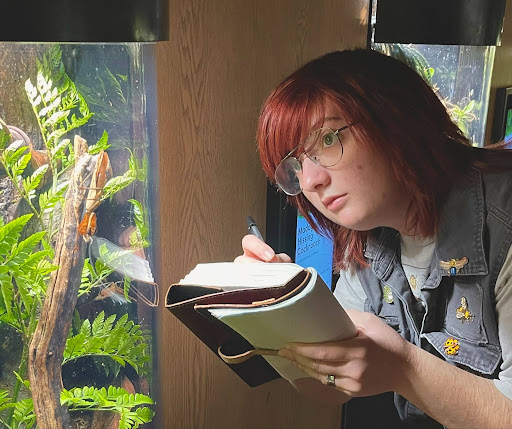
Parker “ᎵᏅ” Vassel (Lead Animator)
Parker “ᎵᏅ” Vassel is a self-taught mixed-media artist and animator from the coastal redwoods of Northern California. Parker is a Cherokee Nation Citizen, born and raised on Wiyot Ancestral land, with an education in Studio Arts at College of the Redwoods. Parker has worked on a variety of animated shorts and films, with experience in both hand-drawn animation as well as stop-motion puppets, and is always on the lookout for new methods and mediums to expand their creative horizons—with experience in mediums ranging from painting to ceramics to woodworking to writing to sewing and puppetry and even music production and mixing, often combining elements of each for various means and makes. Parker looks forward to a future of film with an emphasis on their passions; engineering and environmentalism.
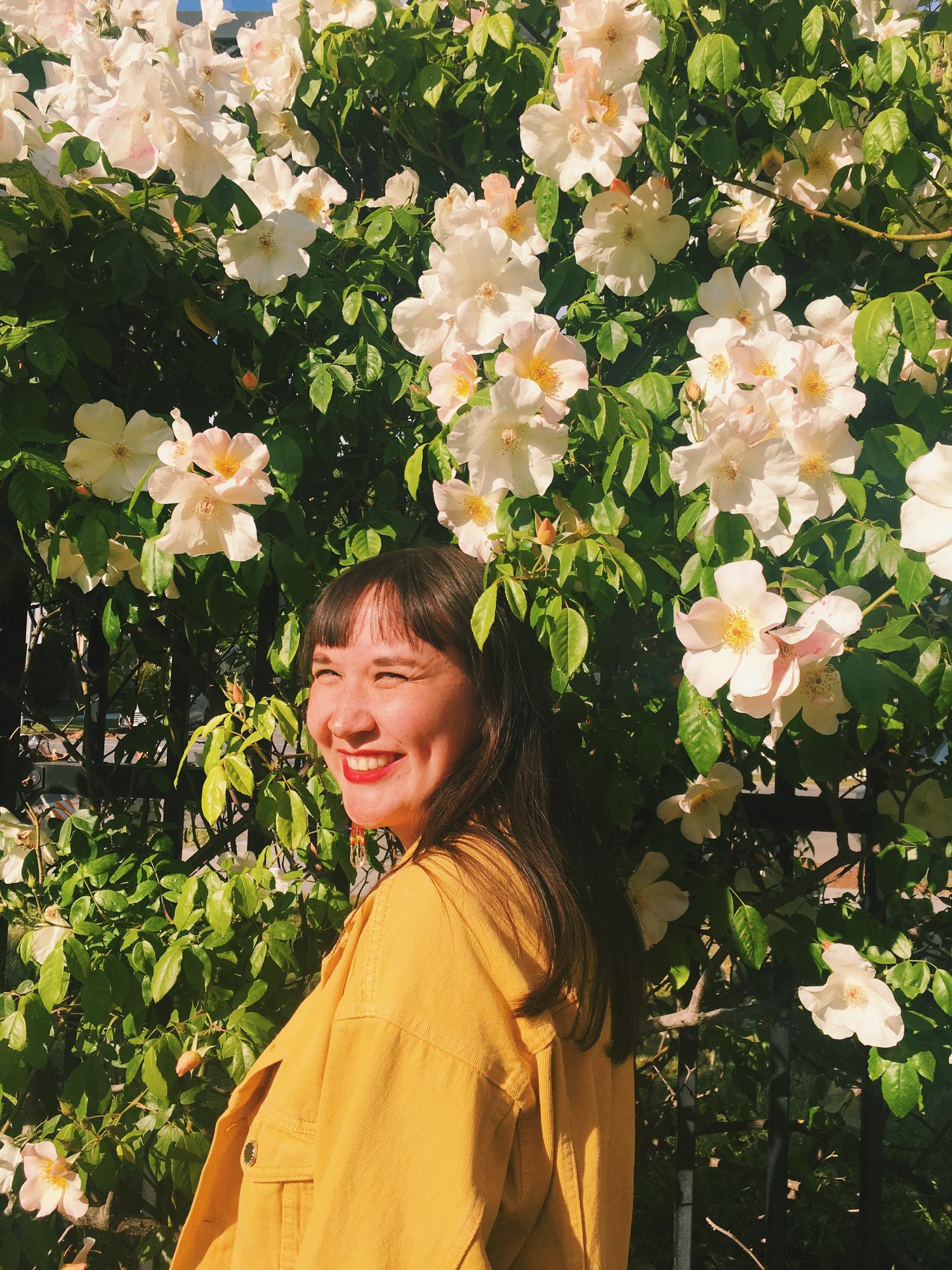
Chantal Jung (Assistant Animator)
Chantal Jung (she/they) is a Nunatsiavummiuk and self-taught collage artist, writer, filmmaker, and zine creator originally from Happy-Valley Goose-Bay, NL, Canada (Nunatsiavut). Chantal has produced animated work for the musician Black Belt Eagle Scout, and her writing and artwork have been featured in Inuit Art Quarterly and on the Inuit Art Foundation's website. She just wrapped up a stop-motion animation film named Things You Know But Cannot Explain as part of The Bartow Project and is a member of an Indigenous-led collective called Indigenous Honeys.
.jpeg)
Dana Fytelson (Director of Photography)
Dana Fytelson is a filmmaker and fine art photographer fascinated with showcasing the unseen. Born in Connecticut and raised in New Jersey, she received her B.A. in French Language and Visual Media from American University in Washington D.C., and her M.F.A in Film Production specializing in Cinematography from Florida State University in Tallahassee. Between her degrees, Fytelson spent a year doing community service in the midwest with AmeriCorps NCCC. These vastly different cultural immersions fed Fytelson’s curiosity about worlds outside of her everyday norm, and filled her with a desire to show others what she’d seen.
Fytelson’s film works have been screened at festivals domestically and internationally, including the Austin Film Festival, Pasadena International Film Festival, Los Angeles Women's International Film Festival, Santa Monica Film Festival, and the London Lesbian Film Festival. She won Best Cinematography for the short film, “To The Moon and Back” (The Golden Hour Film Festival), as well as the genre-bending series, “The Web Opera” (Redwood Film Festival). She is a member of IATSE Local 600 and has worked in the camera department for shows on HBO, Hulu, Netflix, and Amazon.
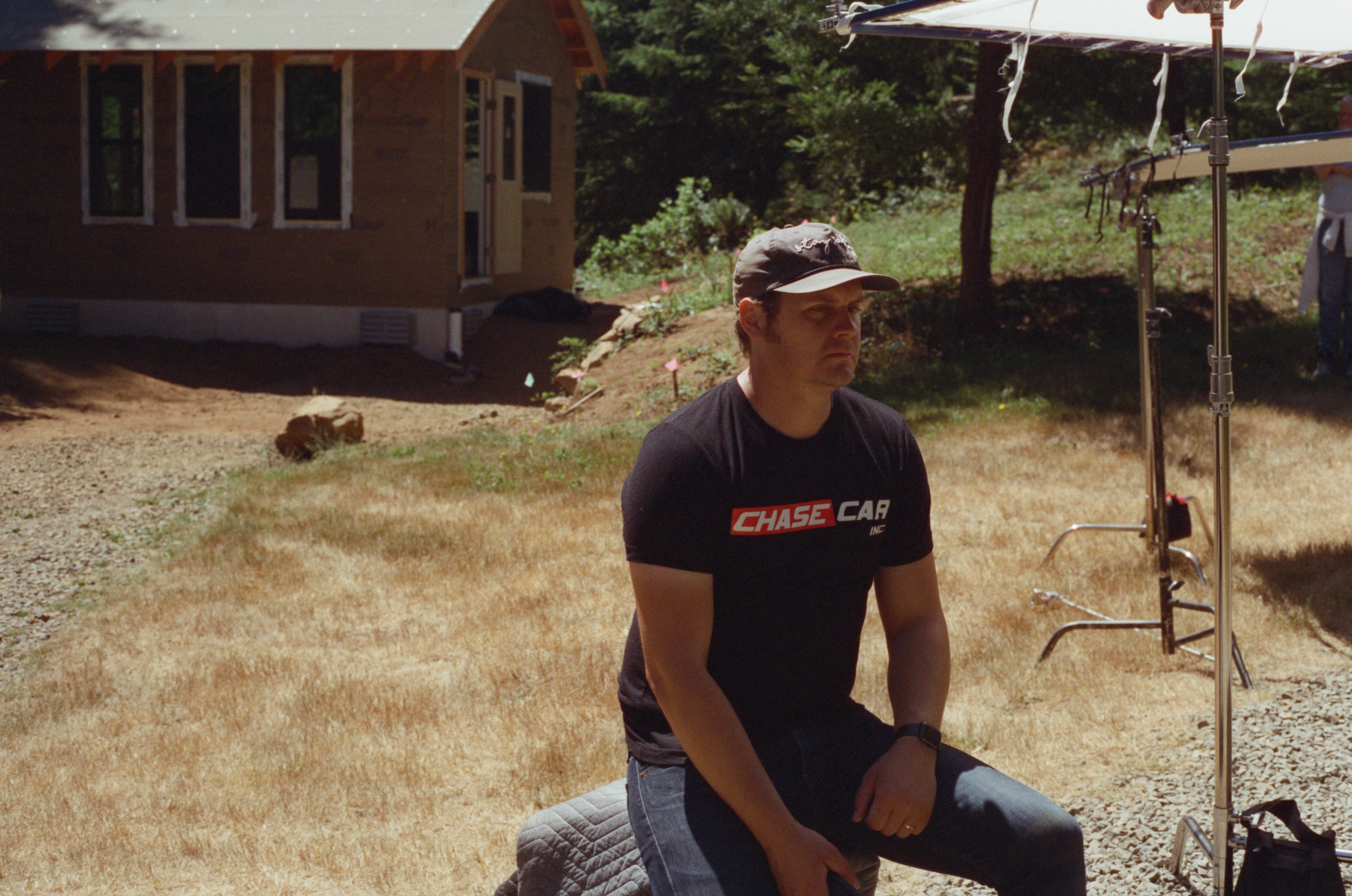
Timothy S. Jensen (Second Camera Operator / G&E)
Timothy is an award winning and Emmy nominated cinematographer whose driven to create timeless and evocative work. Applying his background in design and photography he aims to create visuals that utilize engineering with strong visual aesthetics and empathy. His philosophy of approaching story first helps to communicate the design of the story in hopes bring forth unique visuals. He believes in pushing boundaries and experimenting in order to deliver something original, while being communicative and having an open mind with his collaborators so that they feel heard and seen. Recent honors include best cinematography in 2025 for his work on Kamikaze, an Emmy nomination in 2020 for his work on The Politician opening title sequence. Contributed cinematography work for two time Emmy nominated series “Dear Mama”.
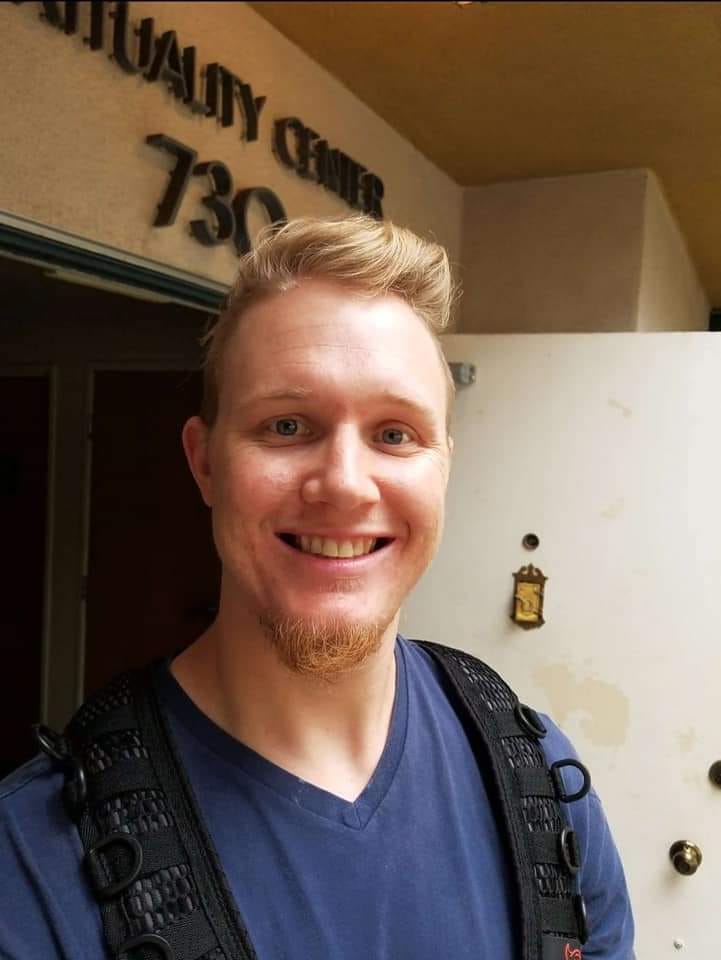
Kyle Jacobsen (Key Sound Operator)
Kyle Jacobsen is a production sound mixer and boom operator based in Los Angeles, CA. He is also a college professor, teaching advanced film sound at California State University, Northridge. Growing up with a speech impediment, Kyle became obsessed with perfecting the sound of his own voice. Now with that under control, he channels that same passion into helping others sound their best through his recordings.
Christopher Burrus (Composer)
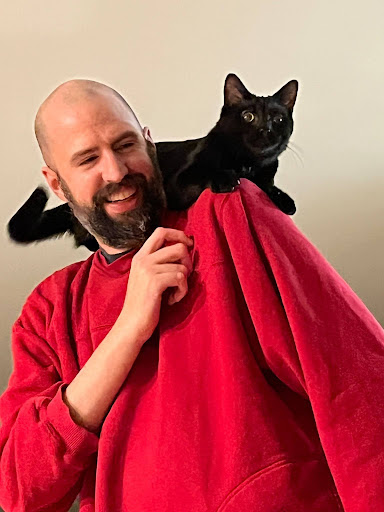
Christopher Burrus is a musician, composer and fine arts broadcaster based in Bloomington, Indiana. He works from a variety of eclectic sources to inspire his music, including Baroque era dance music, 20th century French composers, folklore, and natural landscapes. He is a multi-instrumentalist, performing professionally on hurdy gurdy, viola da gamba, double bass, mandolin, violin, banjo and button accordion. Recently, he has performed his one-man Hurdy Gurdy show Der Leierman in venues around the midwest. He is the host of The Gamut, a classical music public radio program and Ether Game, a classical music trivia show on Bloomington’s NPR affiliate, WFIU. Christopher has composed music for several films from Sugarbush Hill Productions, including Things You Know But Cannot Explain and Work is Ceremony. He also writes music for Willoughby Sprig, a chamber-folk band he co-founded with his twin brother. When he is not playing music or broadcasting, Christopher enjoys giving shoulder-rides to his two cats Hobie and Hodge and small-boat sailing on Lake Monroe.
Current Team
Incentives
- The Story
- Wishlist
- Updates
- The Team
- Community
Mission Statement
The Story
What is the legacy that we leave behind? This is a question that many don’t think about when we are living, especially during the first stage of life when we’re young and entering adulthood. The thought of legacy likely did not cross Rick Bartow’s mind when he was drafted into the Vietnam War, an event that would have an everlasting impact on his life and lead him on a journey of becoming a prolific Native artist.
Portrait of Rick Bartow Photographed by Joe Cantrell.
Graphite & War is a short documentary that tells the story of Wiyot artist Rick Bartow and his early life to his experience in the Vietnam War and the aftermath. Born in Newport, Oregon to a Native (Wiyot) father and White mother, Rick was interested in the arts from an early age, always finding ways to incorporate art into his life. Unfortunately, time did not allow Rick to use his Secondary Arts Education degree as he found himself being drafted into the Vietnam War in 1969. During his two-year tour in Vietnam, Rick served as a teletype operator and a musician, singing to the soldiers who were going to pass or were dealing with traumatic wounds. Though he received a Bronze Star for his service, being engulfed by the casualties and disturbing sights of war caused Rick to develop PTSD and abuse drugs and alcohol.
Rick Bartow's son, Booker Bartow, being interviewed in front of Rick's studio at Yakona Nature Preserve & Learning Center.
Rick's longtime friend, Ted Swigart, discussing some stories about Rick.
Art proved therapeutic for Rick as he dealt with the inescapable horrors that imprinted on his mind from his time in Vietnam. In an insert from his 1989 essay Transformations, Rick eloquently described the experience:
“When I returned from Viet Nam, like so many others, I was a bit twisted. I was a house filled with irrational fears, beliefs, and symbols. Wind-blown paper would send me running; crows became many things; I never remembered dreams and detested the wind; I wore bells on my wrists so I could hear my parts when they moved; I slept in my clothes so I’d be ready to go nowhere at all. And I once recall answering when asked my name and where I was from, Nobody. Nowhere. I must have been a wonderful companion. During this time I found a huge pad of newsprint and began to draw, trying to exorcise the demons that had made me strange to myself. My work has never stopped being therapy.”
Rick's stepdaughter, Ronda Kossow, reminiscing on a past memory at Mo's Annex.
Using graphite as his initial tool, Rick would capture his feelings of despair into intimate portraits of psychological and physical horror. These portraits would later be destroyed with only a few surviving art pieces left today. Art also became a way to express his tribal identity and history, a major theme throughout his artistic career. Though his art began with what he could get his hands on, it would soon expand into other art forms like paintings, carvings, and sculptures. During his last act of his life he began to acknowledge a vital piece that was hard for him to accept: his time during Vietnam, creating pieces that would confront his experience in the war.
Capturing a moment with Karen Murphy, one of Rick's best friends and the co-head of The Bartow Trust.
Rick created a legacy that still reverberates today, and can be felt within his community and the art world. This includes his work being displayed in the White House in 1997, permanently held in more than 60 public institutions throughout the United States including the Smithsonian Native American History Museum, 35 solo museum exhibits, and his art being shown in over 250 books, catalogs, and articles. Although he dealt with trauma, Rick would find a way to heal himself, express his soul to the world, and create an imprint that would last even after his death in 2016. His art studio is being relocated within a nature preserve in his hometown that will hold art classes for the youth and influence the next generation of artists. Maybe in the end, when it’s all said and done, that is Rick Bartow’s legacy.
Photographer Joe Cantrell talking about his experience in Vietnam.
The First Day Slate. Photographed by Richie Wenzler.
Last summer, July 2025, the film crew travelled up to Newport, where during the course of a week, they interviewed Rick’s friends and family for the documentary.
(From Left to Right) Producer/Editor Richie Wenzler, Second Camera Operator/G&E Timothy S. Jensen, Director/Producer Michelle Hernandez, Key Sound Operator Kyle Jacobsen, and Director of Photography Dana Fytelson after they finished the last shot from the week of filming.
Currently, our project is in post-production, where we’ve been editing the interviews and have begun the animation phase with our animators. Some of the images you've seen come from the latest edit of the documentary.
A first draft animatic still animated by Parker “ᎵᏅ” Vassel.
Earlier this year, we received a grant from Vision Media Maker where it funded most, but not all, of our post-production needs. This campaign is seeking funds to fully finish our post-production, and the funds will go into some of the following items:
- Music
- Licensing Fees
- Sound Mix and Design
- Legal fees and insurance
- And other things that may come up
Additionally, any additional money will help secure further marketing and film festival submissions and travel once post-production is completed.
To keep up with updates about Graphite & War, check out our official website and social media handles:
Wishlist
Use the WishList to Pledge cash and Loan items - or - Make a pledge by selecting an Incentive directly.
Legal Fees
Costs $1,000
To ensure we dot our I's and cross our T's. But this will help us to afford a lawyer and cover E&O insurance.
Marketing
Costs $1,000
To market the film for social media and awareness, as well as using it for film festival submissions.
Miscellaneous Contingency Plan
Costs $1,000
Like with most productions, there's usually some hiccups and surprise expenses. We just want to be prepared and ready for whatever happens.
Sound Mixing
Costs $1,000
Whether you know it or not, sound is one of the most important things in film. This will help to ensure that the sound is to our standards.
Direct link:
Share this update!
About This Team
Michelle Hernandez (Director / Producer)
Michelle Hernandez is a Wiyot and Latina filmmaker. She grew up on the Table Bluff Reservation, where she found her love for filmmaking. She has a Masters in Film and Electronic Media at American University in Washington, D.C. and a B.A. at Humboldt State in both Film and Native American Studies. Her work often focuses on the importance of culture, traditions, and identity, as well as dealing with Indigenous subjects. With her work she gives voice to stories that are rarely told. Her goal is to give representation in her projects. Michelle most recently participated as a fellow for the 2nd Annual Native American Writers Seminar with her pilot Somewhat Fairly as well as the 3rd Annual Native American Animation Lab with her script Edgar and His New Friend. Additionally, Michelle is a co-founder of Sugarbush Hill Productions, which she currently runs with her partner, Richie Wenzler. Michelle’s career began to take off with her thesis film Douk, about an Native family dealing with the repercussions of the Native Boarding School experience that was shot on Yurok ancestral land, which she won the Horizon Award at the 2019 LA Skins Fest and the April 2021 Showcase Cinema Femme Womxn to Womxn in Film Mentorship Program. With Douk, Michelle began to get more work, and just recently completed overseeing The Bartow Project as its Co-Artistic Director, which is a multimedia project centering around Wiyot artist Rick Bartow, that she helped in co-directing two of the shorts which both are starting their film festival circuits. Presently, Michelle has projects that are in various levels of development that she’ll be directing and/or producing.
Richie Wenzler (Producer / Editor)
Richie Wenzler received his MFA in Film and Electronic Media at American University and earned a double B.A. in Telecommunications and Communications & Culture at Indiana University. Currently living in the Los Angeles area, Richie primarily does freelance editing work, where he does an assortment of projects from music videos to narrative shorts while also honing in on his abilities making vlogs. As co-founder of Sugarbush Hill Productions with his partner Michelle Hernandez, named after the neighborhood he grew up in, Richie primarily does most of the editing on their projects, which includes Douk (where he also made a remarkable cameo against his will), Things You Know But Cannot Explain, and Work is Ceremony. He also made his directorial debut with Sugarbush Hill’s inaugural project Insomnia Nights, which won four awards and a nomination. Somewhat of an introvert, Richie’s biggest claim to fame was appearing in a Buzzfeed video, where people didn’t get the joke he was making in it.
Mitra I. Arthur (Producer)
MITRA I. ARTHUR (she/her) is a native of Columbia, SC, and Upper Marlboro, MD. She has devoted her career to connecting audiences with opportunities to actively engage and explore the arts through engaging storytelling and immersive educational experiences. Mitra channeled her love of the performing arts into tenures with performing arts presenters, New Dramatists, New York Stage & Film, Capital Jazz Productions, and The John F. Kennedy Center for the Performing Arts. After several years working in the performing arts, she turned her attention to the cinematic arts. Mitra is the writer/director of Énoument and The Beauty in Trying, and served as a producer on Riverment and The Off Brands (dir. Shayla Racquel). She received a Bachelor of Arts in English and Music from Columbia College, and a Master of Fine Arts in Film and Electronic Media from American University. Mitra currently produces and directs documentary shorts and concert video presentations for NPR Music and contributes to the popular Tiny Desk Concert series at National Public Radio (NPR), and works as a freelance editor, director and producer.
Parker “ᎵᏅ” Vassel (Lead Animator)
Parker “ᎵᏅ” Vassel is a self-taught mixed-media artist and animator from the coastal redwoods of Northern California. Parker is a Cherokee Nation Citizen, born and raised on Wiyot Ancestral land, with an education in Studio Arts at College of the Redwoods. Parker has worked on a variety of animated shorts and films, with experience in both hand-drawn animation as well as stop-motion puppets, and is always on the lookout for new methods and mediums to expand their creative horizons—with experience in mediums ranging from painting to ceramics to woodworking to writing to sewing and puppetry and even music production and mixing, often combining elements of each for various means and makes. Parker looks forward to a future of film with an emphasis on their passions; engineering and environmentalism.
Chantal Jung (Assistant Animator)
Chantal Jung (she/they) is a Nunatsiavummiuk and self-taught collage artist, writer, filmmaker, and zine creator originally from Happy-Valley Goose-Bay, NL, Canada (Nunatsiavut). Chantal has produced animated work for the musician Black Belt Eagle Scout, and her writing and artwork have been featured in Inuit Art Quarterly and on the Inuit Art Foundation's website. She just wrapped up a stop-motion animation film named Things You Know But Cannot Explain as part of The Bartow Project and is a member of an Indigenous-led collective called Indigenous Honeys.
Dana Fytelson (Director of Photography)
Dana Fytelson is a filmmaker and fine art photographer fascinated with showcasing the unseen. Born in Connecticut and raised in New Jersey, she received her B.A. in French Language and Visual Media from American University in Washington D.C., and her M.F.A in Film Production specializing in Cinematography from Florida State University in Tallahassee. Between her degrees, Fytelson spent a year doing community service in the midwest with AmeriCorps NCCC. These vastly different cultural immersions fed Fytelson’s curiosity about worlds outside of her everyday norm, and filled her with a desire to show others what she’d seen.
Fytelson’s film works have been screened at festivals domestically and internationally, including the Austin Film Festival, Pasadena International Film Festival, Los Angeles Women's International Film Festival, Santa Monica Film Festival, and the London Lesbian Film Festival. She won Best Cinematography for the short film, “To The Moon and Back” (The Golden Hour Film Festival), as well as the genre-bending series, “The Web Opera” (Redwood Film Festival). She is a member of IATSE Local 600 and has worked in the camera department for shows on HBO, Hulu, Netflix, and Amazon.
Timothy S. Jensen (Second Camera Operator / G&E)
Timothy is an award winning and Emmy nominated cinematographer whose driven to create timeless and evocative work. Applying his background in design and photography he aims to create visuals that utilize engineering with strong visual aesthetics and empathy. His philosophy of approaching story first helps to communicate the design of the story in hopes bring forth unique visuals. He believes in pushing boundaries and experimenting in order to deliver something original, while being communicative and having an open mind with his collaborators so that they feel heard and seen. Recent honors include best cinematography in 2025 for his work on Kamikaze, an Emmy nomination in 2020 for his work on The Politician opening title sequence. Contributed cinematography work for two time Emmy nominated series “Dear Mama”.
Kyle Jacobsen (Key Sound Operator)
Kyle Jacobsen is a production sound mixer and boom operator based in Los Angeles, CA. He is also a college professor, teaching advanced film sound at California State University, Northridge. Growing up with a speech impediment, Kyle became obsessed with perfecting the sound of his own voice. Now with that under control, he channels that same passion into helping others sound their best through his recordings.
Christopher Burrus (Composer)
Christopher Burrus is a musician, composer and fine arts broadcaster based in Bloomington, Indiana. He works from a variety of eclectic sources to inspire his music, including Baroque era dance music, 20th century French composers, folklore, and natural landscapes. He is a multi-instrumentalist, performing professionally on hurdy gurdy, viola da gamba, double bass, mandolin, violin, banjo and button accordion. Recently, he has performed his one-man Hurdy Gurdy show Der Leierman in venues around the midwest. He is the host of The Gamut, a classical music public radio program and Ether Game, a classical music trivia show on Bloomington’s NPR affiliate, WFIU. Christopher has composed music for several films from Sugarbush Hill Productions, including Things You Know But Cannot Explain and Work is Ceremony. He also writes music for Willoughby Sprig, a chamber-folk band he co-founded with his twin brother. When he is not playing music or broadcasting, Christopher enjoys giving shoulder-rides to his two cats Hobie and Hodge and small-boat sailing on Lake Monroe.