Impermanence
Austin, Texas | Film Short
Drama
Impermanence follows a man battling addiction and unresolved childhood trauma as he returns home after his father’s death. This intimate drama aims to spark honest conversations around mental health and remind us that healing is possible, even after years of silence.

Green Light
This campaign raised $18,000 for production. Follow the filmmaker to receive future updates on this project.
98 supporters | followers
Enter the amount you would like to pledge
Impermanence follows a man battling addiction and unresolved childhood trauma as he returns home after his father’s death. This intimate drama aims to spark honest conversations around mental health and remind us that healing is possible, even after years of silence.
About The Project


- The Story
- Wishlist
- Updates
- The Team
- Community
Mission Statement
The Story
After his estranged father dies, David, a struggling alcoholic and former musician, returns to his hometown to stay with his sister and young niece. Surrounded by the echoes of a fractured family and a childhood marked by loss, neglect, and unresolved trauma, he’s forced to confront the pain he’s spent years trying to bury.
As old wounds resurface, David begins to see reflections of his father in himself — and realizes the only way to move forward is through forgiveness. In rediscovering his father’s guitar, he finds not just music again, but a fragile sense of peace.
Impermanence is an intimate, character-driven drama about loss, addiction, and breaking the cycles that bind us to our past.
Impermanence is a story I’ve been shaping for years — one that mirrors my own journey of healing and self-understanding. It’s semi-autobiographical, and writing it has become a kind of therapy — a way to confront the pain, confusion, and love that have defined my life. It explores how I've grown from childhood trauma, how those experiences shaped who I am today, and the conscious effort it takes to break destructive cycles rather than repeat them.
With each passing year and every new draft, the story has evolved — just as I have. What began as a reflection on blame and resentment has grown into a meditation on forgiveness. I’ve come to realize that everything in life is temporary — pain, anger, even the people we lose. The more we learn to let go, the closer we get to peace.
It's a story I really want to tell because I think many can relate to it. I'm also a firm believer on taking care of my mental health. I've struggled with depression most of my life and I think this story will show people that they are not alone.
At its heart, Impermanence isn’t just about loss — it’s about acceptance, and the quiet strength it takes to move forward.
Honey Boy (2019): Perhaps one of the closest parallels — an adult man reflecting on his damaged relationship with his father, framed through memory and art. It shares the same confessional tone and fragmented emotional structure.

Manchester By The Sea (2016): Both explore grief and guilt through a deeply personal lens, with restrained performances and emotionally devastating realism. Like Lee Chandler, David must confront a past he’s tried to bury — and find grace through the pain.

Blue Valentine (2010): The fragmented storytelling, shifting between memory and present, mirrors the way Impermanence handles its flashbacks. Both films explore love, regret, and the passage of time with raw intimacy.

The Wrestler (2008): Both stories follow flawed, broken men seeking redemption while wrestling with the ghosts of their past. The naturalistic cinematography and unflinching honesty mirror Impermanence’s grounded aesthetic.

WINNER for Best Narrative Short Screenplay @ 2024 Austin Spotlight Film Festival
WINNER for Best Drama Screenplay @ 2024 Austin Short Film Festival
FINALIST for Best Texas Short Script @ 2025 Austin Revolution Film Festival
FINALIST for Best Narrative Short Screenplay @ 2024 Austin Under The Stars Film Festival

I fell in love with music because of my dad. I grew up watching him play shows as a solo musician and with various bands, and I was captivated by the idea of becoming a “rock star,” touring the world, and experiencing life through music. At nine, I was gifted my first guitar. By twelve, I was booking my own shows, playing three to four times a month at coffee shops around Fort Wayne, Indiana. I built my own set lists of originals and covers and performed two to three hours at a time—just me, my guitar, and my voice.
I grew up Christian. I went to church every Sunday, youth group every Friday, and played guitar in the worship band. I was baptized in Southern California, in an in-ground pool at a million-dollar home owned by my grandparents’ pastor. Everyone prayed over me while speaking in tongues. I remember feeling like an outcast because I wasn’t. I wondered if I wasn’t fully baptized, if speaking in tongues was something that just happened or something you learned. I was twelve, but I brushed it off quickly.

The music I wrote back then was heavily faith-based. Around the same time, my parents divorced, which hit me hard. A couple of years later, my mom left my sister and me to move to Florida and stay with my aunt, leaving my dad to raise us on his own. I know it wasn’t easy for him, but he truly tried to give us a good life. He’s the one who taught me guitar and introduced me to the world of music. He was also the funniest person I knew, and I’m pretty sure my sense of humor came from him.
As I got older, I started feeling creatively stuck. Writing music became a chore and felt forced. Then I saw the music video for “The Quiet Things That No One Ever Knows” by Brand New, and something shifted. I’d always listened to “secular” music alongside faith-based stuff, but that song hit me in a way nothing had before. It pushed me to start writing honestly—about how I felt and what I was going through, not just religion. That change altered everything, both creatively and personally.

Over the next fourteen years, I played in several bands, recorded multiple EPs, opened for some of my favorite artists, and chased original music relentlessly. Eventually, I hit another wall and realized it wasn’t for me anymore. I never toured the world—I didn’t even make it out of the Midwest—but I had an incredible time, and I’ll always cherish those years.
During that period, I also left religion entirely. I wanted to connect with good people regardless of what they believed, but some of my family held opposing views. It never made sense to me how a God who supposedly loves everyone could be used to justify hate or selective belief. Being forced to attend a private Lutheran high school my freshman year only reinforced that disconnect. I didn’t want to follow a faith that felt self-serving, so I walked away and never looked back.

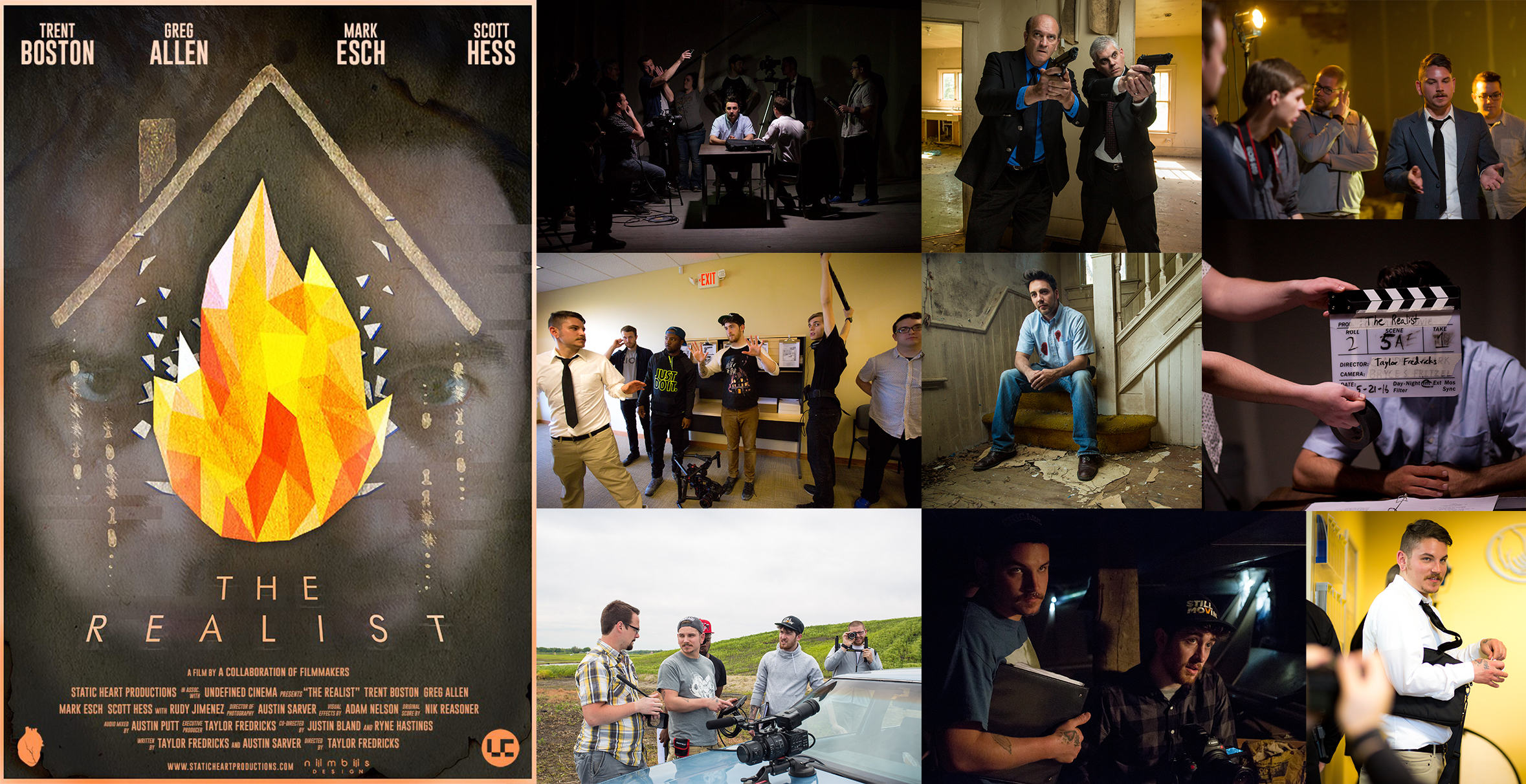
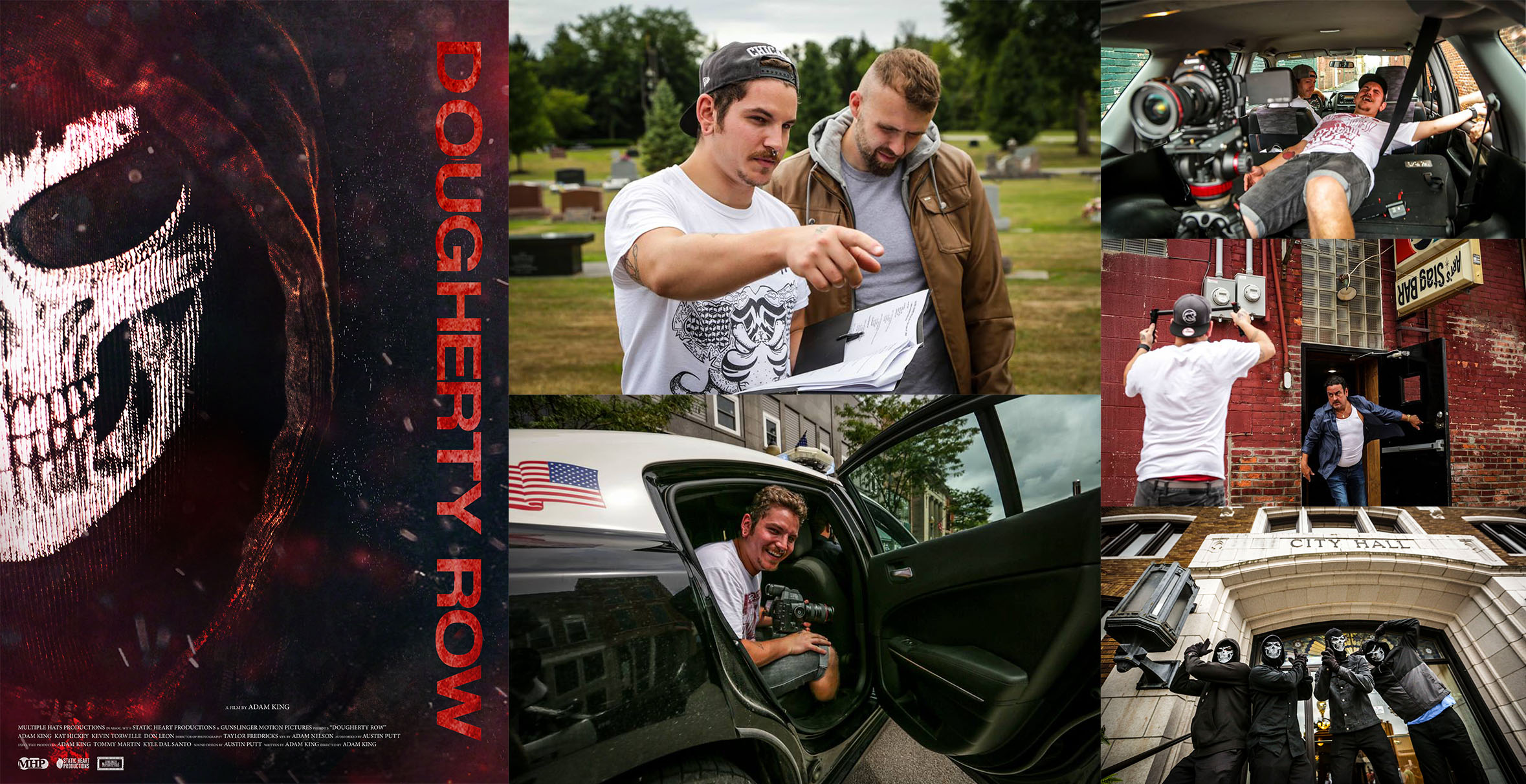
In high school, I fell in love with filmmaking as a backup plan to music. I attended college briefly for media and public communications but hated it. I wasn’t learning anything new, so I dropped out and committed fully. In 2014, I started my production company, Static Heart Productions. I learned on set from filmmakers who knew more than I did and through trial and error by making my own music videos and short films.
I eventually pursued filmmaking full time. It felt like home—limitless in a way music no longer did. I even composed music for some of my films, so music never completely left my life. Managing projects helped me grow as a producer, though I was barely making money and working a full-time job I hated. At the time, I was also living with my girlfriend of over four years.

That job made me miserable. I gained weight, drank more, and slowly became someone I didn’t recognize or like. It took a toll on my relationship. After the breakup and months of nonstop gym sessions, I quit my job, packed everything I owned into my van, and moved to Austin, Texas—with no job and nowhere to live.
That uncertainty didn’t stop me from chasing filmmaking. Friends in Austin supported me in ways I’ll always be grateful for. I found work at the Alamo Drafthouse, moved in with a friend, and gained a completely new outlook on life. Unfortunately, during my first few years there, my relationship with my dad began to deteriorate. He became deeply religious, to the point where he felt like a different person. The things we once bonded over—music, sports, comedy—disappeared. Now, nearly every message from him is a Bible verse or a reminder that he’s praying for me.
It hurts that my dad no longer supports me the way he once did, but I’ve always pursued what I wanted regardless of outside opinions. A major reason I want to make Impermanence is to show how these experiences shaped me and how I’ve chosen to keep going. I’ve struggled with depression my entire life and have let it win more times than I’d like to admit. The fact that I’m still here says everything. Without my friends, music, and film, I don’t know if I’d be here to tell this story—which is exactly why it needs to be told.

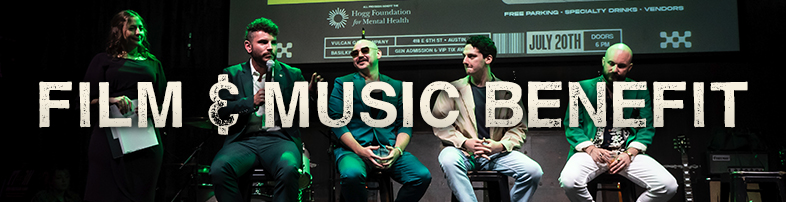
We believe in ending the stigma around mental health so much that on July 20th, 2025, Sheilava and I produced and hosted a Film and Music Showcase for our Basil King series. That event raised $3,500 for Hope For The Day, a non-profit organization geared towards mental health awareness and suicide prevention. This is our goal with Impermanence as well.
We want to shed light on the stigma that surrounds mental health today. We want to encourage others to speak up and speak out to talk about what they're going through and to share their own story as well.
We aim to lift up those around us here locally in Austin, as well as provide hope for those out there who struggle silently. If the state of our country worries you, look first to yourself and what you can do to help those around you to promote good and proactively make the world a better place. Let your actions speak louder than your words — support your neighbors, volunteer at local shelters, give back to the pockets of your own community who need help the most. Above all else, use your frustration as fuel to DO better and to BE better, instead of using your finger to point and provoke.
We are all in this together, whether we like it or not. We can continue to let the people at the top incite division and propel hate, or we can choose to focus on what’s happening to the people at the bottom and work to fix our society as a collective.

Wishlist
Use the WishList to Pledge cash and Loan items - or - Make a pledge by selecting an Incentive directly.
Cast and Crew
Costs $15,000
Supports the cast and crew whose time, talent, and dedication make this film possible.
Catering and Crafty
Costs $1,200
Provides meals, snacks, and drinks to keep cast and crew energized on set.
Equipment Rental
Costs $1,000
Helps cover the cost of any equipment that's needed for the shoot.
Post Production
Costs $2,000
Covers the cost of post production including post sound mix, sound design, foley, and color grading.
PD, Props, MUA, Wardrobe, and Production Expenses
Costs $800
Covers production design, props, wardrobe, makeup, and other essential on-set production expenses.
Cash Pledge
Costs $0


Direct link:
Share this update!
About This Team
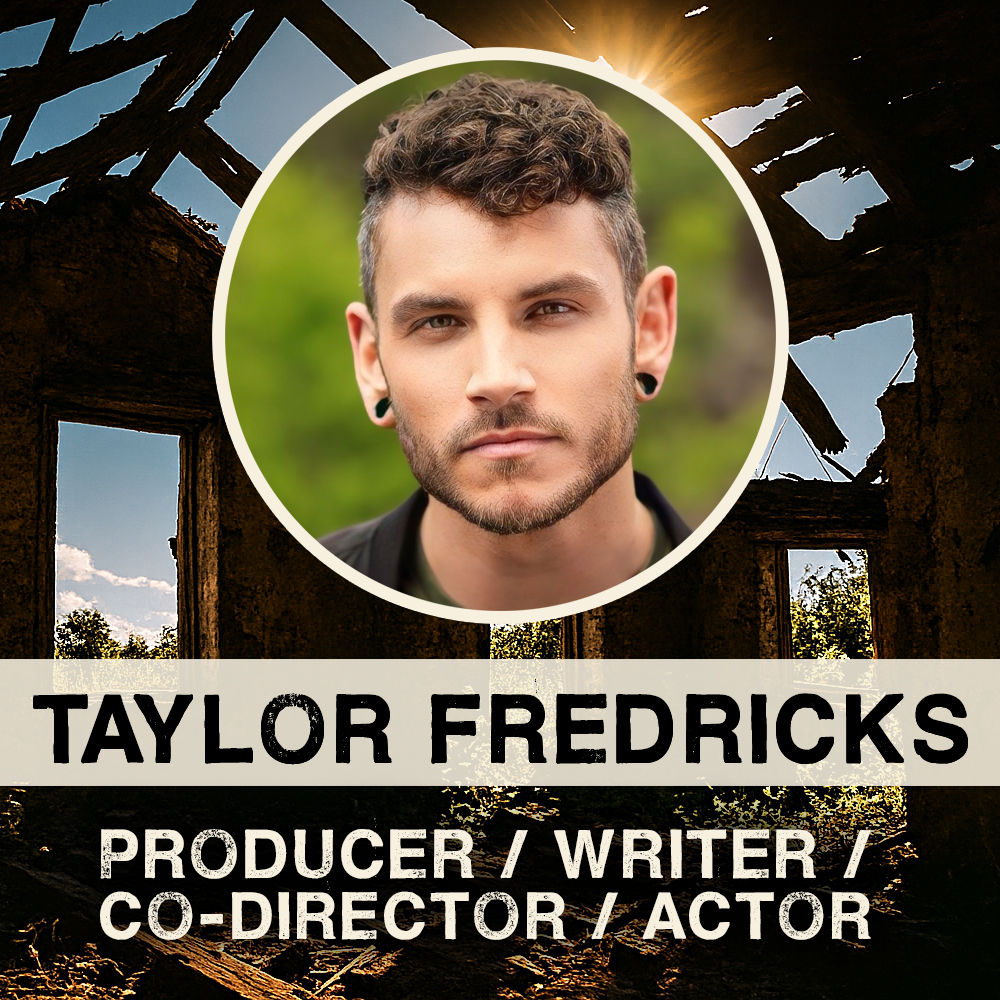
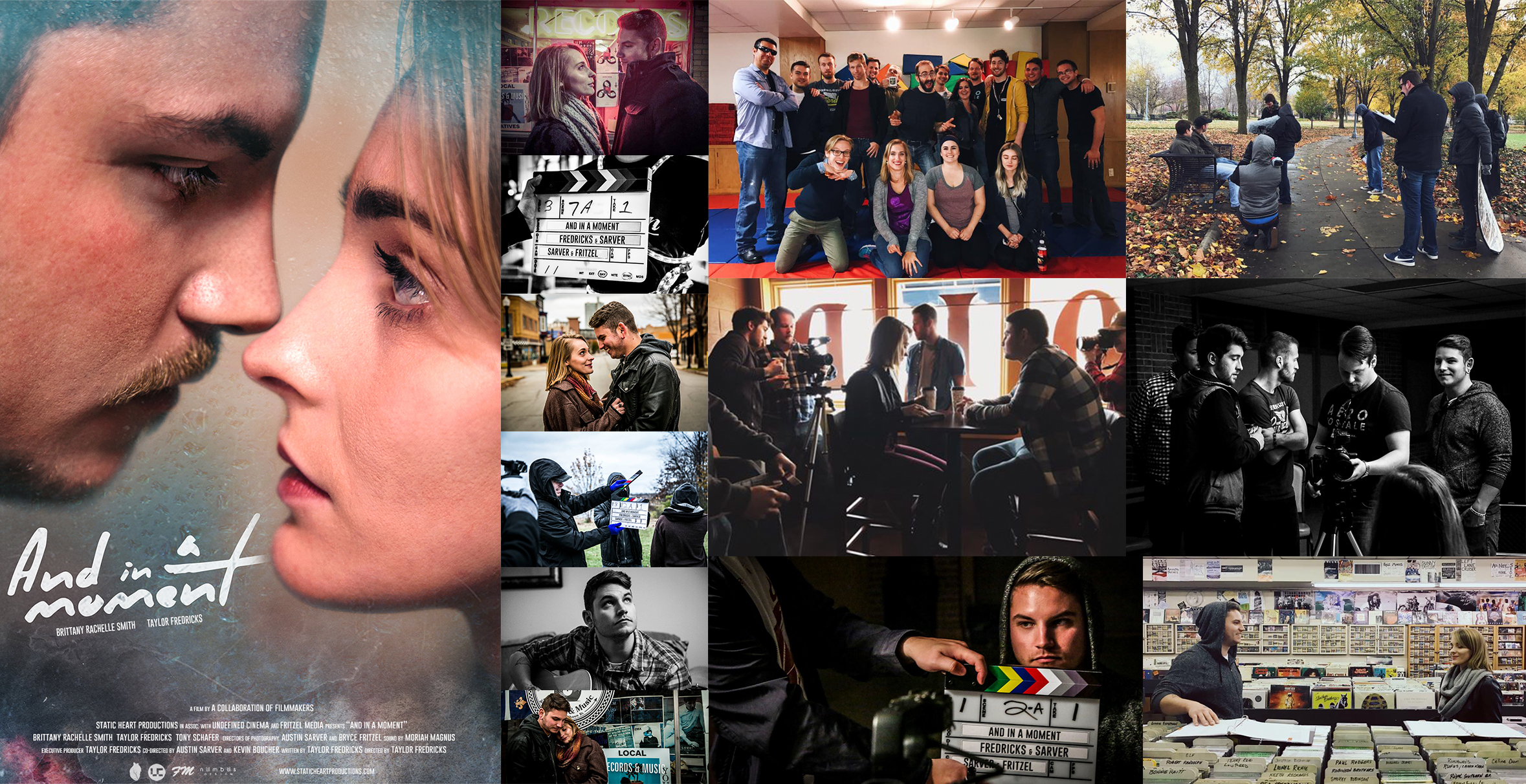
Award-winning filmmaker and actor Taylor Fredricks helmed his indie film company “Static Heart Productions” over a decade ago and has since then written, directed, and produced over 40 short films & music videos to date, many of which have screened at festivals nationwide and earned accolades including Best Director, Best Actor, and Best Film. With a proven track record and a fearless approach to filmmaking, Taylor brings a unique blend of creativity, precision, and passion to every project he touches. His partnerships reflect his range and ability to work seamlessly across genres while his endless drive consistently pushes him to take on new challenges and craft compelling, entertaining, and inspiring stories.
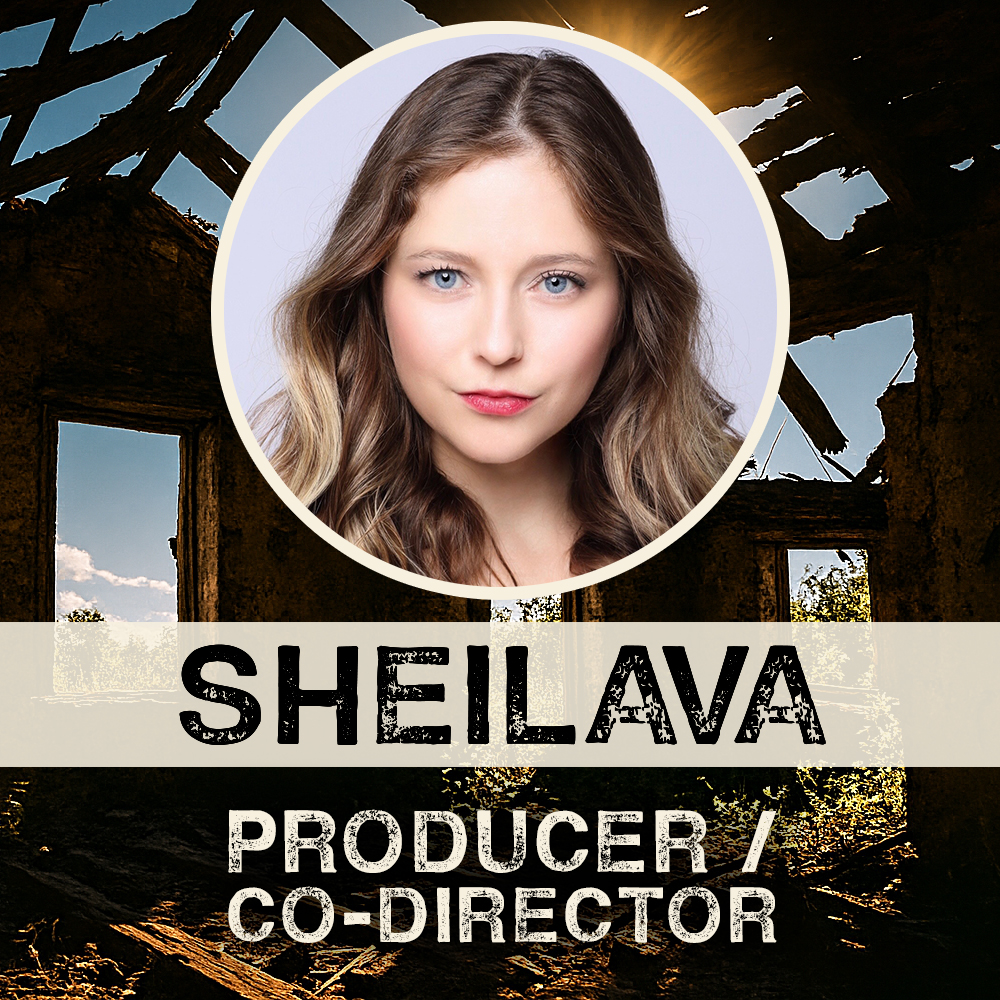
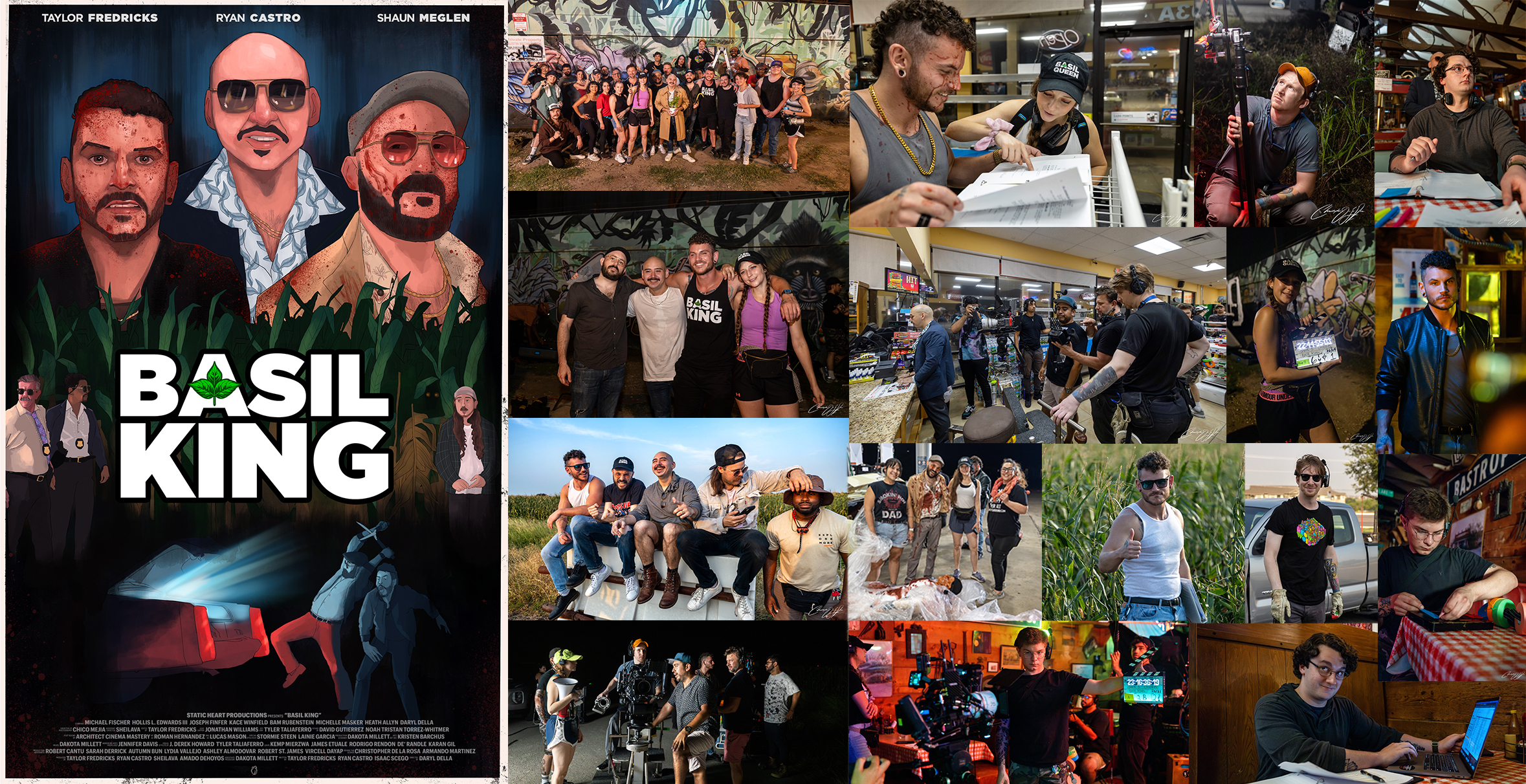
Sheilava is a producer, actor, writer, director/AD, singer/songwriter. Her music has been featured on Austin 360 Studio Sessions, ACL Radio, Global Music Awards, and she has produced and acted in a plethora of multi-award winning films and noteworthy projects including several filmmaking competitions. Her current endeavors include MAD, Basil King, and Catnip The Movie — a Christmas Horror Cat Slasher Comedy film she is Co-Producing with several noteworthy Hollywood actors. Alongside her film & music career, she also enjoys working with nonprofits, mentoring at-risk and underprivileged youth, and using her voice to lift up and advocate for others.
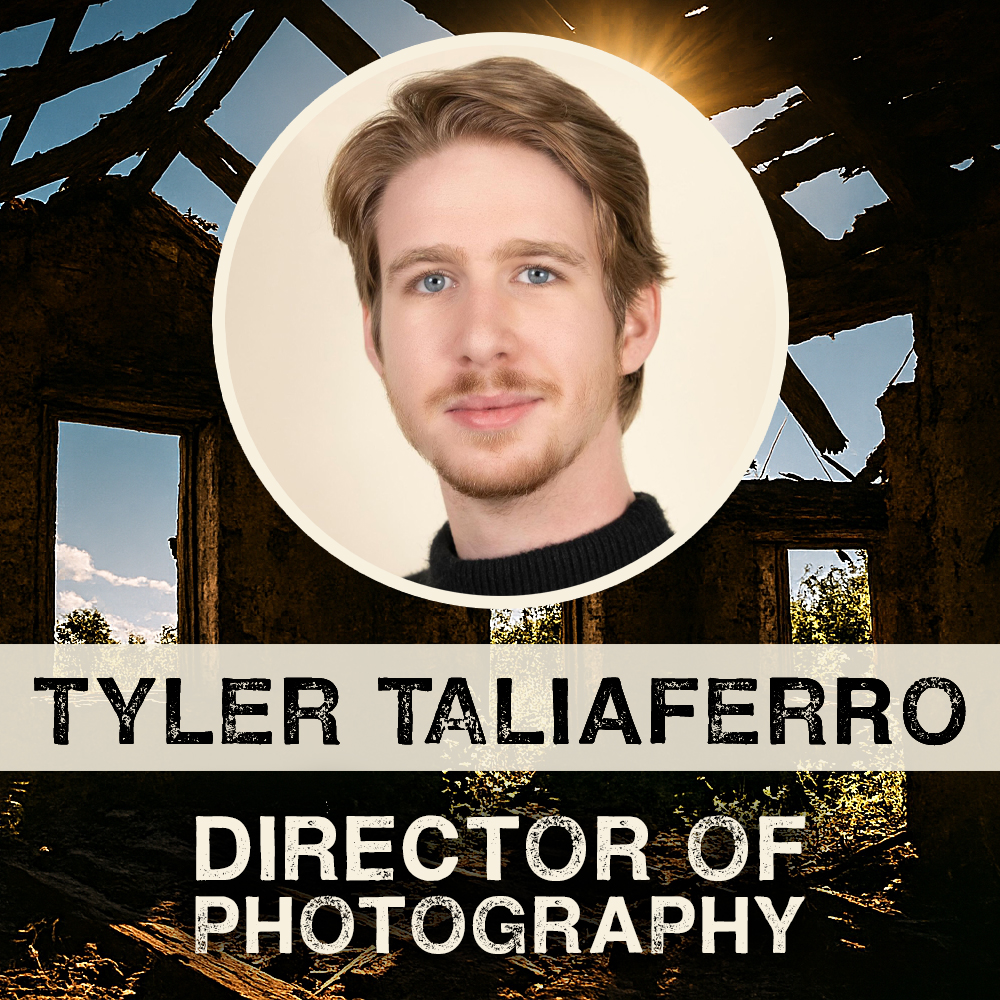
Tyler Timothy Taliaferro is an award-winning filmmaker and cinematographer based in Austin, TX, with a strong portfolio of narrative shorts, commercials, and branded content. His credits include the SXSW Jury Award–winning short Fifteen and multiple festival-recognized visual projects.
Tyler’s work centers on clarity and empowerment. He demystifies production processes and brings a steady, solutions-focused presence that supports both emerging filmmakers and seasoned creatives. As Director of Photography on this film, he combines technical expertise with thoughtful leadership to shape a visually ambitious, collaborative production environment.
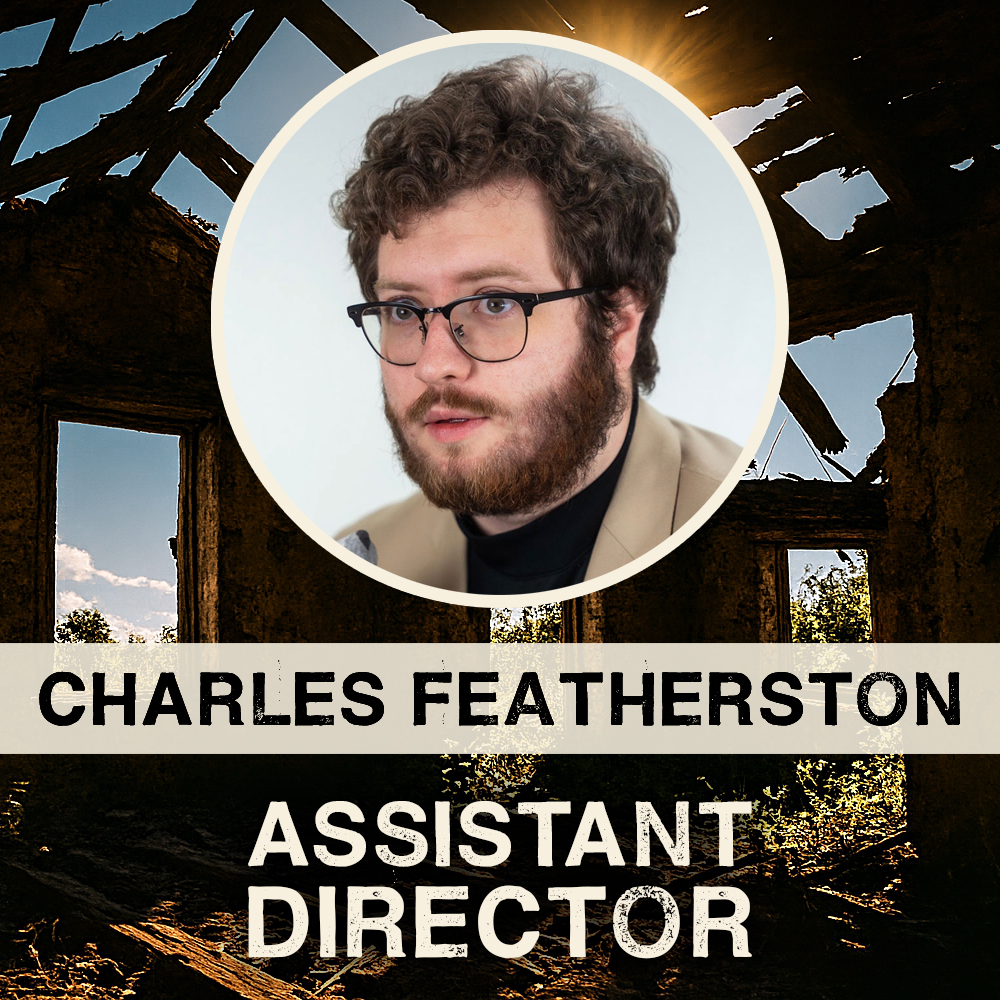
Charles Featherston is a multi-disciplinary filmmaker and producer with nearly a decade of experience across television, studio features, and independent film. A Baylor University Film & Digital Media alumnus, he has worked on Fixer Upper and contributed to films including The Central Standard (2023), Hunch (2024), I’ve Always Hated My Brother, Dancer and Prancer, and Cedar Ranch.
As co-founder and Creative Director of Mad Feathers Studios, Charles is involved in every stage of the creative process—from writing and cinematography to editing and post-production supervision. His award-winning work reflects a sharp eye for story, pacing, and emotional impact.
As Assistant Director on this film, Charles brings both artistic insight and logistical discipline, helping shape an efficient, collaborative, and creatively energized production environment.
Current Team
Incentives
- The Story
- Wishlist
- Updates
- The Team
- Community
Mission Statement
The Story
After his estranged father dies, David, a struggling alcoholic and former musician, returns to his hometown to stay with his sister and young niece. Surrounded by the echoes of a fractured family and a childhood marked by loss, neglect, and unresolved trauma, he’s forced to confront the pain he’s spent years trying to bury.
As old wounds resurface, David begins to see reflections of his father in himself — and realizes the only way to move forward is through forgiveness. In rediscovering his father’s guitar, he finds not just music again, but a fragile sense of peace.
Impermanence is an intimate, character-driven drama about loss, addiction, and breaking the cycles that bind us to our past.
Impermanence is a story I’ve been shaping for years — one that mirrors my own journey of healing and self-understanding. It’s semi-autobiographical, and writing it has become a kind of therapy — a way to confront the pain, confusion, and love that have defined my life. It explores how I've grown from childhood trauma, how those experiences shaped who I am today, and the conscious effort it takes to break destructive cycles rather than repeat them.
With each passing year and every new draft, the story has evolved — just as I have. What began as a reflection on blame and resentment has grown into a meditation on forgiveness. I’ve come to realize that everything in life is temporary — pain, anger, even the people we lose. The more we learn to let go, the closer we get to peace.
It's a story I really want to tell because I think many can relate to it. I'm also a firm believer on taking care of my mental health. I've struggled with depression most of my life and I think this story will show people that they are not alone.
At its heart, Impermanence isn’t just about loss — it’s about acceptance, and the quiet strength it takes to move forward.
Honey Boy (2019): Perhaps one of the closest parallels — an adult man reflecting on his damaged relationship with his father, framed through memory and art. It shares the same confessional tone and fragmented emotional structure.
Manchester By The Sea (2016): Both explore grief and guilt through a deeply personal lens, with restrained performances and emotionally devastating realism. Like Lee Chandler, David must confront a past he’s tried to bury — and find grace through the pain.
Blue Valentine (2010): The fragmented storytelling, shifting between memory and present, mirrors the way Impermanence handles its flashbacks. Both films explore love, regret, and the passage of time with raw intimacy.
The Wrestler (2008): Both stories follow flawed, broken men seeking redemption while wrestling with the ghosts of their past. The naturalistic cinematography and unflinching honesty mirror Impermanence’s grounded aesthetic.
WINNER for Best Narrative Short Screenplay @ 2024 Austin Spotlight Film Festival
WINNER for Best Drama Screenplay @ 2024 Austin Short Film Festival
FINALIST for Best Texas Short Script @ 2025 Austin Revolution Film Festival
FINALIST for Best Narrative Short Screenplay @ 2024 Austin Under The Stars Film Festival
I fell in love with music because of my dad. I grew up watching him play shows as a solo musician and with various bands, and I was captivated by the idea of becoming a “rock star,” touring the world, and experiencing life through music. At nine, I was gifted my first guitar. By twelve, I was booking my own shows, playing three to four times a month at coffee shops around Fort Wayne, Indiana. I built my own set lists of originals and covers and performed two to three hours at a time—just me, my guitar, and my voice.
I grew up Christian. I went to church every Sunday, youth group every Friday, and played guitar in the worship band. I was baptized in Southern California, in an in-ground pool at a million-dollar home owned by my grandparents’ pastor. Everyone prayed over me while speaking in tongues. I remember feeling like an outcast because I wasn’t. I wondered if I wasn’t fully baptized, if speaking in tongues was something that just happened or something you learned. I was twelve, but I brushed it off quickly.
The music I wrote back then was heavily faith-based. Around the same time, my parents divorced, which hit me hard. A couple of years later, my mom left my sister and me to move to Florida and stay with my aunt, leaving my dad to raise us on his own. I know it wasn’t easy for him, but he truly tried to give us a good life. He’s the one who taught me guitar and introduced me to the world of music. He was also the funniest person I knew, and I’m pretty sure my sense of humor came from him.
As I got older, I started feeling creatively stuck. Writing music became a chore and felt forced. Then I saw the music video for “The Quiet Things That No One Ever Knows” by Brand New, and something shifted. I’d always listened to “secular” music alongside faith-based stuff, but that song hit me in a way nothing had before. It pushed me to start writing honestly—about how I felt and what I was going through, not just religion. That change altered everything, both creatively and personally.
Over the next fourteen years, I played in several bands, recorded multiple EPs, opened for some of my favorite artists, and chased original music relentlessly. Eventually, I hit another wall and realized it wasn’t for me anymore. I never toured the world—I didn’t even make it out of the Midwest—but I had an incredible time, and I’ll always cherish those years.
During that period, I also left religion entirely. I wanted to connect with good people regardless of what they believed, but some of my family held opposing views. It never made sense to me how a God who supposedly loves everyone could be used to justify hate or selective belief. Being forced to attend a private Lutheran high school my freshman year only reinforced that disconnect. I didn’t want to follow a faith that felt self-serving, so I walked away and never looked back.
In high school, I fell in love with filmmaking as a backup plan to music. I attended college briefly for media and public communications but hated it. I wasn’t learning anything new, so I dropped out and committed fully. In 2014, I started my production company, Static Heart Productions. I learned on set from filmmakers who knew more than I did and through trial and error by making my own music videos and short films.
I eventually pursued filmmaking full time. It felt like home—limitless in a way music no longer did. I even composed music for some of my films, so music never completely left my life. Managing projects helped me grow as a producer, though I was barely making money and working a full-time job I hated. At the time, I was also living with my girlfriend of over four years.
That job made me miserable. I gained weight, drank more, and slowly became someone I didn’t recognize or like. It took a toll on my relationship. After the breakup and months of nonstop gym sessions, I quit my job, packed everything I owned into my van, and moved to Austin, Texas—with no job and nowhere to live.
That uncertainty didn’t stop me from chasing filmmaking. Friends in Austin supported me in ways I’ll always be grateful for. I found work at the Alamo Drafthouse, moved in with a friend, and gained a completely new outlook on life. Unfortunately, during my first few years there, my relationship with my dad began to deteriorate. He became deeply religious, to the point where he felt like a different person. The things we once bonded over—music, sports, comedy—disappeared. Now, nearly every message from him is a Bible verse or a reminder that he’s praying for me.
It hurts that my dad no longer supports me the way he once did, but I’ve always pursued what I wanted regardless of outside opinions. A major reason I want to make Impermanence is to show how these experiences shaped me and how I’ve chosen to keep going. I’ve struggled with depression my entire life and have let it win more times than I’d like to admit. The fact that I’m still here says everything. Without my friends, music, and film, I don’t know if I’d be here to tell this story—which is exactly why it needs to be told.
We believe in ending the stigma around mental health so much that on July 20th, 2025, Sheilava and I produced and hosted a Film and Music Showcase for our Basil King series. That event raised $3,500 for Hope For The Day, a non-profit organization geared towards mental health awareness and suicide prevention. This is our goal with Impermanence as well.
We want to shed light on the stigma that surrounds mental health today. We want to encourage others to speak up and speak out to talk about what they're going through and to share their own story as well.
We aim to lift up those around us here locally in Austin, as well as provide hope for those out there who struggle silently. If the state of our country worries you, look first to yourself and what you can do to help those around you to promote good and proactively make the world a better place. Let your actions speak louder than your words — support your neighbors, volunteer at local shelters, give back to the pockets of your own community who need help the most. Above all else, use your frustration as fuel to DO better and to BE better, instead of using your finger to point and provoke.
We are all in this together, whether we like it or not. We can continue to let the people at the top incite division and propel hate, or we can choose to focus on what’s happening to the people at the bottom and work to fix our society as a collective.
Wishlist
Use the WishList to Pledge cash and Loan items - or - Make a pledge by selecting an Incentive directly.
Cast and Crew
Costs $15,000
Supports the cast and crew whose time, talent, and dedication make this film possible.
Catering and Crafty
Costs $1,200
Provides meals, snacks, and drinks to keep cast and crew energized on set.
Equipment Rental
Costs $1,000
Helps cover the cost of any equipment that's needed for the shoot.
Post Production
Costs $2,000
Covers the cost of post production including post sound mix, sound design, foley, and color grading.
PD, Props, MUA, Wardrobe, and Production Expenses
Costs $800
Covers production design, props, wardrobe, makeup, and other essential on-set production expenses.
Cash Pledge
Costs $0
Direct link:
Share this update!
About This Team
Award-winning filmmaker and actor Taylor Fredricks helmed his indie film company “Static Heart Productions” over a decade ago and has since then written, directed, and produced over 40 short films & music videos to date, many of which have screened at festivals nationwide and earned accolades including Best Director, Best Actor, and Best Film. With a proven track record and a fearless approach to filmmaking, Taylor brings a unique blend of creativity, precision, and passion to every project he touches. His partnerships reflect his range and ability to work seamlessly across genres while his endless drive consistently pushes him to take on new challenges and craft compelling, entertaining, and inspiring stories.
Sheilava is a producer, actor, writer, director/AD, singer/songwriter. Her music has been featured on Austin 360 Studio Sessions, ACL Radio, Global Music Awards, and she has produced and acted in a plethora of multi-award winning films and noteworthy projects including several filmmaking competitions. Her current endeavors include MAD, Basil King, and Catnip The Movie — a Christmas Horror Cat Slasher Comedy film she is Co-Producing with several noteworthy Hollywood actors. Alongside her film & music career, she also enjoys working with nonprofits, mentoring at-risk and underprivileged youth, and using her voice to lift up and advocate for others.
Tyler Timothy Taliaferro is an award-winning filmmaker and cinematographer based in Austin, TX, with a strong portfolio of narrative shorts, commercials, and branded content. His credits include the SXSW Jury Award–winning short Fifteen and multiple festival-recognized visual projects.
Tyler’s work centers on clarity and empowerment. He demystifies production processes and brings a steady, solutions-focused presence that supports both emerging filmmakers and seasoned creatives. As Director of Photography on this film, he combines technical expertise with thoughtful leadership to shape a visually ambitious, collaborative production environment.
Charles Featherston is a multi-disciplinary filmmaker and producer with nearly a decade of experience across television, studio features, and independent film. A Baylor University Film & Digital Media alumnus, he has worked on Fixer Upper and contributed to films including The Central Standard (2023), Hunch (2024), I’ve Always Hated My Brother, Dancer and Prancer, and Cedar Ranch.
As co-founder and Creative Director of Mad Feathers Studios, Charles is involved in every stage of the creative process—from writing and cinematography to editing and post-production supervision. His award-winning work reflects a sharp eye for story, pacing, and emotional impact.
As Assistant Director on this film, Charles brings both artistic insight and logistical discipline, helping shape an efficient, collaborative, and creatively energized production environment.