Inkilab
San Francisco, California | Film Feature
Documentary
Choreographer Joti Singh channels her ancestral legacy to reclaim little-known histories of early South Asian immigrants and anti-colonial resistance. Support this multi-generational story that centers marginalized voices and reimagines history to inspire today’s movements for collective liberation.

Green Light
This campaign raised $13,491 for development. Follow the filmmaker to receive future updates on this project.
86 supporters | followers
Enter the amount you would like to pledge
Choreographer Joti Singh channels her ancestral legacy to reclaim little-known histories of early South Asian immigrants and anti-colonial resistance. Support this multi-generational story that centers marginalized voices and reimagines history to inspire today’s movements for collective liberation.
About The Project


- The Story
- Wishlist
- Updates
- The Team
- Community
Mission Statement
The Story
Logline: As the premiere approaches, dancer Joti Singh seeks to reclaim the tarnished legacy of her great-grandfather, an immigrant freedom fighter, before his radical history is lost forever.
“If we do not tell these stories, it’s as if we did not exist.
And our communities and our stories are annihilated.
If I don't tell this story, who is going to tell it?"
-- Joti Singh

When grants paused, we turned to the people this story is for."
Inkilab is more than a film—it’s a way to preserve a legacy, reclaim erased histories, and resist the flattening of South Asian identity in the diaspora. We believe it must be shaped by the very communities it represents, and we hope to stay in dialogue with you throughout the process—listening, sharing, and growing this story together.
We’d planned to raise early funding through grants and fellowships, and were finalists for the California Documentary Project R&D grant before the program was paused due to federal changes. While this was a setback, it opened the opportunity to build the film with our community—from the ground up.
If this story resonates with you, we invite you to join us on this journey—not just as a donor, but as a long-term partner in a relationship that’s reciprocal and deeply engaging.
Still from the Film:
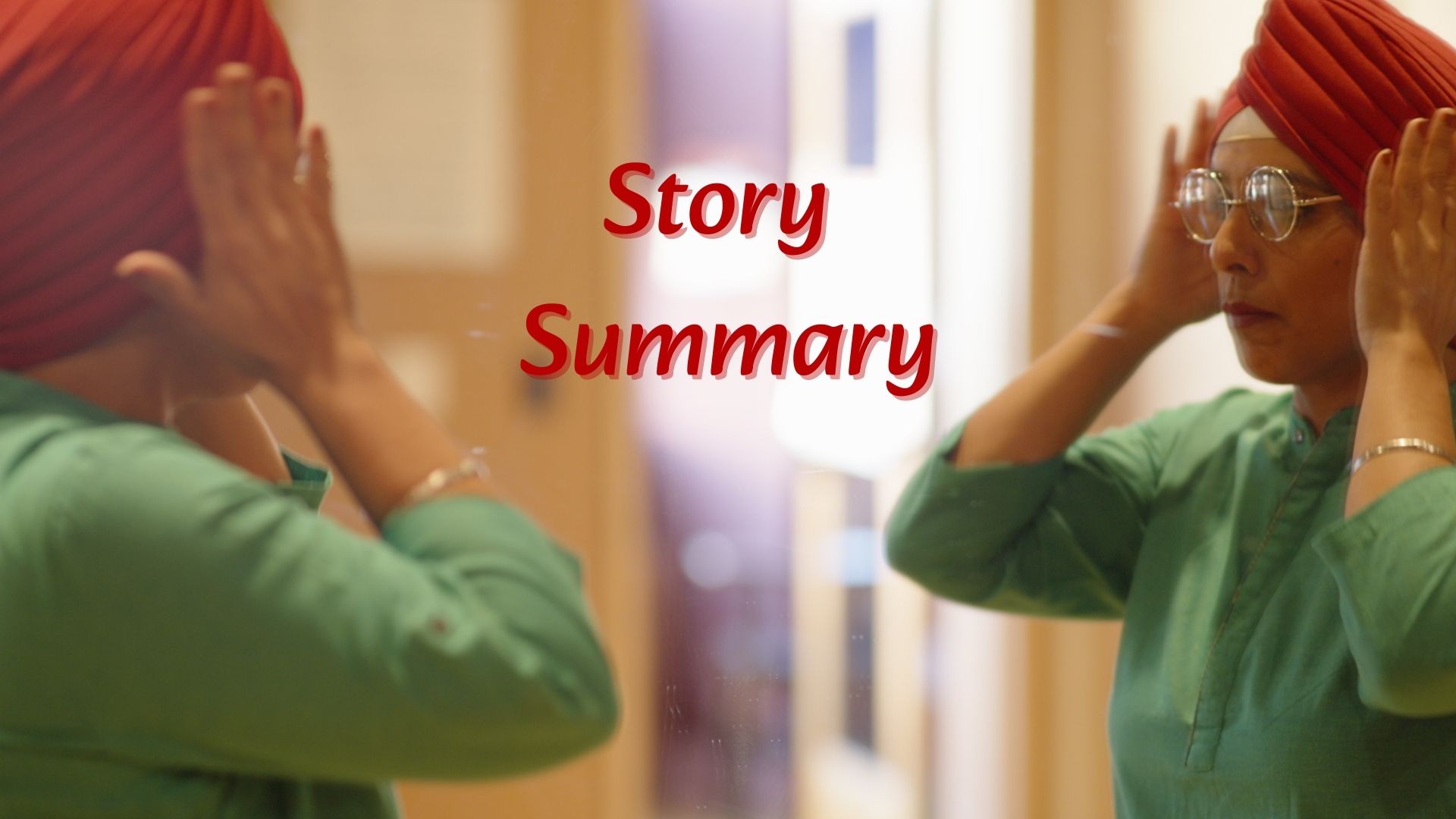
In a buzzing green room, amidst dancers in vibrant Indian costumes, Joti Singh, a Punjabi American choreographer, gazes at her reflection in the mirror, wearing a black blazer, glasses, and a pagdi—a traditional Sikh turban typically worn by men. She channels her great-grandfather, Bhagwan Singh Gyanee, a revolutionary poet and radical organizer.
Tonight’s work-in-progress dance-theater performance is Joti’s decade-long effort to spotlight her great-grandfather’s pivotal role in the San Francisco–based Ghadar Party — the first organized transnational Indian freedom movement led by immigrant workers.
Still from the Film:
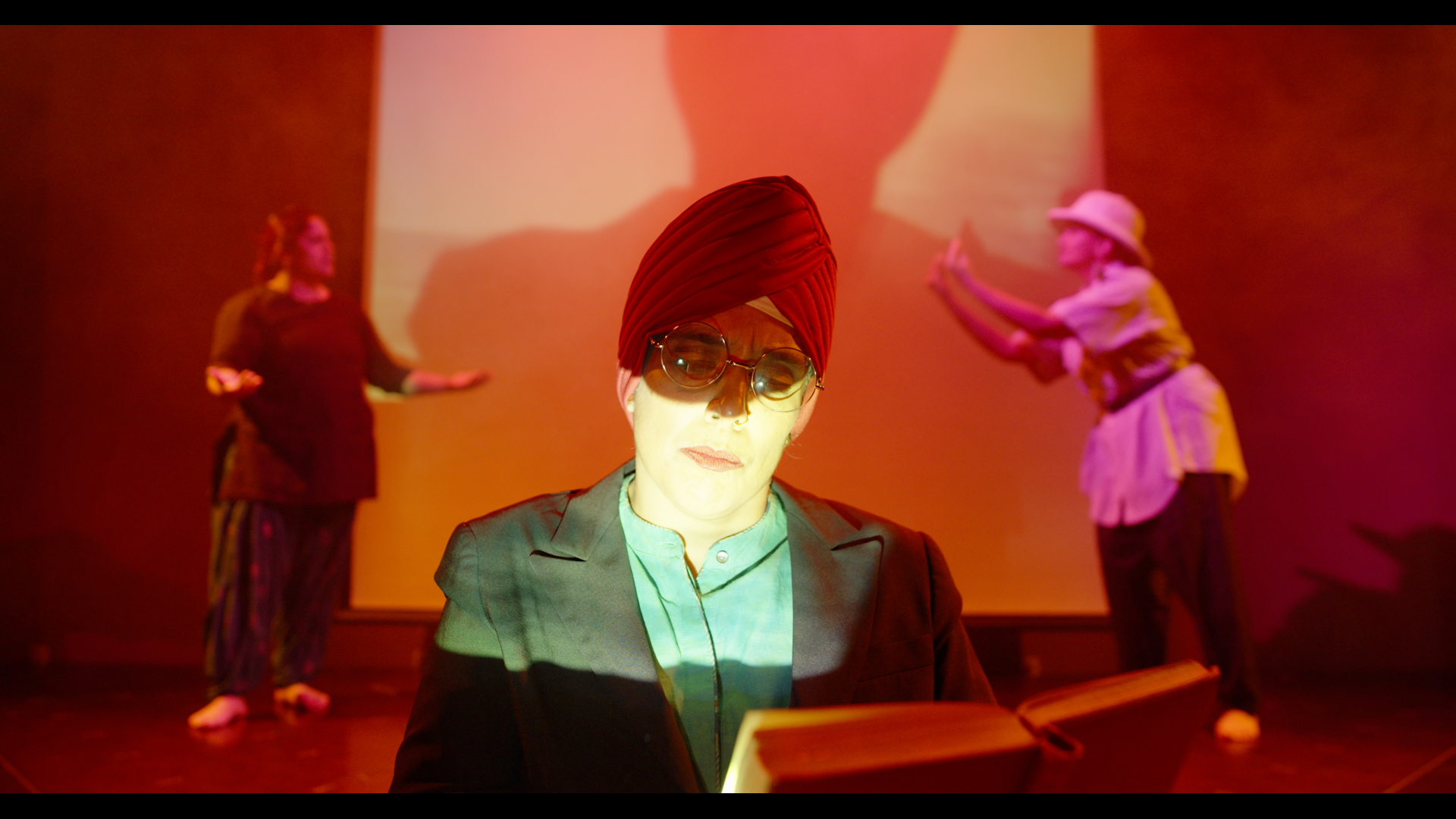
Growing up in Georgia, Joti, one of the few Indian kids, felt distanced from her roots until she discovered her great-grandfather’s revolutionary past. She felt an instant kinship with his anti-establishment ideals.
His story shaped her as an artist and an activist. Dance became her resistance.
When her uncle, the family’s keeper of Gyanee’s writings and memories, passed away, Joti became the sole custodian of this revolutionary legacy.
Joti's childhood photos with her sister
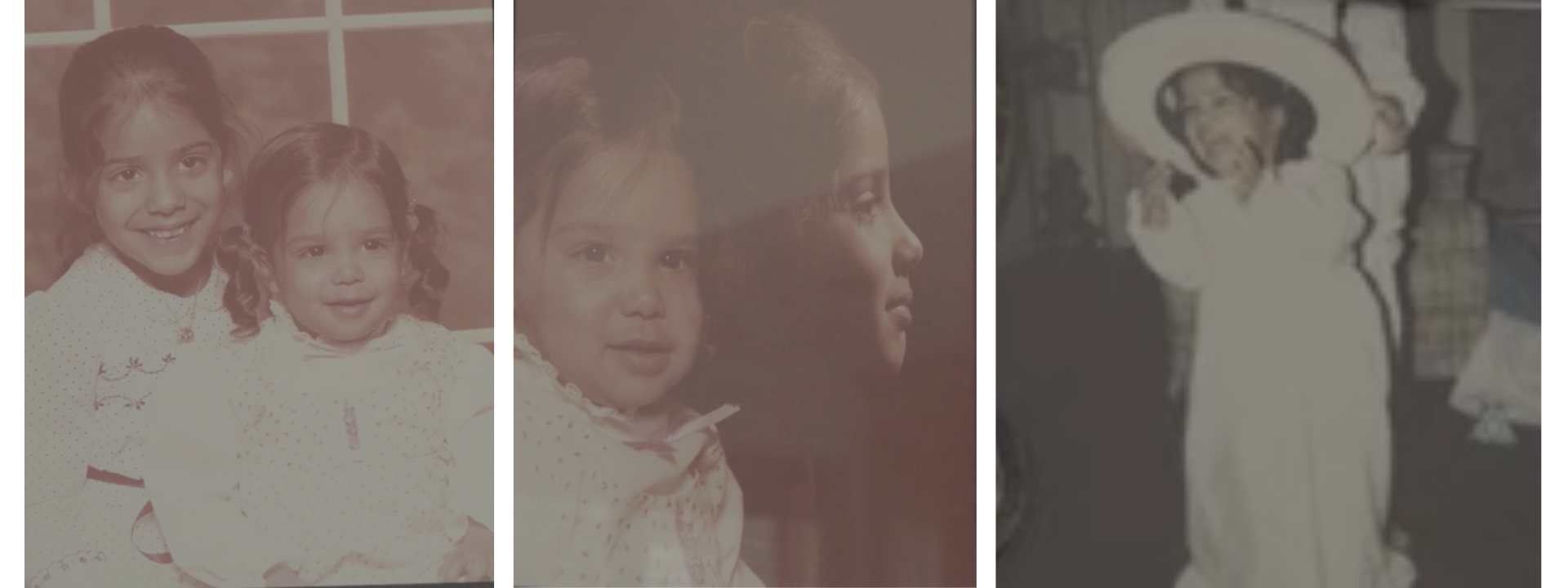
Her research uncovered a story beyond the heroic: marked by surveillance, infiltration, and repression, leading to Gyanee’s arrest and imprisonment on charges of sedition.
Through movement, poetry, and embodied memory, this film captures Joti’s journey to reclaim this legacy — restoring Gyanee's and the Ghadarites’ rightful place in history and disrupting the erasure that threatens South Asian identity in the diaspora.

A pandemic pit stop turned into a transformative personal and professional journey—and the discovery of a forgotten legacy.”
Priyanka Suryaneni, Director
.jpg)
Hi! I’m Priyanka.
I’m a recent immigrant to the U.S. who moved to the Bay Area during the first week of the pandemic. What was supposed to be a 1–2 month pit stop quickly turned into an indefinite stay—and the start of a beautiful journey.
After two years indoors, I was eager to pick up my camera and reconnect with the community. That’s when I met Joti Singh. She was performing Ghadar Geet at Yerba Buena Gardens—a powerful dance piece rooted in her family’s legacy.
At first, I was drawn to her bold reinterpretation of Bhangra through the lens of West African dance. But as I learned more about the history behind the performance—the Ghadar movement—I realized I had stumbled upon a story I had never been taught. One that urgently needed to be told.
Now, the Bay Area is home—and telling this story has become my full-time pursuit.

"Radical roots, erased histories—and the urgency of remembrance."
Top: Passengers aboard the Komagata Maru, 1914 — barred from Canada under racist immigration laws.
Bottom: Stockton Gurdwara, CA, 1916
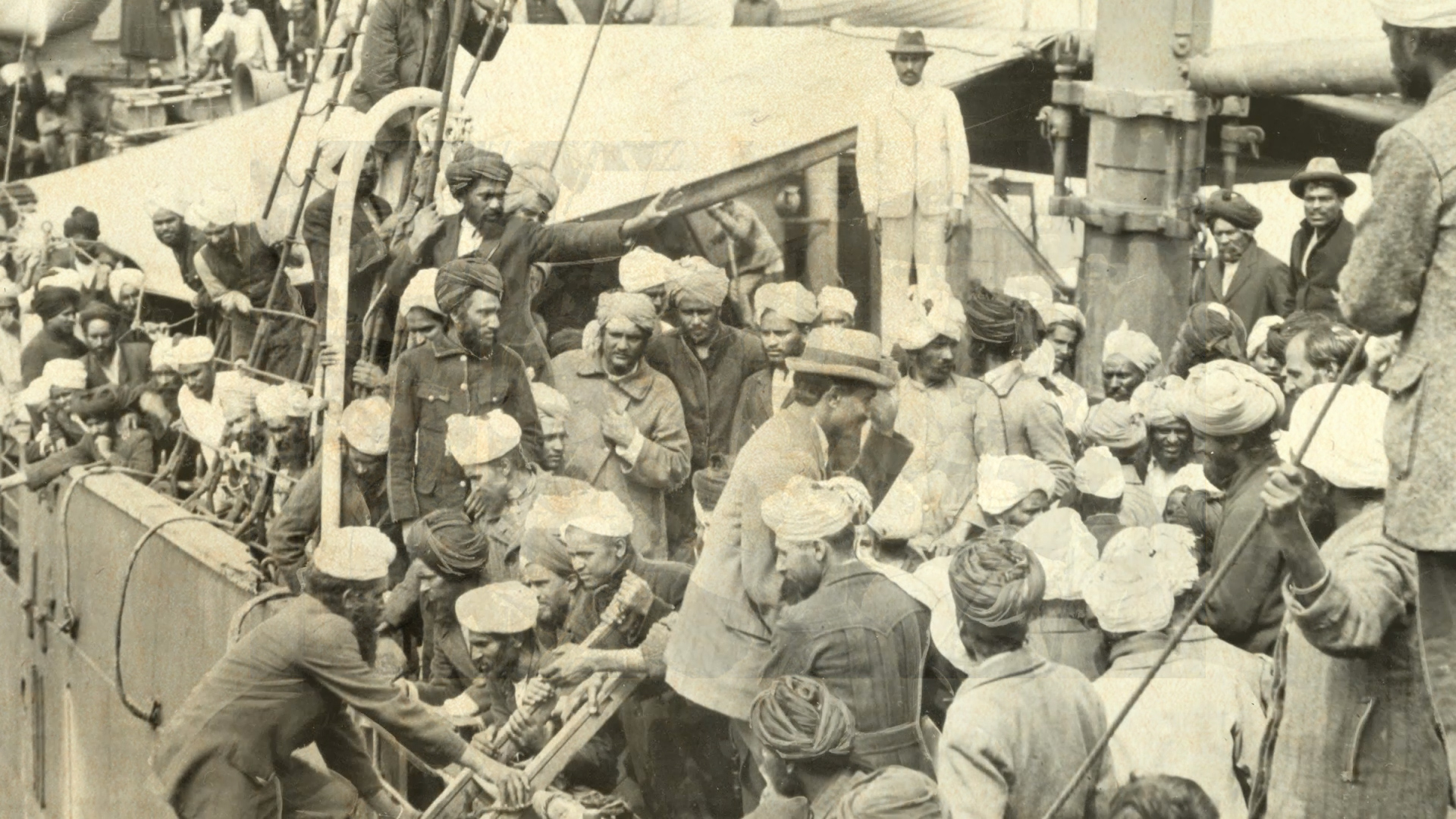
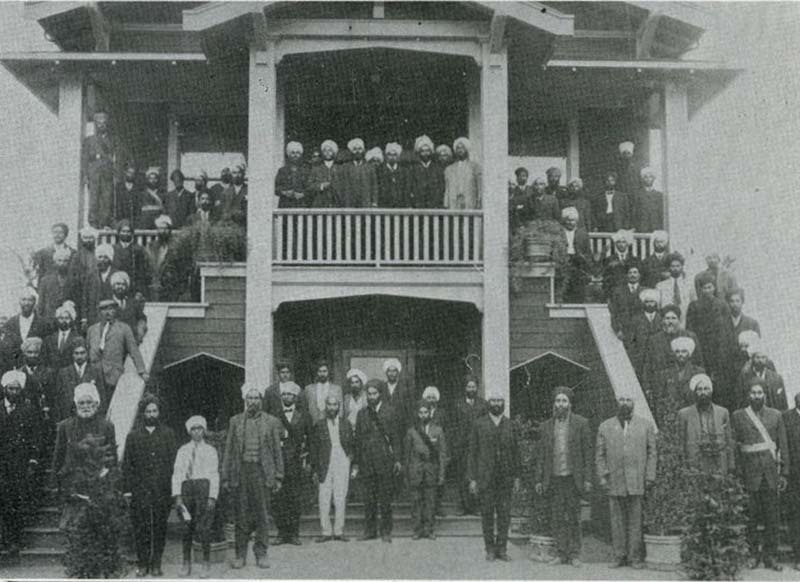
- Founded in 1913 — years before Gandhi emerged as the leader of the Freedom movement, by Indian immigrants in the U.S. and Canada.
- South Asian students, farmers, and laborers, many in California, risked everything to ignite a global uprising against British colonial rule.
- Their work spanned continents: San Francisco → Punjab → Vancouver → Southeast Asia.
- They published underground newspapers, organized internationally, and fought for freedom.
- Today, their story is largely erased — yet their legacy reminds us of early diasporic resistance and global solidarity.

"Honor a freedom fighter. Fuel a future rooted in justice."
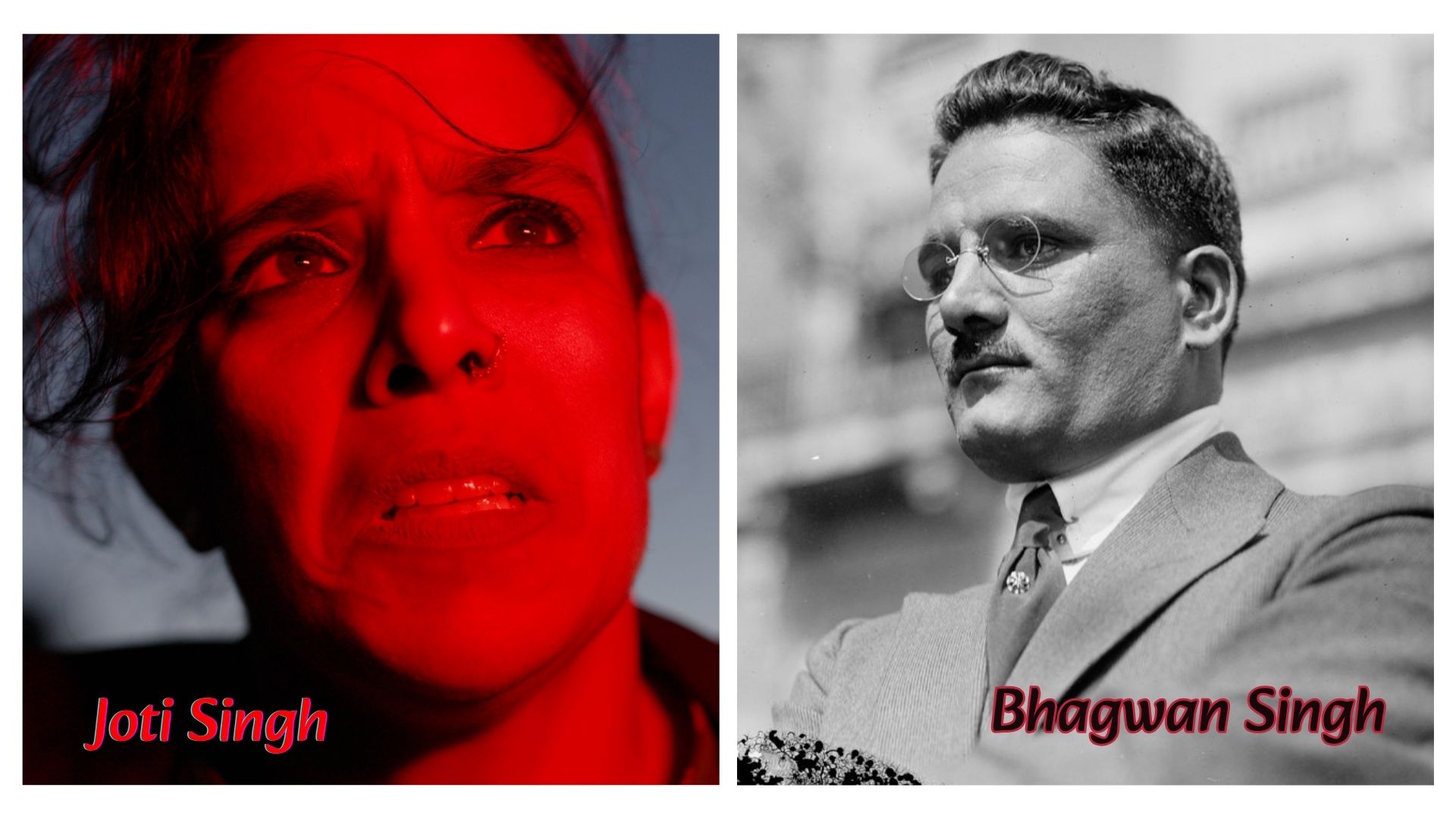 In May 1914, Bhai Bhagwan Singh arrived in San Francisco and joined the Ghadar Party. 111 years later, we honor his legacy with this fundraiser in his name.
In South Asian tradition, odd-numbered gifts like $11, $51, or $111 are considered auspicious—symbolizing abundance and continuity. In that spirit, we’ve built our giving tiers with this legacy in mind.

From concept to camera—here's how your support moves us forward."
Still from the Film:
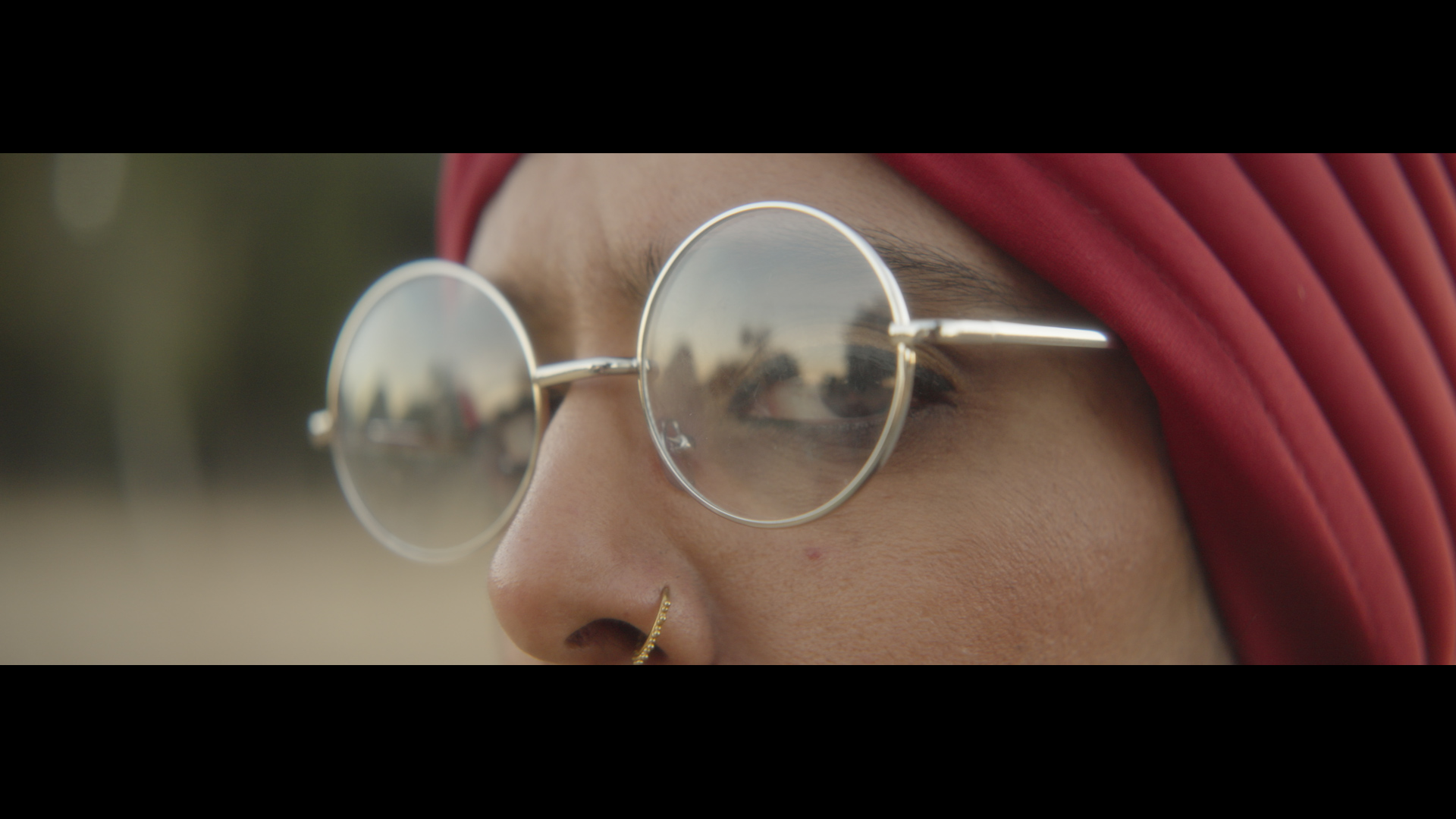
We are in the early to mid-stages of production.
Since 2023, I’ve been following and filming Joti’s creative process. We envision historical re-enactments filmed through a personal and diasporic lens that honor the deeper goal of reclaiming this history. To realize this vision, we are raising funds to hire a crew and rent the necessary equipment.

“A story through memory, performance, and poetry.”
Stills from the Film:
.jpg)
Rather than a top-down historical approach, we tell this story through the eyes of a descendant—Joti—as she channels her great-grandfather Gyanee.
Two storytelling layers come together:
- Observational verité: Following her rehearsal, research, and creative process
- Cinematic re-enactments: Joti performs as Gyanee in historic Ghadar sites, reimagining history through movement.
This hybrid approach allows us to explore history as lived experience—not just recorded fact.
Color Pallette:
.jpg)

Reclaiming identity. Rewriting the narrative."
Still from Joti's show Ghadar Geet: Blood and Ink
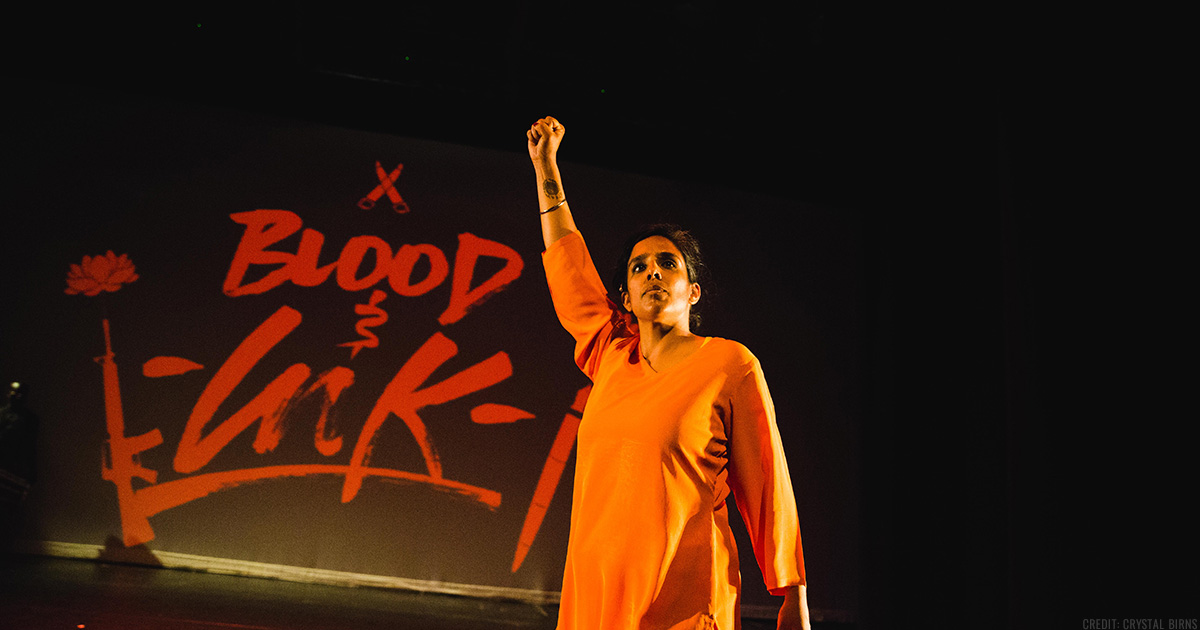
For Joti, discovering Ghadar history lit a fire. For me, it sparked a sense of belonging.
This story resonates with many progressive South Asians in the U.S. who are searching for identity, and it has shaped their politics. It challenges stereotypes and the myth of the 'model minority.
The Ghadar movement’s fight against imperialism mirrors today’s struggles against deportation, surveillance, and exclusion.
This film bridges the past and the present.

Two women, one lineage of resistance—and a shared urgency to remember."
Much like Joti, my activism is rooted in family. My grandfather was a grassroots leader who resisted caste and class oppression in India. That legacy deeply informs my work as a filmmaker.
Our shared lineage of resistance has led to a profound alignment in the themes that Joti and I explore in our respective work. Over two years, Joti has generously opened her life and art to our team.
I’ve also visited key sites—Angel Island, the Ghadar Memorial, Stockton Sikh Temple—and built relationships with historians and descendants.
Our team is made up of South Asian women filmmakers dedicated to telling immigrant and diasporic stories with care and accountability.
We know this story is personal for many. We carry it in fragments, in feeling, in silence. This film honors those ways of knowing.
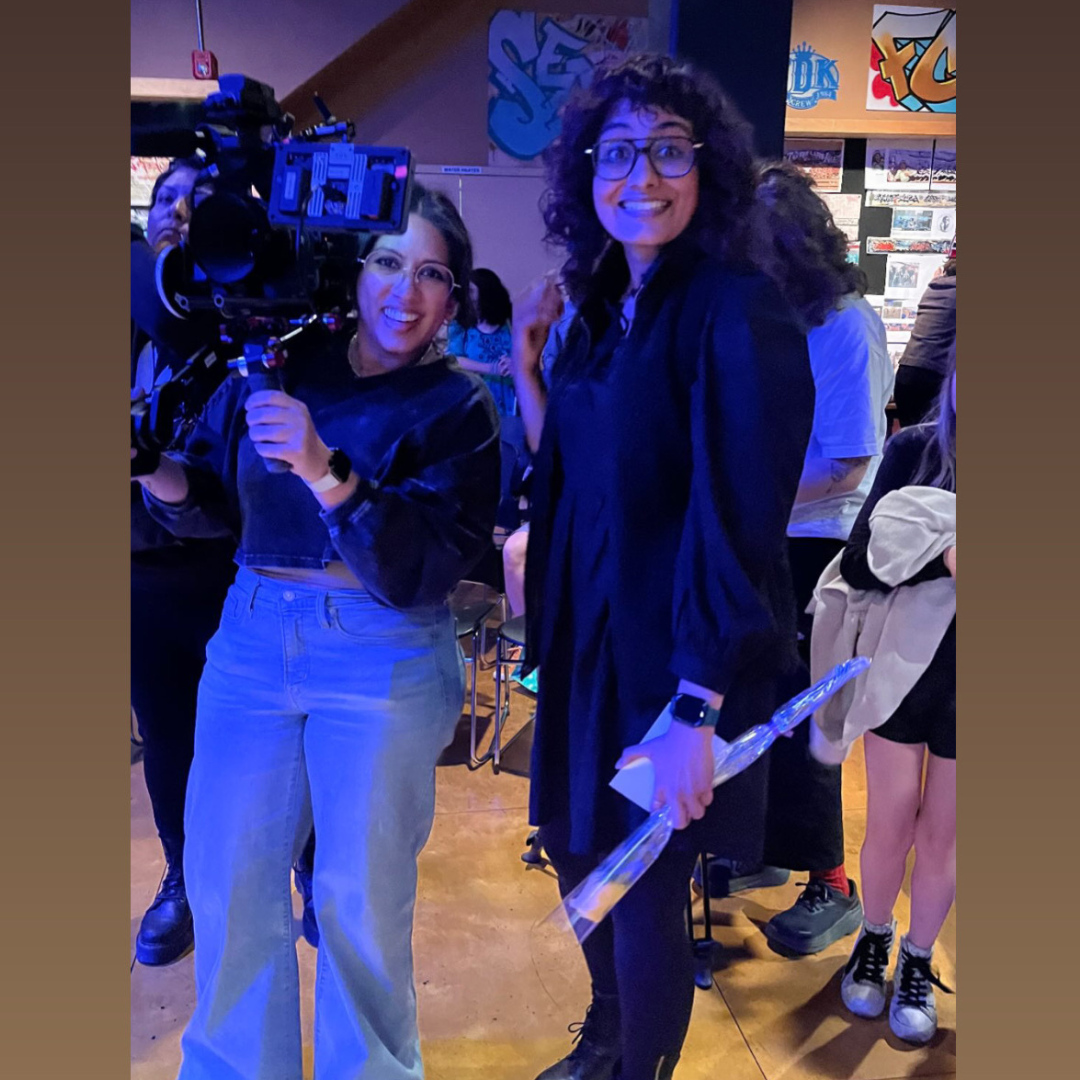
Right: Samia Zaidi, Cinematographer | Left: Priyanka Suryaneni, Director

Every dollar builds the next frame."
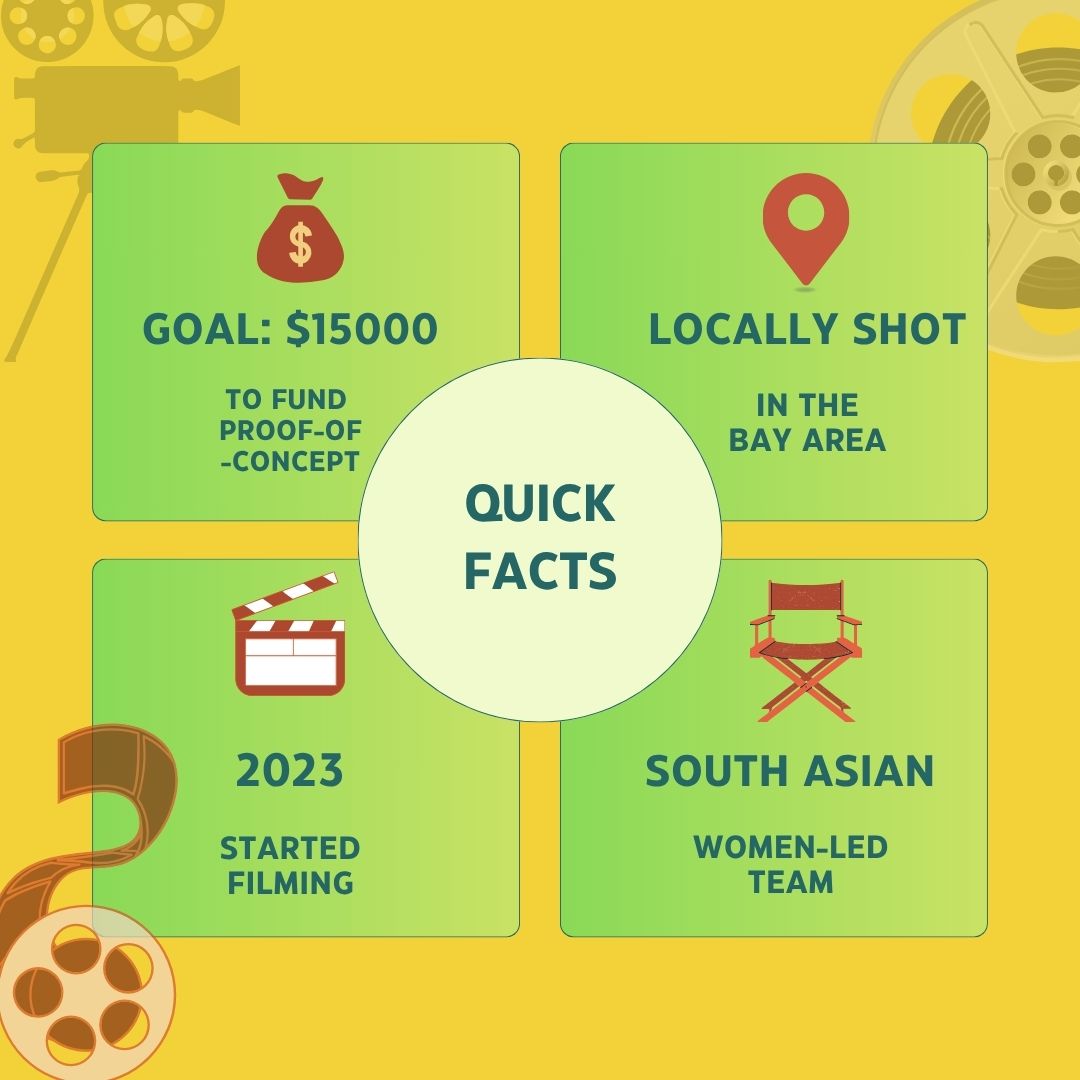
Immediate Goal: $15,000
These funds will be used to film test footage for re-enactments and edit it alongside material gathered over the past two years to create a 10-minute sample or proof-of-concept for further fundraising.
Stretch Goals:
- $25,000: To follow Joti’s rehearsals, continue verité shooting, and compensate core creative collaborators, including the director, producer, and impact producer.
- $35,000: This level of support will help us continue editing and refining the sample as we gather more footage, apply for grants and move deeper into production.
Our primary goal is to create a proof-of-concept video that will help us define the film’s scope, visual language, and style. This step is key to developing a clear roadmap for production, budget, and scheduling.

Donate: Every dollar brings us closer to reclaiming this powerful history.
Share: Help us reach your networks—every share matters.
Follow Us: On Instagram to stay connected (https://www.instagram.com/ghadar_documentary/)
Join Us: Be part of a community that believes in radical memory, intergenerational storytelling, and justice.
Join us in reclaiming this revolutionary legacy. Support a story that bridges generations, challenges dominant histories, and reimagines the past through movement, memory, and love.
Contribute today. Share widely. Help us build this film—together.
Wishlist
Use the WishList to Pledge cash and Loan items - or - Make a pledge by selecting an Incentive directly.
Cinematographer
Costs $1,500
To hire a cinematographer for 2 days to shoot both test and final re-enactment footage for the sample.
Equipment for Re-enactments
Costs $2,850
Testing 16mm cameras—from Bolex to Arri—to shape the film’s look: rentals, film stock, processing, and digitization.
Production Costs
Costs $2,150
Covers props, venue rentals for re-enactments, and talent costs (including dancers and performers).
Post Production
Costs $7,500
Includes editor fees, stock music licensing, color grading, and initial sound mix—everything needed to produce a 10-minute sample video.
Miscellaneous
Costs $500
For things we can’t predict but always come up!
Web Design
Costs $500
Website, film poster and logo design
Cash Pledge
Costs $0


Direct link:
Share this update!
About This Team
.jpg)
Pri Suryaneni (director) is an Indian-origin media entrepreneur, documentarian, and visual storyteller based on unceded Ohlone land (Fremont, CA). Her work amplifies the stories of immigration, identity, marginalization, resistance, joy, and community in the Bay Area and South Asia, spotlighting voices often overlooked in mainstream narratives. With over 15 years of filmmaking experience, Pri specializes in character-driven, vérité-style, and experimental documentaries focused on social justice. She began her storytelling journey as an assistant director in Bollywood before founding Pensar Creations, her own production company. Her portfolio spans television, short fiction, documentaries, corporate films, and advertisements.
In 2019, Pri transitioned to documentary filmmaking through a mid-career program at the USC Annenberg School of Journalism, specializing in documentary storytelling and social justice reporting. She is a USC Graduate Fellow (’19), a participant in the 2021 New York Times Student Journalism Institute, an L.A. Press Fellow (’21), and a current BAVC Connect mentee. Pri’s work has been supported by the Asian American Documentary Network, For Us By Us Film Incubator, Filmmakers Collaborative SF, Re-Present Media, and the East Bay Community Foundation. Her film Saraṇam Gacchâmi was a semi-finalist at the San Francisco Arthouse Short Festival and the Sacramento Independent Film Festival, winning awards at the Religion Faith International Film Festival and the Florida South Asian Film Festival. It has also been selected for the Jaipur Film Festival, 3rd i, LA Independent Women Film Awards, and the Annual Asian American Showcase.
Bhavana Goparaju is an award-winning producer and founder of Jeevi Films, a US–India production company amplifying stories from the margins. Her films have premiered at international festivals including Berlinale, Busan, Adelaide, Cartagena, and IFFI Goa, earning critical acclaim and global distribution. She produced In the Belly of a Tiger (Berlinale 2024), which won Best Feature Fiction at the Adelaide Film Festival, and co-produced Love Chaos Kin (CAAMFest, AAIFF 2025) and Maadathy: An Unfairy Tale (Busan, Cartagena), which toured US universities including Harvard, Columbia, and Yale and streams on MUBI. Her earlier feature Mantra, starring Kalki Koechlin and Rajat Kapoor, is available on Netflix. Her projects have been supported by the Busan Asian Cinema Fund, HAF, NFDC WIP Lab, and other international co-production labs and markets. She is currently producing a Native American short in post, developing global independent features rooted in South Asian and diaspora narratives, and mentoring emerging filmmakers.
Samia Zaidi (Creative Producer/ Cinematographer) is an award-winning queer Muslim cinematographer based in the East Bay and LA. Known for her work in edgy comedies, documentaries, and experimental art, her music videos have been featured in Revolver, Post-Punk, and Brooklyn Vegan. Her films have screened at Micheaux, CA Music Video Awards, and the Asian American Film Lab. Samia also works as a colorist and graphic artist, with credits including The Gaze (Emmy-nominated), Power Rangers: Kids Force (Hasbro), and Kicking Gas with Arnold Schwarzenegger. She was recently DP for Larry Powell’s PASSION at Television City. Founder of Pitch, Please, she’s created visuals for ACLU, Disney, Ferrari, Netflix, Shakira, and more. When not filming or designing, she’s probably in a dance class.
Prakshi Malik (Editor) is an Emmy-nominated editor based in Minneapolis, Mni Sota Makoce, on Dakota and Anishinaabe land. Prakshi's background in dance and ensemble theater influences her empathy and rhythm as an editor. Prakshi recently edited On All Fronts, an Emmy-nominated short documentary that is part of the documentary series Asian American Stores of Resilience and Beyond. Her work has screened internationally at festivals like the New Orleans Film Festival, PBS Short Film Festival, Jaipur International Film Festival, and Tasveer South Asian Film Festival. Prakshi has participated in Netflix's inaugural Documentary Archival Research Training program.
Catherine Judge (Impact Producer) is a multidisciplinary creative and changemaker whose work bridges community organizing, media, and the arts. For the past two decades, she has led social change campaigns across the U.S., produced events and festivals, and supported independent artists as a publicist and impact producer. In 2020, she deepened her filmmaking practice through Third World Newsreel’s Production Workshop in New York City. Catherine received her MPA at Baruch College through the National Urban Fellows Program, where she focused on non-profit management, and a BA in Urban Studies at Queens College.
Current Team
Incentives
- The Story
- Wishlist
- Updates
- The Team
- Community
Mission Statement
The Story
Logline: As the premiere approaches, dancer Joti Singh seeks to reclaim the tarnished legacy of her great-grandfather, an immigrant freedom fighter, before his radical history is lost forever.
“If we do not tell these stories, it’s as if we did not exist.
And our communities and our stories are annihilated.
If I don't tell this story, who is going to tell it?"
-- Joti Singh
When grants paused, we turned to the people this story is for."
Inkilab is more than a film—it’s a way to preserve a legacy, reclaim erased histories, and resist the flattening of South Asian identity in the diaspora. We believe it must be shaped by the very communities it represents, and we hope to stay in dialogue with you throughout the process—listening, sharing, and growing this story together.
We’d planned to raise early funding through grants and fellowships, and were finalists for the California Documentary Project R&D grant before the program was paused due to federal changes. While this was a setback, it opened the opportunity to build the film with our community—from the ground up.
If this story resonates with you, we invite you to join us on this journey—not just as a donor, but as a long-term partner in a relationship that’s reciprocal and deeply engaging.
Still from the Film:
In a buzzing green room, amidst dancers in vibrant Indian costumes, Joti Singh, a Punjabi American choreographer, gazes at her reflection in the mirror, wearing a black blazer, glasses, and a pagdi—a traditional Sikh turban typically worn by men. She channels her great-grandfather, Bhagwan Singh Gyanee, a revolutionary poet and radical organizer.
Tonight’s work-in-progress dance-theater performance is Joti’s decade-long effort to spotlight her great-grandfather’s pivotal role in the San Francisco–based Ghadar Party — the first organized transnational Indian freedom movement led by immigrant workers.
Still from the Film:
Growing up in Georgia, Joti, one of the few Indian kids, felt distanced from her roots until she discovered her great-grandfather’s revolutionary past. She felt an instant kinship with his anti-establishment ideals.
His story shaped her as an artist and an activist. Dance became her resistance.
When her uncle, the family’s keeper of Gyanee’s writings and memories, passed away, Joti became the sole custodian of this revolutionary legacy.
Joti's childhood photos with her sister
Her research uncovered a story beyond the heroic: marked by surveillance, infiltration, and repression, leading to Gyanee’s arrest and imprisonment on charges of sedition.
Through movement, poetry, and embodied memory, this film captures Joti’s journey to reclaim this legacy — restoring Gyanee's and the Ghadarites’ rightful place in history and disrupting the erasure that threatens South Asian identity in the diaspora.
A pandemic pit stop turned into a transformative personal and professional journey—and the discovery of a forgotten legacy.”
Priyanka Suryaneni, Director
Hi! I’m Priyanka.
I’m a recent immigrant to the U.S. who moved to the Bay Area during the first week of the pandemic. What was supposed to be a 1–2 month pit stop quickly turned into an indefinite stay—and the start of a beautiful journey.
After two years indoors, I was eager to pick up my camera and reconnect with the community. That’s when I met Joti Singh. She was performing Ghadar Geet at Yerba Buena Gardens—a powerful dance piece rooted in her family’s legacy.
At first, I was drawn to her bold reinterpretation of Bhangra through the lens of West African dance. But as I learned more about the history behind the performance—the Ghadar movement—I realized I had stumbled upon a story I had never been taught. One that urgently needed to be told.
Now, the Bay Area is home—and telling this story has become my full-time pursuit.
"Radical roots, erased histories—and the urgency of remembrance."
Top: Passengers aboard the Komagata Maru, 1914 — barred from Canada under racist immigration laws.
Bottom: Stockton Gurdwara, CA, 1916
- Founded in 1913 — years before Gandhi emerged as the leader of the Freedom movement, by Indian immigrants in the U.S. and Canada.
- South Asian students, farmers, and laborers, many in California, risked everything to ignite a global uprising against British colonial rule.
- Their work spanned continents: San Francisco → Punjab → Vancouver → Southeast Asia.
- They published underground newspapers, organized internationally, and fought for freedom.
- Today, their story is largely erased — yet their legacy reminds us of early diasporic resistance and global solidarity.
"Honor a freedom fighter. Fuel a future rooted in justice."
In May 1914, Bhai Bhagwan Singh arrived in San Francisco and joined the Ghadar Party. 111 years later, we honor his legacy with this fundraiser in his name.
In South Asian tradition, odd-numbered gifts like $11, $51, or $111 are considered auspicious—symbolizing abundance and continuity. In that spirit, we’ve built our giving tiers with this legacy in mind.
From concept to camera—here's how your support moves us forward."
Still from the Film:
We are in the early to mid-stages of production.
Since 2023, I’ve been following and filming Joti’s creative process. We envision historical re-enactments filmed through a personal and diasporic lens that honor the deeper goal of reclaiming this history. To realize this vision, we are raising funds to hire a crew and rent the necessary equipment.
“A story through memory, performance, and poetry.”
Stills from the Film:
Rather than a top-down historical approach, we tell this story through the eyes of a descendant—Joti—as she channels her great-grandfather Gyanee.
Two storytelling layers come together:
- Observational verité: Following her rehearsal, research, and creative process
- Cinematic re-enactments: Joti performs as Gyanee in historic Ghadar sites, reimagining history through movement.
This hybrid approach allows us to explore history as lived experience—not just recorded fact.
Color Pallette:
Reclaiming identity. Rewriting the narrative."
Still from Joti's show Ghadar Geet: Blood and Ink
For Joti, discovering Ghadar history lit a fire. For me, it sparked a sense of belonging.
This story resonates with many progressive South Asians in the U.S. who are searching for identity, and it has shaped their politics. It challenges stereotypes and the myth of the 'model minority.
The Ghadar movement’s fight against imperialism mirrors today’s struggles against deportation, surveillance, and exclusion.
This film bridges the past and the present.
Two women, one lineage of resistance—and a shared urgency to remember."
Much like Joti, my activism is rooted in family. My grandfather was a grassroots leader who resisted caste and class oppression in India. That legacy deeply informs my work as a filmmaker.
Our shared lineage of resistance has led to a profound alignment in the themes that Joti and I explore in our respective work. Over two years, Joti has generously opened her life and art to our team.
I’ve also visited key sites—Angel Island, the Ghadar Memorial, Stockton Sikh Temple—and built relationships with historians and descendants.
Our team is made up of South Asian women filmmakers dedicated to telling immigrant and diasporic stories with care and accountability.
We know this story is personal for many. We carry it in fragments, in feeling, in silence. This film honors those ways of knowing.
Right: Samia Zaidi, Cinematographer | Left: Priyanka Suryaneni, Director
Every dollar builds the next frame."
Immediate Goal: $15,000
These funds will be used to film test footage for re-enactments and edit it alongside material gathered over the past two years to create a 10-minute sample or proof-of-concept for further fundraising.
Stretch Goals:
- $25,000: To follow Joti’s rehearsals, continue verité shooting, and compensate core creative collaborators, including the director, producer, and impact producer.
- $35,000: This level of support will help us continue editing and refining the sample as we gather more footage, apply for grants and move deeper into production.
Our primary goal is to create a proof-of-concept video that will help us define the film’s scope, visual language, and style. This step is key to developing a clear roadmap for production, budget, and scheduling.
Donate: Every dollar brings us closer to reclaiming this powerful history.
Share: Help us reach your networks—every share matters.
Follow Us: On Instagram to stay connected (https://www.instagram.com/ghadar_documentary/)
Join Us: Be part of a community that believes in radical memory, intergenerational storytelling, and justice.
Join us in reclaiming this revolutionary legacy. Support a story that bridges generations, challenges dominant histories, and reimagines the past through movement, memory, and love.
Contribute today. Share widely. Help us build this film—together.
Wishlist
Use the WishList to Pledge cash and Loan items - or - Make a pledge by selecting an Incentive directly.
Cinematographer
Costs $1,500
To hire a cinematographer for 2 days to shoot both test and final re-enactment footage for the sample.
Equipment for Re-enactments
Costs $2,850
Testing 16mm cameras—from Bolex to Arri—to shape the film’s look: rentals, film stock, processing, and digitization.
Production Costs
Costs $2,150
Covers props, venue rentals for re-enactments, and talent costs (including dancers and performers).
Post Production
Costs $7,500
Includes editor fees, stock music licensing, color grading, and initial sound mix—everything needed to produce a 10-minute sample video.
Miscellaneous
Costs $500
For things we can’t predict but always come up!
Web Design
Costs $500
Website, film poster and logo design
Cash Pledge
Costs $0
Direct link:
Share this update!
About This Team
Pri Suryaneni (director) is an Indian-origin media entrepreneur, documentarian, and visual storyteller based on unceded Ohlone land (Fremont, CA). Her work amplifies the stories of immigration, identity, marginalization, resistance, joy, and community in the Bay Area and South Asia, spotlighting voices often overlooked in mainstream narratives. With over 15 years of filmmaking experience, Pri specializes in character-driven, vérité-style, and experimental documentaries focused on social justice. She began her storytelling journey as an assistant director in Bollywood before founding Pensar Creations, her own production company. Her portfolio spans television, short fiction, documentaries, corporate films, and advertisements.
In 2019, Pri transitioned to documentary filmmaking through a mid-career program at the USC Annenberg School of Journalism, specializing in documentary storytelling and social justice reporting. She is a USC Graduate Fellow (’19), a participant in the 2021 New York Times Student Journalism Institute, an L.A. Press Fellow (’21), and a current BAVC Connect mentee. Pri’s work has been supported by the Asian American Documentary Network, For Us By Us Film Incubator, Filmmakers Collaborative SF, Re-Present Media, and the East Bay Community Foundation. Her film Saraṇam Gacchâmi was a semi-finalist at the San Francisco Arthouse Short Festival and the Sacramento Independent Film Festival, winning awards at the Religion Faith International Film Festival and the Florida South Asian Film Festival. It has also been selected for the Jaipur Film Festival, 3rd i, LA Independent Women Film Awards, and the Annual Asian American Showcase.
Bhavana Goparaju is an award-winning producer and founder of Jeevi Films, a US–India production company amplifying stories from the margins. Her films have premiered at international festivals including Berlinale, Busan, Adelaide, Cartagena, and IFFI Goa, earning critical acclaim and global distribution. She produced In the Belly of a Tiger (Berlinale 2024), which won Best Feature Fiction at the Adelaide Film Festival, and co-produced Love Chaos Kin (CAAMFest, AAIFF 2025) and Maadathy: An Unfairy Tale (Busan, Cartagena), which toured US universities including Harvard, Columbia, and Yale and streams on MUBI. Her earlier feature Mantra, starring Kalki Koechlin and Rajat Kapoor, is available on Netflix. Her projects have been supported by the Busan Asian Cinema Fund, HAF, NFDC WIP Lab, and other international co-production labs and markets. She is currently producing a Native American short in post, developing global independent features rooted in South Asian and diaspora narratives, and mentoring emerging filmmakers.
Samia Zaidi (Creative Producer/ Cinematographer) is an award-winning queer Muslim cinematographer based in the East Bay and LA. Known for her work in edgy comedies, documentaries, and experimental art, her music videos have been featured in Revolver, Post-Punk, and Brooklyn Vegan. Her films have screened at Micheaux, CA Music Video Awards, and the Asian American Film Lab. Samia also works as a colorist and graphic artist, with credits including The Gaze (Emmy-nominated), Power Rangers: Kids Force (Hasbro), and Kicking Gas with Arnold Schwarzenegger. She was recently DP for Larry Powell’s PASSION at Television City. Founder of Pitch, Please, she’s created visuals for ACLU, Disney, Ferrari, Netflix, Shakira, and more. When not filming or designing, she’s probably in a dance class.
Prakshi Malik (Editor) is an Emmy-nominated editor based in Minneapolis, Mni Sota Makoce, on Dakota and Anishinaabe land. Prakshi's background in dance and ensemble theater influences her empathy and rhythm as an editor. Prakshi recently edited On All Fronts, an Emmy-nominated short documentary that is part of the documentary series Asian American Stores of Resilience and Beyond. Her work has screened internationally at festivals like the New Orleans Film Festival, PBS Short Film Festival, Jaipur International Film Festival, and Tasveer South Asian Film Festival. Prakshi has participated in Netflix's inaugural Documentary Archival Research Training program.
Catherine Judge (Impact Producer) is a multidisciplinary creative and changemaker whose work bridges community organizing, media, and the arts. For the past two decades, she has led social change campaigns across the U.S., produced events and festivals, and supported independent artists as a publicist and impact producer. In 2020, she deepened her filmmaking practice through Third World Newsreel’s Production Workshop in New York City. Catherine received her MPA at Baruch College through the National Urban Fellows Program, where she focused on non-profit management, and a BA in Urban Studies at Queens College.