La Tierra Del Surf
Washington, District of Columbia | Film Feature
Documentary
From the murder capital of the world to a new surf haven, El Salvador has rapidly become a symbol of resilience and community in Latin America. This documentary uncovers how surf, introduced over 50 years ago, is transforming the country and inspiring hope for a brighter future.
La Tierra Del Surf
Washington, District of Columbia | Film Feature
Documentary

1 Campaigns | District of Columbia, United States
Green Light
This campaign raised $17,167 for post-production. Follow the filmmaker to receive future updates on this project.
133 supporters | followers
Enter the amount you would like to pledge
From the murder capital of the world to a new surf haven, El Salvador has rapidly become a symbol of resilience and community in Latin America. This documentary uncovers how surf, introduced over 50 years ago, is transforming the country and inspiring hope for a brighter future.
About The Project


- The Story
- Wishlist
- Updates
- The Team
- Community
Mission Statement
The Story
.png)
The Story
For decades, El Salvador, the smallest country in Central America, was dubbed the murder capital of the world, ravaged by a brutal civil war and rampant gang violence that tore families apart. Many who fled would never reunite with their loved ones. Yet, fifty years later, this country has made an astonishing turnaround that has captured global attention—thanks in part to an unlikely hero; surfing. Once known for death and violence, El Salvador is now celebrated for its stunning surfing beaches and vibrant competitions.
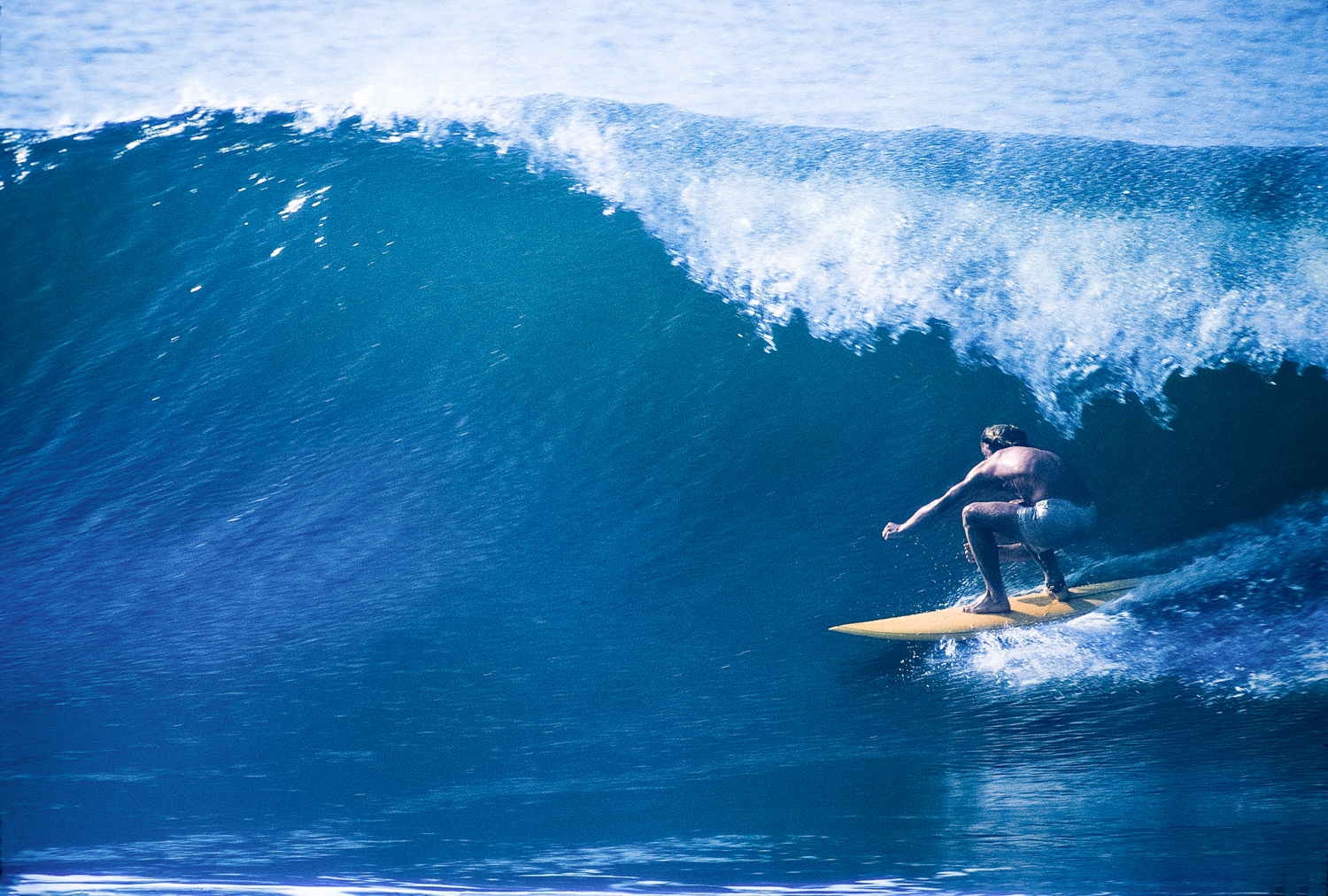
Although the story of surfing in El Salvador predates the war and gang violence, it has evolved from a lifestyle into a popular sport with a rich history spanning over five decades. This film aims to chronicle the growth of surfing that began in the 1960s on the coast of La Libertad, an area that now attracts thousands of surfers annually and hosts some of the world’s premier competitions.
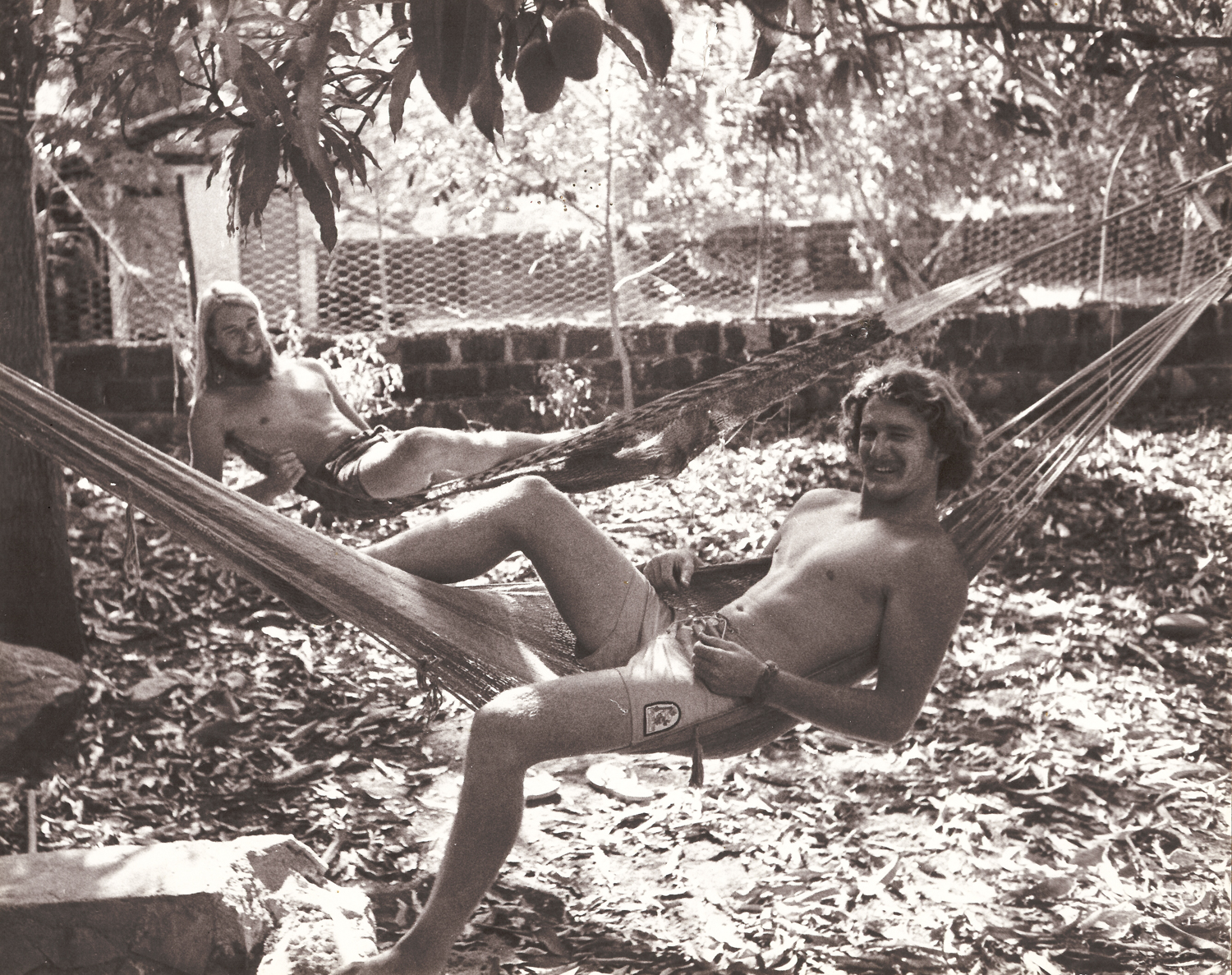
Craig Peterson and Kevin Naughton, both residents of Southern California, are among the pioneers of journalism focused on El Salvador's surf scene. They have compiled a rich collection of articles and images that capture a different side of El Salvador during the 1970s.
Who I am
My name is Moisés Linares, a Salvadoran American sports journalist. My family fled El Salvador during the Civil War and settled in Los Angeles. As a first-generation Salvadoran born in LA, I have often pondered my roots and the reasons for my family's departure. This curiosity has fueled my journey to reconnect with my heritage since my high school years.
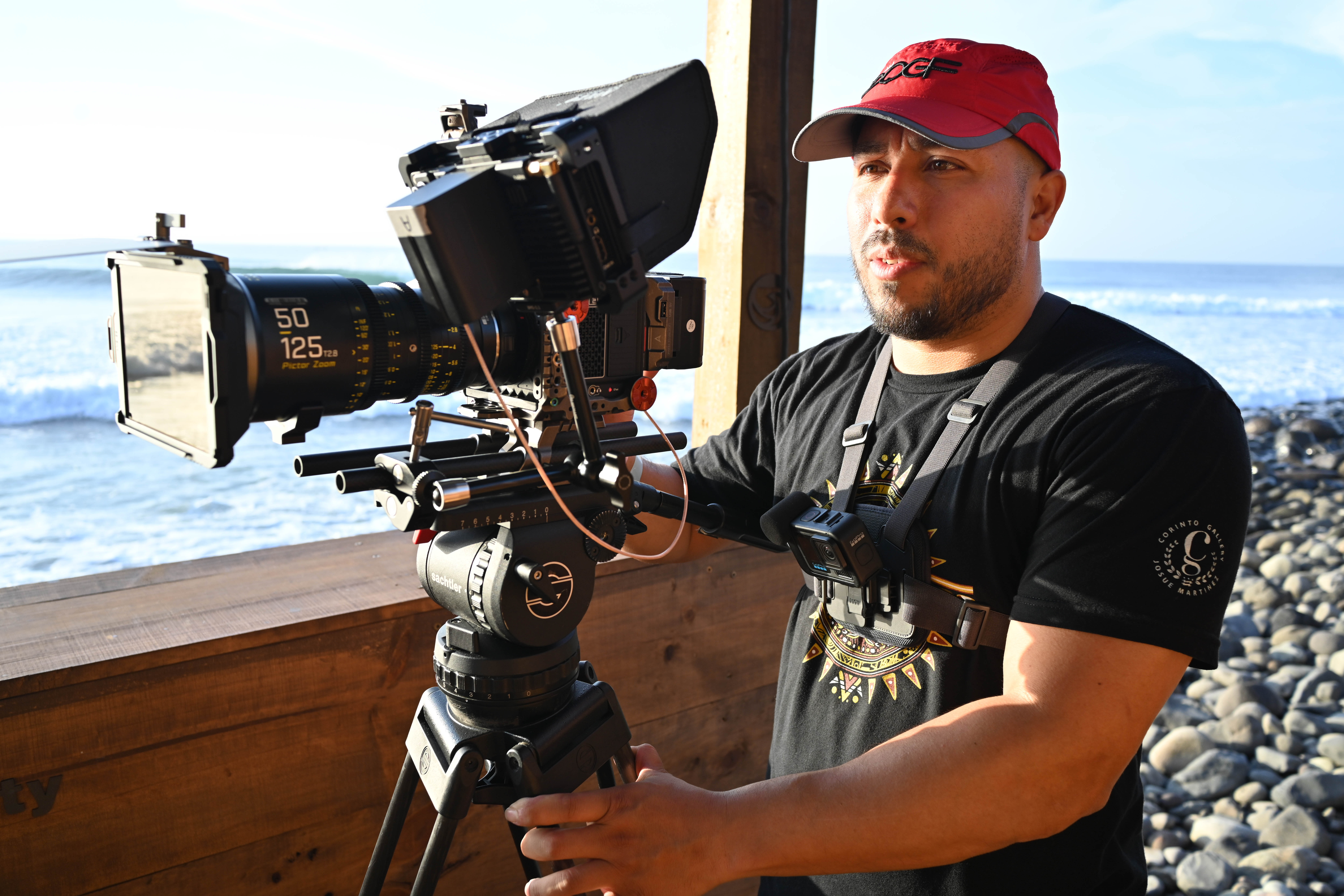
Driven by a desire to make a meaningful contribution, I chose to share a part of El Salvador's narrative through filmmaking, which led me to surfing—a sport that had long been overlooked. In light of the transformative changes occurring in the country, this film has gained significance. We aim to address questions like: How did surfing gain such prominence? When did it first arrive in the country? And how is it positively influencing the nation today? Beyond enhancing the country’s image, it has also generated thousands of jobs. Our goal is to explore these questions while providing a platform for the people to express their concerns about current events.
.png)
Who's in it?
This film will delve into the early history of surfing in El Salvador, featuring interviews with journalists Craig Peterson, Kevin Naughton, Salvador Castellanos, and Mario Amaya. Their insights will help us illustrate what surfing was like during its inception. Additionally, we will profile professional surfers Bryan Perez, the first Salvadoran to compete in the Olympics, and Henry Salinas, who has traveled throughout Latin America representing El Salvador.
Representation matters
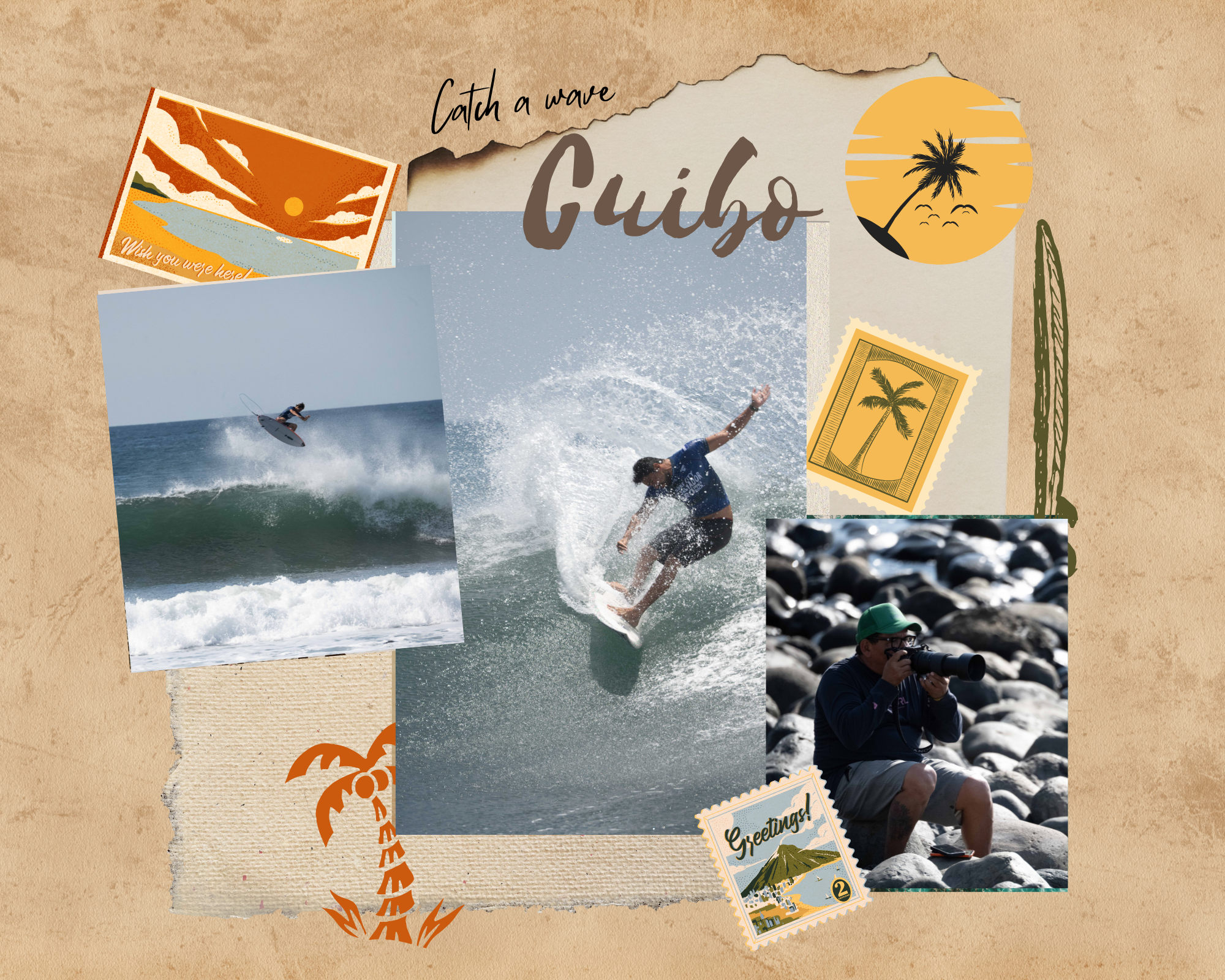
As a young journalist in Los Angeles, I noticed a significant lack of representation of the Salvadoran community, despite Salvadorans being the second-largest Spanish-speaking minority in Los Angeles and the largest in the greater Washington D.C. metro area, including Maryland and Virginia. Our stories have often gone untold or been overlooked, and when they were shared, it was typically through the lens of those unfamiliar with El Salvador. This realization has motivated me to continue telling the stories of my community and using my voice to shed light on a country that has been unjustly demonized for too long.
Where we currently stand
We are now entering the post-production phase but need your support to bring this project to fruition. This campaign is designed to raise funds for film editing, licensing photos, videos, and music that depict El Salvador in the 1970s. The funds will also cover insurance costs and support one final trip to El Salvador for B-roll footage and interviews to complete the production. Our goal is to have the film ready by late Spring or early Summer 2026.
Following the completion, we will embark on a journey to showcase the film at various film festivals across the U.S., Europe, and Central America. Special screenings will be held for supporters in cities like D.C. and Los Angeles. For those unable to attend, a special link will be provided for viewing. We kindly ask you to follow us on all social media platforms and share this crowdfunding campaign with friends and family who may be interested in supporting this movement.
Check out the trailer
Wishlist
Use the WishList to Pledge cash and Loan items - or - Make a pledge by selecting an Incentive directly.
Editor
Costs $2,000
An editor is crucial to get the right shots on video. Our team will have multiple editors to tell the best story possible.
Music Licensinng
Costs $3,000
Music helps us recognize specific moments during a film. Wether they are happy or sad they evoke emotions.
Colorist
Costs $2,000
Every film needs to have the right colors. Not to bright and not too dark, a colorist brings images to live.
Picture and Video License
Costs $3,000
For the usage of old photos and videos of El Salvador from back in the 1970's when Surf first arrived in the country.
Audio Engineer
Costs $2,000
A great film has amazing audio mixing and in order to make sure we hit all the right spots, we need someone with experience.
E&O production insurance
Costs $2,000
Just in case someone shows up on camera and they were not suppose to be there. This insurance protects us from possible lawsuits.
English-Spanish subtitles
Costs $2,000
This film will include English and Spanish subtitles for our audience.
Quality Control
Costs $2,000
This step conducted by a third party company assures us the film will be ready to be screened without issues.
Film Festivals
Costs $2,000
We plan on attending more than 20 film festivals across the country and overseas to showcase this film.
Cash Pledge
Costs $0


Direct link:
Share this update!
About This Team
MEET THE SQUAD
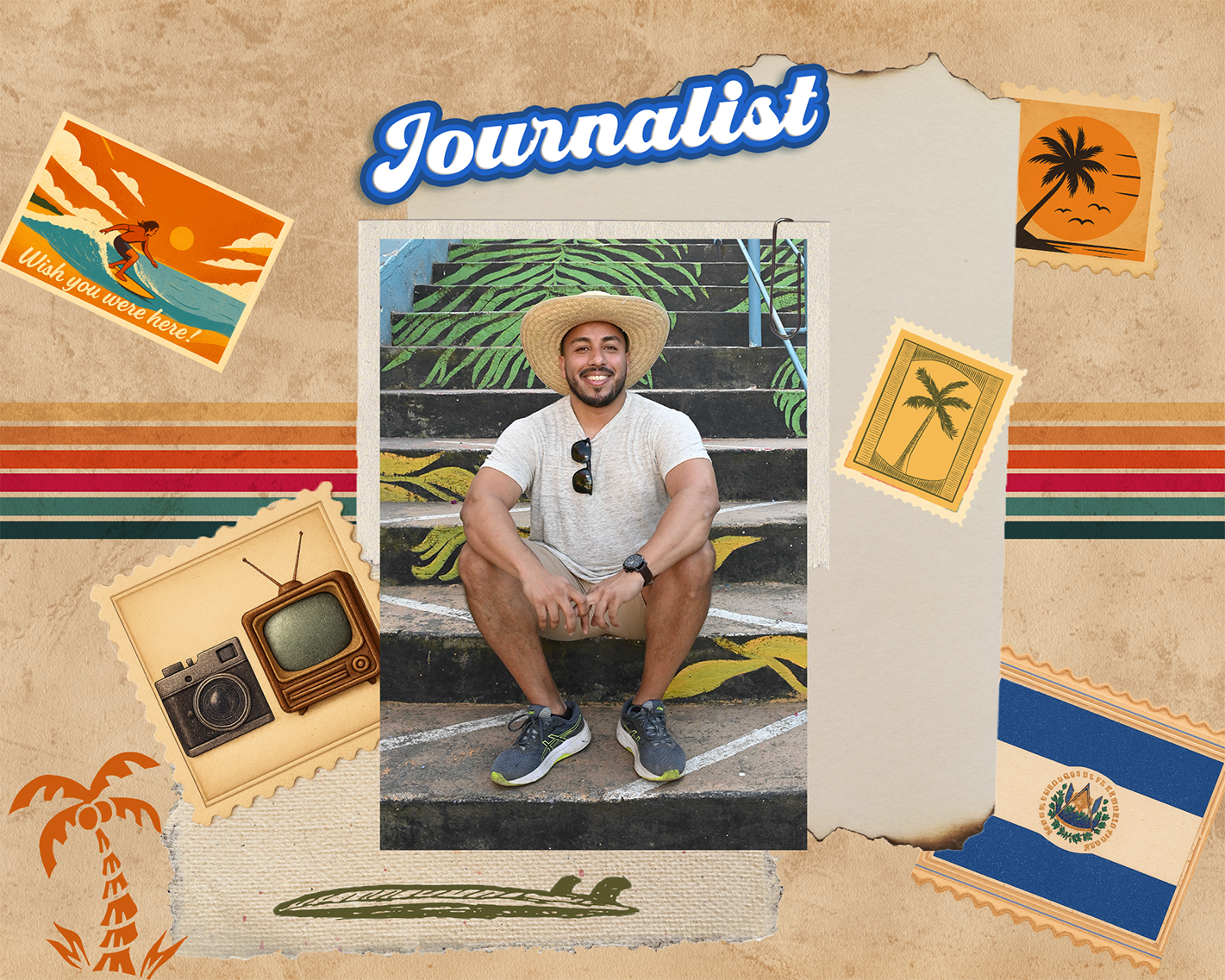 La Tierra del Surf is a heartfelt initiative created by a dedicated team of professionals who value the impact of storytelling. At the helm is Moisés Linares, an Emmy Award-winning sports journalist and Salvadoran American whose family escaped Salvador during the Civil War. Now, he is committed to giving back through film. Driven by his passion for sports, Moisés embarks on a journey to share the story of an unexpected sport in a country where "futbol" typically reigns supreme.
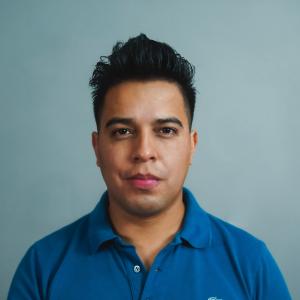
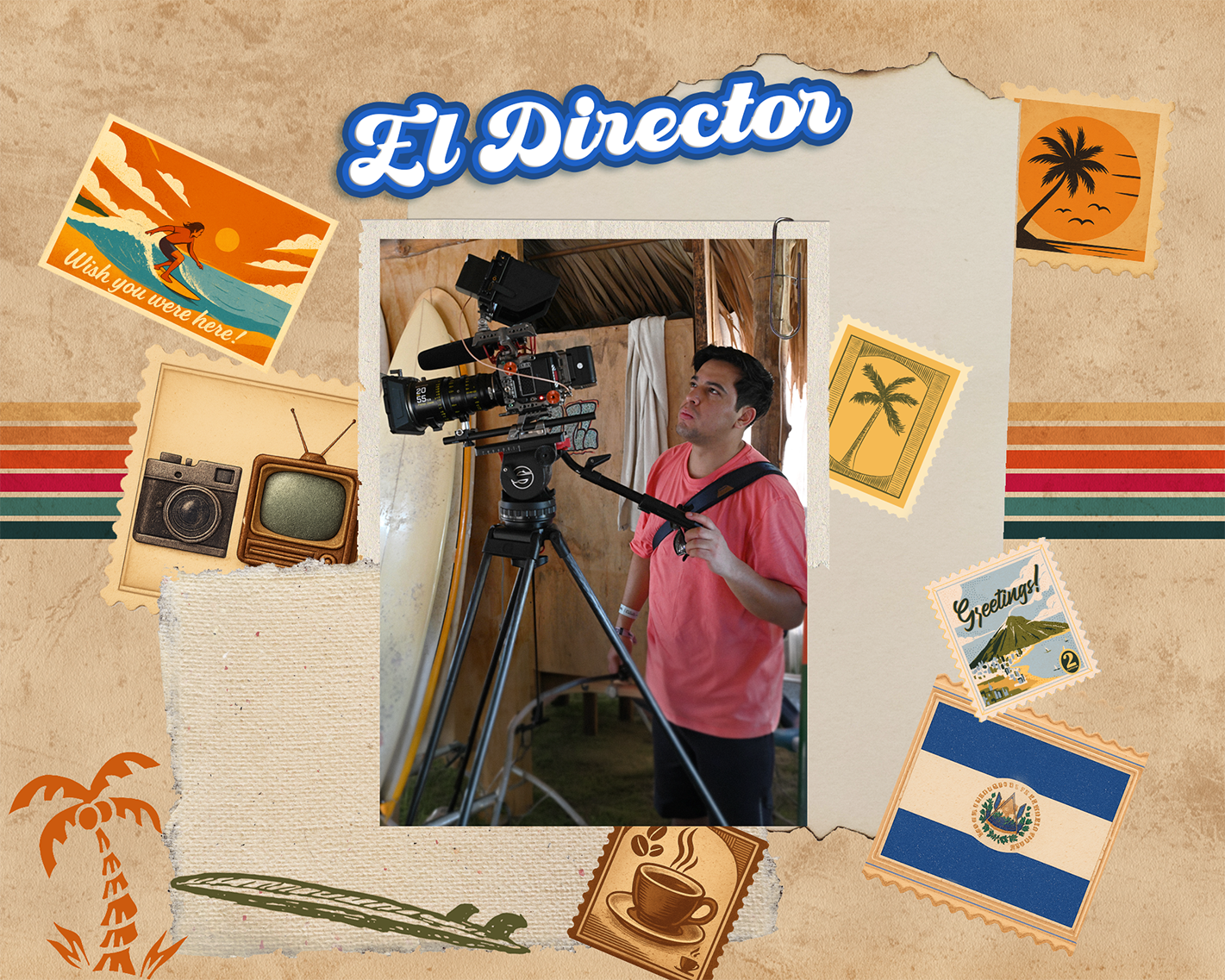 Juosseef Alba, popularly known as "Hertz"—yes, just like the car rental company—is a Multi-Emmy Award-winning director from Bolivia. His deep affection for the Salvadoran community in the United States inspired him to firsthand explore El Salvador to tell the story of a country that has often been overlooked. Whether setting up cameras or capturing breathtaking sunrises and sunsets, Hertz is truly a master of his craft.
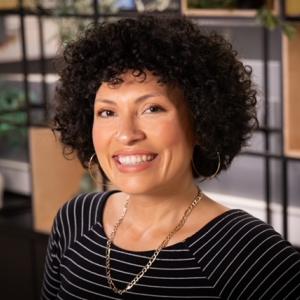
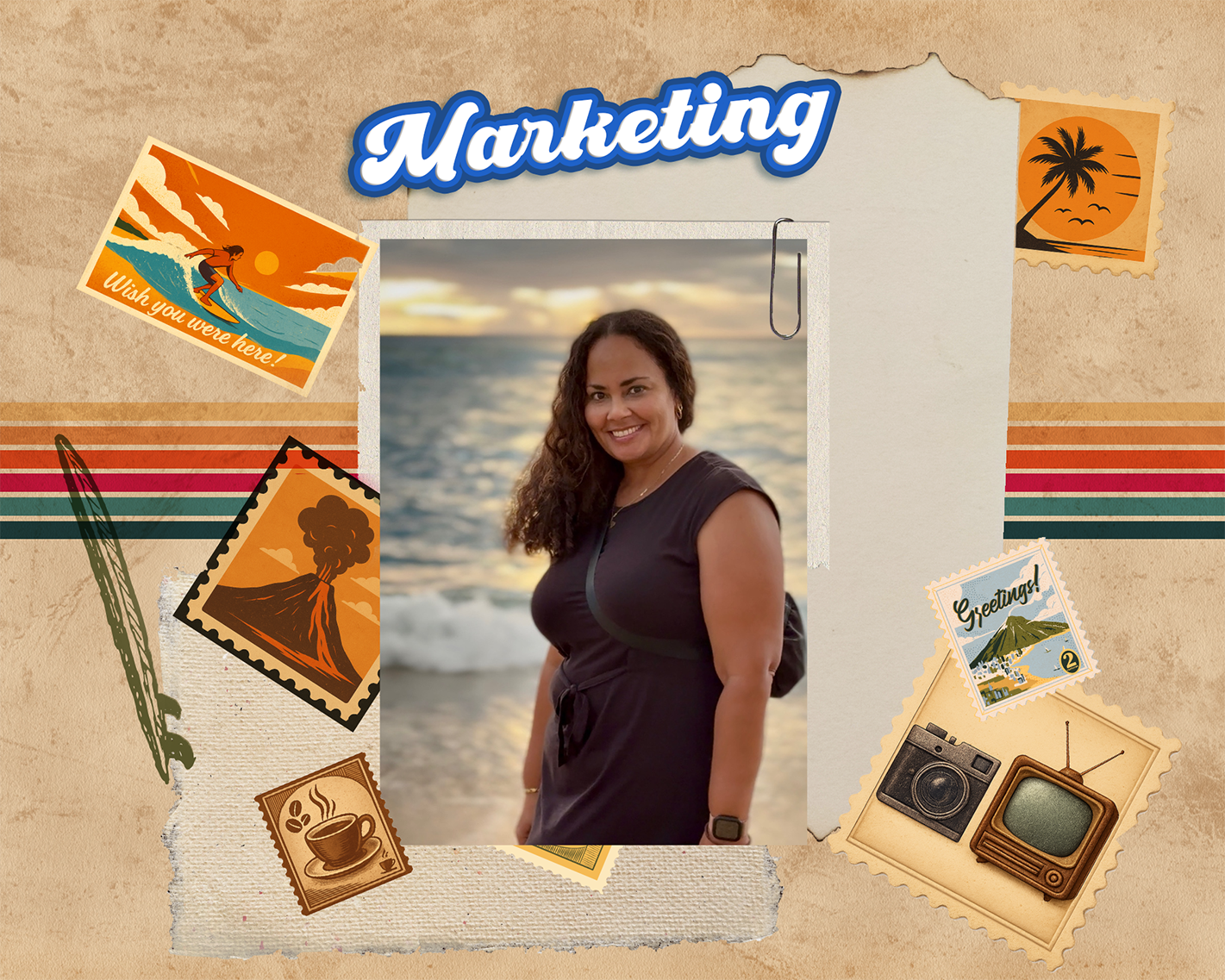 Cynthia Martínez, a proud Puerto Rican and marketing professional, has successfully steered marketing efforts for organizations like ZGS Communications and the University of Maryland. Her selfless dedication to serving others sets her apart. In her role at La Tierra Del Surf, Cynthia leads all marketing initiatives. She holds a deep appreciation for the Salvadoran community, who have been her cherished neighbors and friends in the DMV area for years.
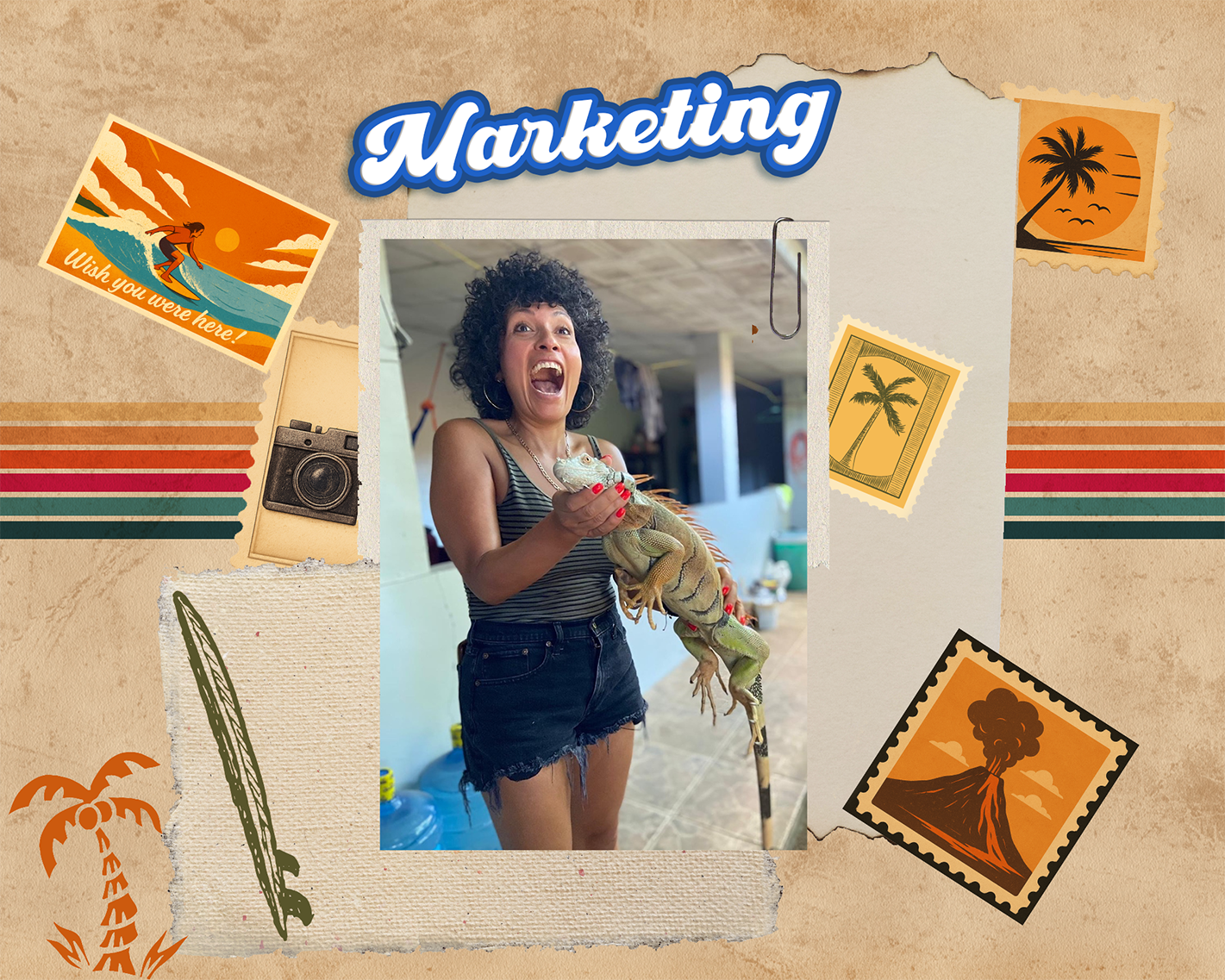 If the saying "it takes a village" holds any truth, then Linda Fuentes is undoubtedly the glue that binds it all together. A Salvadoran American, Linda's family immigrated to the United States in search of better opportunities during the 1970s. Now that it has become a safe place to visit, she has been able to reconnect with El Salvador; marvel at the beauty of its countless volcanoes and picturesque beaches, just as she did as a child. As a member of the marketing team for La Tierra Del Surf, she is dedicated to this movement and gathering support for this film. Linda is planning her first surf lesson in El Salvador, where the surf scene continues to flourish each year.
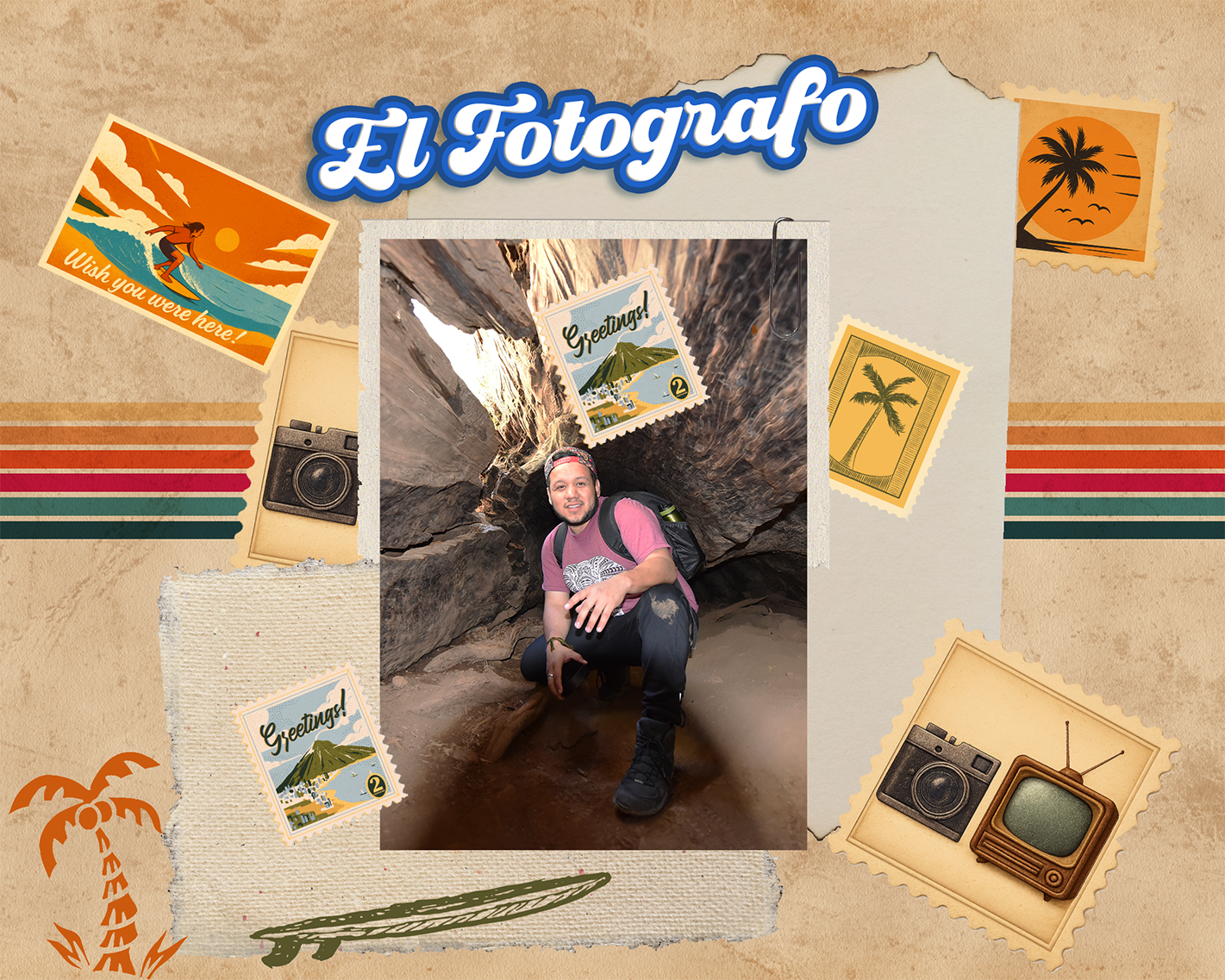 Josue Guajan is one of the kindest individuals you'll ever encounter, yet he transforms into a powerful force with a camera in hand. From capturing raw emotion to creating timeless portraits, Josue has played a crucial role in the visuals of La Tierra Del Surf. Born in Chicago to a Guatemalan family, he has embraced his father's passion for media. It's safe to say that the art of intentional photography runs in the family.



Incentives
- The Story
- Wishlist
- Updates
- The Team
- Community
Mission Statement
The Story
The Story
For decades, El Salvador, the smallest country in Central America, was dubbed the murder capital of the world, ravaged by a brutal civil war and rampant gang violence that tore families apart. Many who fled would never reunite with their loved ones. Yet, fifty years later, this country has made an astonishing turnaround that has captured global attention—thanks in part to an unlikely hero; surfing. Once known for death and violence, El Salvador is now celebrated for its stunning surfing beaches and vibrant competitions.
Although the story of surfing in El Salvador predates the war and gang violence, it has evolved from a lifestyle into a popular sport with a rich history spanning over five decades. This film aims to chronicle the growth of surfing that began in the 1960s on the coast of La Libertad, an area that now attracts thousands of surfers annually and hosts some of the world’s premier competitions.
Craig Peterson and Kevin Naughton, both residents of Southern California, are among the pioneers of journalism focused on El Salvador's surf scene. They have compiled a rich collection of articles and images that capture a different side of El Salvador during the 1970s.
Who I am
My name is Moisés Linares, a Salvadoran American sports journalist. My family fled El Salvador during the Civil War and settled in Los Angeles. As a first-generation Salvadoran born in LA, I have often pondered my roots and the reasons for my family's departure. This curiosity has fueled my journey to reconnect with my heritage since my high school years.
Driven by a desire to make a meaningful contribution, I chose to share a part of El Salvador's narrative through filmmaking, which led me to surfing—a sport that had long been overlooked. In light of the transformative changes occurring in the country, this film has gained significance. We aim to address questions like: How did surfing gain such prominence? When did it first arrive in the country? And how is it positively influencing the nation today? Beyond enhancing the country’s image, it has also generated thousands of jobs. Our goal is to explore these questions while providing a platform for the people to express their concerns about current events.
Who's in it?
This film will delve into the early history of surfing in El Salvador, featuring interviews with journalists Craig Peterson, Kevin Naughton, Salvador Castellanos, and Mario Amaya. Their insights will help us illustrate what surfing was like during its inception. Additionally, we will profile professional surfers Bryan Perez, the first Salvadoran to compete in the Olympics, and Henry Salinas, who has traveled throughout Latin America representing El Salvador.
Representation matters
As a young journalist in Los Angeles, I noticed a significant lack of representation of the Salvadoran community, despite Salvadorans being the second-largest Spanish-speaking minority in Los Angeles and the largest in the greater Washington D.C. metro area, including Maryland and Virginia. Our stories have often gone untold or been overlooked, and when they were shared, it was typically through the lens of those unfamiliar with El Salvador. This realization has motivated me to continue telling the stories of my community and using my voice to shed light on a country that has been unjustly demonized for too long.
Where we currently stand
We are now entering the post-production phase but need your support to bring this project to fruition. This campaign is designed to raise funds for film editing, licensing photos, videos, and music that depict El Salvador in the 1970s. The funds will also cover insurance costs and support one final trip to El Salvador for B-roll footage and interviews to complete the production. Our goal is to have the film ready by late Spring or early Summer 2026.
Following the completion, we will embark on a journey to showcase the film at various film festivals across the U.S., Europe, and Central America. Special screenings will be held for supporters in cities like D.C. and Los Angeles. For those unable to attend, a special link will be provided for viewing. We kindly ask you to follow us on all social media platforms and share this crowdfunding campaign with friends and family who may be interested in supporting this movement.
Check out the trailer
Wishlist
Use the WishList to Pledge cash and Loan items - or - Make a pledge by selecting an Incentive directly.
Editor
Costs $2,000
An editor is crucial to get the right shots on video. Our team will have multiple editors to tell the best story possible.
Music Licensinng
Costs $3,000
Music helps us recognize specific moments during a film. Wether they are happy or sad they evoke emotions.
Colorist
Costs $2,000
Every film needs to have the right colors. Not to bright and not too dark, a colorist brings images to live.
Picture and Video License
Costs $3,000
For the usage of old photos and videos of El Salvador from back in the 1970's when Surf first arrived in the country.
Audio Engineer
Costs $2,000
A great film has amazing audio mixing and in order to make sure we hit all the right spots, we need someone with experience.
E&O production insurance
Costs $2,000
Just in case someone shows up on camera and they were not suppose to be there. This insurance protects us from possible lawsuits.
English-Spanish subtitles
Costs $2,000
This film will include English and Spanish subtitles for our audience.
Quality Control
Costs $2,000
This step conducted by a third party company assures us the film will be ready to be screened without issues.
Film Festivals
Costs $2,000
We plan on attending more than 20 film festivals across the country and overseas to showcase this film.
Cash Pledge
Costs $0
Direct link:
Share this update!
About This Team
MEET THE SQUAD
La Tierra del Surf is a heartfelt initiative created by a dedicated team of professionals who value the impact of storytelling. At the helm is Moisés Linares, an Emmy Award-winning sports journalist and Salvadoran American whose family escaped Salvador during the Civil War. Now, he is committed to giving back through film. Driven by his passion for sports, Moisés embarks on a journey to share the story of an unexpected sport in a country where "futbol" typically reigns supreme.
Juosseef Alba, popularly known as "Hertz"—yes, just like the car rental company—is a Multi-Emmy Award-winning director from Bolivia. His deep affection for the Salvadoran community in the United States inspired him to firsthand explore El Salvador to tell the story of a country that has often been overlooked. Whether setting up cameras or capturing breathtaking sunrises and sunsets, Hertz is truly a master of his craft.
Cynthia Martínez, a proud Puerto Rican and marketing professional, has successfully steered marketing efforts for organizations like ZGS Communications and the University of Maryland. Her selfless dedication to serving others sets her apart. In her role at La Tierra Del Surf, Cynthia leads all marketing initiatives. She holds a deep appreciation for the Salvadoran community, who have been her cherished neighbors and friends in the DMV area for years.
If the saying "it takes a village" holds any truth, then Linda Fuentes is undoubtedly the glue that binds it all together. A Salvadoran American, Linda's family immigrated to the United States in search of better opportunities during the 1970s. Now that it has become a safe place to visit, she has been able to reconnect with El Salvador; marvel at the beauty of its countless volcanoes and picturesque beaches, just as she did as a child. As a member of the marketing team for La Tierra Del Surf, she is dedicated to this movement and gathering support for this film. Linda is planning her first surf lesson in El Salvador, where the surf scene continues to flourish each year.
Josue Guajan is one of the kindest individuals you'll ever encounter, yet he transforms into a powerful force with a camera in hand. From capturing raw emotion to creating timeless portraits, Josue has played a crucial role in the visuals of La Tierra Del Surf. Born in Chicago to a Guatemalan family, he has embraced his father's passion for media. It's safe to say that the art of intentional photography runs in the family.