Left Lane Straight
Cold Spring, New York | Film Feature
Documentary, History
In conversation with elders and experts, filmmaker Caroline Kaye recounts the plight and pluck of her Greek-Jewish kin, following the threads of expulsion and estrangement, which brought this Sephardic family closer together while expanding the borders of their identity.
Left Lane Straight
Cold Spring, New York | Film Feature
Documentary, History

1 Campaigns | New York, United States
Green Light
This campaign raised $31,619 for post-production. Follow the filmmaker to receive future updates on this project.
161 supporters | followers
Enter the amount you would like to pledge
In conversation with elders and experts, filmmaker Caroline Kaye recounts the plight and pluck of her Greek-Jewish kin, following the threads of expulsion and estrangement, which brought this Sephardic family closer together while expanding the borders of their identity.
About The Project


- The Story
- Wishlist
- Updates
- The Team
- Community
Mission Statement
The Story
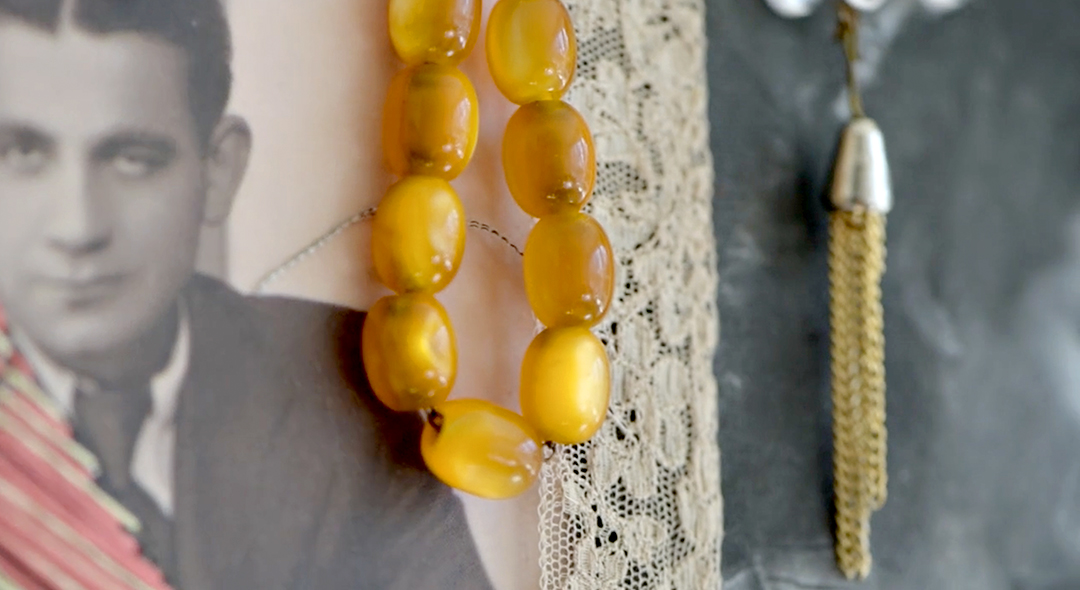
How did the Alhanatis survive the Inquisition, Ottoman Empire, Balkan Wars, two World Wars and the Holocaust? As a family.
Director Caroline Kaye thought she knew her Nona’s story: In 1943, Carolina Varon fled the port city of Kavala alone to be with her fiancé in the relative safety of southern Greece. One month later, Bulgarian soldiers rounded up the entire Jewish population of Northeastern Greece and sent them to their deaths. Now, 80 years later, Kaye peers past a foreground of boisterous family gatherings to reconcile the nuanced truth behind her family’s tragic past and their apparent joy.
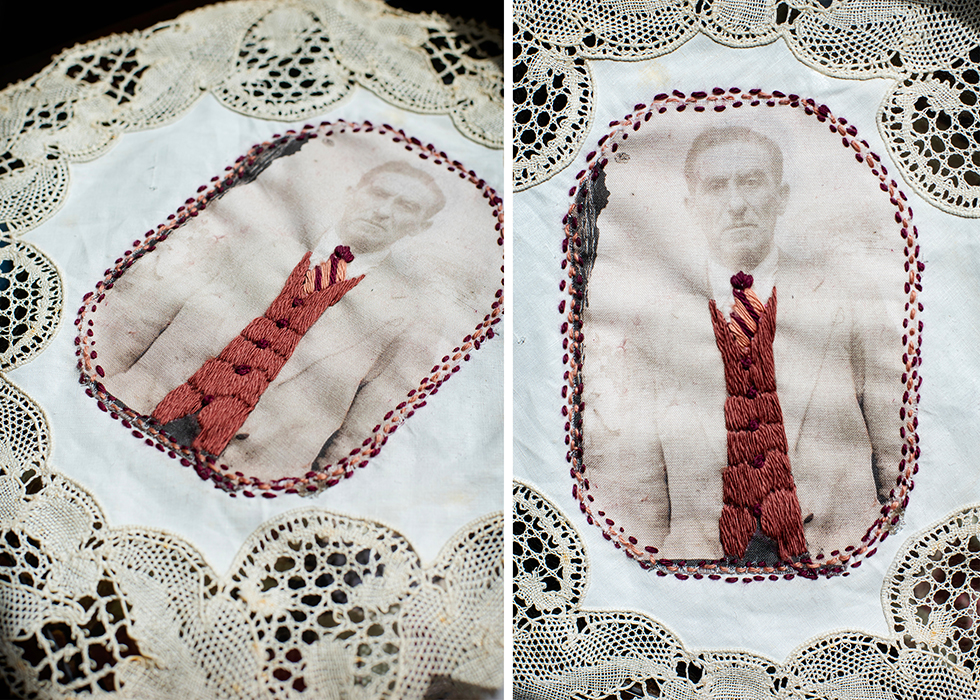
The film begins in 1990s Hallandale, Florida, where the extended Alhanati family is celebrating Daniel Alhanati's 80th birthday in a flurry of festivity, food and lace curtains. Filmed over 30 years, Kaye unravels the realities of WWII, the Holocaust, and its aftermath for a part of the world whose story has largely been untold. She navigates her family's history through art and embroidery, blurring the boundaries between past and present.
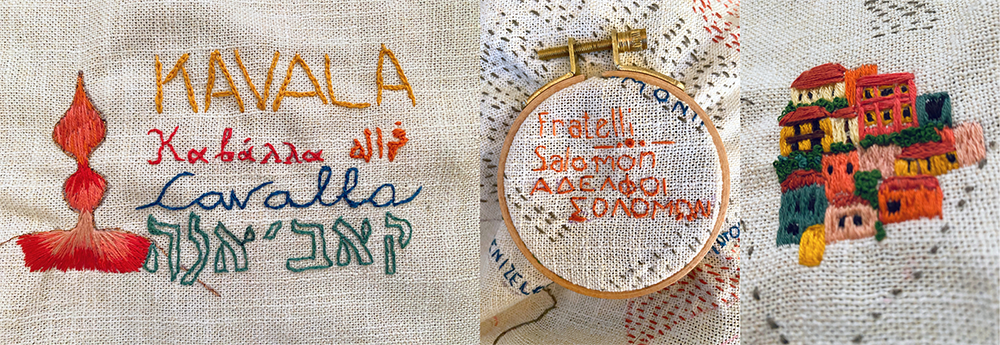
Kaye transports viewers back to the late 1930s in the picturesque mountain-city Kavala. There, her Nona, Carolina Varon, and her Nono, Daniel Alhanati, meet, and romance blossoms as the European political climate shifts dramatically. Historians Dina Danon and Devin Naar provide invaluable context, shedding light on the consequences faced by Sephardic Jews as the Ottoman Empire transitions into Nation States, and the family makes choices that inform their survival.
In the 1940s, as tensions rise, Daniel faces the brutality of Bulgarian occupation and narrowly survives a massacre of Greek men. Carolina leaves behind her family and undertakes the harrowing journey through Bulgarian- and German-occupied Greece to join him in the Italian-zone—one of many heart-wrenching choices that shape their intertwined lives.
The narratives of heroism shift, as Kaye reveals the fragmented stories of survival among family members who found refuge with partisans in the mountains, Greek-Christians in Athens, and even within the deceptive walls of one unique Bulgarian labor camp. In conversation with Holocaust historians Michael Berenbaum and Vasilis Ritzaleos, Kaye pieces together how her family survived.
Post-liberation, the family’s challenges have barely begun. With only 2% of the Jewish population in this region returning, the Alhanati family relocates to Brooklyn, NY, where they were ostracized—this time by fellow Jews:
“How can you be Jewish if you don't speak Yiddish?”
Personal 8 mm footage depicts shoppers crowding New York’s Orchard Street, on the Lower East Side. Thea Bella explains how the tight-knit family ended up there, and which storefronts belonged to whom. Cousin Gracie talks about working winters there: The men played refugee-poker while kids folded boxes. Kaye’s journey culminates with a profound realization: heroes can be obscured, heritage can be misunderstood, and freedom comes at a price.
Your pledge can go towards our edit, our sound correction or creating our magnificent cross cultural score. With a successful campaign we intend to have these pieces complete by spring of 2024!
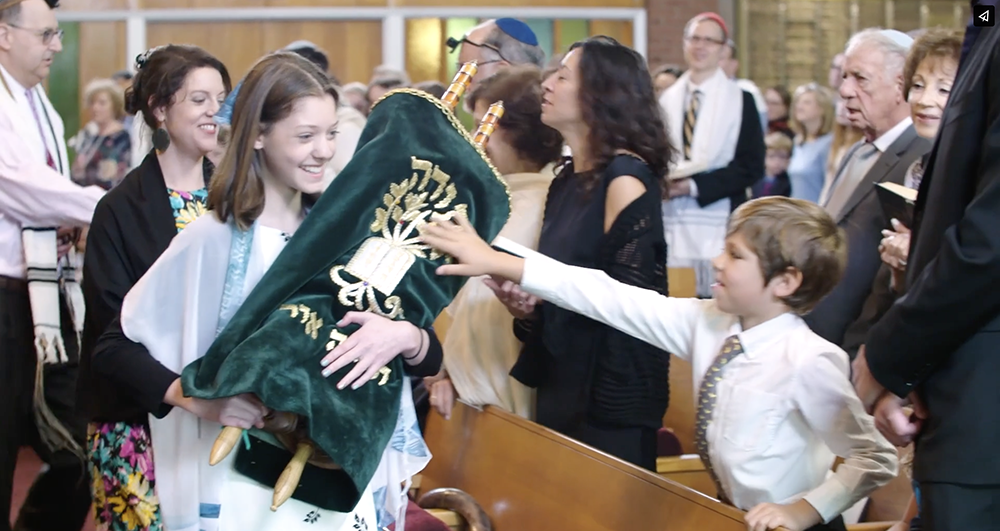
In today's world, it's incredibly important to find commonalities. We hope to use this film not only to educate about the Holocaust in this region, but also to empower people to embrace their own complex identities.
Wishlist
Use the WishList to Pledge cash and Loan items - or - Make a pledge by selecting an Incentive directly.
THE FINE CUT EDIT
Costs $22,000
We have a fantastic editor who's made her way through 30 years and 6 formats of footage to create our assembly. It’s time for the fun part!
SCORE/COMPOSER
Costs $10,000
Our score is vital to bringing this story together. This will be the unifier taking us across continents, cultures, generations and decades.
SOUND DESIGN
Costs $5,000
Over 30 years of interviews means we have encountered every sound issue possible! With a skilled designer, we are able to smooth it all out.
Cash Pledge
Costs $0


Direct link:
Share this update!
About This Team
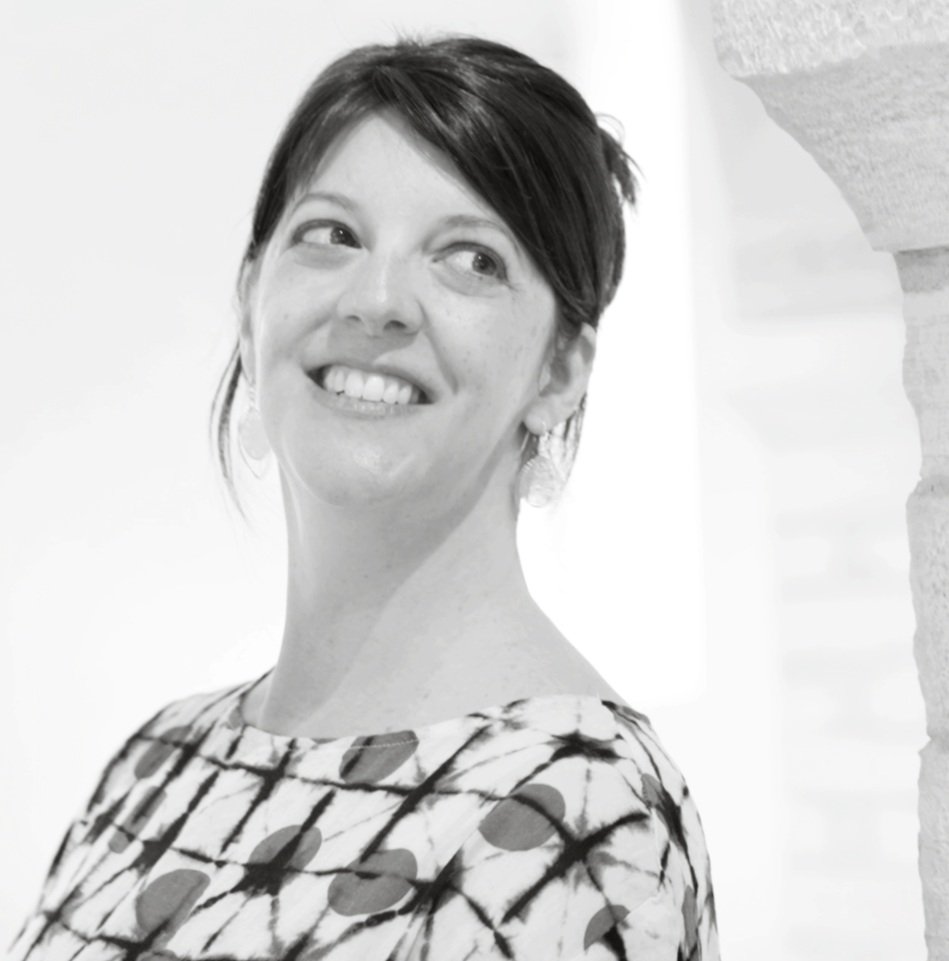 Caroline Kaye is a journalist and photographer who has spent the past twenty years profiling inspiring women. She started at Good Housekeeping magazine and wrote for Teen People and Salon.com before becoming a contributing editor at More magazine. Her highlight at More was visiting the Greek island of Ikaria to profile Greek-American chef Diane Kochilas. Caroline studied Judaic and Near Eastern Studies at Oberlin College, where she would combine her focus on Sephardic Jewry with her grandparents' intimate stories. While researching her grandparents' seemingly romantic love story for this project, Caroline unraveled a multilayered and complex tale of survival, tenacity, love, and joy. Caroline has spent more than half of her life learning about her Greek-Jewish family and capturing memories from the generation that survived WWII. She was the staff photographer for Curious Jane magazine and her photography can be seen at carolinekayephotography.com.
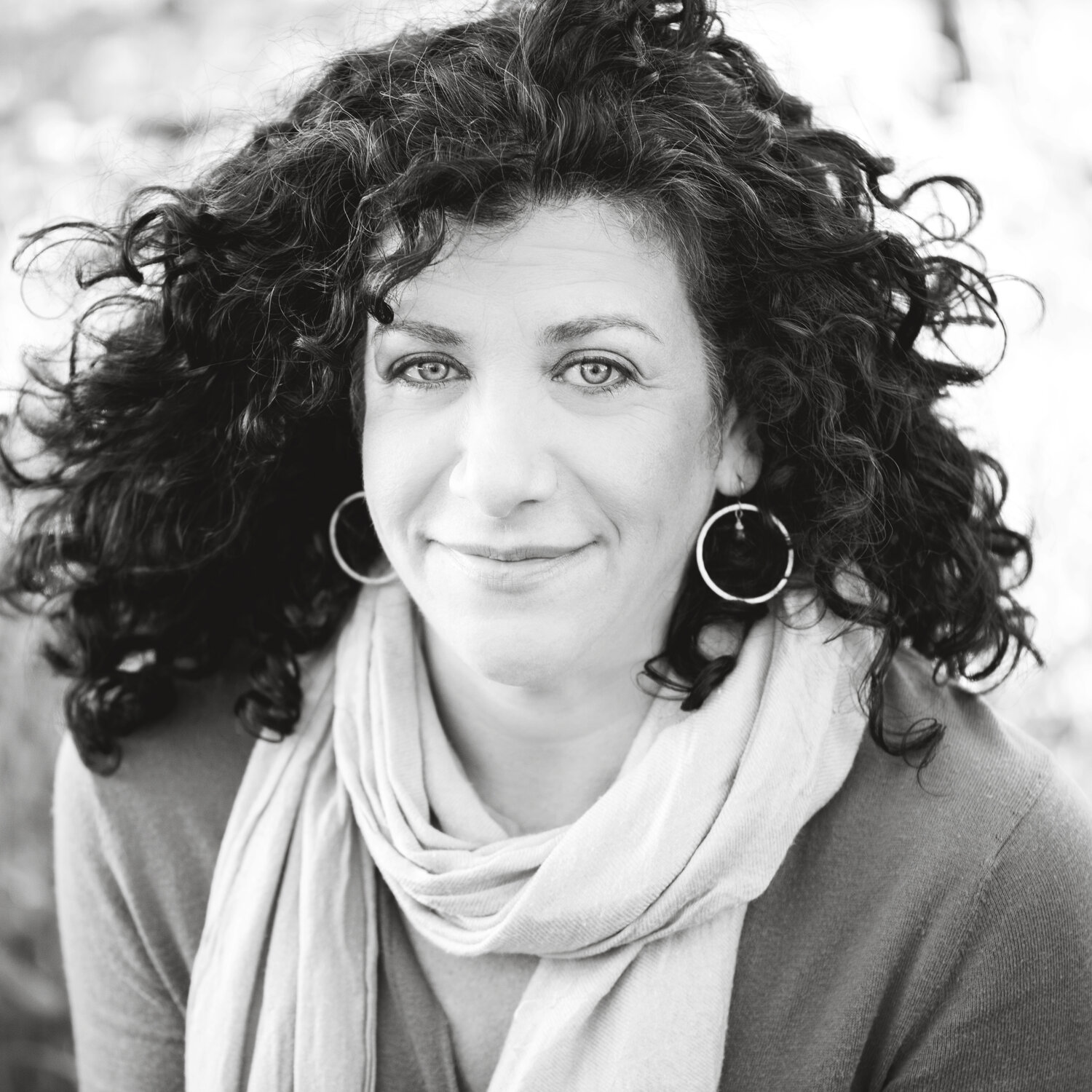
Deana Morenoff (Producer) has produced film and video for over 30 years, customizing production teams to deliver creative services to film projects and non-profits. She started at Newline Cinema, in international television and moved on to online media content production as well as arts education. As the Director of Programming and Development for the Beacon Independent Film Festival, Morenoff and a developer of the Beacon City School District Student Film Festival, she has focused on community, access and education. She has helped guide Kaye through her transition to filmmaker, crafting a strong team, building infrastructure, supporting the development of Kaye’s vision and steering her through post-production, and outreach. Deana brings her creativity and love of community building to teaching Hebrew School.
Current Team
Incentives
- The Story
- Wishlist
- Updates
- The Team
- Community
Mission Statement
The Story
How did the Alhanatis survive the Inquisition, Ottoman Empire, Balkan Wars, two World Wars and the Holocaust? As a family.
Director Caroline Kaye thought she knew her Nona’s story: In 1943, Carolina Varon fled the port city of Kavala alone to be with her fiancé in the relative safety of southern Greece. One month later, Bulgarian soldiers rounded up the entire Jewish population of Northeastern Greece and sent them to their deaths. Now, 80 years later, Kaye peers past a foreground of boisterous family gatherings to reconcile the nuanced truth behind her family’s tragic past and their apparent joy.
The film begins in 1990s Hallandale, Florida, where the extended Alhanati family is celebrating Daniel Alhanati's 80th birthday in a flurry of festivity, food and lace curtains. Filmed over 30 years, Kaye unravels the realities of WWII, the Holocaust, and its aftermath for a part of the world whose story has largely been untold. She navigates her family's history through art and embroidery, blurring the boundaries between past and present.
Kaye transports viewers back to the late 1930s in the picturesque mountain-city Kavala. There, her Nona, Carolina Varon, and her Nono, Daniel Alhanati, meet, and romance blossoms as the European political climate shifts dramatically. Historians Dina Danon and Devin Naar provide invaluable context, shedding light on the consequences faced by Sephardic Jews as the Ottoman Empire transitions into Nation States, and the family makes choices that inform their survival.
In the 1940s, as tensions rise, Daniel faces the brutality of Bulgarian occupation and narrowly survives a massacre of Greek men. Carolina leaves behind her family and undertakes the harrowing journey through Bulgarian- and German-occupied Greece to join him in the Italian-zone—one of many heart-wrenching choices that shape their intertwined lives.
The narratives of heroism shift, as Kaye reveals the fragmented stories of survival among family members who found refuge with partisans in the mountains, Greek-Christians in Athens, and even within the deceptive walls of one unique Bulgarian labor camp. In conversation with Holocaust historians Michael Berenbaum and Vasilis Ritzaleos, Kaye pieces together how her family survived.
Post-liberation, the family’s challenges have barely begun. With only 2% of the Jewish population in this region returning, the Alhanati family relocates to Brooklyn, NY, where they were ostracized—this time by fellow Jews:
“How can you be Jewish if you don't speak Yiddish?”
Personal 8 mm footage depicts shoppers crowding New York’s Orchard Street, on the Lower East Side. Thea Bella explains how the tight-knit family ended up there, and which storefronts belonged to whom. Cousin Gracie talks about working winters there: The men played refugee-poker while kids folded boxes. Kaye’s journey culminates with a profound realization: heroes can be obscured, heritage can be misunderstood, and freedom comes at a price.
Your pledge can go towards our edit, our sound correction or creating our magnificent cross cultural score. With a successful campaign we intend to have these pieces complete by spring of 2024!
In today's world, it's incredibly important to find commonalities. We hope to use this film not only to educate about the Holocaust in this region, but also to empower people to embrace their own complex identities.
Wishlist
Use the WishList to Pledge cash and Loan items - or - Make a pledge by selecting an Incentive directly.
THE FINE CUT EDIT
Costs $22,000
We have a fantastic editor who's made her way through 30 years and 6 formats of footage to create our assembly. It’s time for the fun part!
SCORE/COMPOSER
Costs $10,000
Our score is vital to bringing this story together. This will be the unifier taking us across continents, cultures, generations and decades.
SOUND DESIGN
Costs $5,000
Over 30 years of interviews means we have encountered every sound issue possible! With a skilled designer, we are able to smooth it all out.
Cash Pledge
Costs $0
Direct link:
Share this update!
About This Team
Caroline Kaye is a journalist and photographer who has spent the past twenty years profiling inspiring women. She started at Good Housekeeping magazine and wrote for Teen People and Salon.com before becoming a contributing editor at More magazine. Her highlight at More was visiting the Greek island of Ikaria to profile Greek-American chef Diane Kochilas. Caroline studied Judaic and Near Eastern Studies at Oberlin College, where she would combine her focus on Sephardic Jewry with her grandparents' intimate stories. While researching her grandparents' seemingly romantic love story for this project, Caroline unraveled a multilayered and complex tale of survival, tenacity, love, and joy. Caroline has spent more than half of her life learning about her Greek-Jewish family and capturing memories from the generation that survived WWII. She was the staff photographer for Curious Jane magazine and her photography can be seen at carolinekayephotography.com.
Deana Morenoff (Producer) has produced film and video for over 30 years, customizing production teams to deliver creative services to film projects and non-profits. She started at Newline Cinema, in international television and moved on to online media content production as well as arts education. As the Director of Programming and Development for the Beacon Independent Film Festival, Morenoff and a developer of the Beacon City School District Student Film Festival, she has focused on community, access and education. She has helped guide Kaye through her transition to filmmaker, crafting a strong team, building infrastructure, supporting the development of Kaye’s vision and steering her through post-production, and outreach. Deana brings her creativity and love of community building to teaching Hebrew School.