Mwakenya
Austin, Texas | Film Short
Drama, History
UPDATE: We're so grateful to have reached our initial goal! Now pushing towards our stretch goal of $15000. With your support we know can get there.

Green Light
This campaign raised $13,747 for development. Follow the filmmaker to receive future updates on this project.
88 supporters | followers
Enter the amount you would like to pledge
UPDATE: We're so grateful to have reached our initial goal! Now pushing towards our stretch goal of $15000. With your support we know can get there.
About The Project


- The Story
- Wishlist
- Updates
- The Team
- Community
Mission Statement
The Story

What happens?
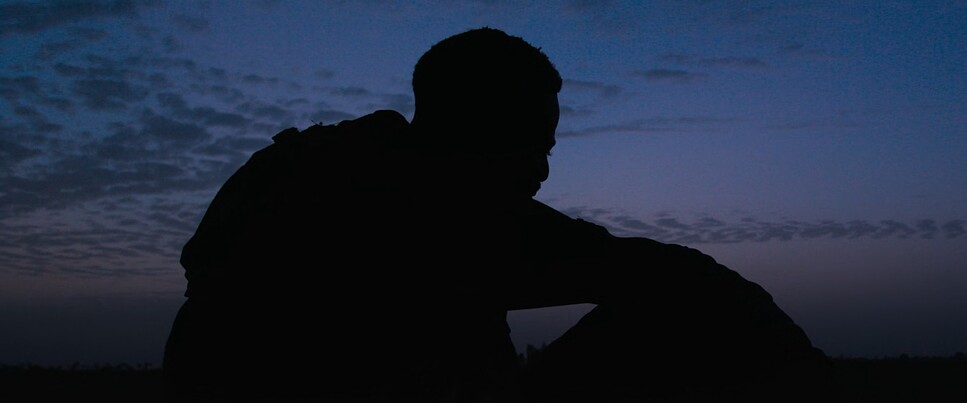
Mwakenya is a 16-minute narrative short (with documentary elements) based on a true story set in 1989 Nairobi, Kenya. The film explores the effects of political exile and draconian governance on a single family - tracing the limits of romantic love, amorphous ideas of home, and heavy burdens of civic duty. In this frenetic drama we explore one of the most violent chapters of Kenyan history through the love story of two young Kenyans - based on my parents' real life experiences. We follow Muthama, an idealistic 33 year old revolutionary Kenyan, living in exile who risks his like to cross the border when a break in communication causes him to worry about his sister and his girlfriend. Over the next few hours he receives life changing news from his girlfriend that changes his outlook on the movement.
 Kenya in 2025
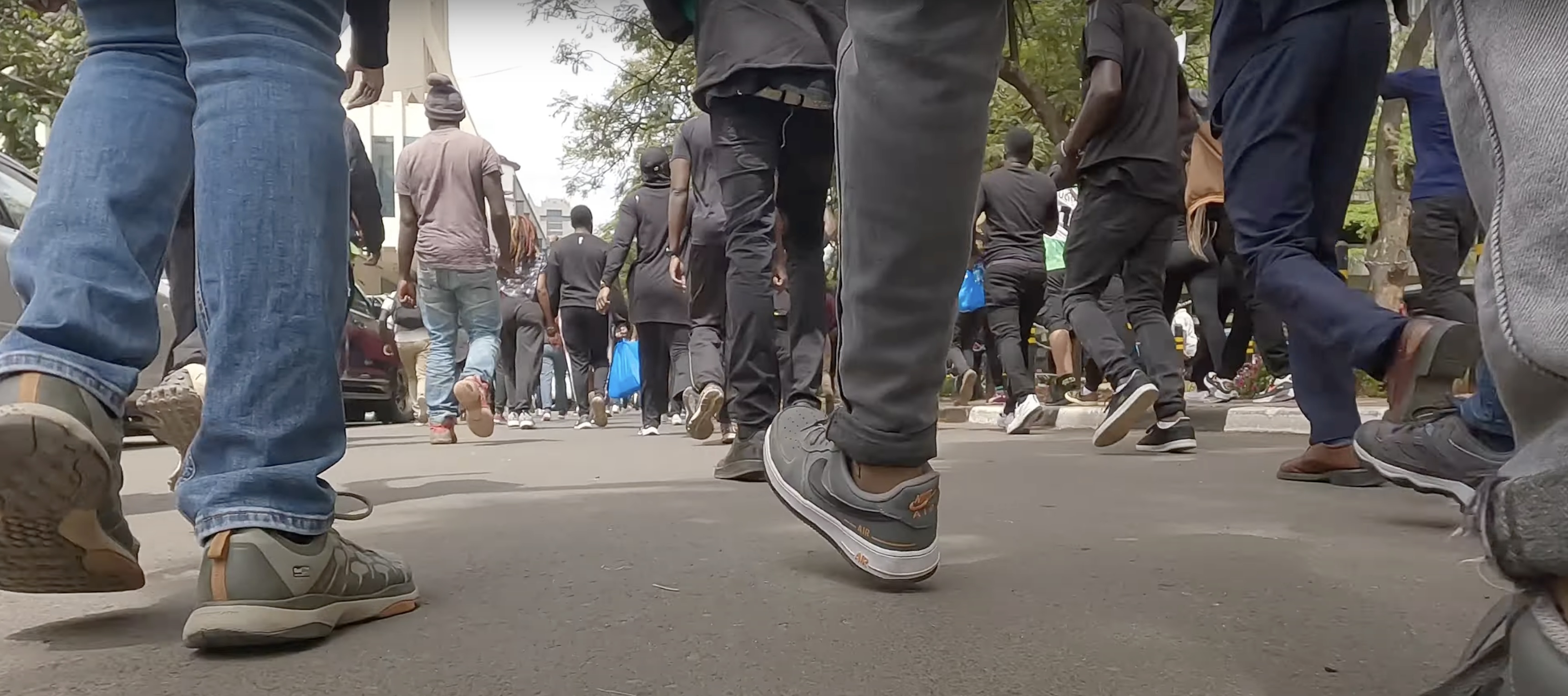
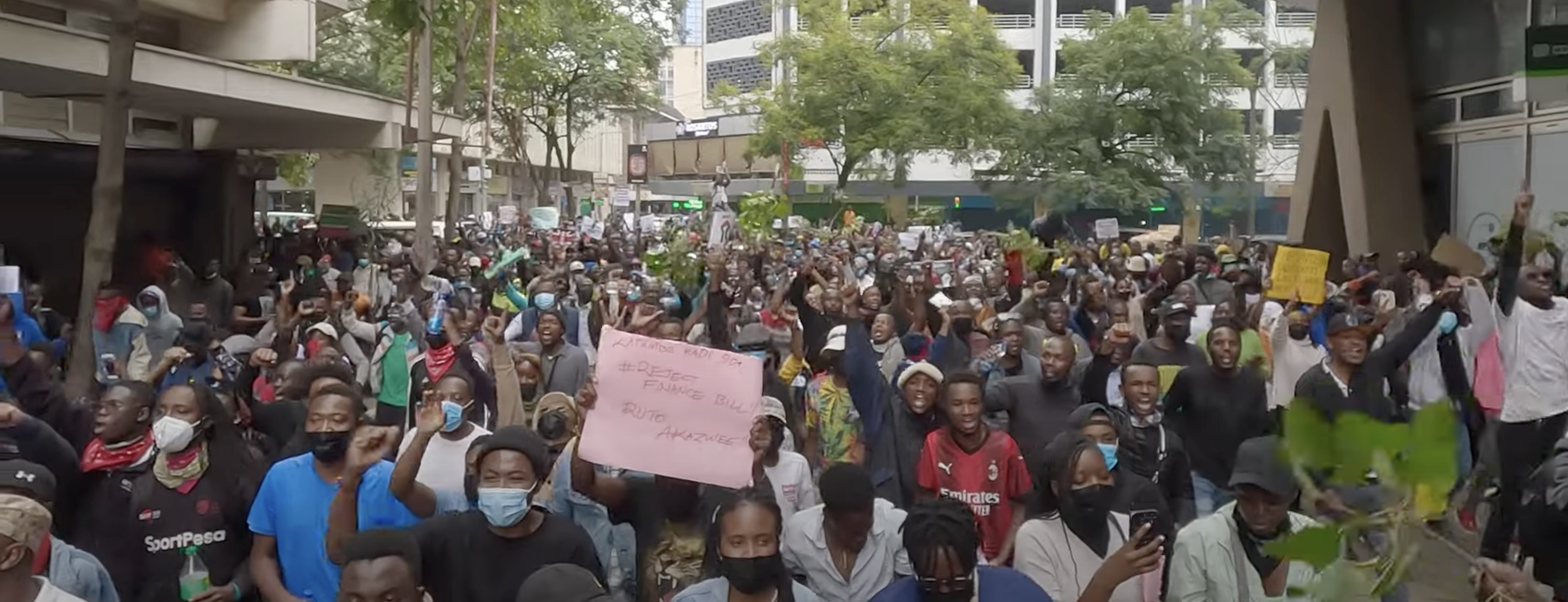
In June 2024, protests broke out in Kenya when citizens, mainly the youth, took to the streets to express their outrage at a proposed finance bill that looked to increase taxes on bread, healthcare, and sanitary pads among other things. These protests were met with extreme violence with reports of live bullets being fired in the streets as well as secret abductions of people deemed to be leaders of the movement. This violence led to calls for the president's resignation and was reminiscent of the dictatorship in the 80s.
A lasting effect of the dictatorship in the is that, to this day, people are hesitant to talk about the regime and their involvement in the movement. The result of this is that when protests broke out in Kenya this year many saw no connection to the revolutionary spirit from the 80s which can serve as inspiration, blueprint, and warning. The film is crafted to help draw this connection.
 (Image Credits: Mwangi Kirubi)
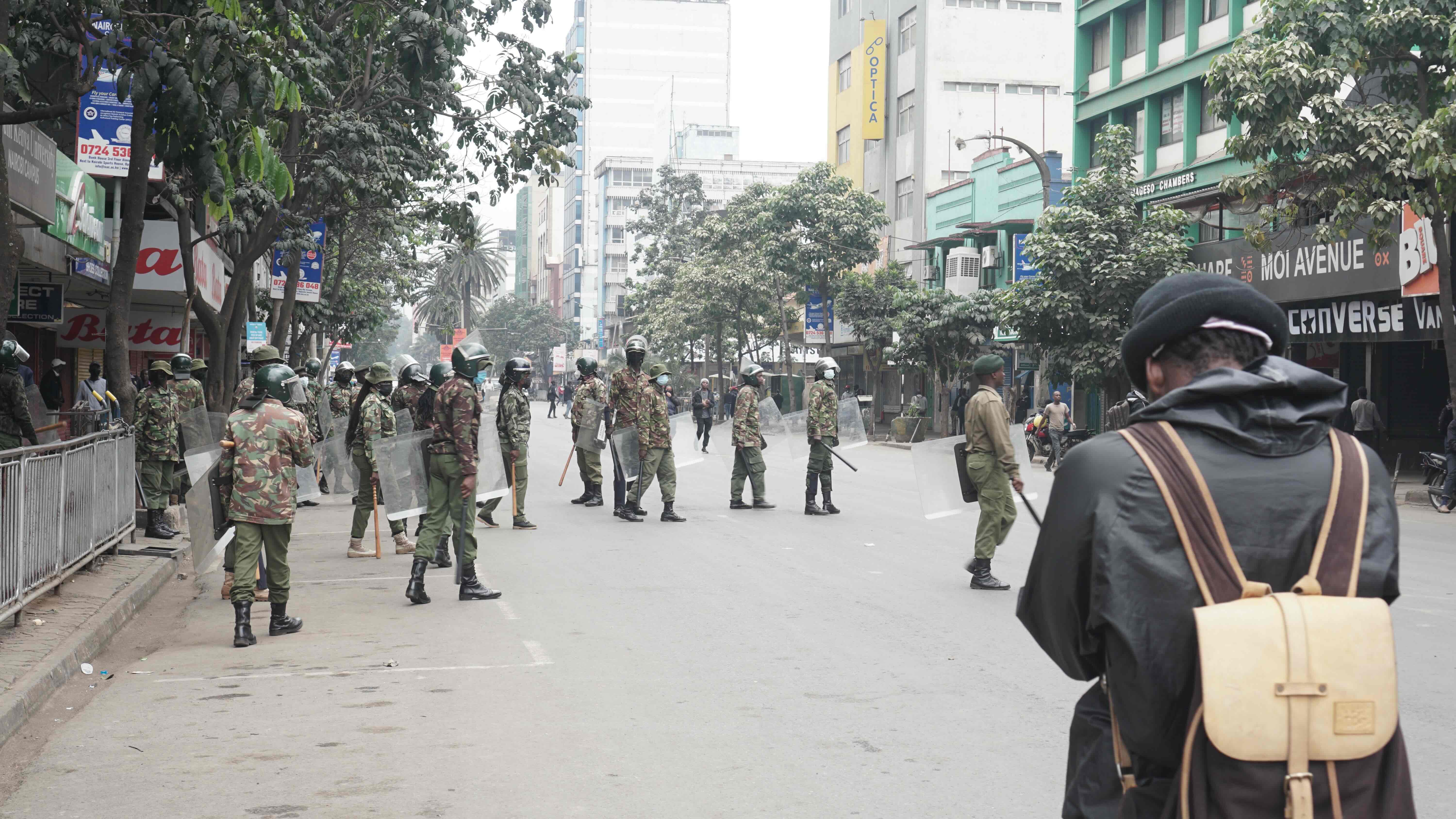
Musila Munuve, Director filming protests in Nairobi in July, 2024.
(Image Credits: Mwangi Kirubi)

Our Influences
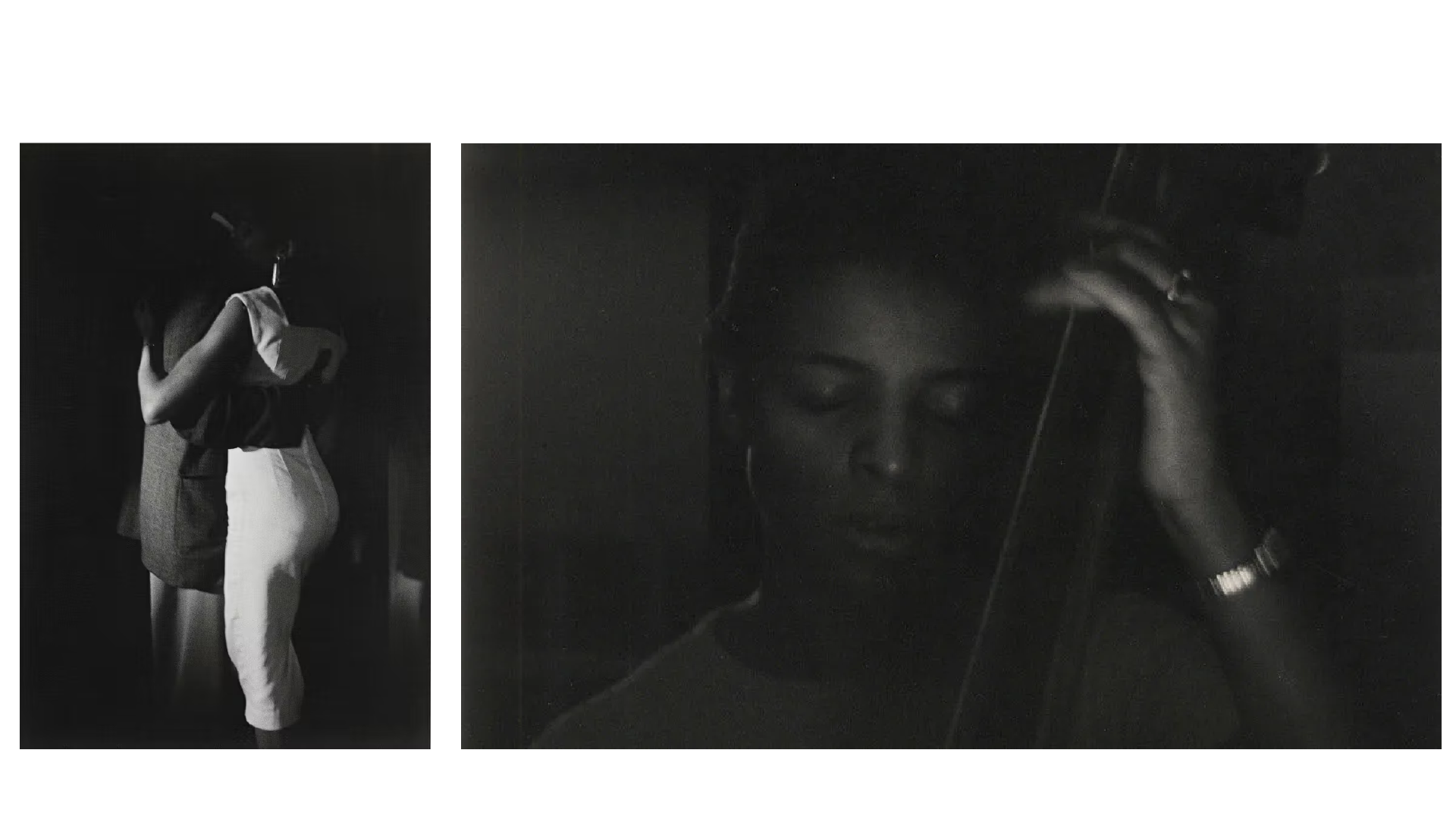
Every time my father crossed the border, he had to do so quickly, often in darkness, and stay on the city outskirts. I plan to underscore the reality of his experience through the camera where possible. Mwakenya will employ darkness to emphasise the secrecy of my father's visits and highlight the emotional slivers of light in the narrative. A reference in this respect will be the photography of Roy DeCarava, an aesthetic touchstone for the film. Surrounded by routine violence, the couple's love is a bright spot shrouded in darkness. The film's most brightly exposed moments will be when the couple can be alone together.
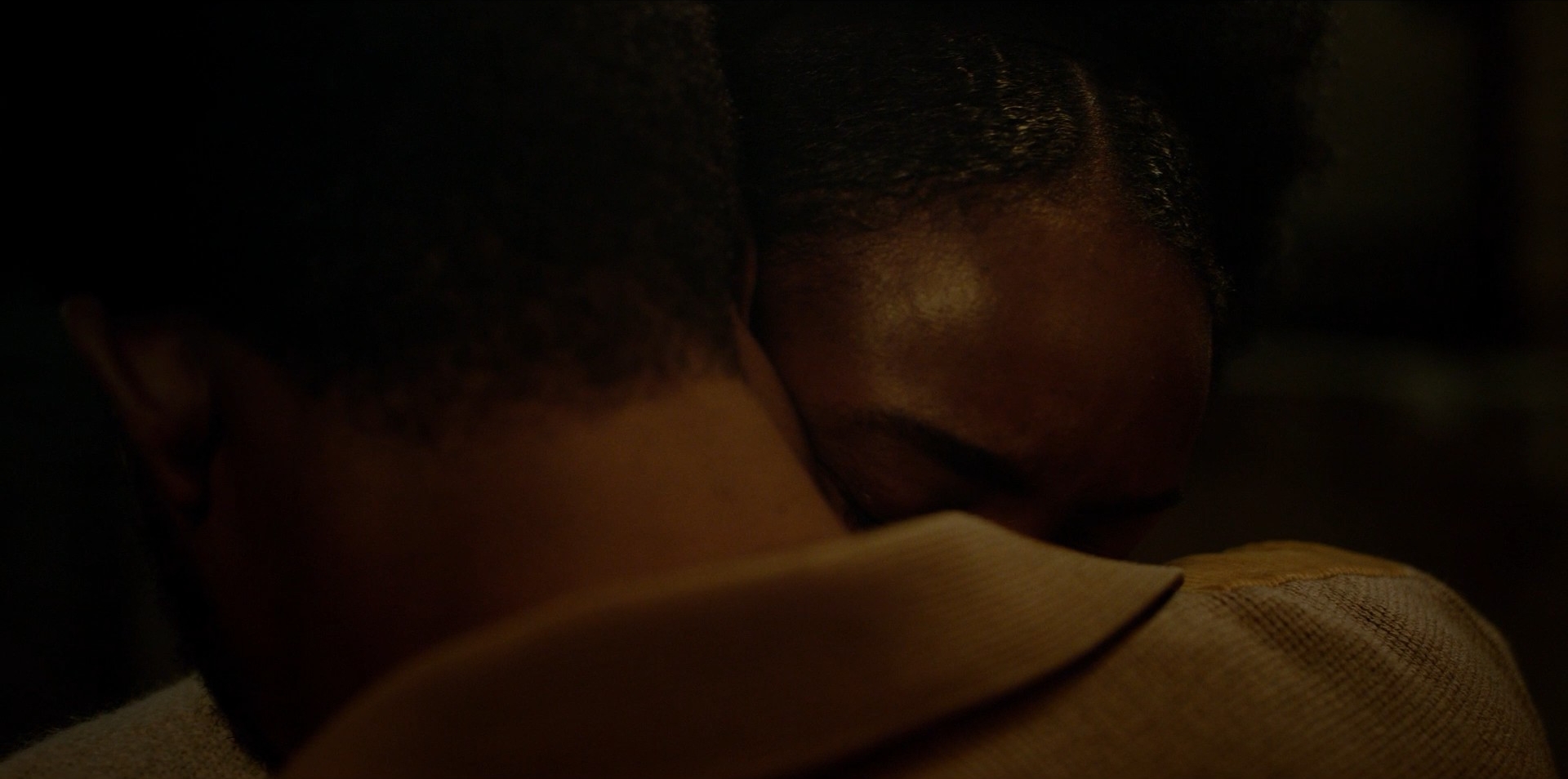
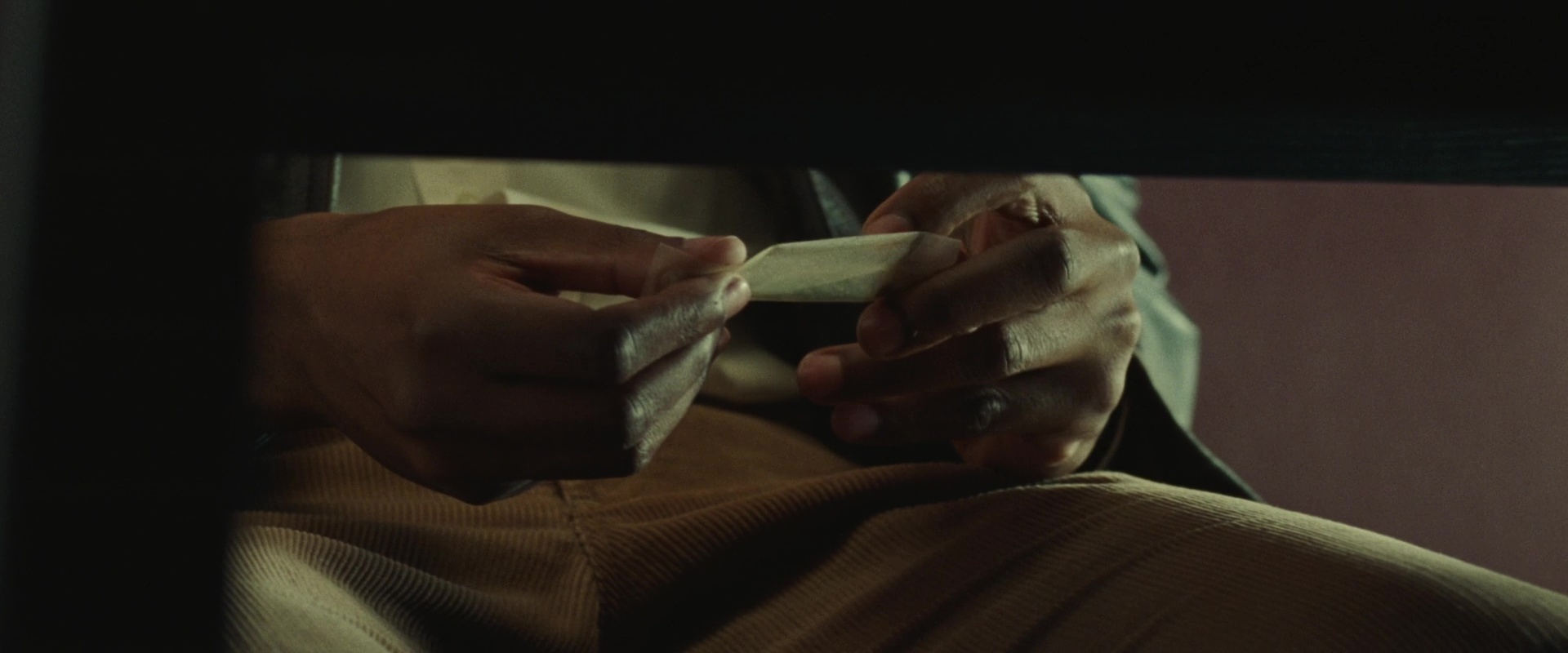
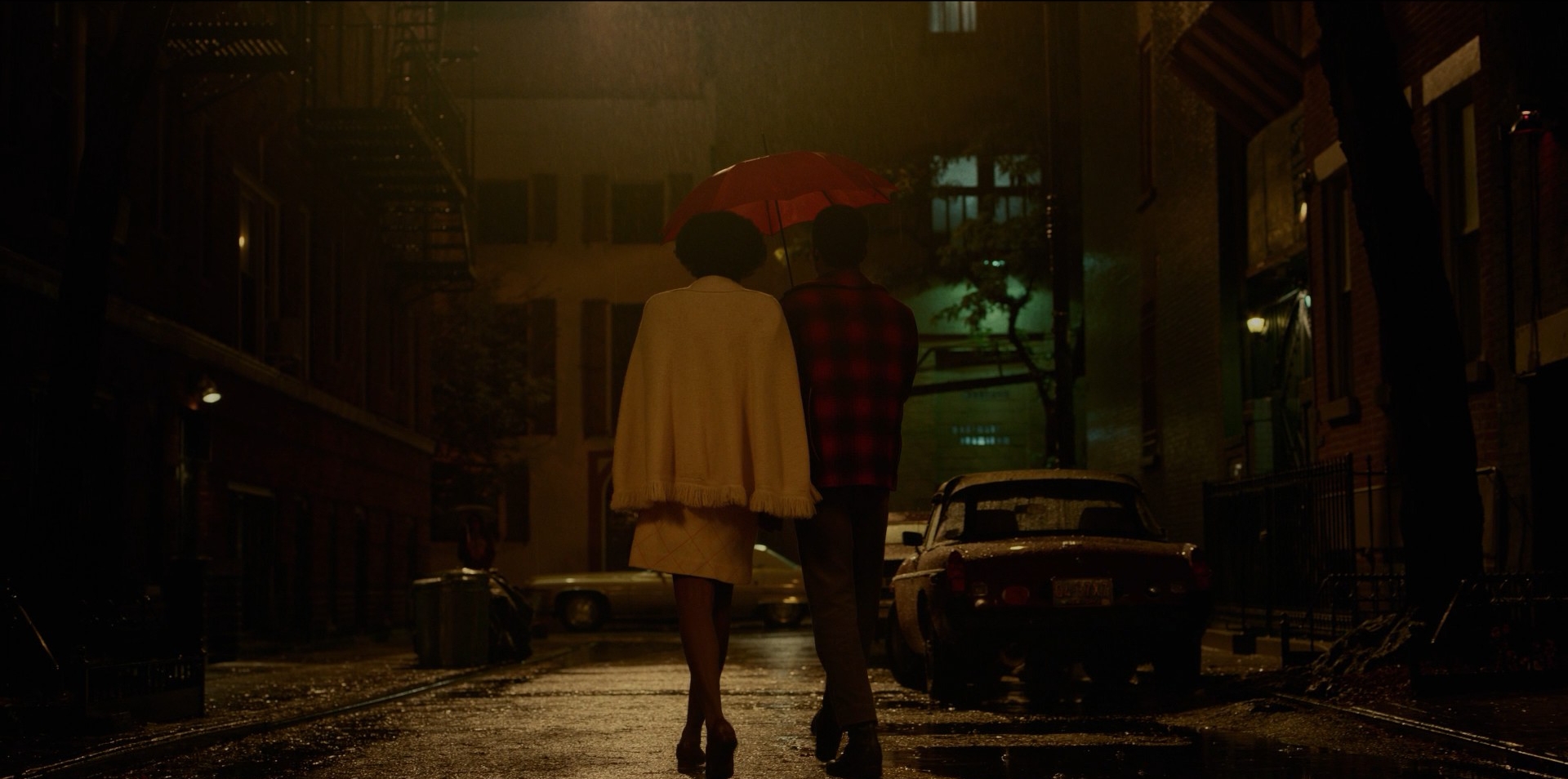
 Our protagonist goes through the emotional whiplash of running from the police on the same day he spends an afternoon with his girlfriend. The film hopes to punctuate this whiplash with camera movement. In the moments of pursuit, a lightweight camera will allow us to get handheld shots to inform Muthama’s perspective. The camera will, contrastingly, move slowly and sparingly when Mueni and Muthama are together, underscoring the peace they find together in the eye of the storm. Inspired by the depiction of another couple navigating impossible circumstances in If Beale Street Could Talk (2018).
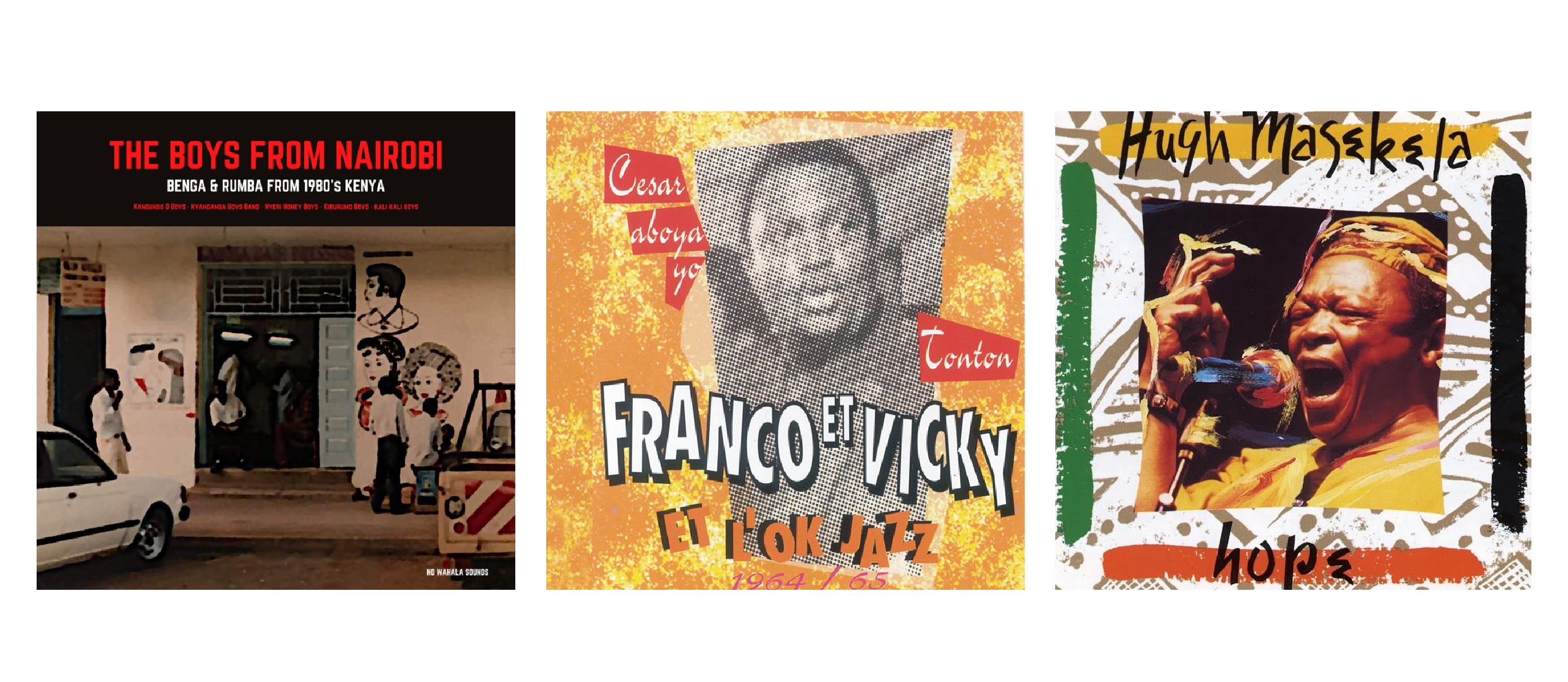
My father's music collection predominantly features African music from the incredibly fruitful 1980s. Much of the music from these years reflected the revolutionary spirit of the time and the disappointment many felt with post-independence leadership. François “Franco” Luambos released Luvumbu Ndoki in 1987. This song led him to be detained by Mobutu Sese Seko for being critical of his regime. Bring Him Back Home, by Hugh Masekela, was released in the same year and called for Nelson Mandela's release from Robben Island. At this time, Benga music dominated the airwaves in Nairobi. I plan to source music that captures this spirit to play diegetically in the film.
 In the present day, my experience at the protests this summer showed me that many of the protest songs from the 1980s remain relevant. These pieces of music are one of the many ways these two movements are tied together, and one such protest song is in the script's third act. Finally, I plan to work with young Kenyan composers defining the future of Kenyan music for the scoring of the film.
Past Work
"My work in film school so far has been concerned with young people confronting the world around them as they come of age and interrogate the identities they hold. With Mwakenya I am engaging this theme through the experiences of those closest to me and in the place I call home; both a comforting and challenging prospect."
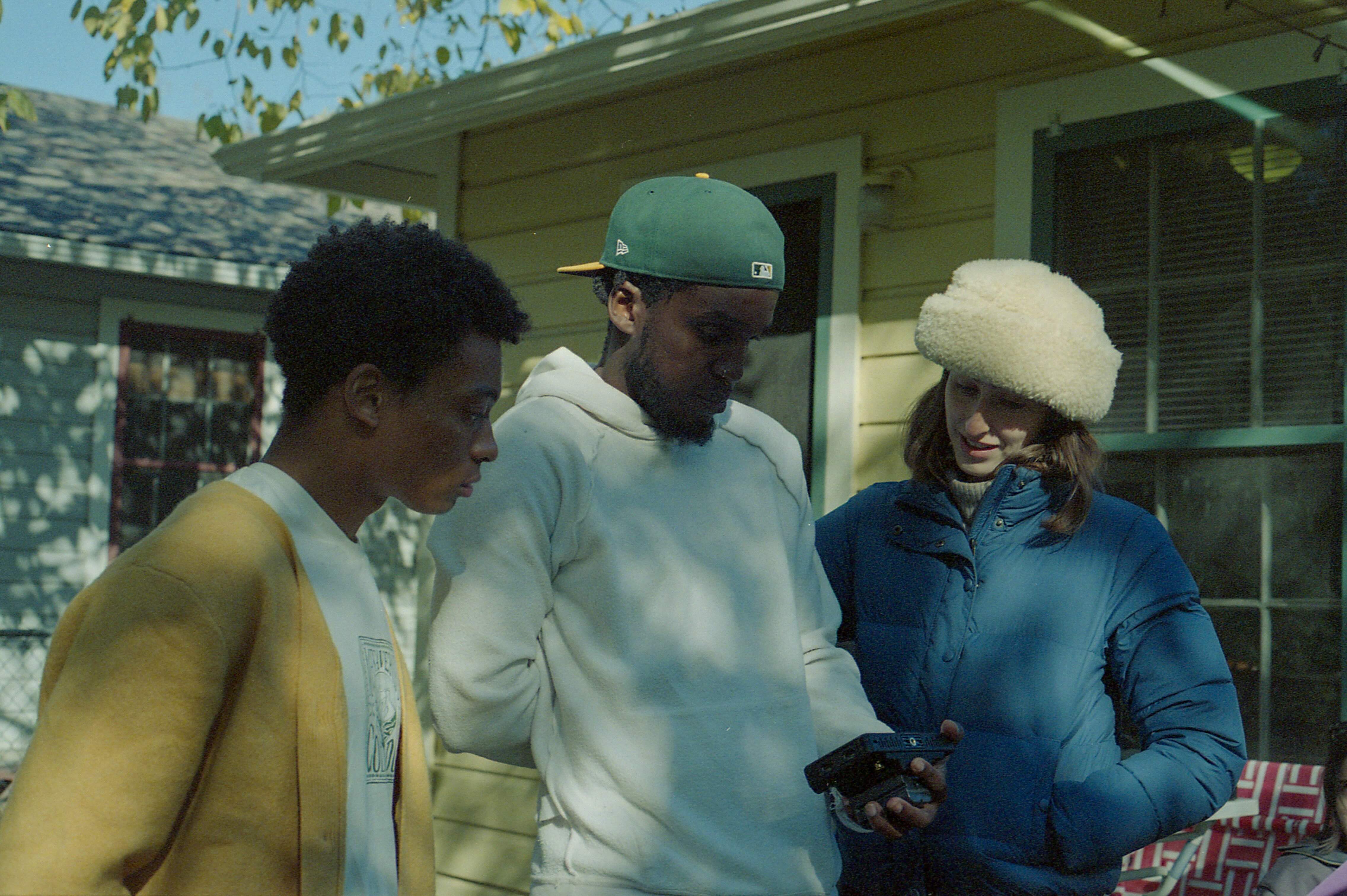
Indi Opzoomer, Director of Photography (far right) and Musila Munuve, Director (middle) and Joshua-Zion Styles on the set of Madawa (Short 2024)

 Pledge your support for the film
Make a pledge to donate financially. Make sure to check out our incentives to see how we can bring you along the journey
 Share our campaign
Share this page or our Instagram with your friends and family so they can join in our journey too and make sure to use #mwakenyafilm
 Follow our journey.
Follow our instagram or our seed and spark page to stay updated on the film.
Where we're at
 We're very grateful to receive the Texas Moody Innovation Grant, Texas Moody Development Grant, and the Texas Graduate Recognition Fellowship as well as contributions from the Filmmakers. However we still need to close a funding gap to make this film happen.
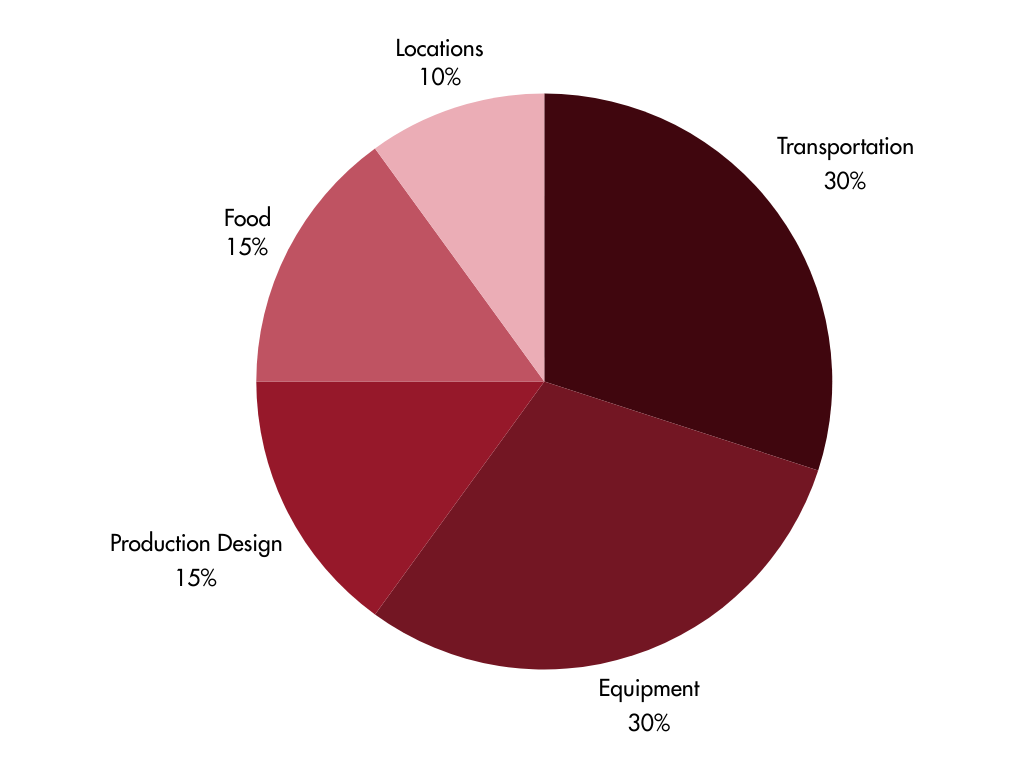
Budget Breakdown
Next Steps
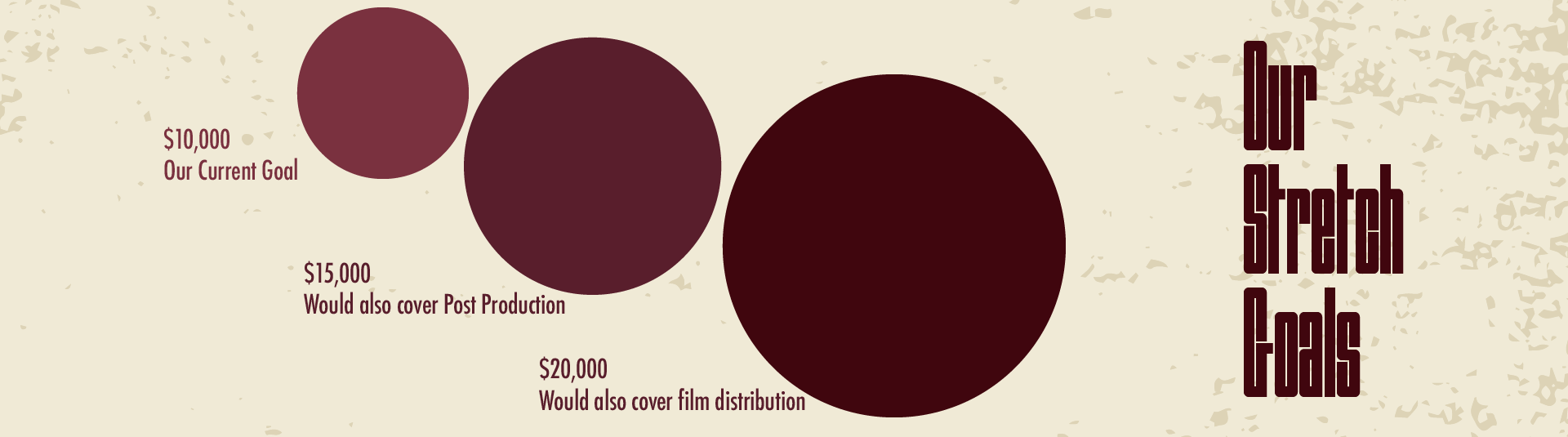
While we are aiming for $10,000 with this campaign if we were able to raise more than that the funds would go towards post-production and distribution of the film.
Wishlist
Use the WishList to Pledge cash and Loan items - or - Make a pledge by selecting an Incentive directly.
Equipment
Costs $3,000
Help us rent the camera and grip gear we need to make this film as stunning as the story is.
Transportation
Costs $3,000
Help us get our crew to Kenya and move around the country as we shoot this expansive short film. (Image Credits: Malick Sidibé)
Production Design
Costs $1,500
We want to make sure our production design helps set the seen for Nairobi in 1989. (Image Credits: Malik Sidibé)
Locations
Costs $1,000
Help us secure the beautiful locations that will bring this film to life. (Image Credits: Malick Sidibé)
Food
Costs $1,500
The most expensive line item of any student short film. Help us feed our hardworking crew during the shoot. (Image Credits: Malick Sidibé)
Cash Pledge
Costs $0


Direct link:
Share this update!
About This Team
Musila Munuve, Monica Kemoli, Kamau Wainaina, Nathaniel Chiruyi, and Indi Opzoomer bring a wealth of experience having produced films in Kenya, the United States, and the United Kingdom. As individuals their work has screened at the African International Film Festival, the Austin Film Festival, the BFI Flare Festival, the Raindance Film Festival, and the Smithsonian African American Film Fest.
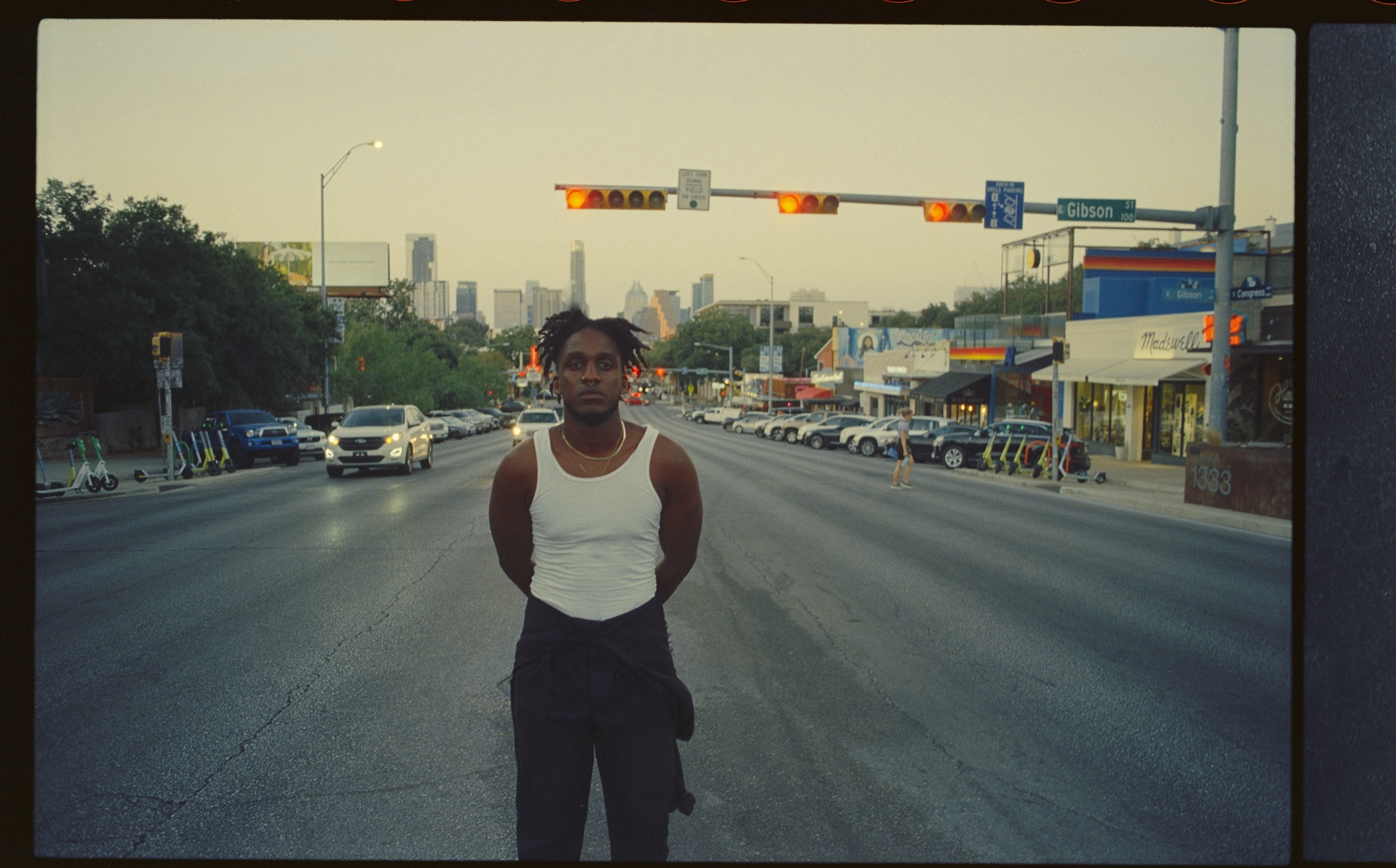
Musila Munuve
Director
Musila is a writer-director born and raised in Nairobi, Kenya. After graduating from Stanford University with a degree in Computer Science Musila worked as a UX Designer using visual language to make technology accessible and usable. Since then Musila has transitioned to film where his work grapples with ideas of freedom, love, and the elasticity of time as they interact with notions of Blackness. In 2023, the We are Family Foundation, through the Youth to The Front Fund, awarded Musila a $5000 production grant for his short film Madawa (‘24).
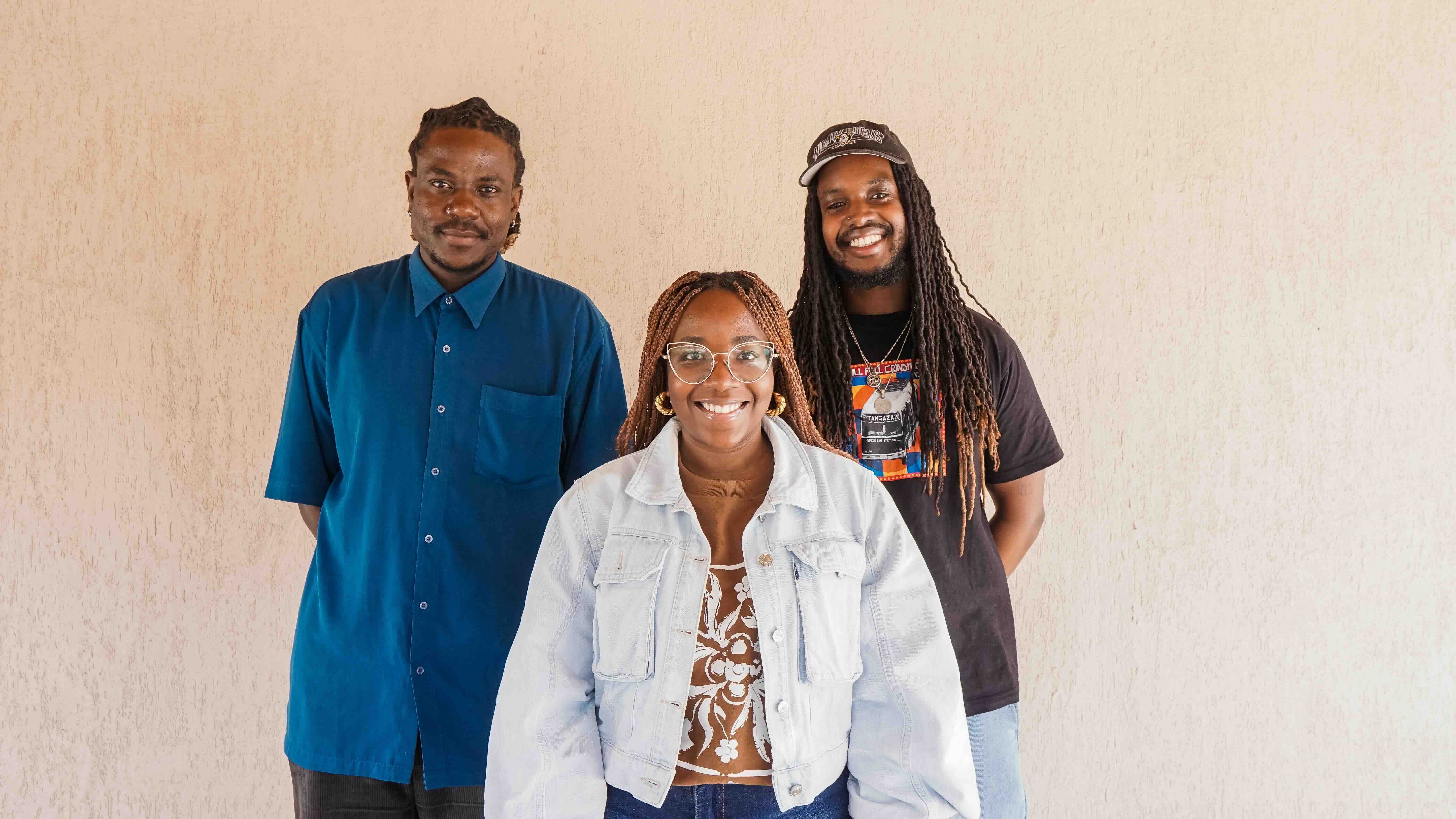
Monica Kemoli, Kamau Wainaina, Nathaniel Chiruyi
Producers
The team of Nairobi based producers include a NYU Tisch School of The Arts Film & Television graduate and an MA in Music Business Management from University of Westminster graduate. The team's production credits include Clean Water (Smithsonian African American Film Fest ‘18) and commercial work for Spotify, RADAR, COLORSxSTUDIOS, HEVA Fund, Pan African Music Magazine as well as dozens of music videos and short films shot in Nairobi and New York.
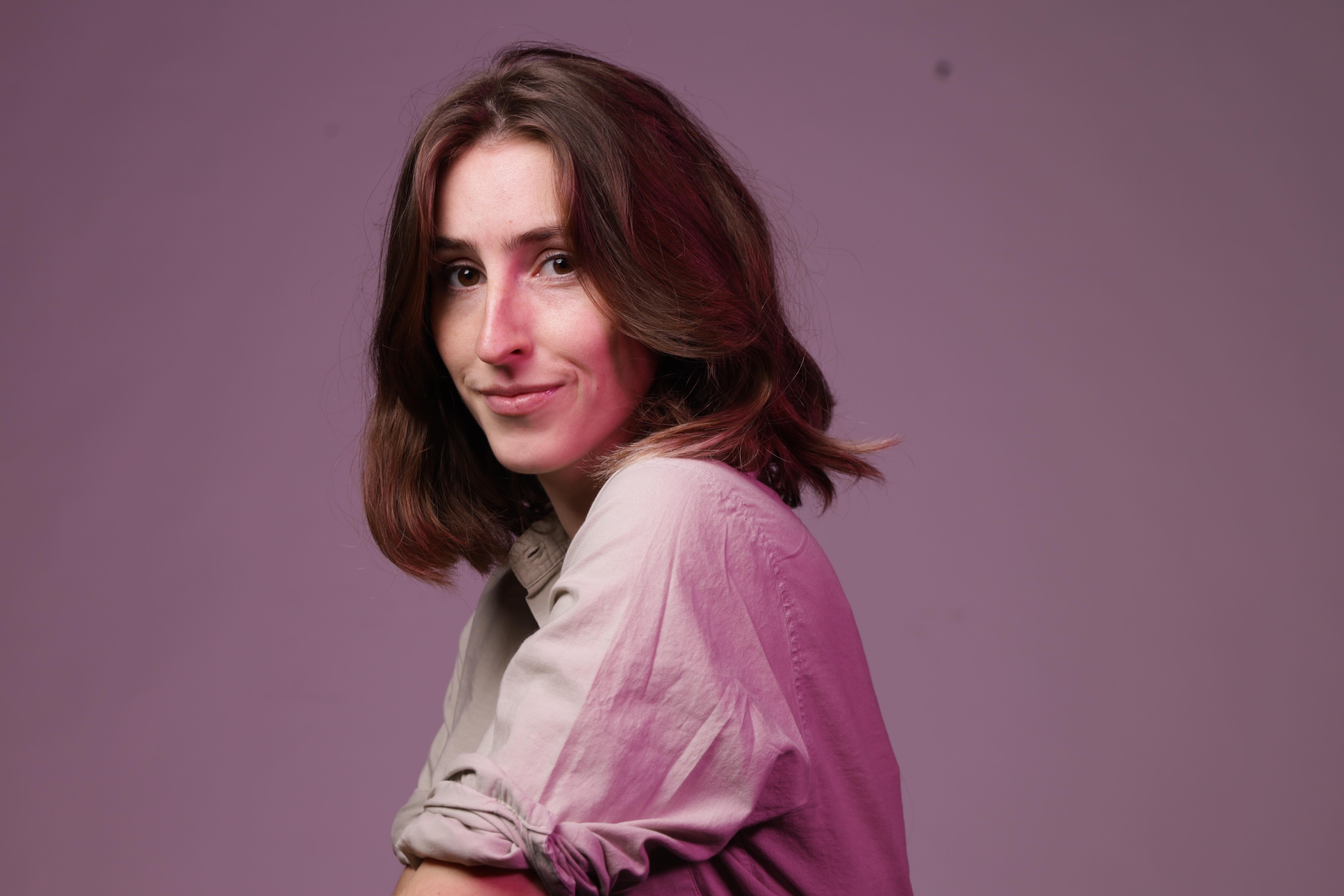
Indi Opzoomer
Director of Photography
Indi Opzoomer is a British-Canadian cinematographer and director, based in Austin Texas. Her work as a director and in the camera department has played at the BFI Flare Festival, Raindance Film Festival, and the Austin Film Festival. Through her cinematography India enjoys exploring the relationship between landscape and memory. Indi and Musila previously worked together on the short film Madawa.
Current Team
Incentives
- The Story
- Wishlist
- Updates
- The Team
- Community
Mission Statement
The Story
What happens?
Mwakenya is a 16-minute narrative short (with documentary elements) based on a true story set in 1989 Nairobi, Kenya. The film explores the effects of political exile and draconian governance on a single family - tracing the limits of romantic love, amorphous ideas of home, and heavy burdens of civic duty. In this frenetic drama we explore one of the most violent chapters of Kenyan history through the love story of two young Kenyans - based on my parents' real life experiences. We follow Muthama, an idealistic 33 year old revolutionary Kenyan, living in exile who risks his like to cross the border when a break in communication causes him to worry about his sister and his girlfriend. Over the next few hours he receives life changing news from his girlfriend that changes his outlook on the movement.
Kenya in 2025
In June 2024, protests broke out in Kenya when citizens, mainly the youth, took to the streets to express their outrage at a proposed finance bill that looked to increase taxes on bread, healthcare, and sanitary pads among other things. These protests were met with extreme violence with reports of live bullets being fired in the streets as well as secret abductions of people deemed to be leaders of the movement. This violence led to calls for the president's resignation and was reminiscent of the dictatorship in the 80s.
A lasting effect of the dictatorship in the is that, to this day, people are hesitant to talk about the regime and their involvement in the movement. The result of this is that when protests broke out in Kenya this year many saw no connection to the revolutionary spirit from the 80s which can serve as inspiration, blueprint, and warning. The film is crafted to help draw this connection.
(Image Credits: Mwangi Kirubi)
Musila Munuve, Director filming protests in Nairobi in July, 2024.
(Image Credits: Mwangi Kirubi)
Our Influences
Every time my father crossed the border, he had to do so quickly, often in darkness, and stay on the city outskirts. I plan to underscore the reality of his experience through the camera where possible. Mwakenya will employ darkness to emphasise the secrecy of my father's visits and highlight the emotional slivers of light in the narrative. A reference in this respect will be the photography of Roy DeCarava, an aesthetic touchstone for the film. Surrounded by routine violence, the couple's love is a bright spot shrouded in darkness. The film's most brightly exposed moments will be when the couple can be alone together.
Our protagonist goes through the emotional whiplash of running from the police on the same day he spends an afternoon with his girlfriend. The film hopes to punctuate this whiplash with camera movement. In the moments of pursuit, a lightweight camera will allow us to get handheld shots to inform Muthama’s perspective. The camera will, contrastingly, move slowly and sparingly when Mueni and Muthama are together, underscoring the peace they find together in the eye of the storm. Inspired by the depiction of another couple navigating impossible circumstances in If Beale Street Could Talk (2018).
My father's music collection predominantly features African music from the incredibly fruitful 1980s. Much of the music from these years reflected the revolutionary spirit of the time and the disappointment many felt with post-independence leadership. François “Franco” Luambos released Luvumbu Ndoki in 1987. This song led him to be detained by Mobutu Sese Seko for being critical of his regime. Bring Him Back Home, by Hugh Masekela, was released in the same year and called for Nelson Mandela's release from Robben Island. At this time, Benga music dominated the airwaves in Nairobi. I plan to source music that captures this spirit to play diegetically in the film.
In the present day, my experience at the protests this summer showed me that many of the protest songs from the 1980s remain relevant. These pieces of music are one of the many ways these two movements are tied together, and one such protest song is in the script's third act. Finally, I plan to work with young Kenyan composers defining the future of Kenyan music for the scoring of the film.
Past Work
"My work in film school so far has been concerned with young people confronting the world around them as they come of age and interrogate the identities they hold. With Mwakenya I am engaging this theme through the experiences of those closest to me and in the place I call home; both a comforting and challenging prospect."
Indi Opzoomer, Director of Photography (far right) and Musila Munuve, Director (middle) and Joshua-Zion Styles on the set of Madawa (Short 2024)
Pledge your support for the film
Make a pledge to donate financially. Make sure to check out our incentives to see how we can bring you along the journey
Share our campaign
Share this page or our Instagram with your friends and family so they can join in our journey too and make sure to use #mwakenyafilm
Follow our journey.
Follow our instagram or our seed and spark page to stay updated on the film.
Where we're at
We're very grateful to receive the Texas Moody Innovation Grant, Texas Moody Development Grant, and the Texas Graduate Recognition Fellowship as well as contributions from the Filmmakers. However we still need to close a funding gap to make this film happen.
Budget Breakdown
Next Steps
While we are aiming for $10,000 with this campaign if we were able to raise more than that the funds would go towards post-production and distribution of the film.
Wishlist
Use the WishList to Pledge cash and Loan items - or - Make a pledge by selecting an Incentive directly.
Equipment
Costs $3,000
Help us rent the camera and grip gear we need to make this film as stunning as the story is.
Transportation
Costs $3,000
Help us get our crew to Kenya and move around the country as we shoot this expansive short film. (Image Credits: Malick Sidibé)
Production Design
Costs $1,500
We want to make sure our production design helps set the seen for Nairobi in 1989. (Image Credits: Malik Sidibé)
Locations
Costs $1,000
Help us secure the beautiful locations that will bring this film to life. (Image Credits: Malick Sidibé)
Food
Costs $1,500
The most expensive line item of any student short film. Help us feed our hardworking crew during the shoot. (Image Credits: Malick Sidibé)
Cash Pledge
Costs $0
Direct link:
Share this update!
About This Team
Musila Munuve, Monica Kemoli, Kamau Wainaina, Nathaniel Chiruyi, and Indi Opzoomer bring a wealth of experience having produced films in Kenya, the United States, and the United Kingdom. As individuals their work has screened at the African International Film Festival, the Austin Film Festival, the BFI Flare Festival, the Raindance Film Festival, and the Smithsonian African American Film Fest.
Musila Munuve
Director
Musila is a writer-director born and raised in Nairobi, Kenya. After graduating from Stanford University with a degree in Computer Science Musila worked as a UX Designer using visual language to make technology accessible and usable. Since then Musila has transitioned to film where his work grapples with ideas of freedom, love, and the elasticity of time as they interact with notions of Blackness. In 2023, the We are Family Foundation, through the Youth to The Front Fund, awarded Musila a $5000 production grant for his short film Madawa (‘24).
Monica Kemoli, Kamau Wainaina, Nathaniel Chiruyi
Producers
The team of Nairobi based producers include a NYU Tisch School of The Arts Film & Television graduate and an MA in Music Business Management from University of Westminster graduate. The team's production credits include Clean Water (Smithsonian African American Film Fest ‘18) and commercial work for Spotify, RADAR, COLORSxSTUDIOS, HEVA Fund, Pan African Music Magazine as well as dozens of music videos and short films shot in Nairobi and New York.
Indi Opzoomer
Director of Photography
Indi Opzoomer is a British-Canadian cinematographer and director, based in Austin Texas. Her work as a director and in the camera department has played at the BFI Flare Festival, Raindance Film Festival, and the Austin Film Festival. Through her cinematography India enjoys exploring the relationship between landscape and memory. Indi and Musila previously worked together on the short film Madawa.