Progeny
Wilmington, North Carolina | Film Feature
Comedy, Mystery
At an isolated lodge, fugitive William trains Jonah to be a new messiah. Aleta, a debunked cult's leader's daughter, discovers them and meddles. Wondering about his own mysterious mother, Jonah must learn to think or choose a worthwhile conformity as the ground shrinks to nothing beneath their feet.
Progeny
Wilmington, North Carolina | Film Feature
Comedy, Mystery

1 Campaigns | North Carolina, United States
Green Light
This campaign raised $6,999 for production. Follow the filmmaker to receive future updates on this project.
21 supporters | followers
Enter the amount you would like to pledge
At an isolated lodge, fugitive William trains Jonah to be a new messiah. Aleta, a debunked cult's leader's daughter, discovers them and meddles. Wondering about his own mysterious mother, Jonah must learn to think or choose a worthwhile conformity as the ground shrinks to nothing beneath their feet.
About The Project


- The Story
- Wishlist
- Updates
- The Team
- Community
Mission Statement
The Story
"The children are always ours, every single one of them…" -James Baldwin
"Save the child and you save the nation." -L. Ron Hubbard
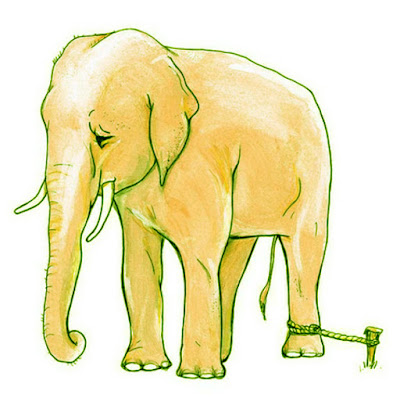
A trainer hammers a giant stake into the ground and chains a baby elephant to it. It’s only a baby, so its attempts to pull out the stake are futile, and the baby elephant succumbs to its life at the whims of the trainer. Years pass. The elephant grows—big enough that ten stakes could not secure it. Yet the 4-ton elephant doesn’t even try to yank out the stake because all it can remember is failing as a baby. It has completely surrendered to its circumstances. Like the prisoners watching the shadows on the wall of the cave in Plato’s allegory, this is the only existence the elephant knows. This is the story of PROGENY.

My dad tells this story from before I can remember: We went to my uncle’s farm and his tractor was parked at the top of a hill with wood chocks under its tires. Apparently, my five-year-old idea of fun was to get rid of the chocks and then run down to the bottom of the hill so that the tractor would run me over and kill me. My dad swooped me out of the way before it hit me. Clearly, I did not understand.
So, for children, a certain (high) level of oversight makes sense. Children need help. They don’t know just what it is that’s fucking going on. Father John Misty’s song, Pure Comedy, puts it aptly:
The comedy of man starts like this
Our brains are way too big for our mother’s hips
And so nature, she devised this alternative
We emerge half-formed and hope whoever greets us on the other end
Is kind enough to fill us in
You know, look both ways before you cross the street. Don’t stick your little baby finger in that electric socket. Its nicer to shit not in your pants. These are inarguably necessary fundamental lessons. My film explores curbings of curiosity and imagination that go beyond what is necessary and the sort of adult that those limitations ultimately create.
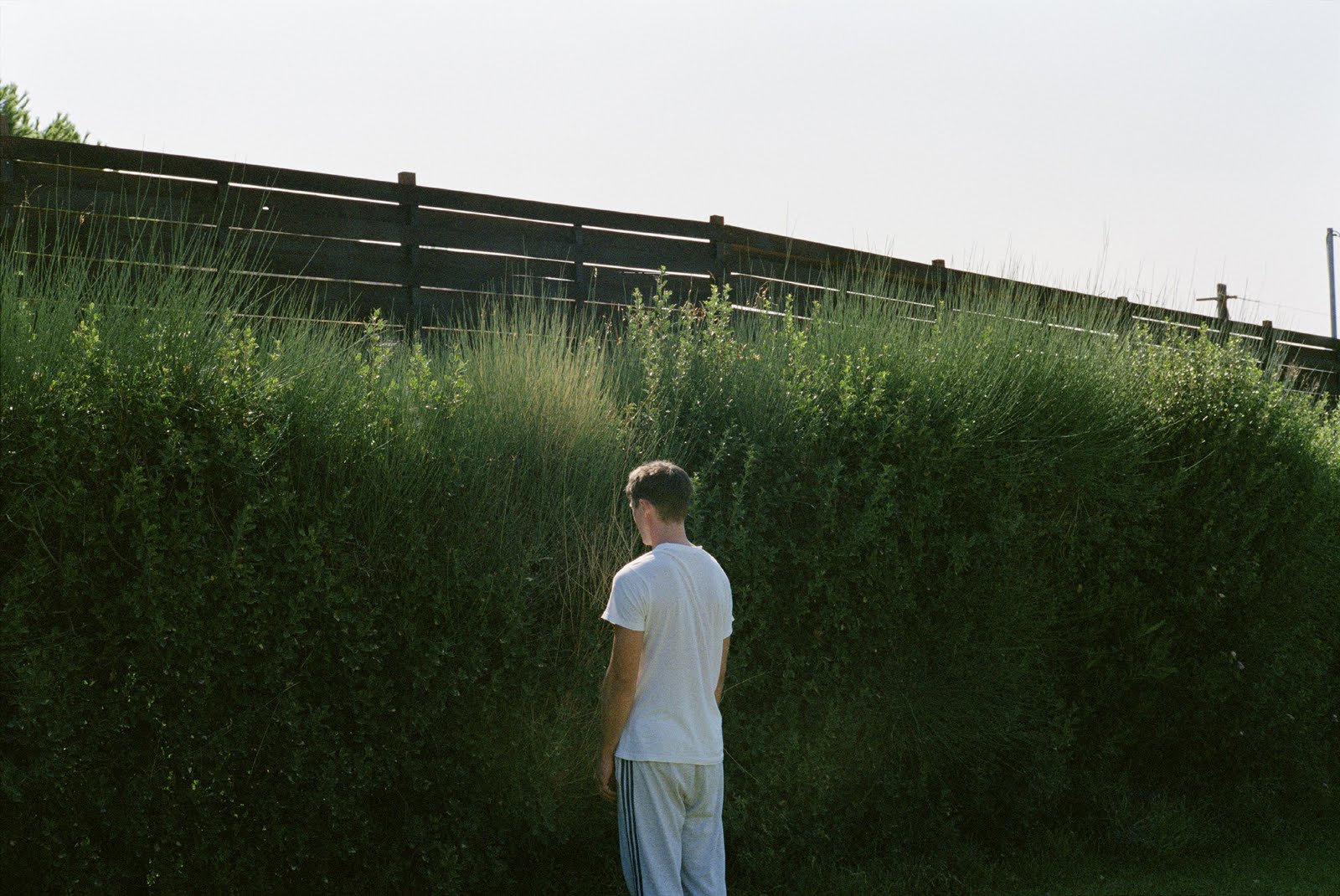 Dogtooth (2009)
The idea is that when a parent exercises too much control, even with the best of intentions, it creates a paradigm for the child where someone else is always the source of authority that confirms or denies every course of action. This child never learns to think for itself; its greatest and only skill is doing what it’s told.
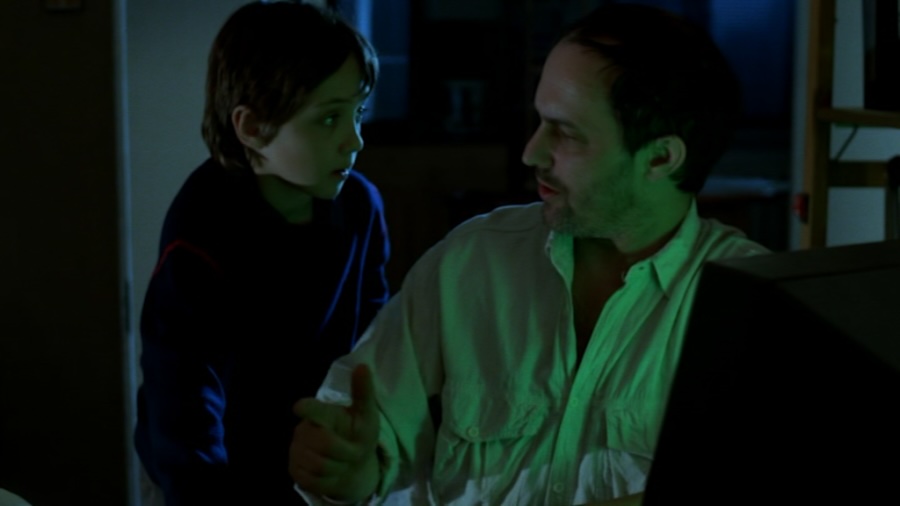 Dekalog: One (1988)
For youths in this situation, any opportunity to be passive becomes more attractive than activity—to let someone who “knows what’s going on” take the lead, to avoid the risk that you personally could fail or be wrong about something. Maybe this is why we have teenagers who would rather watch a streamer play a video game than even do the “work” of playing it themselves. It’s like skipping an x-ray so you never have to admit that you have a broken bone.
Responsibility is the hallmark trait that separates adults from children. Yet so many “adults” (people whose brains are supposedly fully developed) eschew responsibility by letting other people do their thinking for them. In all facets of life—social, political, spiritual, educational, commercial—people do what they’re supposed to do without consideration. I wrote this movie in hopes of discovering the fountain of this kind of immaturity and dropping a pin for everyone who watches.

-mark briede

ACT I
In the desolate wilderness of a Kentucky winter, 20-year-old Jonah finds a living tropical plant growing at the base of a tree. He is distracted from this miracle by his father’s calls.
He returns to their isolated lodge to find strangers appraising the contents of the garage. The men leave, but this is the first sign that he and his fugitive father, fifty-year-old William, will soon need to vacate their hideout.
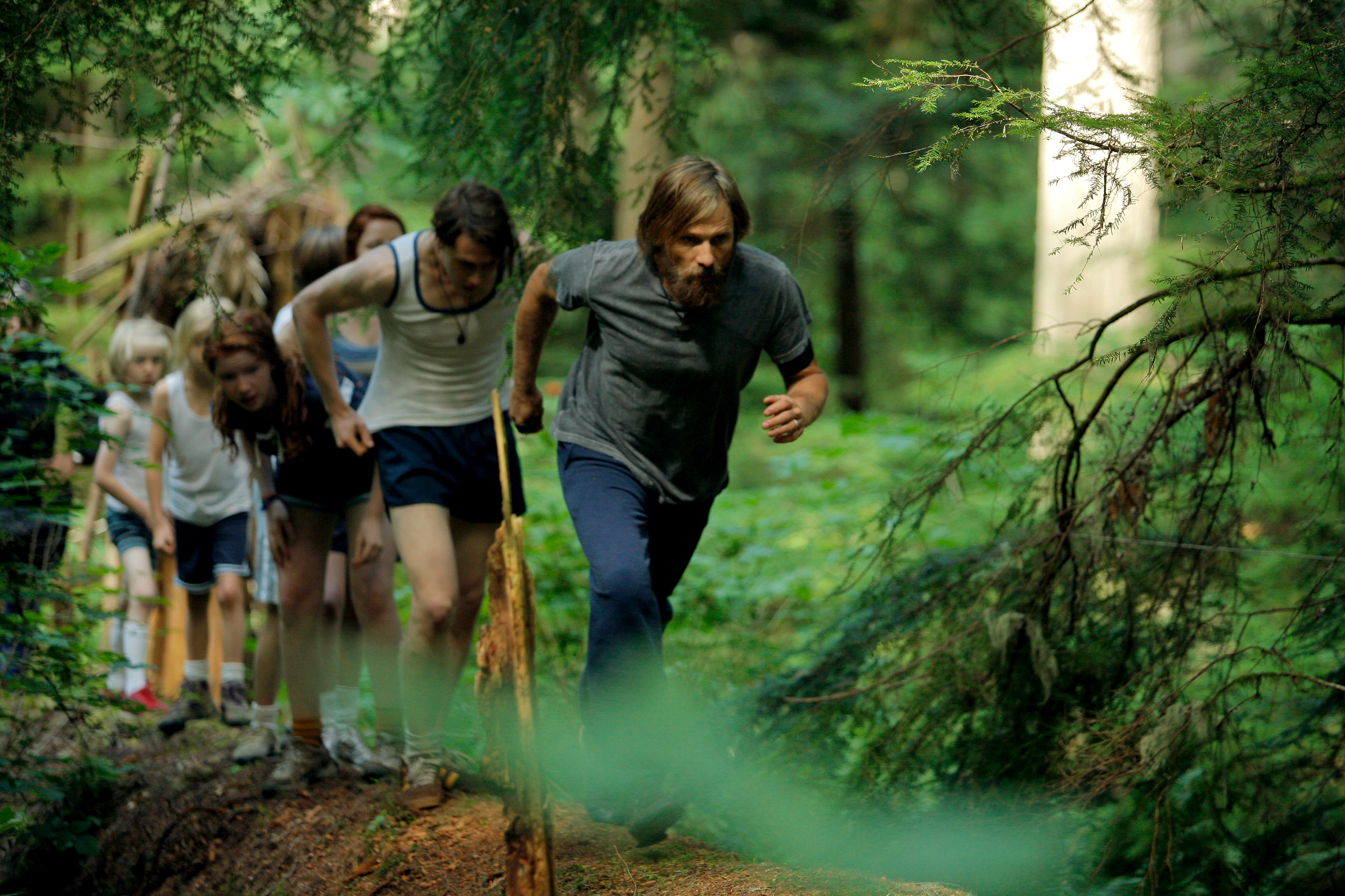 Captain Fantastic (2016)
William trains Jonah in the various spiritual disciplines of the world despite being morally and spiritually bankrupt himself. They practice prayer, meditation, yoga, and fasting, but at night William locks himself in his bedroom, to indulge in every imaginable vice.
As William sleeps off a hangover, Jonah encounters 20-year-old Aleta who was spying on him. She lives on a nearby farm, the compound of a now defunct cult. Jonah is afraid of her at first, but as they talk, he gets more comfortable. This is the first person he has interacted with besides his father in a long time. They are interrupted by William’s call and Aleta runs away.
Jonah receives the punishment of one day inside for his tardiness. While Jonah discovers the intricacies of a whitewashed wall, William sets to work on a nearly complete maze of wire fences. William also meets John Bobby, a former accomplice whose family owns the land they’re hiding out on. John Bobby informs William of their impending eviction and replenishes his supplies—rice and chicken for show, twinkies and bourbon for secret consumption.
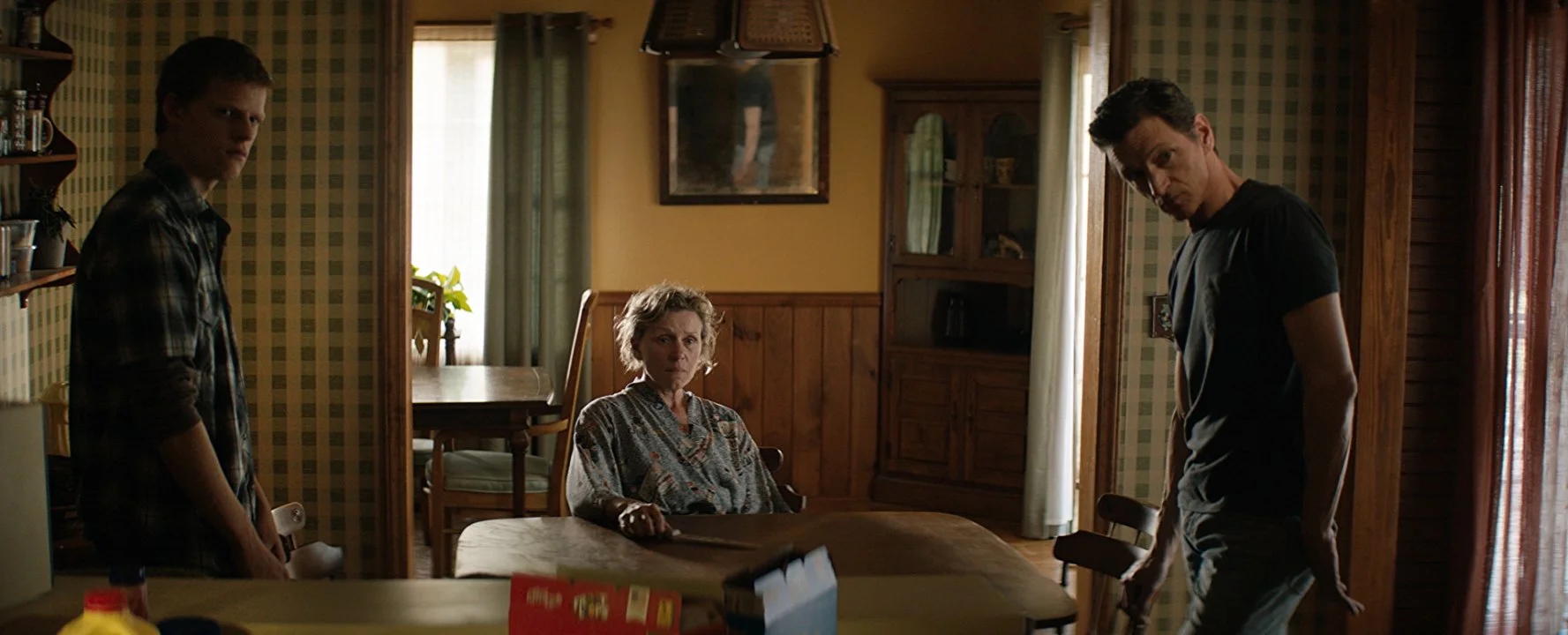 Three Billboards Outside Ebbing, Missouri (2017)
That night, William commences Jonah’s final lesson: Genesis 3, The Fall of Man. William begins to explain the source and goal of his training: Jonah’s mother. She was William’s spiritual teacher and had convinced him to go on the run robbing churches with her. William was deeply in love with her and would have followed her on any adventure, however morally dubious.
As William constructs a murky version of his life story for Jonah, Aleta creeps up on their lodge and tries to get a picture of the fugitive William and her flash goes off. William freaks out, but Jonah convinces him to let him, Jonah, chase her and attempt to practice the evangelism he has been training for. End Act I.
The goal is for the audience to spend the first half hour of the movie seeing the life that William has created for Jonah and then begging to let Jonah see what else life has to offer. The key, however, lies with William and the audience’s understanding (or misunderstanding) of his motive. The mysteries of the fence, Jonah’s mother, and Aleta’s appearance, created in act I, will drive the narrative through its final hour of runtime (and compel you to contribute so you can see how it ends )
 About half of this movie takes place in a single location: the lodge and its surrounding wilderness. For this section of the movie, we will rely on theater techniques for blocking as we try to mimic the routine of the characters’ lives with static framing, long takes, and wide angles.
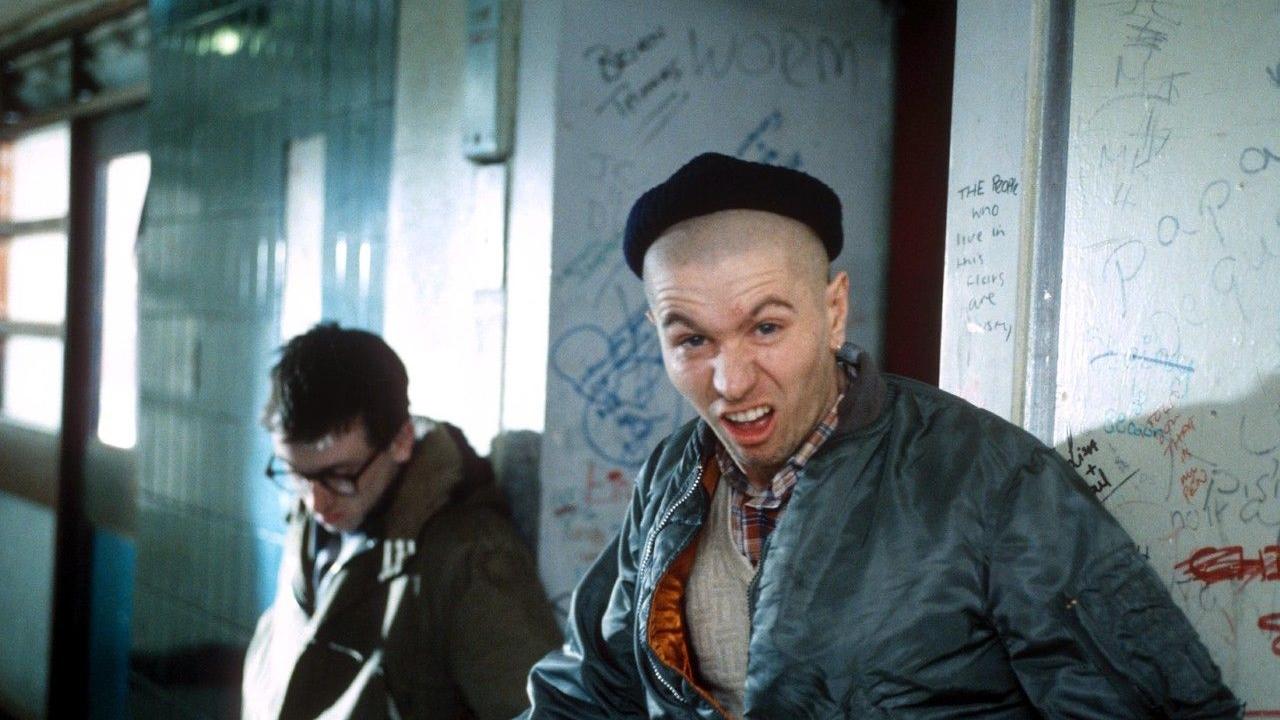
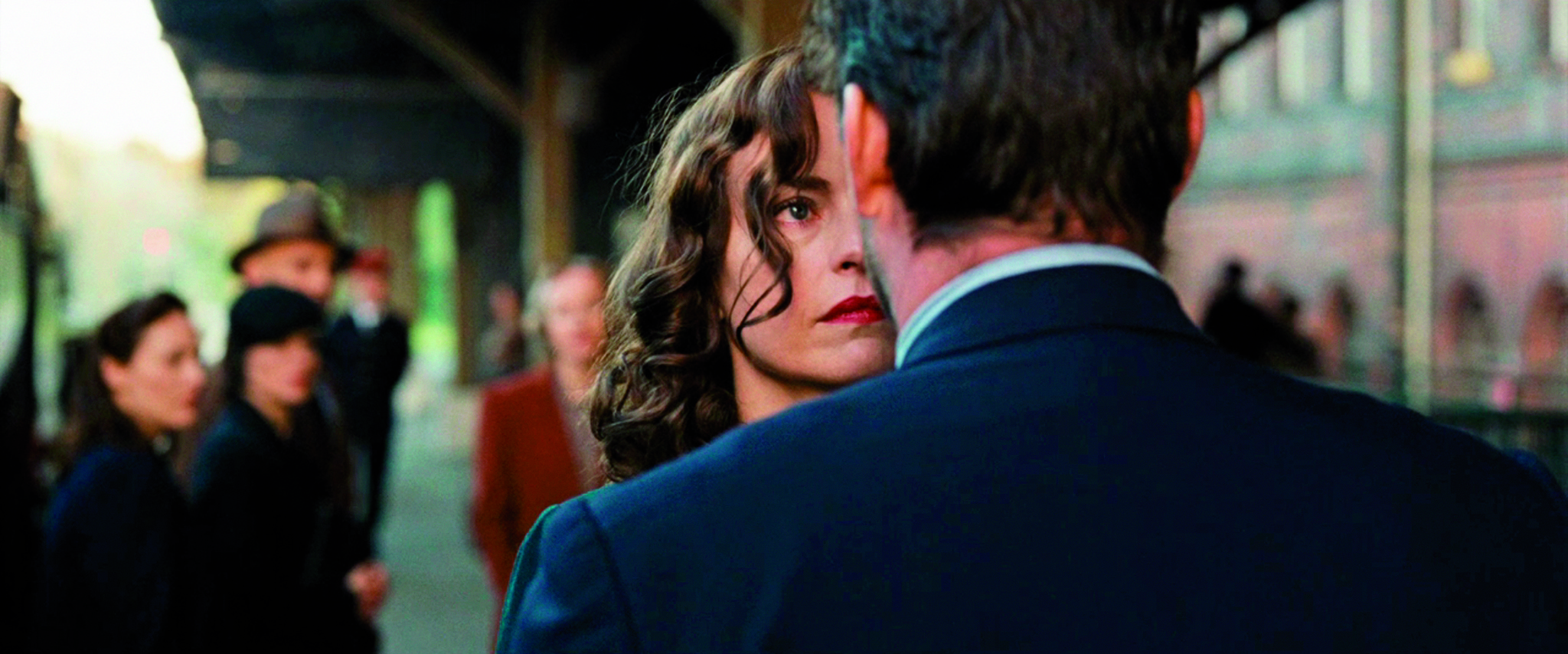
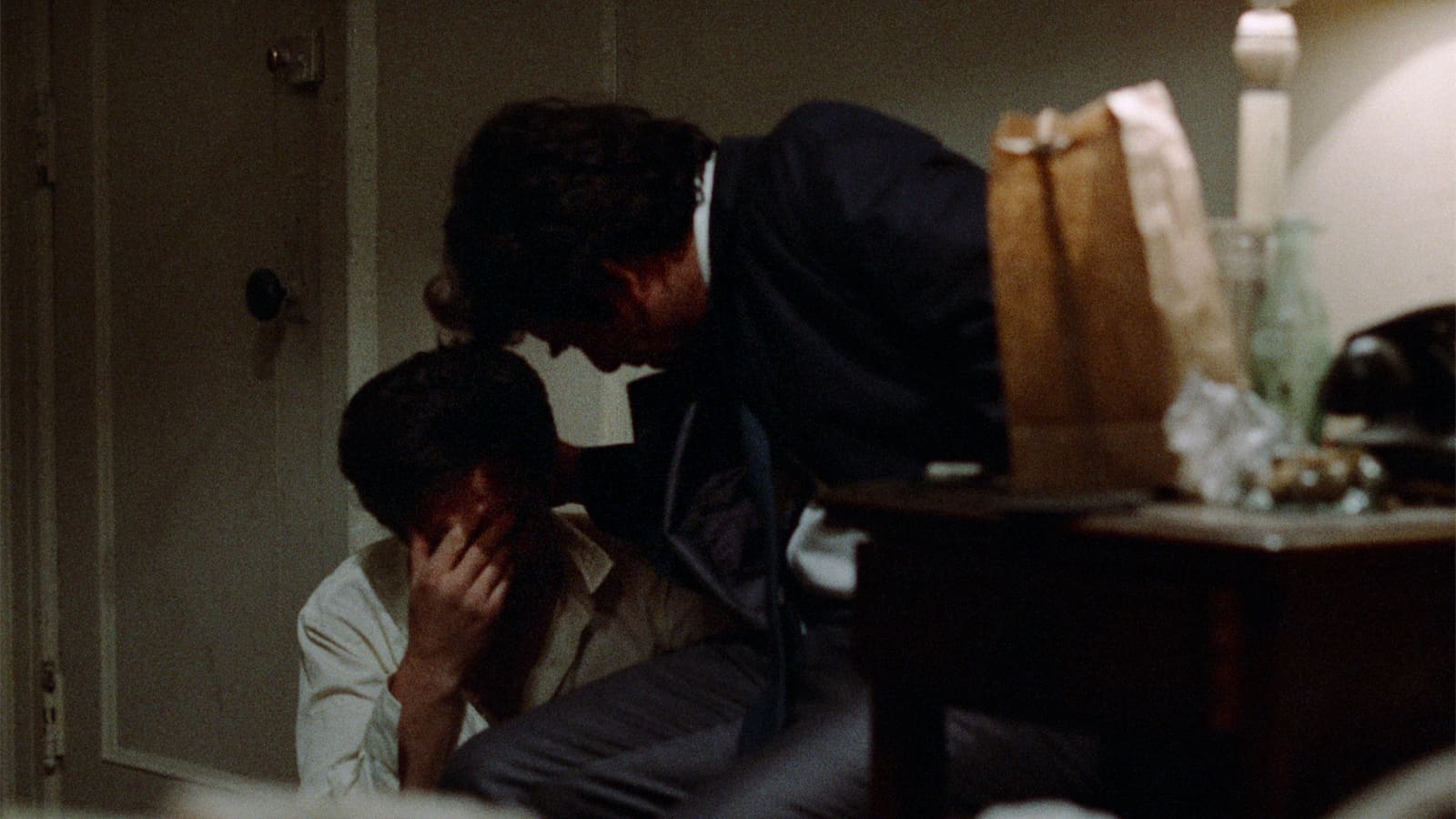
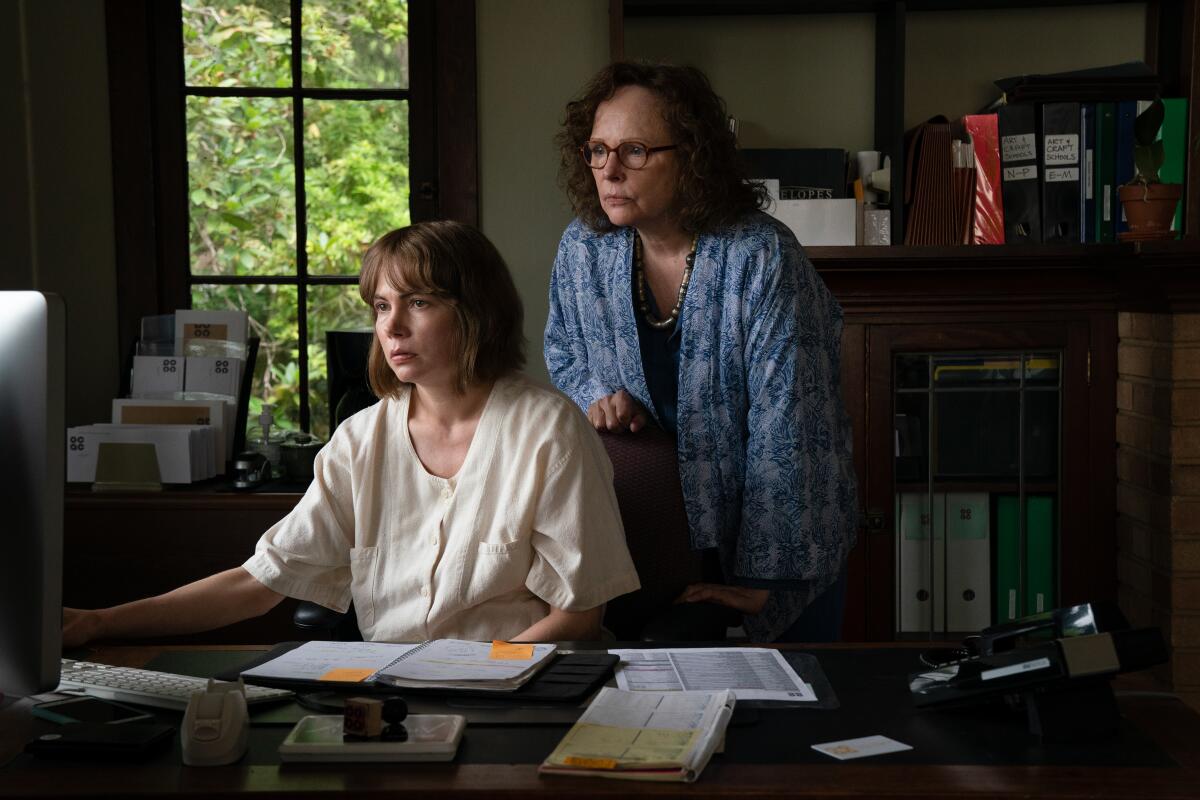
Meantime (1984), Phoenix (2015), Mikey and Nicky (1976), Showing Up (2022)
Inspiration for the first section of the film comes both from theater itself—single location plays like True West by Sam Shepherd and especially This is Our Youth and other works by Kenneth Lonergan—and films that draw on theater techniques like the works of Kelly Reichardt, Mike Leigh, Krzysztof Kieslowski, Christian Petzold, John Cassavetes, and Elaine May.
The sound design for the farm will seem overwrought. We want to convey the depths of the so-called silences in our daily lives that many people rush to fill with music or tik tok. Score in this section will be sparse. All the instruments used will be rudimentary, ancient, and ideally have sacred contexts: drums, flutes, singing bowls, chimes, bells, and a gong. For reference, consider the measured control and tacit simplicity of this Khruangbin song, White Gloves.
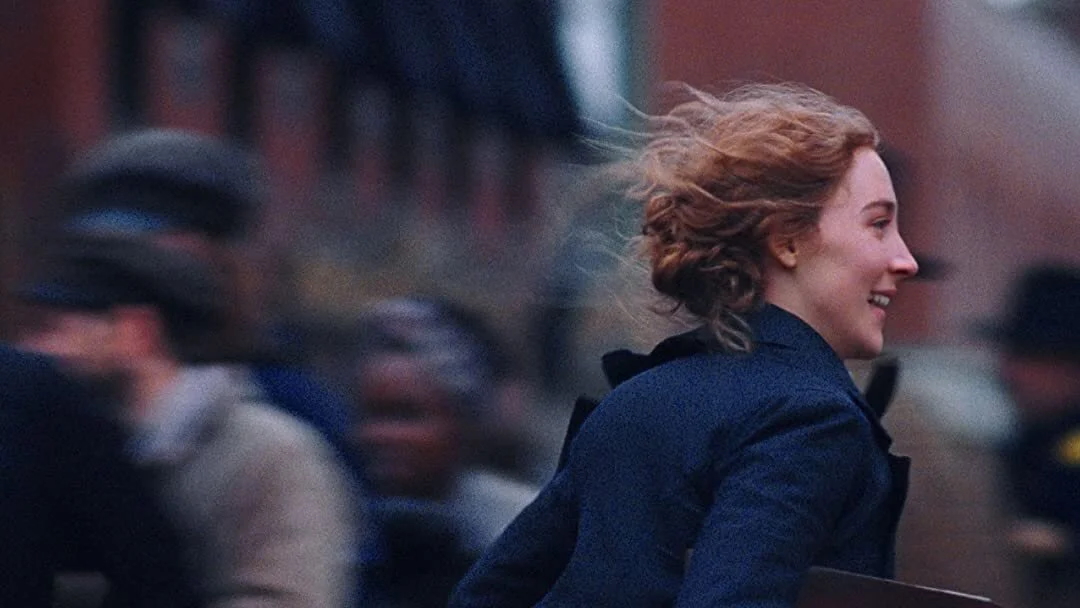 Little Women (2019)
Once Jonah gets off the farm, so do we. Moving to more kinetic and conspicuously cinematic techniques, the audience experiences the rush of the outside world alongside the protagonist. We will break out the gimbal, the shallow depth of field, the chop-chop editing that is contemporary popular media’s oxygen. Sumptuous films like Luca Guadagnino’s Challengers and Greta Gerwig’s Little Women will serve as touchstones for this section.
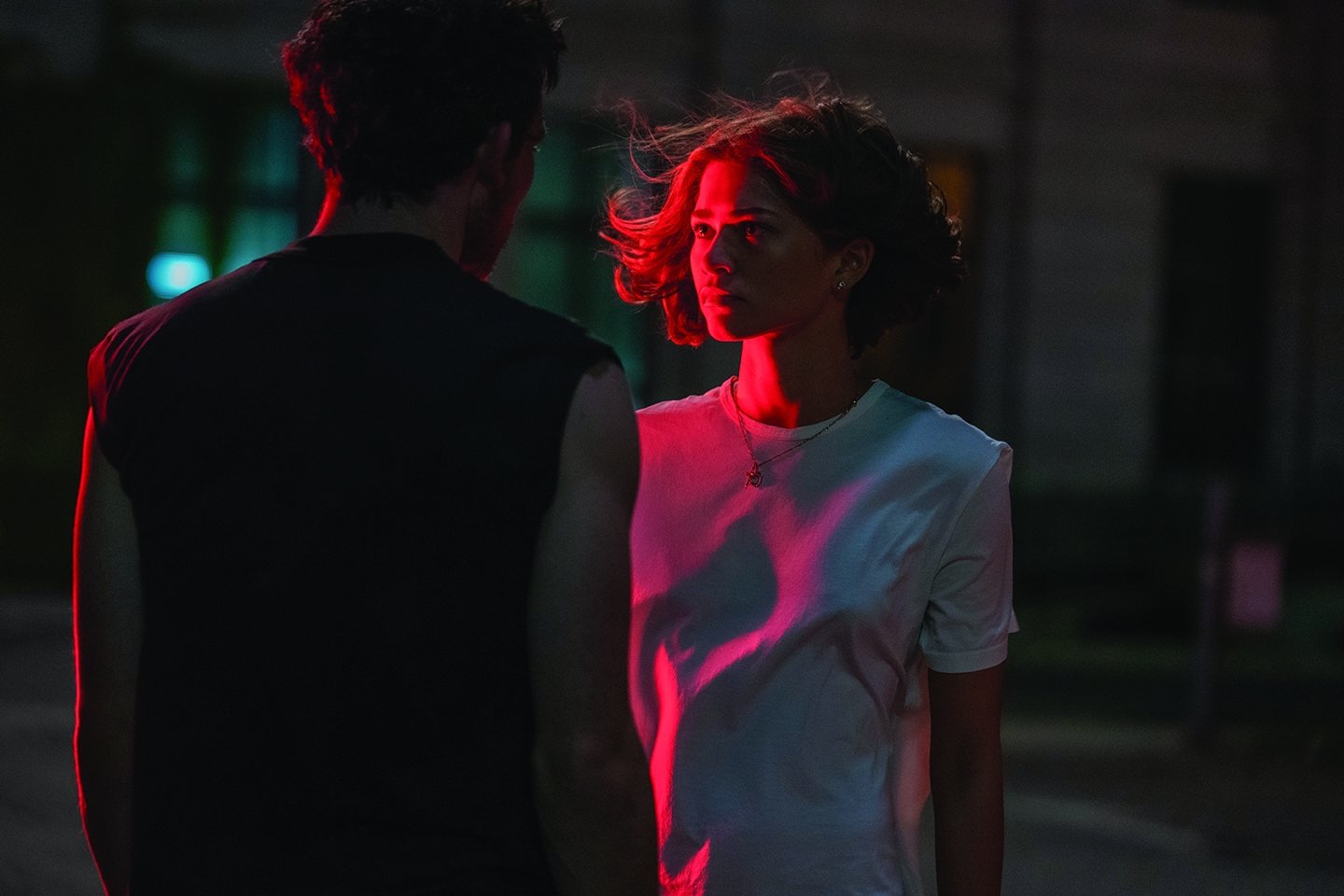 Challengers (2024)
We will combine those visual changes with a simplification of sound design—like tunnel vision for the ears. The instruments of the score will remain the same, but the tempo of the music will pick up and score will be implemented more liberally to match the freneticism of discovering the world outside the farm. Check out this Khruangbin song (which they played later in the same set), People Everywhere, to feel the energy this section of the score will bring—the same instruments employed differently.
 Phase One: The Farm
Production of the scenes which take place at the lodge and in the forest, 55 pages, will take place near Corinth, Kentucky from December 10th to 20th. The house which will serve as the William’s and Jonah’s lodge is situated on several acres of forested Appalachian highland complete with pond and wildlife. We expect that by December 10th all the foliage will have dropped, divulging the austere beauty of winter’s desolation. (Snow is both the best and worst thing that could happen to this production.)
Cast and crew will traverse the 600-odd miles from Wilmington, NC to Corinth, KY in a rented passenger van with two additional XL vehicles hauling equipment, props, costumes, and set pieces. Half of our number will lodge on location; the other half will stay at a nearby Airbnb. E
Phase Two: The Town
The rest of the script (53 pages) takes place at locations in or near Wilmington, NC, where our production team is based. Photography will commence in January, 2026. Each of the locations has already been secured at a discounted (or foregone ) rate. Cast and crew will be able to sleep in their own beds and our equipment house is centrally located.
Stretch Goals
Equipment and support for both phases is provided by The University of North Carolina Wilmington. Should our campaign exceed our goal, the first priority for those new funds is renting a set of lenses--a set of Cooke S4i primes from a local production company. Following that, an upgraded camera body--Arri Alexa Mini--and cash bonuses for cast and crew are next up.

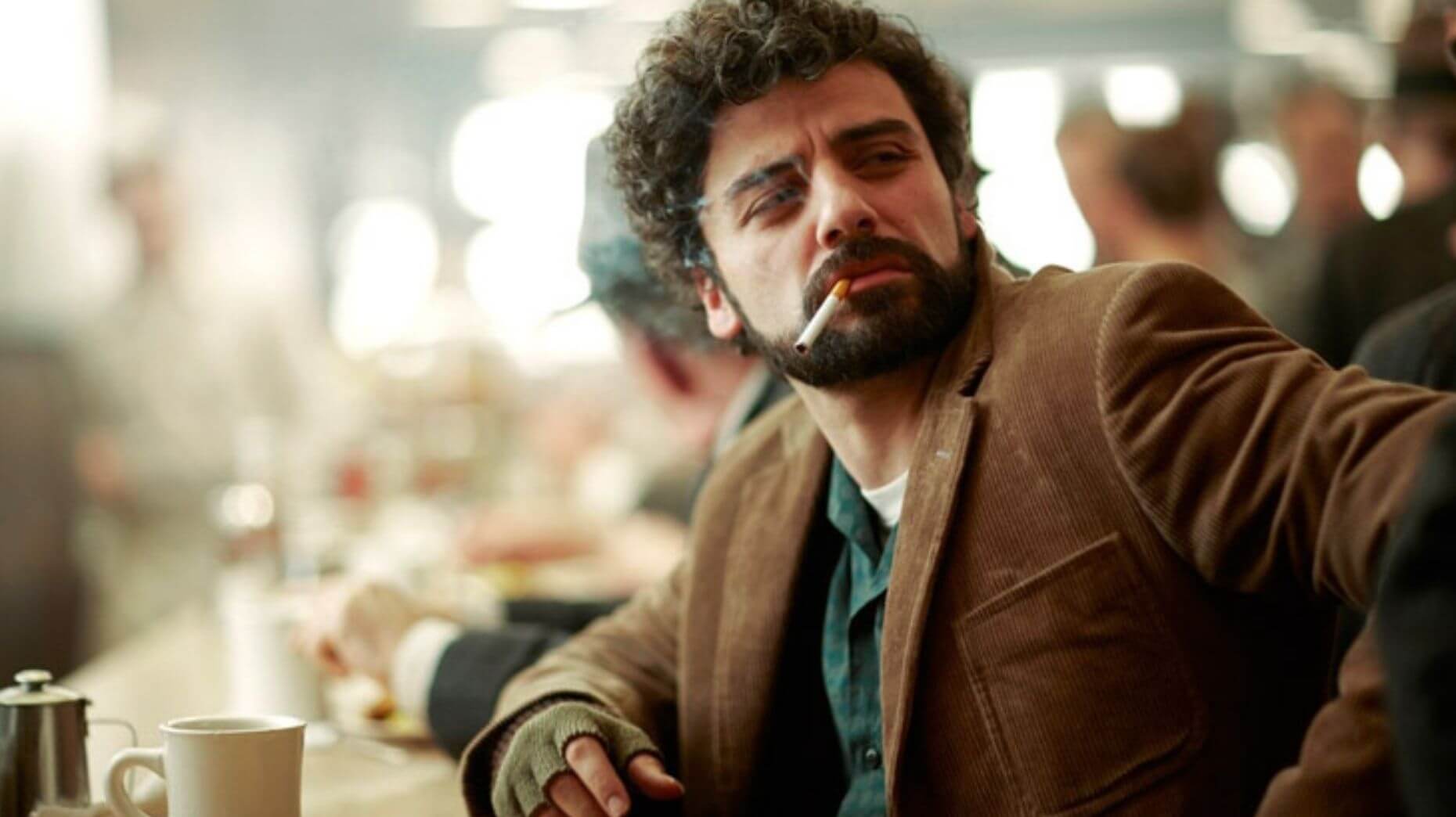
A still from Inside Llewyn Davis (2013), shot with Cooke S4/i lenses
Thank you for taking the time to further explore Progeny. Please follow @Progeny_film on Instagram for further updates and to get in touch with our team. We can’t wait to get to work, and we hope you’ll consider contributing to our campaign.
Wishlist
Use the WishList to Pledge cash and Loan items - or - Make a pledge by selecting an Incentive directly.
Transportation
Costs $800
Wilmington, NC -> Corinth, KY. Passenger van for crew plus fuel for trip and errands during production.
Lodging
Costs $800
Our principal location lodges 8. A nearby Airbnb will accomodate the remaining 7 members of our team during our 10 days in Kentucky.
Locations
Costs $1,800
Locations in Wilmington like Walker World, Dead Crow Comedy Room, and Terra Sol Sanctuary have offered us discounted rates.
Vittles
Costs $4,000
Two meals a day from Chef Maddie plus snacks is not cash, but it is something for the cast and crew. $250 a day x 20 day shoot
Hard Drives
Costs $600
Two 24 TB hard drives to store and back up the film's footage
Props, Set Design, and Costumes
Costs $500
Mainly, we need materials to build a maze of fences. Additional props and costume to be borrowed, found at thrift stores, or rented.
Cash Pledge
Costs $0


Direct link:
Share this update!
About This Team
Our team is based in Wilmington, North Carolina, and many of our number are students at or alumni of the University of North Carolina - Wilmington and Cape Fear Community College. PROGENY is the first feature film for many members of the crew.
Current Team
Incentives
- The Story
- Wishlist
- Updates
- The Team
- Community
Mission Statement
The Story
"The children are always ours, every single one of them…" -James Baldwin
"Save the child and you save the nation." -L. Ron Hubbard
A trainer hammers a giant stake into the ground and chains a baby elephant to it. It’s only a baby, so its attempts to pull out the stake are futile, and the baby elephant succumbs to its life at the whims of the trainer. Years pass. The elephant grows—big enough that ten stakes could not secure it. Yet the 4-ton elephant doesn’t even try to yank out the stake because all it can remember is failing as a baby. It has completely surrendered to its circumstances. Like the prisoners watching the shadows on the wall of the cave in Plato’s allegory, this is the only existence the elephant knows. This is the story of PROGENY.
My dad tells this story from before I can remember: We went to my uncle’s farm and his tractor was parked at the top of a hill with wood chocks under its tires. Apparently, my five-year-old idea of fun was to get rid of the chocks and then run down to the bottom of the hill so that the tractor would run me over and kill me. My dad swooped me out of the way before it hit me. Clearly, I did not understand.
So, for children, a certain (high) level of oversight makes sense. Children need help. They don’t know just what it is that’s fucking going on. Father John Misty’s song, Pure Comedy, puts it aptly:
The comedy of man starts like this
Our brains are way too big for our mother’s hips
And so nature, she devised this alternative
We emerge half-formed and hope whoever greets us on the other end
Is kind enough to fill us in
You know, look both ways before you cross the street. Don’t stick your little baby finger in that electric socket. Its nicer to shit not in your pants. These are inarguably necessary fundamental lessons. My film explores curbings of curiosity and imagination that go beyond what is necessary and the sort of adult that those limitations ultimately create.
Dogtooth (2009)
The idea is that when a parent exercises too much control, even with the best of intentions, it creates a paradigm for the child where someone else is always the source of authority that confirms or denies every course of action. This child never learns to think for itself; its greatest and only skill is doing what it’s told.
Dekalog: One (1988)
For youths in this situation, any opportunity to be passive becomes more attractive than activity—to let someone who “knows what’s going on” take the lead, to avoid the risk that you personally could fail or be wrong about something. Maybe this is why we have teenagers who would rather watch a streamer play a video game than even do the “work” of playing it themselves. It’s like skipping an x-ray so you never have to admit that you have a broken bone.
Responsibility is the hallmark trait that separates adults from children. Yet so many “adults” (people whose brains are supposedly fully developed) eschew responsibility by letting other people do their thinking for them. In all facets of life—social, political, spiritual, educational, commercial—people do what they’re supposed to do without consideration. I wrote this movie in hopes of discovering the fountain of this kind of immaturity and dropping a pin for everyone who watches.
-mark briede
ACT I
In the desolate wilderness of a Kentucky winter, 20-year-old Jonah finds a living tropical plant growing at the base of a tree. He is distracted from this miracle by his father’s calls.
He returns to their isolated lodge to find strangers appraising the contents of the garage. The men leave, but this is the first sign that he and his fugitive father, fifty-year-old William, will soon need to vacate their hideout.
Captain Fantastic (2016)
William trains Jonah in the various spiritual disciplines of the world despite being morally and spiritually bankrupt himself. They practice prayer, meditation, yoga, and fasting, but at night William locks himself in his bedroom, to indulge in every imaginable vice.
As William sleeps off a hangover, Jonah encounters 20-year-old Aleta who was spying on him. She lives on a nearby farm, the compound of a now defunct cult. Jonah is afraid of her at first, but as they talk, he gets more comfortable. This is the first person he has interacted with besides his father in a long time. They are interrupted by William’s call and Aleta runs away.
Jonah receives the punishment of one day inside for his tardiness. While Jonah discovers the intricacies of a whitewashed wall, William sets to work on a nearly complete maze of wire fences. William also meets John Bobby, a former accomplice whose family owns the land they’re hiding out on. John Bobby informs William of their impending eviction and replenishes his supplies—rice and chicken for show, twinkies and bourbon for secret consumption.
Three Billboards Outside Ebbing, Missouri (2017)
That night, William commences Jonah’s final lesson: Genesis 3, The Fall of Man. William begins to explain the source and goal of his training: Jonah’s mother. She was William’s spiritual teacher and had convinced him to go on the run robbing churches with her. William was deeply in love with her and would have followed her on any adventure, however morally dubious.
As William constructs a murky version of his life story for Jonah, Aleta creeps up on their lodge and tries to get a picture of the fugitive William and her flash goes off. William freaks out, but Jonah convinces him to let him, Jonah, chase her and attempt to practice the evangelism he has been training for. End Act I.
The goal is for the audience to spend the first half hour of the movie seeing the life that William has created for Jonah and then begging to let Jonah see what else life has to offer. The key, however, lies with William and the audience’s understanding (or misunderstanding) of his motive. The mysteries of the fence, Jonah’s mother, and Aleta’s appearance, created in act I, will drive the narrative through its final hour of runtime (and compel you to contribute so you can see how it ends )
About half of this movie takes place in a single location: the lodge and its surrounding wilderness. For this section of the movie, we will rely on theater techniques for blocking as we try to mimic the routine of the characters’ lives with static framing, long takes, and wide angles.
Meantime (1984), Phoenix (2015), Mikey and Nicky (1976), Showing Up (2022)
Inspiration for the first section of the film comes both from theater itself—single location plays like True West by Sam Shepherd and especially This is Our Youth and other works by Kenneth Lonergan—and films that draw on theater techniques like the works of Kelly Reichardt, Mike Leigh, Krzysztof Kieslowski, Christian Petzold, John Cassavetes, and Elaine May.
The sound design for the farm will seem overwrought. We want to convey the depths of the so-called silences in our daily lives that many people rush to fill with music or tik tok. Score in this section will be sparse. All the instruments used will be rudimentary, ancient, and ideally have sacred contexts: drums, flutes, singing bowls, chimes, bells, and a gong. For reference, consider the measured control and tacit simplicity of this Khruangbin song, White Gloves.
Little Women (2019)
Once Jonah gets off the farm, so do we. Moving to more kinetic and conspicuously cinematic techniques, the audience experiences the rush of the outside world alongside the protagonist. We will break out the gimbal, the shallow depth of field, the chop-chop editing that is contemporary popular media’s oxygen. Sumptuous films like Luca Guadagnino’s Challengers and Greta Gerwig’s Little Women will serve as touchstones for this section.
Challengers (2024)
We will combine those visual changes with a simplification of sound design—like tunnel vision for the ears. The instruments of the score will remain the same, but the tempo of the music will pick up and score will be implemented more liberally to match the freneticism of discovering the world outside the farm. Check out this Khruangbin song (which they played later in the same set), People Everywhere, to feel the energy this section of the score will bring—the same instruments employed differently.
Phase One: The Farm
Production of the scenes which take place at the lodge and in the forest, 55 pages, will take place near Corinth, Kentucky from December 10th to 20th. The house which will serve as the William’s and Jonah’s lodge is situated on several acres of forested Appalachian highland complete with pond and wildlife. We expect that by December 10th all the foliage will have dropped, divulging the austere beauty of winter’s desolation. (Snow is both the best and worst thing that could happen to this production.)
Cast and crew will traverse the 600-odd miles from Wilmington, NC to Corinth, KY in a rented passenger van with two additional XL vehicles hauling equipment, props, costumes, and set pieces. Half of our number will lodge on location; the other half will stay at a nearby Airbnb. E
Phase Two: The Town
The rest of the script (53 pages) takes place at locations in or near Wilmington, NC, where our production team is based. Photography will commence in January, 2026. Each of the locations has already been secured at a discounted (or foregone ) rate. Cast and crew will be able to sleep in their own beds and our equipment house is centrally located.
Stretch Goals
Equipment and support for both phases is provided by The University of North Carolina Wilmington. Should our campaign exceed our goal, the first priority for those new funds is renting a set of lenses--a set of Cooke S4i primes from a local production company. Following that, an upgraded camera body--Arri Alexa Mini--and cash bonuses for cast and crew are next up.
A still from Inside Llewyn Davis (2013), shot with Cooke S4/i lenses
Thank you for taking the time to further explore Progeny. Please follow @Progeny_film on Instagram for further updates and to get in touch with our team. We can’t wait to get to work, and we hope you’ll consider contributing to our campaign.
Wishlist
Use the WishList to Pledge cash and Loan items - or - Make a pledge by selecting an Incentive directly.
Transportation
Costs $800
Wilmington, NC -> Corinth, KY. Passenger van for crew plus fuel for trip and errands during production.
Lodging
Costs $800
Our principal location lodges 8. A nearby Airbnb will accomodate the remaining 7 members of our team during our 10 days in Kentucky.
Locations
Costs $1,800
Locations in Wilmington like Walker World, Dead Crow Comedy Room, and Terra Sol Sanctuary have offered us discounted rates.
Vittles
Costs $4,000
Two meals a day from Chef Maddie plus snacks is not cash, but it is something for the cast and crew. $250 a day x 20 day shoot
Hard Drives
Costs $600
Two 24 TB hard drives to store and back up the film's footage
Props, Set Design, and Costumes
Costs $500
Mainly, we need materials to build a maze of fences. Additional props and costume to be borrowed, found at thrift stores, or rented.
Cash Pledge
Costs $0
Direct link:
Share this update!
About This Team
Our team is based in Wilmington, North Carolina, and many of our number are students at or alumni of the University of North Carolina - Wilmington and Cape Fear Community College. PROGENY is the first feature film for many members of the crew.