Relative Strangers
Berkeley, California | Film Feature
Documentary
Equipped with DNA kits and allies around the world, a group of mixed race adopted Koreans search for their original families. Relative Strangers follows their journeys as they confront their complicated pasts and uncover the hidden truths that determined their fate.
Relative Strangers
Berkeley, California | Film Feature
Documentary

0 Campaigns | California, United States
Equipped with DNA kits and allies around the world, a group of mixed race adopted Koreans search for their original families. Relative Strangers follows their journeys as they confront their complicated pasts and uncover the hidden truths that determined their fate.
About The Project


- The Story
- Wishlist
- Updates
- The Team
- Community
Mission Statement
The Story
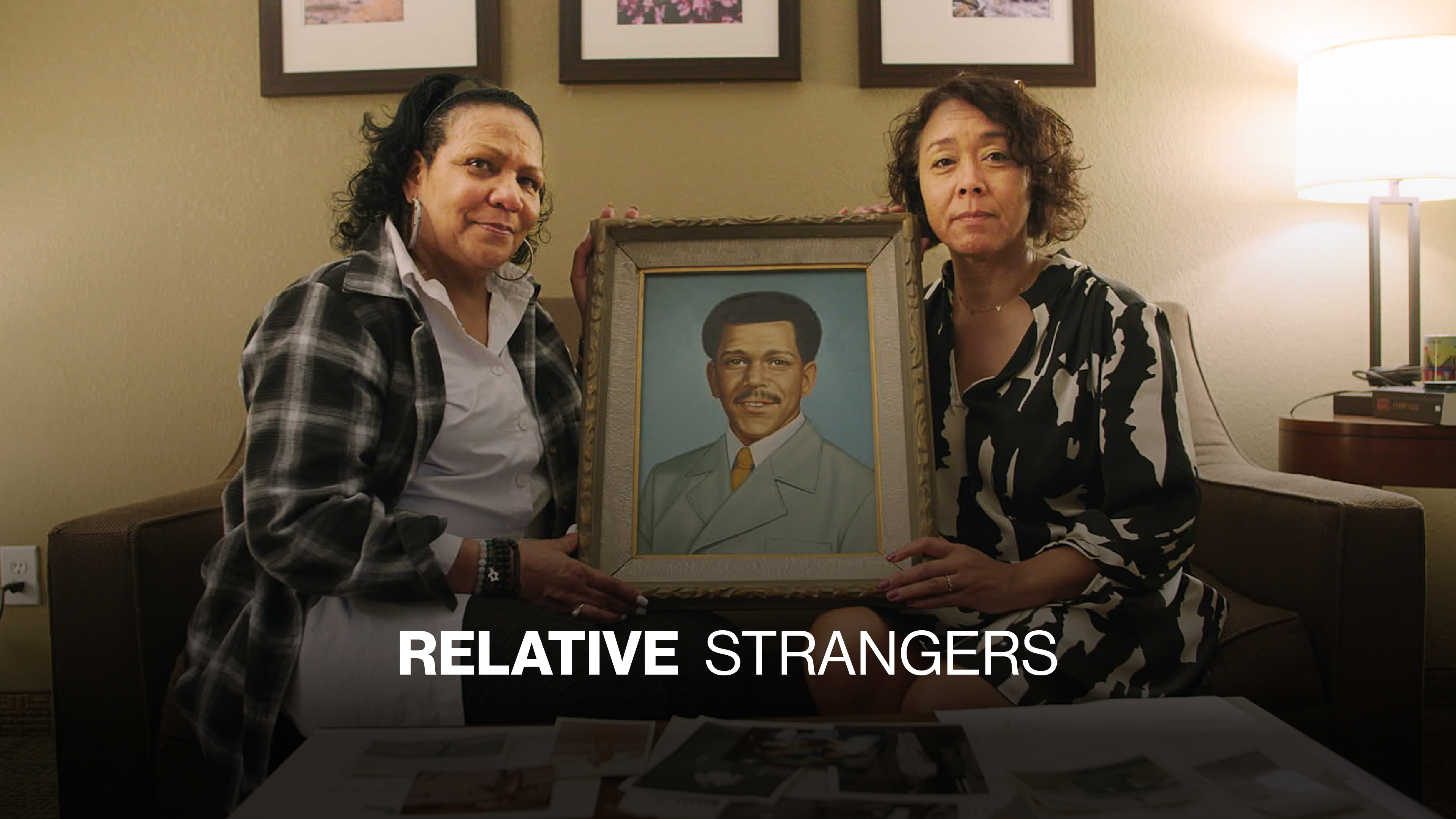
Relative Strangers is a feature documentary about a group of adopted Koreans who were among the first to be sent for adoption by American and European families in the aftermath of the Korean War. Born to Korean women and unknown to or unacknowledged by their American GI fathers, they were stigmatized by Korean society and sent overseas. Now adults in their 50s and 60s, they’re searching for their original families, armed with DNA kits. The film follows their journeys as they confront their complicated pasts, uncovering the economic, racial, and social inequalities that determined their fate.
Background
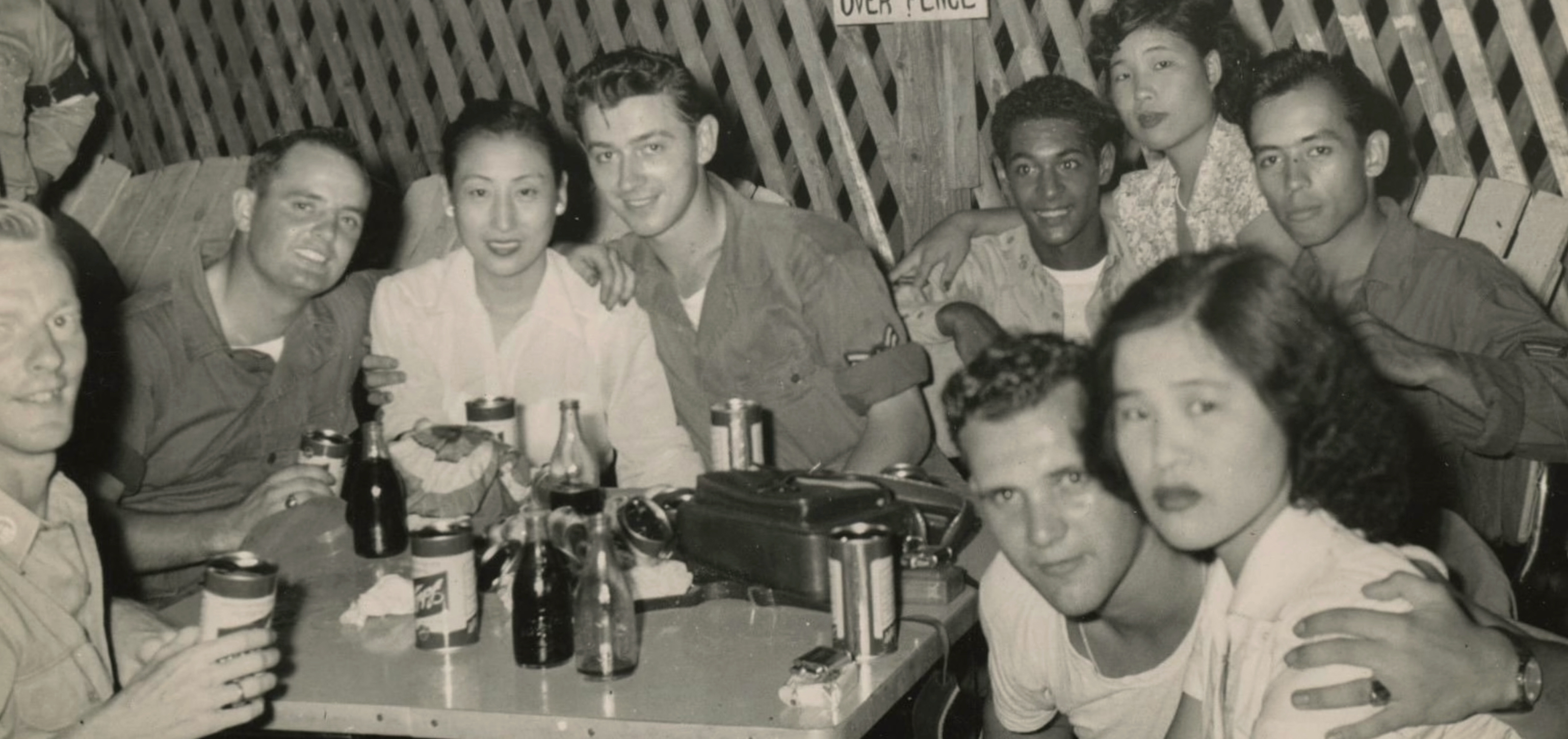
Over six million American servicemen have served in South Korea since the 1950s. The Korean government and the U.S. military worked together to create "camptowns" or gijichon—strictly regulated areas with clubs, bars, and brothels that catered to American GIs.
Called "GI babies" or "UN babies," many children born in the camptowns were allegedly abandoned on the doorsteps of orphanages and police stations. South Korea’s first president, Syngman Rhee, promoted the belief that Korea should be racially pure and that the children of Western fathers and Korean mothers should be sent to the West. This attitude, along with a rising demand for adoptable children by Western couples and portrayals of the Korean mothers as prostitutes, were among the factors that led to the large-scale adoption of mixed-race Korean children overseas, laying the groundwork for the global movement that followed.
The Protagonists
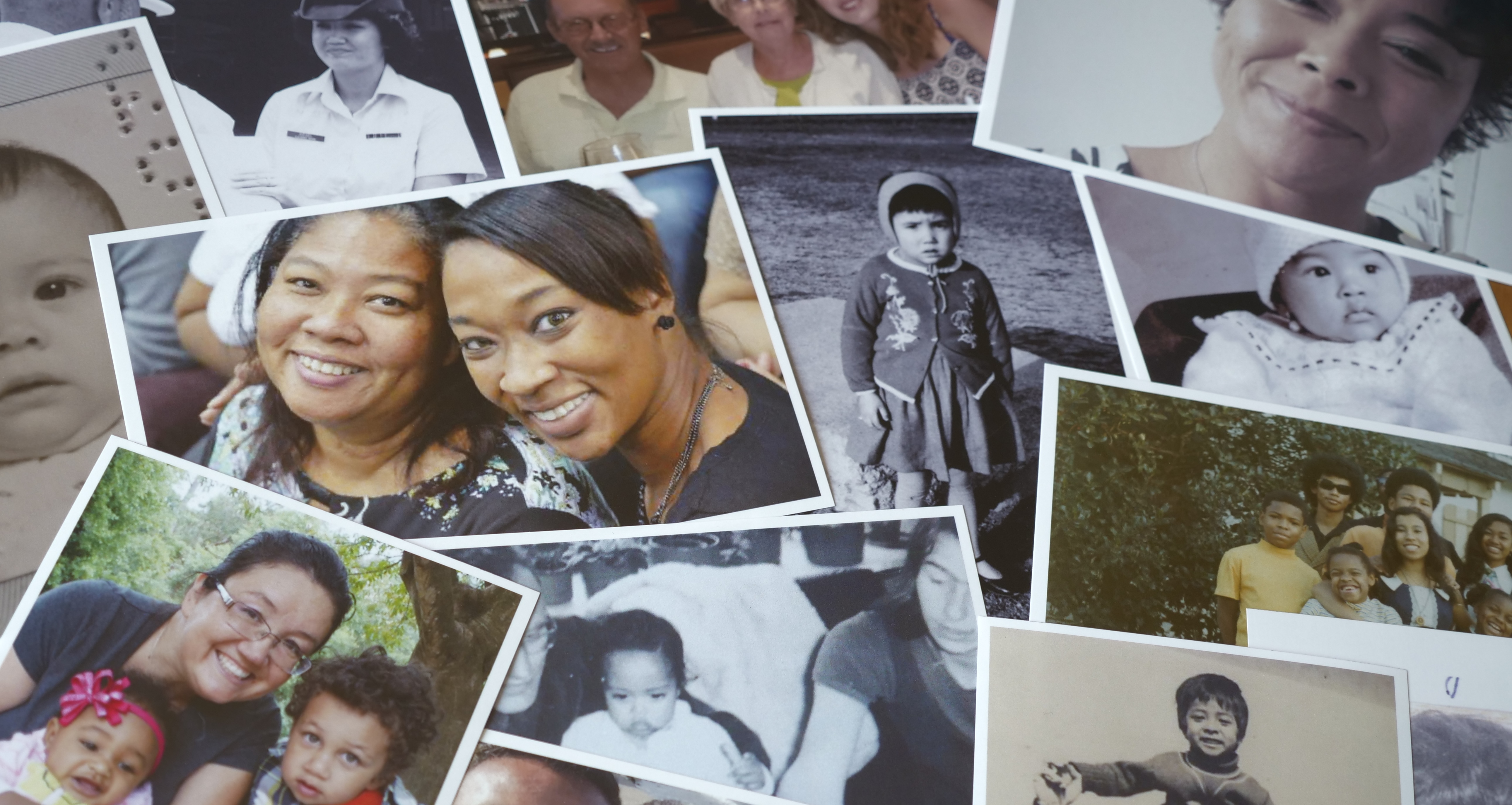
Relative Strangers follows six Korean adoptees over the course of eight years as they join together to visit their homeland, search for their Korean relatives, and return to their adoptive countries to seek out their biological fathers. The film captures the arc of their stories as they receive their DNA results and find their families.
Among the stories is Lowell’s, who is stunned and saddened to discover that his Korean mother lived and passed away in New York. Tanne learns that her father is deceased, but that she has a half-brother in Georgia. Jen has a tearful meeting with her birth mother in Korea. Four years later, she discovers her American father in California. Lisa finds her Vietnamese Amerasian brother (her birth father was deployed to Vietnam after serving in Korea).
As the protagonists discover their families, they debunk some of the narratives they heard growing up. Contrary to stories about children being abandoned or thrown into the Han River, they learn that many Korean mothers tried to hide and keep their children but were coerced by social workers to relinquish them to adoption agencies. Other mothers were promised marriage by their children’s fathers, only to never hear from them again.
DNA results reveal that Korean adoptees are related to wide-ranging international families, including African American veterans, Vietnamese Amerasians, and Black German adoptees, widening the aperture on those impacted by the Korean War and bringing to light our interconnected histories.
Why Now?
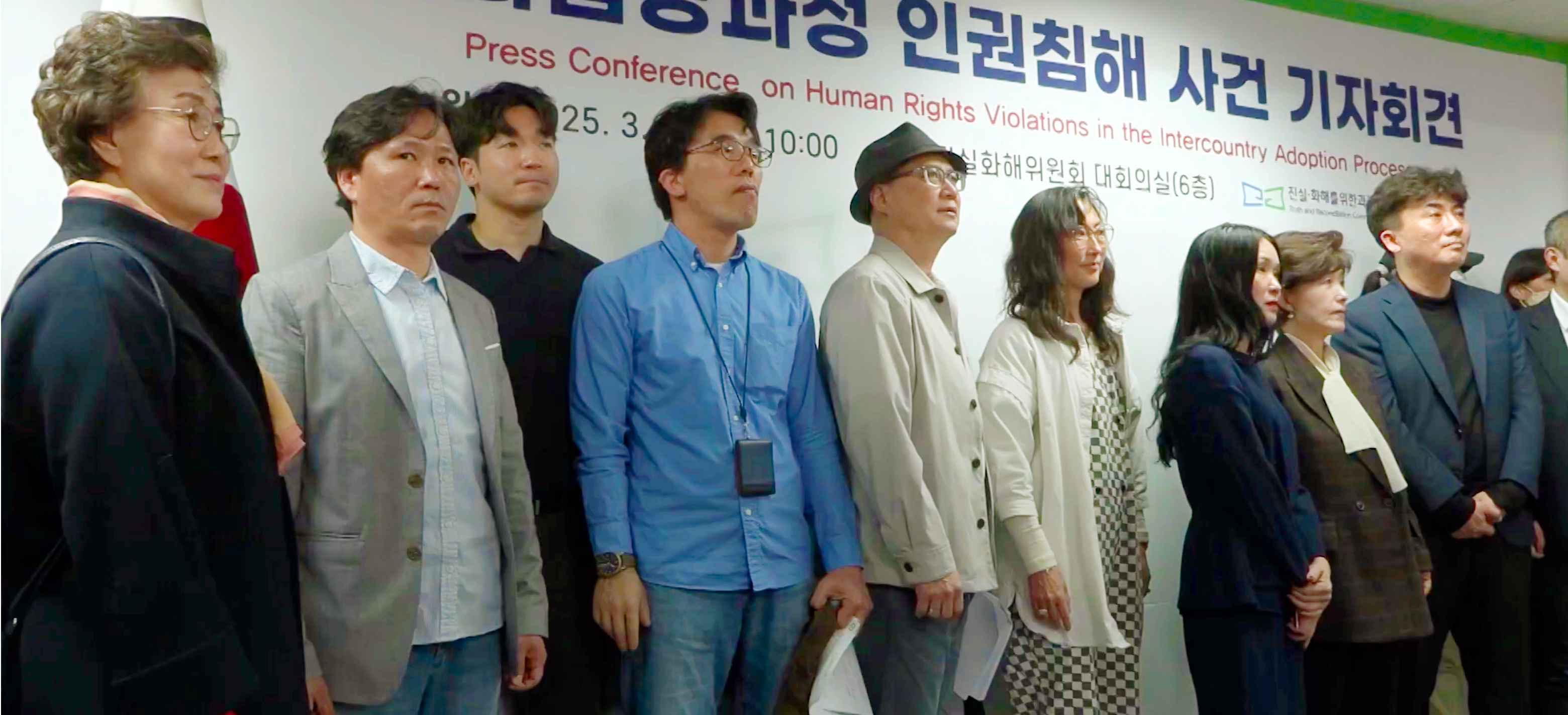
On March 2025, South Korea's Truth and Reconciliation Commission (TRC) issued a landmark report that confirmed what many adopted Koreans had suspected all along—that there was little government oversight of agencies handling foreign adoptions, and that these agencies systematically manipulated children’s origins, falsified documents, and issued paperwork that said the children were orphans when in fact they had families. Agencies paid hospitals and orphanages to procure children and in some cases switched children’s identities when the children to be adopted died or were reclaimed by Korean relatives.
The TRC was reauthorized in February 2026 with a three-year mandate to continue its investigation of foreign adoptions. This long overdue reckoning makes Relative Strangers extremely timely. Along their journeys, our protagonists confront fabricated records, discrepancies in birth dates and parents’ names, and documents falsely stating they were “orphans.” Our film brings these stories to light and ensures that they are part of the public record. The film will advance the efforts of adopted people to discover and define their own identities and to honor their original families by acknowledging the complex dynamics that forced them apart.
Why Us?
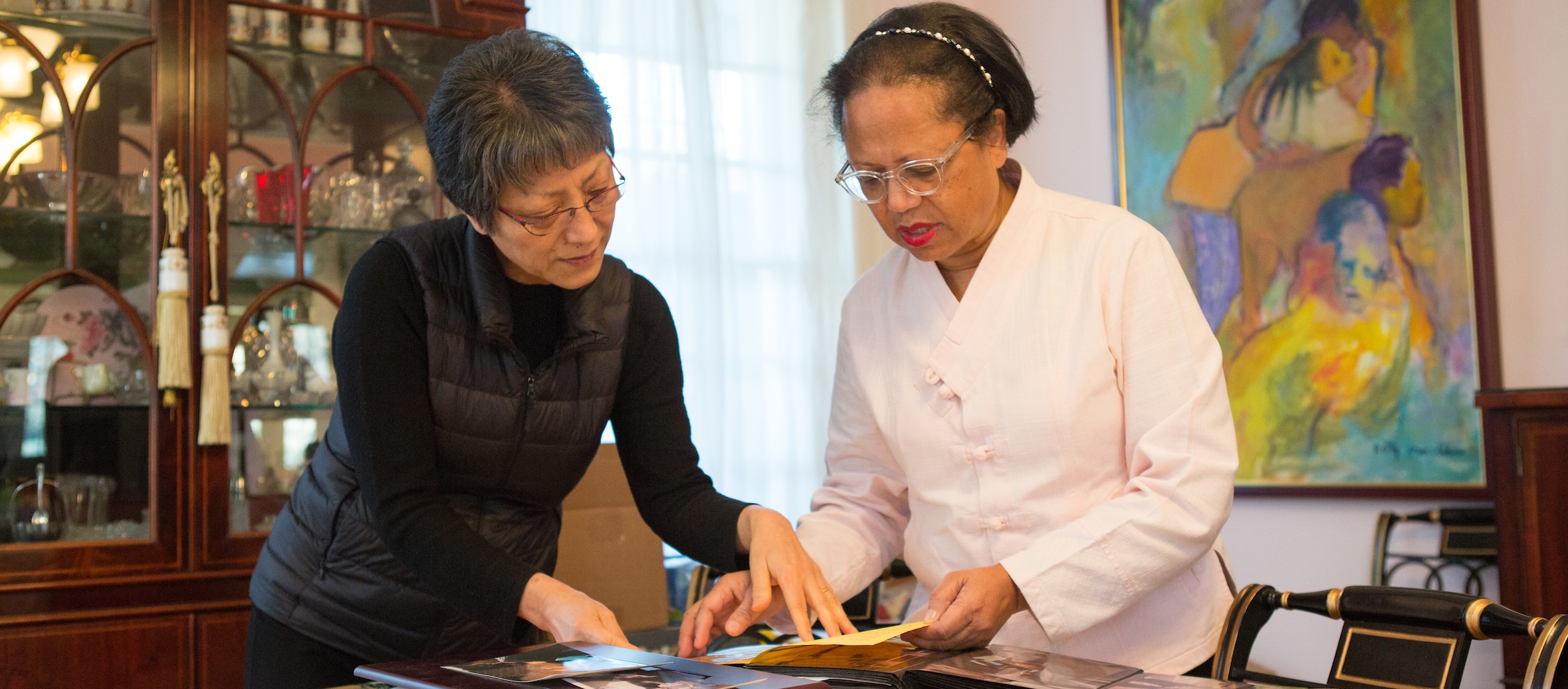
Born in Korea, then adopted by an American family in 1966, Director/Producer Deann Borshay Liem is an active member of the community featured in Relative Strangers. Her first two films, First Person Plural and In the Matter of Cha Jung Hee, followed her personal journey of exploring the history of her own adoption.
Her third adoption film, Geographies of Kinship, framed transnational adoption as a legacy of the Korean War, the post-war devastation of Korea, and the export-led economic policies of successive South Korean dictatorships. Since the national broadcast of these films on PBS, they have been used in classrooms and community settings across the country to spark discussions on transnational migration, kinship, race, war, and reproductive justice.
Building on the 25-year legacy and momentum of her previous films, Deann now returns with Relative Strangers, a film that compels us to explore the ways in which war profoundly shapes our connections to ourselves and to each other.
Our Outreach Partners
It takes a village to make a movie and we are filled with gratitude to the many groups who have stepped forward to be part of our support network. Our Outreach Partners are part of our “brain trust” -- early supporters of the film who have agreed to help promote our fundraiser, engage with our team in meaningful conversations about the film's impact campaign, and host screenings and public conversations about the film’s topics and themes once the film is completed. Our partners are:
Adoptees for Justice; Adopterade Koreaners Förening (AKF Sweden); Adoption Mosaic; Also-Known-As, Inc.; Asian Adoptees of Canada; Association of Korean Adoptees in Germany (KAD e.V.); Association of Korean Adoptees San Francisco (AKASF); BIPOC Adoptees; Boston Korean Adoptees; International Korean Adoptee Associations (IKAA); Korean Image Archive; Korean Quarterly; Korea Klubben (Denmark); Korea Peace Now; Mixed Asian Media; and Women Cross DMZ.
We are thrilled to be working with these groups as we move forward with completing production.
Stretch Goal
$50,000 — PRODUCTION
Your support will help us film the remaining footage needed to complete the production phase. Donations will cover crew fees, travel costs, equipment rentals, meals, and other critical production costs.
IF WE REACH $75,000 — POST PRODUCTION
Our stretch goal of $75,000 will support the first phase of post production (editing), resulting in a rough cut. A rough cut will lay out the complete storyline and attract funders who will support completion and distribution. Our goal is to complete the film by December 2027 and premiere at a festival near you in 2028.
How You Can Help
Since 2017, we have received funding from the Ford Foundation, the Center for Asian American Media, the Berkeley Film Foundation, and other generous donors. With this support we have completed two thirds of production.
To finish the film for a 2028 release, we need funds to shoot the remaining footage, which includes final interviews and scenes with our main protagonists in the U.S. and Korea.
You can help by doing the following:
- Make a donation – Donate any amount. Every dollar goes directly to production expenses.
- Share our campaign – Share our campaign with your family, friends, and social networks. Getting the word out is a huge help!
- Follow us – Click the “Follow” button at the top of this page, create an account, and stay connected! This will help increase our campaign's visibility and allow us to stay in touch as we work toward completing the film.
Thank you for your love and support!
Deann and the Relative Strangers Team ☀️
Wishlist
Use the WishList to Pledge cash and Loan items - or - Make a pledge by selecting an Incentive directly.
Craft Services | Food
Costs $2,000
Help feed our crew and keep them healthy and happy while they're on set.
Travel costs
Costs $8,000
Cover roundtrip airfare for shoots in the U.S. and Korea.
Gear & Equipment
Costs $10,000
Cover costs for camera rental, sound equipment, lighting, hard drives, and other production gear.
Crew Fees
Costs $23,000
Support our crew fees at indie rates over 15 days of production.
Ground Transportation
Costs $2,000
Cover costs for van rental, gas, tolls for transporting crew and equipment.
Lodging
Costs $5,000
Cover hotel costs for crew during production.


Direct link:
Share this update!
About This Team
PRODUCTION STUDIO: Mu Films
 Mu Films is a non-profit documentary production studio based in Berkeley, California. The mission of Mu Films is to produce and distribute documentaries and educational media about social, historical, and cultural issues with a focus on untold stories from under-represented communities. Our goal is to use media to bring about social justice, promote cultural understanding and encourage positive social change.
DIRECTOR | PRODUCER | WRITER: Deann Borshay Liem
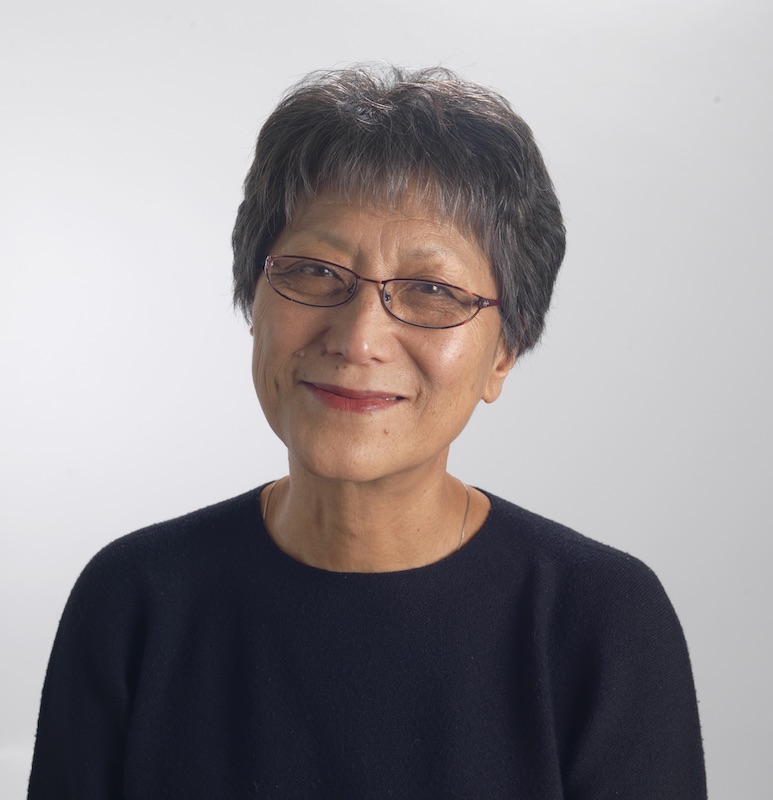 Deann is an Emmy Award-winning documentarian known for films that explore themes of war, memory, family, and identity, including her landmark adoption films First Person Plural, In the Matter of Cha Jung Hee, and Geographies of Kinship. Her work on the Korean War, including Memory of Forgotten War, Crossings, and the oral history project Legacies of the Korean War, explores the geopolitical underpinnings of the unresolved Korean conflict. She is the Producer of the award-winning film, Vivien’s Wild Ride, now on PBS.
EXECUTIVE PRODUCER: Sam Pollard
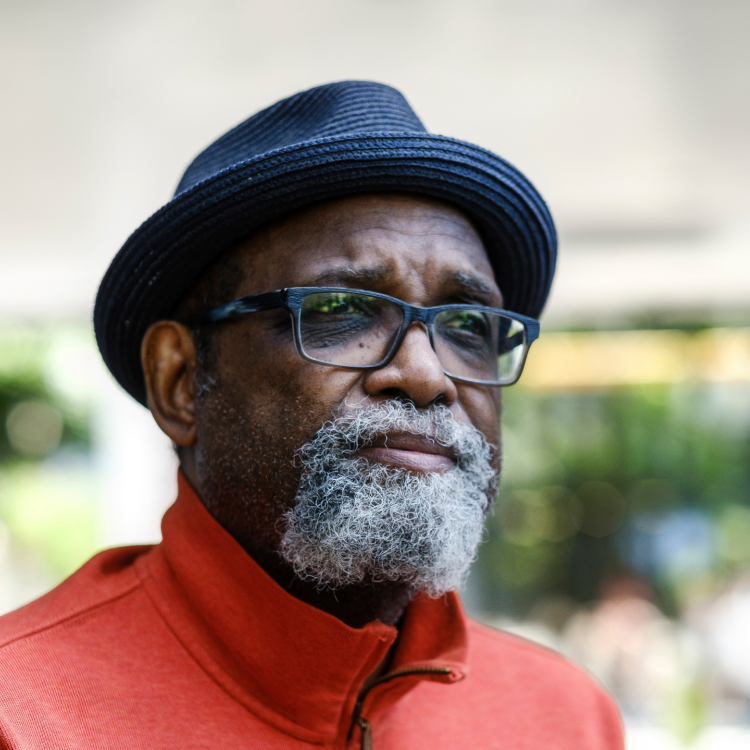 Sam Pollard has worked extensively in film editing, directing, producing, and screenwriting. He is an Emmy Award-winner for Outstanding Picture Editing for Nonfiction Programming for By the People: The Election of Barack Obama and an Emmy nominee for Outstanding Documentary or Nonfiction Special for Sinatra: All or Nothing. He was nominated for an Academy Award for the film 4 Little Girls with Spike Lee and a Peabody Award for “chronicling the Black experience and illuminating complicated historical figures across film and television.”
PRODUCER: Sarah Kim
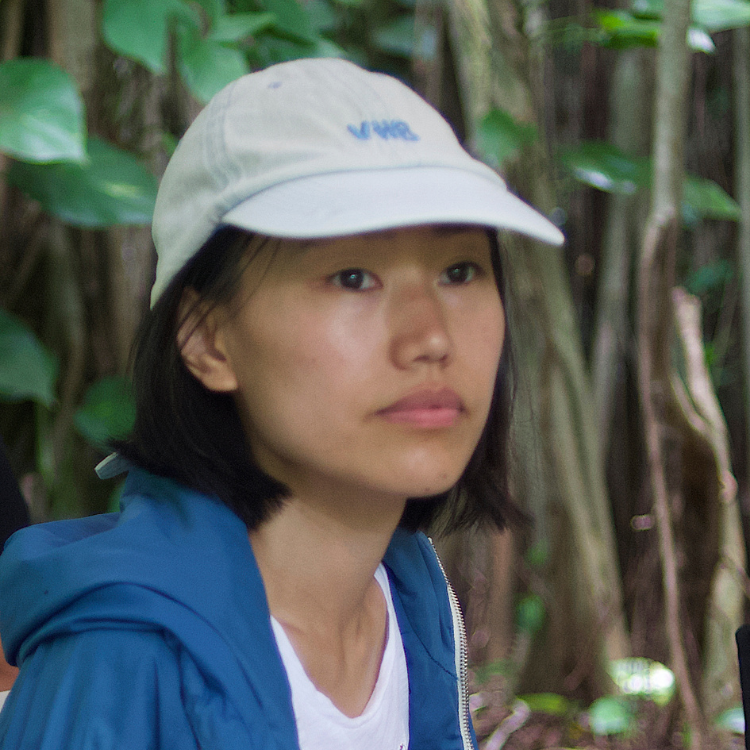 Sarah S. Kim produced the critically acclaimed feature, August at Akiko's, which premiered at the International Film Festival of Rotterdam and was hailed as one of the "Best Movies of 2019" in the New Yorker. Her next feature film I Was a Simple Man premiered in competition at the 2021 Sundance Film Festival, distributed by Strand Releasing and is currently on the Criterion Channel. It was also hailed as one of the top five movies of 2021 in The New Yorker. Other credits include the latest documentary by Emmy Award winning filmmaker Deann Borshay Liem, Crossings. Her films have screened at Sundance, Tribeca, IFFR, Indie Memphis, Indie Lisboa, Sarasota, Maryland, MoMA, Lincoln Center, Metrograph and more. She is a fellow of the Film Independent Producers Lab, Cannes Producers Network, Sundance Producers Summit and Dear Producer Award recipient.
PRODUCER: Lise Yasui
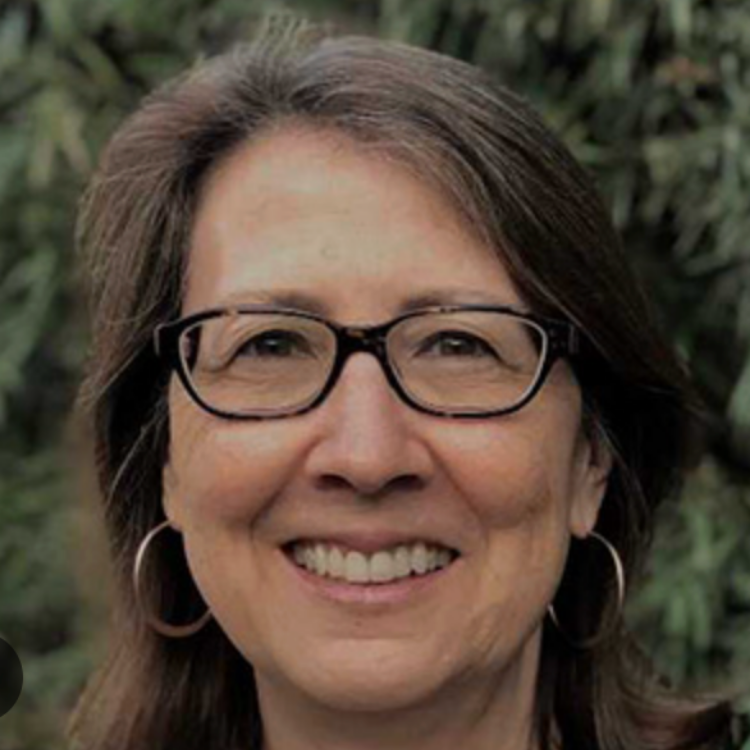 Lise Yasui produced and directed the Oscar-nominated Family Gathering, about her Japanese American family’s WWII internment experience. It aired on American Experience, the BBC, and Star TV. She co-produced Frontline's Peabody-winning The Gate of Heavenly Peace, about the 1989 Tiananmen Square massacre, which was broadcast internationally. Most recently she produced Phil Bertelsen's The Picture Taker about civil rights photographer and FBI informant, Ernest Withers, which was broadcast nationally on PBS' Independent Lens.
CINEMATOGRAPHER | SOUND RECORDIST: Jim Choi
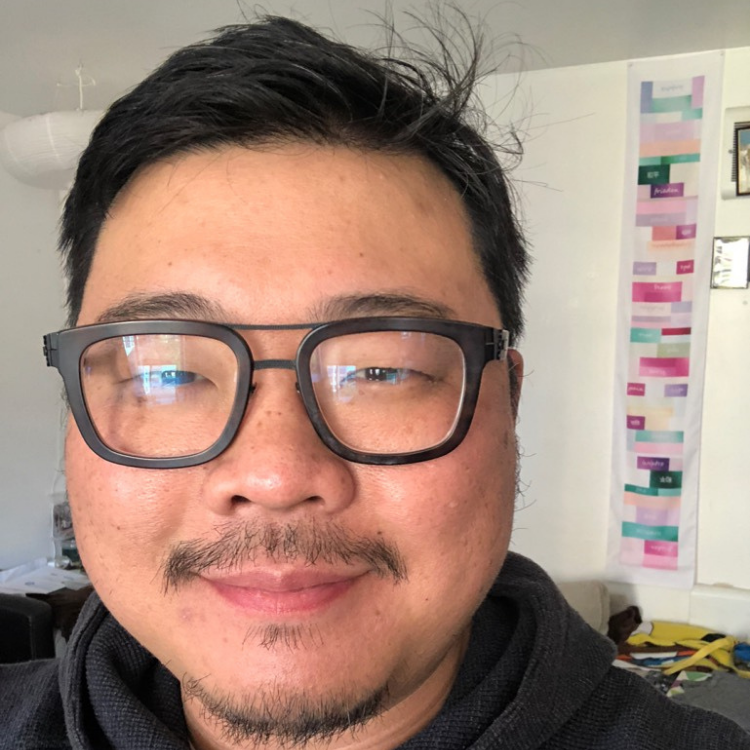 Jim Choi is an award-winning director, cinematographer, and sound recordist. He co-directed and filmed Defender about San Francisco’s public defender, Jeff Adachi, and directed The People’s Hospital, about San Francisco’s Chinese Hospital. Choi also directed the award-winning Changing Season and Don’t Lose Your Soul, a profile of Anthony Brown and Mark Izu, the founders of the Asian American Jazz Festival. Choi served as the Director of Photography on Jake Shimabukuro: Life On Four Strings, and Lost and Found: Legacy of USS Lagarto, which was nominated for an Emmy in the cinematography category.
CINEMATOGRAPHER: Jerry Henry
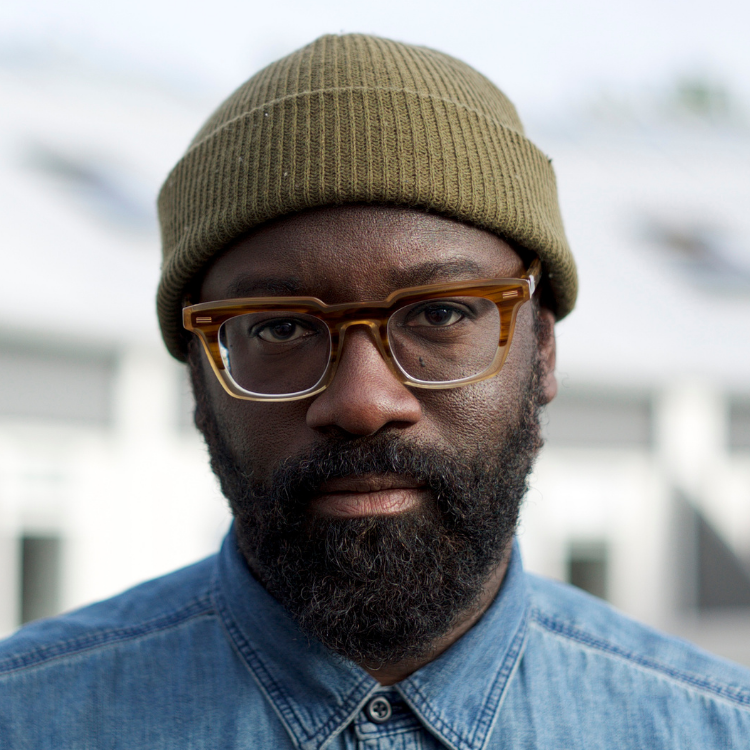 Jerry Henry's visual talents can be seen in the Oscar-nominated film Exit Through the Gift Shop, directed by Banksy, and the Peabody Award-winning documentary American Revolutionary, by Grace Lee. He has worked on the Grammy Award-winning HBO doc series The Defiant Ones, which chronicles the lives and work of Dr. Dre and Jimmy lovine. Jerry contributed cinematography on the Oscar-nominated short, St. Louis Superman. More recent work includes the documentary/narrative adaptation of Ta-Nehisi Coates’ book Between the World and Me, High on the Hog Season 1 for Netflix, and The 1619 Project with Pulitzer Prize-winning New York Times journalist Nikole Hannah-Jones.
EDITOR: Chris Callister
 Chris Callister edited the Netflix Original Documentary Seeing Allred, which premiered in competition at the 2018 Sundance Film Festival and was praised by The New York Times for its “excellent and well edited collection of news footage” charting attorney Gloria Allred’s legal fights and victories. Callister edited Who Will Write Our History, Mimi and Dona which aired on the PBS Series Independent Lens, Hotel Everest, Ishi's Return, Crossings, and most recently, Buried Under Years of Dust, which premieres at the San Francisco Int'l Film Festival in May, 2026.
EDITOR: Hannah Choe
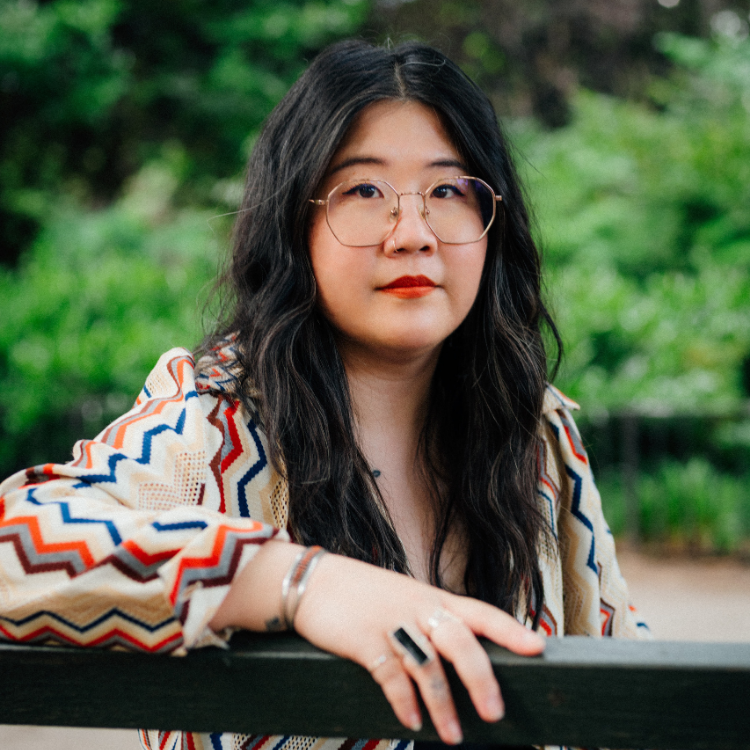 Hannah Choe is a documentary editor whose credits include Family Tree (Full Frame and Hot Docs, 2024), Eat Bitter, which was nominated for a CPH:DOX Award and was an official selection at Hot Docs, IDFA, Visions du Réel, and DOC NYC, and Crossings (Hawaiʻi International Film Festival and CAAMFest, 2021). Other credits include additional editing on Emergent City and associate editing on Through Our Eyes, Tangled Roots, Geographies of Kinship, and Dark Money (Shortlisted for Oscar). She was a contributing editor at the Sundance Documentary Edit and Story Lab and was awarded a Karen Schmeer Diversity in the Edit Room Fellowship.
FILM ADVISORS
Yuri Doolan, Ph.D. – Yuri Doolan is an Assistant Professor of History and Women’s, Gender, and Sexuality Studies and the inaugural chair of Asian American and Pacific Islander Studies at Brandeis University. He is the author of The First Amerasians: Mixed Race Koreans from Camptowns to America.
Kori Graves, Ph.D. – Dr. Kori A. Graves is an Associate Professor of History at the University at Albany, State University of New York. She is the author of A War Born Family: African American Adoption in the Wake of the Korean War.
Daniel Y. Kim, Ph.D. – Dr. Daniel Kim is a Professor of English and American Studies at Brown University. He is the author of The Intimacies of Conflict: Cultural Memory and the Korean War (NYU Press, 2020) and Writing Manhood in Black and Yellow: Ralph Ellison, Frank Chin and the Literary Politics of Identity (Stanford University Press, 2005).
Eleana Kim, Ph.D. – Dr. Eleana Kim is a Professor of Anthropology at UC Irvine. She is the author of Adopted Territory: Transnational Korean Adoptees and the Politics of Belonging (Duke UP, 2010).
Kim Park Nelson, Ph.D. - Dr. Park Nelson is the author of Invisible Asians: Korean American Adoptees, Asian American Experiences and Racial Exceptionalism. Her work has appeared in multiple anthologies and scholarly journals.
Rosemarie Peña, Ph.D. – Dr. Rosemarie Peña is the Founder and President of the Black German Heritage and Research Association (BGHRA).
Ji-Yeon Yuh, Ph.D. – Dr. Ji-Yeon Yuh is an Associate Professor of History at Northwestern University. She is the author of Beyond the Shadow of Camptowns: Korean Military Brides in America, a history of Korean women who immigrated to the United States as the wives of U.S. soldiers.
MU FILMS BOARD MEMBERS
Jimmy Byrne
Grant Din (Treasurer)
Nanette Fok (Board Vice Chair)
Eun-Joung Lee
Deann Borshay Liem (Secretary)
Eileen Thompson (Board Chair)
Bob Uyeki
Current Team
Incentives
- The Story
- Wishlist
- Updates
- The Team
- Community
Mission Statement
The Story
Relative Strangers is a feature documentary about a group of adopted Koreans who were among the first to be sent for adoption by American and European families in the aftermath of the Korean War. Born to Korean women and unknown to or unacknowledged by their American GI fathers, they were stigmatized by Korean society and sent overseas. Now adults in their 50s and 60s, they’re searching for their original families, armed with DNA kits. The film follows their journeys as they confront their complicated pasts, uncovering the economic, racial, and social inequalities that determined their fate.
Background
Over six million American servicemen have served in South Korea since the 1950s. The Korean government and the U.S. military worked together to create "camptowns" or gijichon—strictly regulated areas with clubs, bars, and brothels that catered to American GIs.
Called "GI babies" or "UN babies," many children born in the camptowns were allegedly abandoned on the doorsteps of orphanages and police stations. South Korea’s first president, Syngman Rhee, promoted the belief that Korea should be racially pure and that the children of Western fathers and Korean mothers should be sent to the West. This attitude, along with a rising demand for adoptable children by Western couples and portrayals of the Korean mothers as prostitutes, were among the factors that led to the large-scale adoption of mixed-race Korean children overseas, laying the groundwork for the global movement that followed.
The Protagonists
Relative Strangers follows six Korean adoptees over the course of eight years as they join together to visit their homeland, search for their Korean relatives, and return to their adoptive countries to seek out their biological fathers. The film captures the arc of their stories as they receive their DNA results and find their families.
Among the stories is Lowell’s, who is stunned and saddened to discover that his Korean mother lived and passed away in New York. Tanne learns that her father is deceased, but that she has a half-brother in Georgia. Jen has a tearful meeting with her birth mother in Korea. Four years later, she discovers her American father in California. Lisa finds her Vietnamese Amerasian brother (her birth father was deployed to Vietnam after serving in Korea).
As the protagonists discover their families, they debunk some of the narratives they heard growing up. Contrary to stories about children being abandoned or thrown into the Han River, they learn that many Korean mothers tried to hide and keep their children but were coerced by social workers to relinquish them to adoption agencies. Other mothers were promised marriage by their children’s fathers, only to never hear from them again.
DNA results reveal that Korean adoptees are related to wide-ranging international families, including African American veterans, Vietnamese Amerasians, and Black German adoptees, widening the aperture on those impacted by the Korean War and bringing to light our interconnected histories.
Why Now?
On March 2025, South Korea's Truth and Reconciliation Commission (TRC) issued a landmark report that confirmed what many adopted Koreans had suspected all along—that there was little government oversight of agencies handling foreign adoptions, and that these agencies systematically manipulated children’s origins, falsified documents, and issued paperwork that said the children were orphans when in fact they had families. Agencies paid hospitals and orphanages to procure children and in some cases switched children’s identities when the children to be adopted died or were reclaimed by Korean relatives.
The TRC was reauthorized in February 2026 with a three-year mandate to continue its investigation of foreign adoptions. This long overdue reckoning makes Relative Strangers extremely timely. Along their journeys, our protagonists confront fabricated records, discrepancies in birth dates and parents’ names, and documents falsely stating they were “orphans.” Our film brings these stories to light and ensures that they are part of the public record. The film will advance the efforts of adopted people to discover and define their own identities and to honor their original families by acknowledging the complex dynamics that forced them apart.
Why Us?
Born in Korea, then adopted by an American family in 1966, Director/Producer Deann Borshay Liem is an active member of the community featured in Relative Strangers. Her first two films, First Person Plural and In the Matter of Cha Jung Hee, followed her personal journey of exploring the history of her own adoption.
Her third adoption film, Geographies of Kinship, framed transnational adoption as a legacy of the Korean War, the post-war devastation of Korea, and the export-led economic policies of successive South Korean dictatorships. Since the national broadcast of these films on PBS, they have been used in classrooms and community settings across the country to spark discussions on transnational migration, kinship, race, war, and reproductive justice.
Building on the 25-year legacy and momentum of her previous films, Deann now returns with Relative Strangers, a film that compels us to explore the ways in which war profoundly shapes our connections to ourselves and to each other.
Our Outreach Partners
It takes a village to make a movie and we are filled with gratitude to the many groups who have stepped forward to be part of our support network. Our Outreach Partners are part of our “brain trust” -- early supporters of the film who have agreed to help promote our fundraiser, engage with our team in meaningful conversations about the film's impact campaign, and host screenings and public conversations about the film’s topics and themes once the film is completed. Our partners are:
Adoptees for Justice; Adopterade Koreaners Förening (AKF Sweden); Adoption Mosaic; Also-Known-As, Inc.; Asian Adoptees of Canada; Association of Korean Adoptees in Germany (KAD e.V.); Association of Korean Adoptees San Francisco (AKASF); BIPOC Adoptees; Boston Korean Adoptees; International Korean Adoptee Associations (IKAA); Korean Image Archive; Korean Quarterly; Korea Klubben (Denmark); Korea Peace Now; Mixed Asian Media; and Women Cross DMZ.
We are thrilled to be working with these groups as we move forward with completing production.
Stretch Goal
$50,000 — PRODUCTION
Your support will help us film the remaining footage needed to complete the production phase. Donations will cover crew fees, travel costs, equipment rentals, meals, and other critical production costs.
IF WE REACH $75,000 — POST PRODUCTION
Our stretch goal of $75,000 will support the first phase of post production (editing), resulting in a rough cut. A rough cut will lay out the complete storyline and attract funders who will support completion and distribution. Our goal is to complete the film by December 2027 and premiere at a festival near you in 2028.
How You Can Help
Since 2017, we have received funding from the Ford Foundation, the Center for Asian American Media, the Berkeley Film Foundation, and other generous donors. With this support we have completed two thirds of production.
To finish the film for a 2028 release, we need funds to shoot the remaining footage, which includes final interviews and scenes with our main protagonists in the U.S. and Korea.
You can help by doing the following:
- Make a donation – Donate any amount. Every dollar goes directly to production expenses.
- Share our campaign – Share our campaign with your family, friends, and social networks. Getting the word out is a huge help!
- Follow us – Click the “Follow” button at the top of this page, create an account, and stay connected! This will help increase our campaign's visibility and allow us to stay in touch as we work toward completing the film.
Thank you for your love and support!
Deann and the Relative Strangers Team ☀️
Wishlist
Use the WishList to Pledge cash and Loan items - or - Make a pledge by selecting an Incentive directly.
Craft Services | Food
Costs $2,000
Help feed our crew and keep them healthy and happy while they're on set.
Travel costs
Costs $8,000
Cover roundtrip airfare for shoots in the U.S. and Korea.
Gear & Equipment
Costs $10,000
Cover costs for camera rental, sound equipment, lighting, hard drives, and other production gear.
Crew Fees
Costs $23,000
Support our crew fees at indie rates over 15 days of production.
Ground Transportation
Costs $2,000
Cover costs for van rental, gas, tolls for transporting crew and equipment.
Lodging
Costs $5,000
Cover hotel costs for crew during production.
Direct link:
Share this update!
About This Team
PRODUCTION STUDIO: Mu Films
Mu Films is a non-profit documentary production studio based in Berkeley, California. The mission of Mu Films is to produce and distribute documentaries and educational media about social, historical, and cultural issues with a focus on untold stories from under-represented communities. Our goal is to use media to bring about social justice, promote cultural understanding and encourage positive social change.
DIRECTOR | PRODUCER | WRITER: Deann Borshay Liem
Deann is an Emmy Award-winning documentarian known for films that explore themes of war, memory, family, and identity, including her landmark adoption films First Person Plural, In the Matter of Cha Jung Hee, and Geographies of Kinship. Her work on the Korean War, including Memory of Forgotten War, Crossings, and the oral history project Legacies of the Korean War, explores the geopolitical underpinnings of the unresolved Korean conflict. She is the Producer of the award-winning film, Vivien’s Wild Ride, now on PBS.
EXECUTIVE PRODUCER: Sam Pollard
Sam Pollard has worked extensively in film editing, directing, producing, and screenwriting. He is an Emmy Award-winner for Outstanding Picture Editing for Nonfiction Programming for By the People: The Election of Barack Obama and an Emmy nominee for Outstanding Documentary or Nonfiction Special for Sinatra: All or Nothing. He was nominated for an Academy Award for the film 4 Little Girls with Spike Lee and a Peabody Award for “chronicling the Black experience and illuminating complicated historical figures across film and television.”
PRODUCER: Sarah Kim
Sarah S. Kim produced the critically acclaimed feature, August at Akiko's, which premiered at the International Film Festival of Rotterdam and was hailed as one of the "Best Movies of 2019" in the New Yorker. Her next feature film I Was a Simple Man premiered in competition at the 2021 Sundance Film Festival, distributed by Strand Releasing and is currently on the Criterion Channel. It was also hailed as one of the top five movies of 2021 in The New Yorker. Other credits include the latest documentary by Emmy Award winning filmmaker Deann Borshay Liem, Crossings. Her films have screened at Sundance, Tribeca, IFFR, Indie Memphis, Indie Lisboa, Sarasota, Maryland, MoMA, Lincoln Center, Metrograph and more. She is a fellow of the Film Independent Producers Lab, Cannes Producers Network, Sundance Producers Summit and Dear Producer Award recipient.
PRODUCER: Lise Yasui
Lise Yasui produced and directed the Oscar-nominated Family Gathering, about her Japanese American family’s WWII internment experience. It aired on American Experience, the BBC, and Star TV. She co-produced Frontline's Peabody-winning The Gate of Heavenly Peace, about the 1989 Tiananmen Square massacre, which was broadcast internationally. Most recently she produced Phil Bertelsen's The Picture Taker about civil rights photographer and FBI informant, Ernest Withers, which was broadcast nationally on PBS' Independent Lens.
CINEMATOGRAPHER | SOUND RECORDIST: Jim Choi
Jim Choi is an award-winning director, cinematographer, and sound recordist. He co-directed and filmed Defender about San Francisco’s public defender, Jeff Adachi, and directed The People’s Hospital, about San Francisco’s Chinese Hospital. Choi also directed the award-winning Changing Season and Don’t Lose Your Soul, a profile of Anthony Brown and Mark Izu, the founders of the Asian American Jazz Festival. Choi served as the Director of Photography on Jake Shimabukuro: Life On Four Strings, and Lost and Found: Legacy of USS Lagarto, which was nominated for an Emmy in the cinematography category.
CINEMATOGRAPHER: Jerry Henry
Jerry Henry's visual talents can be seen in the Oscar-nominated film Exit Through the Gift Shop, directed by Banksy, and the Peabody Award-winning documentary American Revolutionary, by Grace Lee. He has worked on the Grammy Award-winning HBO doc series The Defiant Ones, which chronicles the lives and work of Dr. Dre and Jimmy lovine. Jerry contributed cinematography on the Oscar-nominated short, St. Louis Superman. More recent work includes the documentary/narrative adaptation of Ta-Nehisi Coates’ book Between the World and Me, High on the Hog Season 1 for Netflix, and The 1619 Project with Pulitzer Prize-winning New York Times journalist Nikole Hannah-Jones.
EDITOR: Chris Callister
Chris Callister edited the Netflix Original Documentary Seeing Allred, which premiered in competition at the 2018 Sundance Film Festival and was praised by The New York Times for its “excellent and well edited collection of news footage” charting attorney Gloria Allred’s legal fights and victories. Callister edited Who Will Write Our History, Mimi and Dona which aired on the PBS Series Independent Lens, Hotel Everest, Ishi's Return, Crossings, and most recently, Buried Under Years of Dust, which premieres at the San Francisco Int'l Film Festival in May, 2026.
EDITOR: Hannah Choe
Hannah Choe is a documentary editor whose credits include Family Tree (Full Frame and Hot Docs, 2024), Eat Bitter, which was nominated for a CPH:DOX Award and was an official selection at Hot Docs, IDFA, Visions du Réel, and DOC NYC, and Crossings (Hawaiʻi International Film Festival and CAAMFest, 2021). Other credits include additional editing on Emergent City and associate editing on Through Our Eyes, Tangled Roots, Geographies of Kinship, and Dark Money (Shortlisted for Oscar). She was a contributing editor at the Sundance Documentary Edit and Story Lab and was awarded a Karen Schmeer Diversity in the Edit Room Fellowship.
FILM ADVISORS
Yuri Doolan, Ph.D. – Yuri Doolan is an Assistant Professor of History and Women’s, Gender, and Sexuality Studies and the inaugural chair of Asian American and Pacific Islander Studies at Brandeis University. He is the author of The First Amerasians: Mixed Race Koreans from Camptowns to America.
Kori Graves, Ph.D. – Dr. Kori A. Graves is an Associate Professor of History at the University at Albany, State University of New York. She is the author of A War Born Family: African American Adoption in the Wake of the Korean War.
Daniel Y. Kim, Ph.D. – Dr. Daniel Kim is a Professor of English and American Studies at Brown University. He is the author of The Intimacies of Conflict: Cultural Memory and the Korean War (NYU Press, 2020) and Writing Manhood in Black and Yellow: Ralph Ellison, Frank Chin and the Literary Politics of Identity (Stanford University Press, 2005).
Eleana Kim, Ph.D. – Dr. Eleana Kim is a Professor of Anthropology at UC Irvine. She is the author of Adopted Territory: Transnational Korean Adoptees and the Politics of Belonging (Duke UP, 2010).
Kim Park Nelson, Ph.D. - Dr. Park Nelson is the author of Invisible Asians: Korean American Adoptees, Asian American Experiences and Racial Exceptionalism. Her work has appeared in multiple anthologies and scholarly journals.
Rosemarie Peña, Ph.D. – Dr. Rosemarie Peña is the Founder and President of the Black German Heritage and Research Association (BGHRA).
Ji-Yeon Yuh, Ph.D. – Dr. Ji-Yeon Yuh is an Associate Professor of History at Northwestern University. She is the author of Beyond the Shadow of Camptowns: Korean Military Brides in America, a history of Korean women who immigrated to the United States as the wives of U.S. soldiers.
MU FILMS BOARD MEMBERS
Jimmy Byrne
Grant Din (Treasurer)
Nanette Fok (Board Vice Chair)
Eun-Joung Lee
Deann Borshay Liem (Secretary)
Eileen Thompson (Board Chair)
Bob Uyeki