Room Rodeo
Chicago, Illinois | Film Short
Documentary, Drama
On punishment and restless in his room, Jamil is determined to prove his great grandfather was a legendary Black cowboy. With nowhere else to go, he creates a world of his own. In a journey that begins with his imagination, Jamil discovers a rodeo of fact and fiction.
Room Rodeo
Chicago, Illinois | Film Short
Documentary, Drama

1 Campaigns | Illinois, United States
Green Light
This campaign raised $4,030 for post-production. Follow the filmmaker to receive future updates on this project.
50 supporters | followers
Enter the amount you would like to pledge
On punishment and restless in his room, Jamil is determined to prove his great grandfather was a legendary Black cowboy. With nowhere else to go, he creates a world of his own. In a journey that begins with his imagination, Jamil discovers a rodeo of fact and fiction.
About The Project


- The Story
- Wishlist
- Updates
- The Team
- Community
Mission Statement
The Story

Did you know the term “cowboy” has racist origins that date back to slavery? The job of herding and tending ranch cattle was initially reserved for Black slaves, Mexicans and Native Americans. In fact, “cowboy” is believed to be derivative of the emasculating use of the word “boy” to refer to Black men. But the stories of these pioneering cowboys and cowgirls have largely gone untold within literature and film. Generations later, the cowboy – and its classic imagery of rugged masculinity and heroism – have been deified in United States culture as white. With Room Rodeo, we intend to reclaim the stories of this country’s Black cowboys as told from the imagination of one little boy.
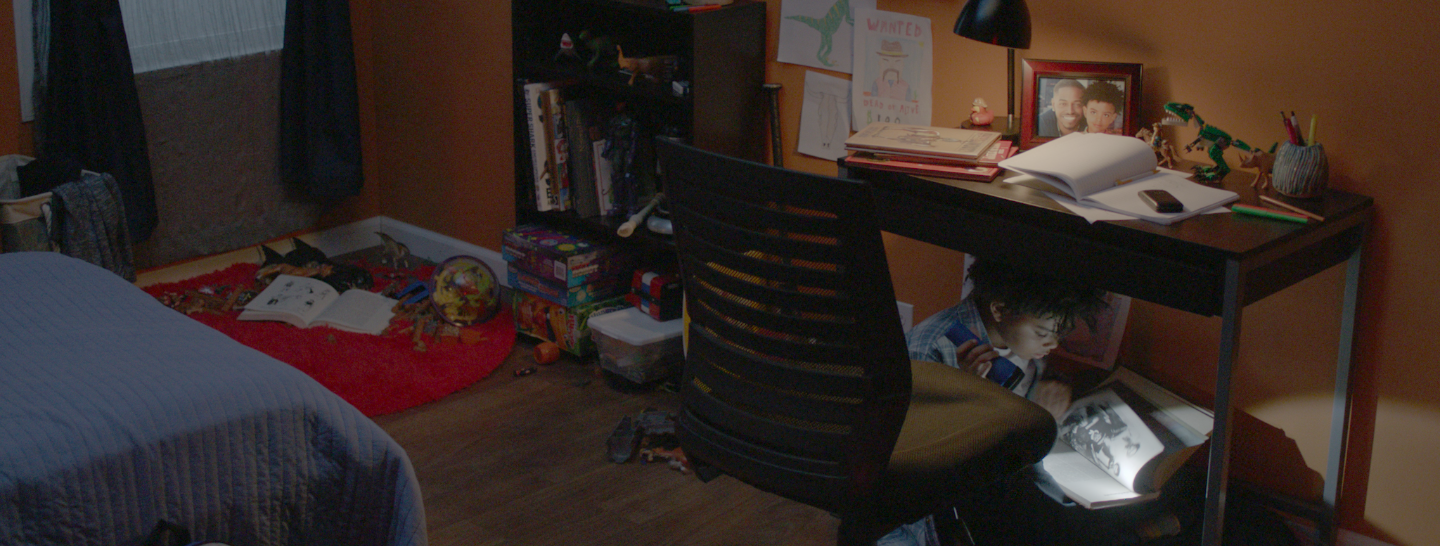
Room Rodeo utilizes elaborate production design, clever sound design, stylized video portraits and documentary elements like archival footage and interviews to celebrate the beauty and triumph of an overlooked piece of Black history. In the film, our protagonist Jamil finds what he believes to be a family heirloom that substantiates his whims about his great grandfather’s legacy. He then ventures into a colorful “dreamscape” where the audience will hear him begin to construct his story, which is validated by the voices of real Black cowboys.
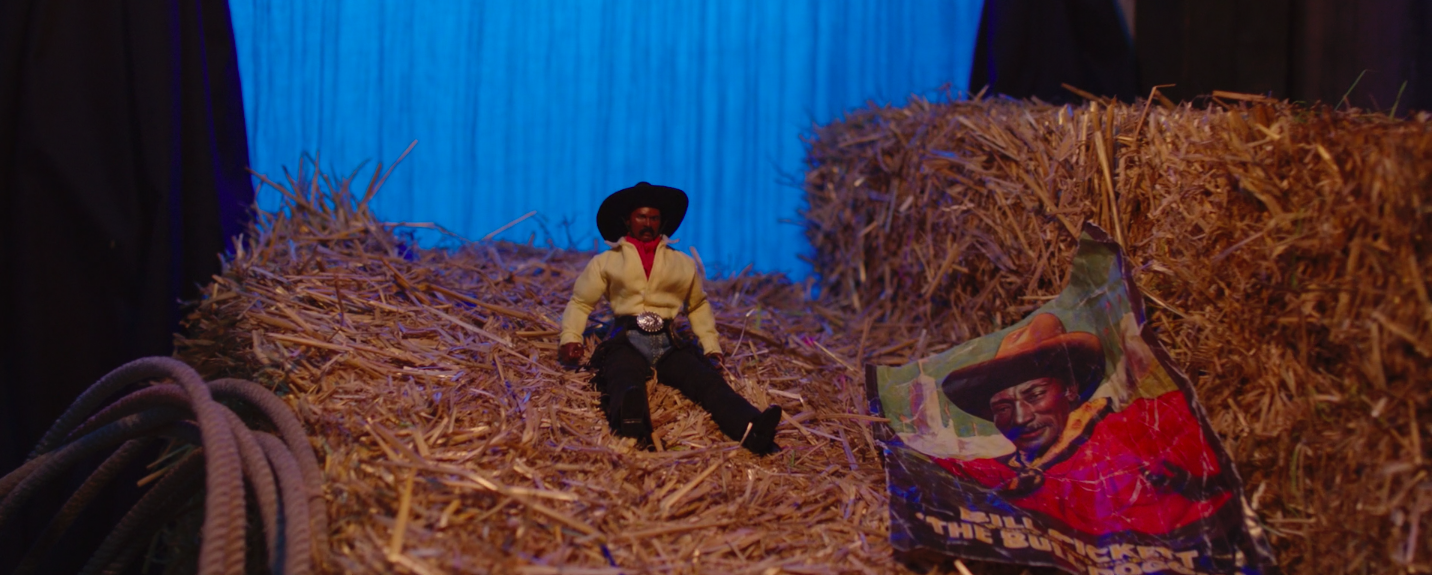
The technical execution of this involves archival footage enhanced with rich sound design, stylized documentary interviews that will be cut with Jamil’s narration, and elevated styling and wardrobe for video portraits. By the conclusion of the film, Jamil embraces his belief about his great grandfather and, more importantly, the legacy of real Black cowboys. When his Mom calls him to dinner, he snaps back to the real world, unaware that his dreamscape has slipped out of his imagination and into his room – a feat we accomplished visually on our film set by transforming Jamil’s room into a horse stable. As Jamil steps out of his room for supper, the audience is left with one final image: a lone Black cowboy figurine perched atop a bale of hay.

As former journalists with a combined decade of experience, we are pursuing careers as filmmakers with a shared goal of leveraging similar storytelling backgrounds. In our work as producers, we aspire to elevate the experiences of Black people with great nuance and careful attention to authenticity, which we know to require detailed research. Our journalism backgrounds and the skills acquired as soon-to-be graduates of Columbia College Chicago’s Creative Producing MFA program have prepared us for this very moment: To revive the stories of extraordinary American heroes in a hybrid format that entertains, educates and encourages marginalized audiences to claim authorship of their own stories – just like Room Rodeo's protagonist, Jamil.

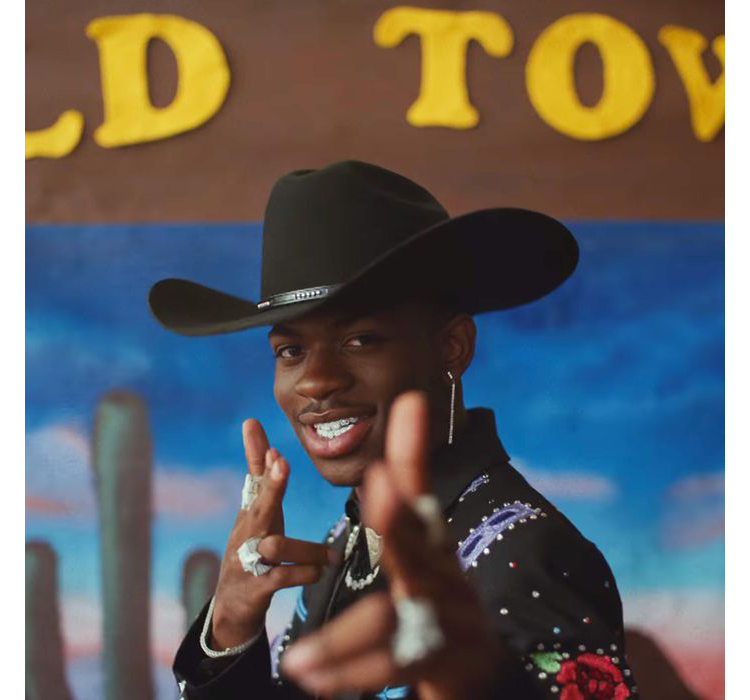 In recent years, African American musicians like Lil Nas X and Megan Thee Stallion have pushed the Black cowboy and cowgirl aesthetic to the forefront. They have made Western cowboy culture marketable and desirable, opening the door for filmmakers like us to deliver the real history of the Black cowboy to a wide audience.
In 2019, Lil Nas X’s “Old Town Road” spent a record-shattering 19 weeks at No. 1 on the Billboard Hot 100. With the song’s historic music video, he also shed light on a lack of knowledge about Black history among young children. For example, we’ve heard anecdotes about kids questioning why Lil Nas X was dressed like a cowboy when “cowboys are white.” Because Room Rodeo is told from a child’s perspective, we hope we'll be able to reach them.
While representation is increasing, Black stories are not monolithic. Room Rodeo is our contribution to the body of cultural and creative work that exists to challenge the historical erasure of the diverse Black diaspora.

During the Spring of 2020, the COVID-19 pandemic began to drastically shift the way we all work, connect, learn and navigate our daily lives. With in-person classes canceled and dreams for our individual thesis projects dashed, the pandemic also threatened to delay graduation. We couldn't accept that. Instead, we worked together over the summer to create the script for Room Rodeo. We forged ahead with a shared thesis project, a physician-vetted COVID safety plan, and our sheer determination. And we became the only advanced project approved to shoot at Columbia College Chicago during the Fall 2020 semester.
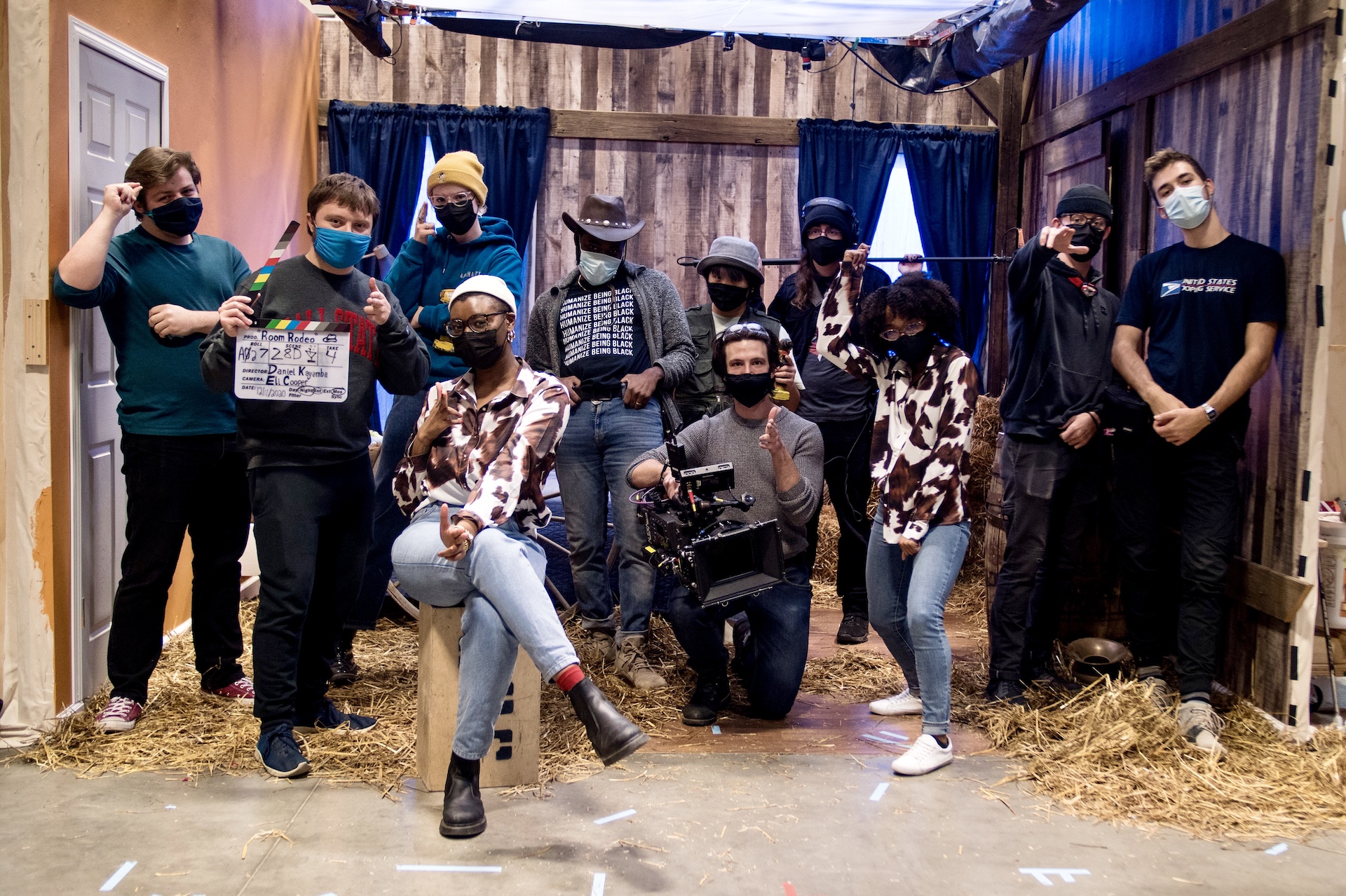
We worked with an amazing team of students and Chicago-based actors for months before ever stepping foot on set. Along the way, we also met some amazing cowboys and built partnerships with organizations who believed in our project. Then in December 2020, our cast and crew of camera, lighting and sound technicians, designers and craftspeople assembled. Many of them we met in person on Day 1 of the shoot due to COVID restrictions. Our efforts culminated in a safe, collaborative and successful six-day shoot. After filming Room Rodeo, we spent an additional two days interviewing Black cowboys and cowgirls for the film.
Our efforts so far have nearly put us back on track to graduate on schedule, despite the pandemic, on May 14, 2021. With your support, we can make that happen.
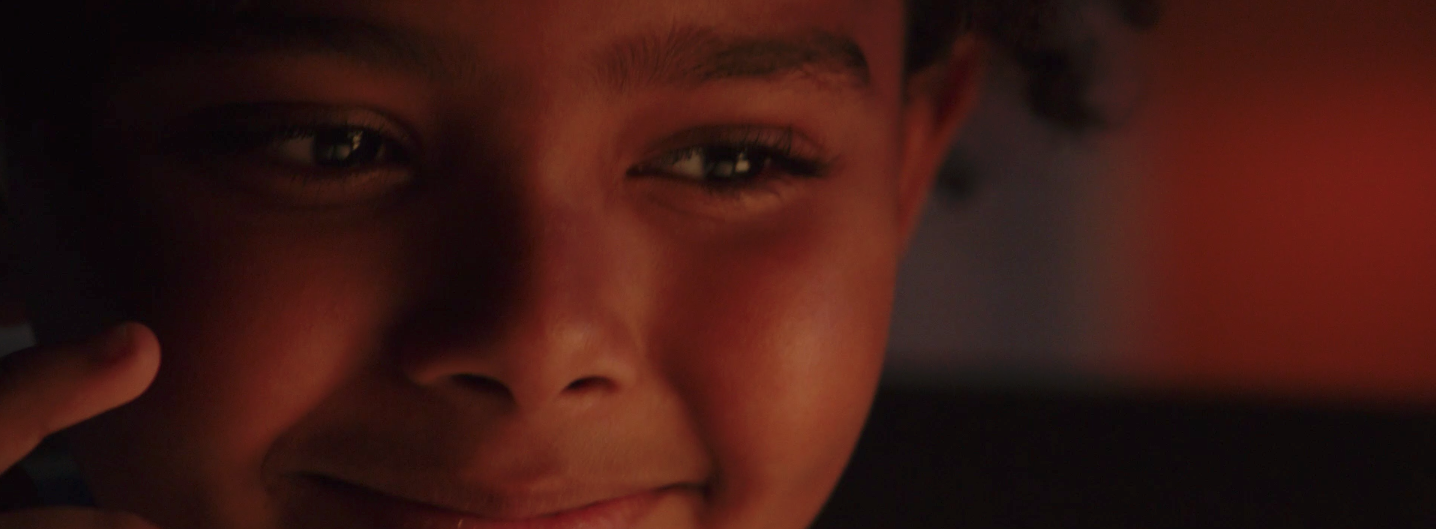
We’re in post-production now or what you might know as the editing process. This is when Room Rodeo gets transformed from images filmed on set into a real film. It involves an editor, sound design, music composition, coloring grading, sound mixing and mastering all to make a shiny finished product. Right now we’ve got the rough gem. We’ve come 80 percent of the way by paying for production costs through a mix of grants and personal savings. But we need your help to get the film 100 percent finished and out into the world.
In a time of financial uncertainty, your contributions will help us:
- Pay a fair wage to a post-production team of young working professionals.
- Purchase the systems that will keep Room Rodeo and its final edited files safe for years to come.
- Afford the costly technical systems that many premiere and international film festivals require in order to submit films to them. We believe films are made to be seen so these institutions are an important platform for our story.
Any additional funds over our campaign goal will be used to develop and execute kid-friendly programming with Room Rodeo's partners. After Room Rodeo screens at its last film festival, we will submit the film to Short of the Week and Nowness and we intend to make the film available on a streaming platform like Amazon’s Prime Video.

Wishlist
Use the WishList to Pledge cash and Loan items - or - Make a pledge by selecting an Incentive directly.
Colorist
Costs $650
A colorist works with raw footage to make colors and skin tones pop for a visually stunning image.
Music Composer Stipend
Costs $250
Room Rodeo's music composer is a recent graduate who we'd like to compensate with a small stipend.
Digital Cinema Packages
Costs $600
Covers two costly devices called digital cinema packages, required for premiere festival screenings.
Festival Entry Costs
Costs $1,000
Film festivals build a profile for Room Rodeo & can create job opportunities for us and our crew.
Cash Pledge
Costs $0


Direct link:
Share this update!
About This Team


Born in the Democratic Republic of the Congo and raised in Portland, Maine, Daniel Kayamba is a Chicago-based filmmaker and photographer. Kayamba’s latest short film, Flowers and Bikes, premiered at The Savannah College of Art and Design film festival as part of their global shorts forum – a program committed to sharing stories about the black experience internationally. Through using mixed media and genre-bending storytelling he explores representation, inclusivity and youth culture in the lives of minorities. He hopes to capture an honest performance and highlight the beauty of a Black legacy in Room Rodeo. Recognizing the importance of Black representation in cinema, Kayamba hopes the film will remind young African-American children of the importance of learning about their history and legacy in America.

 Chloe Herring is a creative producer with aspirations of elevating diverse filmmakers and their stories as a development executive. Chloe has produced a music video for Grammy Award-winning artist Peter CottonTale and world-famous drag superstar Shea Couleé with VAM Studio. She began her career in film when she was admitted to Columbia College Chicago in 2019. Chloe immediately got to work as a production assistant at NBCUniversal, a research and archival intern for Mama Gloria, an official selection at the 2020 Chicago International Film Festival, and a creative development intern at Full Spectrum Features all before landing an internship in the creative development department at HBO. She currently interns at MACRO and serves as the business and development coordinator at Sisters in Cinema, an organization committed to celebrating and centering Black women and gender non-conforming filmmakers.

 Lola Mosanya is a Black British film producer and journalist. With credits primarily for the BBC, her last documentary Black Beauty and The Brazilian Butt Lift (2019) looked at the historical racialization of body image and the surgical lengths people will go to in order to maintain it. The film was warmly received with over half a million views on YouTube alone. In any medium, she develops and produces films that show Black protagonists of all ages in life’s quiet moments which is why she is excited to make Room Rodeo for her co-thesis. She has a bachelors in English & American Studies from Loughborough University and spent the formative years of her career earning her stripes in documentary development. A recipient of the Fulbright Alistair Cooke Award in Journalism, she moved to the US to pursue a Creative Producing MFA at Columbia College Chicago in 2019. As the creative culmination of her degree, she hopes the wit, humour and history in Room Rodeo will educate children and adults on the largely erased story of Black cowboys.
Current Team
Incentives
- The Story
- Wishlist
- Updates
- The Team
- Community
Mission Statement
The Story
Did you know the term “cowboy” has racist origins that date back to slavery? The job of herding and tending ranch cattle was initially reserved for Black slaves, Mexicans and Native Americans. In fact, “cowboy” is believed to be derivative of the emasculating use of the word “boy” to refer to Black men. But the stories of these pioneering cowboys and cowgirls have largely gone untold within literature and film. Generations later, the cowboy – and its classic imagery of rugged masculinity and heroism – have been deified in United States culture as white. With Room Rodeo, we intend to reclaim the stories of this country’s Black cowboys as told from the imagination of one little boy.
Room Rodeo utilizes elaborate production design, clever sound design, stylized video portraits and documentary elements like archival footage and interviews to celebrate the beauty and triumph of an overlooked piece of Black history. In the film, our protagonist Jamil finds what he believes to be a family heirloom that substantiates his whims about his great grandfather’s legacy. He then ventures into a colorful “dreamscape” where the audience will hear him begin to construct his story, which is validated by the voices of real Black cowboys.
The technical execution of this involves archival footage enhanced with rich sound design, stylized documentary interviews that will be cut with Jamil’s narration, and elevated styling and wardrobe for video portraits. By the conclusion of the film, Jamil embraces his belief about his great grandfather and, more importantly, the legacy of real Black cowboys. When his Mom calls him to dinner, he snaps back to the real world, unaware that his dreamscape has slipped out of his imagination and into his room – a feat we accomplished visually on our film set by transforming Jamil’s room into a horse stable. As Jamil steps out of his room for supper, the audience is left with one final image: a lone Black cowboy figurine perched atop a bale of hay.
As former journalists with a combined decade of experience, we are pursuing careers as filmmakers with a shared goal of leveraging similar storytelling backgrounds. In our work as producers, we aspire to elevate the experiences of Black people with great nuance and careful attention to authenticity, which we know to require detailed research. Our journalism backgrounds and the skills acquired as soon-to-be graduates of Columbia College Chicago’s Creative Producing MFA program have prepared us for this very moment: To revive the stories of extraordinary American heroes in a hybrid format that entertains, educates and encourages marginalized audiences to claim authorship of their own stories – just like Room Rodeo's protagonist, Jamil.
In recent years, African American musicians like Lil Nas X and Megan Thee Stallion have pushed the Black cowboy and cowgirl aesthetic to the forefront. They have made Western cowboy culture marketable and desirable, opening the door for filmmakers like us to deliver the real history of the Black cowboy to a wide audience.
In 2019, Lil Nas X’s “Old Town Road” spent a record-shattering 19 weeks at No. 1 on the Billboard Hot 100. With the song’s historic music video, he also shed light on a lack of knowledge about Black history among young children. For example, we’ve heard anecdotes about kids questioning why Lil Nas X was dressed like a cowboy when “cowboys are white.” Because Room Rodeo is told from a child’s perspective, we hope we'll be able to reach them.
While representation is increasing, Black stories are not monolithic. Room Rodeo is our contribution to the body of cultural and creative work that exists to challenge the historical erasure of the diverse Black diaspora.
During the Spring of 2020, the COVID-19 pandemic began to drastically shift the way we all work, connect, learn and navigate our daily lives. With in-person classes canceled and dreams for our individual thesis projects dashed, the pandemic also threatened to delay graduation. We couldn't accept that. Instead, we worked together over the summer to create the script for Room Rodeo. We forged ahead with a shared thesis project, a physician-vetted COVID safety plan, and our sheer determination. And we became the only advanced project approved to shoot at Columbia College Chicago during the Fall 2020 semester.
We worked with an amazing team of students and Chicago-based actors for months before ever stepping foot on set. Along the way, we also met some amazing cowboys and built partnerships with organizations who believed in our project. Then in December 2020, our cast and crew of camera, lighting and sound technicians, designers and craftspeople assembled. Many of them we met in person on Day 1 of the shoot due to COVID restrictions. Our efforts culminated in a safe, collaborative and successful six-day shoot. After filming Room Rodeo, we spent an additional two days interviewing Black cowboys and cowgirls for the film.
Our efforts so far have nearly put us back on track to graduate on schedule, despite the pandemic, on May 14, 2021. With your support, we can make that happen.
We’re in post-production now or what you might know as the editing process. This is when Room Rodeo gets transformed from images filmed on set into a real film. It involves an editor, sound design, music composition, coloring grading, sound mixing and mastering all to make a shiny finished product. Right now we’ve got the rough gem. We’ve come 80 percent of the way by paying for production costs through a mix of grants and personal savings. But we need your help to get the film 100 percent finished and out into the world.
In a time of financial uncertainty, your contributions will help us:
- Pay a fair wage to a post-production team of young working professionals.
- Purchase the systems that will keep Room Rodeo and its final edited files safe for years to come.
- Afford the costly technical systems that many premiere and international film festivals require in order to submit films to them. We believe films are made to be seen so these institutions are an important platform for our story.
Any additional funds over our campaign goal will be used to develop and execute kid-friendly programming with Room Rodeo's partners. After Room Rodeo screens at its last film festival, we will submit the film to Short of the Week and Nowness and we intend to make the film available on a streaming platform like Amazon’s Prime Video.
Wishlist
Use the WishList to Pledge cash and Loan items - or - Make a pledge by selecting an Incentive directly.
Colorist
Costs $650
A colorist works with raw footage to make colors and skin tones pop for a visually stunning image.
Music Composer Stipend
Costs $250
Room Rodeo's music composer is a recent graduate who we'd like to compensate with a small stipend.
Digital Cinema Packages
Costs $600
Covers two costly devices called digital cinema packages, required for premiere festival screenings.
Festival Entry Costs
Costs $1,000
Film festivals build a profile for Room Rodeo & can create job opportunities for us and our crew.
Cash Pledge
Costs $0
Direct link:
Share this update!
About This Team
Born in the Democratic Republic of the Congo and raised in Portland, Maine, Daniel Kayamba is a Chicago-based filmmaker and photographer. Kayamba’s latest short film, Flowers and Bikes, premiered at The Savannah College of Art and Design film festival as part of their global shorts forum – a program committed to sharing stories about the black experience internationally. Through using mixed media and genre-bending storytelling he explores representation, inclusivity and youth culture in the lives of minorities. He hopes to capture an honest performance and highlight the beauty of a Black legacy in Room Rodeo. Recognizing the importance of Black representation in cinema, Kayamba hopes the film will remind young African-American children of the importance of learning about their history and legacy in America.
Chloe Herring is a creative producer with aspirations of elevating diverse filmmakers and their stories as a development executive. Chloe has produced a music video for Grammy Award-winning artist Peter CottonTale and world-famous drag superstar Shea Couleé with VAM Studio. She began her career in film when she was admitted to Columbia College Chicago in 2019. Chloe immediately got to work as a production assistant at NBCUniversal, a research and archival intern for Mama Gloria, an official selection at the 2020 Chicago International Film Festival, and a creative development intern at Full Spectrum Features all before landing an internship in the creative development department at HBO. She currently interns at MACRO and serves as the business and development coordinator at Sisters in Cinema, an organization committed to celebrating and centering Black women and gender non-conforming filmmakers.
Lola Mosanya is a Black British film producer and journalist. With credits primarily for the BBC, her last documentary Black Beauty and The Brazilian Butt Lift (2019) looked at the historical racialization of body image and the surgical lengths people will go to in order to maintain it. The film was warmly received with over half a million views on YouTube alone. In any medium, she develops and produces films that show Black protagonists of all ages in life’s quiet moments which is why she is excited to make Room Rodeo for her co-thesis. She has a bachelors in English & American Studies from Loughborough University and spent the formative years of her career earning her stripes in documentary development. A recipient of the Fulbright Alistair Cooke Award in Journalism, she moved to the US to pursue a Creative Producing MFA at Columbia College Chicago in 2019. As the creative culmination of her degree, she hopes the wit, humour and history in Room Rodeo will educate children and adults on the largely erased story of Black cowboys.