Saja and Bee
Los Angeles, California | Film Short
Documentary, Family
Saja, a Korean adoptee raised in the U.S., stages a one-woman play about searching for her birth mother.
Saja and Bee
Los Angeles, California | Film Short
Documentary, Family

1 Campaigns |
Green Light
This campaign raised $11,572 for production. Follow the filmmaker to receive future updates on this project.
76 supporters | followers
Enter the amount you would like to pledge
Saja, a Korean adoptee raised in the U.S., stages a one-woman play about searching for her birth mother.
About The Project


- The Story
- Wishlist
- Updates
- The Team
- Community
Mission Statement
The Story
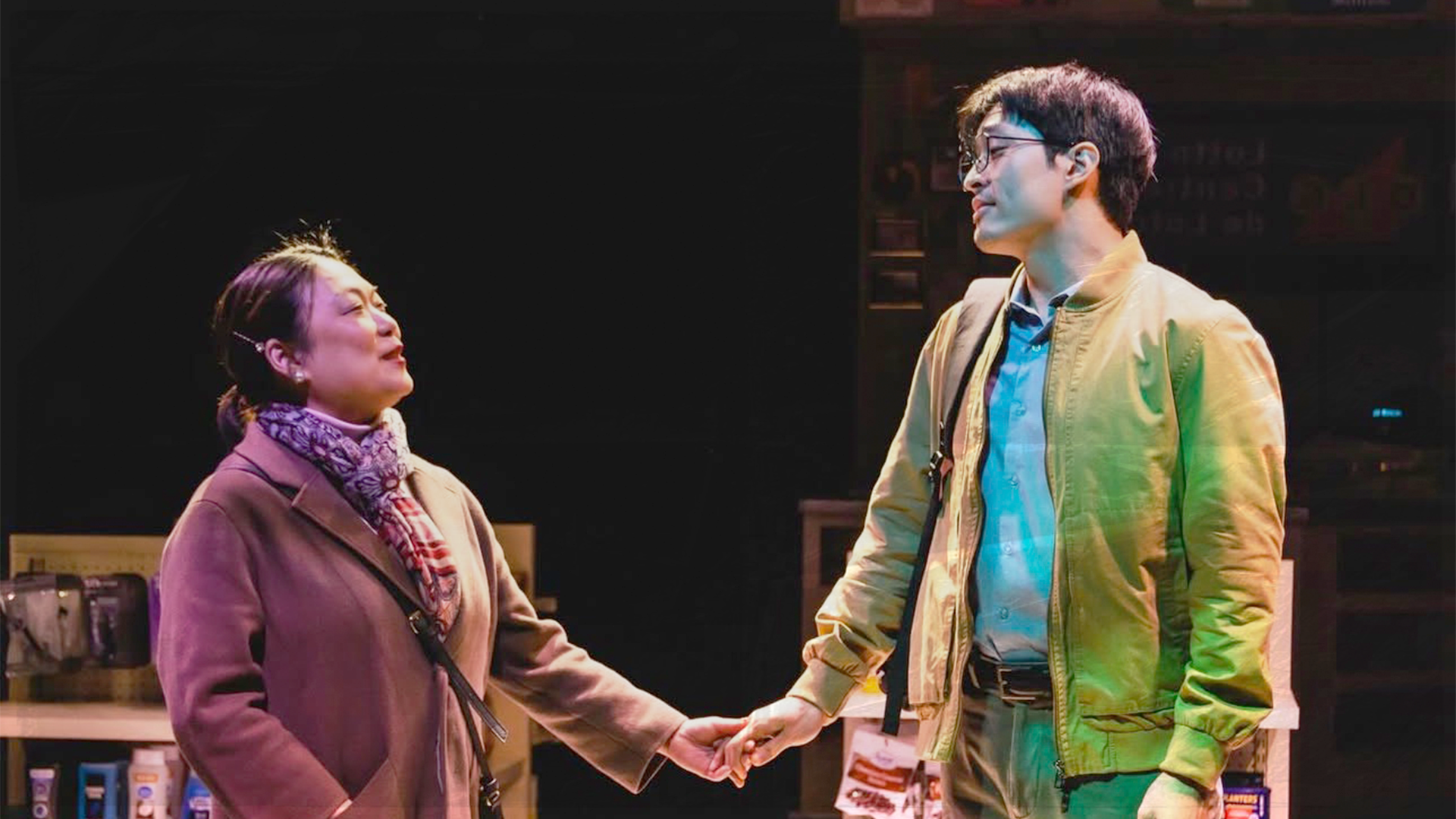
Saja is staging a play about the mother she has never met.
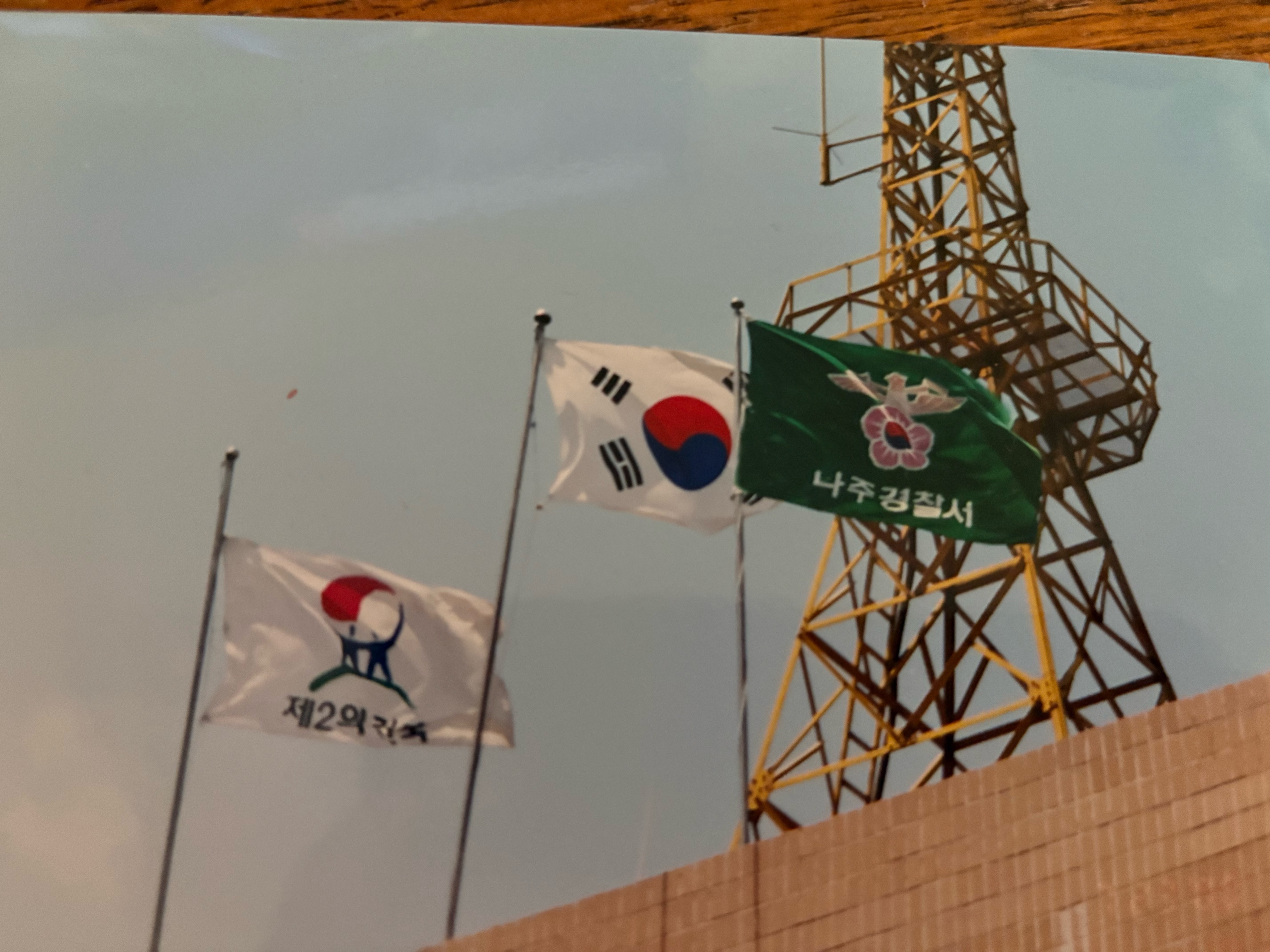
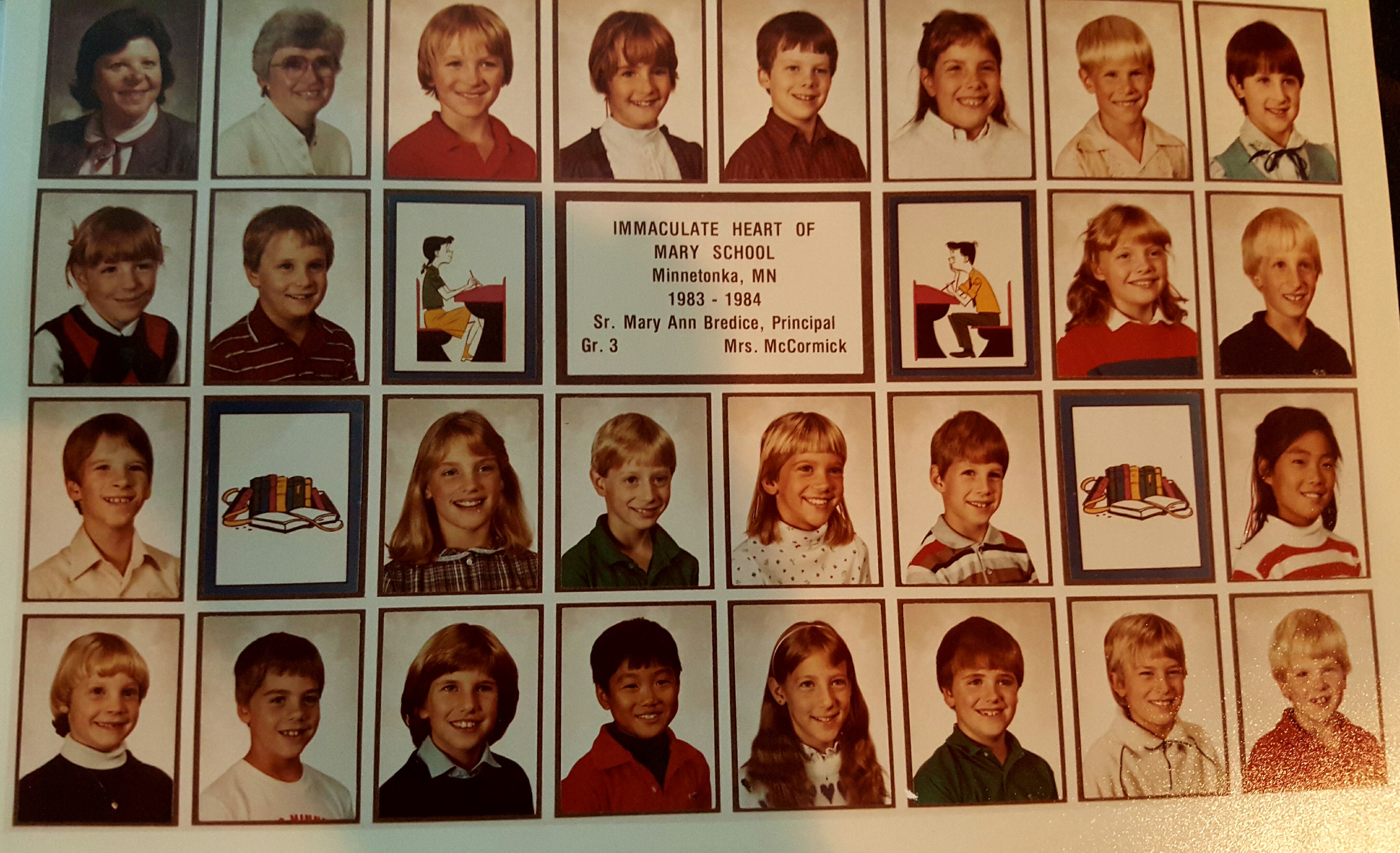
Saja was born in Naju, South Korea, in 1975, and left as a small child, carried to America on a plane she cannot remember. She was adopted by a white family in Minnesota and given the name Sara. For most of her life, she has known almost nothing about the woman who gave birth to her.
Saja and Bee is a 20-minute documentary about what it looks like when a person decides, after decades, to finally speak into that absence. Saja has written a one-woman play in which those who shaped the beginning of her life, the police officer who found her, the adoption center worker who cared for her, the flight attendant who carried her across the ocean, are brought to the stage by people around her. And when the play reaches the moment she has imagined for most of her adult life, the moment she meets her birth mother, Saja herself will step into the mother's role, staging a conversation that never took place.
Who is Saja?
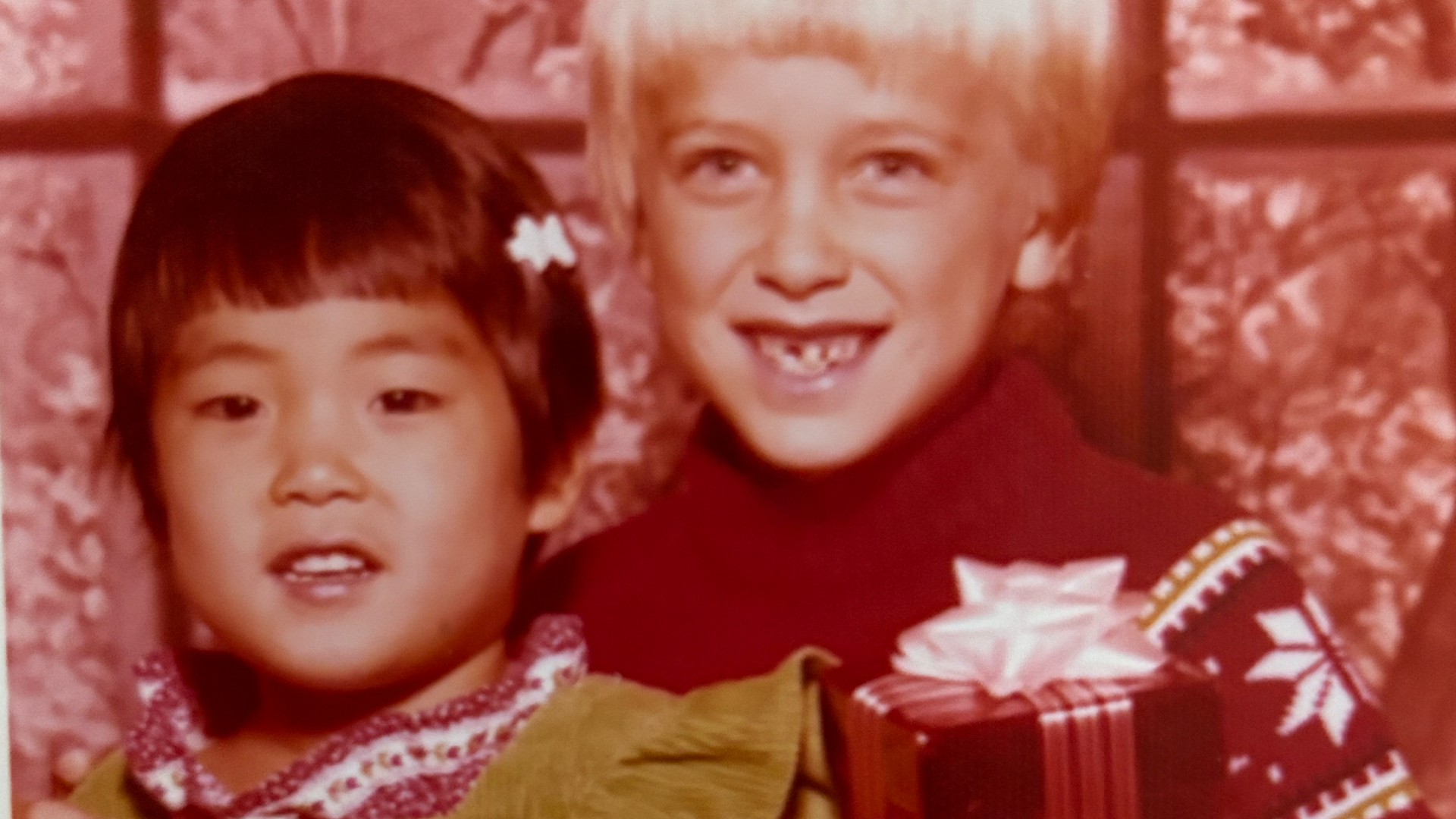
Her birth name was Hyesun. Her adoptive parents named her Sara, and the name "Saja" came later, something she made for herself out of the one she was given. She learned she was adopted at five and grew up navigating racial isolation and a quiet sense of disconnection in Minnesota.
At twenty-five, she began what many adoptees describe as coming out of the fog, an awakening to questions of identity and loss that had always been there, waiting. She started learning Korean, immersed herself in Korean culture, and began searching for her birth parents. She even appeared on the Korean morning talk show Morning Yard (아침마당), though no contact ever followed.
She met her husband in Korea and now lives in Texas, where she raises three children and works as a stand-up comedian and stage actor. The search never fully ended. It changed shape, turned inward, and eventually turned toward the stage.
Why are we telling this story
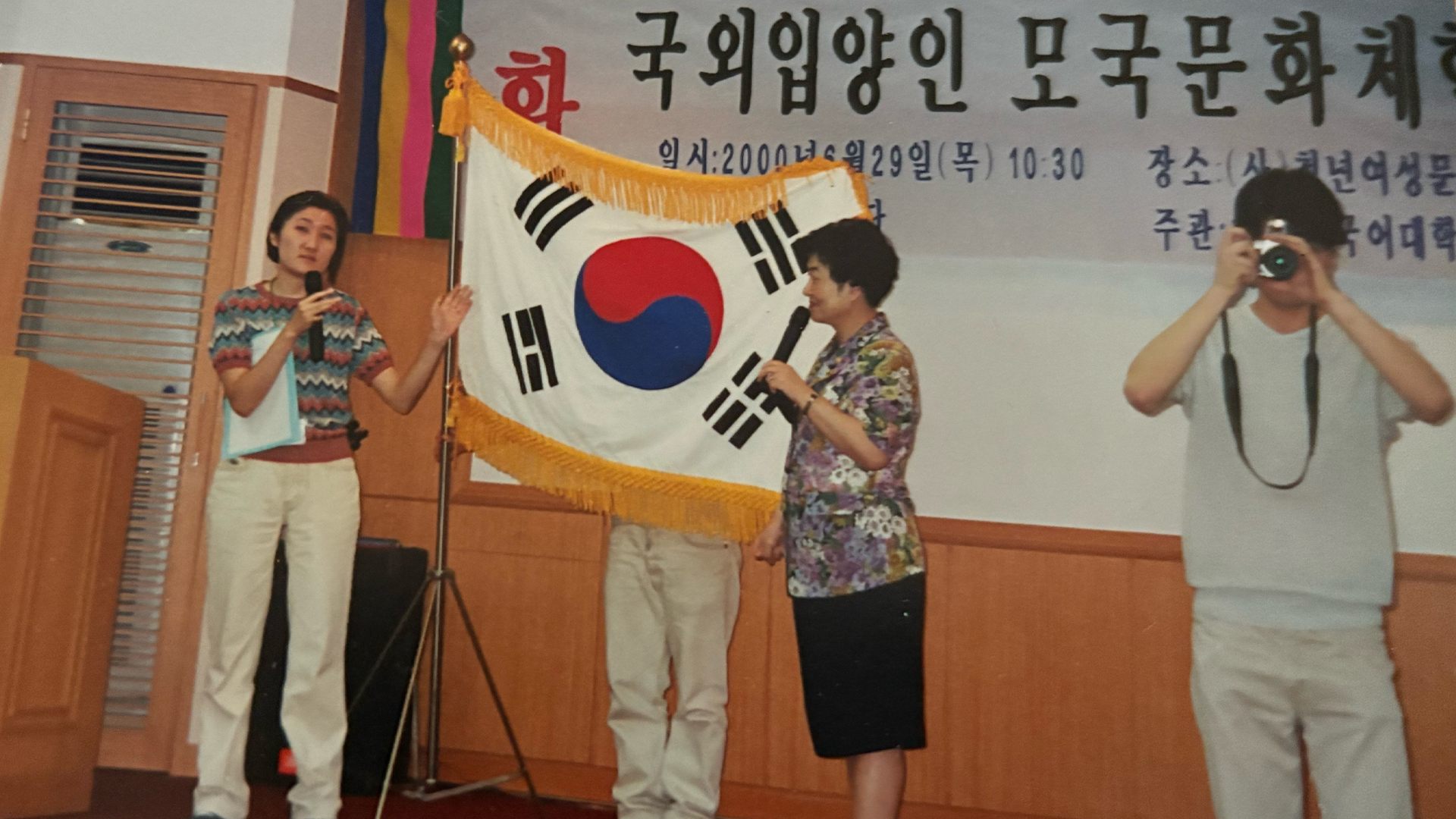
We are Korean filmmakers living in the United States, and this project comes from a shared recognition that identity is shaped not only by what we know, but by what is missing.
When Saja first shared her story with us, what stood out was not the search itself, but the fact that it never fully ended. Instead of resolution, she carried questions. This film is not about finding answers. It is about what it means to live with them.
Our director, Sungbin Moon, first felt the weight of this film when she met Saja's family. Sungbin moved away from her own mother to come to the United States. Saja has spent her life moving toward a mother she has never met, learning Korean, embracing its culture, naming her children in a language that connects her to an absent past. In that contrast, Sungbin found a personal resonance she could not look away from.
Through this film, we ask: when Saja finally stages the reunion she has imagined for so long, will it bring her the sense of closure she has been searching for, or reveal that some absences can never truly be filled?
Social Impact
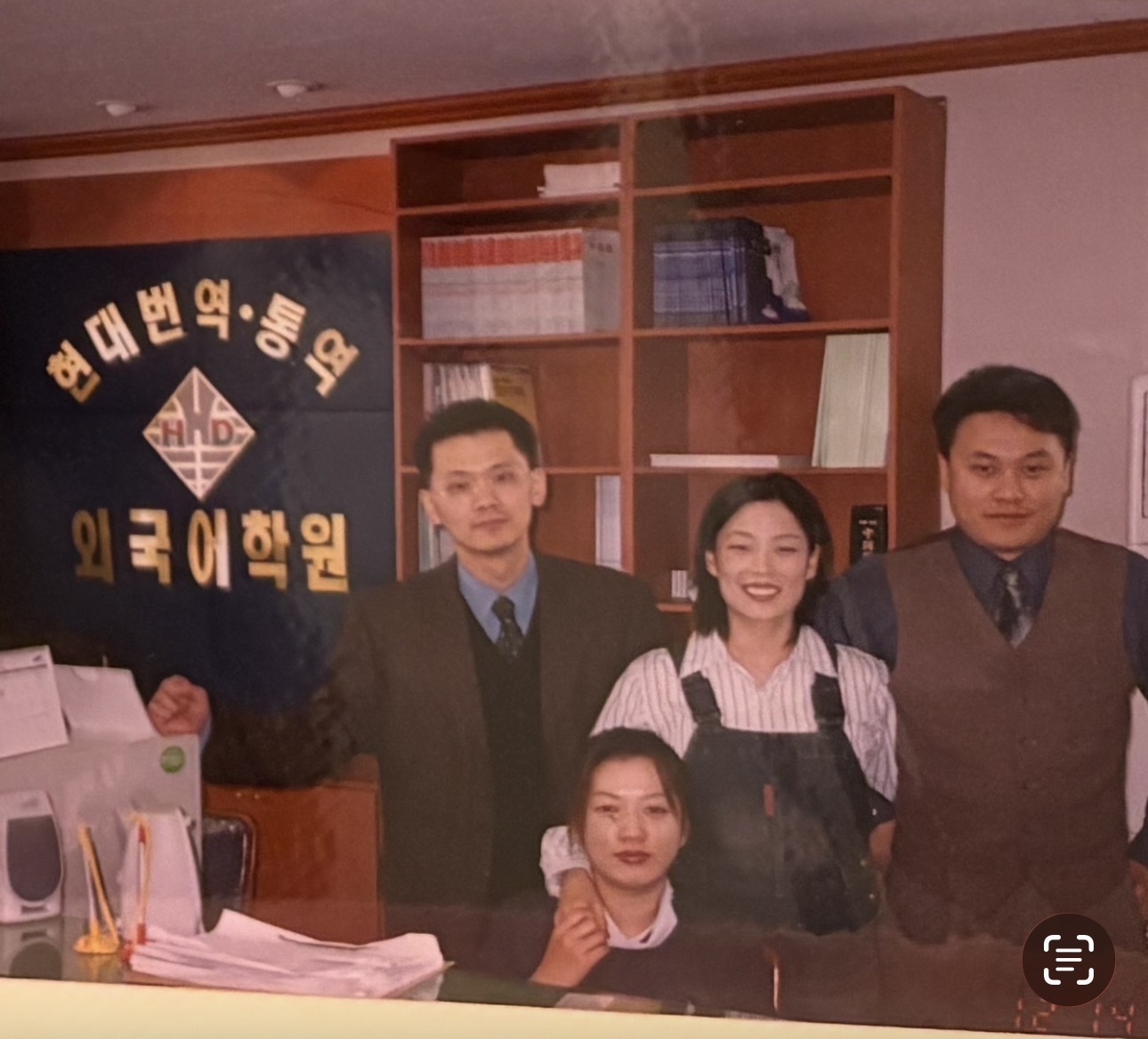
This film examines the lived realities of Korean international adoption, cultural dislocation, and intergenerational identity through the life of a Korean adoptee raised in the United States. It explores the emotional complexities many adoptees face, including the belief that having a biological child might heal an absence rooted in adoption. In the article “Behind the International Adoption Journey,” Xiang Zhou, PhD, an assistant professor of counseling psychology at Purdue University, conducted in-depth interviews with Korean American adults who became parents. One participant described how having a biological child felt like “looking into a mirror backwards,” allowing them, for the first time, to see into their ancestry and past. Yet, rather than resolving this absence, motherhood can bring forward layered feelings of grief, depression, and unresolved longing, raising difficult questions about love, worthiness, and abandonment, including whether their birth mother felt the same bond and what that absence truly means.
While many documentaries have explored Korean overseas adoptees, these stories are often framed through political or historical perspectives or limited to narratives of reunion and closure. This film instead focuses on the psychological and emotional dimensions of the adoptee experience, closely examining the inner landscape shaped by absence and identity formation over time. Many adoptees continue to navigate these questions throughout their lives, often without having their voices fully heard. This film centers on that lived experience, offering a story of cultural return, emotional endurance, and the quiet work of building a family in the presence of an unresolved past.
Our artistic approach

How we will use your support
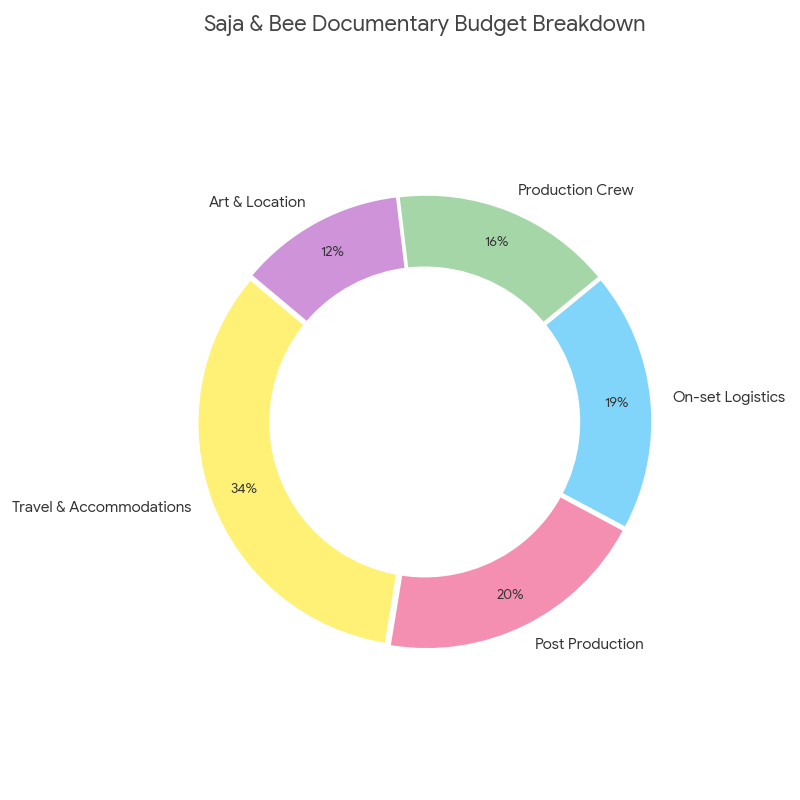
Our contributions will go directly into the making of this film:
- Travel between Los Angeles and Dallas for production trips
- Camera and sound equipment
- Essential crew: cinematographer, sound recordist, editor
- Theater space and performance documentation
- Post-production: editing, sound design, color grading, composer, festival, and distribution
 Timeline
- May: First production trip to Dallas. Filming family life and early rehearsals.
- June – August: Editing and continued development of the play
- September: Second production trip to Dallas. Filming final rehearsals and the live performance.
- October – January: Post-Production
Why this matters
This film is about more than one family's story. It speaks to the quiet, often unspoken experience of living with unanswered questions about where we come from, who we belong to, and how identity is shaped in the absence of that knowledge.
For Korean adoptees, these questions are part of a larger and often overlooked history. Many grow up without access to their origins, and their stories are rarely told beyond the moment of reunion or closure. This film chooses to sit in the space in between, where there are no clear answers, only the ongoing work of understanding and living with what is unknown.
At the same time, this story extends beyond adoption. It reaches anyone who has felt a distance within their own family, who has carried expectations they could not fully meet, or who has wondered how to bridge what was never said.
What makes this project especially meaningful is the act of telling itself. Saja is not only sharing her story. She is inviting her family into it, transforming something private into something collective, and opening a space where difficult conversations can begin, not with resolution, but with presence.
With your support, this story can move beyond one stage and one family, and resonate with others who are searching for connection in their own lives.
사자는 한 번도 만나 본 적 없는 엄마에 대한 연극을 무대에 올립니다.
사자는 1975년 전라남도 나주에서 태어났고, 아주 어린 시절 기억조차 남아 있지 않은 비행기를 타고 미국으로 보내졌습니다. 미네소타의 백인 가정에 입양되어 ‘사라(Sara)’라는 이름을 받았지만, 그녀는 평생 자신을 낳아 준 여성에 대해 거의 아무것도 알지 못한 채 살아왔습니다.
《Saja and Bee》는 어떤 영화인가요?
《Saja and Bee》는 한 사람이 수십 년 만에 인생의 “부재”를 향해 발걸음을 내기 시작하는 순간을 담은 20분 분량의 다큐멘터리입니다.
사자는 자신의 삶을 바탕으로 한 1인극을 쓰며, 자신의 인생 초반을 함께했던 사람들, 자신을 발견했던 경찰관, 입양기관 직원, 그리고 자신을 미국으로 데려간 승무원을 주변 사람들을 연기하며 무대위에 섭니다. 사자가 가장 고대해왔던 순간, 바로 친모와 마주하는 순간에 다다르면 극중에서 그녀는 직접 자신의 ‘엄마’ 역할을 맡으며 현실에서는 한 번도 존재하지 않았던 대화가 무대 위에서 펼쳐집니다.
사자는 누구인가요?
사자의 한국 이름은 ‘고혜선’이었습니다. 양부모는 그녀에게 ‘사라(Sara)’라는 이름을 주었고, ‘사자(Saja)’라는 이름은 훗날 그녀가 스스로에게 지어 준 이름입니다. 다섯 살에 자신이 입양되었다는 사실을 알게 된 이후, 그녀는 미네소타에서 인종적 고립감과 설명하기 어려운 단절감을 안고 성장했습니다.
스물다섯 살이 되었을 때, 사자는 많은 입양인들이 “안개에서 깨어나는 순간(coming out of the fog)”이라고 표현하는 경험을 하게 됩니다. 늘 마음속에 있었지만 외면해 왔던 정체성과 상실에 대한 질문들이 선명해지기 시작한 것입니다. 그녀는 한국어를 배우기 시작했고, 한국 문화를 적극적으로 받아들이며 친부모를 찾기 시작했습니다. 한국의 국민 토크쇼 《아침마당》에도 출연해 친모를 찾았지만, 끝내 아무런 연락은 오지 않았습니다.
이후 한국에서 남편을 만나 결혼했고, 현재는 텍사스에서 세 아이를 키우며 스탠드업 코미디언이자 연극 배우로 활동하고 있습니다. 그녀의 탐색은 완전히 끝난 적이 없습니다. 다만 그 형태가 바뀌었고, 점점 내면으로 향하다가 결국 무대 위 이야기로 이어지게 되었습니다.
왜 우리는 이 이야기를 만드는가
우리는 미국에 거주하는 한국인 영화인들입니다. 그리고 이 프로젝트는 정체성이 단지 우리가 알고 있는 것으로만 형성되는 것이 아니라, 비어 있는 것, 부재에 의해서도 만들어진다는 공감에서 시작되었습니다.
사자가 처음 자신의 이야기를 들려주었을 때 우리에게 가장 깊게 남은 것은 찾는 과정 자체가 아니라, 그 여정이 끝나지 않았다는 사실이었습니다. 그녀에게는 해답 대신 질문이 남아 있었습니다. 이 영화는 답을 찾는 이야기가 아니라, 답이 없는 상태로 살아간다는 것이 무엇인지에 대한 이야기입니다.
연출을 맡은 문성빈 감독은 처음 사자의 가족을 만났을 때 이 영화의 무게를 실감했습니다. 성빈은 자신의 어머니와 떨어져 미국으로 왔습니다. 반면 사자는 한 번도 만나 본 적 없는 엄마를 향해 평생을 살아왔습니다. 한국어를 배우고, 한국 문화를 받아들이고, 자신의 아이들에게 한국 이름을 지어 주며 부재하는 과거와 연결되기를 원했습니다. 그 대비 속에서 성빈은 쉽게 외면할 수 없는 개인적인 울림을 느꼈습니다.
이 영화를 통해 우리는 질문합니다. 사자가 오랫동안 상상해 온 재회를 무대 위에 올리는 순간, 그녀가 찾던 해방감을 얻을 수 있을까요? 아니면 어떤 부재는 끝내 완전히 채워질 수 없다는 사실을 드러내게 될까요?
사회적 의미
이 영화는 미국에서 자란 한 한국인 입양인의 삶을 통해 국제 입양, 문화적 단절, 그리고 세대를 넘어 이어지는 정체성의 문제를 들여다봅니다. 특히 많은 입양인들이 “친자녀를 가지면 입양으로 인해 생긴 공허함이 채워질지도 모른다”는 기대를 품게 되는 복합적인 감정을 탐구합니다.
퍼듀대학교 상담심리학과 Xiang Zhou 교수는 한국계 미국인 입양인 부모들을 인터뷰하며, 한 참여자가 “아이를 낳는 것은 거꾸로 거울을 들여다보는 것 같다”고 표현했다고 말합니다. 자신의 아이를 통해 처음으로 자신의 혈통과 과거를 상상하게 된다는 의미였습니다. 하지만 동시에 출산과 부모됨은 슬픔, 우울, 해결되지 않은 그리움을 다시 떠오르게 하기도 합니다. “나를 낳아 준 엄마도 같은 감정을 느꼈을까?”사랑, 버려짐, 존재의 가치에 대한 깊은 고민으로 이어집니다.
그동안 한국 해외입양인을 다룬 다큐멘터리는 많았지만, 대부분 정치적·역사적 관점에 머물거나 “재회”와 “감동” 중심의 서사에 집중되어 왔습니다. 이 영화는 그 대신 입양인이 평생 살아가며 겪게 되는 심리적 풍경과 감정의 결을 가까이 들여다보고자 합니다.
이것은 문화적 귀환에 대한 이야기이자, 해결되지 않은 과거와 함께 가족을 만들어가는 조용한 인내의 기록입니다.
후원금은 어디에 사용되나요?
여러분의 후원은 아래와 같은 제작 과정에서 직접 사용됩니다.
• 로스앤젤레스와 댈러스 간 제작팀 이동 비용
• 카메라 및 사운드 장비
• 핵심 제작진 비용 (촬영감독, 사운드 레코디스트, 편집자)
• 극장 대관 및 공연 기록 촬영
• 후반작업 (편집, 사운드 디자인, 색보정, 음악, 영화제 출품)
제작 일정
5월
첫 번째 댈러스 촬영
가족의 일상과 초기 리허설 촬영
6월 – 8월
편집 및 연극 개발 진행
9월
두 번째 댈러스 촬영
최종 리허설 및 실제 공연 촬영
10월 – 1월
후반 작업 진행
왜 이 이야기가 중요한가
이 영화는 단순히 한 가족의 이야기가 아닙니다. 우리는 어디에서 왔는지, 누구에게 속해 있는지, 그리고 알 수 없는 공백 속에서 정체성이 어떻게 만들어지는지를 묻는, 조용하지만 오래 남는 감정에 대한 이야기입니다.
특히 한국 입양인들에게 이러한 질문은 개인의 문제가 아니라, 오랫동안 충분히 이야기되지 않았던 역사와 연결되어 있습니다. 많은 입양인들은 자신의 뿌리에 대한 정보 없이 성장하지만, 그들의 이야기는 대개 재회의 순간 이후로는 잘 다뤄지지 않습니다. 이 영화는 그 사이의 공간에 머무릅니다. 명확한 답은 없지만, 알 수 없는 것과 함께 살아가는 과정을 바라봅니다.
동시에 이 이야기는 입양을 넘어 더 넓은 사람들에게 닿습니다. 가족 안에서 거리감을 느껴본 사람, 기대에 완전히 부응하지 못했다고 느낀 사람, 혹은 끝내 말해지지 못한 감정을 어떻게 이어갈 수 있을지 고민해본 사람들에게 이 영화는 공감의 공간이 될 것입니다.
무엇보다 이 프로젝트를 특별하게 만드는 것은 소통하는 행위 그 자체입니다. 사자는 자신의 이야기를 혼자 품고 있는 것이 아니라 가족을 그 안으로 초대합니다. 아주 개인적인 기억을 함께 나누는 경험으로 바꾸며, 해결이 아닌 함께 존재하는 것에서부터 새로운 대화를 시작합니다.
여러분의 후원으로 이 이야기는 하나의 무대와 한 가족을 넘어, 각자의 삶 속에서 연결을 찾고 있는 더 많은 사람들에게 닿을 수 있습니다.
Wishlist
Use the WishList to Pledge cash and Loan items - or - Make a pledge by selecting an Incentive directly.
Theater Rental
Costs $1,000
Securing a small theater in Dallas gives Saja the stage she has always imagined, and gives the film space to capture her performance.
Festival & Distribution
Costs $1,000
This covers submission fees so Saja's story can travel beyond one stage and reach the audiences and communities who need it most.
Sound Design
Costs $1,000
A story built on silence depends on sound to give absence its weight, and a dedicated designer helps shape what the film cannot say.
Color Grading
Costs $1,000
To honor our 16mm-inspired visual approach, a colorist helps the film feel like a memory slowly, quietly coming into focus.
Composer Fee
Costs $1,000
An original score gives the film an emotional register language cannot reach, and meets Saja's story with the quiet it deserves.
Editor
Costs $1,000
Documentary is made in the edit, and an experienced editor is how this material becomes a film that trusts stillness and holds weight.
Travel & Lodging
Costs $1,000
Flying our LA-based crew to Dallas in late May to film family life and early rehearsals: flights, Airbnb, rental car.
Travel & Lodging
Costs $1,000
Returning to Dallas in September for the live performance and final rehearsals: flights, Airbnb, rental car for the crew.
Lighting Equipment
Costs $1,000
A small, restrained lighting kit that works with natural and practical sources, keeping the film honest to the world it lives in.
Camera Equipment
Costs $1,000
Renting the camera package that lets us hold a still, observational frame and capture Saja's story with the care it deserves.
Crew Payment
Costs $1,000
Fair pay for the cinematographer, sound recordist, production designer, and set builder who will help bring Saja's stage and story to life.
Cash Pledge
Costs $0


Direct link:
Share this update!
About This Team
Saja and Bee is being brought to life by three Korean filmmakers based in Los Angeles who share a long-standing interest in stories of memory, family, and the Korean diaspora. We came together on this project because Saja's story asked for a certain kind of care, the kind that only comes from people who understand, personally, what it means to live between cultures and languages. Meet the team behind the film.


Current Team
Incentives
- The Story
- Wishlist
- Updates
- The Team
- Community
Mission Statement
The Story
Saja is staging a play about the mother she has never met.
Saja was born in Naju, South Korea, in 1975, and left as a small child, carried to America on a plane she cannot remember. She was adopted by a white family in Minnesota and given the name Sara. For most of her life, she has known almost nothing about the woman who gave birth to her.
Saja and Bee is a 20-minute documentary about what it looks like when a person decides, after decades, to finally speak into that absence. Saja has written a one-woman play in which those who shaped the beginning of her life, the police officer who found her, the adoption center worker who cared for her, the flight attendant who carried her across the ocean, are brought to the stage by people around her. And when the play reaches the moment she has imagined for most of her adult life, the moment she meets her birth mother, Saja herself will step into the mother's role, staging a conversation that never took place.
Who is Saja?
Her birth name was Hyesun. Her adoptive parents named her Sara, and the name "Saja" came later, something she made for herself out of the one she was given. She learned she was adopted at five and grew up navigating racial isolation and a quiet sense of disconnection in Minnesota.
At twenty-five, she began what many adoptees describe as coming out of the fog, an awakening to questions of identity and loss that had always been there, waiting. She started learning Korean, immersed herself in Korean culture, and began searching for her birth parents. She even appeared on the Korean morning talk show Morning Yard (아침마당), though no contact ever followed.
She met her husband in Korea and now lives in Texas, where she raises three children and works as a stand-up comedian and stage actor. The search never fully ended. It changed shape, turned inward, and eventually turned toward the stage.
Why are we telling this story
We are Korean filmmakers living in the United States, and this project comes from a shared recognition that identity is shaped not only by what we know, but by what is missing.
When Saja first shared her story with us, what stood out was not the search itself, but the fact that it never fully ended. Instead of resolution, she carried questions. This film is not about finding answers. It is about what it means to live with them.
Our director, Sungbin Moon, first felt the weight of this film when she met Saja's family. Sungbin moved away from her own mother to come to the United States. Saja has spent her life moving toward a mother she has never met, learning Korean, embracing its culture, naming her children in a language that connects her to an absent past. In that contrast, Sungbin found a personal resonance she could not look away from.
Through this film, we ask: when Saja finally stages the reunion she has imagined for so long, will it bring her the sense of closure she has been searching for, or reveal that some absences can never truly be filled?
Social Impact
This film examines the lived realities of Korean international adoption, cultural dislocation, and intergenerational identity through the life of a Korean adoptee raised in the United States. It explores the emotional complexities many adoptees face, including the belief that having a biological child might heal an absence rooted in adoption. In the article “Behind the International Adoption Journey,” Xiang Zhou, PhD, an assistant professor of counseling psychology at Purdue University, conducted in-depth interviews with Korean American adults who became parents. One participant described how having a biological child felt like “looking into a mirror backwards,” allowing them, for the first time, to see into their ancestry and past. Yet, rather than resolving this absence, motherhood can bring forward layered feelings of grief, depression, and unresolved longing, raising difficult questions about love, worthiness, and abandonment, including whether their birth mother felt the same bond and what that absence truly means.
While many documentaries have explored Korean overseas adoptees, these stories are often framed through political or historical perspectives or limited to narratives of reunion and closure. This film instead focuses on the psychological and emotional dimensions of the adoptee experience, closely examining the inner landscape shaped by absence and identity formation over time. Many adoptees continue to navigate these questions throughout their lives, often without having their voices fully heard. This film centers on that lived experience, offering a story of cultural return, emotional endurance, and the quiet work of building a family in the presence of an unresolved past.
Our artistic approach
How we will use your support
Our contributions will go directly into the making of this film:
- Travel between Los Angeles and Dallas for production trips
- Camera and sound equipment
- Essential crew: cinematographer, sound recordist, editor
- Theater space and performance documentation
- Post-production: editing, sound design, color grading, composer, festival, and distribution
Timeline
- May: First production trip to Dallas. Filming family life and early rehearsals.
- June – August: Editing and continued development of the play
- September: Second production trip to Dallas. Filming final rehearsals and the live performance.
- October – January: Post-Production
Why this matters
This film is about more than one family's story. It speaks to the quiet, often unspoken experience of living with unanswered questions about where we come from, who we belong to, and how identity is shaped in the absence of that knowledge.
For Korean adoptees, these questions are part of a larger and often overlooked history. Many grow up without access to their origins, and their stories are rarely told beyond the moment of reunion or closure. This film chooses to sit in the space in between, where there are no clear answers, only the ongoing work of understanding and living with what is unknown.
At the same time, this story extends beyond adoption. It reaches anyone who has felt a distance within their own family, who has carried expectations they could not fully meet, or who has wondered how to bridge what was never said.
What makes this project especially meaningful is the act of telling itself. Saja is not only sharing her story. She is inviting her family into it, transforming something private into something collective, and opening a space where difficult conversations can begin, not with resolution, but with presence.
With your support, this story can move beyond one stage and one family, and resonate with others who are searching for connection in their own lives.
사자는 한 번도 만나 본 적 없는 엄마에 대한 연극을 무대에 올립니다.
사자는 1975년 전라남도 나주에서 태어났고, 아주 어린 시절 기억조차 남아 있지 않은 비행기를 타고 미국으로 보내졌습니다. 미네소타의 백인 가정에 입양되어 ‘사라(Sara)’라는 이름을 받았지만, 그녀는 평생 자신을 낳아 준 여성에 대해 거의 아무것도 알지 못한 채 살아왔습니다.
《Saja and Bee》는 어떤 영화인가요?
《Saja and Bee》는 한 사람이 수십 년 만에 인생의 “부재”를 향해 발걸음을 내기 시작하는 순간을 담은 20분 분량의 다큐멘터리입니다.
사자는 자신의 삶을 바탕으로 한 1인극을 쓰며, 자신의 인생 초반을 함께했던 사람들, 자신을 발견했던 경찰관, 입양기관 직원, 그리고 자신을 미국으로 데려간 승무원을 주변 사람들을 연기하며 무대위에 섭니다. 사자가 가장 고대해왔던 순간, 바로 친모와 마주하는 순간에 다다르면 극중에서 그녀는 직접 자신의 ‘엄마’ 역할을 맡으며 현실에서는 한 번도 존재하지 않았던 대화가 무대 위에서 펼쳐집니다.
사자는 누구인가요?
사자의 한국 이름은 ‘고혜선’이었습니다. 양부모는 그녀에게 ‘사라(Sara)’라는 이름을 주었고, ‘사자(Saja)’라는 이름은 훗날 그녀가 스스로에게 지어 준 이름입니다. 다섯 살에 자신이 입양되었다는 사실을 알게 된 이후, 그녀는 미네소타에서 인종적 고립감과 설명하기 어려운 단절감을 안고 성장했습니다.
스물다섯 살이 되었을 때, 사자는 많은 입양인들이 “안개에서 깨어나는 순간(coming out of the fog)”이라고 표현하는 경험을 하게 됩니다. 늘 마음속에 있었지만 외면해 왔던 정체성과 상실에 대한 질문들이 선명해지기 시작한 것입니다. 그녀는 한국어를 배우기 시작했고, 한국 문화를 적극적으로 받아들이며 친부모를 찾기 시작했습니다. 한국의 국민 토크쇼 《아침마당》에도 출연해 친모를 찾았지만, 끝내 아무런 연락은 오지 않았습니다.
이후 한국에서 남편을 만나 결혼했고, 현재는 텍사스에서 세 아이를 키우며 스탠드업 코미디언이자 연극 배우로 활동하고 있습니다. 그녀의 탐색은 완전히 끝난 적이 없습니다. 다만 그 형태가 바뀌었고, 점점 내면으로 향하다가 결국 무대 위 이야기로 이어지게 되었습니다.
왜 우리는 이 이야기를 만드는가
우리는 미국에 거주하는 한국인 영화인들입니다. 그리고 이 프로젝트는 정체성이 단지 우리가 알고 있는 것으로만 형성되는 것이 아니라, 비어 있는 것, 부재에 의해서도 만들어진다는 공감에서 시작되었습니다.
사자가 처음 자신의 이야기를 들려주었을 때 우리에게 가장 깊게 남은 것은 찾는 과정 자체가 아니라, 그 여정이 끝나지 않았다는 사실이었습니다. 그녀에게는 해답 대신 질문이 남아 있었습니다. 이 영화는 답을 찾는 이야기가 아니라, 답이 없는 상태로 살아간다는 것이 무엇인지에 대한 이야기입니다.
연출을 맡은 문성빈 감독은 처음 사자의 가족을 만났을 때 이 영화의 무게를 실감했습니다. 성빈은 자신의 어머니와 떨어져 미국으로 왔습니다. 반면 사자는 한 번도 만나 본 적 없는 엄마를 향해 평생을 살아왔습니다. 한국어를 배우고, 한국 문화를 받아들이고, 자신의 아이들에게 한국 이름을 지어 주며 부재하는 과거와 연결되기를 원했습니다. 그 대비 속에서 성빈은 쉽게 외면할 수 없는 개인적인 울림을 느꼈습니다.
이 영화를 통해 우리는 질문합니다. 사자가 오랫동안 상상해 온 재회를 무대 위에 올리는 순간, 그녀가 찾던 해방감을 얻을 수 있을까요? 아니면 어떤 부재는 끝내 완전히 채워질 수 없다는 사실을 드러내게 될까요?
사회적 의미
이 영화는 미국에서 자란 한 한국인 입양인의 삶을 통해 국제 입양, 문화적 단절, 그리고 세대를 넘어 이어지는 정체성의 문제를 들여다봅니다. 특히 많은 입양인들이 “친자녀를 가지면 입양으로 인해 생긴 공허함이 채워질지도 모른다”는 기대를 품게 되는 복합적인 감정을 탐구합니다.
퍼듀대학교 상담심리학과 Xiang Zhou 교수는 한국계 미국인 입양인 부모들을 인터뷰하며, 한 참여자가 “아이를 낳는 것은 거꾸로 거울을 들여다보는 것 같다”고 표현했다고 말합니다. 자신의 아이를 통해 처음으로 자신의 혈통과 과거를 상상하게 된다는 의미였습니다. 하지만 동시에 출산과 부모됨은 슬픔, 우울, 해결되지 않은 그리움을 다시 떠오르게 하기도 합니다. “나를 낳아 준 엄마도 같은 감정을 느꼈을까?”사랑, 버려짐, 존재의 가치에 대한 깊은 고민으로 이어집니다.
그동안 한국 해외입양인을 다룬 다큐멘터리는 많았지만, 대부분 정치적·역사적 관점에 머물거나 “재회”와 “감동” 중심의 서사에 집중되어 왔습니다. 이 영화는 그 대신 입양인이 평생 살아가며 겪게 되는 심리적 풍경과 감정의 결을 가까이 들여다보고자 합니다.
이것은 문화적 귀환에 대한 이야기이자, 해결되지 않은 과거와 함께 가족을 만들어가는 조용한 인내의 기록입니다.
후원금은 어디에 사용되나요?
여러분의 후원은 아래와 같은 제작 과정에서 직접 사용됩니다.
• 로스앤젤레스와 댈러스 간 제작팀 이동 비용
• 카메라 및 사운드 장비
• 핵심 제작진 비용 (촬영감독, 사운드 레코디스트, 편집자)
• 극장 대관 및 공연 기록 촬영
• 후반작업 (편집, 사운드 디자인, 색보정, 음악, 영화제 출품)
제작 일정
5월
첫 번째 댈러스 촬영
가족의 일상과 초기 리허설 촬영
6월 – 8월
편집 및 연극 개발 진행
9월
두 번째 댈러스 촬영
최종 리허설 및 실제 공연 촬영
10월 – 1월
후반 작업 진행
왜 이 이야기가 중요한가
이 영화는 단순히 한 가족의 이야기가 아닙니다. 우리는 어디에서 왔는지, 누구에게 속해 있는지, 그리고 알 수 없는 공백 속에서 정체성이 어떻게 만들어지는지를 묻는, 조용하지만 오래 남는 감정에 대한 이야기입니다.
특히 한국 입양인들에게 이러한 질문은 개인의 문제가 아니라, 오랫동안 충분히 이야기되지 않았던 역사와 연결되어 있습니다. 많은 입양인들은 자신의 뿌리에 대한 정보 없이 성장하지만, 그들의 이야기는 대개 재회의 순간 이후로는 잘 다뤄지지 않습니다. 이 영화는 그 사이의 공간에 머무릅니다. 명확한 답은 없지만, 알 수 없는 것과 함께 살아가는 과정을 바라봅니다.
동시에 이 이야기는 입양을 넘어 더 넓은 사람들에게 닿습니다. 가족 안에서 거리감을 느껴본 사람, 기대에 완전히 부응하지 못했다고 느낀 사람, 혹은 끝내 말해지지 못한 감정을 어떻게 이어갈 수 있을지 고민해본 사람들에게 이 영화는 공감의 공간이 될 것입니다.
무엇보다 이 프로젝트를 특별하게 만드는 것은 소통하는 행위 그 자체입니다. 사자는 자신의 이야기를 혼자 품고 있는 것이 아니라 가족을 그 안으로 초대합니다. 아주 개인적인 기억을 함께 나누는 경험으로 바꾸며, 해결이 아닌 함께 존재하는 것에서부터 새로운 대화를 시작합니다.
여러분의 후원으로 이 이야기는 하나의 무대와 한 가족을 넘어, 각자의 삶 속에서 연결을 찾고 있는 더 많은 사람들에게 닿을 수 있습니다.
Wishlist
Use the WishList to Pledge cash and Loan items - or - Make a pledge by selecting an Incentive directly.
Theater Rental
Costs $1,000
Securing a small theater in Dallas gives Saja the stage she has always imagined, and gives the film space to capture her performance.
Festival & Distribution
Costs $1,000
This covers submission fees so Saja's story can travel beyond one stage and reach the audiences and communities who need it most.
Sound Design
Costs $1,000
A story built on silence depends on sound to give absence its weight, and a dedicated designer helps shape what the film cannot say.
Color Grading
Costs $1,000
To honor our 16mm-inspired visual approach, a colorist helps the film feel like a memory slowly, quietly coming into focus.
Composer Fee
Costs $1,000
An original score gives the film an emotional register language cannot reach, and meets Saja's story with the quiet it deserves.
Editor
Costs $1,000
Documentary is made in the edit, and an experienced editor is how this material becomes a film that trusts stillness and holds weight.
Travel & Lodging
Costs $1,000
Flying our LA-based crew to Dallas in late May to film family life and early rehearsals: flights, Airbnb, rental car.
Travel & Lodging
Costs $1,000
Returning to Dallas in September for the live performance and final rehearsals: flights, Airbnb, rental car for the crew.
Lighting Equipment
Costs $1,000
A small, restrained lighting kit that works with natural and practical sources, keeping the film honest to the world it lives in.
Camera Equipment
Costs $1,000
Renting the camera package that lets us hold a still, observational frame and capture Saja's story with the care it deserves.
Crew Payment
Costs $1,000
Fair pay for the cinematographer, sound recordist, production designer, and set builder who will help bring Saja's stage and story to life.
Cash Pledge
Costs $0
Direct link:
Share this update!
About This Team
Saja and Bee is being brought to life by three Korean filmmakers based in Los Angeles who share a long-standing interest in stories of memory, family, and the Korean diaspora. We came together on this project because Saja's story asked for a certain kind of care, the kind that only comes from people who understand, personally, what it means to live between cultures and languages. Meet the team behind the film.