Seeing Red: Anti-Sex Worker Bias in the Media
New York City, New York | Film Feature
Documentary
For over a century, the American media has weaponized headlines, Hollywood, and true crime to dehumanize and exploit sex workers. We refuse to be props used by newsrooms, film studios, and content creators that profit by playing into deadly stereotypes about us. That’s why we’re making this film.
Seeing Red: Anti-Sex Worker Bias in the Media
New York City, New York | Film Feature
Documentary

1 Campaigns | New York, United States
30 supporters | followers
Enter the amount you would like to pledge
$2,895
Goal: $14,925 for production
For over a century, the American media has weaponized headlines, Hollywood, and true crime to dehumanize and exploit sex workers. We refuse to be props used by newsrooms, film studios, and content creators that profit by playing into deadly stereotypes about us. That’s why we’re making this film.
About The Project


- The Story
- Wishlist
- Updates
- The Team
- Community
Mission Statement
The Story

For over a century, the American media machine has played a powerful role in cultivating society’s negative view of sex workers. Tabloids and headlines deliberately dehumanize us to gain clicks. Hubristic Hollywood directors release films and shows that presume to understand our world, only to flatten, infantilize, or demonize us. The true crime industry, which profits endlessly from the blood of murdered sex workers and the tears of their families, looms in the hinterland between documentary and myth-making, treating murderous men as fascinating anti-heroes and reducing the femmes they kill to plot props.
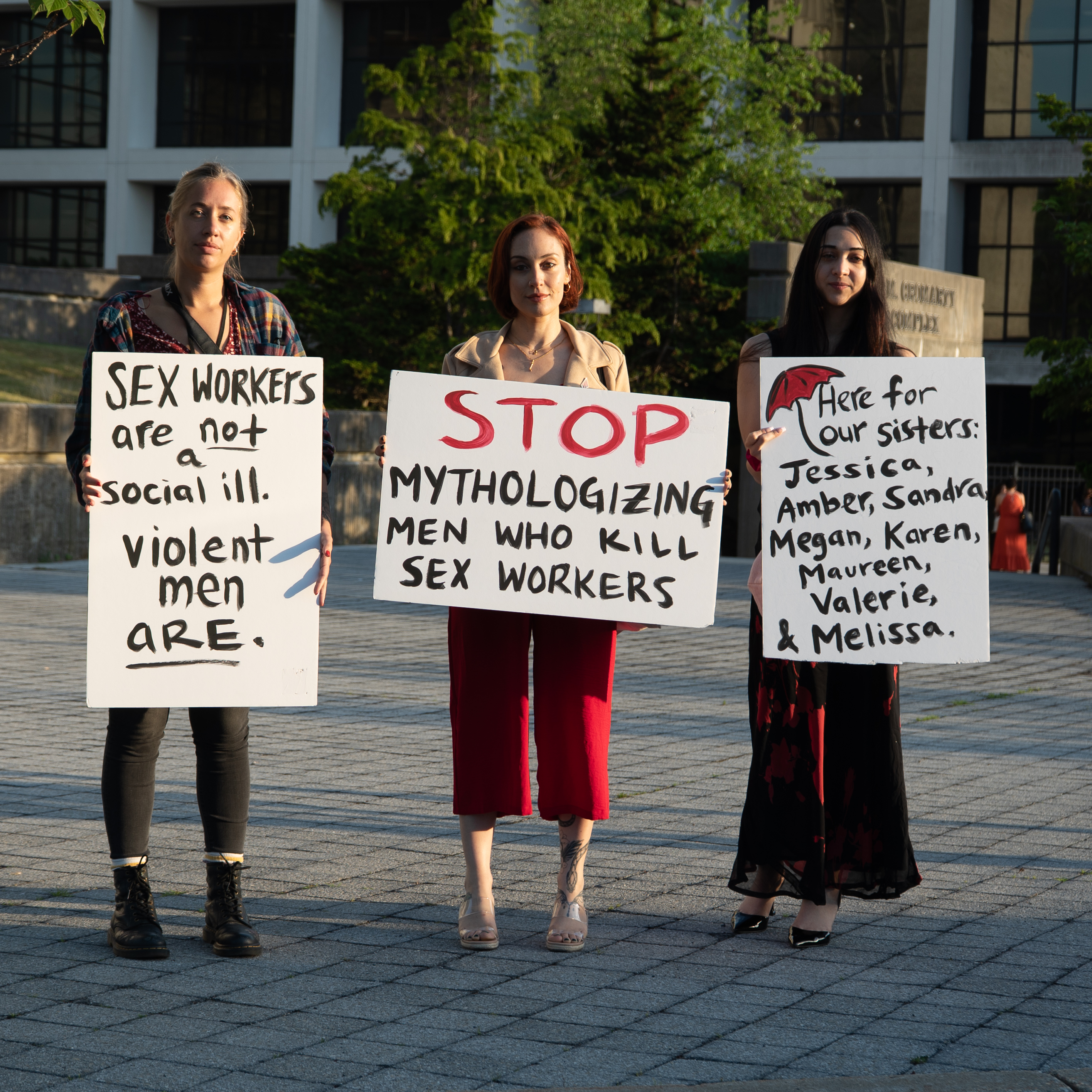
These media practices help manufacture the hatred and violence that has dogged our community for generations. According to the United Nations, female sex workers have the highest homicide victimization rate compared to any other set of women ever studied. The perceived immorality and disposability of the sex worker is an incredibly successful tool for shaping the individual and collective behavior of girls, women, and femmes everywhere:
Be a good girl. Don’t act like a whore—or else.
We don’t accept this abuse. In an age of rampant right-wing propaganda about gender and bodily autonomy, this timely film challenges the stereotypes about our community, asserts our rightful place as narrators in our own stories, and delivers fresh, thought-provoking perspectives.

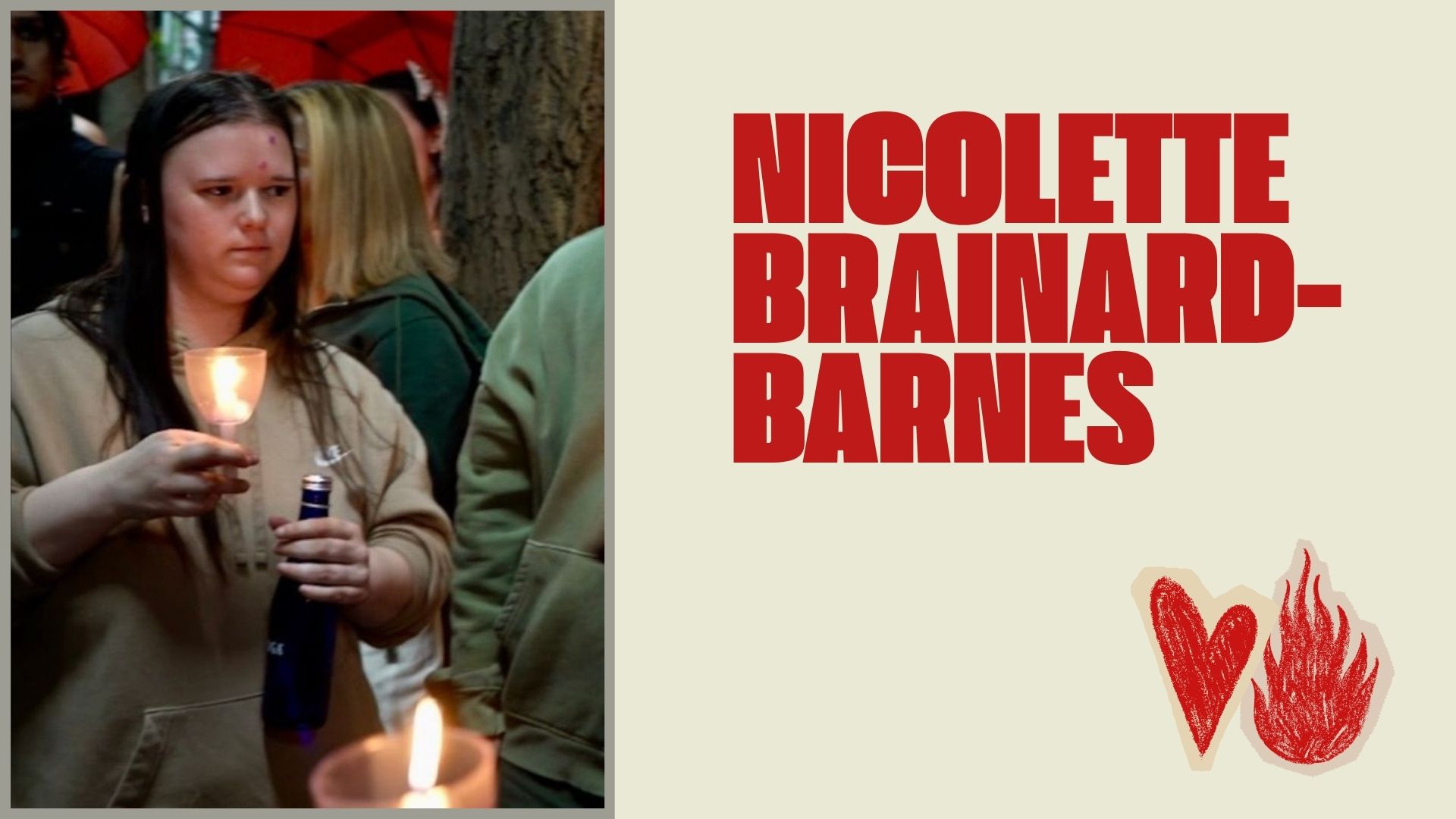
Nicolette Brainard-Barnes is a young woman from New England whose life has been profoundly impacted by the themes in this film. When she was just 7 years old, she lost her mother, Maureen, to anti-sex worker violence. Maureen was working as an escort in 2007 when Rex Heuermann, a serial killer targeting sex workers, murdered her. Heuermann wasn’t caught until 2023, and a media frenzy has been harassing his victims’ families for decades. Nicolette was not only forced to grow up without her mom, but also in the long, painful shadow of anti-sex worker bias from neverending news cycles, films, books, and podcasts about her mother’s case. Her story, illuminated by the wisdom of her sex worker lineage, sheds light on the generational impacts of stigma and violence.
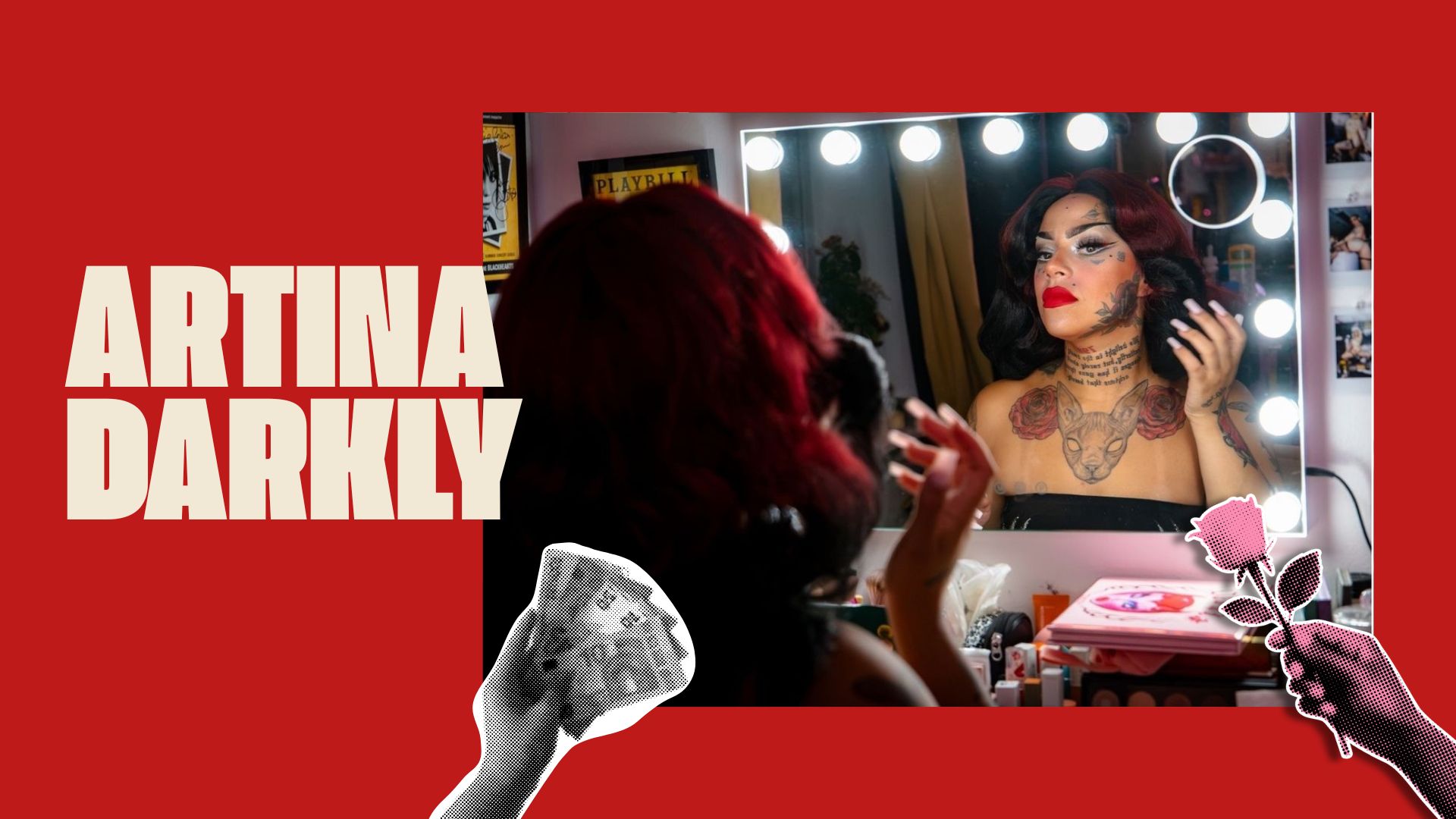
Artina Darkly is a former stripper, webcam model, and escort. Now she runs a burlesque company and curates community fundraisers to support sex workers and other marginalized people. Before Artina chose to become a sex worker, which led her to her passion for burlesque and eventually her career, she was a victim of forced commercial sexual labor—known colloquially as “human trafficking”. Her story demonstrates the distinction between exploitation and autonomous sex work, and why it is so harmful when media portrayals conflate the two. The safety of both sex workers and those being forced into selling sex depends on more peoples' ability to understand the vital difference.
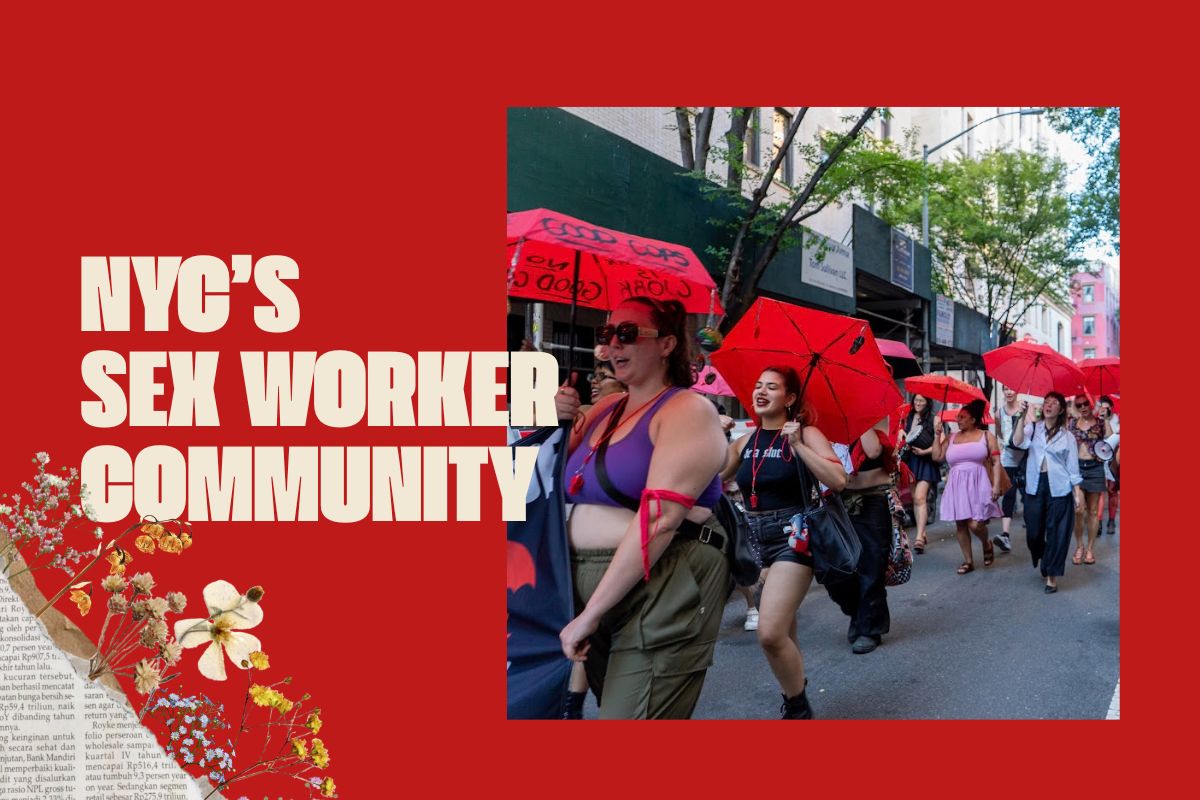
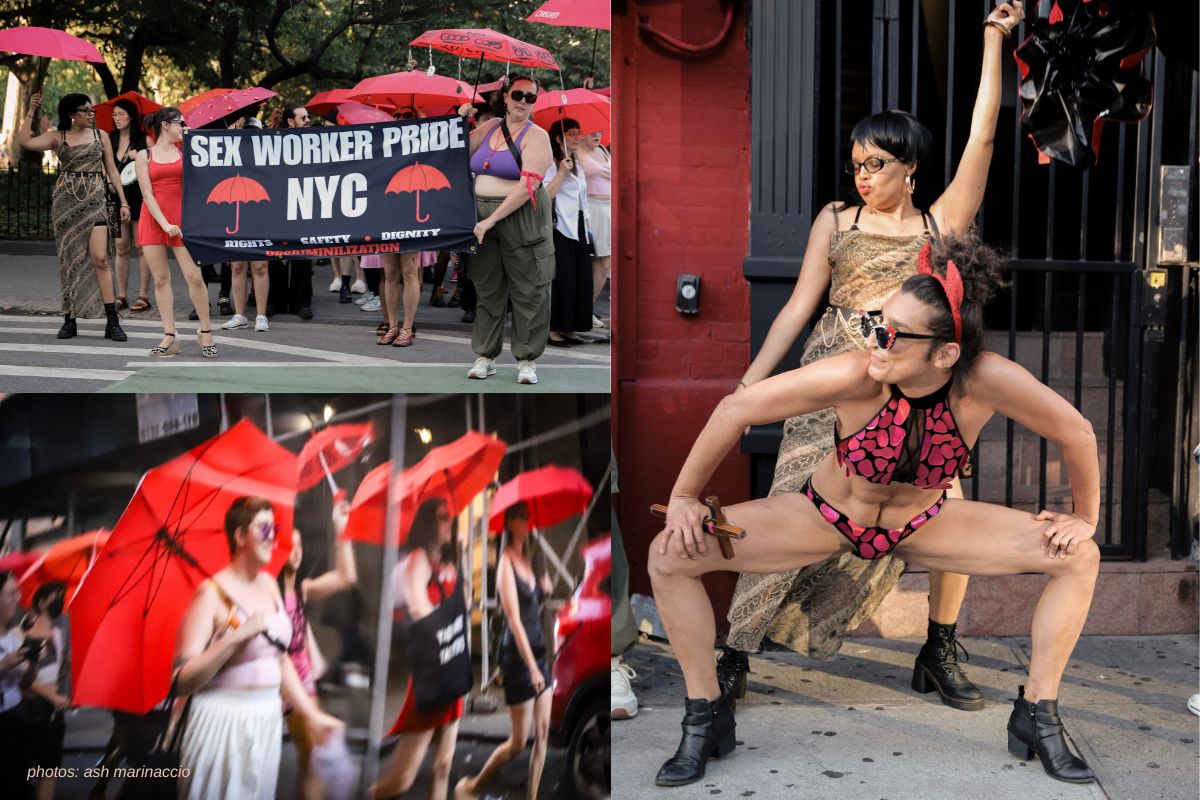
Community: Another key player in this film is community itself. Specifically, the sex worker community in New York City, which has a long, rich, history of fighting for our rights and is intergenerationally connected through the leadership of Black, brown, and immigrant trans sex workers. Today, we continue our community’s traditions by getting loud in the streets, advocating for better laws, demanding just treatment in society, and gathering together in spaces of joy and resistance.


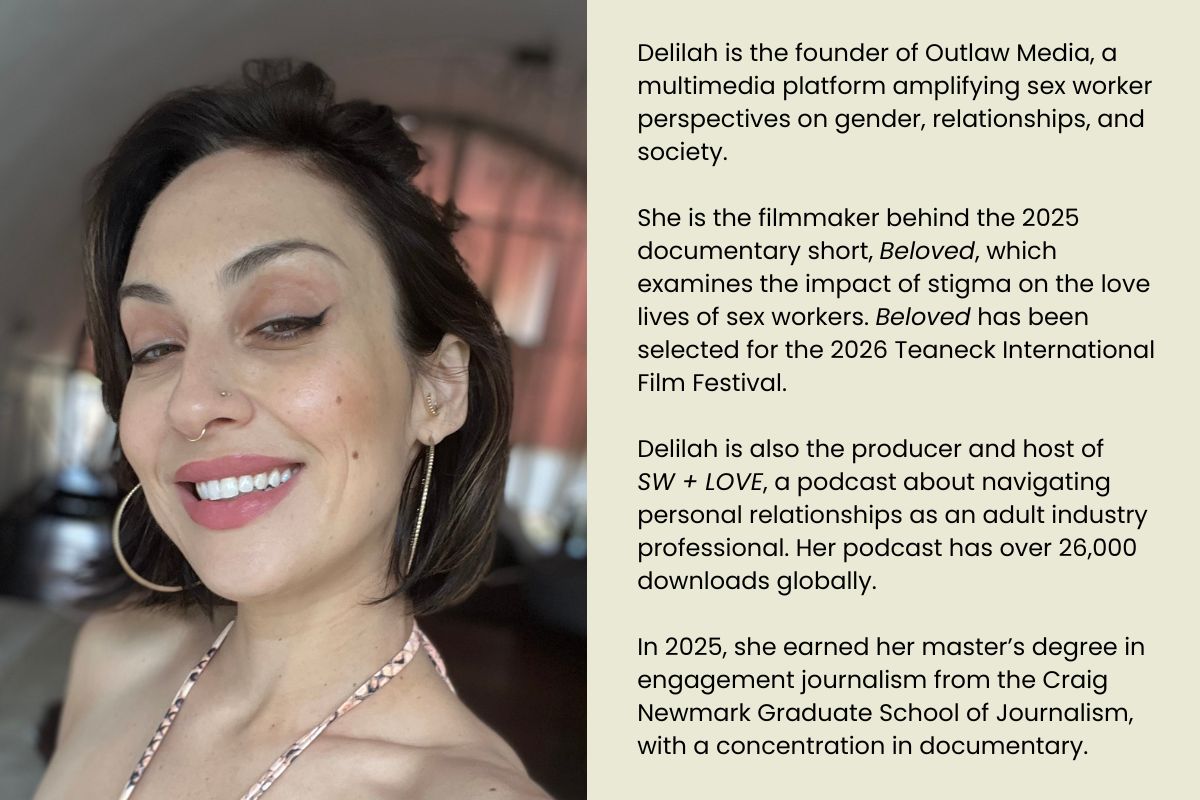
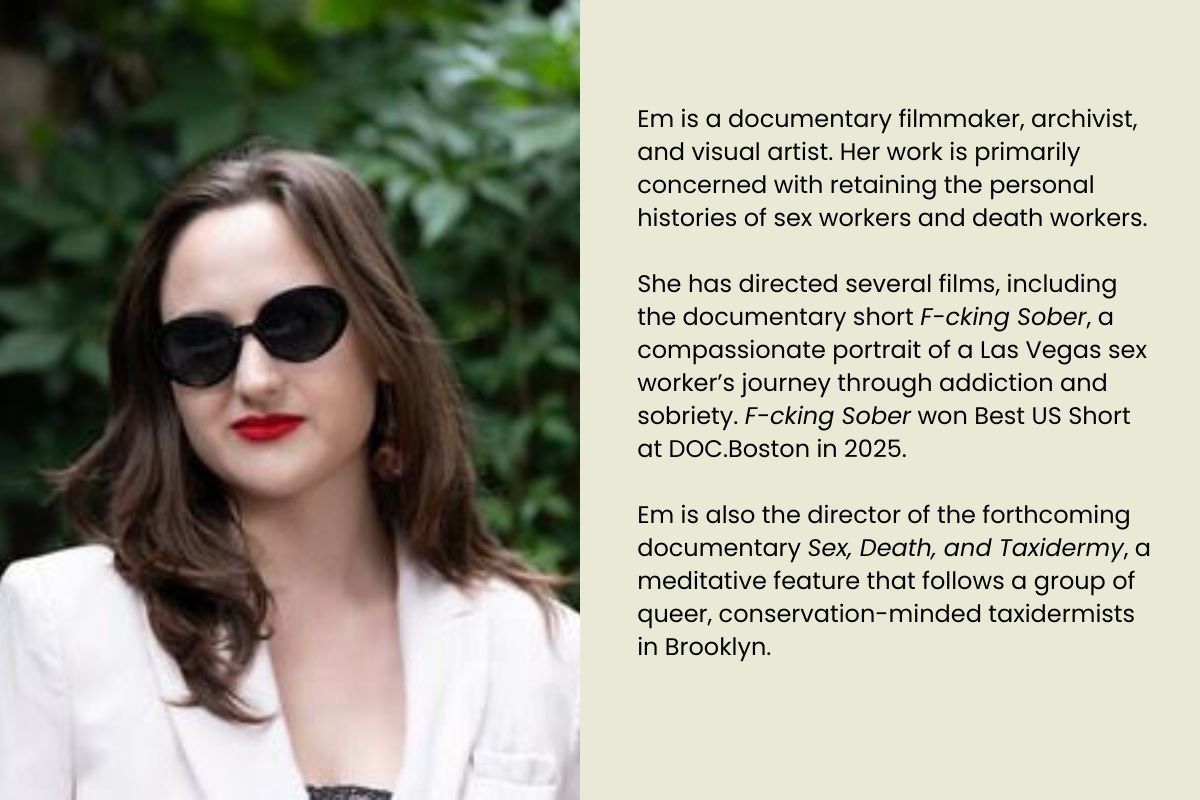
Director Delilah Saul has been researching this project for the past ten years, gathering evidence of how the media harms sex workers. In 2025, she completed an e-book on the subject. That same year, she met sex worker/documentarian Em Vaughn, and realized she’d found the perfect partner to make this film. Production began in April, and so far the duo has filmed:
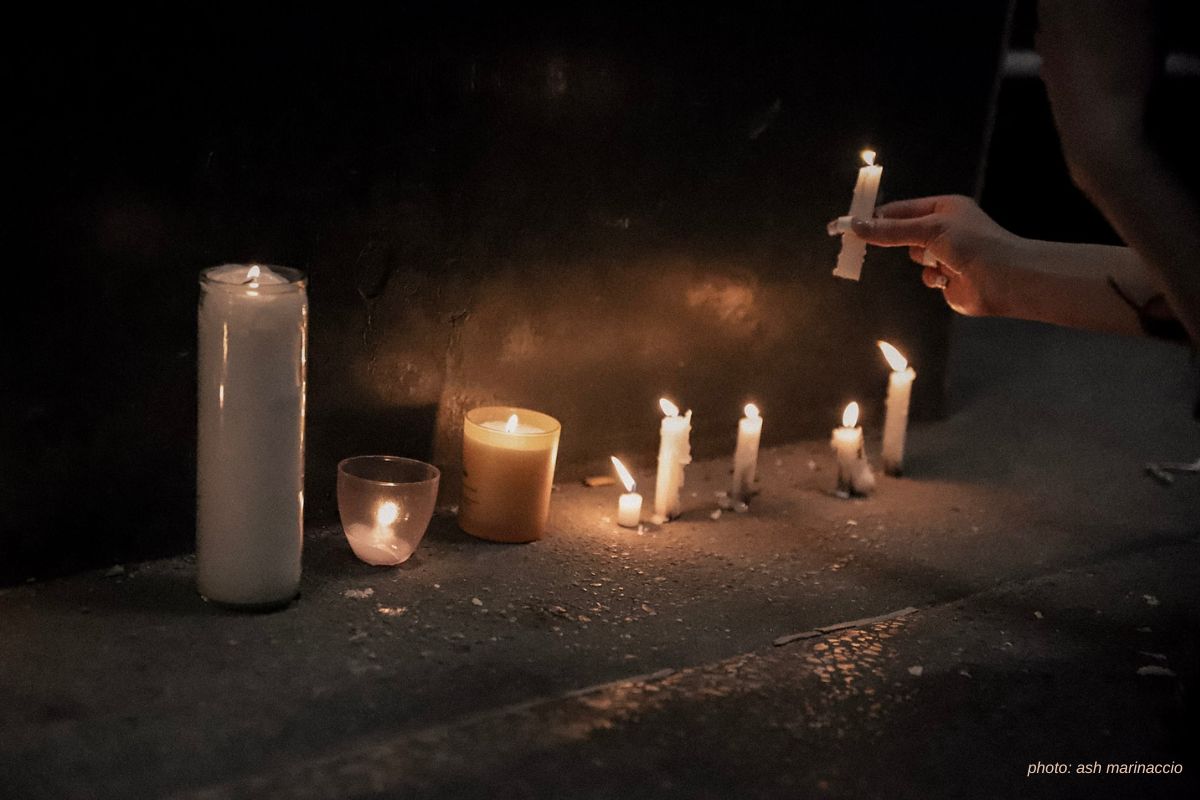
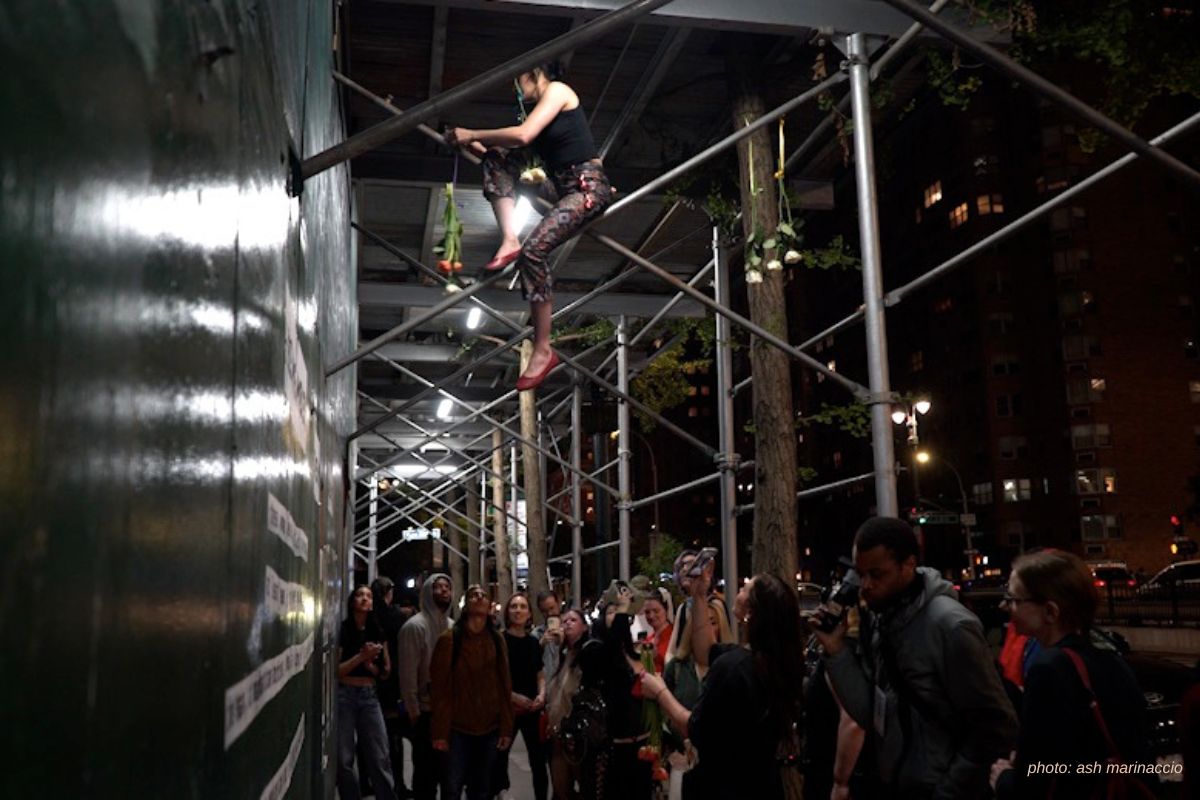
A community vigil for eight women, mostly sex workers, who were all murdered by now-notorious serial killer Rex Heuermann, a suburban "family man" who owned an architecture firm in Manhattan
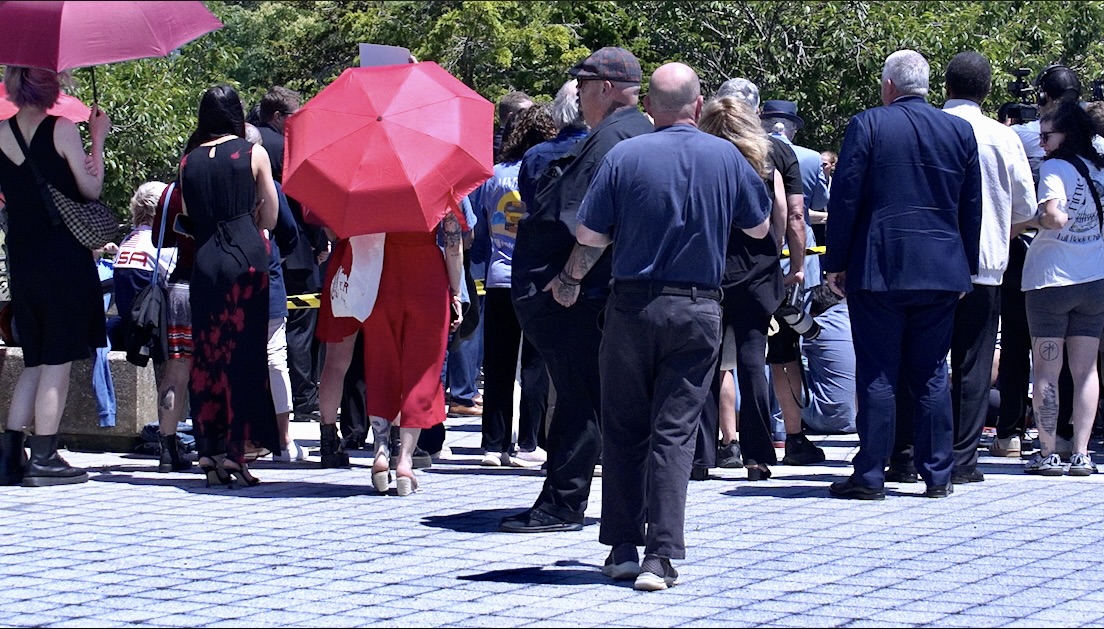
A caravan of sex workers and comrades who traveled to Long Island to witness Heuermann’s sentencing and be in solidarity with the victims’ families
An interview with Artina Darkly
Artina performing burlesque
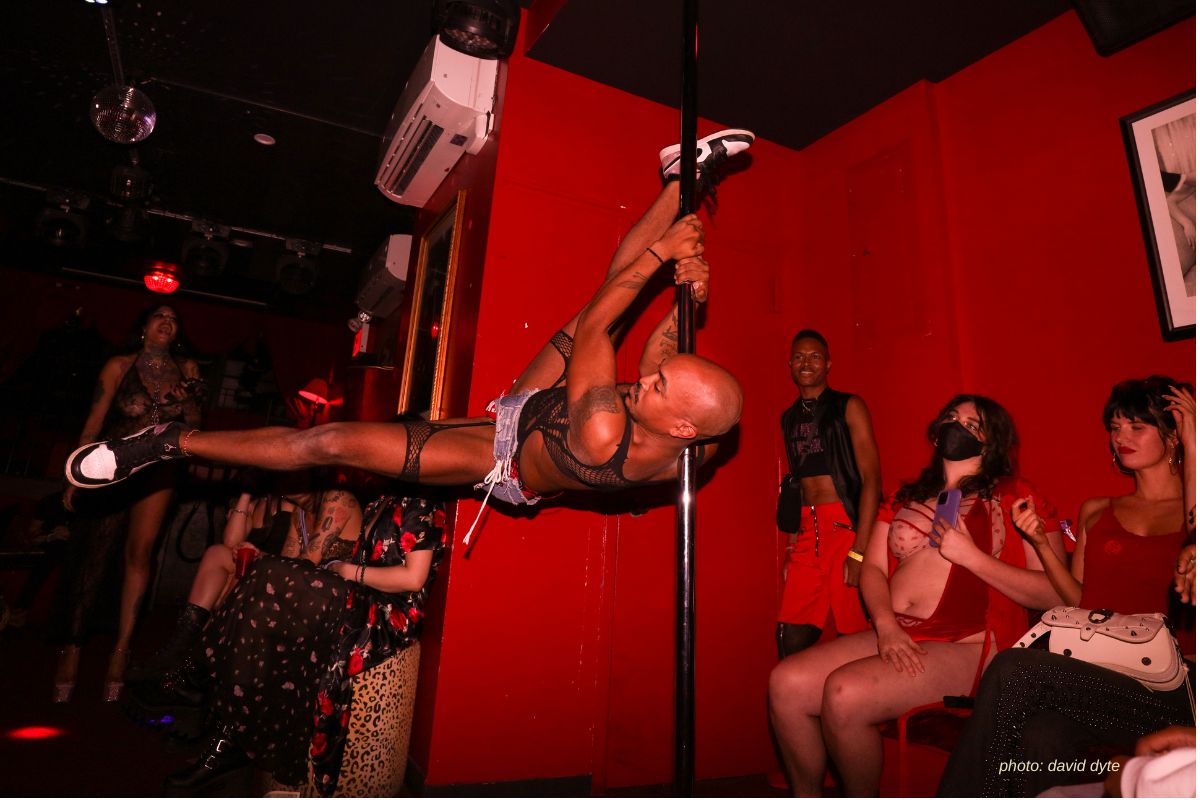
An open mic for sex workers
Celebrations in NYC for the 2026 International Sex Worker Pride Day

Film interviews and days-in-the-life with Nicolette Brainard-Barnes and Artina Darkly
Film interviews and days-in-the-life with other local sex workers who are directly impacted by media bias, and whose full, rich, complex lives break stereotypes (e.g.: powerful artists, solid parents, trans workers)
Consultations and interviews with sex worker advocates and media researchers like Equitable Care Certification, N'Jaila Rhee, Kaytlin Bailey, and others, focusing on how the media normalizes dangerous legislation and emboldens the policing of sex work across various sex working communities -- especially those who are marginalized due to factors like race, transphobia, and immigration status.
Continue gathering archival material from films, news clippings, podcasts, and TV shows
Film the ongoing process of trying to help local researcher Raul Montero create a digital map of all missing and murdered people, with an eye towards using the map to help develop a database of missing and murdered sex workers. To the best of our knowledge, no such database exists, which makes violence against sex workers that much more difficult to track.

Your donations to this project will go directly to the following:
Crew (hiring priority given to people who are sex workers, LGBTQIA+, and/or BIPOC)
Equipment
Travel (Several rounds of Amtrak or car travel around the tri-state area for interviews, meals on the road, and gas)
Space rental (spaces to conduct interviews where in-home interviews are not possible)
Research: Gather stories from sex workers who’d like to participate; film interviews with selected storytellers; research into the social and legislative impacts of SWERF activism (self-proclaimed feminists who team up with law enforcement and legislators with the goal of eradicating sex work altogether)
Continue to build an archive of news, film, and podcast clips that demonstrate harmful attitudes towards sex workers
If you're unable to contribute cash, you can also donate your videography or sound engineering skills, research skills, equipment, Amtrak miles, or your large, New York City-based, aesthetically-pleasing apartment, studio, or office for us to conduct interviews in!
And please...SHARE this campaign far and wide!!
Follow us: Substack | Instagram | Podcast
Wishlist
Use the WishList to Pledge cash and Loan items - or - Make a pledge by selecting an Incentive directly.
Crew: Cinematographer
Costs $3,200
Donate your cinematography skills or, better yet, help us hire another LGBTQ+ or sex working cinematographer!
Travel, Food, + Lodging
Costs $2,500
Car rentals, gas, Amtrak tickets (or Amtrak points), meals on the road, and hotels (Thumbnail photo by Ash Marinaccio)
Spaces for Interviews
Costs $1,000
Temporarily convert your medium-to-large, well-lit, visually appealing, NYC-based space into a film set where we can conduct interviews!
Stipend for Lead Cinematographer
Costs $3,500
Help offset Em's labor, which includes hundreds of hours of filming, lugging heavy equipment across the tri-state area, and admin.
Stipend for Lead Nerd
Costs $3,500
Help offset Delilah's labor, which includes hundreds of hours researching, editing footage, admin, and directing on set.
Equipment
Costs $1,225
Buy us some SSD hard drives, a set of quality headphones, and buy or lend us 1-2 shotgun microphones!


Direct link:
Share this update!
About This Team

The creators behind this project, journalist-filmmaker Delilah Saul and archivist-filmmaker Em Vaughn, have 18 years’ combined experience as sex workers. As media makers, they have each earned a reputation for community-led storytelling that centers the comfort, boundaries, and self-advocacy of the participants in their films.


Current Team

Incentives
- The Story
- Wishlist
- Updates
- The Team
- Community
Mission Statement
The Story
For over a century, the American media machine has played a powerful role in cultivating society’s negative view of sex workers. Tabloids and headlines deliberately dehumanize us to gain clicks. Hubristic Hollywood directors release films and shows that presume to understand our world, only to flatten, infantilize, or demonize us. The true crime industry, which profits endlessly from the blood of murdered sex workers and the tears of their families, looms in the hinterland between documentary and myth-making, treating murderous men as fascinating anti-heroes and reducing the femmes they kill to plot props.
These media practices help manufacture the hatred and violence that has dogged our community for generations. According to the United Nations, female sex workers have the highest homicide victimization rate compared to any other set of women ever studied. The perceived immorality and disposability of the sex worker is an incredibly successful tool for shaping the individual and collective behavior of girls, women, and femmes everywhere:
Be a good girl. Don’t act like a whore—or else.
We don’t accept this abuse. In an age of rampant right-wing propaganda about gender and bodily autonomy, this timely film challenges the stereotypes about our community, asserts our rightful place as narrators in our own stories, and delivers fresh, thought-provoking perspectives.
Nicolette Brainard-Barnes is a young woman from New England whose life has been profoundly impacted by the themes in this film. When she was just 7 years old, she lost her mother, Maureen, to anti-sex worker violence. Maureen was working as an escort in 2007 when Rex Heuermann, a serial killer targeting sex workers, murdered her. Heuermann wasn’t caught until 2023, and a media frenzy has been harassing his victims’ families for decades. Nicolette was not only forced to grow up without her mom, but also in the long, painful shadow of anti-sex worker bias from neverending news cycles, films, books, and podcasts about her mother’s case. Her story, illuminated by the wisdom of her sex worker lineage, sheds light on the generational impacts of stigma and violence.
Artina Darkly is a former stripper, webcam model, and escort. Now she runs a burlesque company and curates community fundraisers to support sex workers and other marginalized people. Before Artina chose to become a sex worker, which led her to her passion for burlesque and eventually her career, she was a victim of forced commercial sexual labor—known colloquially as “human trafficking”. Her story demonstrates the distinction between exploitation and autonomous sex work, and why it is so harmful when media portrayals conflate the two. The safety of both sex workers and those being forced into selling sex depends on more peoples' ability to understand the vital difference.
Community: Another key player in this film is community itself. Specifically, the sex worker community in New York City, which has a long, rich, history of fighting for our rights and is intergenerationally connected through the leadership of Black, brown, and immigrant trans sex workers. Today, we continue our community’s traditions by getting loud in the streets, advocating for better laws, demanding just treatment in society, and gathering together in spaces of joy and resistance.
Director Delilah Saul has been researching this project for the past ten years, gathering evidence of how the media harms sex workers. In 2025, she completed an e-book on the subject. That same year, she met sex worker/documentarian Em Vaughn, and realized she’d found the perfect partner to make this film. Production began in April, and so far the duo has filmed:
A community vigil for eight women, mostly sex workers, who were all murdered by now-notorious serial killer Rex Heuermann, a suburban "family man" who owned an architecture firm in Manhattan
A caravan of sex workers and comrades who traveled to Long Island to witness Heuermann’s sentencing and be in solidarity with the victims’ families
An interview with Artina Darkly
Artina performing burlesque
An open mic for sex workers
Celebrations in NYC for the 2026 International Sex Worker Pride Day
Film interviews and days-in-the-life with Nicolette Brainard-Barnes and Artina Darkly
Film interviews and days-in-the-life with other local sex workers who are directly impacted by media bias, and whose full, rich, complex lives break stereotypes (e.g.: powerful artists, solid parents, trans workers)
Consultations and interviews with sex worker advocates and media researchers like Equitable Care Certification, N'Jaila Rhee, Kaytlin Bailey, and others, focusing on how the media normalizes dangerous legislation and emboldens the policing of sex work across various sex working communities -- especially those who are marginalized due to factors like race, transphobia, and immigration status.
Continue gathering archival material from films, news clippings, podcasts, and TV shows
Film the ongoing process of trying to help local researcher Raul Montero create a digital map of all missing and murdered people, with an eye towards using the map to help develop a database of missing and murdered sex workers. To the best of our knowledge, no such database exists, which makes violence against sex workers that much more difficult to track.
Your donations to this project will go directly to the following:
Crew (hiring priority given to people who are sex workers, LGBTQIA+, and/or BIPOC)
Equipment
Travel (Several rounds of Amtrak or car travel around the tri-state area for interviews, meals on the road, and gas)
Space rental (spaces to conduct interviews where in-home interviews are not possible)
Research: Gather stories from sex workers who’d like to participate; film interviews with selected storytellers; research into the social and legislative impacts of SWERF activism (self-proclaimed feminists who team up with law enforcement and legislators with the goal of eradicating sex work altogether)
Continue to build an archive of news, film, and podcast clips that demonstrate harmful attitudes towards sex workers
If you're unable to contribute cash, you can also donate your videography or sound engineering skills, research skills, equipment, Amtrak miles, or your large, New York City-based, aesthetically-pleasing apartment, studio, or office for us to conduct interviews in!
And please...SHARE this campaign far and wide!!
Follow us: Substack | Instagram | Podcast
Wishlist
Use the WishList to Pledge cash and Loan items - or - Make a pledge by selecting an Incentive directly.
Crew: Cinematographer
Costs $3,200
Donate your cinematography skills or, better yet, help us hire another LGBTQ+ or sex working cinematographer!
Travel, Food, + Lodging
Costs $2,500
Car rentals, gas, Amtrak tickets (or Amtrak points), meals on the road, and hotels (Thumbnail photo by Ash Marinaccio)
Spaces for Interviews
Costs $1,000
Temporarily convert your medium-to-large, well-lit, visually appealing, NYC-based space into a film set where we can conduct interviews!
Stipend for Lead Cinematographer
Costs $3,500
Help offset Em's labor, which includes hundreds of hours of filming, lugging heavy equipment across the tri-state area, and admin.
Stipend for Lead Nerd
Costs $3,500
Help offset Delilah's labor, which includes hundreds of hours researching, editing footage, admin, and directing on set.
Equipment
Costs $1,225
Buy us some SSD hard drives, a set of quality headphones, and buy or lend us 1-2 shotgun microphones!
Direct link:
Share this update!
About This Team
The creators behind this project, journalist-filmmaker Delilah Saul and archivist-filmmaker Em Vaughn, have 18 years’ combined experience as sex workers. As media makers, they have each earned a reputation for community-led storytelling that centers the comfort, boundaries, and self-advocacy of the participants in their films.