Shadows on the Frontier
Los Angeles, California | Film Short
Horror, Western
Thomas, a cowboy and son of freed slaves, wants to be a normal kid. He is at odds with his father Luther, a freedman that is protective of his son and his ranch. When a greedy rancher wants to steal their land, Thomas must rise to the occasion and defend their lineage and legacy.
Shadows on the Frontier
Los Angeles, California | Film Short
Horror, Western

1 Campaigns |
Green Light
This campaign raised $14,000 for production. Follow the filmmaker to receive future updates on this project.
25 supporters | followers
Enter the amount you would like to pledge
Thomas, a cowboy and son of freed slaves, wants to be a normal kid. He is at odds with his father Luther, a freedman that is protective of his son and his ranch. When a greedy rancher wants to steal their land, Thomas must rise to the occasion and defend their lineage and legacy.
About The Project


- The Story
- Wishlist
- Updates
- The Team
- Community
Mission Statement
The Story
I never liked westerns as a kid. I thought they were boring and old fashioned, starring arrogant white men who thought they knew better than everyone around them. So, I was surprised to learn that my grandfathers, two headstrong Black American men that I admired, were fans of the genre.
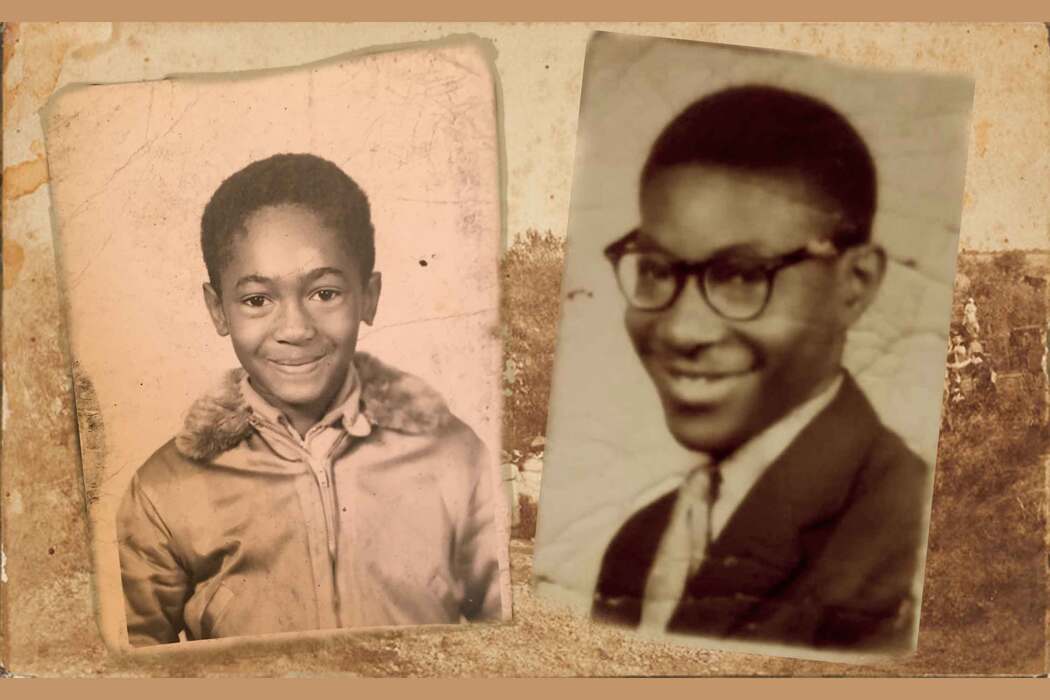
My grandfathers Tom Payne and James Thomas were very similar. Both men were born and raised in Mississippi before moving to Chicago during the second great migration. While they lived in different parts of the state, my grandfathers had similar stories: young, Black men with curious minds and passionate hearts took on adult responsibilities at young ages. While Tom Payne was a cowboy, James Thomas worked odd jobs. These men grew up and passed these values on to their children, grandchildren, and great-grandchildren. Their respective pasts, as young Black men in the south who knew the importance of family legacy, partially inspired me to write this story about Black lineage and land ownership. And, of course, they loved old Westerns, so this film was made for them!
The other story that inspired this film was my grandmother's farm. The Daniels family owned a 128-acre farm where they raised crops and livestock. That land was seized by the government in the 1950s, after generations of it being passed down in our family. Learning that history frustrated me for years. It was worse when I learned that it was converted into a campground. This was the main catalyst for writing "Shadows on the Frontier," a story of Black land ownership and legacy.
"Shadows on the Frontier" is set in 1870s Texas. Freedman LUTHER SMITH and his family were granted their own ranch. Albeit small, it grew with Luther’s hard work. After the death of his wife, draft of his oldest sons, and marriage of his daughter, his last and youngest remaining child, THOMAS SMITH, is the inheritor of the ranch. Thomas, however, is more interested in playing and being a normal child. This sours their already strained relationship.
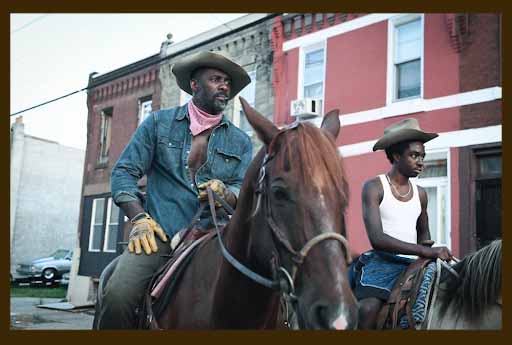
One day, a mysterious creature begins eating their livestock. This causes their business to plummet, with their meat and leather coming up short. An unseen ranching tycoon is elated: he is using this opportunity to try and buy the ranch from Luther. The rancher sends his posse to intimidate Luther, but he stands strong. That night, Thomas comes face to face with the monster, and rises to the occasion to defend his family's ranch.
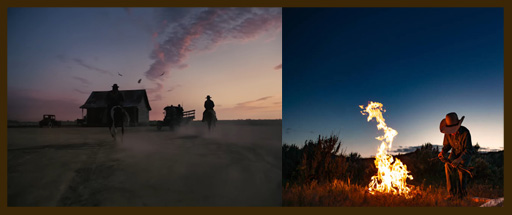
Some comparisons? The film’s main influences are the western films Bone Tomahawk, 3:10 to Yuma, and Buck and The Preacher. It matches the three films in tone, theme, and style: Bone Tomahawk’s horror, 3:10 to Yuma’s tale of redemption and masculinity, and Buck and The Preacher’s exploration of racial tension during Reconstruction Era America.
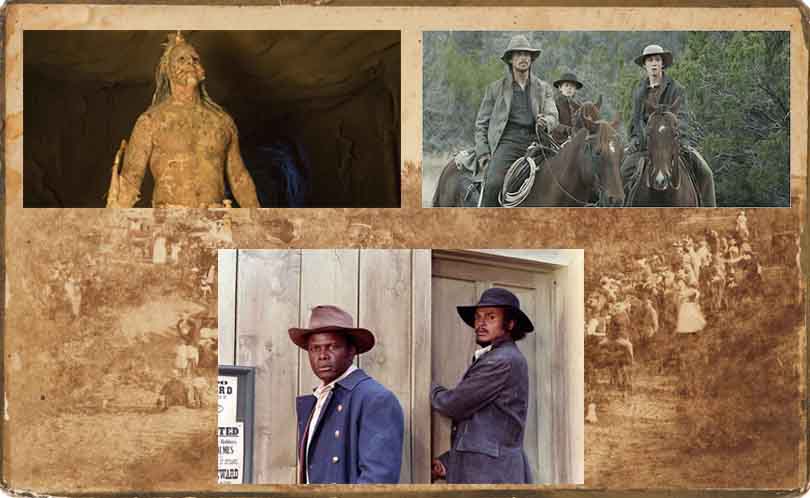
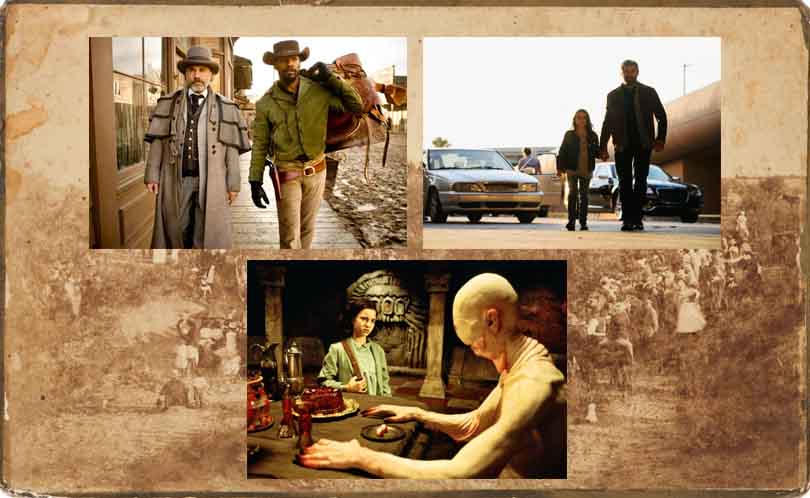
Additional films that inspire this story include Django Unchained, Logan, and Pan's Labyrinth. Django explores a historically fictional story of a freed slave enacting revenge on white society, while reuniting with his wife; Logan tells the story of an older man finding purpose in his later life, with his daughter and father figure by his side; and Pan's Labyrinth is a tale of a young girl encountering magical creatures to reunite with her true family, during the Spanish Civil War. These subsequent tales of redemption and power directly correlate to Luther and Thomas' stories and the historical setting of the film!

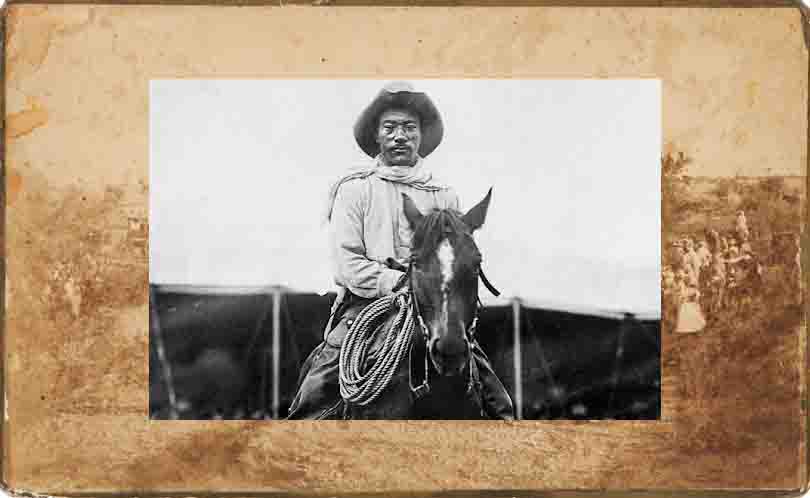 The film is meant to be historically accurate to its time period-Reconstruction Era America. In Texas, many slave owners had cowhands (called cowboys as a derogatory term) that were Black slaves. These cowboys specialized in cow herding and tending to land. Their contributions strengthened the economy since cowhides were a commodity in the north. Juneteenth, the date in which slaves in Texas learned of their emancipation, led to many cowhands utilizing their skills and working as cowboys, along with Indigenous and Mexican workers.
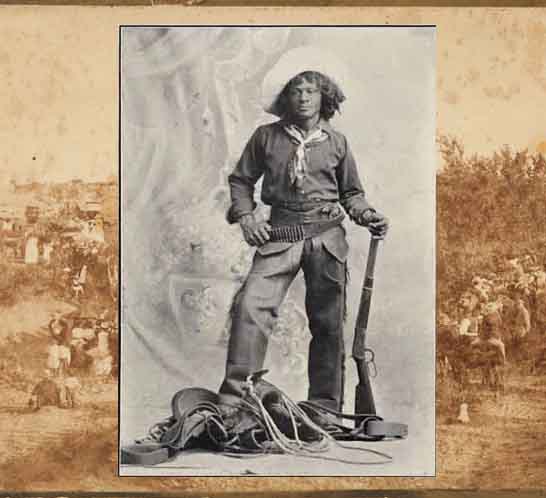 In 1870s Texas, the cattle industry declined by the end of the decade due to numerous factors. Freed slaves continued to work on ranches, with many becoming pivotal figures in American culture (Bass Reeves, Bill Pickett, and Nat Love to name a few). These figures have proven to be influential in American history, yet are rarely seen on the big screen. In recent times, Black cowboy culture is becoming mainstream, whether it is through They Harder They Fall on Netflix, or Beyonce's Cowboy Carter album. This film will provide an onscreen depiction of Black ranch life, set during a pivotal time in American history.
Today, Black land ownership is a critical matter that affects many. The American Bar Association noted that “Black farmers lost more than 90 percent of 16 million acres from 1910 to 1997 through state-sanctioned violence and discriminatory structures that limited Black wealth building.” There are several stories of Black farmers and ranchers who have been threatened by violence, or lost their lives preserving their land from envious white supremacists.
The concept of 40 acres and a mule is not new: Black Americans have had land promised and stolen from them for centuries. In 2025, Black farmers are at risk of losing rights to their land and legacies due to governmental interference and systemic racism. This story addresses these issues and more. “Shadows on the Frontier” explores these events in a horror setting through its shapeshifting monster.
The shape-shifting monster is inspired by Indigenous and African American cultures that speak of monsters. It resembles the Navajo Skinwalker and the Chupacabra from the Southwest. The Monster’s real life inspiration is an amalgamation of white supremacists in history that have attacked Black landowners, including lynch mobs and financial institutions. The Monster is a reminder of political violence against Black Americans throughout America.
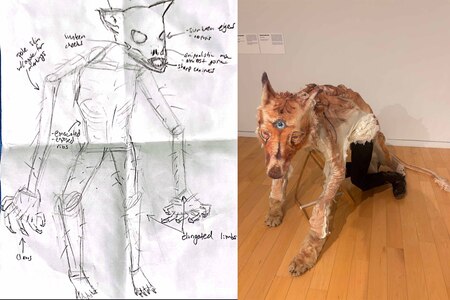
Visually, it is a tall, pale, lanky coyote-like creature, with a humanoid face and detailing. Above is a sketch of the monster, and an example of its design by our SFX makeup artist, Amber Scott.
Below are sample images of what it looks like from films, including Pan's Labyrinth and An American Werewolf in London.
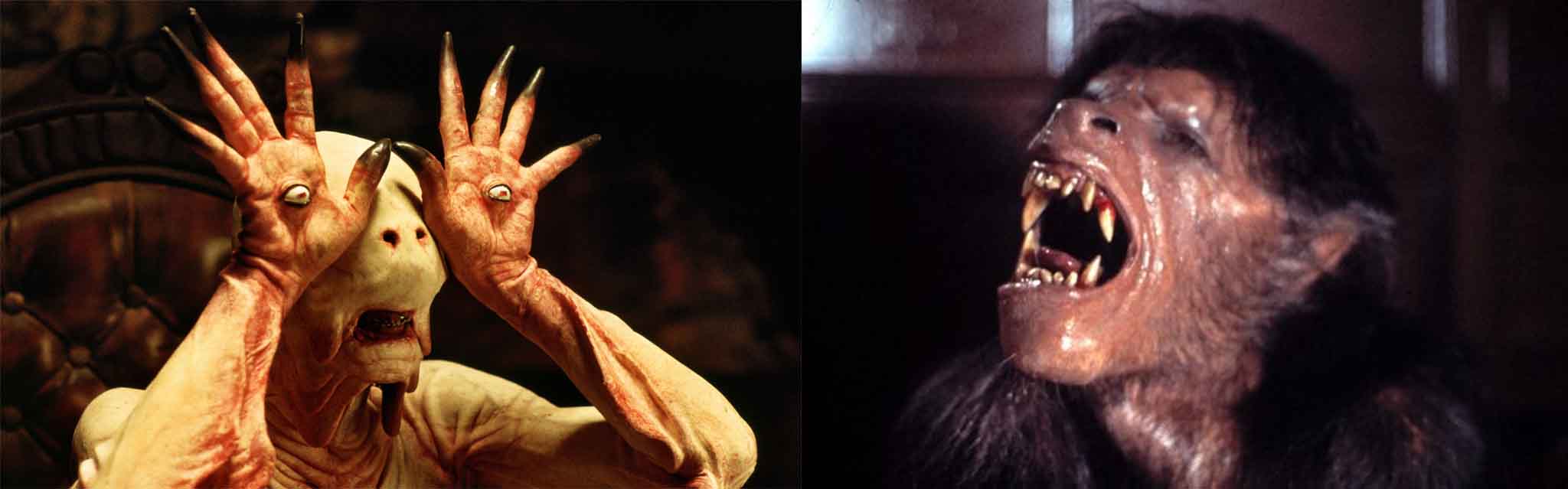
In the story, the posse members all gained the ability to shape-shift, thus turning into this creature that eats the Smith’s livestock and ruins their sales. It is made from practical effects, with the use of fur, synthetic claws, and extensive makeup. Special Effects supervisor Simon Archer crafts this creature with visual inspiration from coyotes and foxes from Southwest American deserts.
Much of the funding will go to the crafting of the monster, helping to make it look as terrifying as possible for the film.
The characters were specifically based on my aforementioned grandfathers and their fathers. Growing up in Mississippi, my grandfathers were resilient and worked various jobs to care for their families. However, they still maintained their child-like wonder and innocence, having a passion for creating and learning. This inspired the character of Thomas: a young boy with mischievous energy who matures faster than his peers.
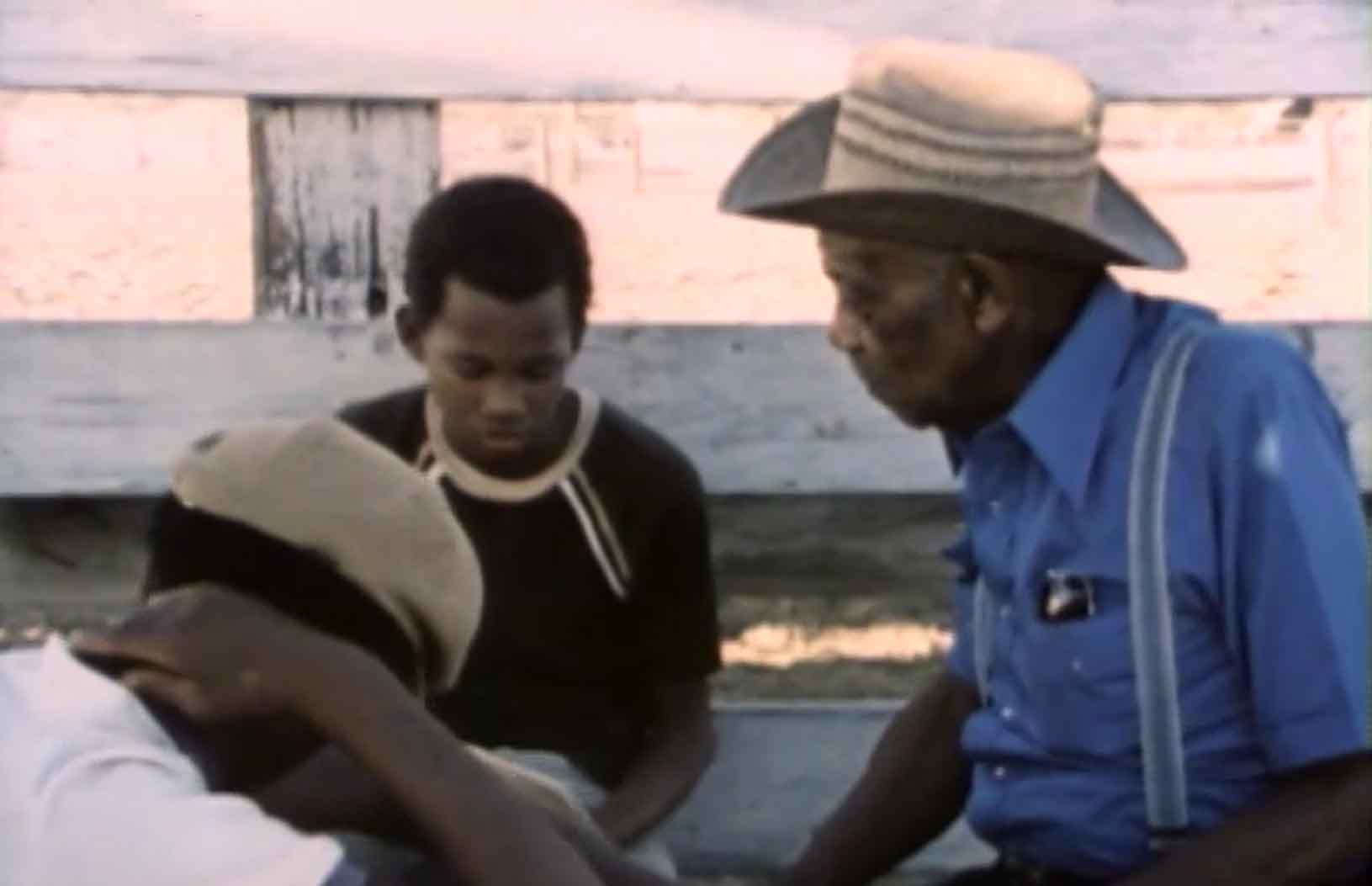
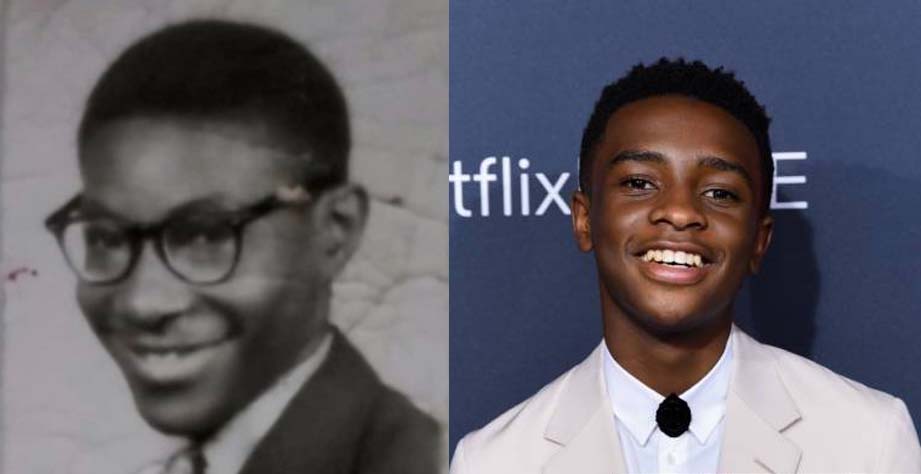
13 year old THOMAS is the protagonist. Born at the end of slavery, Thomas learned how to care for horses and cows since he was a toddler. However, he longs for the freedom to be a normal child and have fun. His only friends are the livestock. He enjoys wood carving and playing games.
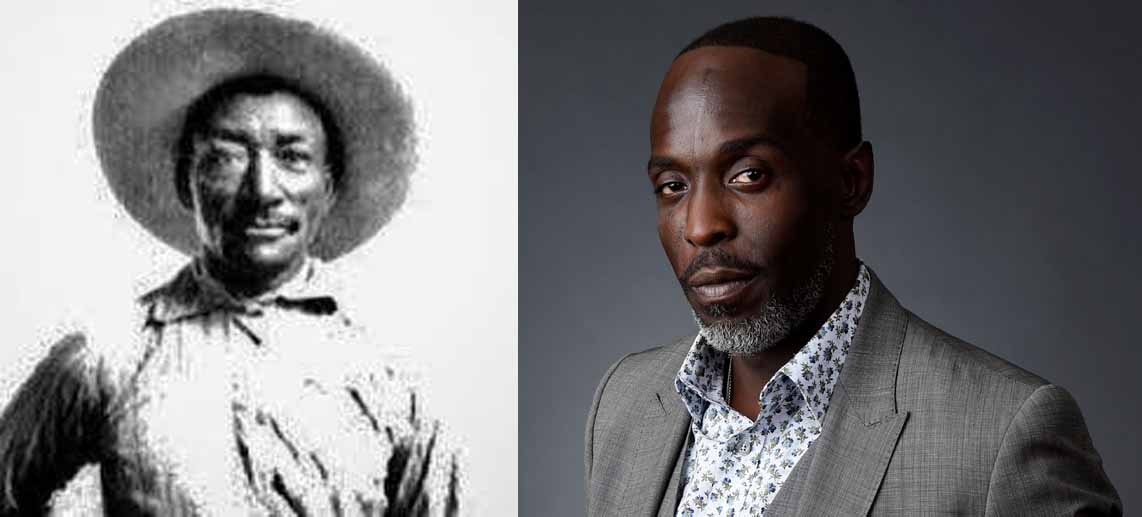
55 year old LUTHER is the owner of the Smith family ranch. He is Thomas’ father, and a recently freed slave. Suffering from PTSD, he is a hardened man that hides his vulnerability. He is passionate about the ranch because it symbolizes independence and freedom for his family. Though he is hard on Thomas, he deeply loves his son and wants him to continue on the family legacy.
My producer and I outlined the steps for production when making the film:
Phase 1 - Budgeting, Researching, and Writing
This process started one year ago in August. I began to develop an interest in westerns, which inspired an idea for a folk horror story set in Reconstruction Era Texas. For this phase, I completed extensive research of the time period and setting. I met with the Compton Cowboys in Compton, California for further research, learning about the lives of Black cowboys and the importance of Black legacies.
My producer and I began outlining the budget sheet for the three phases of production, breaking down the costs of our essentials.
Phase 2 - Casting, Development, and Fundraising
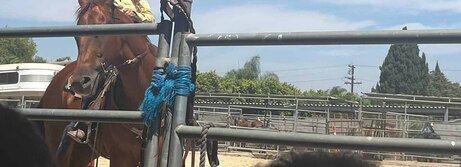
This is the phase we are currently in. Our team has been communicating about logistics for special effects, cinematography and location. We are ideally searching for Black owned ranches in the Los Angeles area, but are searching for spaces that visually fit the setting of the story.
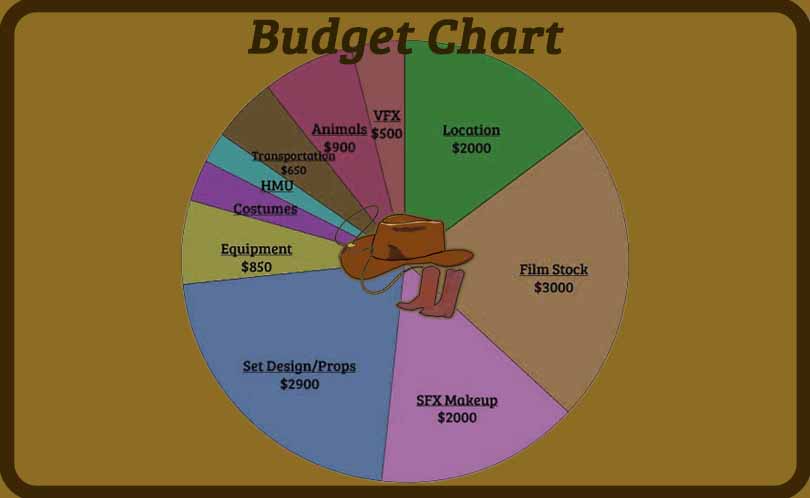
Funding is needed for confirming location, SFX (Special Effects) makeup, and historically accurate props and costumes. We also need to ensure our funding for animal safety on set. The script contains scenes of livestock (cows, sheep, horses), therefore, we need to have an animal safety coordinator on set to keep everything copasetic.
Seed & Spark requires that we reach 80% of our goal to keep our funding. This means that we have to make at LEAST $10,800 to make this project happen!
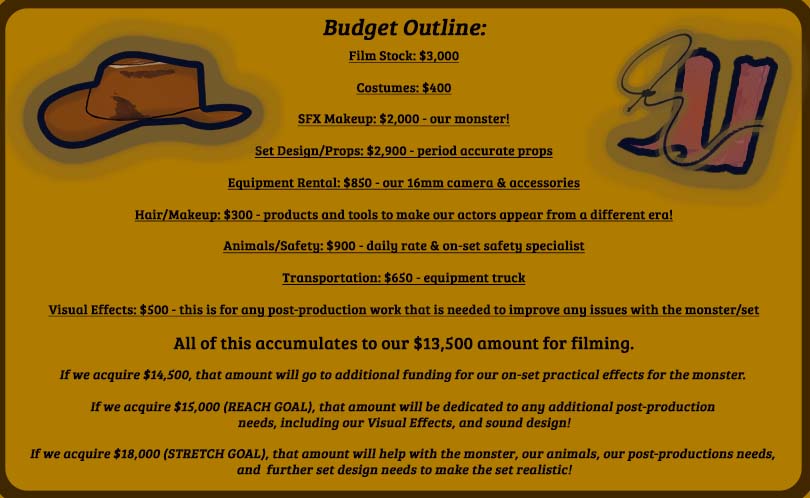
We are creating a supernatural folk horror story set in 1870s Texas--a lot is needed to bring this vision to life!
Phase 3 - Filming
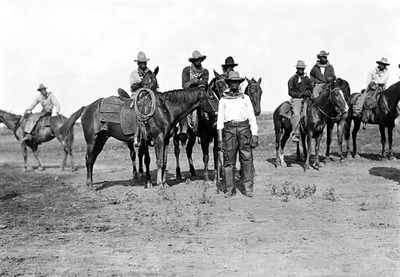
This is our next phase. Our shoot dates are slated for November 21st-23rd, 2025. We would showcase behind-the-scenes content for our donors, as well as livestream the last day of filming for our Far and Wide Frontier members. This is where our funding will be utilized: for our set to look exactly like a ranch from 1870s Texas, with an intimidating monster attacking innocent animals!
Phase 4 - Post-production
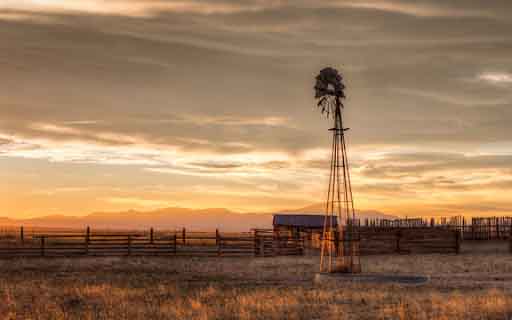
After shooting, we will be editing from January-May, 2026. This is where any excess funds will be helpful, to add visual effects where needed and sound design. Our composer, Nuvia Baeza, will also create the theme for the film!
Phase 5 - Distribution
In addition to being screened at the UCLA undergraduate student showcase in June 2026, the film will be submitted to several film festivals. The festivals we will specifically target are Black film festivals, and horror festivals.
“Shadows on the Frontier” started as a short film idea based on my love for my family’s roots and passion for Black history. It soon became a seedling of an idea for a feature film that will further explore the racial dynamics of the time period, seeing the effects of colonialism on the aforementioned racially diverse cowboys, but primarily centering around Black ranchers. This capstone will act as a proof-of-concept film that centers around Thomas and Luther’s relationship while battling a pale monster.

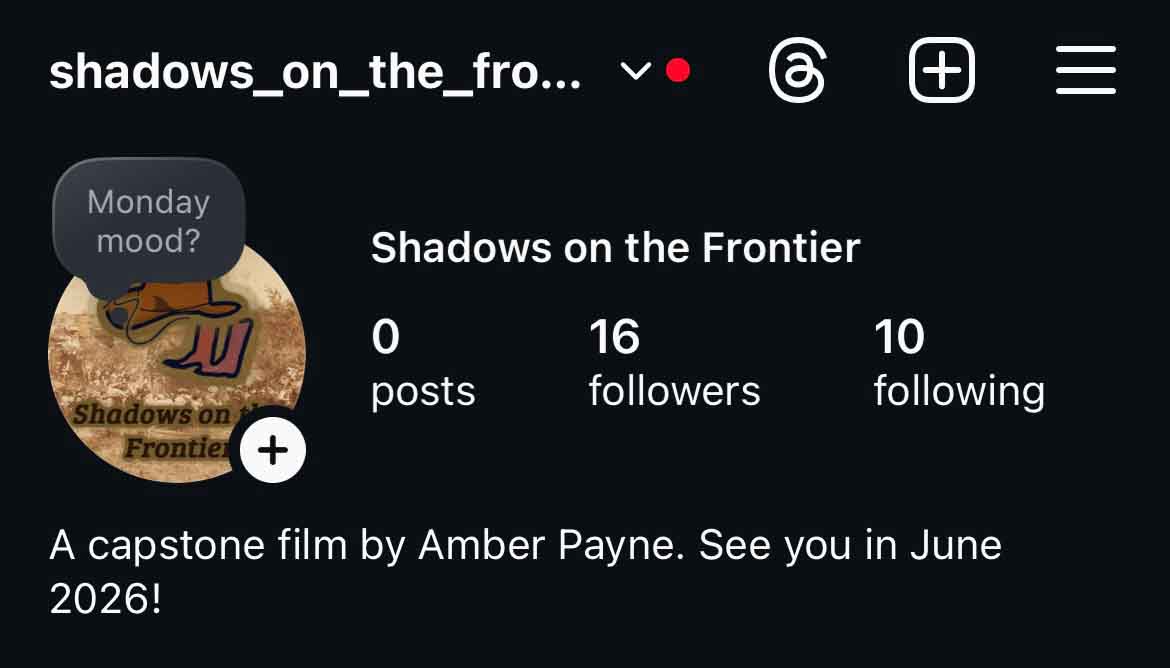
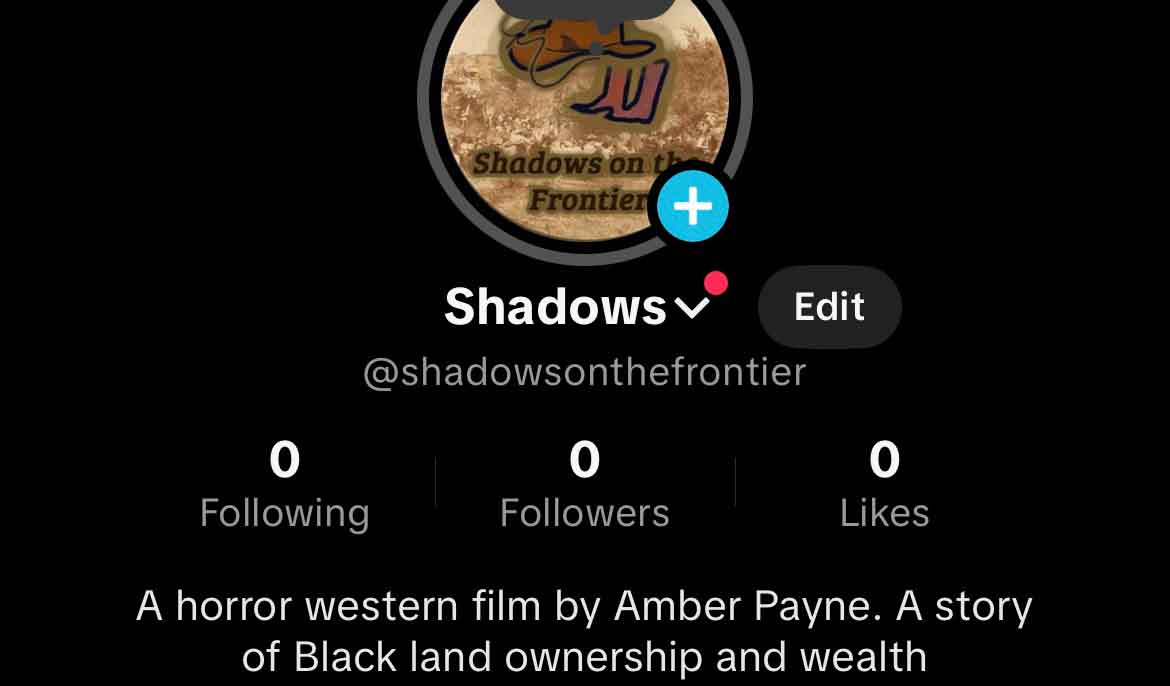
Find us on our Instagram page, @shadows_on_the_frontier_short, our TikTok @shadowsonthefrontier, and donate to our Seed & Spark campaign here!
You can donate to one of our tiers and access one of our many packages, with tons of cool merch and some BTS access.
Share our pages, and spread the word!
With your help, we can make that story happen, made for us and by us.

Wishlist
Use the WishList to Pledge cash and Loan items - or - Make a pledge by selecting an Incentive directly.
Period-Accurate Costumes
Costs $400
These items are necessary to help make the film feel realistic and add to the Western time period it takes place in.
Film Stock
Costs $3,000
Shooting the film on analog 16mm is meant to capture the classic Western filmmaking style. This keeps the film even more period accurate.
Location
Costs $2,000
We plan to shoot on a ranch in the Los Angeles area. Shooting the outside shots require a ranch that matches the style and tone of the film.
Special Effects Mechanics
Costs $2,000
To create the monster and make it feel genuine, we plan to use practical effects. We need enough SFX makeup and fur to bring it to life.
Western Props
Costs $2,900
We are using props that harken back to 1870s Texas. Similar to costumes, we need enough set dressing to create an authentic set.
Animal Safety
Costs $900
We will be using film set animals for scenes. To ensure the safety of the animals, we need an on-set AHA official to oversee our shoot.
Equipment Transportation
Costs $650
We need a safe, spacious truck to house and transport our equipment to and from set. We also require gas money for our on-set drivers.
Hair and Makeup
Costs $300
Our on-set HMU team will need enough grooming supplies to ensure our actors appear period accurate for the film.
Visual Effects
Costs $500
While we will be using practical effects, we will use some digital effects in post-production to make the gorey scenes effective.
Camera Equipment
Costs $850
For our cinematographer, we will need a 16mm film camera to be able to shoot the film to match the visual intention!
Cash Pledge
Costs $0


Direct link:
Share this update!
About This Team
Our head team are Black filmmakers and creatives with a passion for storytelling. Writer/Director Amber Payne, Producer Jordan Rivers, and Special Effects Supervisor Simon Archer are Black Chicago-based filmmakers; Director of Photography Nina Baeza is a Los Angeles-based cinematographer and director, and First Assistant Director Maiyah Lamar is cinematographer and filmmaker from Richmond, California.
Amber Payne specializes in horror storytelling, with her style being a blend of southern and urban gothic. She is passionate about Black-centered stories that challenge the status quo and explore Black lineage. A proud Chicago Mississippian, she regularly bonds with her family by documenting their tales of the south, or incorporating them into the filmmaking process.
Jordan Rivers is a producer with an eye for whimsy. A DePaul University graduate, now professor, she has produced a number of festival-qualifying short films, including "Cottage Grove" (2025) and "World 4, Level 2" (2021). She champions for Black representation in media, especially children's books and films.
Maiyah Lamar is a cinematographer, filmmaker, and writer hailing from Richmond, California. A music connoisseur, Maiyah gets her creative inspiration from her ever-growing playlists. With a vision for fantasy and romance, she creates stories that give Black Americans love and tenderness as opposed to fear and trauma. She also takes inspiration from her family, the source of her joy and passion.
Nina Baeza is a cinematographer and director. Being a Haitian-Belizean filmmaker, her films are rooted in the fantasy genre that explore race relations in the Afro-Latinx community. She commonly advocates for the representation of Black women in film. An admirer of analog filmmaking, Nina regularly shoots her projects on Super 8 or 16mm film. A fellow UCLA student, she is producing her capstone film as well, "Cultured Baking".
Simon Archer is an animator and filmmaker, with a love for the fantasy genre. Originating from the north side of Chicago, they attended the Chicago Academy for the Arts, where they befriended the director. Simon is an accomplished poet and director. Their work was showcased at the Music Box Theater in Chicago, and they read their poem at the Chicago Literary Hall of Fame.
Our additional team members include our gaffer Samantha Umbay, film loader, Adrian Alvarez, and studio teacher/producer, Tonya Thomas.
Samantha Umbay is an Asian American filmmaker who has experience as a cinematographer, gaffer, and several other crew positions. A UCLA graduate, she utilizes her filmmaking background to bring light to marginalized voices, especially those of BIPOC and queer individuals. Based in Los Angeles, Sam has a passion for analog and digital filmmaking, as well as a love for anime and video games.
Adrian Alvarez is a Latino cinematographer with experience in filmmaking and gaffing. A UCLA graduate now attending Loyola Marymount University, he explores of range of genres from horror to romance. When not working on sets, he is advocating for change in his Los Angeles home.
Tonya Thomas is an educator with a passion for teaching Black American children. A Chicago mother of two, she lights up every room she enters by mentoring others and making them smile. She enjoys working on film sets, as she herself has a passion for storytelling and regularly bonds with her daughter Amber by participating.
Current Team
Incentives
- The Story
- Wishlist
- Updates
- The Team
- Community
Mission Statement
The Story
I never liked westerns as a kid. I thought they were boring and old fashioned, starring arrogant white men who thought they knew better than everyone around them. So, I was surprised to learn that my grandfathers, two headstrong Black American men that I admired, were fans of the genre.
My grandfathers Tom Payne and James Thomas were very similar. Both men were born and raised in Mississippi before moving to Chicago during the second great migration. While they lived in different parts of the state, my grandfathers had similar stories: young, Black men with curious minds and passionate hearts took on adult responsibilities at young ages. While Tom Payne was a cowboy, James Thomas worked odd jobs. These men grew up and passed these values on to their children, grandchildren, and great-grandchildren. Their respective pasts, as young Black men in the south who knew the importance of family legacy, partially inspired me to write this story about Black lineage and land ownership. And, of course, they loved old Westerns, so this film was made for them!
The other story that inspired this film was my grandmother's farm. The Daniels family owned a 128-acre farm where they raised crops and livestock. That land was seized by the government in the 1950s, after generations of it being passed down in our family. Learning that history frustrated me for years. It was worse when I learned that it was converted into a campground. This was the main catalyst for writing "Shadows on the Frontier," a story of Black land ownership and legacy.
"Shadows on the Frontier" is set in 1870s Texas. Freedman LUTHER SMITH and his family were granted their own ranch. Albeit small, it grew with Luther’s hard work. After the death of his wife, draft of his oldest sons, and marriage of his daughter, his last and youngest remaining child, THOMAS SMITH, is the inheritor of the ranch. Thomas, however, is more interested in playing and being a normal child. This sours their already strained relationship.
One day, a mysterious creature begins eating their livestock. This causes their business to plummet, with their meat and leather coming up short. An unseen ranching tycoon is elated: he is using this opportunity to try and buy the ranch from Luther. The rancher sends his posse to intimidate Luther, but he stands strong. That night, Thomas comes face to face with the monster, and rises to the occasion to defend his family's ranch.
Some comparisons? The film’s main influences are the western films Bone Tomahawk, 3:10 to Yuma, and Buck and The Preacher. It matches the three films in tone, theme, and style: Bone Tomahawk’s horror, 3:10 to Yuma’s tale of redemption and masculinity, and Buck and The Preacher’s exploration of racial tension during Reconstruction Era America.
Additional films that inspire this story include Django Unchained, Logan, and Pan's Labyrinth. Django explores a historically fictional story of a freed slave enacting revenge on white society, while reuniting with his wife; Logan tells the story of an older man finding purpose in his later life, with his daughter and father figure by his side; and Pan's Labyrinth is a tale of a young girl encountering magical creatures to reunite with her true family, during the Spanish Civil War. These subsequent tales of redemption and power directly correlate to Luther and Thomas' stories and the historical setting of the film!
The film is meant to be historically accurate to its time period-Reconstruction Era America. In Texas, many slave owners had cowhands (called cowboys as a derogatory term) that were Black slaves. These cowboys specialized in cow herding and tending to land. Their contributions strengthened the economy since cowhides were a commodity in the north. Juneteenth, the date in which slaves in Texas learned of their emancipation, led to many cowhands utilizing their skills and working as cowboys, along with Indigenous and Mexican workers.
In 1870s Texas, the cattle industry declined by the end of the decade due to numerous factors. Freed slaves continued to work on ranches, with many becoming pivotal figures in American culture (Bass Reeves, Bill Pickett, and Nat Love to name a few). These figures have proven to be influential in American history, yet are rarely seen on the big screen. In recent times, Black cowboy culture is becoming mainstream, whether it is through They Harder They Fall on Netflix, or Beyonce's Cowboy Carter album. This film will provide an onscreen depiction of Black ranch life, set during a pivotal time in American history.
Today, Black land ownership is a critical matter that affects many. The American Bar Association noted that “Black farmers lost more than 90 percent of 16 million acres from 1910 to 1997 through state-sanctioned violence and discriminatory structures that limited Black wealth building.” There are several stories of Black farmers and ranchers who have been threatened by violence, or lost their lives preserving their land from envious white supremacists.
The concept of 40 acres and a mule is not new: Black Americans have had land promised and stolen from them for centuries. In 2025, Black farmers are at risk of losing rights to their land and legacies due to governmental interference and systemic racism. This story addresses these issues and more. “Shadows on the Frontier” explores these events in a horror setting through its shapeshifting monster.
The shape-shifting monster is inspired by Indigenous and African American cultures that speak of monsters. It resembles the Navajo Skinwalker and the Chupacabra from the Southwest. The Monster’s real life inspiration is an amalgamation of white supremacists in history that have attacked Black landowners, including lynch mobs and financial institutions. The Monster is a reminder of political violence against Black Americans throughout America.
Visually, it is a tall, pale, lanky coyote-like creature, with a humanoid face and detailing. Above is a sketch of the monster, and an example of its design by our SFX makeup artist, Amber Scott.
Below are sample images of what it looks like from films, including Pan's Labyrinth and An American Werewolf in London.
In the story, the posse members all gained the ability to shape-shift, thus turning into this creature that eats the Smith’s livestock and ruins their sales. It is made from practical effects, with the use of fur, synthetic claws, and extensive makeup. Special Effects supervisor Simon Archer crafts this creature with visual inspiration from coyotes and foxes from Southwest American deserts.
Much of the funding will go to the crafting of the monster, helping to make it look as terrifying as possible for the film.
The characters were specifically based on my aforementioned grandfathers and their fathers. Growing up in Mississippi, my grandfathers were resilient and worked various jobs to care for their families. However, they still maintained their child-like wonder and innocence, having a passion for creating and learning. This inspired the character of Thomas: a young boy with mischievous energy who matures faster than his peers.
13 year old THOMAS is the protagonist. Born at the end of slavery, Thomas learned how to care for horses and cows since he was a toddler. However, he longs for the freedom to be a normal child and have fun. His only friends are the livestock. He enjoys wood carving and playing games.
55 year old LUTHER is the owner of the Smith family ranch. He is Thomas’ father, and a recently freed slave. Suffering from PTSD, he is a hardened man that hides his vulnerability. He is passionate about the ranch because it symbolizes independence and freedom for his family. Though he is hard on Thomas, he deeply loves his son and wants him to continue on the family legacy.
My producer and I outlined the steps for production when making the film:
Phase 1 - Budgeting, Researching, and Writing
This process started one year ago in August. I began to develop an interest in westerns, which inspired an idea for a folk horror story set in Reconstruction Era Texas. For this phase, I completed extensive research of the time period and setting. I met with the Compton Cowboys in Compton, California for further research, learning about the lives of Black cowboys and the importance of Black legacies.
My producer and I began outlining the budget sheet for the three phases of production, breaking down the costs of our essentials.
Phase 2 - Casting, Development, and Fundraising
This is the phase we are currently in. Our team has been communicating about logistics for special effects, cinematography and location. We are ideally searching for Black owned ranches in the Los Angeles area, but are searching for spaces that visually fit the setting of the story.
Funding is needed for confirming location, SFX (Special Effects) makeup, and historically accurate props and costumes. We also need to ensure our funding for animal safety on set. The script contains scenes of livestock (cows, sheep, horses), therefore, we need to have an animal safety coordinator on set to keep everything copasetic.
Seed & Spark requires that we reach 80% of our goal to keep our funding. This means that we have to make at LEAST $10,800 to make this project happen!
We are creating a supernatural folk horror story set in 1870s Texas--a lot is needed to bring this vision to life!
Phase 3 - Filming
This is our next phase. Our shoot dates are slated for November 21st-23rd, 2025. We would showcase behind-the-scenes content for our donors, as well as livestream the last day of filming for our Far and Wide Frontier members. This is where our funding will be utilized: for our set to look exactly like a ranch from 1870s Texas, with an intimidating monster attacking innocent animals!
Phase 4 - Post-production
After shooting, we will be editing from January-May, 2026. This is where any excess funds will be helpful, to add visual effects where needed and sound design. Our composer, Nuvia Baeza, will also create the theme for the film!
Phase 5 - Distribution
In addition to being screened at the UCLA undergraduate student showcase in June 2026, the film will be submitted to several film festivals. The festivals we will specifically target are Black film festivals, and horror festivals.
“Shadows on the Frontier” started as a short film idea based on my love for my family’s roots and passion for Black history. It soon became a seedling of an idea for a feature film that will further explore the racial dynamics of the time period, seeing the effects of colonialism on the aforementioned racially diverse cowboys, but primarily centering around Black ranchers. This capstone will act as a proof-of-concept film that centers around Thomas and Luther’s relationship while battling a pale monster.
Find us on our Instagram page, @shadows_on_the_frontier_short, our TikTok @shadowsonthefrontier, and donate to our Seed & Spark campaign here!
You can donate to one of our tiers and access one of our many packages, with tons of cool merch and some BTS access.
Share our pages, and spread the word!
With your help, we can make that story happen, made for us and by us.
Wishlist
Use the WishList to Pledge cash and Loan items - or - Make a pledge by selecting an Incentive directly.
Period-Accurate Costumes
Costs $400
These items are necessary to help make the film feel realistic and add to the Western time period it takes place in.
Film Stock
Costs $3,000
Shooting the film on analog 16mm is meant to capture the classic Western filmmaking style. This keeps the film even more period accurate.
Location
Costs $2,000
We plan to shoot on a ranch in the Los Angeles area. Shooting the outside shots require a ranch that matches the style and tone of the film.
Special Effects Mechanics
Costs $2,000
To create the monster and make it feel genuine, we plan to use practical effects. We need enough SFX makeup and fur to bring it to life.
Western Props
Costs $2,900
We are using props that harken back to 1870s Texas. Similar to costumes, we need enough set dressing to create an authentic set.
Animal Safety
Costs $900
We will be using film set animals for scenes. To ensure the safety of the animals, we need an on-set AHA official to oversee our shoot.
Equipment Transportation
Costs $650
We need a safe, spacious truck to house and transport our equipment to and from set. We also require gas money for our on-set drivers.
Hair and Makeup
Costs $300
Our on-set HMU team will need enough grooming supplies to ensure our actors appear period accurate for the film.
Visual Effects
Costs $500
While we will be using practical effects, we will use some digital effects in post-production to make the gorey scenes effective.
Camera Equipment
Costs $850
For our cinematographer, we will need a 16mm film camera to be able to shoot the film to match the visual intention!
Cash Pledge
Costs $0
Direct link:
Share this update!
About This Team
Our head team are Black filmmakers and creatives with a passion for storytelling. Writer/Director Amber Payne, Producer Jordan Rivers, and Special Effects Supervisor Simon Archer are Black Chicago-based filmmakers; Director of Photography Nina Baeza is a Los Angeles-based cinematographer and director, and First Assistant Director Maiyah Lamar is cinematographer and filmmaker from Richmond, California.
Amber Payne specializes in horror storytelling, with her style being a blend of southern and urban gothic. She is passionate about Black-centered stories that challenge the status quo and explore Black lineage. A proud Chicago Mississippian, she regularly bonds with her family by documenting their tales of the south, or incorporating them into the filmmaking process.
Jordan Rivers is a producer with an eye for whimsy. A DePaul University graduate, now professor, she has produced a number of festival-qualifying short films, including "Cottage Grove" (2025) and "World 4, Level 2" (2021). She champions for Black representation in media, especially children's books and films.
Maiyah Lamar is a cinematographer, filmmaker, and writer hailing from Richmond, California. A music connoisseur, Maiyah gets her creative inspiration from her ever-growing playlists. With a vision for fantasy and romance, she creates stories that give Black Americans love and tenderness as opposed to fear and trauma. She also takes inspiration from her family, the source of her joy and passion.
Nina Baeza is a cinematographer and director. Being a Haitian-Belizean filmmaker, her films are rooted in the fantasy genre that explore race relations in the Afro-Latinx community. She commonly advocates for the representation of Black women in film. An admirer of analog filmmaking, Nina regularly shoots her projects on Super 8 or 16mm film. A fellow UCLA student, she is producing her capstone film as well, "Cultured Baking".
Simon Archer is an animator and filmmaker, with a love for the fantasy genre. Originating from the north side of Chicago, they attended the Chicago Academy for the Arts, where they befriended the director. Simon is an accomplished poet and director. Their work was showcased at the Music Box Theater in Chicago, and they read their poem at the Chicago Literary Hall of Fame.
Our additional team members include our gaffer Samantha Umbay, film loader, Adrian Alvarez, and studio teacher/producer, Tonya Thomas.
Samantha Umbay is an Asian American filmmaker who has experience as a cinematographer, gaffer, and several other crew positions. A UCLA graduate, she utilizes her filmmaking background to bring light to marginalized voices, especially those of BIPOC and queer individuals. Based in Los Angeles, Sam has a passion for analog and digital filmmaking, as well as a love for anime and video games.
Adrian Alvarez is a Latino cinematographer with experience in filmmaking and gaffing. A UCLA graduate now attending Loyola Marymount University, he explores of range of genres from horror to romance. When not working on sets, he is advocating for change in his Los Angeles home.
Tonya Thomas is an educator with a passion for teaching Black American children. A Chicago mother of two, she lights up every room she enters by mentoring others and making them smile. She enjoys working on film sets, as she herself has a passion for storytelling and regularly bonds with her daughter Amber by participating.