The Art of Dying
Oakland, California | Film Feature
Documentary, Family
A mother chooses to die with joy. After 15 years of estrangement, a daughter picks up a camera as she becomes her mother's caregiver. Most death stories are about fighting. This one is about surrendering — with joy, with art, and somehow, healing.
The Art of Dying
Oakland, California | Film Feature
Documentary, Family

1 Campaigns | California, United States
Green Light
This campaign raised $37,723 for post-production. Follow the filmmaker to receive future updates on this project.
228 supporters | followers
Enter the amount you would like to pledge
A mother chooses to die with joy. After 15 years of estrangement, a daughter picks up a camera as she becomes her mother's caregiver. Most death stories are about fighting. This one is about surrendering — with joy, with art, and somehow, healing.
About The Project


- The Story
- Wishlist
- Updates
- The Team
- Community
Mission Statement
The Story
Thank you so much for your interest in our project!
You can still support the film and follow our journey at
theartofdyingdocumentary.com
Every donation still goes directly to making the film and is fully tax-deductible.
$30,000+ raised!!! I’m just so incredibly grateful. This means we will finish the edit. That was the dream when I launched this campaign. But a finished edit isn't a finished film.
To get there, we need $20,000 more. For a proper sound mix, color grade, and an original score — everything that takes a film from finished to something that can stand on a festival stage or a television screen.
You changed me. You didn’t just help me raise funds, you raised my vision of what is possible.
The culmination of the donations, the messages, gave me the confidence I didn’t have before, that this could be something bigger.
Now I find myself wondering: what if this actually has a shot at festivals? What if this could play in a theater, or air on TV, where it finds the people who need it most — the caregivers, the families, the ones avoiding a hard conversation with someone they love?
I need you now more than ever!
The doctor said it in about thirty seconds. Stage 4. A tumor pressing so hard on her spine she could be paralyzed within days. My mother would need emergency surgery — eight hours — starting now.
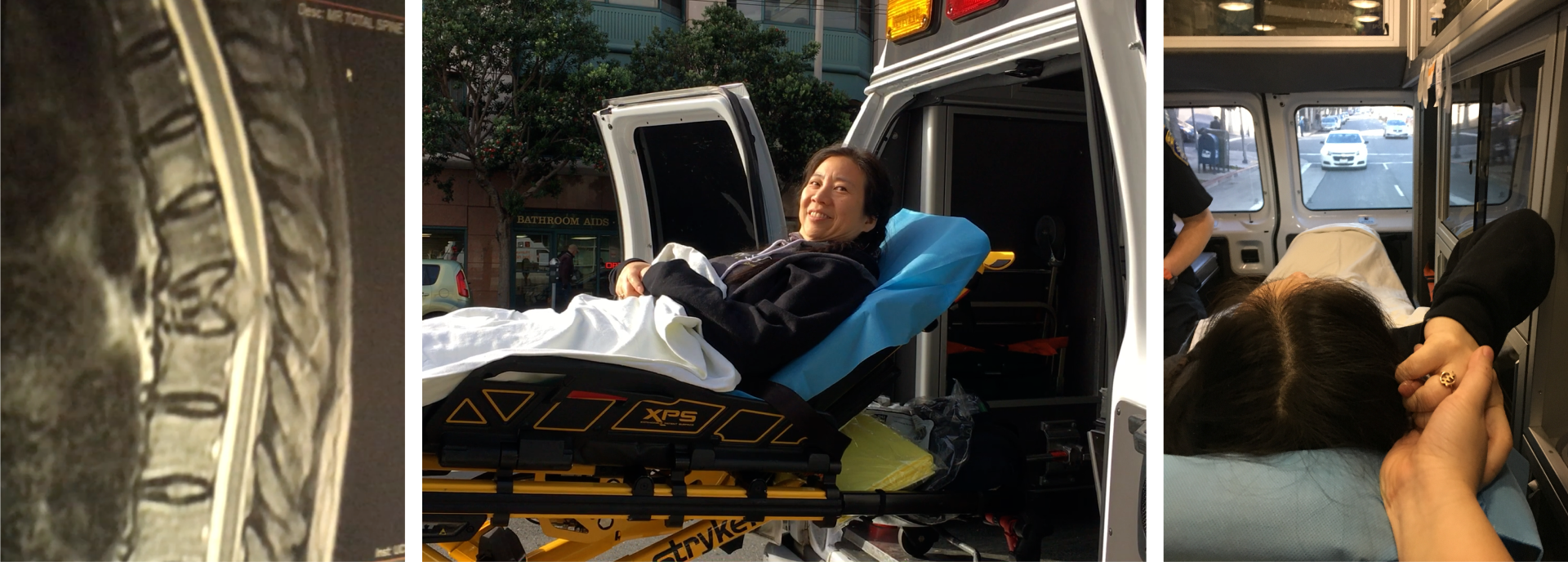
She didn't trust the tests in China, so I begged her to come to the States to get tested. Now she couldn't go back. And I felt responsible.
I had a job as a documentary filmmaker I loved in Los Angeles.
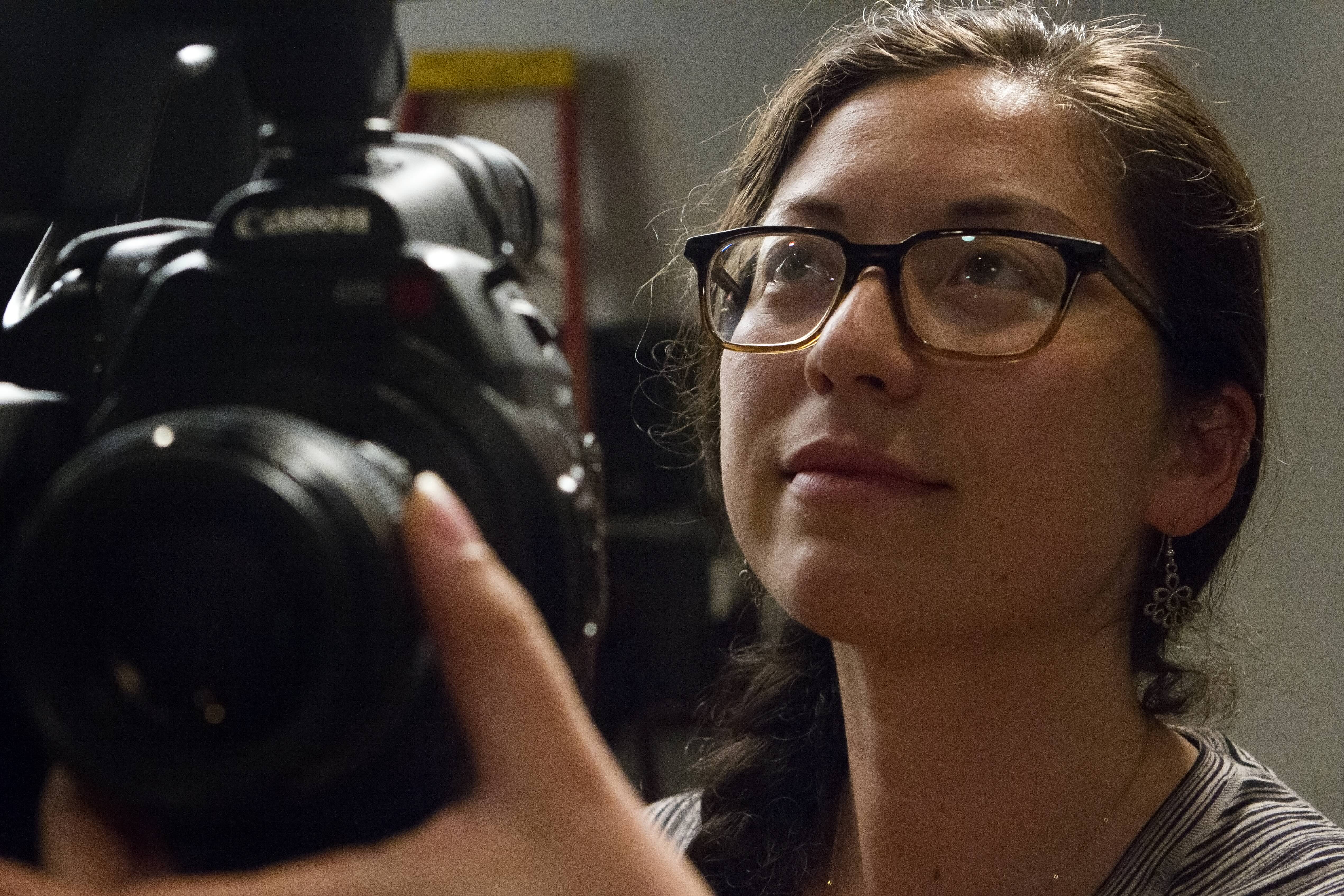
A life I had built entirely on my own, since she left for China when I was fifteen. The expectation that I would drop everything to become her caregiver made me furious. But in the end, I didn't want to live with regret. Even though she had abandoned me when I was fifteen, I didn't want to be that same kind of person.
In exchange for being her caretaker, I asked her if I could film our experience to stay close to my craft.
She said yes.
My mother is a dreamer.
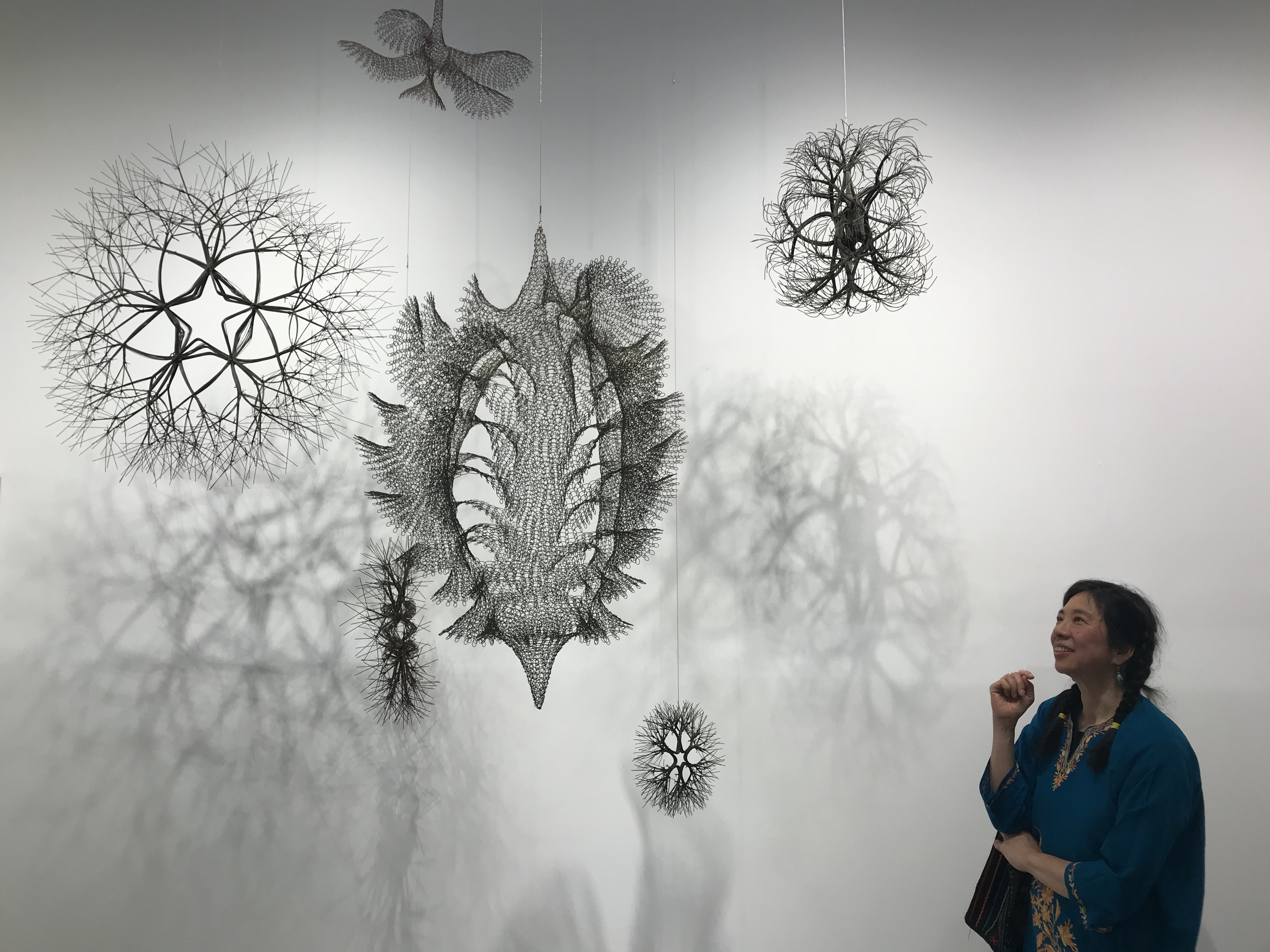
She raised me to be her practical counterpart. When she decided she wanted not just a good death but a great death, my first thought was: what does a great death even mean? And how would we actually do that? That's how we found the positive death movement. Advance directives. Death doulas. Open conversations about dying that most people spend their whole lives avoiding.
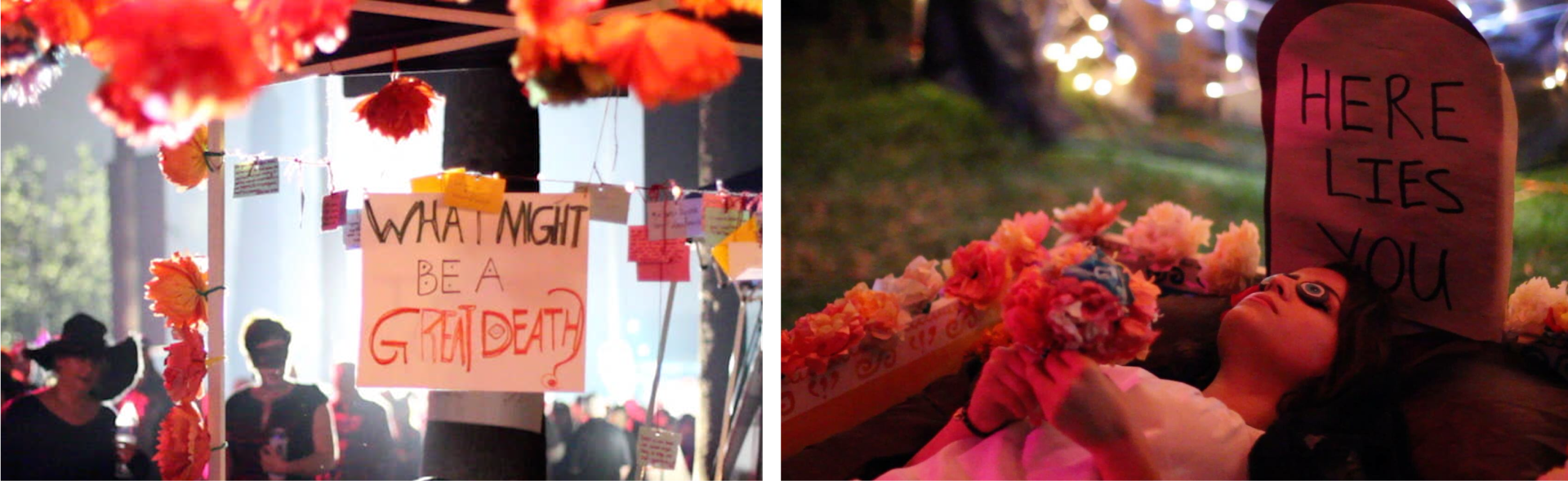
But as I spent my days scheduling our lives, I noticed Lynn gravitating towards art. Facing death, she finally gave herself the permission she'd never allowed herself before. "If I do it I'm going to die," she said, "and if I don't do it I'm going to die — so I might as well do it. Maybe it's not too late."
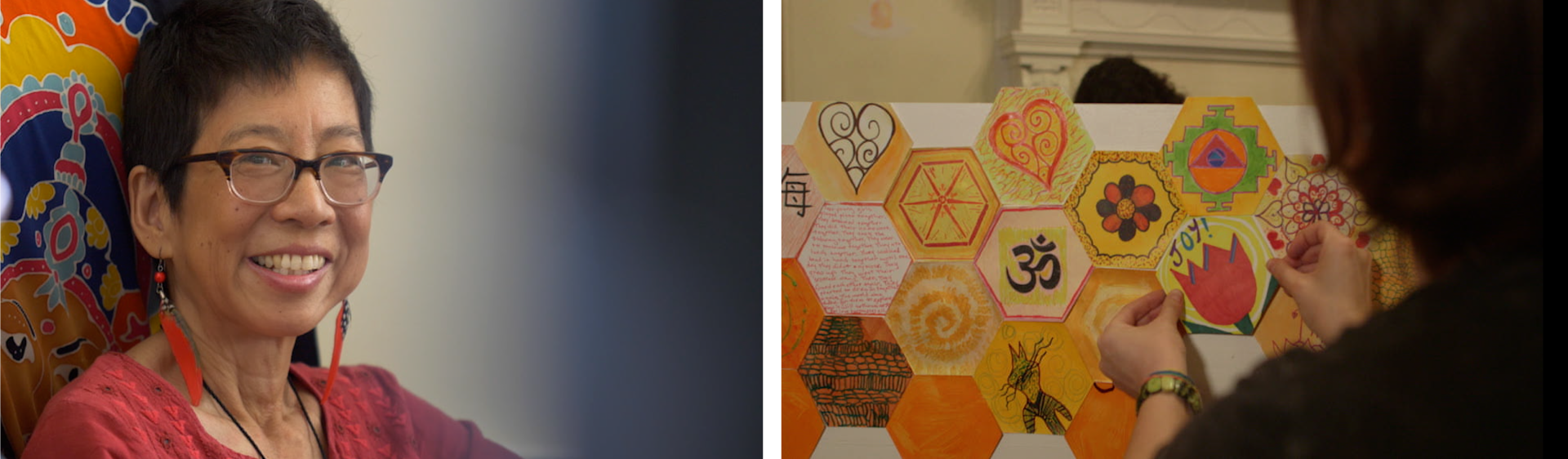
She explored everything. Collage. Drawing. Mandalas. Quilt making. Wild poetry.
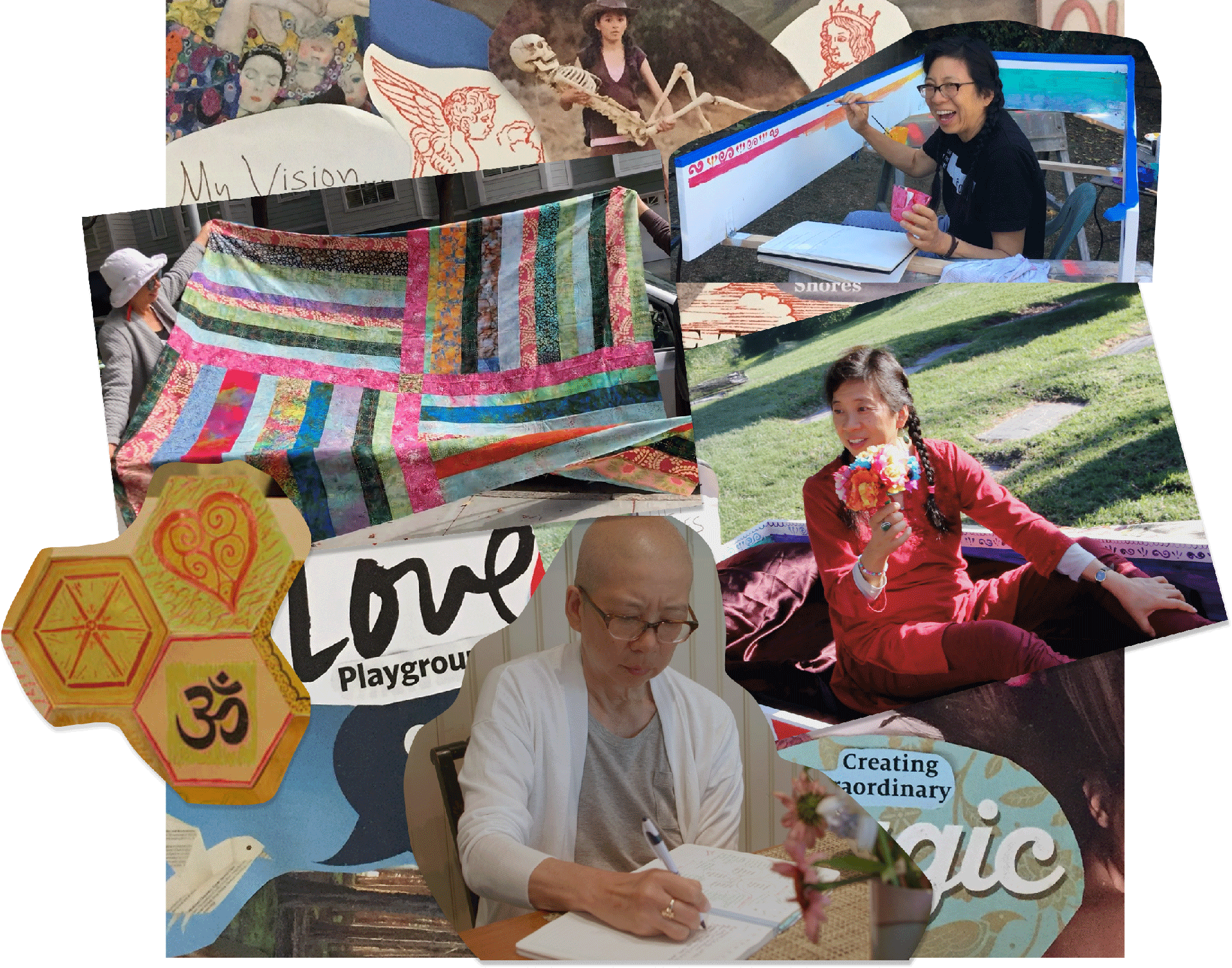
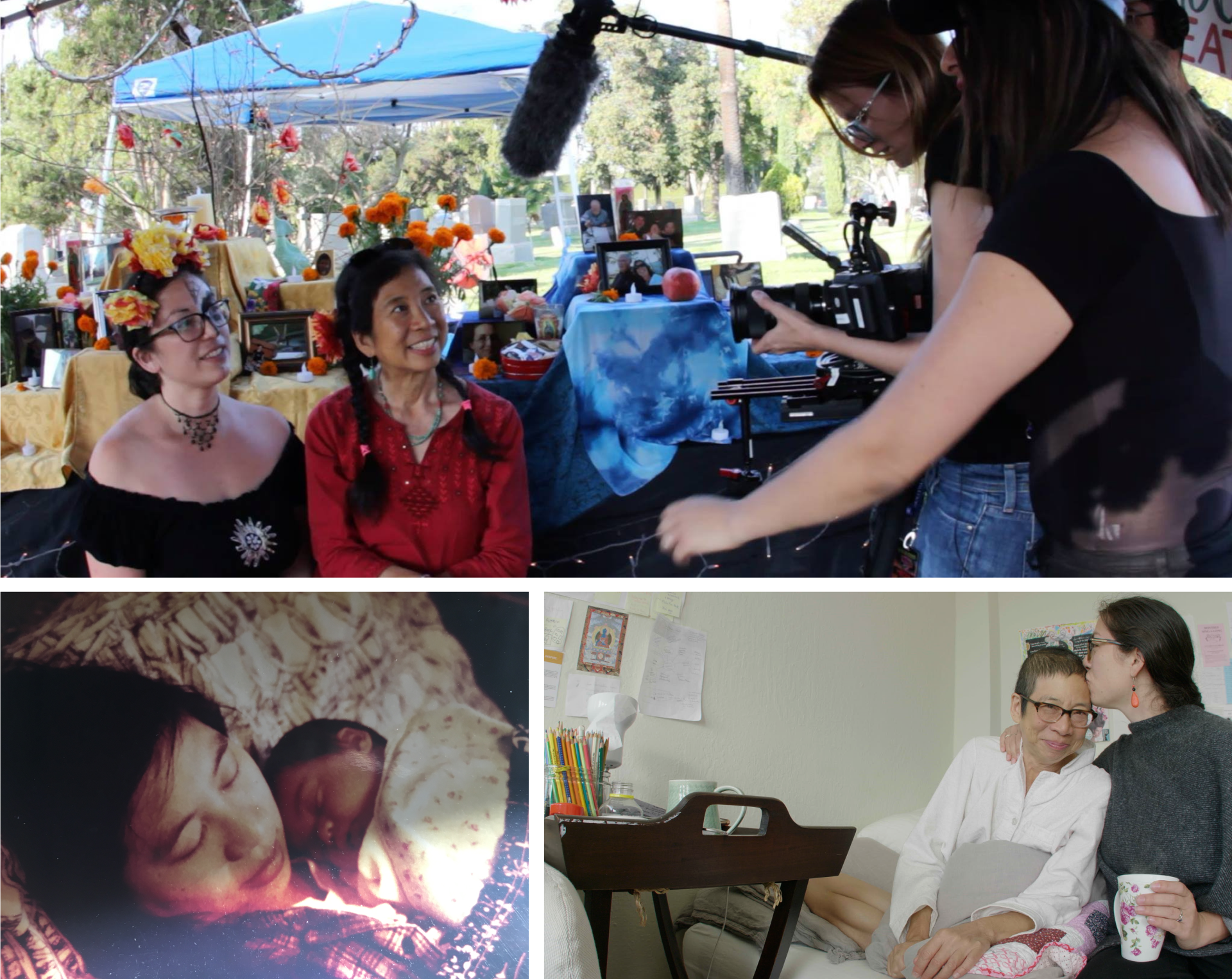
Together we created communal art projects that invited our whole community in — a Día de los Muertos altar, a Qing Ming ceremony, a ceremonial hair cutting, culminating in a life celebration — a two-day communal art funeral she was able to attend herself.
I filmed every step along the way, hoping the camera might create space for the conversations fifteen years of estrangement had made impossible. Slowly, it did. But the resentment didn't fade — if anything, it grew. Two years of full-time caregiving can do that. It wasn't until two volunteer death doulas stepped in — taking on some of the logistical and emotional weight — that something finally shifted. For the first time, I could be her daughter instead of just her caregiver.
Dying doesn't have to look the way we've been taught.
Right now, 65 million Americans are caring for a dying loved one. Most of them are doing it without an honest representation of what that actually feels like — the exhaustion, the resentment, the grief that gets complicated when the relationship was never simple to begin with.
We've been taught to treat death as a medical event — something that happens to us, not something we move through with agency, intention, creativity, and even joy. But that's changing. The positive death movement is growing, and people are hungry for real stories that show what else is possible.
This film is one of those stories. Not a blueprint. Not a how-to. Just honest proof — from one mother and one daughter — that turning towards death instead of running from it can open something unexpected.
And the tools they used are real and accessible to anyone. Advance directives. Death doulas. Life celebrations. Open conversations with the people we love about what we actually want. These aren't radical or expensive. They're just rarely modeled.
For caregivers carrying complicated feelings. For anyone facing a final chapter and wanting it to mean something. For everyone who suspects there might be more available to them than they've been shown.
This film is for you.
Principal production is complete. Over two and a half years — December 2016 to April 2019 — I captured over 300 hours of footage, 3,000 photographs, and Lynn's original journals and artwork. The story is all there. What it needs now is an editor to shape it.
That editor is Aaron Trager. Aaron has been working on this film for two years without pay, out of pure belief in the story. He is one of the most skilled and sensitive documentary editors I know — and he deserves to be compensated for his time. That's what this campaign is for.
Here's exactly where your money goes:
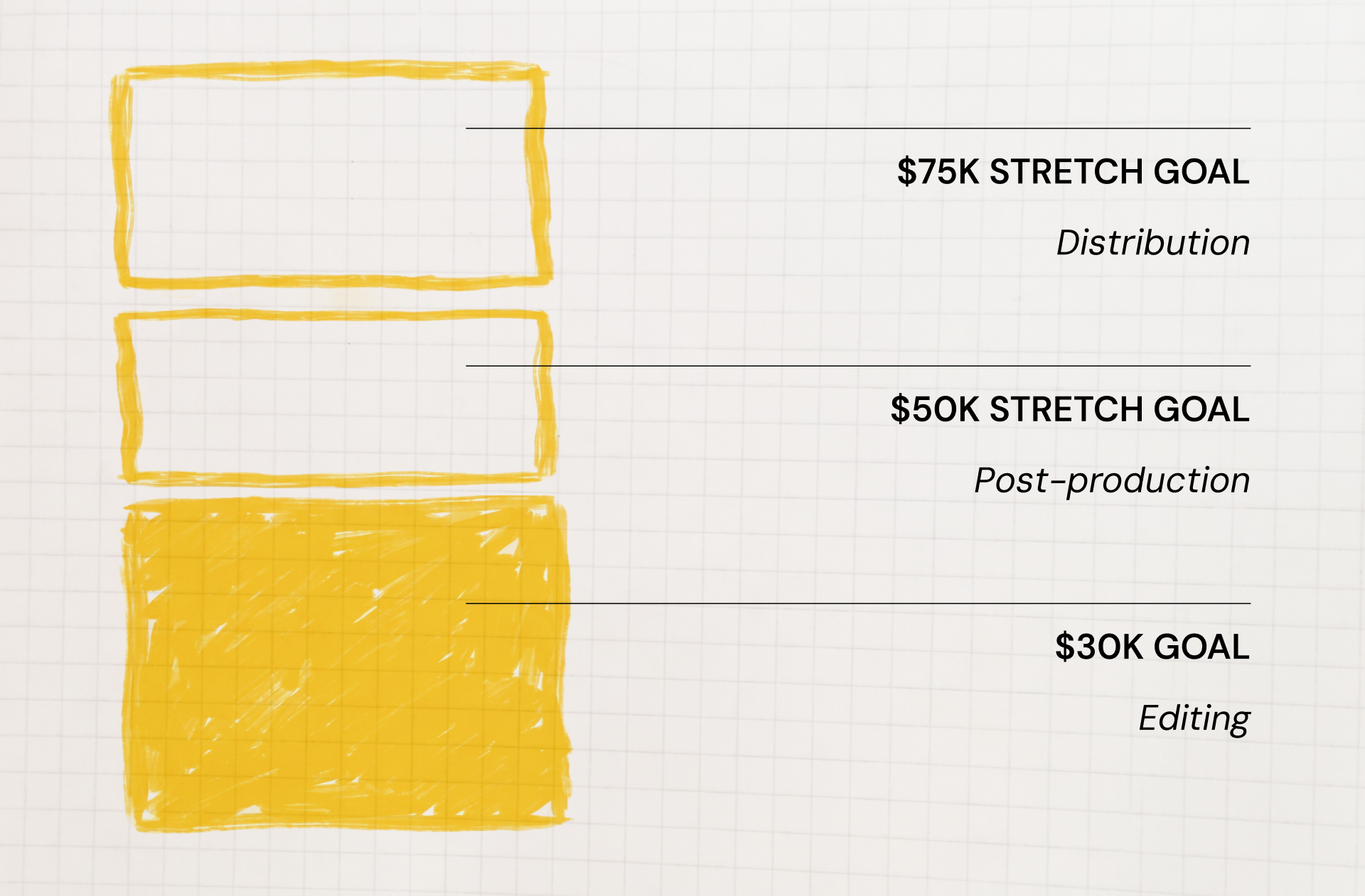
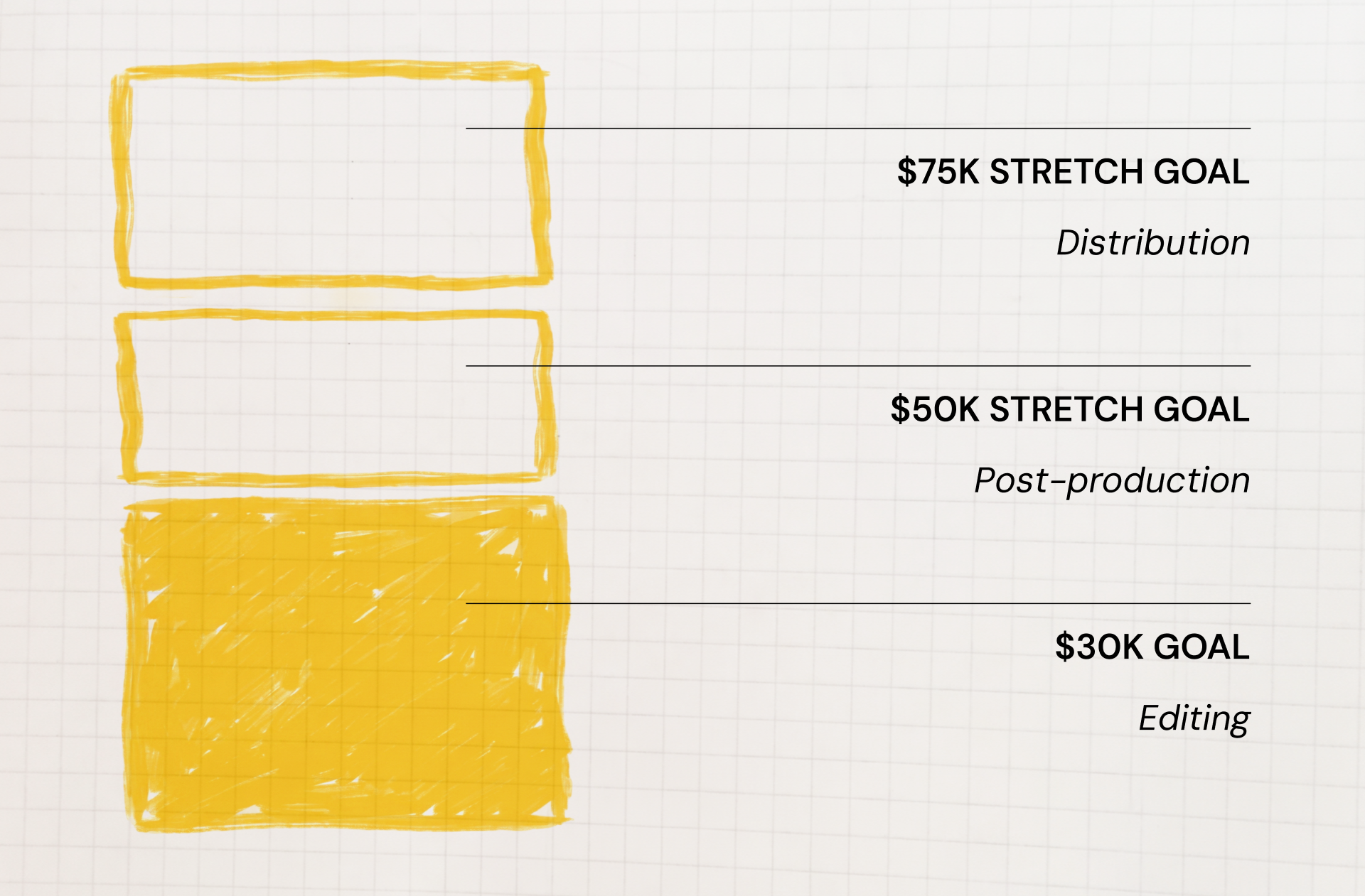
$30,000 goal: Compensates Aaron to complete a solid working fine cut through the summer of 2026. This is the foundation everything else is built on.
Stretch goal $50,000: Completes all remaining post-production: color correction, sound design, music licensing, and animation to bring Lynn's original artwork to life on screen.
Stretch goal $75,000: Covers festival submission costs and impact producing — getting the film in front of the caregivers, hospice workers, death doulas, and families who need it most.
Our timeline: with funding secured by the middle of June, we aim to complete the fine cut by late summer 2026, begin festival submissions in fall 2026, and release the film in 2027. Backers at $50 and above will receive digital early access before public release.
This is a film that is ready to be finished. The footage exists. The story is there. Aaron is ready. We just need the resources to see it through.
This film doesn't end with Lynn's death.
It's an invitation to start imagining what a "great death" could look like.
This film is one part of something bigger. A growing movement of people choosing to face death differently — with agency, creativity, and even joy. Being Mortal. End Game. Come See Me in the Good Light. Real stories that shift how we live — and how we die. We want to add to that canon. To show what's real. To alleviate suffering that doesn't have to exist.
We're building this alongside some of the most important voices in the positive death movement — and we want you to be part of it too.
See what the living mosaic looks like right now here
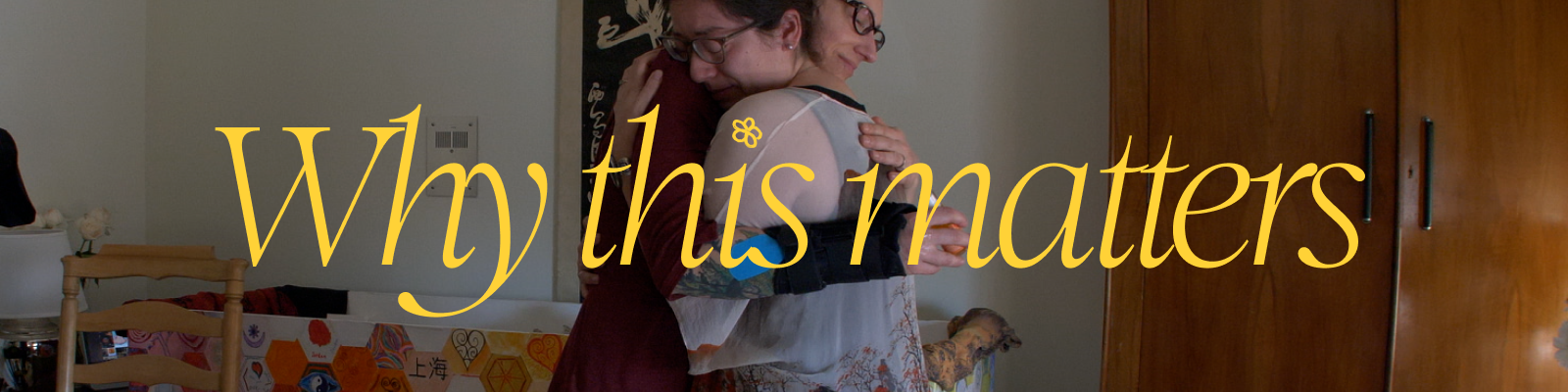
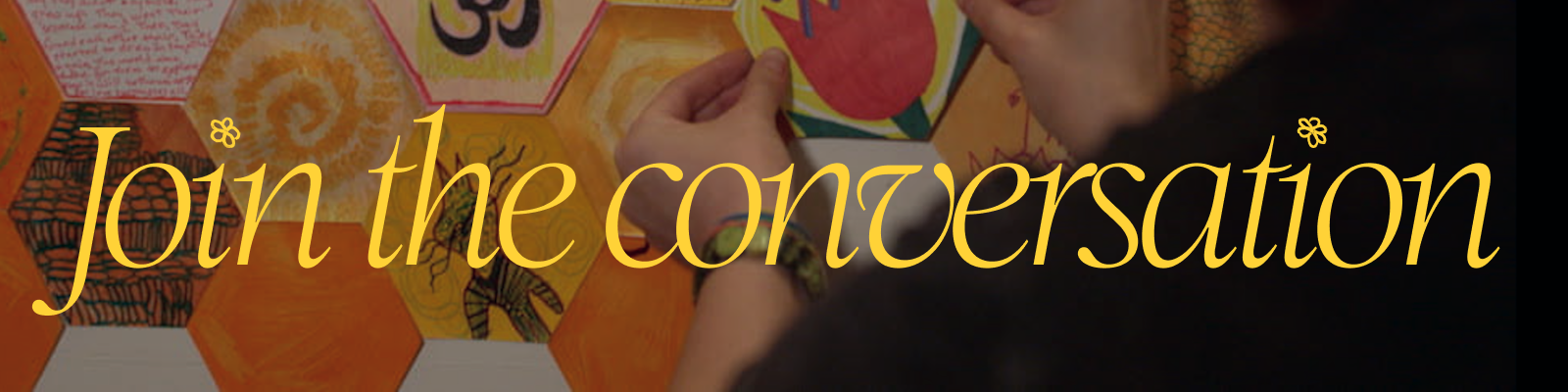
At Lynn's life celebration, her community decorated the coffin she would be cremated in — tile by tile, as an act of collective love. That image is the banner above.
We're extending that invitation to you.
Contribute a digital tile to our growing mosaic. Design one side. On the other, answer the question Lynn and Tara first asked at their Día de los Muertos altar: What does a great death look like to you?
Your tile joins everyone else's — stitched together in a rainbow gradient, just like Lynn's coffin. The mosaic lives on our website, may appear in the film's credits, and will travel with us as a physical art exhibit at screenings.
The mosaic is open to everyone. Download your tile to keep — available to all backers at $25 and above.
- Back the film. Every dollar goes directly to completing this film.
- Stay connected. Sign up for our mailing list for announcements you won't find anywhere else.
- Follow the campaign — www.seedandspark.com/fund/the-art-of-dying to stay updated and help us unlock creator tools. Find us on Instagram at @artofDyingDoc or facebook at facebook.com/artofdyingdoc/ for behind the scenes updates as the film comes to life.
- Share it — copy and paste this anywhere: "The Art of Dying is a documentary about a mother who chose to die with joy — and the estranged daughter who filmed it. It's crowdfunding now and it's exactly the story our culture needs. Support it here: www.seedandspark.com/fund/the-art-of-dying #TheArtOfDying"
- For organizations — hospices, death cafés, grief groups, caregiver organizations: we have a screening tier built for you. www.seedandspark.com/fund/the-art-of-dying.
Know a caregiver, a hospice worker, a death doula, or someone navigating a final chapter? The people who need this film most may not find it without you.
Together, we can change the way we talk about death — one conversation at a time.
Wishlist
Use the WishList to Pledge cash and Loan items - or - Make a pledge by selecting an Incentive directly.
Adobe Creative Cloud subscription
Costs $800
We need access to multiple adobe tools, most cost effective for the whole cloud suite. $390/year (sale price). 2 of us working at the moment
Tools
Costs $3,000
Growing list of subscriptions and AI tools to be able to complete the edit
Music Licensing
Costs $5,000
Licensing fees for music in the final cut
Editing
Costs $20,000
Funds go directly to hiring our editor to weave 300 hours of footage into a finished film
Graphics and Animations
Costs $2,000
Covers any additional costs in labor or resources needed to bring graphics and animation to life.
Cash Pledge
Costs $0


Direct link:
Share this update!
About This Team
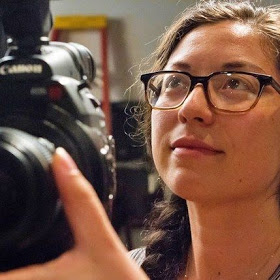 Tara Vajra — Director, Producer, Cinematographer I am both the filmmaker and the daughter at the center of this story. Over the past two decades I've directed, edited, and produced more than a hundred documentary shorts, and now lead creative and video teams in tech. But this is my directorial debut as a feature filmmaker — and no one else could have made it. For two and a half years, I was both behind the camera and inside the story, capturing my mother's final chapter as her daughter, her caregiver, and her filmmaker.
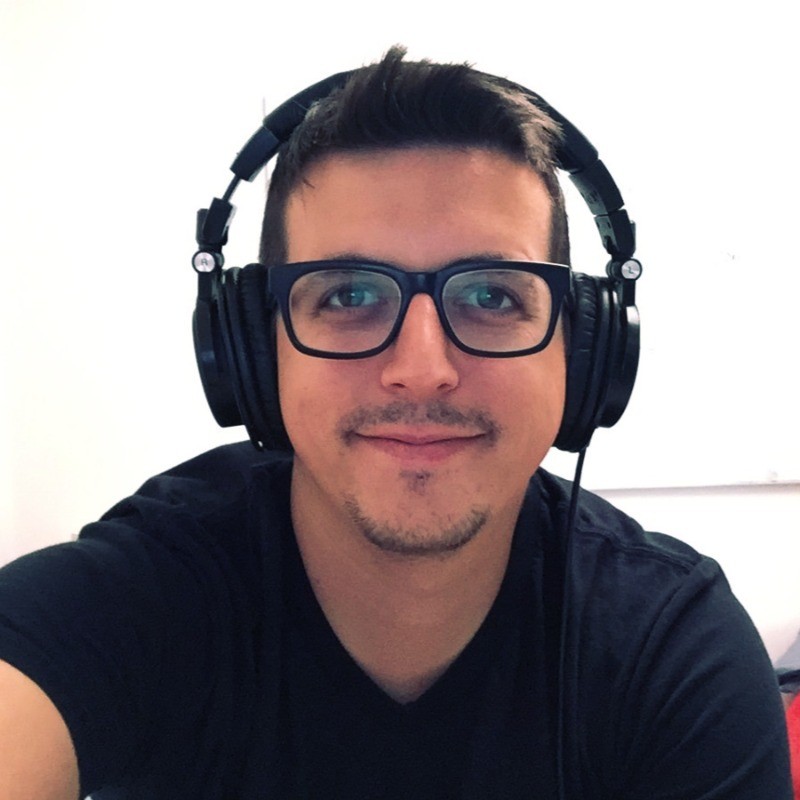 Aaron Trager — Editor Aaron brings over a decade of professional editing experience across documentary, broadcast, and digital — including lead editor on a nationally televised PBS special and a Webby Award-winning project. He edited Making a Killing: Guns, Greed, and the NRA alongside Tara, and has been cutting The Art of Dying for two years out of pure belief in the story. His commitment before a single dollar of funding existed says everything about what this film is.
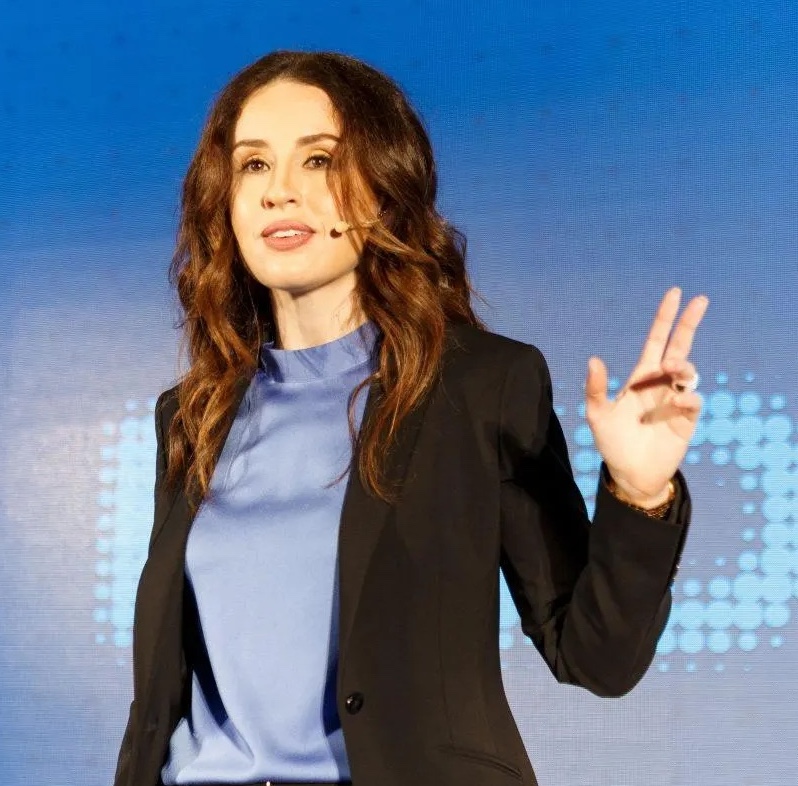 Shoshana Ungerleider — Advisor. Physician, founder of End Well, and host and producer of the Before We Go and TED Health podcasts. Executive producer of the Netflix Academy Award-nominated short documentary End Game and producer of Robin's Wish. One of the most recognized voices at the intersection of medicine, culture, and end-of-life care.
Current Team
Incentives
- The Story
- Wishlist
- Updates
- The Team
- Community
Mission Statement
The Story
Thank you so much for your interest in our project!
You can still support the film and follow our journey at
theartofdyingdocumentary.com
Every donation still goes directly to making the film and is fully tax-deductible.
$30,000+ raised!!! I’m just so incredibly grateful. This means we will finish the edit. That was the dream when I launched this campaign. But a finished edit isn't a finished film.
To get there, we need $20,000 more. For a proper sound mix, color grade, and an original score — everything that takes a film from finished to something that can stand on a festival stage or a television screen.
You changed me. You didn’t just help me raise funds, you raised my vision of what is possible.
The culmination of the donations, the messages, gave me the confidence I didn’t have before, that this could be something bigger.
Now I find myself wondering: what if this actually has a shot at festivals? What if this could play in a theater, or air on TV, where it finds the people who need it most — the caregivers, the families, the ones avoiding a hard conversation with someone they love?
I need you now more than ever!
The doctor said it in about thirty seconds. Stage 4. A tumor pressing so hard on her spine she could be paralyzed within days. My mother would need emergency surgery — eight hours — starting now.
She didn't trust the tests in China, so I begged her to come to the States to get tested. Now she couldn't go back. And I felt responsible.
I had a job as a documentary filmmaker I loved in Los Angeles.
A life I had built entirely on my own, since she left for China when I was fifteen. The expectation that I would drop everything to become her caregiver made me furious. But in the end, I didn't want to live with regret. Even though she had abandoned me when I was fifteen, I didn't want to be that same kind of person.
In exchange for being her caretaker, I asked her if I could film our experience to stay close to my craft.
She said yes.
My mother is a dreamer.
She raised me to be her practical counterpart. When she decided she wanted not just a good death but a great death, my first thought was: what does a great death even mean? And how would we actually do that? That's how we found the positive death movement. Advance directives. Death doulas. Open conversations about dying that most people spend their whole lives avoiding.
But as I spent my days scheduling our lives, I noticed Lynn gravitating towards art. Facing death, she finally gave herself the permission she'd never allowed herself before. "If I do it I'm going to die," she said, "and if I don't do it I'm going to die — so I might as well do it. Maybe it's not too late."
She explored everything. Collage. Drawing. Mandalas. Quilt making. Wild poetry.
Together we created communal art projects that invited our whole community in — a Día de los Muertos altar, a Qing Ming ceremony, a ceremonial hair cutting, culminating in a life celebration — a two-day communal art funeral she was able to attend herself.
I filmed every step along the way, hoping the camera might create space for the conversations fifteen years of estrangement had made impossible. Slowly, it did. But the resentment didn't fade — if anything, it grew. Two years of full-time caregiving can do that. It wasn't until two volunteer death doulas stepped in — taking on some of the logistical and emotional weight — that something finally shifted. For the first time, I could be her daughter instead of just her caregiver.
Dying doesn't have to look the way we've been taught.
Right now, 65 million Americans are caring for a dying loved one. Most of them are doing it without an honest representation of what that actually feels like — the exhaustion, the resentment, the grief that gets complicated when the relationship was never simple to begin with.
We've been taught to treat death as a medical event — something that happens to us, not something we move through with agency, intention, creativity, and even joy. But that's changing. The positive death movement is growing, and people are hungry for real stories that show what else is possible.
This film is one of those stories. Not a blueprint. Not a how-to. Just honest proof — from one mother and one daughter — that turning towards death instead of running from it can open something unexpected.
And the tools they used are real and accessible to anyone. Advance directives. Death doulas. Life celebrations. Open conversations with the people we love about what we actually want. These aren't radical or expensive. They're just rarely modeled.
For caregivers carrying complicated feelings. For anyone facing a final chapter and wanting it to mean something. For everyone who suspects there might be more available to them than they've been shown.
This film is for you.
Principal production is complete. Over two and a half years — December 2016 to April 2019 — I captured over 300 hours of footage, 3,000 photographs, and Lynn's original journals and artwork. The story is all there. What it needs now is an editor to shape it.
That editor is Aaron Trager. Aaron has been working on this film for two years without pay, out of pure belief in the story. He is one of the most skilled and sensitive documentary editors I know — and he deserves to be compensated for his time. That's what this campaign is for.
Here's exactly where your money goes:
$30,000 goal: Compensates Aaron to complete a solid working fine cut through the summer of 2026. This is the foundation everything else is built on.
Stretch goal $50,000: Completes all remaining post-production: color correction, sound design, music licensing, and animation to bring Lynn's original artwork to life on screen.
Stretch goal $75,000: Covers festival submission costs and impact producing — getting the film in front of the caregivers, hospice workers, death doulas, and families who need it most.
Our timeline: with funding secured by the middle of June, we aim to complete the fine cut by late summer 2026, begin festival submissions in fall 2026, and release the film in 2027. Backers at $50 and above will receive digital early access before public release.
This is a film that is ready to be finished. The footage exists. The story is there. Aaron is ready. We just need the resources to see it through.
This film doesn't end with Lynn's death.
It's an invitation to start imagining what a "great death" could look like.
This film is one part of something bigger. A growing movement of people choosing to face death differently — with agency, creativity, and even joy. Being Mortal. End Game. Come See Me in the Good Light. Real stories that shift how we live — and how we die. We want to add to that canon. To show what's real. To alleviate suffering that doesn't have to exist.
We're building this alongside some of the most important voices in the positive death movement — and we want you to be part of it too.
See what the living mosaic looks like right now here
At Lynn's life celebration, her community decorated the coffin she would be cremated in — tile by tile, as an act of collective love. That image is the banner above.
We're extending that invitation to you.
Contribute a digital tile to our growing mosaic. Design one side. On the other, answer the question Lynn and Tara first asked at their Día de los Muertos altar: What does a great death look like to you?
Your tile joins everyone else's — stitched together in a rainbow gradient, just like Lynn's coffin. The mosaic lives on our website, may appear in the film's credits, and will travel with us as a physical art exhibit at screenings.
The mosaic is open to everyone. Download your tile to keep — available to all backers at $25 and above.
- Back the film. Every dollar goes directly to completing this film.
- Stay connected. Sign up for our mailing list for announcements you won't find anywhere else.
- Follow the campaign — www.seedandspark.com/fund/the-art-of-dying to stay updated and help us unlock creator tools. Find us on Instagram at @artofDyingDoc or facebook at facebook.com/artofdyingdoc/ for behind the scenes updates as the film comes to life.
- Share it — copy and paste this anywhere: "The Art of Dying is a documentary about a mother who chose to die with joy — and the estranged daughter who filmed it. It's crowdfunding now and it's exactly the story our culture needs. Support it here: www.seedandspark.com/fund/the-art-of-dying #TheArtOfDying"
- For organizations — hospices, death cafés, grief groups, caregiver organizations: we have a screening tier built for you. www.seedandspark.com/fund/the-art-of-dying.
Know a caregiver, a hospice worker, a death doula, or someone navigating a final chapter? The people who need this film most may not find it without you.
Together, we can change the way we talk about death — one conversation at a time.
Wishlist
Use the WishList to Pledge cash and Loan items - or - Make a pledge by selecting an Incentive directly.
Adobe Creative Cloud subscription
Costs $800
We need access to multiple adobe tools, most cost effective for the whole cloud suite. $390/year (sale price). 2 of us working at the moment
Tools
Costs $3,000
Growing list of subscriptions and AI tools to be able to complete the edit
Music Licensing
Costs $5,000
Licensing fees for music in the final cut
Editing
Costs $20,000
Funds go directly to hiring our editor to weave 300 hours of footage into a finished film
Graphics and Animations
Costs $2,000
Covers any additional costs in labor or resources needed to bring graphics and animation to life.
Cash Pledge
Costs $0
Direct link:
Share this update!
About This Team
Tara Vajra — Director, Producer, Cinematographer I am both the filmmaker and the daughter at the center of this story. Over the past two decades I've directed, edited, and produced more than a hundred documentary shorts, and now lead creative and video teams in tech. But this is my directorial debut as a feature filmmaker — and no one else could have made it. For two and a half years, I was both behind the camera and inside the story, capturing my mother's final chapter as her daughter, her caregiver, and her filmmaker.
Aaron Trager — Editor Aaron brings over a decade of professional editing experience across documentary, broadcast, and digital — including lead editor on a nationally televised PBS special and a Webby Award-winning project. He edited Making a Killing: Guns, Greed, and the NRA alongside Tara, and has been cutting The Art of Dying for two years out of pure belief in the story. His commitment before a single dollar of funding existed says everything about what this film is.
Shoshana Ungerleider — Advisor. Physician, founder of End Well, and host and producer of the Before We Go and TED Health podcasts. Executive producer of the Netflix Academy Award-nominated short documentary End Game and producer of Robin's Wish. One of the most recognized voices at the intersection of medicine, culture, and end-of-life care.