The Last Partera
Durham, North Carolina | Film Feature
Documentary
Through the inspiring stories of empowered mothers and midwives in rural Costa Rica, THE LAST PARTERA will offer a moving portrait of midwifery as a woman-centered tradition rooted in the feminist belief that women have the right to their own healthcare choices.
The Last Partera
Durham, North Carolina | Film Feature
Documentary

1 Campaigns | North Carolina, United States
Green Light
This campaign raised $28,370 for production. Follow the filmmaker to receive future updates on this project.
322 supporters | followers
Enter the amount you would like to pledge
Through the inspiring stories of empowered mothers and midwives in rural Costa Rica, THE LAST PARTERA will offer a moving portrait of midwifery as a woman-centered tradition rooted in the feminist belief that women have the right to their own healthcare choices.
In Partnership With
About The Project


- The Story
- Wishlist
- Updates
- The Team
- Community
Mission Statement
The Story
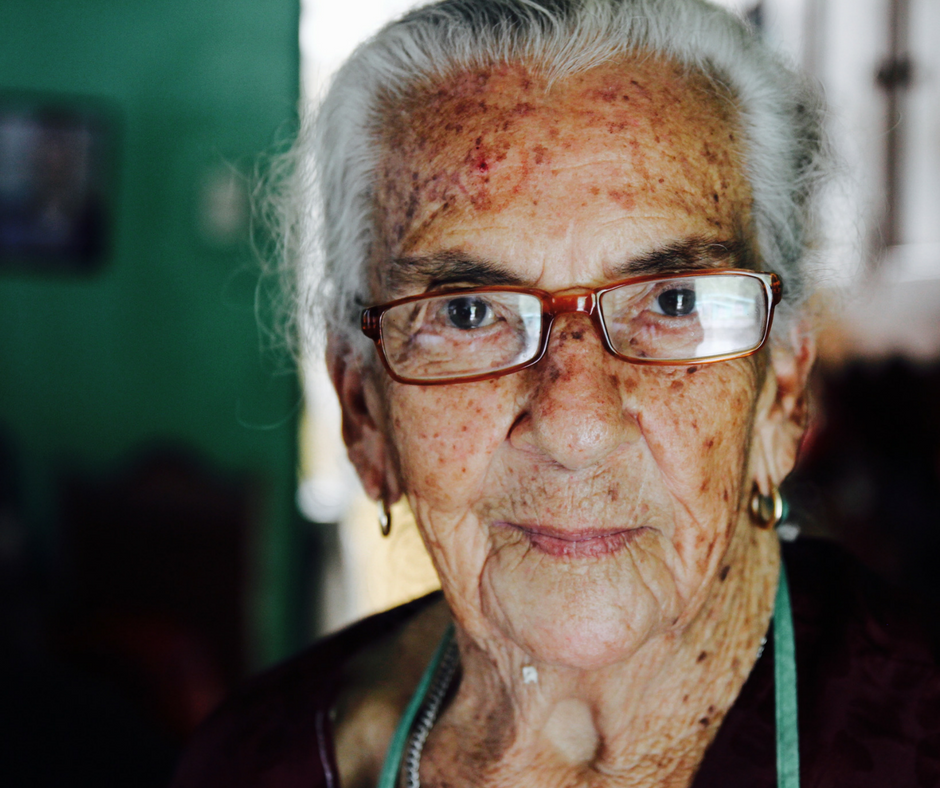
In the rural Costa Rican village of Tres Equis, Doña Miriam Elizondo has delivered more than 2,000 babies. At 95 years old, she is the last living partera (traditional midwife) in the Turrialba Valley.
Her weathered hands, creased by time and experience, gently guide an infant to its first breath, first cry, first embrace. Yet traditional midwives do not simply deliver babies. Parteras such as Doña Miriam combine medical knowledge with a holistic understanding of the mother’s body and mind, needs and desires. Throughout the mother’s pregnancy and even afterward, parteras provide guidance and support, and they empower the mother to make her own choices about how she gives birth and cares for her baby.
Through a studied knowledge of traditional medicine, parteras bridge worlds tangible and ethereal, making pregnancy and childbirth a more venerated and comfortable experience for expectant mothers. However, in Costa Rica there is no legal certification for parteras, and the standardization of maternity care has made traditional midwifery illegal.
For decades, the women of the Turrialba Valley have relied on Doña Miriam, but as she approaches 100 years old, she is limited in the services she can provide. With no other parteras available to them, many women are left with no option but the public hospital, where they receive little attention or personalized care and are often denied choice in the way they experience childbirth. The most sacred moment in a mother’s life is too often marked by fear, isolation, and a lack of understanding what is happening to her body.
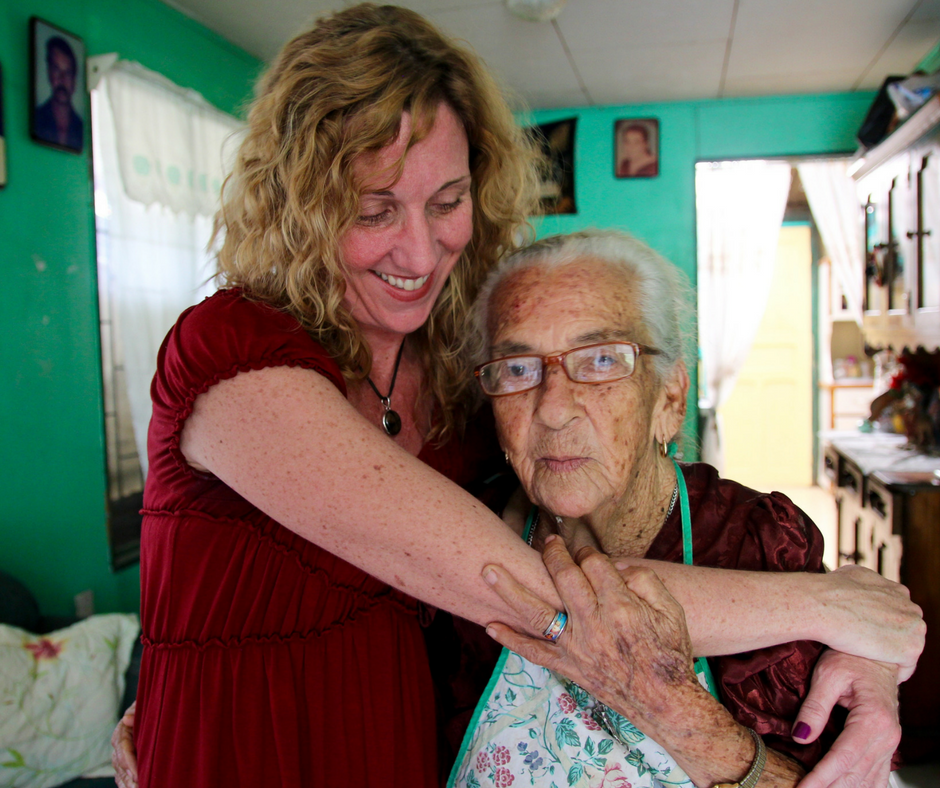
Yet, like the miracle of birth, hope prevails for the mothers of the Turrialba Valley. The women of the region have been organizing to improve access to quality healthcare. They are aided by Rebecca Turecky, Doña Miriam’s devoted mentee and an American nurse-midwife who has been living in Costa Rica since 1991. At the new women’s center in the Valley, Rebecca facilitates support groups and teaches classes on women’s health, and the participating women empower each other to make their own educated reproductive choices.
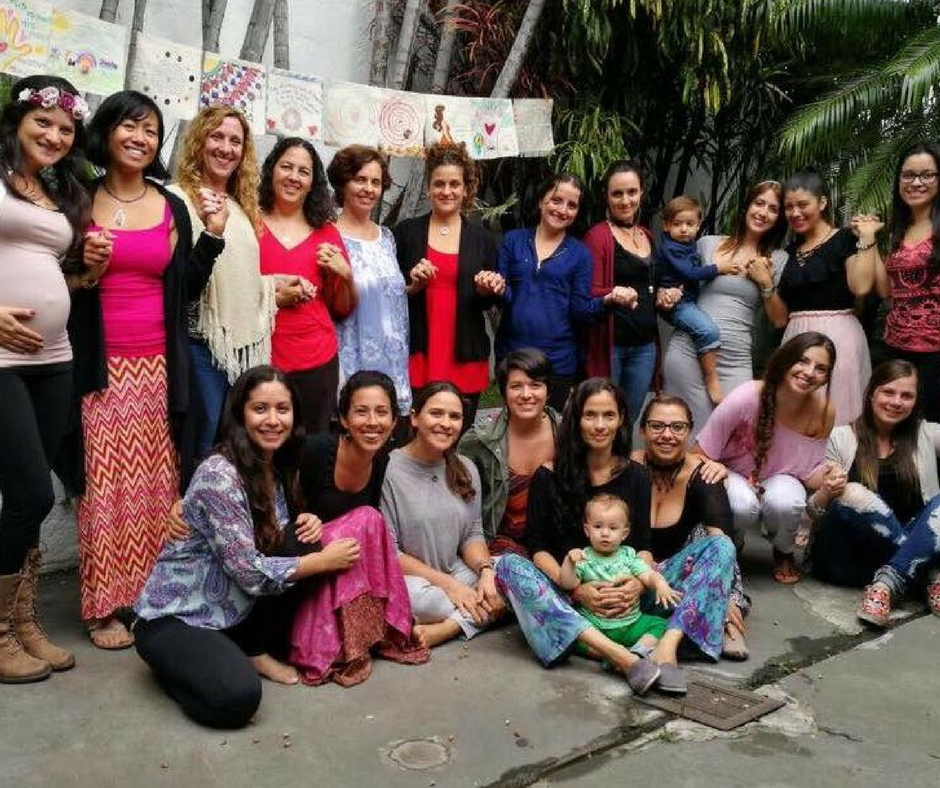
Springing from the burgeoning women’s center is a new generation of women's health and women's rights advocates. Among them is Catalina Rodriguez Calvo, a registered nurse and aspiring midwife who strives to implement a holistic approach to maternity care at a public hospital. And there's Maribel, a young indigenous woman who takes the long walk and bus ride from her village to the women's center to learn about women's health and bring that knowledge back to her community.
From Doña Miriam to Rebecca to Catalina and Maribel, the wisdom inherited and cultivated by generations of women gets passed on. Interweaving the stories of these inspiring women with the rich imagery of a lush Costa Rican landscape, The Last Partera will present a moving portrait of the Turrialba Valley, where ancient knowledge and modern women’s empowerment is at once shared and supported through a vivacious community of strong women. In addition to being an original contribution to the continued fight for women’s reproductive rights, The Last Partera will be a celebration of women, childbirth, and the circle of life that sustains our world.
Wishlist
Use the WishList to Pledge cash and Loan items - or - Make a pledge by selecting an Incentive directly.
Airfare
Costs $2,500
We need to get to Costa Rica, and you could help by donating your frequent flyer miles.
Meals
Costs $1,500
Filming a documentary is hard work, and we need to eat. We are a crew of three to four, filming in Costa Rica for four to six weeks.
Lodging
Costs $1,500
After each hard day of filming, we need beds and a roof over our heads during the four to six weeks we'll be filming in Costa Rica.
Transportation
Costs $500
We'll be filming all over the Turrialba Valley of Costa Rica and will need a vehicle that will hold three to four people and our equipment.
Camera + Equipment Rental
Costs $5,600
We can't make a film without cameras, sound equipment, and storage drives.
Drone Operator
Costs $1,000
To capture the magnificence of the Turrialba Valley, we need to hire a professional drone operator.
Transcription
Costs $7,500
By the time we're through filming this trip, we'll have nearly 100 hours of footage. We need that transcribed before we can begin editing.
Editing
Costs $5,000
Our editing team needs to make a living while they focus on transforming our footage into a compelling documentary film.
Legal Services
Costs $1,500
Good legal advice is critical to a professional production.
Cash Pledge
Costs $0


Direct link:
Share this update!
About This Team
Victoria Bouloubasis (director) is a writer, filmmaker, and folklorist whose work has been published in The Guardian, The American Prospect, and in multiple other publications. Her bilingual documentary short, “Un Buen Carnicero,” was selected for the 2015 PBS Online Film Festival and the 2016 Indie Grits Film Festival, among others. Victoria studied journalism and Spanish in college and completed a master’s degree in folklore at UNC-Chapel Hill. She is currently the food editor for INDY Week in Durham, North Carolina.
Ned Phillips (director/cinematographer/editor) is a filmmaker with credits on multiple feature films. Most recently, he was the director of photography and an editor for the documentary Truth Underground (2016), which premiered at the Cucalorus Film Festival. After graduating from Goucher College with majors in Spanish and Communication, Ned completed a certificate program at the Center for Documentary Studies. Since 2015, Ned has directed The Runaways, a docuseries sponsored by the Runaway clothing and art brand.
Pilar Timpane (producer/editor) is a filmmaker, photographer, and writer whose work has appeared in The Atlantic, Scientific American, and on multiple other platforms. She holds a master's degree in theology from Duke Divinity School, and her films and writing have focused on women's experiences, including an essay published in Talking Taboo: American Christian Women Get Frank about Faith (2013). Most recently, Pilar edited the short documentary "Una Mala Hierba/A Bad Weed" (2017) for the American Heard web series.
Bradley Bethel (producer) is a documentary filmmaker whose films have played in multiple film festivals. After earning a master's degree in English Education and working as a teacher and literacy specialist for six years, he began a new career in documentary filmmaking. He produced the documentary short "Radioactive Veteran" (2016), which premiered at DOCUTAH and will air on UNC-TV later this year. In 2015, Bradley and his spouse had their first child with the assistance of wonderful midwives and an awesome doula.
Christine Delp (co-producer) is a documentary producer who began as an outreach coordinator for the Sundance-winner Private Violence (2014). She has since worked as an associate producer on the PBS series A Chef’s Life, and she is currently producing the documentary feature Burden of Proof (dir. Cynthia Hill). Christine is a recent Phi Beta Kappa and summa cum laude graduate of Duke University, where she trained at the Center for Documentary Studies.
Mónica Wise (field producer/cinematographer) is a Colombian-American documentary filmmaker and video journalist whose recent work has appeared on TeleSUR, MSNBC, PBS, History Now, and NBC Latino. Additonally, she was an associate producer on 500 Years, a documentary that premiered at the 2017 Sundance Film Festival. Mónica has covered pressing US social movements including Black Lives Matter and Standing Rock, and she currently lives in Mexico and New York City, documenting transnational stories of resistance.
Leah Gibson and Duncan Webster (composers) have been collaborating as the musical act Beauty World since 2010. Together, they have written and recorded two EPs, appeared on NPR’s Morning Edition, and performed on WUNC’s The State of Things. In addition to writing, recording, and playing shows, Beauty World has contributed and written music for the Paperhand Puppet Intervention (Saxapahaw, NC).
Current Team
Incentives
- The Story
- Wishlist
- Updates
- The Team
- Community
Mission Statement
The Story
In the rural Costa Rican village of Tres Equis, Doña Miriam Elizondo has delivered more than 2,000 babies. At 95 years old, she is the last living partera (traditional midwife) in the Turrialba Valley.
Her weathered hands, creased by time and experience, gently guide an infant to its first breath, first cry, first embrace. Yet traditional midwives do not simply deliver babies. Parteras such as Doña Miriam combine medical knowledge with a holistic understanding of the mother’s body and mind, needs and desires. Throughout the mother’s pregnancy and even afterward, parteras provide guidance and support, and they empower the mother to make her own choices about how she gives birth and cares for her baby.
Through a studied knowledge of traditional medicine, parteras bridge worlds tangible and ethereal, making pregnancy and childbirth a more venerated and comfortable experience for expectant mothers. However, in Costa Rica there is no legal certification for parteras, and the standardization of maternity care has made traditional midwifery illegal.
For decades, the women of the Turrialba Valley have relied on Doña Miriam, but as she approaches 100 years old, she is limited in the services she can provide. With no other parteras available to them, many women are left with no option but the public hospital, where they receive little attention or personalized care and are often denied choice in the way they experience childbirth. The most sacred moment in a mother’s life is too often marked by fear, isolation, and a lack of understanding what is happening to her body.
Yet, like the miracle of birth, hope prevails for the mothers of the Turrialba Valley. The women of the region have been organizing to improve access to quality healthcare. They are aided by Rebecca Turecky, Doña Miriam’s devoted mentee and an American nurse-midwife who has been living in Costa Rica since 1991. At the new women’s center in the Valley, Rebecca facilitates support groups and teaches classes on women’s health, and the participating women empower each other to make their own educated reproductive choices.
Springing from the burgeoning women’s center is a new generation of women's health and women's rights advocates. Among them is Catalina Rodriguez Calvo, a registered nurse and aspiring midwife who strives to implement a holistic approach to maternity care at a public hospital. And there's Maribel, a young indigenous woman who takes the long walk and bus ride from her village to the women's center to learn about women's health and bring that knowledge back to her community.
From Doña Miriam to Rebecca to Catalina and Maribel, the wisdom inherited and cultivated by generations of women gets passed on. Interweaving the stories of these inspiring women with the rich imagery of a lush Costa Rican landscape, The Last Partera will present a moving portrait of the Turrialba Valley, where ancient knowledge and modern women’s empowerment is at once shared and supported through a vivacious community of strong women. In addition to being an original contribution to the continued fight for women’s reproductive rights, The Last Partera will be a celebration of women, childbirth, and the circle of life that sustains our world.
Wishlist
Use the WishList to Pledge cash and Loan items - or - Make a pledge by selecting an Incentive directly.
Airfare
Costs $2,500
We need to get to Costa Rica, and you could help by donating your frequent flyer miles.
Meals
Costs $1,500
Filming a documentary is hard work, and we need to eat. We are a crew of three to four, filming in Costa Rica for four to six weeks.
Lodging
Costs $1,500
After each hard day of filming, we need beds and a roof over our heads during the four to six weeks we'll be filming in Costa Rica.
Transportation
Costs $500
We'll be filming all over the Turrialba Valley of Costa Rica and will need a vehicle that will hold three to four people and our equipment.
Camera + Equipment Rental
Costs $5,600
We can't make a film without cameras, sound equipment, and storage drives.
Drone Operator
Costs $1,000
To capture the magnificence of the Turrialba Valley, we need to hire a professional drone operator.
Transcription
Costs $7,500
By the time we're through filming this trip, we'll have nearly 100 hours of footage. We need that transcribed before we can begin editing.
Editing
Costs $5,000
Our editing team needs to make a living while they focus on transforming our footage into a compelling documentary film.
Legal Services
Costs $1,500
Good legal advice is critical to a professional production.
Cash Pledge
Costs $0
Direct link:
Share this update!
About This Team
Victoria Bouloubasis (director) is a writer, filmmaker, and folklorist whose work has been published in The Guardian, The American Prospect, and in multiple other publications. Her bilingual documentary short, “Un Buen Carnicero,” was selected for the 2015 PBS Online Film Festival and the 2016 Indie Grits Film Festival, among others. Victoria studied journalism and Spanish in college and completed a master’s degree in folklore at UNC-Chapel Hill. She is currently the food editor for INDY Week in Durham, North Carolina.
Ned Phillips (director/cinematographer/editor) is a filmmaker with credits on multiple feature films. Most recently, he was the director of photography and an editor for the documentary Truth Underground (2016), which premiered at the Cucalorus Film Festival. After graduating from Goucher College with majors in Spanish and Communication, Ned completed a certificate program at the Center for Documentary Studies. Since 2015, Ned has directed The Runaways, a docuseries sponsored by the Runaway clothing and art brand.
Pilar Timpane (producer/editor) is a filmmaker, photographer, and writer whose work has appeared in The Atlantic, Scientific American, and on multiple other platforms. She holds a master's degree in theology from Duke Divinity School, and her films and writing have focused on women's experiences, including an essay published in Talking Taboo: American Christian Women Get Frank about Faith (2013). Most recently, Pilar edited the short documentary "Una Mala Hierba/A Bad Weed" (2017) for the American Heard web series.
Bradley Bethel (producer) is a documentary filmmaker whose films have played in multiple film festivals. After earning a master's degree in English Education and working as a teacher and literacy specialist for six years, he began a new career in documentary filmmaking. He produced the documentary short "Radioactive Veteran" (2016), which premiered at DOCUTAH and will air on UNC-TV later this year. In 2015, Bradley and his spouse had their first child with the assistance of wonderful midwives and an awesome doula.
Christine Delp (co-producer) is a documentary producer who began as an outreach coordinator for the Sundance-winner Private Violence (2014). She has since worked as an associate producer on the PBS series A Chef’s Life, and she is currently producing the documentary feature Burden of Proof (dir. Cynthia Hill). Christine is a recent Phi Beta Kappa and summa cum laude graduate of Duke University, where she trained at the Center for Documentary Studies.
Mónica Wise (field producer/cinematographer) is a Colombian-American documentary filmmaker and video journalist whose recent work has appeared on TeleSUR, MSNBC, PBS, History Now, and NBC Latino. Additonally, she was an associate producer on 500 Years, a documentary that premiered at the 2017 Sundance Film Festival. Mónica has covered pressing US social movements including Black Lives Matter and Standing Rock, and she currently lives in Mexico and New York City, documenting transnational stories of resistance.
Leah Gibson and Duncan Webster (composers) have been collaborating as the musical act Beauty World since 2010. Together, they have written and recorded two EPs, appeared on NPR’s Morning Edition, and performed on WUNC’s The State of Things. In addition to writing, recording, and playing shows, Beauty World has contributed and written music for the Paperhand Puppet Intervention (Saxapahaw, NC).