Daydreams: The Lazy One Unworthy of Living
Belleville, Michigan | Film Feature
Drama
Daydreams follows Haley, a freelance writer on the verge of turning 26, as she faces expensive health insurance, student debt, and precarious employment. It explores the anxiety and depression brought on by capitalism by asking the question: Is there no alternative?
Daydreams: The Lazy One Unworthy of Living
Belleville, Michigan | Film Feature
Drama

1 Campaigns | Michigan, United States
Green Light
This campaign raised $12,146 for production. Follow the filmmaker to receive future updates on this project.
82 supporters | followers
Enter the amount you would like to pledge
Daydreams follows Haley, a freelance writer on the verge of turning 26, as she faces expensive health insurance, student debt, and precarious employment. It explores the anxiety and depression brought on by capitalism by asking the question: Is there no alternative?
About The Project


- The Story
- Wishlist
- Updates
- The Team
- Community
Mission Statement
The Story
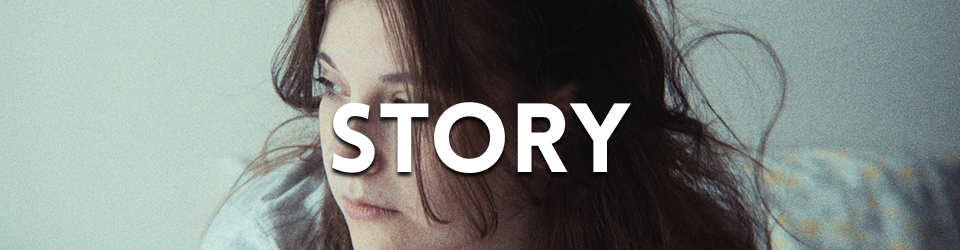
Daydreams is a mirror for all of us, especially Gen Z. It reflects contemporary society by showing the mundane, slow moments that consume our lives. Scrolling social media, paying rent, brain rotting, sitting, depressed. Keep this in mind as you read the plot summary; the narrative of Daydreams is in the character and the atmosphere. Using the flow of time to watch life play out lulls the audience into the same state as the characters, allowing them to reflect on their own alienation, on the “collective depression” that capitalism creates.
Haley, a former cheerleader who dropped out of college, is our guide through this film. She suffers from depression, a chronic pain/fatigue condition her doctor can’t pin down, and a gluten intolerance. She’s a character we rarely see on screen: passive. Haley will frustrate audiences. They will want her to “do something,” “snap out of it,” and “grow up.” The film refuses to give them this satisfaction. This is not the story of adulthood; this is the story of what capitalism steals from us.
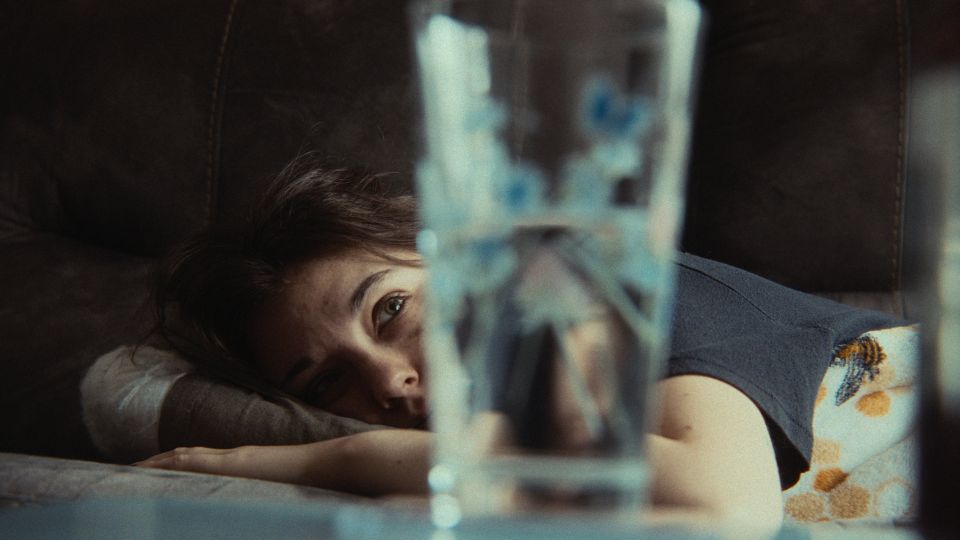
Haley works sporadically, navigates the health care system, misses rent payments, lets student loan debt interest pile up, pushes people away, struggles through ineffective treatments, and sleeps. She is the subject of 21st-century precarity, Gen Z feeling the full effects of neoliberalism. She exists merely as a body to extract profit from, whether it's through her content writing, insurance companies, or landlords.
Daydreams progresses seasonally, beginning in the Fall and ending at the break of Spring. Through this period, we see Haley move through a cycle of depression. It begins with her general exhaustion, keeping up with her doctor’s appointments, her work, and her roommate.
However, a new wrinkle is thrown into her life, the new angst of Gen Z—turning 26. As a freelancer with no benefits, she must move off of her mom’s insurance and onto her own. The film depicts this scene in detail as Haley and her older sister, Ashley, learn about the process of purchasing insurance from the Marketplace. These sequences are an example of how duration and atmosphere tell the story. Showing the process in complete reveals the absurdity of capitalist bureaucracy.
 This puts more stress and strain on Haley. Her relationship with her roommate, Emma, takes on this strain as Haley becomes messier, withdrawn, and a bad roommate. Thanksgiving arrives and she must face her mother, a conservative Christian woman who wants the best for Haley but pushes her into all the wrong new age remedies. At dinner is her stepsister, Rachel, a radical student at the University of Michigan. Rachel takes an interest in Haley. They connect over Instagram.
By December, the future is temporarily bright with an intense writing deadline to meet by Christmas. Throughout the month, Haley furiously works since you never know when more work will come. At this same time period, the past comes back into her life as her ex-boyfriend, Ryan appears from Chicago. Seeing him brings out a past version of Haley, fun, bubbly, charming. Like everything else, the feeling and the work is temporary.
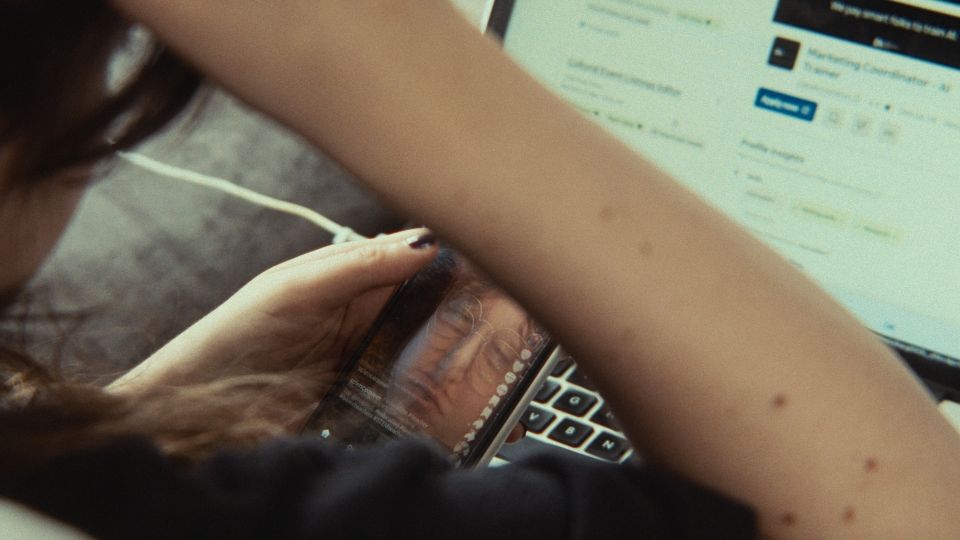
As the holidays drift away, so does Haley into the new year. Feeling more and more useless, she falls deeper into the delirium of dissociation. Her reality becomes fragmented as she misses rent payments, looks for a new job, Ryan disappears back to Chicago, and her savings drain more and more. When she’s told that the current writing project is on hold, Haley drifts into a catatonic depression. She tries to explain to her doctor and is eventually recommended to a psychiatrist but is hit with a wall of administrative burden, paperwork, and forms.
With everything fleeting, Haley drifts into a ghostly state. She becomes haunted, drifting in and out of sleep and the doom scroll of Instagram and TikTok. She ignores calls and texts from Ashley. Her body, frozen in time, the ever-present, no future.
This deliberate overstimulation creates the delirium that Haley falls into. The nature of time slipping away from thoughts, friends, bills, and dreams turning into dust. The anodyne nature of bureaucracy contributes to her depression. Threads of life to hang on to come and go, completely unresolved by the end of the film—this is life happening before our eyes. This is the experience of Gen Z. No stability, no careers, just floating from gig to gig in the collective depression.
 The only one left to save her is her sister, Ashley, and her husband, Henry, the smallest community left to Haley. When Ashley finds Haley not responding to her calls, she takes action, recognizing Haley’s inability to care for herself at this moment, and asks her to move in, despite the fact that Ashley is pregnant. These moments between them show the way for the audience, the need to move from the individual to the collective, even if it begins with just a few people who care about one another.
As winter thaws, Haley starts taking walks in Ashley’s suburb. No plan or agenda, just walking, disconnecting. Ashley gives her time to simply rest, a feeling quite different from the exhaustion she’s felt before.
One day, on a walk through the park, she finds herself in an abandoned corridor and feels the presence of her ghost, her depression. She’s overcome with emotion as she stands alone. It’s at this moment that she recognizes her alienation and realizes that she wants to live. To simply live! That’s it. To recognize that an alternative is possible, to see her future as if for the very first time. The film ends with a small action carrying out this recognition, Haley washing the dishes after dinner, contributing, even if small to start, to the collective that gave her the support she needed.
Daydreams builds upon my previous work with my debut feature film The Lovers, an attempt combining the spiritual images of Andrei Tarkovsky with Bergman chamber dramas and the realistic storytelling of Mike Leigh and Ken Loach.

Inspiration for Daydreams comes from many places, but especially the work of Chantal Ackerman, Andrei Tarkovsky, Bela Tarr, Mike Leigh, Kelly Reichardt, Ken Loach, and Michelangelo Antonioni. It’s an eclectic mix but represents my commitment to making a specific kind of film, one that is slow, contemplative, and respects the audience by making them an active participant in the story. Visually, this means the usage of long takes, deliberate pacing, and the use of atmosphere as key storytelling techniques.
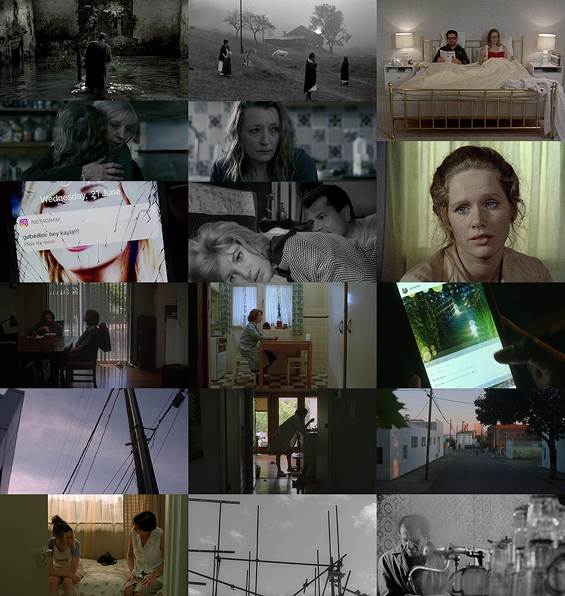
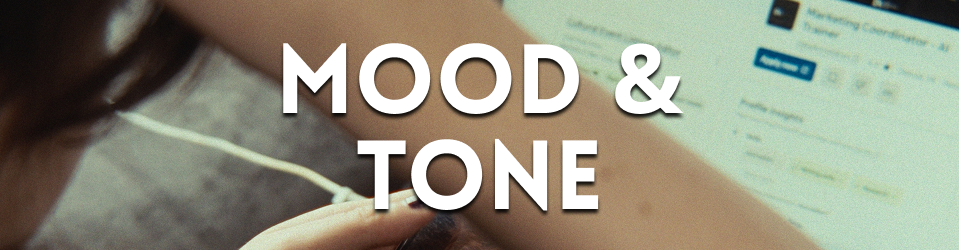
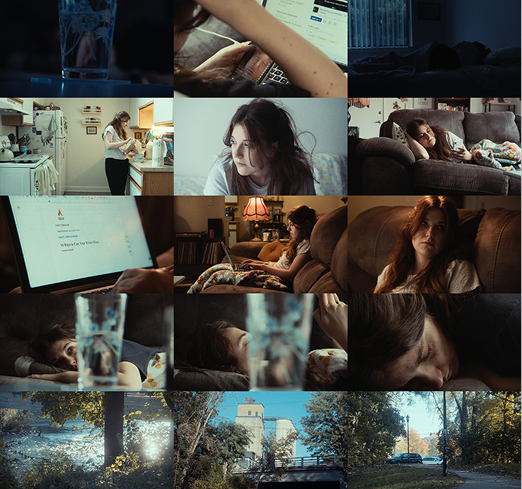
The film takes on tones of muted blues, cyans, and yellows. The whites skew slightly cyan, but feel almost stark white from the lack of heavy saturation. The days bleed and mesh, and so do the colors. The usage of filters like Promist and Double Fog creates a deliberate haze over certain scenes. A fog for the audience to look through, like they’re experiencing Haley’s mental state.
 640 Films is a collective of filmmakers who create visceral, personal cinema. Members listed here include Parker Keye Eisen, Varuan Ramadhyani, Brennan Huizinga, Spencer Swenson, and Alex Leon. 640 Films maintains an online marketing presence with nearly 1,400 Instagram followers and 635 subscribers on YouTube. We continually work to build our audience, craft engaging content from our films, and DIY distribute. As a collective, The Lovers (2023) is our first feature film, and The Collins Film (which was successfully funded through Seed&Spark!) is currently in post-production.
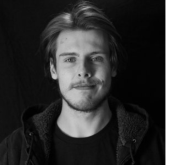 Parker Keye Eisen (producer, writer, director, editor, colorist): Parker Keye Eisen is a freelance writer, cinematographer, and colorist. His debut feature film, The Lovers, premiered in 2023 and is now free to stream on 640 Films YouTube, where it has garnered over 88k views. In addition to his work as a director, he has been an assistant director and producer on multiple features and shorts. Parker's work explores alienation, exploitation, and interpersonal relationships. Parker also works in content marketing, creating blogs, articles, short-form videos, and SEO research
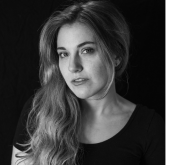 Emily Proctor (producer, actor, Haley): Emily Proctor is an actor and writer most known for her role as Louise in The Lovers and as The Hippie in The Collins Film. She brings a naturalistic and dedicated approach to all of her roles, from the likes of Liv Ullman, Florence Pugh, and Daisy Edgar-Jones. In addition to her acting experience, she is a creative copy and freelance writer with agency experience and social media management. Her claim to fame is that she self-published a novel when she was 12.
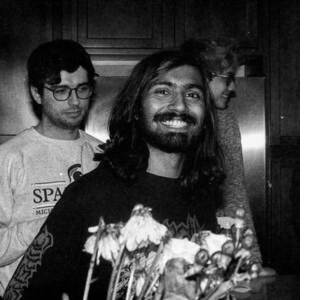 Varun Ramadhyani (producer): Varun Ramadhyani is a creative and financial producer who produced The Lovers and his short film, A Shadow Breathes. He graduated from Michigan State University with a bachelor’s degree in Materials Science Engineering and currently works as a quality control engineer. He applies the systems thinking methods of his engineering background to film productions. He finds inspiration in the arthouse classics, slow cinema, and anything society deems “weird.”
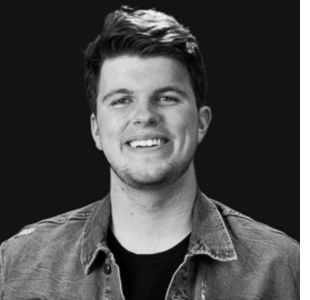 Brennan Huizinga (director of photography): Brennan Huizinga is an award-winning director, cinematographer, and visual effects artist. His most recent feature film, which he shot and directed, The Collins Film, is currently in post-production and raised over $20k on Seed & Spark for production. The film will be entering the festival circuit this fall. His short films have played in festivals across Michigan. He also shot Parker’s debut feature film, The Lovers. As a visual effects artist, he’s worked with independent filmmaker Joel Potrykus on his newest film, Vulcanizadora. Combining entertainment with introspection, his work challenges viewers to think while having a good time.
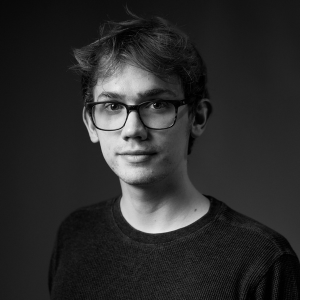 Spencer Swenson (marketing, editor): Spencer Swenson is a music video director, editor, and marketer. He combines his degree in public relations with his filmmaking to craft engaging audience journeys, no matter the content. He’s directed and edited music videos for artists like Casket Cassette (120K monthly listeners), Tonguecutter, and up-and-coming Chicago rapper JAY.WES. As a filmmaker, his work explores the everyday struggles and conditions that capitalism creates for us.
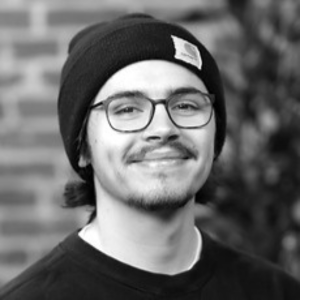 Alex Leon (key grip): Alex Leon is the co-founder of Philadelphia-based production company Better Films. He manages video shoots, edits projects, and grips on set. He worked as the dolly grip on The Lovers. His work as a filmmaker includes his short film Atrophy, which was released on the 640 Films YouTube channel in 2023. His work blends the surreal with the real, creating dream-like worlds where it feels like anything can happen.
Background
In producing my first feature film, The Lovers, I had to learn everything the hard way as I went along. 640 Films produced it for a budget of $5,000 that producer Varun Ramadhyani and I put up. Making the film, however, proved much easier than getting the film seen, as many filmmakers find. As a collective, we began extensive digital marketing efforts to grow our brand and use each of our films as leverage.
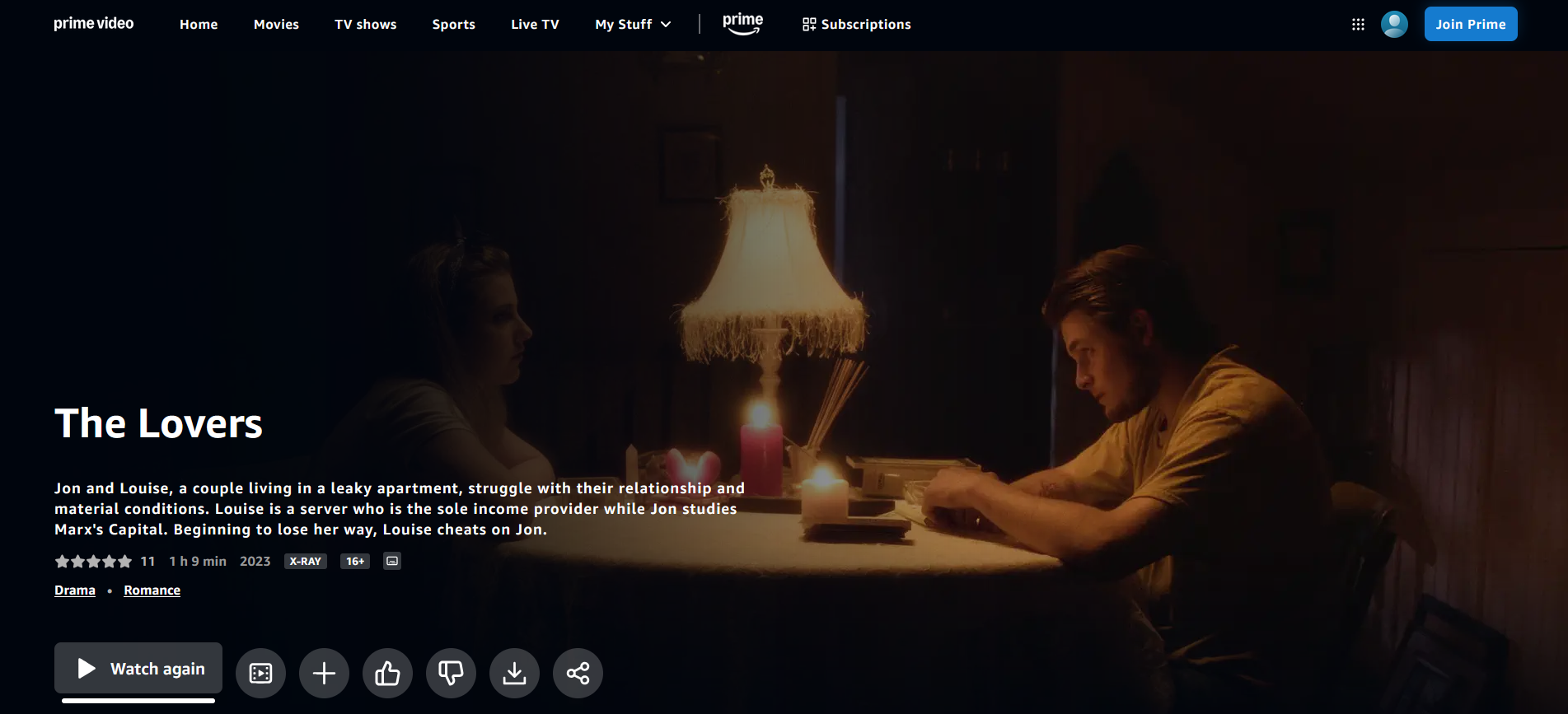
So, I began learning everything I could about self-distribution after a disappointing festival run. In 2023, I put the film on Prime Video, where it performed modestly. My goal was always to produce a Blu-ray for the film, which I eventually did in 2024. In an effort to market both the Blu-rays and 640 Films as a brand, I released the film simultaneously to the beautifully and horrifically democratized place known as YouTube. The film has performed well there, garnering over 87k views and 500 subscribers for the channel.
Going through these motions taught me so much about distribution. Would I want to just post my next film to YouTube? No, probably not. But it did help us build an audience. With Daydreams, I want to do it all differently. Methodical, strategic, and thorough. Hitting all the windows, covering all my bases. The two things I’ve learned most from The Lovers is patience and resilience. Patience to never jump too far ahead, and resilience to keep tackling problems until a solution is found. With that said, setting strategic goals is the only way to find success in a business where independent films rarely turn a profit.
Goals
With Daydreams, I have three goals in mind:
- Get the film seen, find its niche. This is a broad goal; a micro-goal of this is to get it on a big screen, whether it’s a singular local showing or a festival run. On the flip side, I want to get closer to targeting my niche audience—I know it’s out there because it’s the kind of film I want to see.
- Engage with communities, spark conversation, and create an experience, not a commodity. The film is urgent, political, and speaks to the new angst that Gen Z (among groups as well) is experiencing in real-time. It should be a resource, a cathartic experience, and a conversation starter. It’s a film that’s fundamentally about the importance of community, so we must use it to build the future we all deserve.
- Sustainable career growth. Profit is the least of my concerns, but finding a way to make films throughout my life is. This means exploiting the proper financial windows and retaining certain rights. It also means using the film to build 640 Films and each of our individual goals as well.
Distribution Strategy
I’ve outlined eight distribution strategies that make up my plan. Each strategy is linked to my goals.
- Sales agent: An international sales agent or distributor meets two points on the triangle. They help get the film seen by reaching an international audience that I do not have the resources to. By reaching a larger audience, it helps reach sustainability goals by building them long-term as well as bringing in revenue.
- Film Festivals: Film festivals reach all three points on my distribution goals triangle. First, they help get the film seen by bringing it in front of audiences. Second, they are a place for the film community. Third, they help create a sustainable career as we network with other film professionals and distributors.
- Theatrical: Following a long line of filmmakers throughout history, I believe that cinema belongs on the big screen. I plan to take advantage of distribution innovations like Kinema to maximize reach through their in-person and live virtual presentations. Their model meets many of my goals, including keeping rights, creating community events, and getting the film seen. Their financial model has little overhead, making it sustainable as well.
- Educational: Daydreams fits the profile of many films on educational services like Kanopy. The movie is steeped in film history, film movements, and pushing formal boundaries. There is also lots of opportunities for revenue in the educational market.
- Digital: With the film portraying and being about Gen Z, it’s important to build community through digital spaces as much as physical ones. New frontiers in digital distribution open a lot of avenues, like the live event spaces of Kinema. These reach our niche audience, get the film seen, and have the potential for revenue.
- Physical: Physical media you say? It’s dead! For many people, it is, but for those who love films and filmmakers, there’s nothing better than holding a Blu-ray. Just ask those who flock to the 50 percent of criterion sale even though they are a subscriber to the Criterion Channel. Even A24 has branched into physical media. It’s an avenue that helps meet a niche audience and has great profit margins for the film.
- Community Screenings: Small, community screenings with Q and As and discussion sessions are an important aspect for this film. The entire film is based on the importance of community. It’s what saves Haley in the end. Gathering around a screen, whether it be a library, brewery, or small hall, to collectively engage with art is something I dream of for this film.
- Streaming: At some point, I would likely want the film on streaming platforms, TVOD, SVOD, and AVOD. But, right now, it sits at the bottom of the funnel because it’s very difficult to cultivate an audience, it produces very little revenue for this kind of film, and it keeps people alienated from each other.
This campaign has been set at $15,000 to meet immediate production costs in producing Daydreams. However, the total budget of the film is around $40,000. Immediate costs that need to be met to greenlight production include:
- Actors: Producing indie film is tough, and to attract the best possible talent, we need to pay a rate as high as we can afford.
- Production design and costumes: To create the look and feel of the film through set decoration, costuming, and props (and all the necessary things to store, build, and maintain these items)
- Food & travel: For daily on-set meals and snacks, and any long-distance travel
- Additional labor: On larger shoot days, we may need to hire additional labor beyond the core group volunteering on the film.
- Hard drives: This IS the movie; we need enough hard drives to follow the 1-2-3 rule of data storage. Beyond safety, there is no liability higher than this.
Beyond this minimum amount to get the film in the can, we will need additional money for post-production (sound, foley, music, composer fee), marketing (poster graphics, festivals, publicist), and distribution (Blu-ray costs, ad spend, QC, etc.).
The above budget breakdown outlines the needs for our stretch goals. Every dollar raised beyond the $15,000 is just as important as the $15,000 and saves us time applying to grants, searching for investors and donors, and working additional hours to put in our own money.
- $20,000 allows us to hire additional crew members and pay stipends to those volunteering their labor on the film.
- $25,000 allows us to begin saving for post-production expenses like sound, foley, composing, and editing costs.
- $30,000 allows us to start allocating money towards marketing costs like graphics, festival admissions, and a publicist to start getting the film seen.
Anything beyond, and the lives of our dedicated cast and crew at 640 Films become much easier, as every dollar helps expedite the process.
Since Daydreams takes place over multiple seasons, we get the opportunity to work on a non-traditional timeline of filming in various 1-week blocks and weekends. This scheduling allows us to create cuts of the film as we go so that we can gauge our progress and pick up shots and scenes as needed.
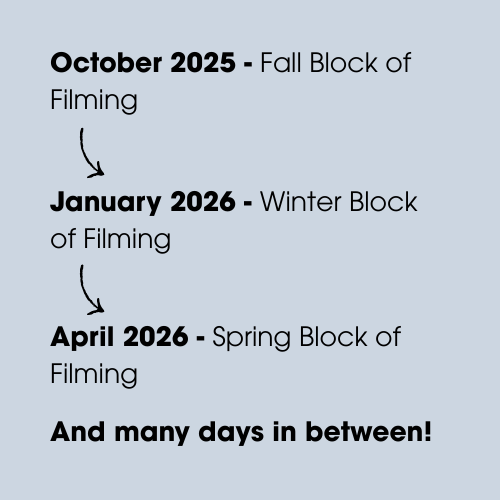
Post-production will continue throughout 2026 to enter the film into the 2027 Festival Circuit.
You can stay connected with Daydreams in many different ways. Additionally, you can:
- Follow this Seed&Spark page to receive updates on the campaign's progress.
- Follow @thelazyonefilm and @640films on Instagram.
- Head over to www.thelazyonefilm.com and sign up for our newsletter (receive exclusive updates, progress reports, and more!)
If you are interested in supporting the film beyond the incentives listed here or want to discuss additional funding options, don't hesitate to reach out to me (Parker Eisen) at [email protected].
Wishlist
Use the WishList to Pledge cash and Loan items - or - Make a pledge by selecting an Incentive directly.
Cast
Costs $4,200
Producing indie film is tough, and to attract the best possible talent, we need to pay a rate as high as we can afford.
Food
Costs $5,000
For daily on-set meals and snacks.
Travel
Costs $1,500
Travel costs for any cast and crew coming out of town.
Set Design
Costs $2,250
To create the look and feel of the film through set decoration, costuming, and props (and all the necessary things to store, build, and main
Data
Costs $800
This IS the movie; we need enough hard drives to follow the 1-2-3 rule of data storage. Beyond safety, there is no liability higher than thi
Crew
Costs $1,250
On larger shoot days, we may need to hire additional labor beyond the core group volunteering on the film.
Cash Pledge
Costs $0


Direct link:
Share this update!
About This Team
 640 Films is a collective of filmmakers who create visceral, personal cinema. Members listed here include Parker Keye Eisen, Varuan Ramadhyani, Brennan Huizinga, Spencer Swenson, and Alex Leon. 640 Films maintains an online marketing presence with nearly 1,400 Instagram followers and 635 subscribers on YouTube. We continually work to build our audience, craft engaging content from our films, and DIY distribute. As a collective, The Lovers (2023) is our first feature film, and The Collins Film is currently in post-production.
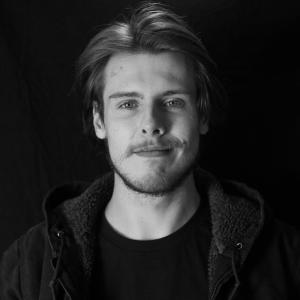
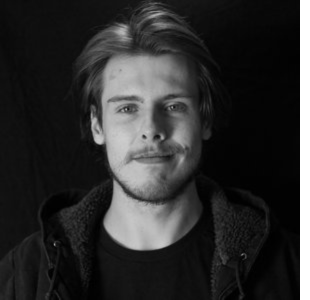 Parker Keye Eisen (producer, writer, director, editor, colorist): Parker Keye Eisen is a freelance writer, cinematographer, and colorist. His debut feature film, The Lovers, premiered in 2023 and is now free to stream on 640 Films YouTube, where it has garnered over 88k views. In addition to his work as a director, he has been an assistant director and producer on multiple features and shorts. Parker's work explores alienation, exploitation, and interpersonal relationships. Parker also works in content marketing, creating blogs, articles, short-form videos, and SEO research.
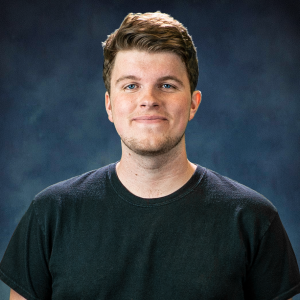
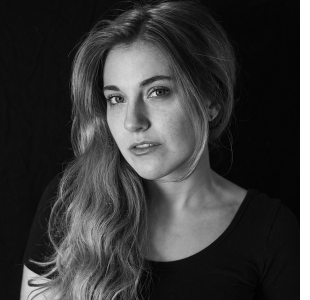 Emily Proctor (producer, actor, Haley): Emily Proctor is an actor and writer most known for her role as Louise in The Lovers and as The Hippie in The Collins Film. She brings a naturalistic and dedicated approach to all of her roles, from the likes of Liv Ullman, Florence Pugh, and Daisy Edgar-Jones. In addition to her acting experience, she is a creative copy and freelance writer with agency experience and social media management. Her claim to fame is that she self-published a novel when she was 12.
Varun Ramadhyani (producer): Varun Ramadhyani is a creative and financial producer who produced The Lovers and his short film, A Shadow Breathes. He graduated from Michigan State University with a bachelor’s degree in Materials Science Engineering and currently works as a quality control engineer. He applies the systems thinking methods of his engineering background to film productions. He finds inspiration in the arthouse classics, slow cinema, and anything society deems “weird.”
Brennan Huizinga (director of photography): Brennan Huizinga is an award-winning director, cinematographer, and visual effects artist. His most recent feature film, which he shot and directed, The Collins Film, is currently in post-production and raised over $20k on Seed & Spark for production. The film will be entering the festival circuit this fall. His short films have played in festivals across Michigan. He also shot Parker’s debut feature film, The Lovers. As a visual effects artist, he’s worked with independent filmmaker Joel Potrykus on his newest film, Vulcanizadora. Combining entertainment with introspection, his work challenges viewers to think while having a good time.
Spencer Swenson (marketing, editor): Spencer Swenson is a music video director, editor, and marketer. He combines his degree in public relations with his filmmaking to craft engaging audience journeys, no matter the content. He’s directed and edited music videos for artists like Casket Cassette (120K monthly listeners), Tonguecutter, and up-and-coming Chicago rapper JAY.WES. As a filmmaker, his work explores the everyday struggles and conditions that capitalism creates for us.
Alex Leon (key grip): Alex Leon is the co-founder of Philadelphia-based production company Better Films. He manages video shoots, edits projects, and grips on set. He worked as the dolly grip on The Lovers. His work as a filmmaker includes his short film Atrophy, which was released on the 640 Films YouTube channel in 2023. His work blends the surreal with the real, creating dream-like worlds where it feels like anything can happen.

Incentives
- The Story
- Wishlist
- Updates
- The Team
- Community
Mission Statement
The Story
Daydreams is a mirror for all of us, especially Gen Z. It reflects contemporary society by showing the mundane, slow moments that consume our lives. Scrolling social media, paying rent, brain rotting, sitting, depressed. Keep this in mind as you read the plot summary; the narrative of Daydreams is in the character and the atmosphere. Using the flow of time to watch life play out lulls the audience into the same state as the characters, allowing them to reflect on their own alienation, on the “collective depression” that capitalism creates.
Haley, a former cheerleader who dropped out of college, is our guide through this film. She suffers from depression, a chronic pain/fatigue condition her doctor can’t pin down, and a gluten intolerance. She’s a character we rarely see on screen: passive. Haley will frustrate audiences. They will want her to “do something,” “snap out of it,” and “grow up.” The film refuses to give them this satisfaction. This is not the story of adulthood; this is the story of what capitalism steals from us.
Haley works sporadically, navigates the health care system, misses rent payments, lets student loan debt interest pile up, pushes people away, struggles through ineffective treatments, and sleeps. She is the subject of 21st-century precarity, Gen Z feeling the full effects of neoliberalism. She exists merely as a body to extract profit from, whether it's through her content writing, insurance companies, or landlords.
Daydreams progresses seasonally, beginning in the Fall and ending at the break of Spring. Through this period, we see Haley move through a cycle of depression. It begins with her general exhaustion, keeping up with her doctor’s appointments, her work, and her roommate.
However, a new wrinkle is thrown into her life, the new angst of Gen Z—turning 26. As a freelancer with no benefits, she must move off of her mom’s insurance and onto her own. The film depicts this scene in detail as Haley and her older sister, Ashley, learn about the process of purchasing insurance from the Marketplace. These sequences are an example of how duration and atmosphere tell the story. Showing the process in complete reveals the absurdity of capitalist bureaucracy.
This puts more stress and strain on Haley. Her relationship with her roommate, Emma, takes on this strain as Haley becomes messier, withdrawn, and a bad roommate. Thanksgiving arrives and she must face her mother, a conservative Christian woman who wants the best for Haley but pushes her into all the wrong new age remedies. At dinner is her stepsister, Rachel, a radical student at the University of Michigan. Rachel takes an interest in Haley. They connect over Instagram.
By December, the future is temporarily bright with an intense writing deadline to meet by Christmas. Throughout the month, Haley furiously works since you never know when more work will come. At this same time period, the past comes back into her life as her ex-boyfriend, Ryan appears from Chicago. Seeing him brings out a past version of Haley, fun, bubbly, charming. Like everything else, the feeling and the work is temporary.
As the holidays drift away, so does Haley into the new year. Feeling more and more useless, she falls deeper into the delirium of dissociation. Her reality becomes fragmented as she misses rent payments, looks for a new job, Ryan disappears back to Chicago, and her savings drain more and more. When she’s told that the current writing project is on hold, Haley drifts into a catatonic depression. She tries to explain to her doctor and is eventually recommended to a psychiatrist but is hit with a wall of administrative burden, paperwork, and forms.
With everything fleeting, Haley drifts into a ghostly state. She becomes haunted, drifting in and out of sleep and the doom scroll of Instagram and TikTok. She ignores calls and texts from Ashley. Her body, frozen in time, the ever-present, no future.
This deliberate overstimulation creates the delirium that Haley falls into. The nature of time slipping away from thoughts, friends, bills, and dreams turning into dust. The anodyne nature of bureaucracy contributes to her depression. Threads of life to hang on to come and go, completely unresolved by the end of the film—this is life happening before our eyes. This is the experience of Gen Z. No stability, no careers, just floating from gig to gig in the collective depression.
The only one left to save her is her sister, Ashley, and her husband, Henry, the smallest community left to Haley. When Ashley finds Haley not responding to her calls, she takes action, recognizing Haley’s inability to care for herself at this moment, and asks her to move in, despite the fact that Ashley is pregnant. These moments between them show the way for the audience, the need to move from the individual to the collective, even if it begins with just a few people who care about one another.
As winter thaws, Haley starts taking walks in Ashley’s suburb. No plan or agenda, just walking, disconnecting. Ashley gives her time to simply rest, a feeling quite different from the exhaustion she’s felt before.
One day, on a walk through the park, she finds herself in an abandoned corridor and feels the presence of her ghost, her depression. She’s overcome with emotion as she stands alone. It’s at this moment that she recognizes her alienation and realizes that she wants to live. To simply live! That’s it. To recognize that an alternative is possible, to see her future as if for the very first time. The film ends with a small action carrying out this recognition, Haley washing the dishes after dinner, contributing, even if small to start, to the collective that gave her the support she needed.
Daydreams builds upon my previous work with my debut feature film The Lovers, an attempt combining the spiritual images of Andrei Tarkovsky with Bergman chamber dramas and the realistic storytelling of Mike Leigh and Ken Loach.
Inspiration for Daydreams comes from many places, but especially the work of Chantal Ackerman, Andrei Tarkovsky, Bela Tarr, Mike Leigh, Kelly Reichardt, Ken Loach, and Michelangelo Antonioni. It’s an eclectic mix but represents my commitment to making a specific kind of film, one that is slow, contemplative, and respects the audience by making them an active participant in the story. Visually, this means the usage of long takes, deliberate pacing, and the use of atmosphere as key storytelling techniques.
The film takes on tones of muted blues, cyans, and yellows. The whites skew slightly cyan, but feel almost stark white from the lack of heavy saturation. The days bleed and mesh, and so do the colors. The usage of filters like Promist and Double Fog creates a deliberate haze over certain scenes. A fog for the audience to look through, like they’re experiencing Haley’s mental state.
640 Films is a collective of filmmakers who create visceral, personal cinema. Members listed here include Parker Keye Eisen, Varuan Ramadhyani, Brennan Huizinga, Spencer Swenson, and Alex Leon. 640 Films maintains an online marketing presence with nearly 1,400 Instagram followers and 635 subscribers on YouTube. We continually work to build our audience, craft engaging content from our films, and DIY distribute. As a collective, The Lovers (2023) is our first feature film, and The Collins Film (which was successfully funded through Seed&Spark!) is currently in post-production.
Parker Keye Eisen (producer, writer, director, editor, colorist): Parker Keye Eisen is a freelance writer, cinematographer, and colorist. His debut feature film, The Lovers, premiered in 2023 and is now free to stream on 640 Films YouTube, where it has garnered over 88k views. In addition to his work as a director, he has been an assistant director and producer on multiple features and shorts. Parker's work explores alienation, exploitation, and interpersonal relationships. Parker also works in content marketing, creating blogs, articles, short-form videos, and SEO research
Emily Proctor (producer, actor, Haley): Emily Proctor is an actor and writer most known for her role as Louise in The Lovers and as The Hippie in The Collins Film. She brings a naturalistic and dedicated approach to all of her roles, from the likes of Liv Ullman, Florence Pugh, and Daisy Edgar-Jones. In addition to her acting experience, she is a creative copy and freelance writer with agency experience and social media management. Her claim to fame is that she self-published a novel when she was 12.
Varun Ramadhyani (producer): Varun Ramadhyani is a creative and financial producer who produced The Lovers and his short film, A Shadow Breathes. He graduated from Michigan State University with a bachelor’s degree in Materials Science Engineering and currently works as a quality control engineer. He applies the systems thinking methods of his engineering background to film productions. He finds inspiration in the arthouse classics, slow cinema, and anything society deems “weird.”
Brennan Huizinga (director of photography): Brennan Huizinga is an award-winning director, cinematographer, and visual effects artist. His most recent feature film, which he shot and directed, The Collins Film, is currently in post-production and raised over $20k on Seed & Spark for production. The film will be entering the festival circuit this fall. His short films have played in festivals across Michigan. He also shot Parker’s debut feature film, The Lovers. As a visual effects artist, he’s worked with independent filmmaker Joel Potrykus on his newest film, Vulcanizadora. Combining entertainment with introspection, his work challenges viewers to think while having a good time.
Spencer Swenson (marketing, editor): Spencer Swenson is a music video director, editor, and marketer. He combines his degree in public relations with his filmmaking to craft engaging audience journeys, no matter the content. He’s directed and edited music videos for artists like Casket Cassette (120K monthly listeners), Tonguecutter, and up-and-coming Chicago rapper JAY.WES. As a filmmaker, his work explores the everyday struggles and conditions that capitalism creates for us.
Alex Leon (key grip): Alex Leon is the co-founder of Philadelphia-based production company Better Films. He manages video shoots, edits projects, and grips on set. He worked as the dolly grip on The Lovers. His work as a filmmaker includes his short film Atrophy, which was released on the 640 Films YouTube channel in 2023. His work blends the surreal with the real, creating dream-like worlds where it feels like anything can happen.
Background
In producing my first feature film, The Lovers, I had to learn everything the hard way as I went along. 640 Films produced it for a budget of $5,000 that producer Varun Ramadhyani and I put up. Making the film, however, proved much easier than getting the film seen, as many filmmakers find. As a collective, we began extensive digital marketing efforts to grow our brand and use each of our films as leverage.
So, I began learning everything I could about self-distribution after a disappointing festival run. In 2023, I put the film on Prime Video, where it performed modestly. My goal was always to produce a Blu-ray for the film, which I eventually did in 2024. In an effort to market both the Blu-rays and 640 Films as a brand, I released the film simultaneously to the beautifully and horrifically democratized place known as YouTube. The film has performed well there, garnering over 87k views and 500 subscribers for the channel.
Going through these motions taught me so much about distribution. Would I want to just post my next film to YouTube? No, probably not. But it did help us build an audience. With Daydreams, I want to do it all differently. Methodical, strategic, and thorough. Hitting all the windows, covering all my bases. The two things I’ve learned most from The Lovers is patience and resilience. Patience to never jump too far ahead, and resilience to keep tackling problems until a solution is found. With that said, setting strategic goals is the only way to find success in a business where independent films rarely turn a profit.
Goals
With Daydreams, I have three goals in mind:
- Get the film seen, find its niche. This is a broad goal; a micro-goal of this is to get it on a big screen, whether it’s a singular local showing or a festival run. On the flip side, I want to get closer to targeting my niche audience—I know it’s out there because it’s the kind of film I want to see.
- Engage with communities, spark conversation, and create an experience, not a commodity. The film is urgent, political, and speaks to the new angst that Gen Z (among groups as well) is experiencing in real-time. It should be a resource, a cathartic experience, and a conversation starter. It’s a film that’s fundamentally about the importance of community, so we must use it to build the future we all deserve.
- Sustainable career growth. Profit is the least of my concerns, but finding a way to make films throughout my life is. This means exploiting the proper financial windows and retaining certain rights. It also means using the film to build 640 Films and each of our individual goals as well.
Distribution Strategy
I’ve outlined eight distribution strategies that make up my plan. Each strategy is linked to my goals.
- Sales agent: An international sales agent or distributor meets two points on the triangle. They help get the film seen by reaching an international audience that I do not have the resources to. By reaching a larger audience, it helps reach sustainability goals by building them long-term as well as bringing in revenue.
- Film Festivals: Film festivals reach all three points on my distribution goals triangle. First, they help get the film seen by bringing it in front of audiences. Second, they are a place for the film community. Third, they help create a sustainable career as we network with other film professionals and distributors.
- Theatrical: Following a long line of filmmakers throughout history, I believe that cinema belongs on the big screen. I plan to take advantage of distribution innovations like Kinema to maximize reach through their in-person and live virtual presentations. Their model meets many of my goals, including keeping rights, creating community events, and getting the film seen. Their financial model has little overhead, making it sustainable as well.
- Educational: Daydreams fits the profile of many films on educational services like Kanopy. The movie is steeped in film history, film movements, and pushing formal boundaries. There is also lots of opportunities for revenue in the educational market.
- Digital: With the film portraying and being about Gen Z, it’s important to build community through digital spaces as much as physical ones. New frontiers in digital distribution open a lot of avenues, like the live event spaces of Kinema. These reach our niche audience, get the film seen, and have the potential for revenue.
- Physical: Physical media you say? It’s dead! For many people, it is, but for those who love films and filmmakers, there’s nothing better than holding a Blu-ray. Just ask those who flock to the 50 percent of criterion sale even though they are a subscriber to the Criterion Channel. Even A24 has branched into physical media. It’s an avenue that helps meet a niche audience and has great profit margins for the film.
- Community Screenings: Small, community screenings with Q and As and discussion sessions are an important aspect for this film. The entire film is based on the importance of community. It’s what saves Haley in the end. Gathering around a screen, whether it be a library, brewery, or small hall, to collectively engage with art is something I dream of for this film.
- Streaming: At some point, I would likely want the film on streaming platforms, TVOD, SVOD, and AVOD. But, right now, it sits at the bottom of the funnel because it’s very difficult to cultivate an audience, it produces very little revenue for this kind of film, and it keeps people alienated from each other.
This campaign has been set at $15,000 to meet immediate production costs in producing Daydreams. However, the total budget of the film is around $40,000. Immediate costs that need to be met to greenlight production include:
- Actors: Producing indie film is tough, and to attract the best possible talent, we need to pay a rate as high as we can afford.
- Production design and costumes: To create the look and feel of the film through set decoration, costuming, and props (and all the necessary things to store, build, and maintain these items)
- Food & travel: For daily on-set meals and snacks, and any long-distance travel
- Additional labor: On larger shoot days, we may need to hire additional labor beyond the core group volunteering on the film.
- Hard drives: This IS the movie; we need enough hard drives to follow the 1-2-3 rule of data storage. Beyond safety, there is no liability higher than this.
Beyond this minimum amount to get the film in the can, we will need additional money for post-production (sound, foley, music, composer fee), marketing (poster graphics, festivals, publicist), and distribution (Blu-ray costs, ad spend, QC, etc.).
The above budget breakdown outlines the needs for our stretch goals. Every dollar raised beyond the $15,000 is just as important as the $15,000 and saves us time applying to grants, searching for investors and donors, and working additional hours to put in our own money.
- $20,000 allows us to hire additional crew members and pay stipends to those volunteering their labor on the film.
- $25,000 allows us to begin saving for post-production expenses like sound, foley, composing, and editing costs.
- $30,000 allows us to start allocating money towards marketing costs like graphics, festival admissions, and a publicist to start getting the film seen.
Anything beyond, and the lives of our dedicated cast and crew at 640 Films become much easier, as every dollar helps expedite the process.
Since Daydreams takes place over multiple seasons, we get the opportunity to work on a non-traditional timeline of filming in various 1-week blocks and weekends. This scheduling allows us to create cuts of the film as we go so that we can gauge our progress and pick up shots and scenes as needed.
Post-production will continue throughout 2026 to enter the film into the 2027 Festival Circuit.
You can stay connected with Daydreams in many different ways. Additionally, you can:
- Follow this Seed&Spark page to receive updates on the campaign's progress.
- Follow @thelazyonefilm and @640films on Instagram.
- Head over to www.thelazyonefilm.com and sign up for our newsletter (receive exclusive updates, progress reports, and more!)
If you are interested in supporting the film beyond the incentives listed here or want to discuss additional funding options, don't hesitate to reach out to me (Parker Eisen) at [email protected].
Wishlist
Use the WishList to Pledge cash and Loan items - or - Make a pledge by selecting an Incentive directly.
Cast
Costs $4,200
Producing indie film is tough, and to attract the best possible talent, we need to pay a rate as high as we can afford.
Food
Costs $5,000
For daily on-set meals and snacks.
Travel
Costs $1,500
Travel costs for any cast and crew coming out of town.
Set Design
Costs $2,250
To create the look and feel of the film through set decoration, costuming, and props (and all the necessary things to store, build, and main
Data
Costs $800
This IS the movie; we need enough hard drives to follow the 1-2-3 rule of data storage. Beyond safety, there is no liability higher than thi
Crew
Costs $1,250
On larger shoot days, we may need to hire additional labor beyond the core group volunteering on the film.
Cash Pledge
Costs $0
Direct link:
Share this update!
About This Team
640 Films is a collective of filmmakers who create visceral, personal cinema. Members listed here include Parker Keye Eisen, Varuan Ramadhyani, Brennan Huizinga, Spencer Swenson, and Alex Leon. 640 Films maintains an online marketing presence with nearly 1,400 Instagram followers and 635 subscribers on YouTube. We continually work to build our audience, craft engaging content from our films, and DIY distribute. As a collective, The Lovers (2023) is our first feature film, and The Collins Film is currently in post-production.
Parker Keye Eisen (producer, writer, director, editor, colorist): Parker Keye Eisen is a freelance writer, cinematographer, and colorist. His debut feature film, The Lovers, premiered in 2023 and is now free to stream on 640 Films YouTube, where it has garnered over 88k views. In addition to his work as a director, he has been an assistant director and producer on multiple features and shorts. Parker's work explores alienation, exploitation, and interpersonal relationships. Parker also works in content marketing, creating blogs, articles, short-form videos, and SEO research.
Emily Proctor (producer, actor, Haley): Emily Proctor is an actor and writer most known for her role as Louise in The Lovers and as The Hippie in The Collins Film. She brings a naturalistic and dedicated approach to all of her roles, from the likes of Liv Ullman, Florence Pugh, and Daisy Edgar-Jones. In addition to her acting experience, she is a creative copy and freelance writer with agency experience and social media management. Her claim to fame is that she self-published a novel when she was 12.
Varun Ramadhyani (producer): Varun Ramadhyani is a creative and financial producer who produced The Lovers and his short film, A Shadow Breathes. He graduated from Michigan State University with a bachelor’s degree in Materials Science Engineering and currently works as a quality control engineer. He applies the systems thinking methods of his engineering background to film productions. He finds inspiration in the arthouse classics, slow cinema, and anything society deems “weird.”
Brennan Huizinga (director of photography): Brennan Huizinga is an award-winning director, cinematographer, and visual effects artist. His most recent feature film, which he shot and directed, The Collins Film, is currently in post-production and raised over $20k on Seed & Spark for production. The film will be entering the festival circuit this fall. His short films have played in festivals across Michigan. He also shot Parker’s debut feature film, The Lovers. As a visual effects artist, he’s worked with independent filmmaker Joel Potrykus on his newest film, Vulcanizadora. Combining entertainment with introspection, his work challenges viewers to think while having a good time.
Spencer Swenson (marketing, editor): Spencer Swenson is a music video director, editor, and marketer. He combines his degree in public relations with his filmmaking to craft engaging audience journeys, no matter the content. He’s directed and edited music videos for artists like Casket Cassette (120K monthly listeners), Tonguecutter, and up-and-coming Chicago rapper JAY.WES. As a filmmaker, his work explores the everyday struggles and conditions that capitalism creates for us.
Alex Leon (key grip): Alex Leon is the co-founder of Philadelphia-based production company Better Films. He manages video shoots, edits projects, and grips on set. He worked as the dolly grip on The Lovers. His work as a filmmaker includes his short film Atrophy, which was released on the 640 Films YouTube channel in 2023. His work blends the surreal with the real, creating dream-like worlds where it feels like anything can happen.