The Night the Stars Fell
Chicago, Illinois | Film Short
Experimental, History
In a time when Black History is actively under threat of being erased or changed, stories like The Night the Stars Fell feel more urgent than ever. This film investigates the power of both personal and collective memory and asks: What have we chosen to forget, and what will we choose to remember?
The Night the Stars Fell
Chicago, Illinois | Film Short
Experimental, History

1 Campaigns |
Green Light
This campaign raised $3,155 for development. Follow the filmmaker to receive future updates on this project.
30 supporters | followers
Enter the amount you would like to pledge
In a time when Black History is actively under threat of being erased or changed, stories like The Night the Stars Fell feel more urgent than ever. This film investigates the power of both personal and collective memory and asks: What have we chosen to forget, and what will we choose to remember?
About The Project


- The Story
- Wishlist
- Updates
- The Team
- Community
Mission Statement
The Story
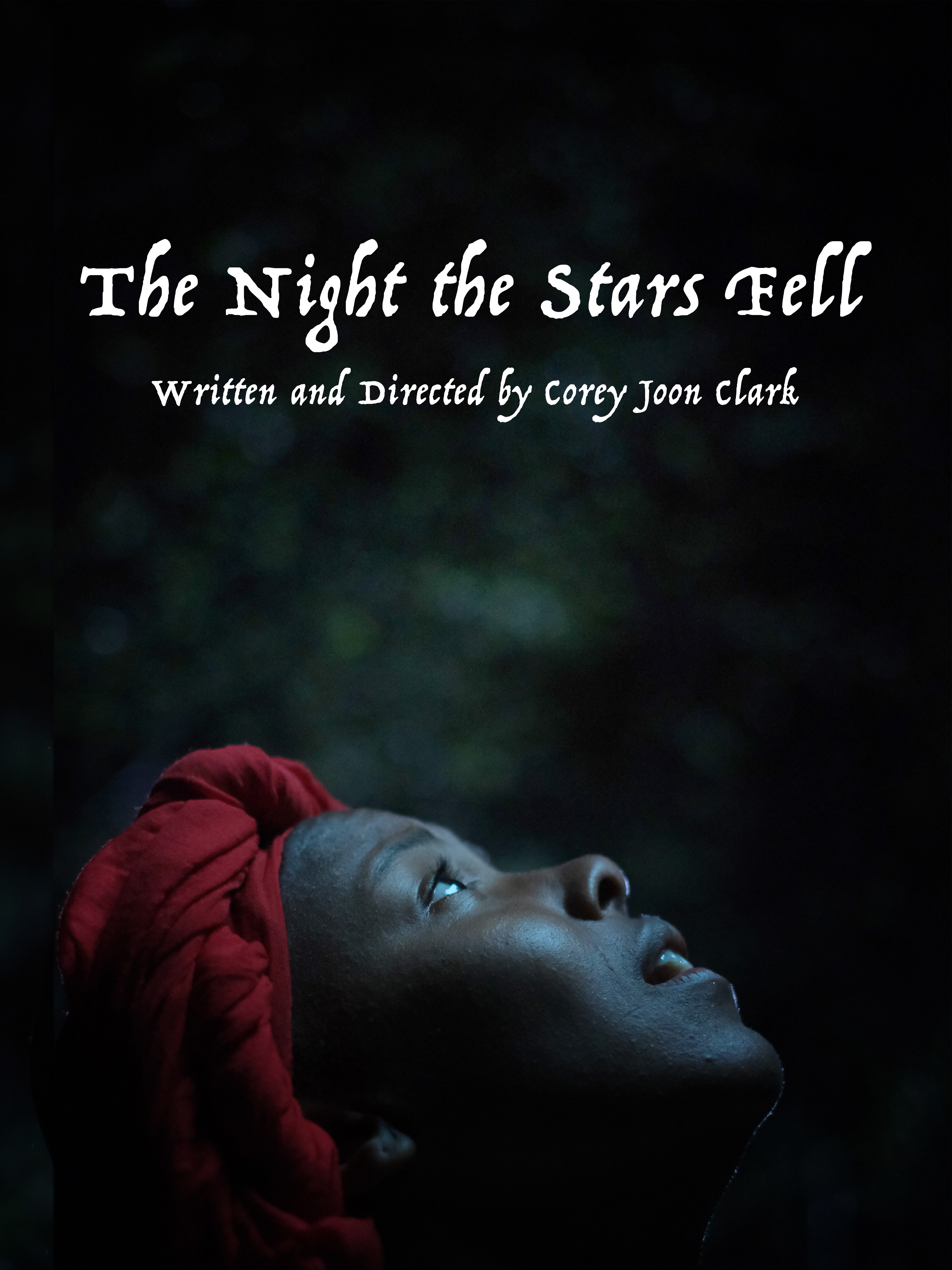
The Night The Stars Fell (2026)

Logline: Based on a true story from Harriet Tubman’s childhood, an enslaved 12-year-old girl and her younger brother sneak away from the plantation to visit their mother, guided by the stars, until they witness those same stars fall from the sky, heralding Judgement Day.
This film is based on the childhood recollections of Harriet Tubman and the accounts of other enslaved folk during the 1833 Leonid Meteor Shower. Many, including white slave owners, thought that Judgement Day had come, inspiring fear, awe, and ugly truths to bubble to the surface. Through the lens of poetic social realism, the film reveals this night of falling stars as a formative moment in Tubman's youth.
Rather than focus on Harriet's legacy as an adult, this film will serve as a glimpse into her rarely explored childhood, speculating the influence of this cosmic event along with her own visions, spiritual beliefs, and connection to the natural world.
This campaign is currently the starting point of our production as we would like to begin with opening funds for pre-production. Throughout 2026, you will see various efforts of crowdfunding, which include milestone fundraising campaigns, grants, sponsorships, and more. Our total goal is to raise $50,000 for the film's entirety.
 On November 12th, 1833, the Leonid Meteor Shower lit up the night skies across North America. Thousands of people watched in awe and terror. Many believed it to be Judgement Day. In some accounts, white slave owners confessed where they had sold the loved ones of their slaves in a desperate attempt for salvation. This story is based on the accounts of enslaved folk who have passed down their stories of that night. Many of these accounts are detailed in the 1930's Slave Narratives Project, which was a series of interviews conducted with over 2000 former slaves across the American South.
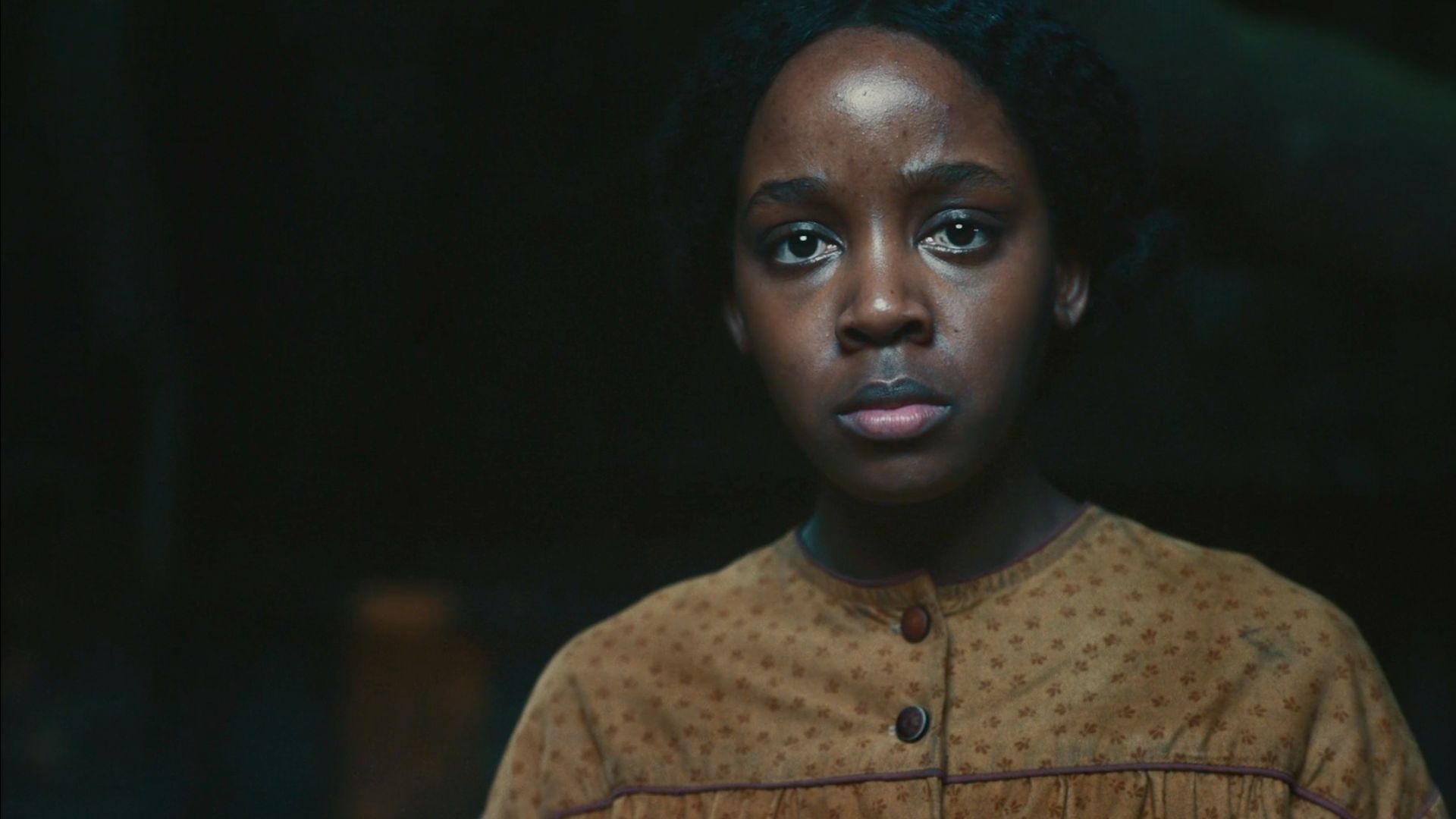
The Underground Railroad (2021)

Araminta “Minty” Ross and her brother Ben Jr. sneak away from their plantation to visit their mother, Ritty, using their father’s teachings to navigate via the night sky. When they arrive, the kids fawn over their baby brother Moses. Ben asks about their father, wondering if he’d been sold off like their older sisters. Minty tries to remember them, but they are a blur.
Minty recounts a dream in which she flew away, but fell into a rushing river before being saved by a black angel. Ritty comforts her, telling her to let that dream carry her, then replies with her own memories of Modesty, Minty’s grandmother that was brought from Africa on one of the first slave ships. Ritty tells her children the importance of memory and the power that it has to shape the world around us.
Minty asks what Modesty’s original name was, but before Ritty answers, Ben alerts them to lights outside the cabin. They blow out the candles and hide. Ben looks out the window and sees the stars falling from the sky. Ritty sends them back home, fearing that even Judgement Day won’t shield them from punishment.
Back at the plantation, Minty witnesses her master, Edward Brodess, confessing to his slaves where their loved ones were sent. Grace, a young mother, is horrified to learn her husband was sent South to Natchez. Tabitha, the root doctor, curses Brodess in anguish when she is told her twins died some time ago. Mars, a young man, lashes out when he discovers that his wife is a house slave for a man who lusts for her. He threatens to beat Brodess, but is stopped by Grace and Minty, who fear that Mars would hang, and the rest would be sold south.
Brodess finally approaches Minty, groveling before her. He doesn’t know where her sisters are. South, somewhere. Minty responds that they are not gone because she remembers them. In a flash, we see the memory of her sisters in full clarity. With the power of that memory, she takes flight, just like in her dream. With her she takes Ben and the other enslaved folk into the night sky towards the North Star.

The Electric Transition (2022)

Remember when Harriet Tubman was supposed to be on the $20 bill? Remember when the National Parks Service temporarily removed her from their Underground Railroad webpage, only restoring her after public outcry? In a time when Black History is actively under threat of being erased or changed, stories like The Night the Stars Fell feel more urgent than ever. This film investigates the power of both personal and collective memory and asks: What have we chosen to forget, and what will we choose to remember? I'm choosing to remember Ms. Tubman's story.
In a time when Black History is actively under threat of being erased or changed, stories like The Night the Stars Fell feel more urgent than ever. This film investigates the power of both personal and collective memory and asks
What have we chosen to forget, and what will we choose to remember?
.jpg)
Mood Board by Director Corey Joon Clark

The target audience for this film is Black viewers, ages 18-35, especially with an interest in history or spirituality. Its poetic tone and lyrical structure would resonate with audiences of films like Moonlight (2016), The Underground Railroad (2021), and Nickel Boys (2024).
We'd love for this film to be more than just a film but rather an experience. We want people to fall into the world of the story as if they were there to tell it. It's not just about watching history, it's' about taking historical moments and amplifying them. This is largely why for our fundraising efforts, we want to focus on different approach that not only aligns with our mission and purpose, but also curates an opportunity for others to see this story through a different lens.

Our full goal is to raise a total of $50,000 for the entire project, but we plan to do this over time in an effort to build an audience and also spread awareness about the film. We are aiming to shoot in 2027, which gives us time to acquire funding through various stages of crowdfunding. Your support would mean the world to us as we set out on our journey to tell this story. As filmmakers, our goal is to create narratives that not only educate our audience but also invite them in the form of a call to action to be a part of history. By spreading the word, donating, and supporting our filmmaking endeavors, you get a front row seat to our production.
Wishlist
Use the WishList to Pledge cash and Loan items - or - Make a pledge by selecting an Incentive directly.
Casting
Costs $500
We would like to make sure our cast is well prepared and able to perform, given that this film takes place in history.
Locations & Travel
Costs $500
We are filming outside of Chicago, and will need to travel and choose locations that depict the time period of the story.
Lighting Equipment
Costs $500
We'd like to start gaining funds to help us choose the best lighting options since a lot of scenes take place at night.
Camera Department
Costs $500
We need the camera equipment to make sure the visuals accurately depict our story.
Production Office
Costs $1,000
This will be needed for any legal documents, scheduling, down payments, and permits. This also includes test shoots.
Cash Pledge
Costs $0


Direct link:
Share this update!
About This Team
 Corey Joon Clark - Writer/Director/Producer
Corey Joon Clark is a Black-Korean director, cinematographer, and photographer based in Chicago. He graduated with a Bachelor’s Degree in filmmaking from Columbia College Chicago in 2023. With an ever-evolving love for all visual art mediums, he has garnered a unique taste that heavily informs the images he uses to tell stories. With his surreal, eye-catching, and sometimes playful imagery, he aims to challenge viewers and invite them to see the world through a different lens.
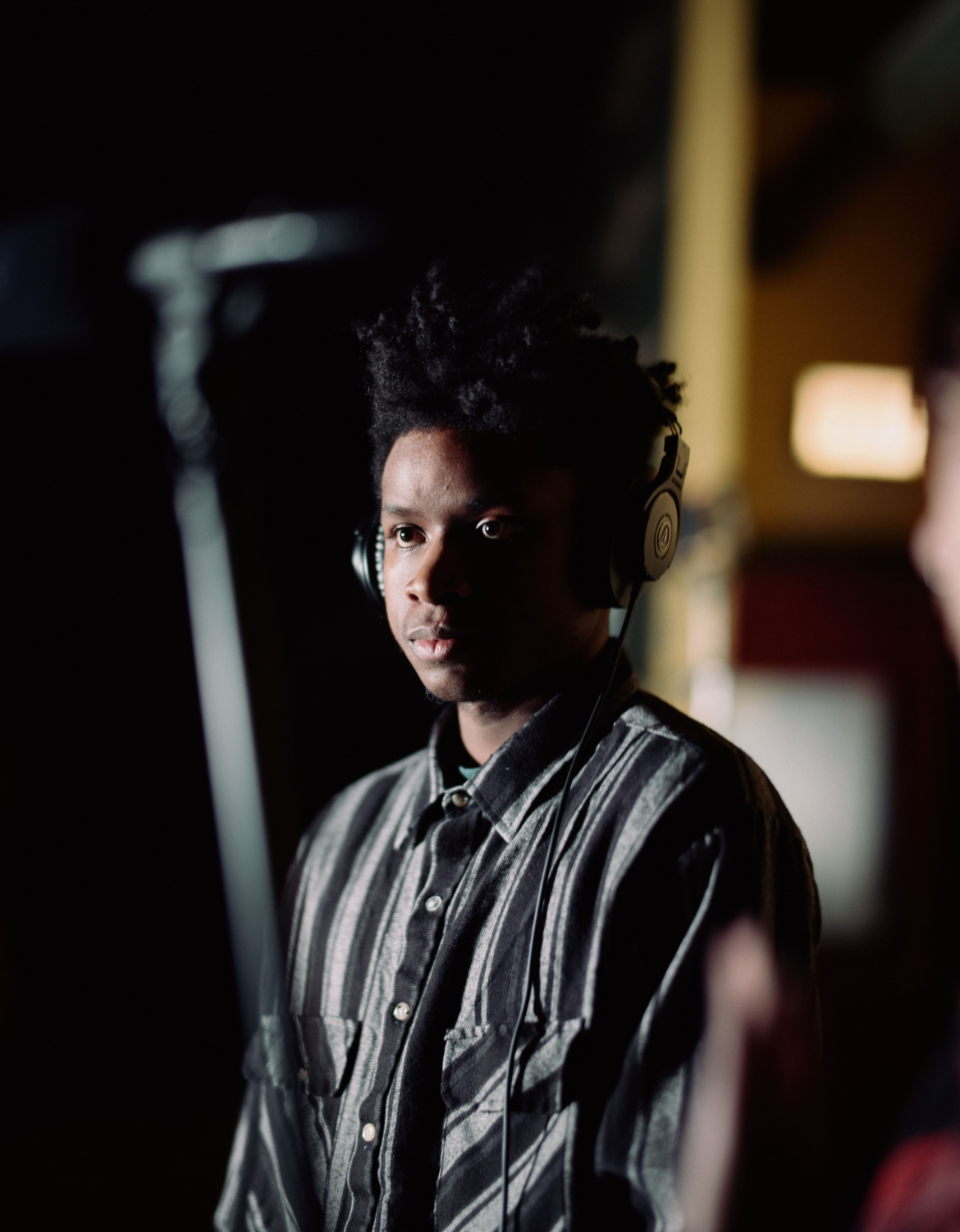 hiloh Tumo Washington - Producer
Shiloh Tumo Washington is a multidisciplinary experimental storyteller from Chicago. Primarily working in film, Shiloh builds disruptive narratives and counternarratives that reimagine our collective histories through his independent art house, Tumo Works.
Active as a filmmaker and historian since he was 14 years old, Shiloh has developed a unique approach that incorporates available and imagined material to curate cathartic cinematic experiences. His recent works include a loose adaptation of James Baldwin (Brother, Where Are You?); a liminal dive into the romantic history of his parents (One For My Baby); or the confrontational living archive of a 1960s jazz personality (Bailey’s Blues)—which is currently on the festival circuit after premiering at the Chicago International Film Festival this past Fall.
Shiloh is currently working towards a 2027 production of his first feature film, A Terrible Sound—the live pitch of which landed him the CIX: Lab Pitch Prize at the Chicago International Film Festival, valued at over $200,000 to jumpstart the project. In the meantime, he continues to work on short form projects as a Director, Producer, Casting Director, and Editor.
Shiloh is a recent recipient of the Illinois Arts Council’s Creative Accelerator grant, a current Arts Club of Chicago Fellow as well as a Founding Organizer of the South Side Artists’ Coalition. He is based on the South Side of Chicago.
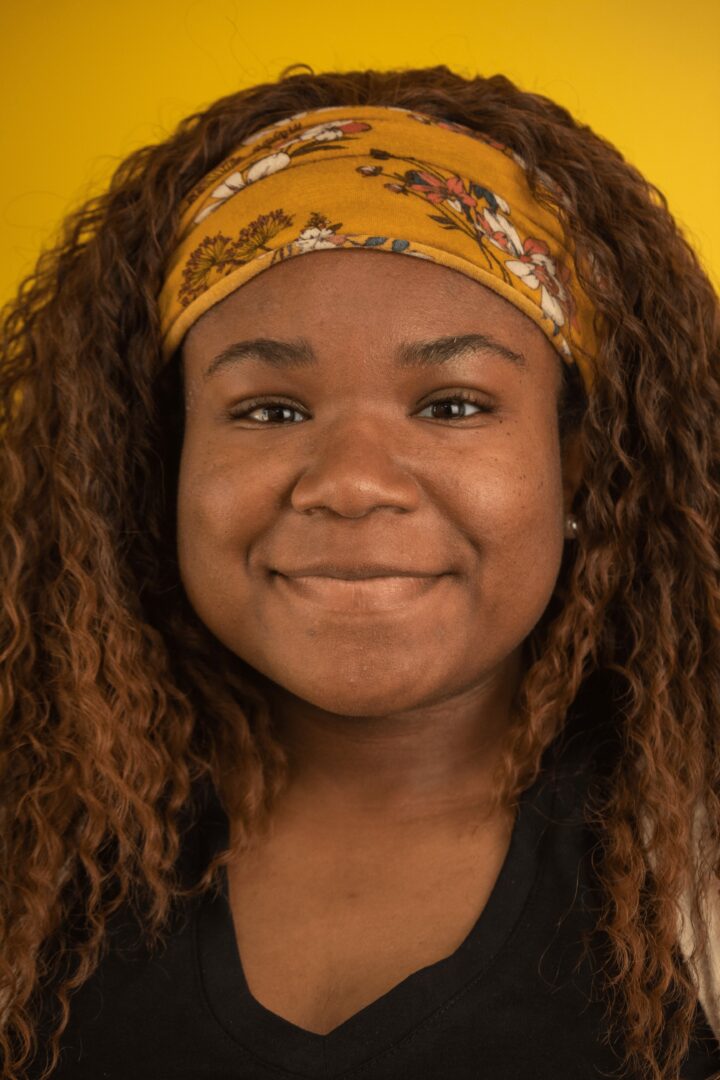 Ahsha M Davis - Producer
Ahsha Davis is filmmaker, producer, and radio podcaster who is native of Detroit, MI. She received her Bachelor of Applied Arts in Broadcasting and Cinematic Arts with a double minor in Spanish and Communications from Central Michigan University where she began her media career working in radio, news, television, film. Her love for media began in 2015 where she worked at WMHW- FM radio station on the News Production team. She then transitioned to the Program Director of a Hip Hop Station and served in that role for 3 years.
Ahsha quickly transitioned into the Film and Television industry and is currently a producer helping with the development of stories. Ahsha received her Master of Arts in Electronic Media Studies from Central Michigan where she focused on researching the Emotional Effects of Film through Marvel Cinematic Universe and plans to continue research in the area. She recently graduated with her second masters from Columbia College Chicago in Film and Television Producing. Ahsha truly enjoys being a TV and Film producer and hopes to own her own production company to help young filmmakers achieve their dreams.
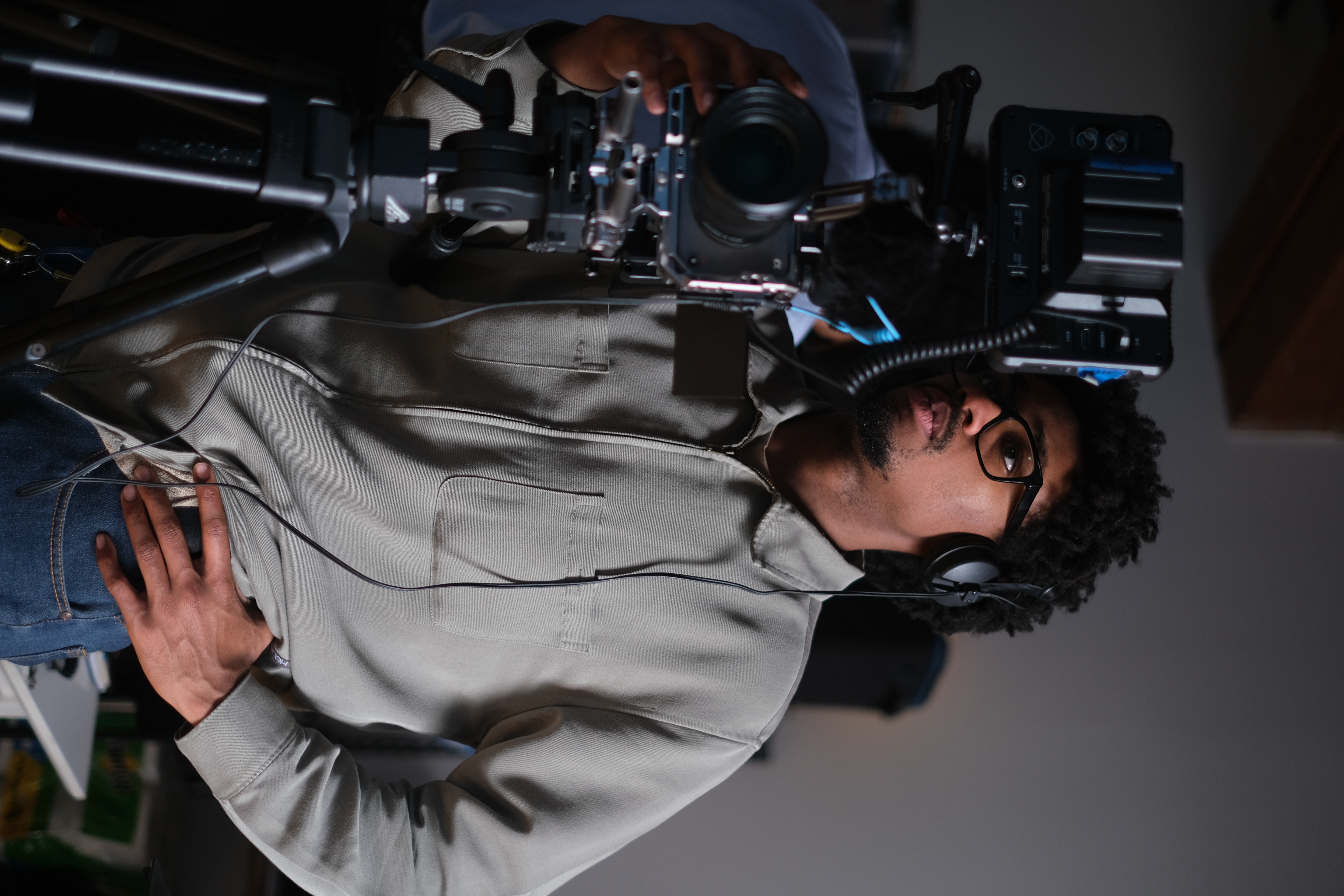 Vince Brown - Cinematographer
Vincent Brown is a visual artist based on the South Side of Chicago. As a cinematographer, he believes that representation is everything, striving to set the narrative straight. Building community and creating authentic stories is truly his passion.
Current Team
Incentives
- The Story
- Wishlist
- Updates
- The Team
- Community
Mission Statement
The Story
The Night The Stars Fell (2026)
Logline: Based on a true story from Harriet Tubman’s childhood, an enslaved 12-year-old girl and her younger brother sneak away from the plantation to visit their mother, guided by the stars, until they witness those same stars fall from the sky, heralding Judgement Day.
This film is based on the childhood recollections of Harriet Tubman and the accounts of other enslaved folk during the 1833 Leonid Meteor Shower. Many, including white slave owners, thought that Judgement Day had come, inspiring fear, awe, and ugly truths to bubble to the surface. Through the lens of poetic social realism, the film reveals this night of falling stars as a formative moment in Tubman's youth.
Rather than focus on Harriet's legacy as an adult, this film will serve as a glimpse into her rarely explored childhood, speculating the influence of this cosmic event along with her own visions, spiritual beliefs, and connection to the natural world.
This campaign is currently the starting point of our production as we would like to begin with opening funds for pre-production. Throughout 2026, you will see various efforts of crowdfunding, which include milestone fundraising campaigns, grants, sponsorships, and more. Our total goal is to raise $50,000 for the film's entirety.
On November 12th, 1833, the Leonid Meteor Shower lit up the night skies across North America. Thousands of people watched in awe and terror. Many believed it to be Judgement Day. In some accounts, white slave owners confessed where they had sold the loved ones of their slaves in a desperate attempt for salvation. This story is based on the accounts of enslaved folk who have passed down their stories of that night. Many of these accounts are detailed in the 1930's Slave Narratives Project, which was a series of interviews conducted with over 2000 former slaves across the American South.
The Underground Railroad (2021)
Araminta “Minty” Ross and her brother Ben Jr. sneak away from their plantation to visit their mother, Ritty, using their father’s teachings to navigate via the night sky. When they arrive, the kids fawn over their baby brother Moses. Ben asks about their father, wondering if he’d been sold off like their older sisters. Minty tries to remember them, but they are a blur.
Minty recounts a dream in which she flew away, but fell into a rushing river before being saved by a black angel. Ritty comforts her, telling her to let that dream carry her, then replies with her own memories of Modesty, Minty’s grandmother that was brought from Africa on one of the first slave ships. Ritty tells her children the importance of memory and the power that it has to shape the world around us.
Minty asks what Modesty’s original name was, but before Ritty answers, Ben alerts them to lights outside the cabin. They blow out the candles and hide. Ben looks out the window and sees the stars falling from the sky. Ritty sends them back home, fearing that even Judgement Day won’t shield them from punishment.
Back at the plantation, Minty witnesses her master, Edward Brodess, confessing to his slaves where their loved ones were sent. Grace, a young mother, is horrified to learn her husband was sent South to Natchez. Tabitha, the root doctor, curses Brodess in anguish when she is told her twins died some time ago. Mars, a young man, lashes out when he discovers that his wife is a house slave for a man who lusts for her. He threatens to beat Brodess, but is stopped by Grace and Minty, who fear that Mars would hang, and the rest would be sold south.
Brodess finally approaches Minty, groveling before her. He doesn’t know where her sisters are. South, somewhere. Minty responds that they are not gone because she remembers them. In a flash, we see the memory of her sisters in full clarity. With the power of that memory, she takes flight, just like in her dream. With her she takes Ben and the other enslaved folk into the night sky towards the North Star.
The Electric Transition (2022)
Remember when Harriet Tubman was supposed to be on the $20 bill? Remember when the National Parks Service temporarily removed her from their Underground Railroad webpage, only restoring her after public outcry? In a time when Black History is actively under threat of being erased or changed, stories like The Night the Stars Fell feel more urgent than ever. This film investigates the power of both personal and collective memory and asks: What have we chosen to forget, and what will we choose to remember? I'm choosing to remember Ms. Tubman's story.
In a time when Black History is actively under threat of being erased or changed, stories like The Night the Stars Fell feel more urgent than ever. This film investigates the power of both personal and collective memory and asks
What have we chosen to forget, and what will we choose to remember?
Mood Board by Director Corey Joon Clark
The target audience for this film is Black viewers, ages 18-35, especially with an interest in history or spirituality. Its poetic tone and lyrical structure would resonate with audiences of films like Moonlight (2016), The Underground Railroad (2021), and Nickel Boys (2024).
We'd love for this film to be more than just a film but rather an experience. We want people to fall into the world of the story as if they were there to tell it. It's not just about watching history, it's' about taking historical moments and amplifying them. This is largely why for our fundraising efforts, we want to focus on different approach that not only aligns with our mission and purpose, but also curates an opportunity for others to see this story through a different lens.
Our full goal is to raise a total of $50,000 for the entire project, but we plan to do this over time in an effort to build an audience and also spread awareness about the film. We are aiming to shoot in 2027, which gives us time to acquire funding through various stages of crowdfunding. Your support would mean the world to us as we set out on our journey to tell this story. As filmmakers, our goal is to create narratives that not only educate our audience but also invite them in the form of a call to action to be a part of history. By spreading the word, donating, and supporting our filmmaking endeavors, you get a front row seat to our production.
Wishlist
Use the WishList to Pledge cash and Loan items - or - Make a pledge by selecting an Incentive directly.
Casting
Costs $500
We would like to make sure our cast is well prepared and able to perform, given that this film takes place in history.
Locations & Travel
Costs $500
We are filming outside of Chicago, and will need to travel and choose locations that depict the time period of the story.
Lighting Equipment
Costs $500
We'd like to start gaining funds to help us choose the best lighting options since a lot of scenes take place at night.
Camera Department
Costs $500
We need the camera equipment to make sure the visuals accurately depict our story.
Production Office
Costs $1,000
This will be needed for any legal documents, scheduling, down payments, and permits. This also includes test shoots.
Cash Pledge
Costs $0
Direct link:
Share this update!
About This Team
Corey Joon Clark - Writer/Director/Producer
Corey Joon Clark is a Black-Korean director, cinematographer, and photographer based in Chicago. He graduated with a Bachelor’s Degree in filmmaking from Columbia College Chicago in 2023. With an ever-evolving love for all visual art mediums, he has garnered a unique taste that heavily informs the images he uses to tell stories. With his surreal, eye-catching, and sometimes playful imagery, he aims to challenge viewers and invite them to see the world through a different lens.
hiloh Tumo Washington - Producer
Shiloh Tumo Washington is a multidisciplinary experimental storyteller from Chicago. Primarily working in film, Shiloh builds disruptive narratives and counternarratives that reimagine our collective histories through his independent art house, Tumo Works.
Active as a filmmaker and historian since he was 14 years old, Shiloh has developed a unique approach that incorporates available and imagined material to curate cathartic cinematic experiences. His recent works include a loose adaptation of James Baldwin (Brother, Where Are You?); a liminal dive into the romantic history of his parents (One For My Baby); or the confrontational living archive of a 1960s jazz personality (Bailey’s Blues)—which is currently on the festival circuit after premiering at the Chicago International Film Festival this past Fall.
Shiloh is currently working towards a 2027 production of his first feature film, A Terrible Sound—the live pitch of which landed him the CIX: Lab Pitch Prize at the Chicago International Film Festival, valued at over $200,000 to jumpstart the project. In the meantime, he continues to work on short form projects as a Director, Producer, Casting Director, and Editor.
Shiloh is a recent recipient of the Illinois Arts Council’s Creative Accelerator grant, a current Arts Club of Chicago Fellow as well as a Founding Organizer of the South Side Artists’ Coalition. He is based on the South Side of Chicago.
Ahsha M Davis - Producer
Ahsha Davis is filmmaker, producer, and radio podcaster who is native of Detroit, MI. She received her Bachelor of Applied Arts in Broadcasting and Cinematic Arts with a double minor in Spanish and Communications from Central Michigan University where she began her media career working in radio, news, television, film. Her love for media began in 2015 where she worked at WMHW- FM radio station on the News Production team. She then transitioned to the Program Director of a Hip Hop Station and served in that role for 3 years.
Ahsha quickly transitioned into the Film and Television industry and is currently a producer helping with the development of stories. Ahsha received her Master of Arts in Electronic Media Studies from Central Michigan where she focused on researching the Emotional Effects of Film through Marvel Cinematic Universe and plans to continue research in the area. She recently graduated with her second masters from Columbia College Chicago in Film and Television Producing. Ahsha truly enjoys being a TV and Film producer and hopes to own her own production company to help young filmmakers achieve their dreams.
Vince Brown - Cinematographer
Vincent Brown is a visual artist based on the South Side of Chicago. As a cinematographer, he believes that representation is everything, striving to set the narrative straight. Building community and creating authentic stories is truly his passion.