The Seventh Valley
Austin, Texas | Film Short
Drama, LGBTQ
With her Green Card in reach and Tehran under fire, an Iranian immigrant must decide: her future in America or saving her mother in Iran.
The Seventh Valley
Austin, Texas | Film Short
Drama, LGBTQ

1 Campaigns | Texas, United States
31 supporters | followers
Enter the amount you would like to pledge
$6,390
Goal: $12,250 for production
With her Green Card in reach and Tehran under fire, an Iranian immigrant must decide: her future in America or saving her mother in Iran.
About The Project


- The Story
- Wishlist
- Updates
- The Team
- Community
Mission Statement
The Story
"Those tempered by pain know: self-loss is the first step, and after it, nothing remains."
- Attar, The Conference of the Birds
𓅪
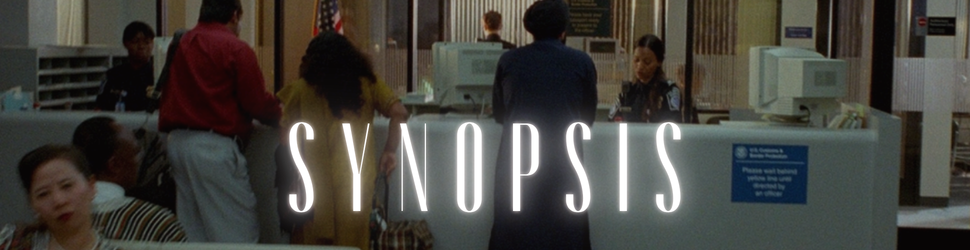
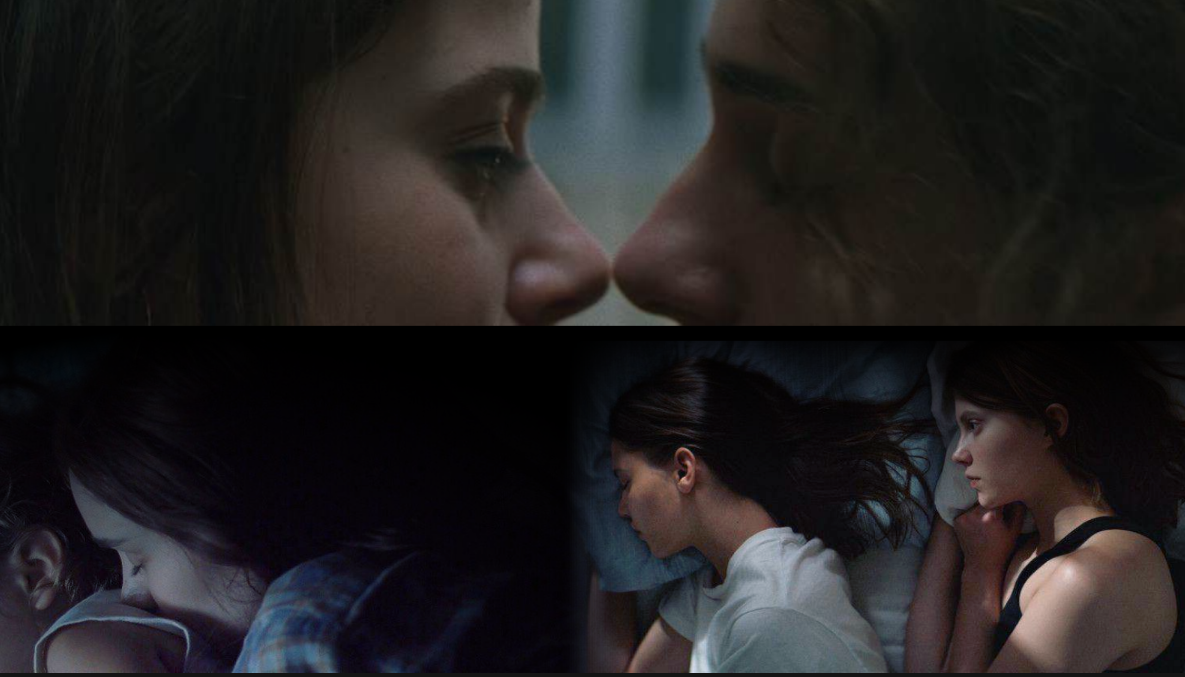
Rooted in the Persian myth of the Simorgh — a story of transformation through sacrifice — The Seventh Valley follows Homa, a queer Iranian architect in the U.S., who is finally on the verge of receiving her green card after seven years of separation from home. For the first time, her life feels stable. Her career is rising, she shares a life with her girlfriend, Ella, and the future she fought for is finally within reach.
Then, war breaks out in Iran.
Her mother, alone in Tehran as the city becomes a target of escalating attacks, refuses to leave. As communication grows more fragile, Homa is pulled into an emotional collapse across borders — trapped between the life she has built in the U.S. and the life she cannot protect in Iran.
When an internet blackout cuts her off completely, silence becomes its own kind of violence. With no way to reach her mother and no certainty left to hold onto, Homa is forced toward an impossible decision:
Stay and secure her future, or return home and risk losing everything — her status, her career, and the woman she loves.
Across the world, immigration is becoming more hostile. Within that landscape, Iranian immigrants face some of the most complex immigration hurdles in the United States. Years of single-entry visas, travel restrictions, and sudden freezes in case processing have left many trapped in prolonged uncertainty.
For many Iranians, even temporary travel outside the United States can jeopardize their ability to return. As a result, many spend years unable to see their families, attend funerals, or return home during emergencies, fearing that leaving the country could permanently disrupt their education, careers, and lives.
A single regulatory shift can undo years of stability overnight, and already has for many.
Queer Iranians, especially women, are under even more pressure. Their identity puts them at risk in Iran, and rising anti-immigrant and anti-queer sentiment in the U.S. means safety isn’t guaranteed on this side either. Yet despite how many people are living under these conditions, their stories are almost absent from cinema.
The Seventh Valley exists to fill that void. Homa’s journey reflects the psychological weight of displacement of all these groups, the constant instability, the pressure to adapt, and the quiet work of holding yourself together when every external structure makes that harder.
𓅪
“The dwellers in Paradise know that the first thing they must give up is their heart.”
- Attar, The Conference of the Birds
𓅪
I was detained by the morality police for improper hijab. In that room, I looked out through a barred window and saw a flock of birds. I remember feeling envy so sharp it surprised me.
I want to live somewhere I can be free, I thought.
That was the first day I knew I would leave Iran. Years later, I did. When I moved to the United States, everything felt open, like I had finally stepped outside the walls.
But I slowly learned that leaving one cage can mean entering another.
When my visa expired, I realized I couldn’t leave the U.S. without risking not being able to return. That truth reshaped everything. I wasn’t just an immigrant. I was Iranian, and suddenly that identity came with new kinds of limits.
Last summer, everything broke open at once. My father nearly died in an accident, and a week later, war erupted in Iran. My life split in two. In one reality, I went to work, answered emails, and tried to keep moving forward. In the other, I refreshed news feeds and waited for messages that might tell me my family and friends were still alive. This is what it means to live in-between. Smiling in one language and screaming in another.
That fracture became the beginning of this film and the origin of Homa.
Homa carries the same disconnection: queer in a place where that can cost you your family, and an immigrant in another where survival comes with its own quiet restrictions. She is caught between two worlds—one she cannot return to, and one she cannot fully claim.
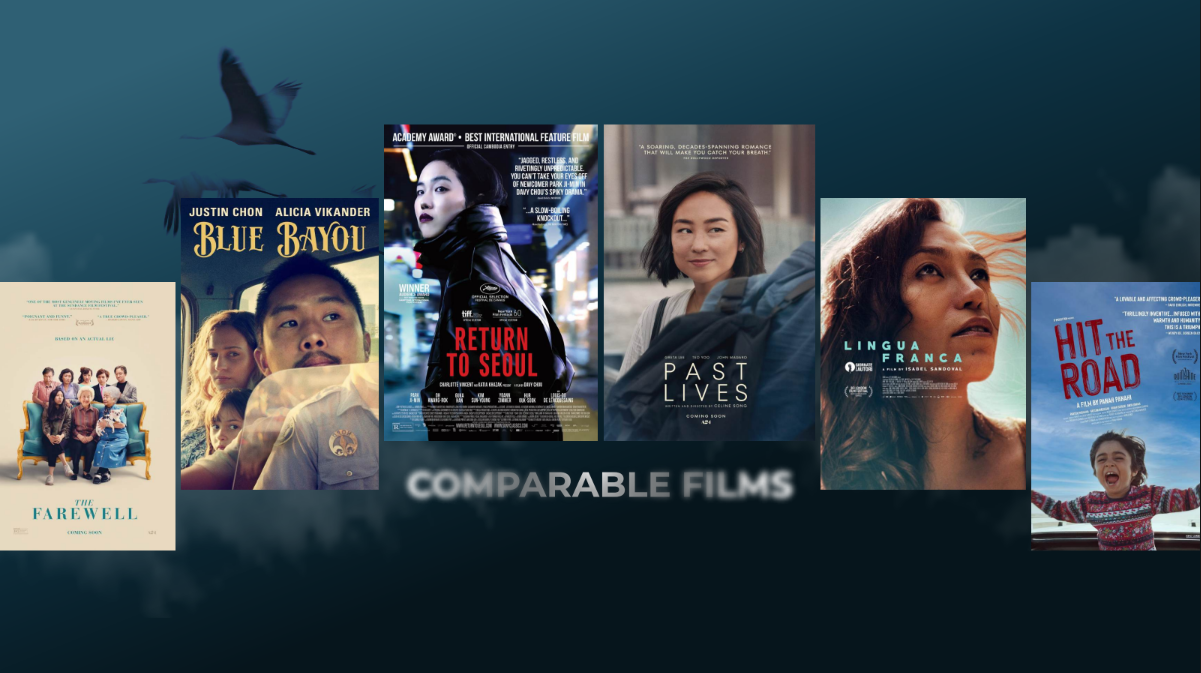
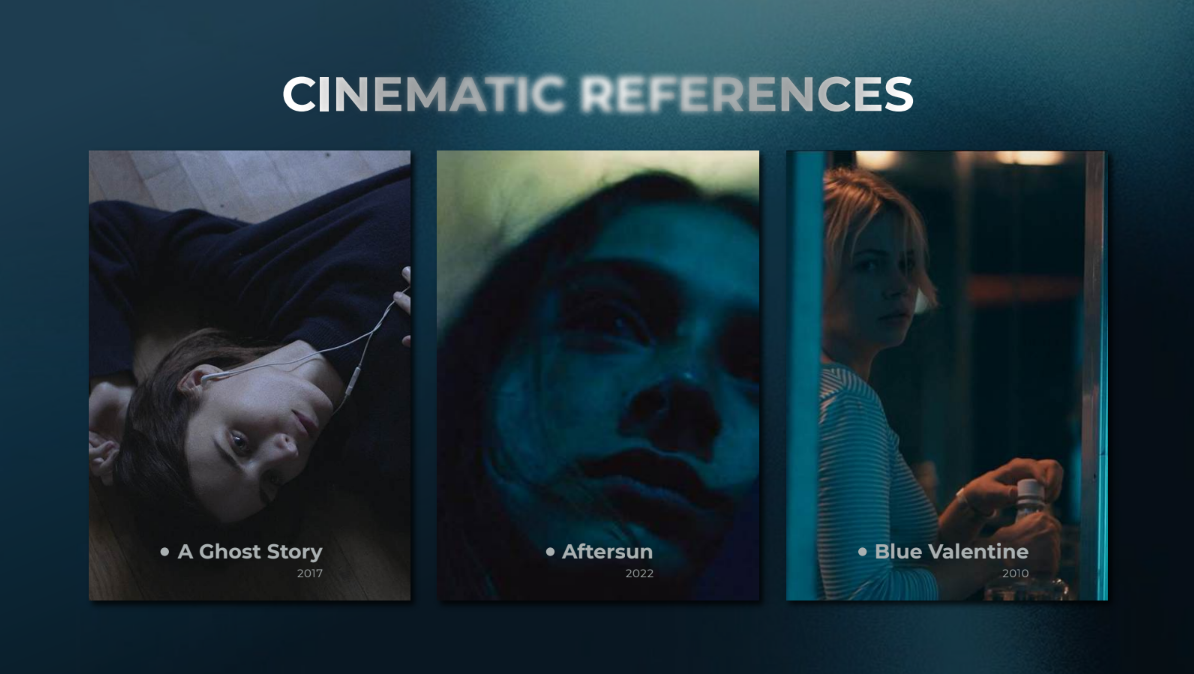
I began to see her journey through Attar’s Conference of the Birds, where birds cross valleys of loss and surrender until they are forced to confront what remains of themselves. At its core, this film asks:
How do you find yourself after losing pieces of your identity in every world you’ve tried to belong to?
This story belongs to anyone who has lived in-between—anyone who has left one life behind only to realize they are still searching for themselves in the next.
As Attar wrote:
“What they sought was the one who sought.”
𓅪
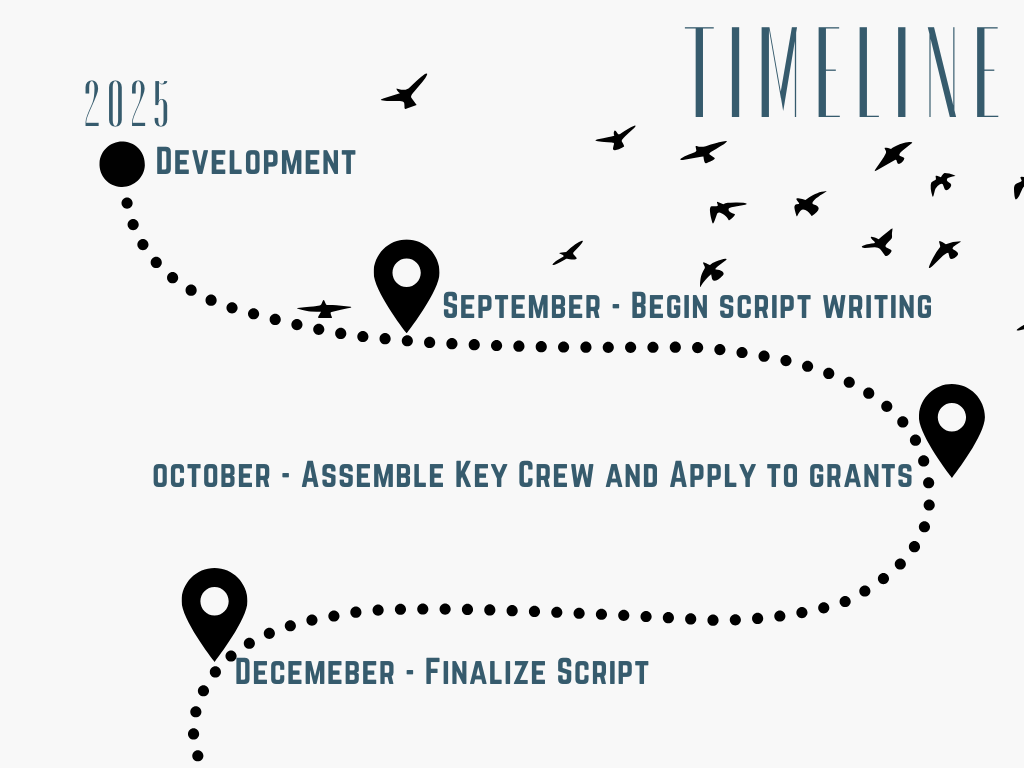
The following is a detailed production timeline outlining all stages of development, pre-production, production, post, and festival strategy for Seventh Valley from Fall 2025 through Summer 2027.
.png)
.png)
Festival & Distribution Goals
Following completion in 2027, The Seventh Valley will begin a festival run focused on independent, international, queer, and Southwest Asia and North Africa (SWANA) centered festivals. Our goal is to connect the film with audiences who resonate with its themes of migration, identity, distance, and belonging. Our premiere strategy includes submissions to major festivals such as Sundance Film Festival, SXSW, and Berlin International Film Festival, alongside leading short film festivals and culturally aligned programs that champion queer, international, and SWANA storytelling.
As an Austin-based production, we are especially excited about opportunities to engage local audiences while also building an international festival presence for the film. Beyond festivals, our long-term goal is to create opportunities for community screenings, academic conversations, and broader digital access for audiences who see themselves reflected in the story.
Audience & Outreach Strategy
The Seventh Valley is rooted in themes of identity, migration, love, and belonging. Our outreach strategy focuses first on the communities most directly connected to those experiences, then expands outward through artistic, academic, and cultural networks.
- Iranian & SWANA Diaspora
- Our primary audience is Iranians living between Iran and the United States, including both first-generation immigrants and those raised in the diaspora. Through community outreach, personal networks, and culturally focused online spaces, we hope to connect with audiences who see their own experiences reflected in the emotional and cultural landscape of the film.
- Queer & Art-House Audiences
- At the center of the film is a queer relationship shaped by immigration systems and cultural expectations. With its intimate storytelling and visual style, The Seventh Valley is designed to resonate with audiences drawn to independent, international, and character-driven cinema. We plan to reach these viewers through filmmaker communities and online spaces centered around queer and art-house film culture.
- Academic & Social Impact Communities
- At its core, the film examines the emotional impact of immigration systems on everyday lives and relationships. We aim to engage university communities, student organizations, and advocacy spaces that value storytelling as a way to humanize larger conversations around identity.
Throughout the campaign, we will focus heavily on direct outreach, shareable visual content, and community engagement to build early momentum and create lasting support for the film beyond crowdfunding.
Budget Breakdown
The Seventh Valley is a community-driven independent short film built by a team of filmmakers committed to telling stories of displacement, identity, and the emotional reality of living between worlds.
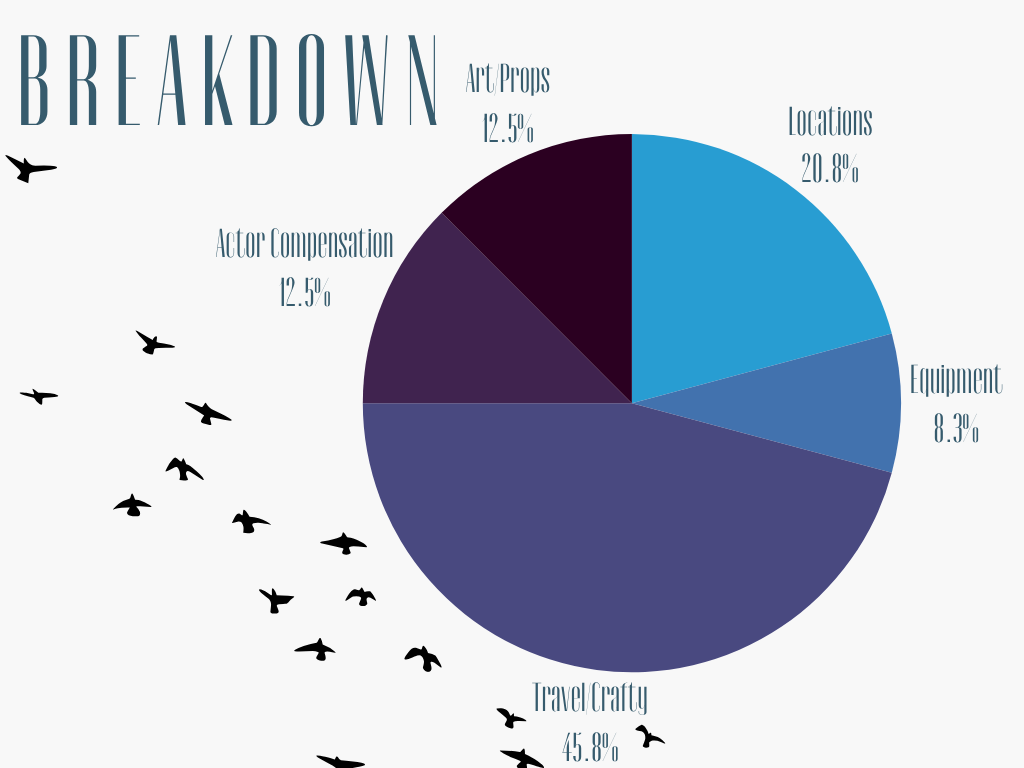
This campaign closes the remaining production gap needed to bring the film into principal photography at a professional standard—supporting both the scale of its locations and the emotional intimacy of its performances.
Your support directly funds every part of production, including:
- Locations
- Art, Props & Wardrobe
- Equipment & Film Logistics
- Production Costs
- Actor compensation
Every dollar is allocated toward building a safe, ethical, and fully supported set for our cast and crew, ensuring we can tell this story with the care it demands.
If you believe in The Seventh Valley and want to help us bring Homa’s story to life, here’s how you can support us:
- Pledge today — every contribution directly supports the film, no matter the size
- Follow our Seed&Spark campaign to stay updated throughout production
- Share the campaign with friends, family, and communities who connect with stories about identity, immigration, and belonging
- Attend events and profit shares — local supporters can join us at pop-ups and community events throughout the campaign.
- Follow our social media for behind-the-scenes updates, production progress, and campaign announcements
- Comment, repost, and engage — every interaction helps expand the film’s reach and keeps the momentum going
Independent films are built through community, and every share, contribution, and conversation helps move The Seventh Valley forward.
Wishlist
Use the WishList to Pledge cash and Loan items - or - Make a pledge by selecting an Incentive directly.
Simorgh (VFX)
Costs $1,000
Visual effects and cinematic imagery used to bring the Simorgh, the film’s central metaphor, to life on screen.
Wardrobe and Set Dressing
Costs $750
Help shape the visual texture of the film through costumes, props, and lived-in spaces that reflect Homa’s world.
Homa’s Home
Costs $1,000
Support one of the film’s central home locations, where much of Homa’s emotional journey unfolds.
Airport Terminal
Costs $1,000
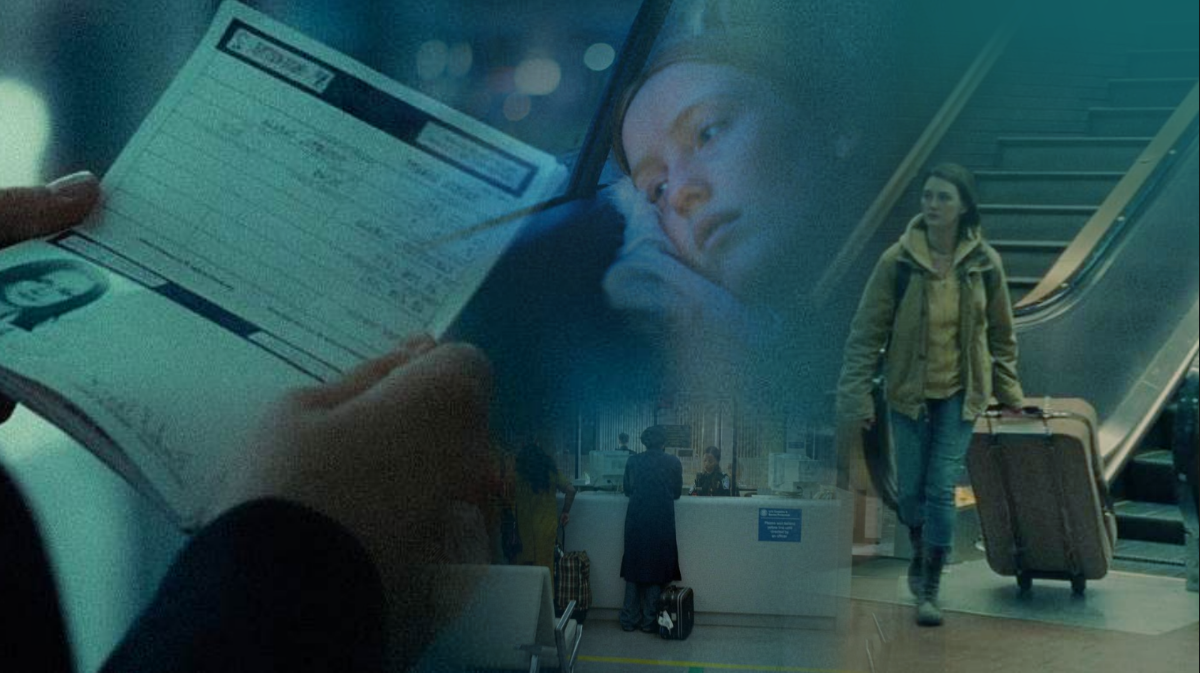
Help us secure the airport terminal where one of the film’s key scenes takes place, capturing the uncertainty surrounding Homa’s situation.
Mia's House
Costs $500
Support a large renovated home that serves as an important setting within the story.
Visual Language
Costs $1,000
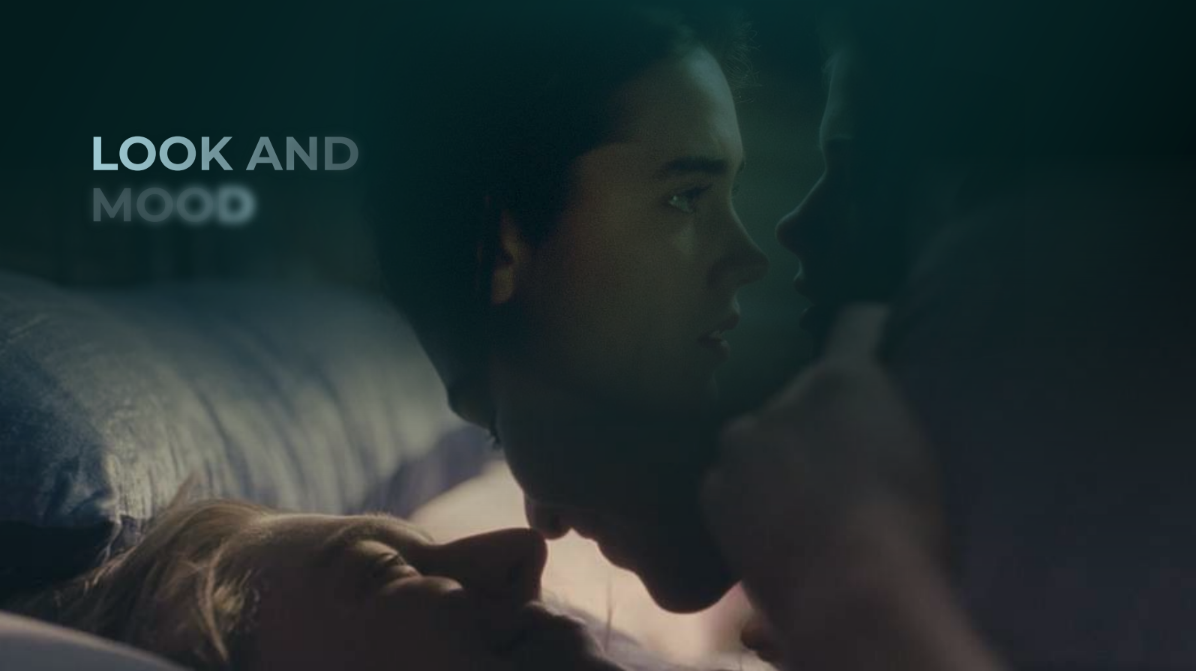
Lighting, grip, and specialty production equipment needed to create the film’s atmospheric visual world.
Travel & Airfare
Costs $3,000
Covers round-trip flights and lodging for our out-of-state principal cast, as well as regional transit costs for filming outside Austin.
Catering & Crafty
Costs $2,500
Provides meals, snacks, and on-set refreshments to keep cast and crew energized throughout production.
Actor Compensation
Costs $1,500
Covers actor compensation and daily per diems throughout filming.


Direct link:
Share this update!
About This Team
 Writer/Director - Mahtab Rezayi
Mahtab Rezayi is an Iranian filmmaker whose work explores displacement, belonging, and the inner lives of women navigating political and cultural boundaries. Her documentary Pretty has screened internationally and received a nomination at the Festival del Cinema di Cefalù. She is an MFA candidate in Film Production at the University of Texas at Austin and a recipient of the Outstanding Research Fellowship.
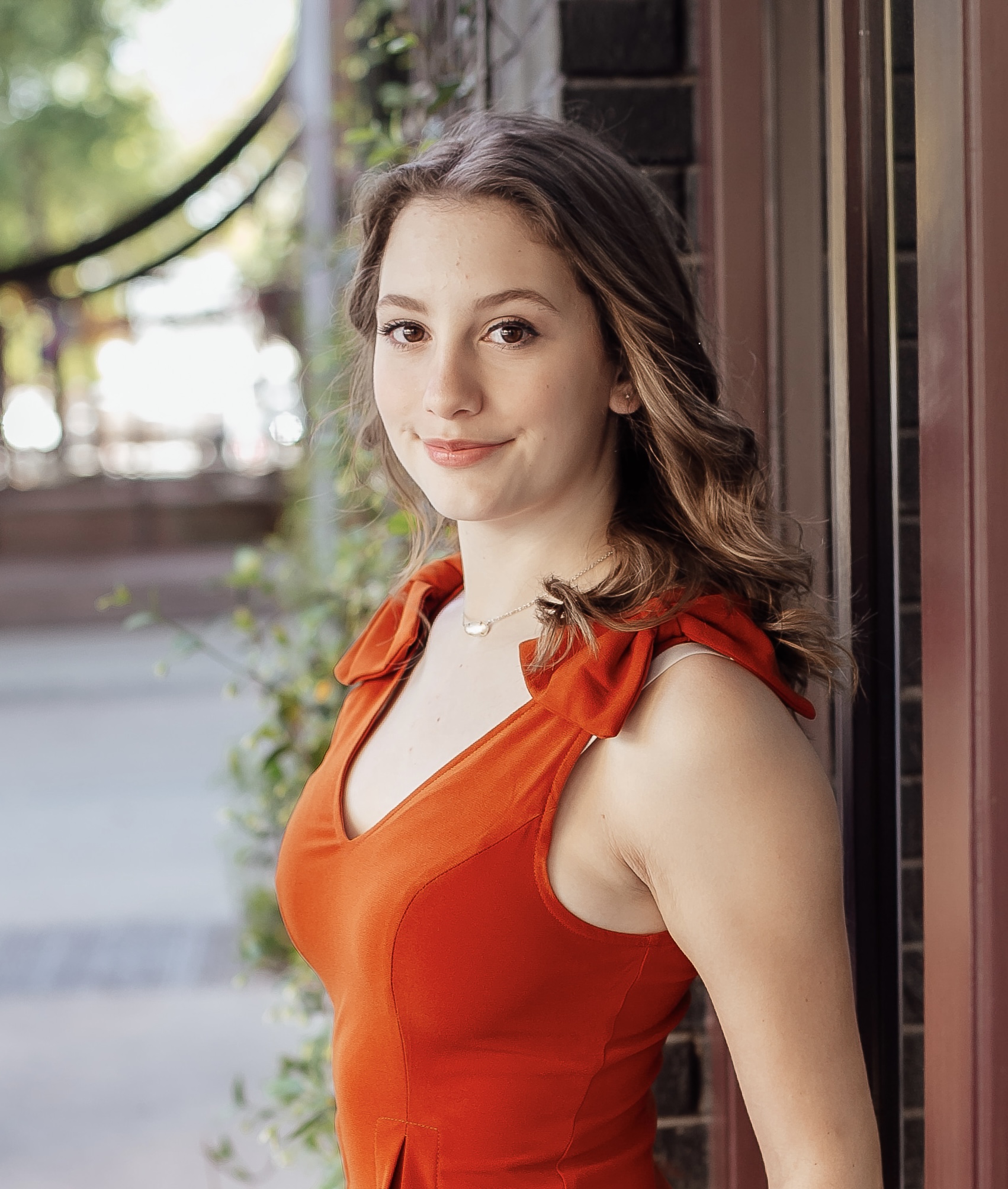
Producer - Jacquelyn Nevarez
Jacquelyn Nevarez is a producer working across narrative film, music videos, and commercial projects. Her producing work includes the West 22nd music video Laugh It Off, nominated for the Hollywood VMAs Hot Picks of 2025. With a background in business and law, she specializes in budgeting, contracts, and production logistics. She has contributed to development at Roddenberry Entertainment and Rideback Rise, focusing on character-driven and underrepresented stories.

Producer - Briera Walker
Briera Walker is a Houston-based filmmaker and producer currently in her third year as a Radio-Television-Film student at the University of Texas at Austin, where she also minors in African and African Diaspora Studies. She is committed to highlighting BIPOC, Queer, and underrepresented narratives with the intention of uplifting the communities that have poured into her.
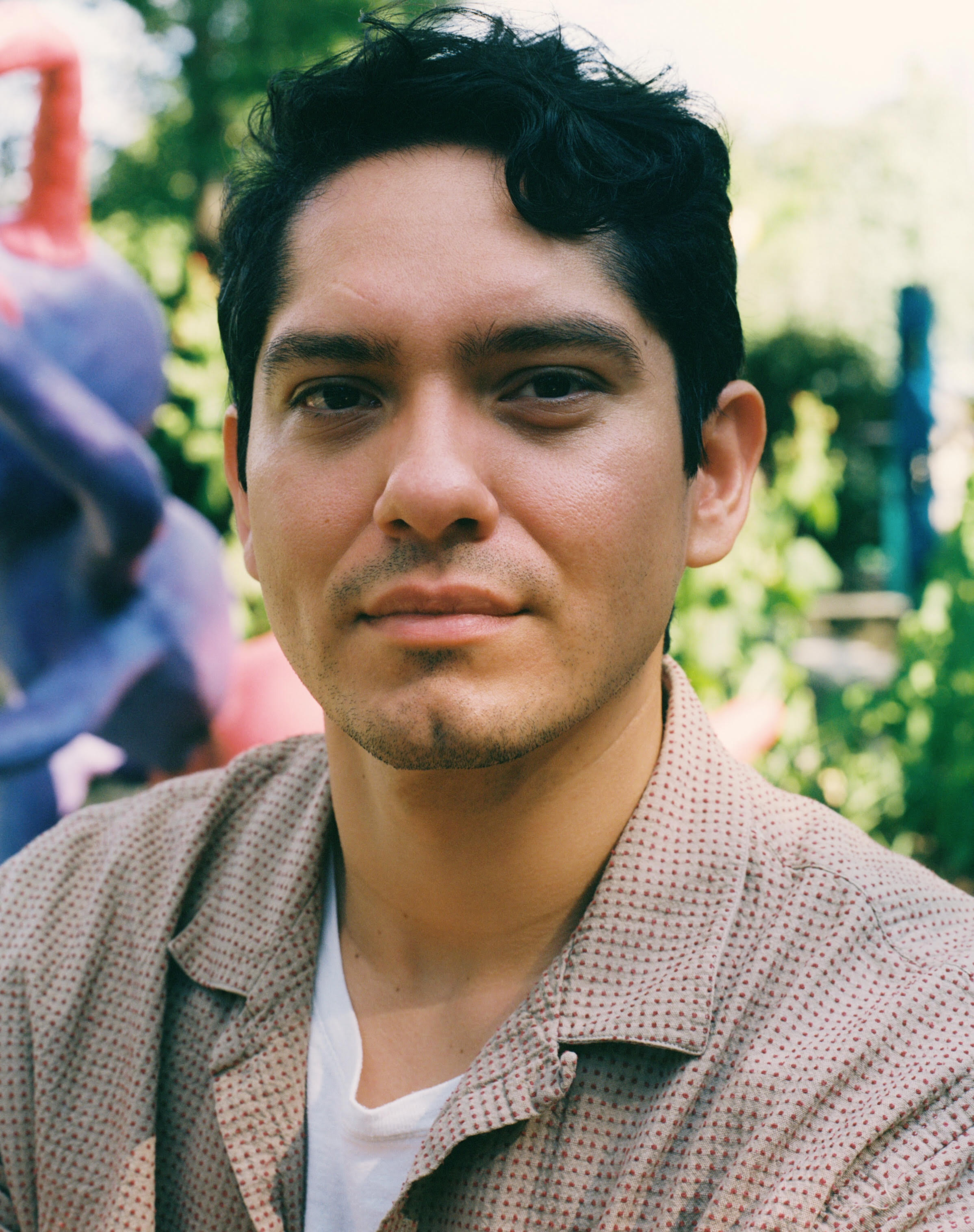
Cinematographer - Carlos Estrada
Carlos Estrada is a Mexican-American cinematographer based in Austin, Texas. His cinematography on El Fantasma earned a nomination for the ASC Heritage Award, and his work has screened at SXSW, EnergaCAMERIMAGE, Palm Springs International ShortFest, and the New York Latino Film Festival. His projects have also been featured on PBS and NPR. His directorial debut, Green Water, received support from the Austin Film Society and is featured on Short of the Week.
Current Team
Incentives
- The Story
- Wishlist
- Updates
- The Team
- Community
Mission Statement
The Story
"Those tempered by pain know: self-loss is the first step, and after it, nothing remains."
- Attar, The Conference of the Birds
𓅪
Rooted in the Persian myth of the Simorgh — a story of transformation through sacrifice — The Seventh Valley follows Homa, a queer Iranian architect in the U.S., who is finally on the verge of receiving her green card after seven years of separation from home. For the first time, her life feels stable. Her career is rising, she shares a life with her girlfriend, Ella, and the future she fought for is finally within reach.
Then, war breaks out in Iran.
Her mother, alone in Tehran as the city becomes a target of escalating attacks, refuses to leave. As communication grows more fragile, Homa is pulled into an emotional collapse across borders — trapped between the life she has built in the U.S. and the life she cannot protect in Iran.
When an internet blackout cuts her off completely, silence becomes its own kind of violence. With no way to reach her mother and no certainty left to hold onto, Homa is forced toward an impossible decision:
Stay and secure her future, or return home and risk losing everything — her status, her career, and the woman she loves.
Across the world, immigration is becoming more hostile. Within that landscape, Iranian immigrants face some of the most complex immigration hurdles in the United States. Years of single-entry visas, travel restrictions, and sudden freezes in case processing have left many trapped in prolonged uncertainty.
For many Iranians, even temporary travel outside the United States can jeopardize their ability to return. As a result, many spend years unable to see their families, attend funerals, or return home during emergencies, fearing that leaving the country could permanently disrupt their education, careers, and lives.
A single regulatory shift can undo years of stability overnight, and already has for many.
Queer Iranians, especially women, are under even more pressure. Their identity puts them at risk in Iran, and rising anti-immigrant and anti-queer sentiment in the U.S. means safety isn’t guaranteed on this side either. Yet despite how many people are living under these conditions, their stories are almost absent from cinema.
The Seventh Valley exists to fill that void. Homa’s journey reflects the psychological weight of displacement of all these groups, the constant instability, the pressure to adapt, and the quiet work of holding yourself together when every external structure makes that harder.
𓅪
“The dwellers in Paradise know that the first thing they must give up is their heart.”
- Attar, The Conference of the Birds
𓅪
I was detained by the morality police for improper hijab. In that room, I looked out through a barred window and saw a flock of birds. I remember feeling envy so sharp it surprised me.
I want to live somewhere I can be free, I thought.
That was the first day I knew I would leave Iran. Years later, I did. When I moved to the United States, everything felt open, like I had finally stepped outside the walls.
But I slowly learned that leaving one cage can mean entering another.
When my visa expired, I realized I couldn’t leave the U.S. without risking not being able to return. That truth reshaped everything. I wasn’t just an immigrant. I was Iranian, and suddenly that identity came with new kinds of limits.
Last summer, everything broke open at once. My father nearly died in an accident, and a week later, war erupted in Iran. My life split in two. In one reality, I went to work, answered emails, and tried to keep moving forward. In the other, I refreshed news feeds and waited for messages that might tell me my family and friends were still alive. This is what it means to live in-between. Smiling in one language and screaming in another.
That fracture became the beginning of this film and the origin of Homa.
Homa carries the same disconnection: queer in a place where that can cost you your family, and an immigrant in another where survival comes with its own quiet restrictions. She is caught between two worlds—one she cannot return to, and one she cannot fully claim.
I began to see her journey through Attar’s Conference of the Birds, where birds cross valleys of loss and surrender until they are forced to confront what remains of themselves. At its core, this film asks:
How do you find yourself after losing pieces of your identity in every world you’ve tried to belong to?
This story belongs to anyone who has lived in-between—anyone who has left one life behind only to realize they are still searching for themselves in the next.
As Attar wrote:
“What they sought was the one who sought.”
𓅪
The following is a detailed production timeline outlining all stages of development, pre-production, production, post, and festival strategy for Seventh Valley from Fall 2025 through Summer 2027.
Festival & Distribution Goals
Following completion in 2027, The Seventh Valley will begin a festival run focused on independent, international, queer, and Southwest Asia and North Africa (SWANA) centered festivals. Our goal is to connect the film with audiences who resonate with its themes of migration, identity, distance, and belonging. Our premiere strategy includes submissions to major festivals such as Sundance Film Festival, SXSW, and Berlin International Film Festival, alongside leading short film festivals and culturally aligned programs that champion queer, international, and SWANA storytelling.
As an Austin-based production, we are especially excited about opportunities to engage local audiences while also building an international festival presence for the film. Beyond festivals, our long-term goal is to create opportunities for community screenings, academic conversations, and broader digital access for audiences who see themselves reflected in the story.
Audience & Outreach Strategy
The Seventh Valley is rooted in themes of identity, migration, love, and belonging. Our outreach strategy focuses first on the communities most directly connected to those experiences, then expands outward through artistic, academic, and cultural networks.
- Iranian & SWANA Diaspora
- Our primary audience is Iranians living between Iran and the United States, including both first-generation immigrants and those raised in the diaspora. Through community outreach, personal networks, and culturally focused online spaces, we hope to connect with audiences who see their own experiences reflected in the emotional and cultural landscape of the film.
- Queer & Art-House Audiences
- At the center of the film is a queer relationship shaped by immigration systems and cultural expectations. With its intimate storytelling and visual style, The Seventh Valley is designed to resonate with audiences drawn to independent, international, and character-driven cinema. We plan to reach these viewers through filmmaker communities and online spaces centered around queer and art-house film culture.
- Academic & Social Impact Communities
- At its core, the film examines the emotional impact of immigration systems on everyday lives and relationships. We aim to engage university communities, student organizations, and advocacy spaces that value storytelling as a way to humanize larger conversations around identity.
Throughout the campaign, we will focus heavily on direct outreach, shareable visual content, and community engagement to build early momentum and create lasting support for the film beyond crowdfunding.
Budget Breakdown
The Seventh Valley is a community-driven independent short film built by a team of filmmakers committed to telling stories of displacement, identity, and the emotional reality of living between worlds.
This campaign closes the remaining production gap needed to bring the film into principal photography at a professional standard—supporting both the scale of its locations and the emotional intimacy of its performances.
Your support directly funds every part of production, including:
- Locations
- Art, Props & Wardrobe
- Equipment & Film Logistics
- Production Costs
- Actor compensation
Every dollar is allocated toward building a safe, ethical, and fully supported set for our cast and crew, ensuring we can tell this story with the care it demands.
If you believe in The Seventh Valley and want to help us bring Homa’s story to life, here’s how you can support us:
- Pledge today — every contribution directly supports the film, no matter the size
- Follow our Seed&Spark campaign to stay updated throughout production
- Share the campaign with friends, family, and communities who connect with stories about identity, immigration, and belonging
- Attend events and profit shares — local supporters can join us at pop-ups and community events throughout the campaign.
- Follow our social media for behind-the-scenes updates, production progress, and campaign announcements
- Comment, repost, and engage — every interaction helps expand the film’s reach and keeps the momentum going
Independent films are built through community, and every share, contribution, and conversation helps move The Seventh Valley forward.
Wishlist
Use the WishList to Pledge cash and Loan items - or - Make a pledge by selecting an Incentive directly.
Simorgh (VFX)
Costs $1,000
Visual effects and cinematic imagery used to bring the Simorgh, the film’s central metaphor, to life on screen.
Wardrobe and Set Dressing
Costs $750
Help shape the visual texture of the film through costumes, props, and lived-in spaces that reflect Homa’s world.
Homa’s Home
Costs $1,000
Support one of the film’s central home locations, where much of Homa’s emotional journey unfolds.
Airport Terminal
Costs $1,000
Help us secure the airport terminal where one of the film’s key scenes takes place, capturing the uncertainty surrounding Homa’s situation.
Mia's House
Costs $500
Support a large renovated home that serves as an important setting within the story.
Visual Language
Costs $1,000
Lighting, grip, and specialty production equipment needed to create the film’s atmospheric visual world.
Travel & Airfare
Costs $3,000
Covers round-trip flights and lodging for our out-of-state principal cast, as well as regional transit costs for filming outside Austin.
Catering & Crafty
Costs $2,500
Provides meals, snacks, and on-set refreshments to keep cast and crew energized throughout production.
Actor Compensation
Costs $1,500
Covers actor compensation and daily per diems throughout filming.
Direct link:
Share this update!
About This Team
Writer/Director - Mahtab Rezayi
Mahtab Rezayi is an Iranian filmmaker whose work explores displacement, belonging, and the inner lives of women navigating political and cultural boundaries. Her documentary Pretty has screened internationally and received a nomination at the Festival del Cinema di Cefalù. She is an MFA candidate in Film Production at the University of Texas at Austin and a recipient of the Outstanding Research Fellowship.
Producer - Jacquelyn Nevarez
Jacquelyn Nevarez is a producer working across narrative film, music videos, and commercial projects. Her producing work includes the West 22nd music video Laugh It Off, nominated for the Hollywood VMAs Hot Picks of 2025. With a background in business and law, she specializes in budgeting, contracts, and production logistics. She has contributed to development at Roddenberry Entertainment and Rideback Rise, focusing on character-driven and underrepresented stories.
Producer - Briera Walker
Briera Walker is a Houston-based filmmaker and producer currently in her third year as a Radio-Television-Film student at the University of Texas at Austin, where she also minors in African and African Diaspora Studies. She is committed to highlighting BIPOC, Queer, and underrepresented narratives with the intention of uplifting the communities that have poured into her.
Cinematographer - Carlos Estrada
Carlos Estrada is a Mexican-American cinematographer based in Austin, Texas. His cinematography on El Fantasma earned a nomination for the ASC Heritage Award, and his work has screened at SXSW, EnergaCAMERIMAGE, Palm Springs International ShortFest, and the New York Latino Film Festival. His projects have also been featured on PBS and NPR. His directorial debut, Green Water, received support from the Austin Film Society and is featured on Short of the Week.