Volver a crecer
Austin, Texas | Film Feature
Documentary, Foreign Film
A filmmaker explores the social expectations for women in Cerro de Pasco, her hometown. Through games, interviews, performances, and by following the adolescence of sisters María and Anghely, she reflects on how society shapes their futures in comparison with the ones she herself experienced.
Volver a crecer
Austin, Texas | Film Feature
Documentary, Foreign Film

1 Campaigns | Texas, United States
Green Light
This campaign raised $5,450 for production phase 2. Follow the filmmaker to receive future updates on this project.
57 supporters | followers
Enter the amount you would like to pledge
A filmmaker explores the social expectations for women in Cerro de Pasco, her hometown. Through games, interviews, performances, and by following the adolescence of sisters María and Anghely, she reflects on how society shapes their futures in comparison with the ones she herself experienced.
About The Project


- The Story
- Wishlist
- Updates
- The Team
- Community
Mission Statement
The Story

A director portrays the teenage years of María and Anghely, two sisters who live in the mining city Cerro de Pasco in Peru. Through games with them, she questions what she learned a woman should be in her own teenage years.

Volver a crecer is a non-fiction feature film set in Cerro de Pasco, a mining city in the highlands of Peru. The film follows sisters María and Anghely as they move through their teenage years, showing their final years of high school. Through them, the film explores how ideas about being a woman—motherhood, marriage, and sacrifice—are taught from a very young age and begin to shape girls’ futures long before they are able to choose for themselves.
As the story unfolds, the director steps into the film not only as a narrator but as a character. She returns to her hometown asking herself a personal question: do I want to be a mother, or do I want to be free to choose something else? Through interviews, games, and staged moments, she searches for an answer that comes from her own desire and not from social expectations. A chorus of adult women appears throughout the film, representing past generations who lived under the same pressures. Together, the film asks what women today are really looking for—and whether imagining a different future is possible.

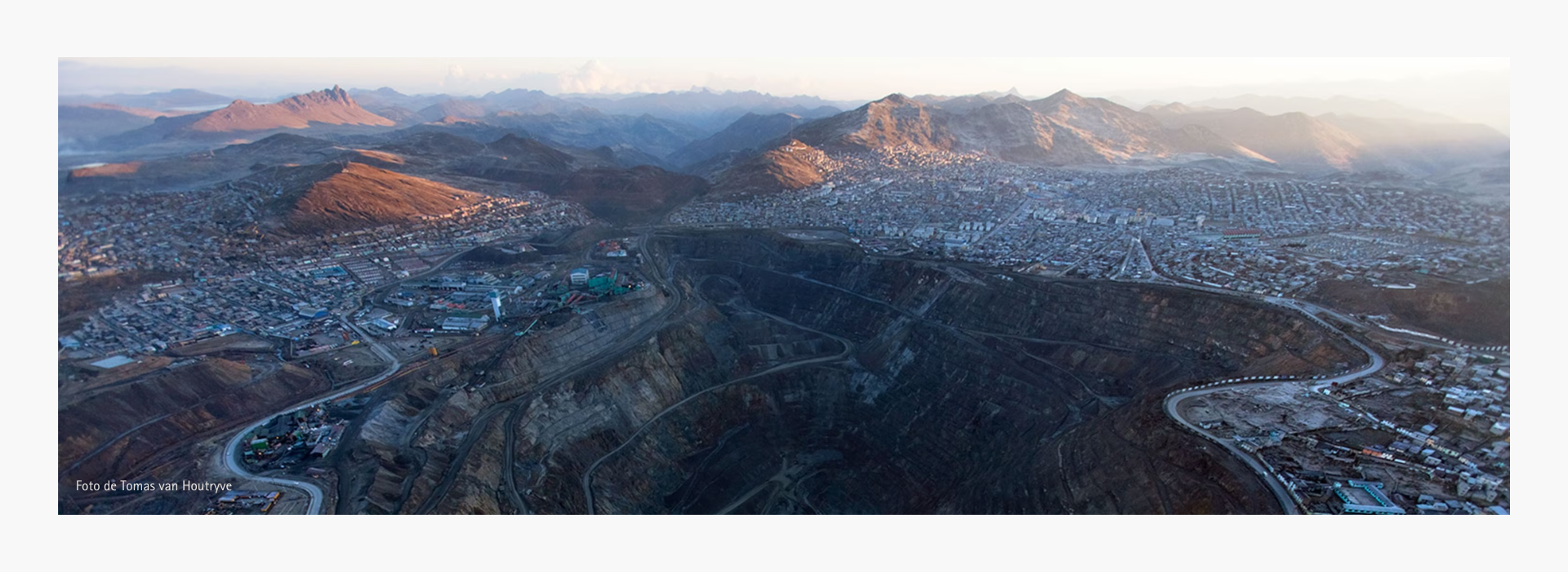
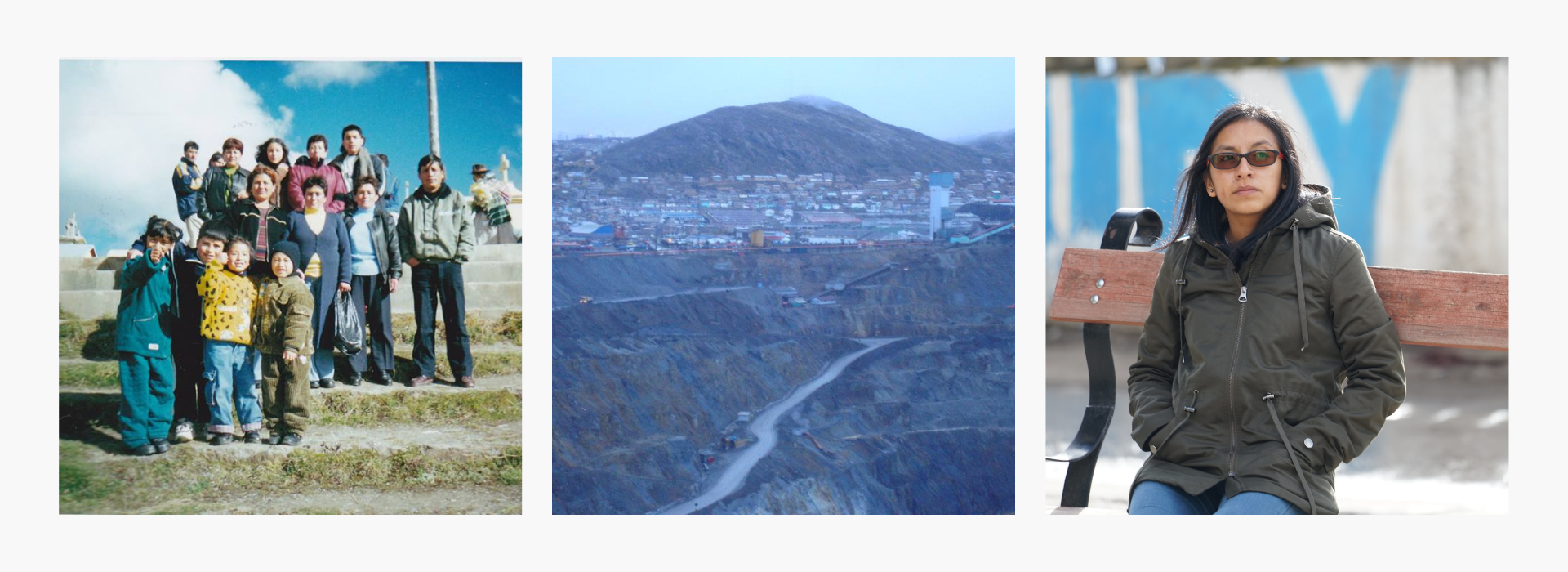
I grew up in Cerro de Pasco -a mining town more than 14,000 feet above sea level, in the central Andes of Peru- until I finished high school. Migrating to Lima, Peru for my studies and later to Texas, United States gave me the distance to rethink my childhood in Cerro de Pasco and to recognize how my environment had shaped my worldview. In both places, I met women from different parts of the world, and I began to question the narrative I had learned about what it means to be a woman.
 When I returned to my hometown in the central highlands of Peru in 2023, I understood more clearly the cultural differences that had shaped me, and I wanted to offer the teenage girls of my city—girls who could have been me—the possibility of imagining different futures. The narrative I bring to the table is one that, based on my own experience, tells women in my city and in Peru that we must be mothers and wives above all else. I want to challenge those limits and show the diversity of possible paths, something I was able to see more clearly once I left my city.
 Finally, I want to tell the story of Cerro de Pasco beyond its mining significance and environmental issues. I want the dreams of the girls and women of this city, 4,380 meters above sea level, to be heard.

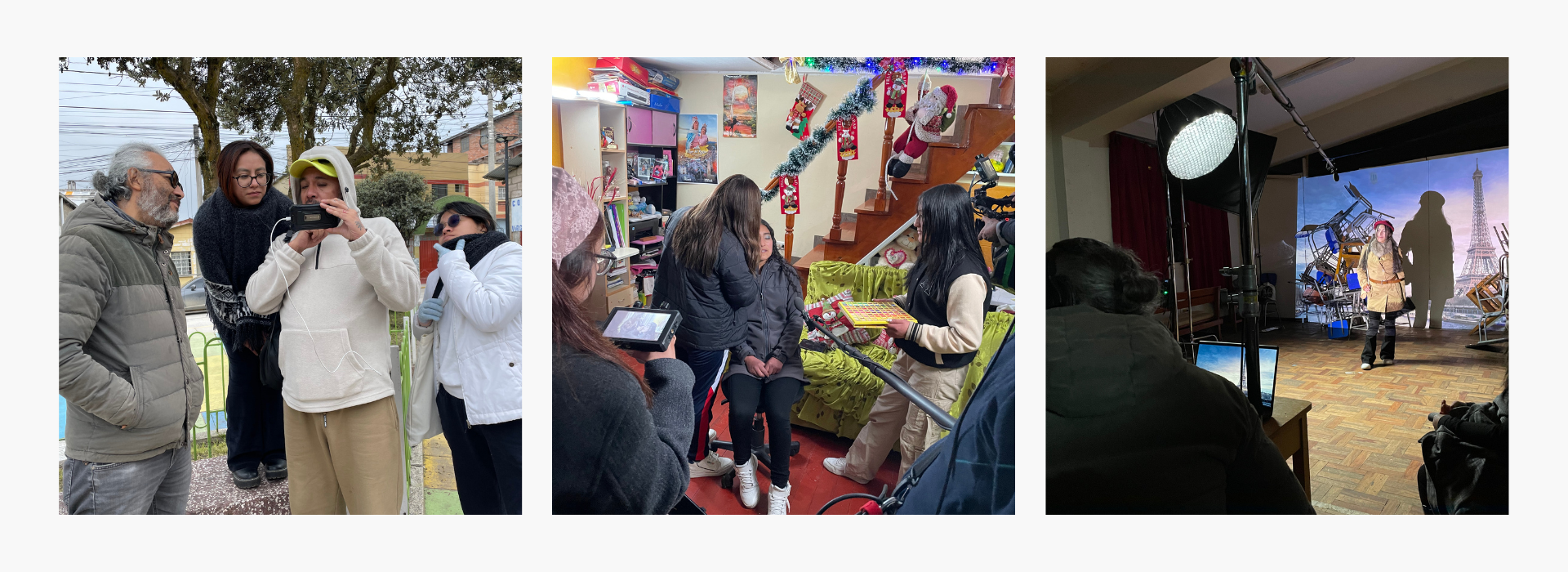
This project is my MFA thesis in Film at the University of Texas at Austin. So far, we managed to make the first trip to Cerro de Pasco with a small crew in December in 2024. That led to a first cut of the film (that is the material we showed you in our video). Now we need to make the last trip to Peru to finish filming the movie!
After more than two years working on the project, we know we can make it! Also, between us, we’re excited because once the film is complete, it will be the first feature directed by a woman from the region.
While we are aiming for $6,000 with this campaign, if we were able to raise more than, that the funds would go towards post-production and distribution of the film.

Wishlist
Use the WishList to Pledge cash and Loan items - or - Make a pledge by selecting an Incentive directly.
Crew & Creative Labor
Costs $1,500
To fairly pay the filmmakers and collaborators who bring care, skill, and trust to this story.
Equipment Rental
Costs $1,200
To capture strong images and clean sound that honor the girls’ voices and their environment.
Travel & Transportation
Costs $1,200
To get our team and gear to Cerro de Pasco and around Lima, and move safely during production.
Talent & Participants
Costs $300
To ethically compensate participants and collaborators for their time and contribution.
Food & On-Set Care
Costs $300
To keep everyone nourished and cared for during shooting days at high altitude at Pasco and Lima.
Locations, Design & Production Support
Costs $1,500
To support locations, set and graphic design, and the administrative work that makes filming possible.
Cash Pledge
Costs $0


Direct link:
Share this update!
About This Team
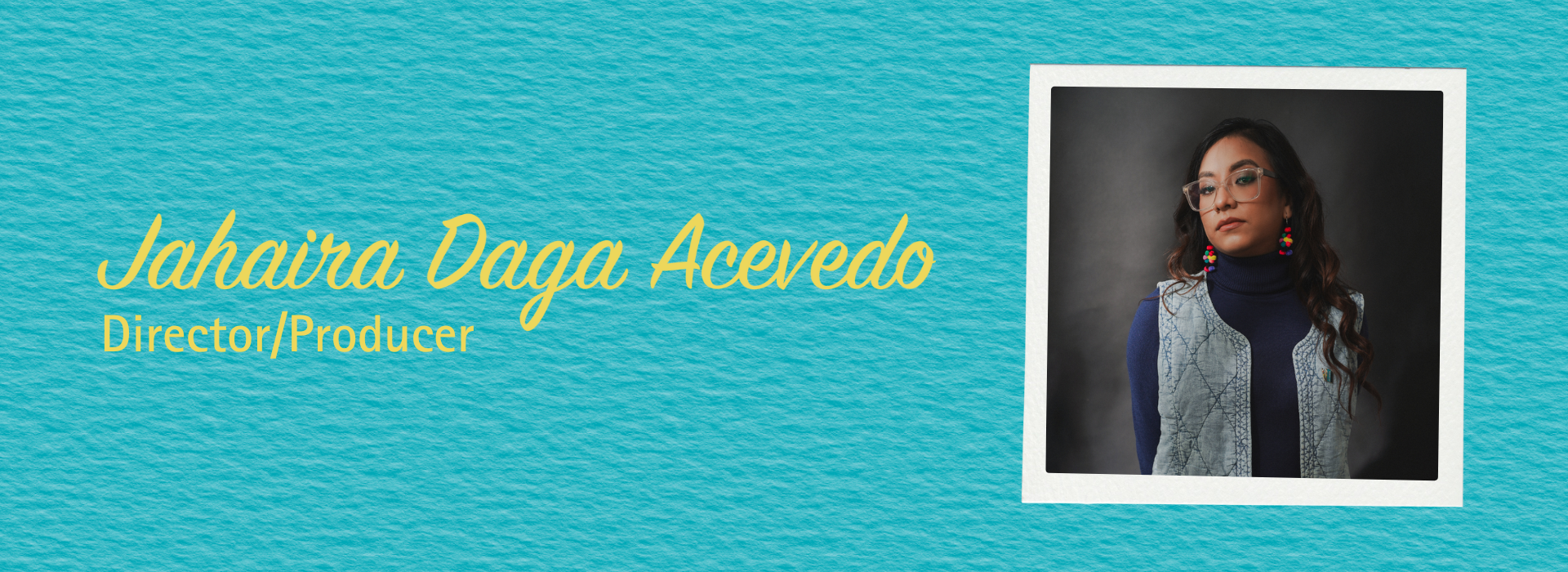
Jahaira Daga Acevedo is a Peruvian filmmaker based in Austin, Texas, whose work often centers themes of sexuality, coming of age, and Latinx culture. She received her B.A. in Audiovisual Communication from the Pontifical Catholic University of Peru and is a graduate candidate for the M.F.A. in Film & Media Production at the University of Texas at Austin. She has worked in post production sound, editing and directed both fiction and documentary short films.
Her non-fiction short film Camino a casa (2024) was part of the Cine Festival San Antonio 2024 as one of the Mesquite Award Documentary nominees. Latente (2018) was part of the Muestra Itinerante at Festival de Cine de Lima 2019, Festival de Cine Universitario Render 2019, Festival de Cine Peruano en Madrid 2024, Sala Violeta 2022 and En lo más negro del verano / In the Darkest Domain of Summer at Mexic-Arte 2025. Her fiction short film Niñas (2024) participated in Festival de Cine Incontrastable 2024, Hispanic Heritage Film Festival 2024, Amarillo International Film Festival 2024 and Cine Festival San Antonio 2024 as one of the Mesquite Award Narrative nominees.
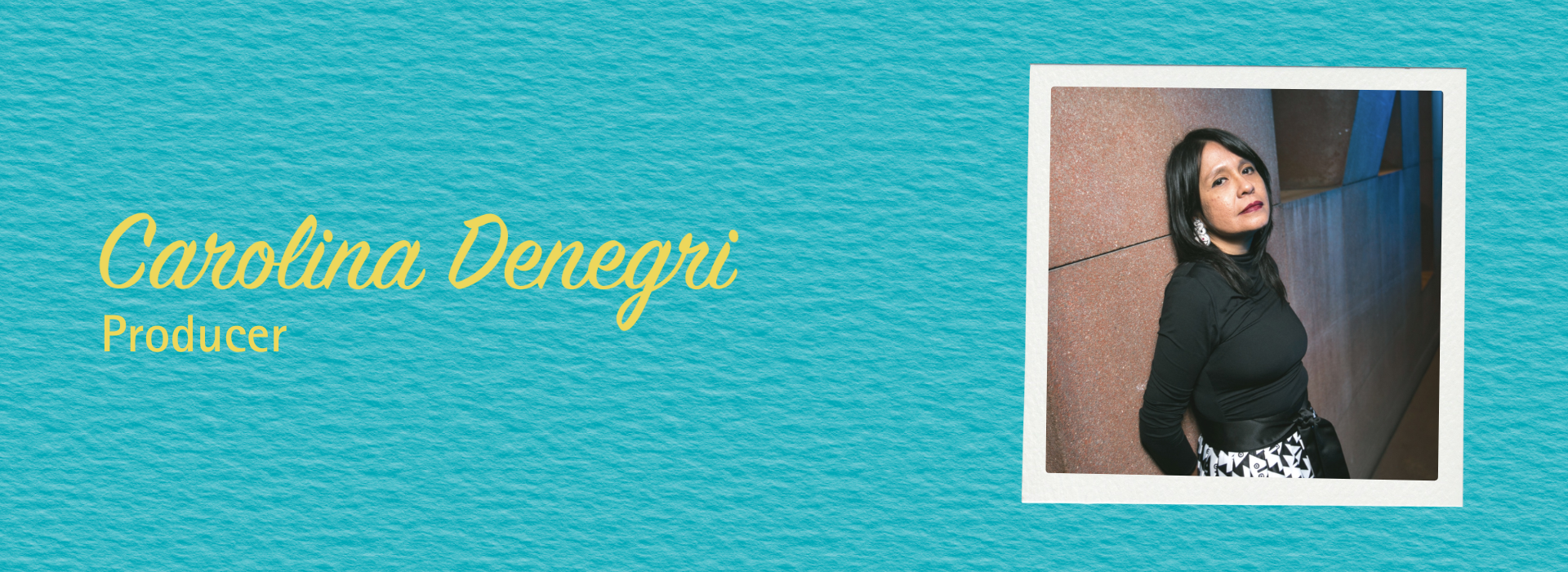
Studied Communication Arts and Sciences at the Pontificia Universidad Católica del Perú. Among its documentary production we find: La revolución y la tierra (2019) directed by Gonzalo Benavente, a feature film that thanks to its success at the national box office has become the most watched Peruvian documentary in the history of Peru, winner of the APRECI 2019 award for Best Documentary, La chucha perdida de los Incas (2023) by Fernando “Huanchaco” Gutiérrez (22nd Split Film Festival) and De todas las cosas que se han de saber by Sofía Velázquez (36th Mar de Plata Festival- Special Mention in the Latin American Competition) recognized as Best Peruvian Documentary by APRECI 2021.
Since 2014 she runs her own production company, Animalita, and she is also the manager of Sala Violeta, a free exhibition platform for short films directed by Peruvian women and dissidents.
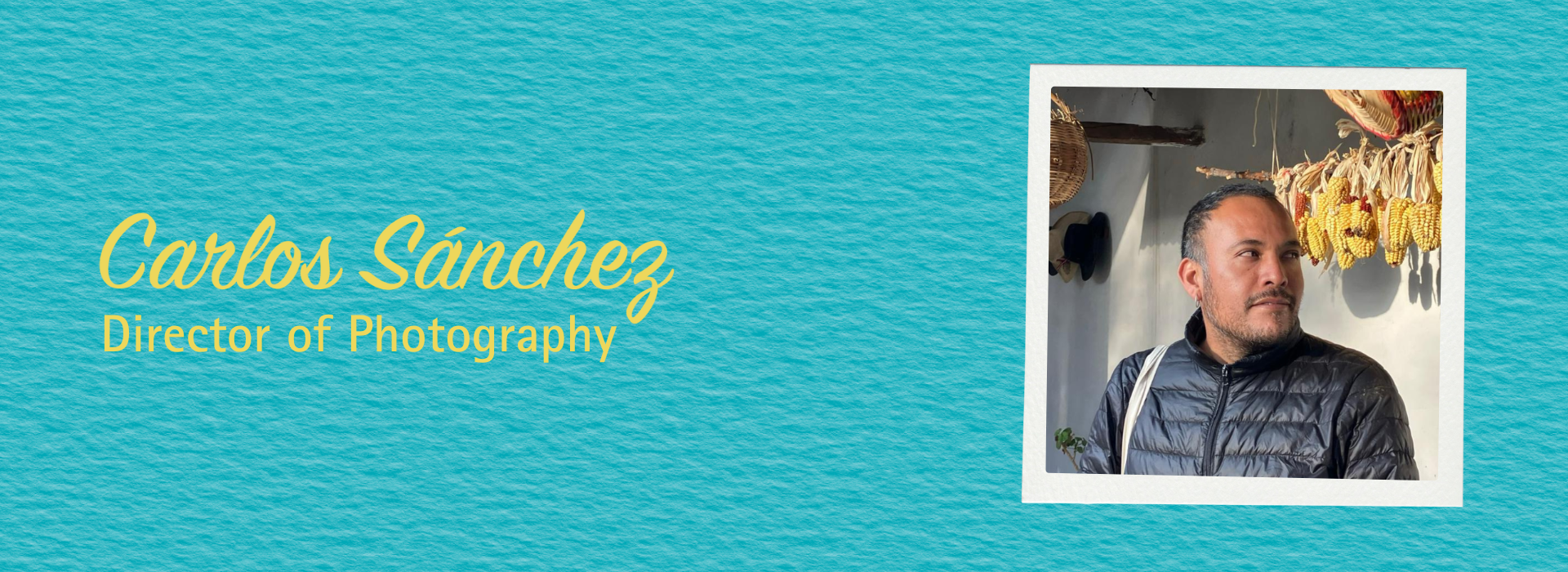
Visual artist dedicated to cinematographic photography and the development of artistic and film projects. His work combines aesthetically various formats and narratives based on themes such as gender, daily life, art, migration, and Peruvian folk culture. His work has been shown at national and international festivals and exhibitions. Executive director of the documentary series Hacedores (Doers) (CANAL IPE, 2018). His feature film Retrato Peruano del Perú (Peruvian portrait of Peru) was awarded by the Peruvian State as the “Best Peruvian film” at the Lima Film Festival in 2013, and in 2012 he was the curator of the exhibition Memorias Visuales, el Retrato Iluminado y la Historia Cotidiana (Visual Memories, the Illuminated Portrait and Daily Life) for the First Lima Photography Biennial.
His short films Carta a un profesor en Delaware, Brus Rubio, El Otro Cine and Vine cargando mi Arpa have been awarded as best documentary shorts in the DAFO 2017 contest, Conacine 2010 and Lima Film Festival 2011, respectively.
Current Team
Incentives
- The Story
- Wishlist
- Updates
- The Team
- Community
Mission Statement
The Story
A director portrays the teenage years of María and Anghely, two sisters who live in the mining city Cerro de Pasco in Peru. Through games with them, she questions what she learned a woman should be in her own teenage years.
Volver a crecer is a non-fiction feature film set in Cerro de Pasco, a mining city in the highlands of Peru. The film follows sisters María and Anghely as they move through their teenage years, showing their final years of high school. Through them, the film explores how ideas about being a woman—motherhood, marriage, and sacrifice—are taught from a very young age and begin to shape girls’ futures long before they are able to choose for themselves.
As the story unfolds, the director steps into the film not only as a narrator but as a character. She returns to her hometown asking herself a personal question: do I want to be a mother, or do I want to be free to choose something else? Through interviews, games, and staged moments, she searches for an answer that comes from her own desire and not from social expectations. A chorus of adult women appears throughout the film, representing past generations who lived under the same pressures. Together, the film asks what women today are really looking for—and whether imagining a different future is possible.
I grew up in Cerro de Pasco -a mining town more than 14,000 feet above sea level, in the central Andes of Peru- until I finished high school. Migrating to Lima, Peru for my studies and later to Texas, United States gave me the distance to rethink my childhood in Cerro de Pasco and to recognize how my environment had shaped my worldview. In both places, I met women from different parts of the world, and I began to question the narrative I had learned about what it means to be a woman.
When I returned to my hometown in the central highlands of Peru in 2023, I understood more clearly the cultural differences that had shaped me, and I wanted to offer the teenage girls of my city—girls who could have been me—the possibility of imagining different futures. The narrative I bring to the table is one that, based on my own experience, tells women in my city and in Peru that we must be mothers and wives above all else. I want to challenge those limits and show the diversity of possible paths, something I was able to see more clearly once I left my city.
Finally, I want to tell the story of Cerro de Pasco beyond its mining significance and environmental issues. I want the dreams of the girls and women of this city, 4,380 meters above sea level, to be heard.
This project is my MFA thesis in Film at the University of Texas at Austin. So far, we managed to make the first trip to Cerro de Pasco with a small crew in December in 2024. That led to a first cut of the film (that is the material we showed you in our video). Now we need to make the last trip to Peru to finish filming the movie!
After more than two years working on the project, we know we can make it! Also, between us, we’re excited because once the film is complete, it will be the first feature directed by a woman from the region.
While we are aiming for $6,000 with this campaign, if we were able to raise more than, that the funds would go towards post-production and distribution of the film.
Wishlist
Use the WishList to Pledge cash and Loan items - or - Make a pledge by selecting an Incentive directly.
Crew & Creative Labor
Costs $1,500
To fairly pay the filmmakers and collaborators who bring care, skill, and trust to this story.
Equipment Rental
Costs $1,200
To capture strong images and clean sound that honor the girls’ voices and their environment.
Travel & Transportation
Costs $1,200
To get our team and gear to Cerro de Pasco and around Lima, and move safely during production.
Talent & Participants
Costs $300
To ethically compensate participants and collaborators for their time and contribution.
Food & On-Set Care
Costs $300
To keep everyone nourished and cared for during shooting days at high altitude at Pasco and Lima.
Locations, Design & Production Support
Costs $1,500
To support locations, set and graphic design, and the administrative work that makes filming possible.
Cash Pledge
Costs $0
Direct link:
Share this update!
About This Team
Jahaira Daga Acevedo is a Peruvian filmmaker based in Austin, Texas, whose work often centers themes of sexuality, coming of age, and Latinx culture. She received her B.A. in Audiovisual Communication from the Pontifical Catholic University of Peru and is a graduate candidate for the M.F.A. in Film & Media Production at the University of Texas at Austin. She has worked in post production sound, editing and directed both fiction and documentary short films.
Her non-fiction short film Camino a casa (2024) was part of the Cine Festival San Antonio 2024 as one of the Mesquite Award Documentary nominees. Latente (2018) was part of the Muestra Itinerante at Festival de Cine de Lima 2019, Festival de Cine Universitario Render 2019, Festival de Cine Peruano en Madrid 2024, Sala Violeta 2022 and En lo más negro del verano / In the Darkest Domain of Summer at Mexic-Arte 2025. Her fiction short film Niñas (2024) participated in Festival de Cine Incontrastable 2024, Hispanic Heritage Film Festival 2024, Amarillo International Film Festival 2024 and Cine Festival San Antonio 2024 as one of the Mesquite Award Narrative nominees.
Studied Communication Arts and Sciences at the Pontificia Universidad Católica del Perú. Among its documentary production we find: La revolución y la tierra (2019) directed by Gonzalo Benavente, a feature film that thanks to its success at the national box office has become the most watched Peruvian documentary in the history of Peru, winner of the APRECI 2019 award for Best Documentary, La chucha perdida de los Incas (2023) by Fernando “Huanchaco” Gutiérrez (22nd Split Film Festival) and De todas las cosas que se han de saber by Sofía Velázquez (36th Mar de Plata Festival- Special Mention in the Latin American Competition) recognized as Best Peruvian Documentary by APRECI 2021.
Since 2014 she runs her own production company, Animalita, and she is also the manager of Sala Violeta, a free exhibition platform for short films directed by Peruvian women and dissidents.
Visual artist dedicated to cinematographic photography and the development of artistic and film projects. His work combines aesthetically various formats and narratives based on themes such as gender, daily life, art, migration, and Peruvian folk culture. His work has been shown at national and international festivals and exhibitions. Executive director of the documentary series Hacedores (Doers) (CANAL IPE, 2018). His feature film Retrato Peruano del Perú (Peruvian portrait of Peru) was awarded by the Peruvian State as the “Best Peruvian film” at the Lima Film Festival in 2013, and in 2012 he was the curator of the exhibition Memorias Visuales, el Retrato Iluminado y la Historia Cotidiana (Visual Memories, the Illuminated Portrait and Daily Life) for the First Lima Photography Biennial.
His short films Carta a un profesor en Delaware, Brus Rubio, El Otro Cine and Vine cargando mi Arpa have been awarded as best documentary shorts in the DAFO 2017 contest, Conacine 2010 and Lima Film Festival 2011, respectively.