Yren
Austin, Texas | Film Feature
Documentary, LGBTQ
Yren founded Casa Diversa, the only self-sustained place I know in my country where every queer person in a vulnerable situation is truly welcomed. With your support, we will create a real impact with a local film premiere in Paraguay 100% on benefit of Casa Diversa.
Yren
Austin, Texas | Film Feature
Documentary, LGBTQ

1 Campaigns | Paraguay
Green Light
This campaign raised $3,265 for distribution. Follow the filmmaker to receive future updates on this project.
65 supporters | followers
Enter the amount you would like to pledge
Yren founded Casa Diversa, the only self-sustained place I know in my country where every queer person in a vulnerable situation is truly welcomed. With your support, we will create a real impact with a local film premiere in Paraguay 100% on benefit of Casa Diversa.
In Partnership With
About The Project


- The Story
- Wishlist
- Updates
- The Team
- Community
Mission Statement
The Story
Yren is a feature documentary that follows trans-activist Yren Rotela and her companions that take action to protect Casa Diversa, the only TLGBQ+ home shelter in Paraguay.
The film is almost finished and now we need your help to raise funds for its first steps of distribution, which includes a local film premiere in Paraguay 100% on benefit of Casa Diversa.
Watch the teaser here
Director's notes
"For trans people, it is very difficult to tell our stories, it is difficult to trust. With Tania, it was the opposite. The day we met I needed to unburden myself and she gave me confidence. And I feel like I opened up and bared my soul completely. That day I told her that I would love to make a film where the world would know about my life, my struggles, and my story. I also told her that I would like her to be the one to make it.” Yren Rotela.
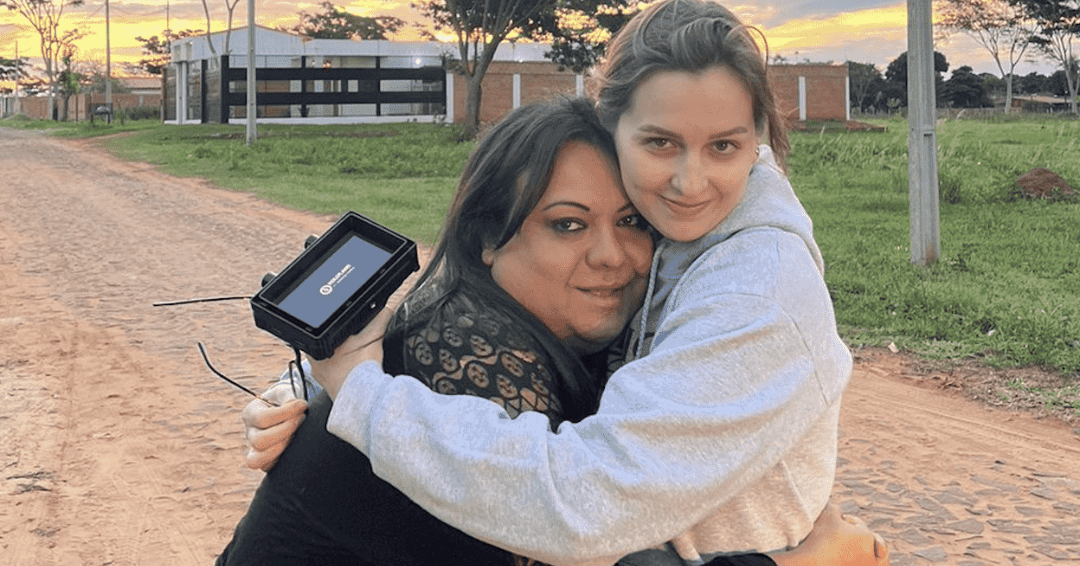 I think Yren explains better than me how it all started for us in 2020. We met during the worst part of the COVID pandemic when everything was uncertain for everybody. Yren was organizing an “olla popular” (common pot) in her neighborhood and I went to collaborate with it. I was not looking to make a film. In fact, I was in limbo, waiting to hear news about the scholarship I had to keep studying film in the USA. It was all paused, and for some fellow scholars in the same situation, their study plans were already canceled. Yren was not having a good day, and neither was I. But there, at Casa Diversa, unmasked, we had this strong connection. That day, I spoke with Yren for hours. She told me about her legal name change fight and how she decided to call herself Yren. She told me about Ara, a trans girl she met on the streets, who was the reason why Casa Diversa started. She told me about the current struggles she was facing, how she was barely keeping Casa Diversa’s doors open since the pandemic started. But despite all of it, Yren was making common pots every week for the trans sexual workers, since they could not work during the pandemic and therefore had no income. This woman inspired me like no one before.
 Finally, I ended up traveling abroad to study. My relationship with Yren kept growing despite the distance. She asked me about my new adventures, I followed up some of the stories she told me in person. I was angry listening to them, Yren did not deserve any of that.
I grew up surrounded by machismo culture, with all its gender stereotypes. As a girl, I was told that I should not study hard because I would just end up taking care of my kids. I was also told that I should be quiet even if I know the answer to something because men do not like it when a woman is smarter than them. When seeking help to start working as an adolescent, I was sexualized by men. Even though I am cisgender, meeting Yren made me reflect upon my own experience and made me realize that we grew up under the same culture of machismo. But Yren was facing the worst repercussions of it.
So I wanted to listen more, and when I came back to my home country I had a long interview with Yren. After that, I could not help but think that her story and the story of Casa Diversa had to be on a big screen. I had the privilege to learn how to make a film so I wanted to put my efforts into something that I believe my country needs to see. I decided to make this film as a way to highlight the resilience and strength of Yren and her community, but also to work against the machismo culture to help women and gender diversity.
 Our ethical approach
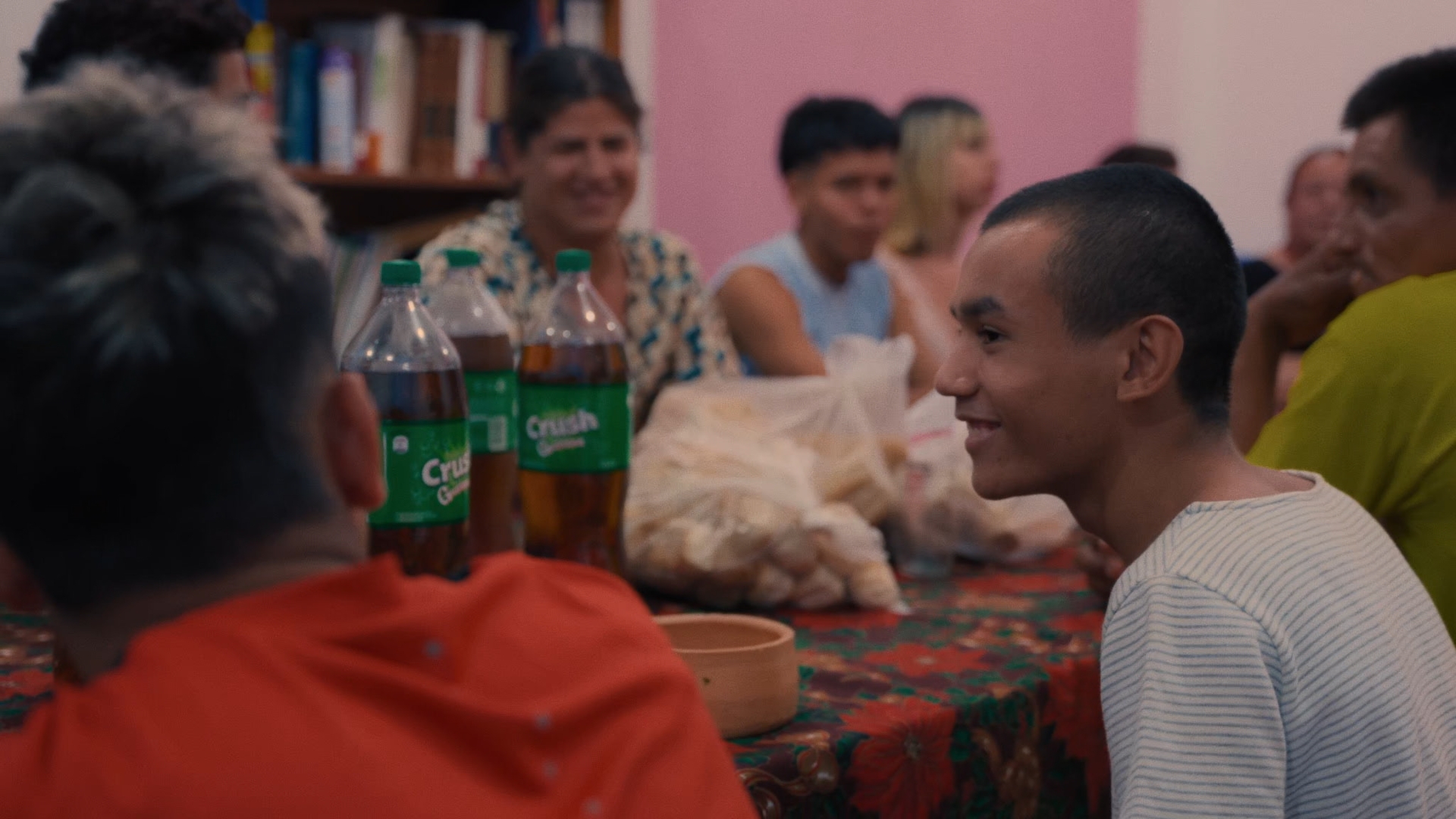
We have given a lot of thought to ethical considerations in the making of this documentary, and I think they speak a lot about our engagement with the community. The main decisions we made are the following:
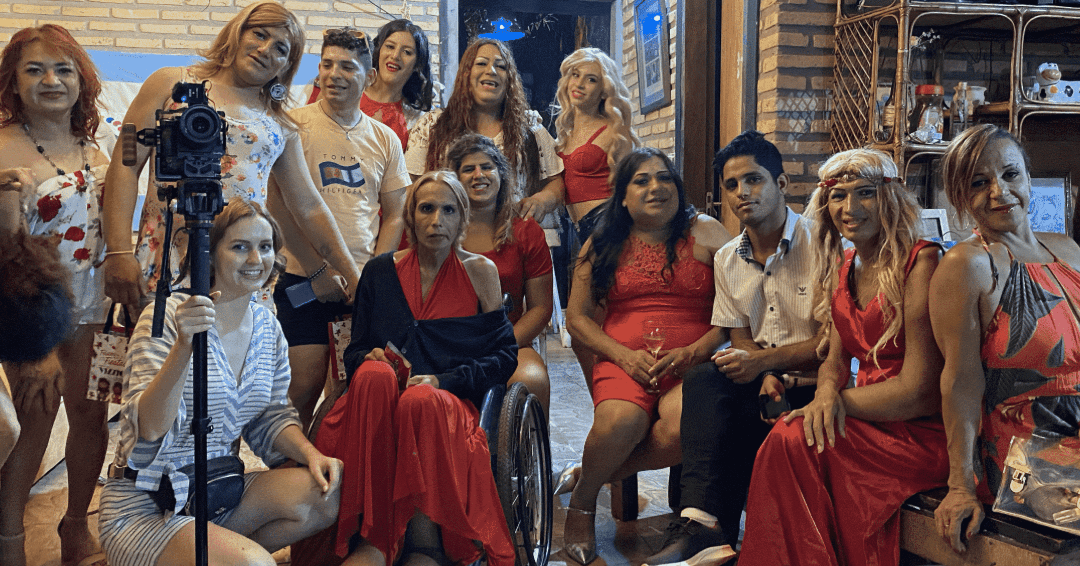
- Co-development: This is a project that would be impossible to conceive from the development without Yren. Yren is part of all stages of the project because, in addition to being the protagonist of the project, her view as a trans person is indispensable. Yren manages access and permits necessary for the realization of this documentary. In the distribution, she will manage part of the profits destined for Casa Diversa. Besides Yren, other people from Casa Diversa were part of the production, assisting in direction, production, and some production design by their initiative and interest.
- Beneficiaries of the documentary: The first screening of the documentary in Paraguay will be 100% for the benefit of Casa Diversa and in all the following screenings there will be a percentage of profits will be dedicated towards the maintenance of Casa Diversa. All those involved in the documentary, by signing their consent to participate, receive this information in writing.
- Consent: Although Yren is the protagonist of the project, many scenes and situations were filmed with other members of Casa Diversa. We held prior meetings with Yren and the members of Casa Diversa, before each stage of filming, to explain, among other things, that their participation was optional and that there would be no negative consequences should they decide not to participate partially or completely in the documentary. Yren was in charge of supporting this statement as a leader of her community, and we respect the decision of some members who did not want to be filmed.
- Avoiding retraumatization: As filmmakers, we are aware of the exposure that people can have in front of the camera and how vulnerable they can become, especially when dealing with sensitive issues such as domestic or street violence, and physical and psychological abuse, among others. We avoided exposing the participants of the documentary to questions that could lead to retraumatization. The stories of past situations that could be potentially re-traumatizing, happened at the initiative of the interviewees, as part of their healing process or need for expression.
- Avoiding trans stereotypes: Paraguay does not have many films with trans characters on it. This documentary seeks to confront the stereotypes of the collective imagination that reduces a trans person to someone who just does sex work in the street and wears makeup. The way we confront these stereotypes for us is by showing complex people, with a past, a present struggle, and a look toward the future. We avoid superficiality in the topics we cover. This was a conversation that Yren started, because of past experiences she had with filmmakers regarding these stereotypes.
- Democratization: Maya Riquelme, the documentary's director of photography, developed camera classes at Casa Diversa. These classes were done at the initiative of Casa Diversa when they had a camera donated to the house and we responded to that request. Now the people at Casa Diversa have more tools to tell their own stories and these classes reinforced our intentions to democratize access to audiovisual tools.
Wishlist
Use the WishList to Pledge cash and Loan items - or - Make a pledge by selecting an Incentive directly.
Initial Distribution Costs
Costs $1,000
This will allow us to cover the initial distribution costs to find a premiere for our film.
Local Screening 100% benefit of Casa Diversa
Costs $2,000
This will allow us to cover the essential costs to set up a professional screening 100% on benefit of Casa Diversa.
Cash Pledge
Costs $0


Direct link:
Share this update!
About This Team
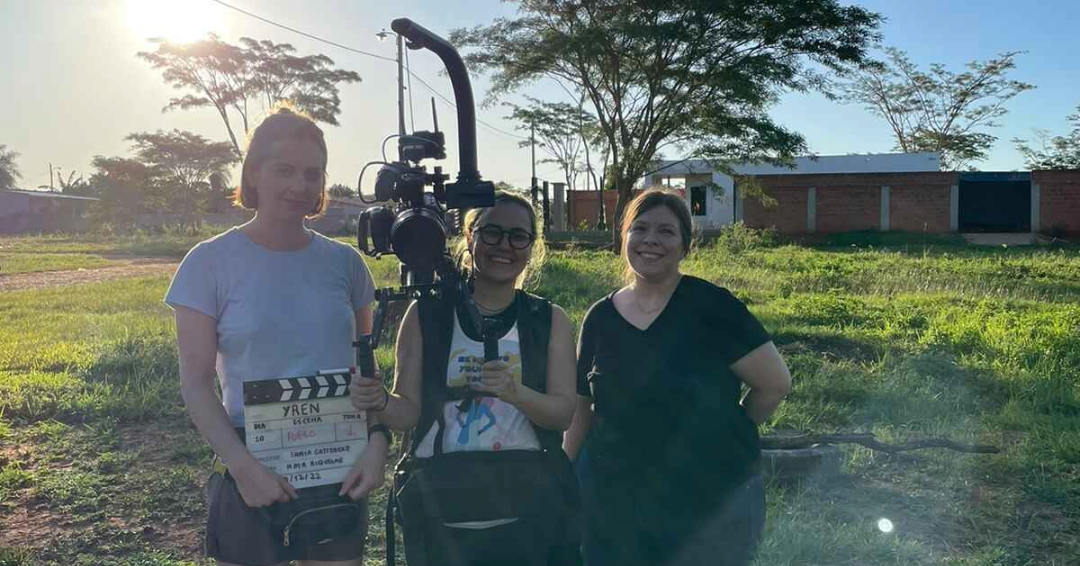 Our team is a small collective of audiovisual professionals who shares the same values. We are from, have close family or close friends from the TLQBQ+ community and for that reason, they understand how necessary it is to have a paradigmatic change in Paraguay.
.jpg)
Our team includes:
Tania Cattebeke Laconich - Director
Mariana Pineda - Producer
Eduardo Ibarrola - Field Producer
Maya Riquelme - Director of Photography
Raúl Brítez - Production Sound
Sharon Weaver - Editor
Maggy Apodaca - Sound Designer
Diego Rojas - Composer
Current Team
Incentives
- The Story
- Wishlist
- Updates
- The Team
- Community
Mission Statement
The Story
Yren is a feature documentary that follows trans-activist Yren Rotela and her companions that take action to protect Casa Diversa, the only TLGBQ+ home shelter in Paraguay.
The film is almost finished and now we need your help to raise funds for its first steps of distribution, which includes a local film premiere in Paraguay 100% on benefit of Casa Diversa.
Watch the teaser here
Director's notes
"For trans people, it is very difficult to tell our stories, it is difficult to trust. With Tania, it was the opposite. The day we met I needed to unburden myself and she gave me confidence. And I feel like I opened up and bared my soul completely. That day I told her that I would love to make a film where the world would know about my life, my struggles, and my story. I also told her that I would like her to be the one to make it.” Yren Rotela.
I think Yren explains better than me how it all started for us in 2020. We met during the worst part of the COVID pandemic when everything was uncertain for everybody. Yren was organizing an “olla popular” (common pot) in her neighborhood and I went to collaborate with it. I was not looking to make a film. In fact, I was in limbo, waiting to hear news about the scholarship I had to keep studying film in the USA. It was all paused, and for some fellow scholars in the same situation, their study plans were already canceled. Yren was not having a good day, and neither was I. But there, at Casa Diversa, unmasked, we had this strong connection. That day, I spoke with Yren for hours. She told me about her legal name change fight and how she decided to call herself Yren. She told me about Ara, a trans girl she met on the streets, who was the reason why Casa Diversa started. She told me about the current struggles she was facing, how she was barely keeping Casa Diversa’s doors open since the pandemic started. But despite all of it, Yren was making common pots every week for the trans sexual workers, since they could not work during the pandemic and therefore had no income. This woman inspired me like no one before.
Finally, I ended up traveling abroad to study. My relationship with Yren kept growing despite the distance. She asked me about my new adventures, I followed up some of the stories she told me in person. I was angry listening to them, Yren did not deserve any of that.
I grew up surrounded by machismo culture, with all its gender stereotypes. As a girl, I was told that I should not study hard because I would just end up taking care of my kids. I was also told that I should be quiet even if I know the answer to something because men do not like it when a woman is smarter than them. When seeking help to start working as an adolescent, I was sexualized by men. Even though I am cisgender, meeting Yren made me reflect upon my own experience and made me realize that we grew up under the same culture of machismo. But Yren was facing the worst repercussions of it.
So I wanted to listen more, and when I came back to my home country I had a long interview with Yren. After that, I could not help but think that her story and the story of Casa Diversa had to be on a big screen. I had the privilege to learn how to make a film so I wanted to put my efforts into something that I believe my country needs to see. I decided to make this film as a way to highlight the resilience and strength of Yren and her community, but also to work against the machismo culture to help women and gender diversity.
Our ethical approach
We have given a lot of thought to ethical considerations in the making of this documentary, and I think they speak a lot about our engagement with the community. The main decisions we made are the following:
- Co-development: This is a project that would be impossible to conceive from the development without Yren. Yren is part of all stages of the project because, in addition to being the protagonist of the project, her view as a trans person is indispensable. Yren manages access and permits necessary for the realization of this documentary. In the distribution, she will manage part of the profits destined for Casa Diversa. Besides Yren, other people from Casa Diversa were part of the production, assisting in direction, production, and some production design by their initiative and interest.
- Beneficiaries of the documentary: The first screening of the documentary in Paraguay will be 100% for the benefit of Casa Diversa and in all the following screenings there will be a percentage of profits will be dedicated towards the maintenance of Casa Diversa. All those involved in the documentary, by signing their consent to participate, receive this information in writing.
- Consent: Although Yren is the protagonist of the project, many scenes and situations were filmed with other members of Casa Diversa. We held prior meetings with Yren and the members of Casa Diversa, before each stage of filming, to explain, among other things, that their participation was optional and that there would be no negative consequences should they decide not to participate partially or completely in the documentary. Yren was in charge of supporting this statement as a leader of her community, and we respect the decision of some members who did not want to be filmed.
- Avoiding retraumatization: As filmmakers, we are aware of the exposure that people can have in front of the camera and how vulnerable they can become, especially when dealing with sensitive issues such as domestic or street violence, and physical and psychological abuse, among others. We avoided exposing the participants of the documentary to questions that could lead to retraumatization. The stories of past situations that could be potentially re-traumatizing, happened at the initiative of the interviewees, as part of their healing process or need for expression.
- Avoiding trans stereotypes: Paraguay does not have many films with trans characters on it. This documentary seeks to confront the stereotypes of the collective imagination that reduces a trans person to someone who just does sex work in the street and wears makeup. The way we confront these stereotypes for us is by showing complex people, with a past, a present struggle, and a look toward the future. We avoid superficiality in the topics we cover. This was a conversation that Yren started, because of past experiences she had with filmmakers regarding these stereotypes.
- Democratization: Maya Riquelme, the documentary's director of photography, developed camera classes at Casa Diversa. These classes were done at the initiative of Casa Diversa when they had a camera donated to the house and we responded to that request. Now the people at Casa Diversa have more tools to tell their own stories and these classes reinforced our intentions to democratize access to audiovisual tools.
Wishlist
Use the WishList to Pledge cash and Loan items - or - Make a pledge by selecting an Incentive directly.
Initial Distribution Costs
Costs $1,000
This will allow us to cover the initial distribution costs to find a premiere for our film.
Local Screening 100% benefit of Casa Diversa
Costs $2,000
This will allow us to cover the essential costs to set up a professional screening 100% on benefit of Casa Diversa.
Cash Pledge
Costs $0
Direct link:
Share this update!
About This Team
Our team is a small collective of audiovisual professionals who shares the same values. We are from, have close family or close friends from the TLQBQ+ community and for that reason, they understand how necessary it is to have a paradigmatic change in Paraguay.
Our team includes:
Tania Cattebeke Laconich - Director
Mariana Pineda - Producer
Eduardo Ibarrola - Field Producer
Maya Riquelme - Director of Photography
Raúl Brítez - Production Sound
Sharon Weaver - Editor
Maggy Apodaca - Sound Designer
Diego Rojas - Composer