You're so Lucky
Austin, Texas | Film Short
Drama, Documentary
At nine years old, a Korean boy was put on a plane and told he was lucky. Now he's finally telling his own story and he needs your help to finish it. Interviews are complete. The final scenes are ready to shoot. Your support gets this film across the finish line and into the world.
You're so Lucky
Austin, Texas | Film Short
Drama, Documentary

2 Campaigns | Texas, United States
Green Light
This campaign raised $15,340 for production. Follow the filmmaker to receive future updates on this project.
79 supporters | followers
Enter the amount you would like to pledge
At nine years old, a Korean boy was put on a plane and told he was lucky. Now he's finally telling his own story and he needs your help to finish it. Interviews are complete. The final scenes are ready to shoot. Your support gets this film across the finish line and into the world.
Participating In
About The Project


- The Story
- Wishlist
- Updates
- The Team
- Community
Mission Statement
The Story
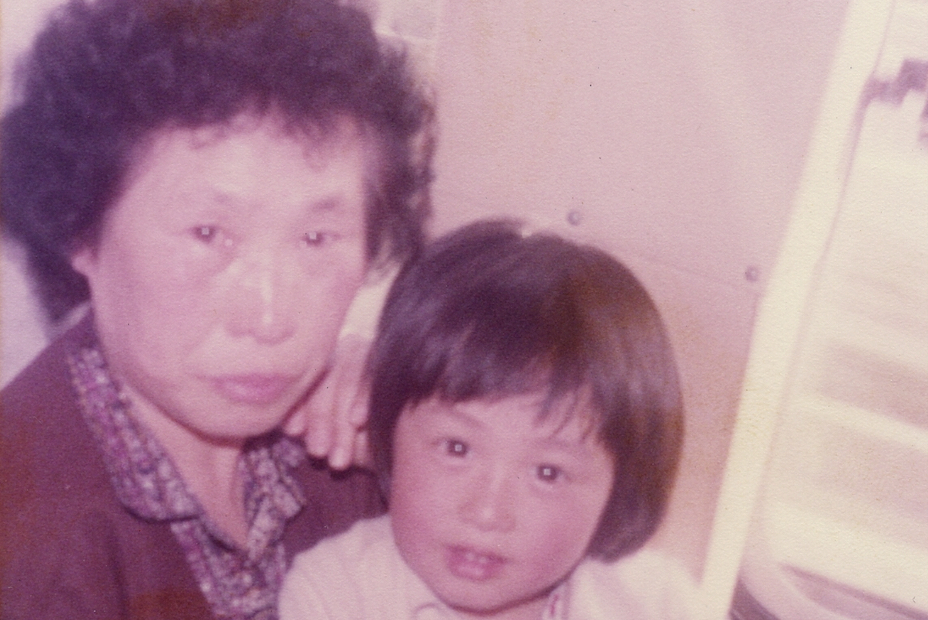 Korean adoptee writes a reflective letter to his grandmother while confronting the memories and loss buried beneath the words “you’re so lucky.”
WAS I THE ONE WORTH SAVING?
That question lived inside me for decades. I was nine years old when I boarded a plane at Gimpo International Airport in Seoul, South Korea. I didn't understand what was happening. I only knew that everything familiar was disappearing: my language, my neighborhood, the grandmother who raised me when my own parents couldn't.
You're so Lucky is the film I've spent my life building toward. It's a cinematic short documentary told through a reflective letter to my grandmother, the woman who was my first home, woven between reenactments set at Gimpo Airport in 1988, present-day interviews, and extraordinary archival footage of the moment I thought I'd never see again.
For many adoptees, "you're so lucky" is the sentence that ends every conversation before it begins. It forecloses grief. It demands gratitude. It tells us the story of our own lives before we've had the chance to tell it ourselves.
This film asks what gets buried beneath that phrase. And it refuses to look away.
THE BOY I WAS. THE LIFE I LEFT
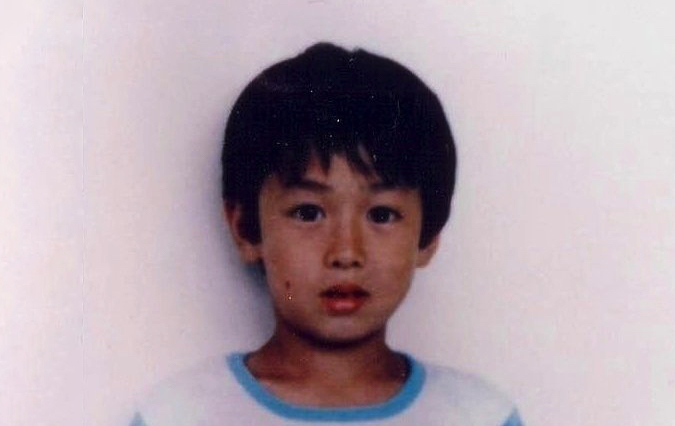
This was the adoption photo that was circulated in the adoption catalog throughout the world. Yes, there was an adoption catalog.
I was raised in Dongducheon, South Korea by my grandmother, Kim Yong-Suk. She was not obligated to raise me, but she did, with cracked hands and quiet love, walking miles to work before I woke up so there would be food waiting for me. She was my entire world.
My father, a man I barely knew, eventually made a decision that would define everything: I was sent to an orphanage at age eight, and within days, placed in an adoption catalog circulated across the world. That photo, a small boy standing against a wall like a mugshot, became the image an American family in Wisconsin saw and chose.
I arrived at O’Hare International Airport in 1988 without English, without context, and without the chance to say goodbye properly.
It would be 20 years before I saw my grandmother again. A Korean national television show made that reunion possible. Years later, when I became a father and watched my own eight-year-old son, I finally could no longer outrun the question: what happened to the boy I was?
WHAT THE FILM IS
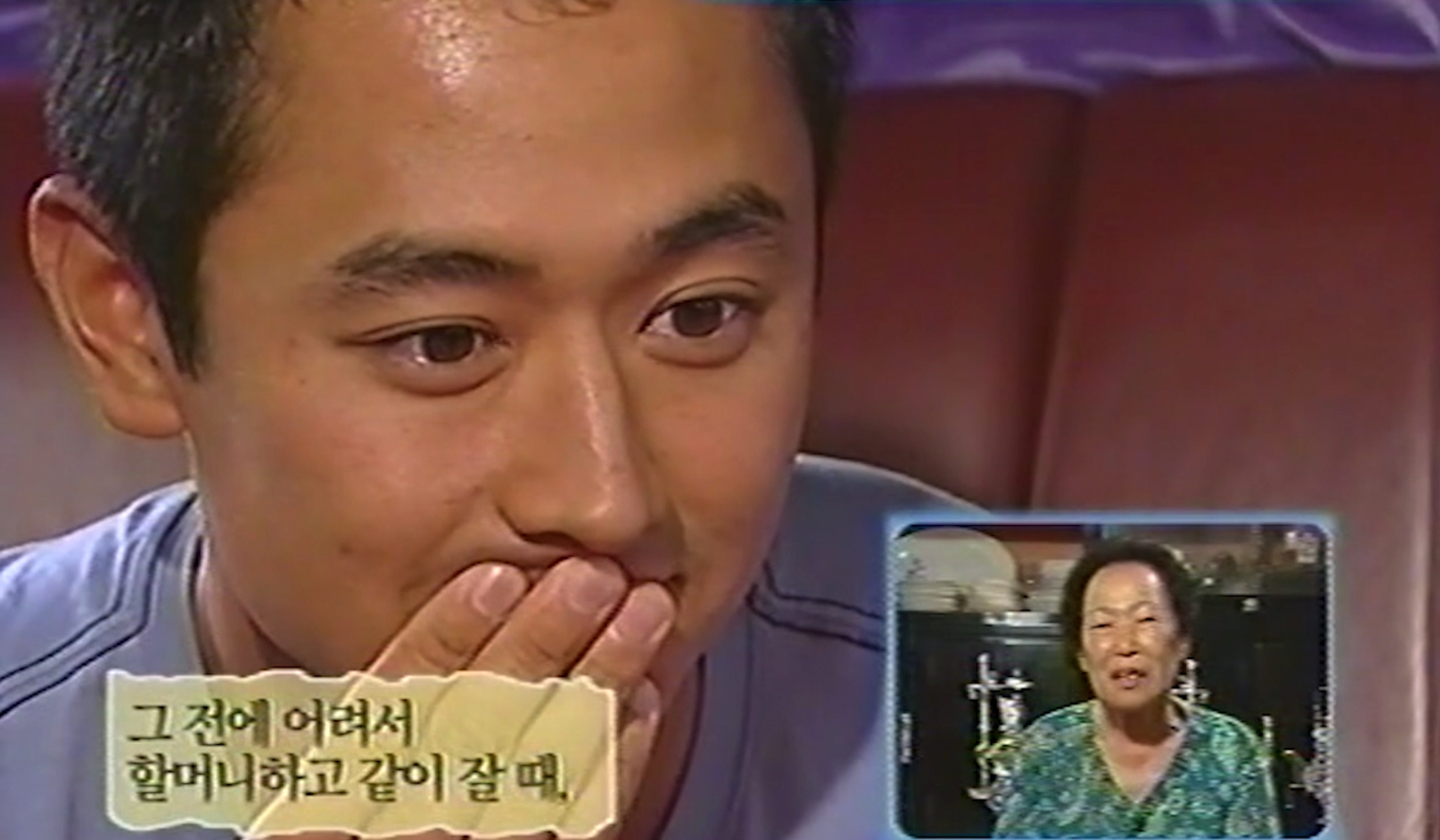 A still from 'We’re Coming to Meet You' (2005), the Korean national TV show that reunited me with my grandmother.
You're so Lucky moves between three worlds: a reenactment of the day I left Korea in 1988, set in the corridors of Gimpo International Airport; intimate present-day interviews with my grandmother, my adoptive family, my childhood neighbors in Dongducheon, and Dr. Oh Myo Kim, an adoption researcher and counseling psychologist at Boston College; and archival footage from our 2005 television reunion.
The film's spine is a letter. Not a narration. A letter. Written by a man to the grandmother who raised him. Carrying everything he couldn't say in Korean. Everything that adoption was supposed to make easier to forget.
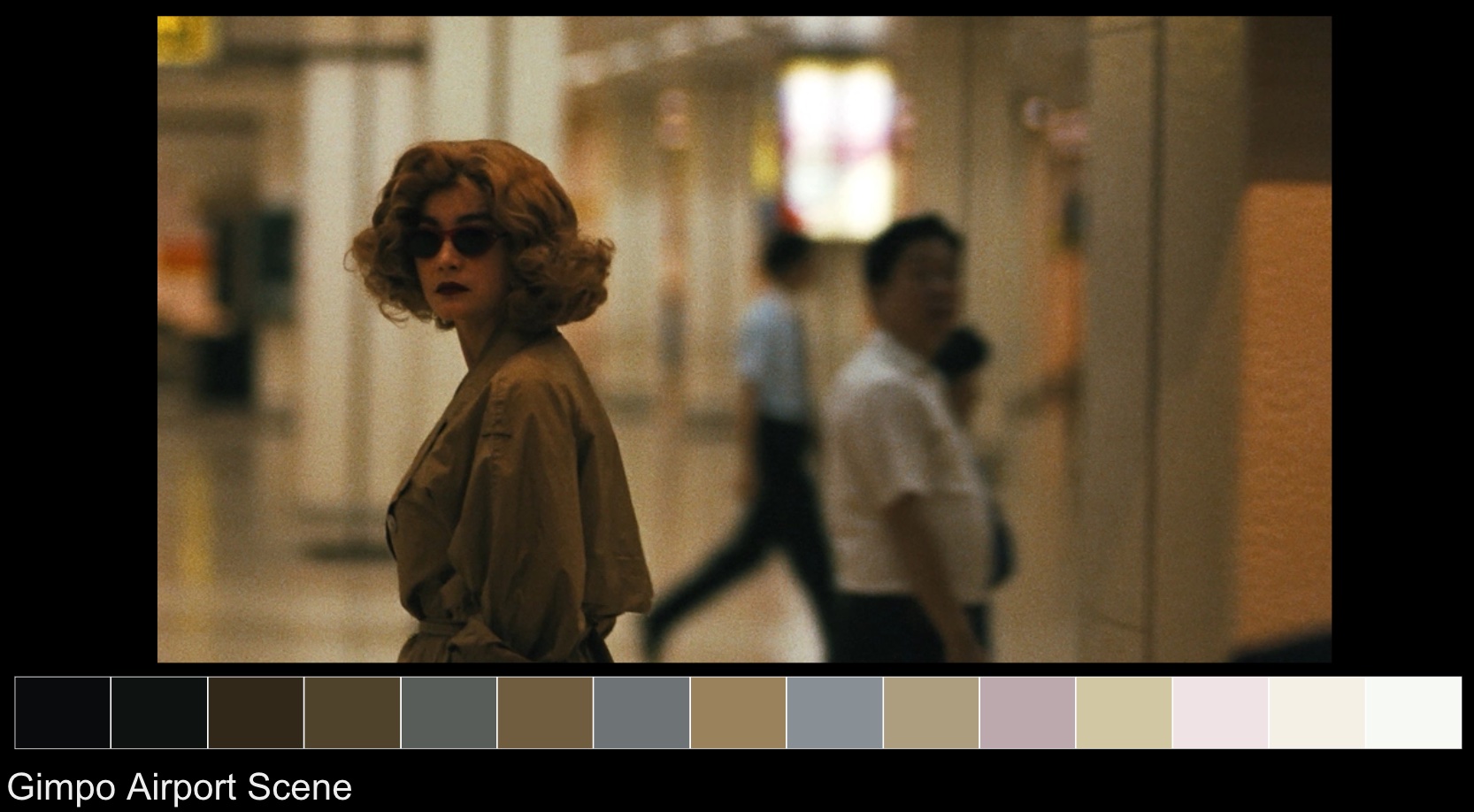
A mood board guiding the look and feel of our airport narrative scene.
Visually, the film draws from a cinematic language of memory: warm analog textures against cold institutional spaces, silence used as intentionally as sound, the body of a nine-year-old boy navigating an airport the size of his entire world.
Interviews have been completed. We are now raising the funds to shoot the narrative reenactment sequences that will complete this film.
WHY THIS FILM, WHY NOW
South Korea released the Truth and Reconciliation Commission (TRC) report 2025 addressing the human rights violation in the intercountry adoption. International adoptees are organizing globally to demand accountability from the agencies and governments that facilitated their adoptions. Documentaries, memoirs, and investigative journalism are finally centering the adoptee voice, not the adoptive parent’s narrative of rescue.
There are an estimated 200,000 Korean international adoptees worldwide. For decades, the dominant story told about us has been one of salvation: "you were so lucky to be chosen." The psychological reality is far more complicated, and far less convenient.
This film is part of that wider reckoning. It doesn’t speak for all adoptees. But it speaks from one, with the specificity and honesty that creates real recognition.
We are participating in the AAPI Renaissance Rally on Seed&Spark, a national campaign that directly invests in Asian and Asian American storytelling. This film belongs in that conversation. Korean adoptees are part of the AAPI diaspora, and our stories have been underrepresented even within AAPI spaces. That changes now.
This short film is also the foundation for a larger feature film, Voice of Waters, exploring adoption, survival, and belonging across generations. The momentum we build here directly shapes what comes next.
HOW YOUR SUPPORT BRINGS THIS FILM TO LIFE
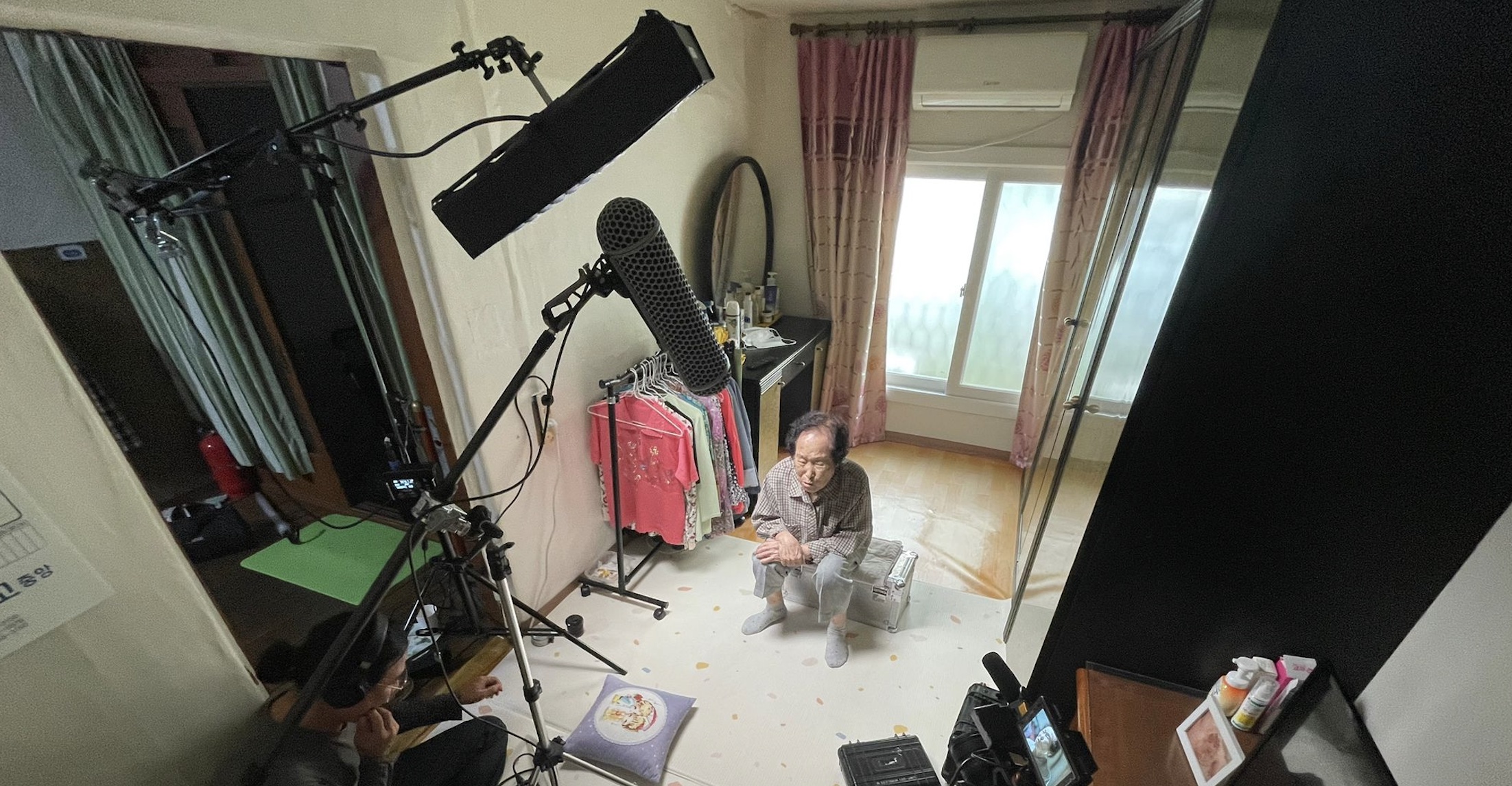
A behind-the-scenes moment from my interview with my grandma.
Your contributions go directly toward completing You're so Lucky, specifically the final production shoot of our narrative reenactment sequences set at Gimpo International Airport (Seoul, 1988) and O’Hare International Airport (Chicago, 1988).
All interviews have been completed. This $10,000+ covers everything needed to bring these scenes to life: location, cast, crew, camera, equipment, and production design, shot with the cinematic quality this story deserves.
Every pledge counts. Seed&Spark’s model requires us to reach our goal to collect any funds, so every dollar, and every follower, moves us closer to finishing this film.
BE A PART OF THIS
Follow the campaign on Seed&Spark. It’s free and it directly impacts our standing in the AAPI Renaissance Rally. One of the benchmarks for finalist consideration is reaching 350+ followers. Your follow is a measurable vote for this story.
Contribute during the Rally window (March 30 – April 29). Your contribution, at any level, goes directly toward completing this film with the care and craft it deserves.
Share this campaign. If you know Korean adoptees, adoptive families, Korean American communities, mental health advocates, AAPI storytelling supporters, or anyone who believes people deserve to tell their own stories, send this their way.
Your support means everything. This film exists because of people willing to stand behind stories that don't always get told. Thank you.
— Jonathan Moon, Director
youresoluckyfilm.com
Wishlist
Use the WishList to Pledge cash and Loan items - or - Make a pledge by selecting an Incentive directly.
Gimpo & O'Hare Airport Scene - Camera, Lighting & Grip Package
Costs $2,100
Camera, lenses, and lighting equipment for a cinematic period recreation. Includes all grip and support gear for a multi-location shoot.
Gimpo & O'Hare Airport Scene - Location & Art Direction / Set Dressing
Costs $2,700
Location fees and period-accurate props, signage, and set dressing for two 1988 airport environments.
Gimpo & O'Hare Airport Scene - Cast
Costs $1,000
Child actor, extras, and chaperone for the 1988 departure scene.
Gimpo & O'Hare Airport Scene - Wardrobe
Costs $400
Period-accurate clothing and styling for principal cast and background.
Gimpo & O'Hare Airport Scene - Crew (DP, AC, gaffer, PA)
Costs $3,000
Core production crew across two shoot locations.
Gimpo & O'Hare Airport Scene - Contingency
Costs $800
Buffer for unexpected costs, scheduling, or location changes.
Cash Pledge
Costs $0


Direct link:
Share this update!
About This Team
About This Team
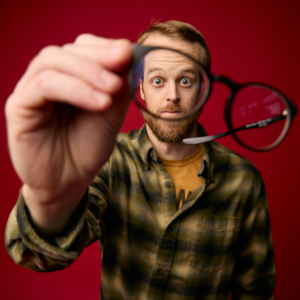
Jonathan Moon, Director/Producer: A Korean adoptee, director, and the subject at the center of You're So Lucky, a filmmaker who found that the story closest to home was the one most worth telling. A former U.S. Navy Search and Rescue Swimmer, electrical engineer, and world traveler, Jonathan came to filmmaking through photography and a restless need to understand himself. His work lives at the intersection of memory, belonging, and the stories we inherit without choosing.
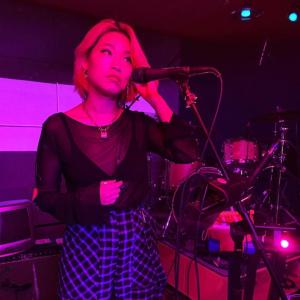
Melissa Nguyen, Producer: Melissa Nguyen is an Austin-based writer, producer, and filmmaker who has had library cards in Houston, Austin, New York, San Francisco, and Seoul. She recently produced an audio story on NPR titled, "I have befriended grief", and directed her first documentary short, "Walk With Death", about a death doula in Austin's Indigenous community.
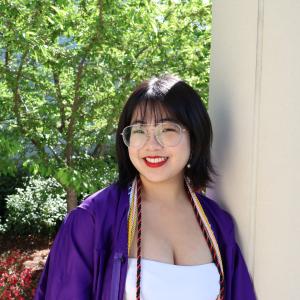
San-San Onglatco, Producer: San-San Onglatco is a Los Angeles based Filipino-Chinese filmmaker who grew up in the Philippines. She is a 2021 Sundance Uprise Grantee and a 2022 Film Independent Project Involve Directing Fellow. After over a decade working in the industry as producer and line producer, she decided to focus on directing. She was the first Filipino/x/a to be accepted into the Directing Program at the AFI Conservatory. Also a writer, she holds a Certificate in Screenwriting from UCLA. In 2007, she graduated from the prestigious Ateneo de Manila University with a B.A. in Literature (English). She is an advocate for amplifying underrepresented voices both in front and behind the camera. She gravitates towards stories about the human connection within a sociopolitical context, with an emphasis on the immigrant experience and the Filipino/x/a diaspora.
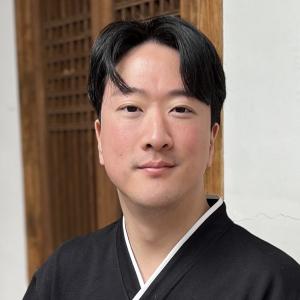
Mike Maliwanag, Director of Photography: Mike Maliwanag (pronounced MAH-lee-WAH-nahg) is a Filipino American cinematographer based in Los Angeles. His work premiered at Sundance, SXSW, & Tribeca. In 2019, Mike was selected in the inaugural ASC Vision mentorship and was mentored under Mark Doering Powell, ASC. The following year in 2020, Mike received a best cinematography award at the Queens World Film Festival for the feature, In The Land of Lost Angels. In 2021, Mike was selected as a cinematography fellow through Film Independent’s Project Involve Artist Development program. With a grounded approach to his work, Mike brings a vulnerability into his imagery through an empathetic lens.
Eva Suskind, 1st Assistant Director & Branding & Social Media: Film creative, graphic designer and Korean adoptee/advocate collaborating with local and international organizations.
Julayne Lee, Advisor: Poet, author (Not My White Savior), and international adoptee advocate who has worked with adoptee organizations across the U.S. and South Korea.
Kim Sperling, Interview DP (South Korea): Born in Seoul in 1975 and adopted by German parents, photographer and filmmaker Kim Oliver Sperling has explored Korean identity through works like K76-48, uri nara, and Dokdo.
Kurt Sensenbrenner, Interview DP (U.S.): Kurt is a freelance director, producer, and cinematographer whose award-winning documentaries—including From Mass to the Mountain and a National Geographic–recognized short on bio-indicating butterflies—have appeared on platforms like Peacock, PBS, and More Perfect Union, with collaborations spanning Patton Oswalt, NBC, and the Patton Veterans Project.
Annie Ko, Korean Language Producer: Korean Music Award–nominated artist Annie Ko, the hypnotic voice of electro-pop duo Love X Stereo, is known for her kaleidoscopic vocals, soaring synths, and genre-bending creativity that spans festivals, Netflix K-dramas, and beyond. Annie is also an experienced bilingual translator and interpreter, trusted by international media and organizations for her clear, precise, and culturally fluent communication.
Matthew Jihoon Pellegrino, Composer: Award-winning composer, professor of music at NYU Steinhardt studying Korean musics of the past and present. Additional collaborators include cultural consultants, translators, and post-production dedicated to bringing this story to life with integrity and care.
Incentives
- The Story
- Wishlist
- Updates
- The Team
- Community
Mission Statement
The Story
Korean adoptee writes a reflective letter to his grandmother while confronting the memories and loss buried beneath the words “you’re so lucky.”
WAS I THE ONE WORTH SAVING?
That question lived inside me for decades. I was nine years old when I boarded a plane at Gimpo International Airport in Seoul, South Korea. I didn't understand what was happening. I only knew that everything familiar was disappearing: my language, my neighborhood, the grandmother who raised me when my own parents couldn't.
You're so Lucky is the film I've spent my life building toward. It's a cinematic short documentary told through a reflective letter to my grandmother, the woman who was my first home, woven between reenactments set at Gimpo Airport in 1988, present-day interviews, and extraordinary archival footage of the moment I thought I'd never see again.
For many adoptees, "you're so lucky" is the sentence that ends every conversation before it begins. It forecloses grief. It demands gratitude. It tells us the story of our own lives before we've had the chance to tell it ourselves.
This film asks what gets buried beneath that phrase. And it refuses to look away.
THE BOY I WAS. THE LIFE I LEFT
This was the adoption photo that was circulated in the adoption catalog throughout the world. Yes, there was an adoption catalog.
I was raised in Dongducheon, South Korea by my grandmother, Kim Yong-Suk. She was not obligated to raise me, but she did, with cracked hands and quiet love, walking miles to work before I woke up so there would be food waiting for me. She was my entire world.
My father, a man I barely knew, eventually made a decision that would define everything: I was sent to an orphanage at age eight, and within days, placed in an adoption catalog circulated across the world. That photo, a small boy standing against a wall like a mugshot, became the image an American family in Wisconsin saw and chose.
I arrived at O’Hare International Airport in 1988 without English, without context, and without the chance to say goodbye properly.
It would be 20 years before I saw my grandmother again. A Korean national television show made that reunion possible. Years later, when I became a father and watched my own eight-year-old son, I finally could no longer outrun the question: what happened to the boy I was?
WHAT THE FILM IS
A still from 'We’re Coming to Meet You' (2005), the Korean national TV show that reunited me with my grandmother.
You're so Lucky moves between three worlds: a reenactment of the day I left Korea in 1988, set in the corridors of Gimpo International Airport; intimate present-day interviews with my grandmother, my adoptive family, my childhood neighbors in Dongducheon, and Dr. Oh Myo Kim, an adoption researcher and counseling psychologist at Boston College; and archival footage from our 2005 television reunion.
The film's spine is a letter. Not a narration. A letter. Written by a man to the grandmother who raised him. Carrying everything he couldn't say in Korean. Everything that adoption was supposed to make easier to forget.
A mood board guiding the look and feel of our airport narrative scene.
Visually, the film draws from a cinematic language of memory: warm analog textures against cold institutional spaces, silence used as intentionally as sound, the body of a nine-year-old boy navigating an airport the size of his entire world.
Interviews have been completed. We are now raising the funds to shoot the narrative reenactment sequences that will complete this film.
WHY THIS FILM, WHY NOW
South Korea released the Truth and Reconciliation Commission (TRC) report 2025 addressing the human rights violation in the intercountry adoption. International adoptees are organizing globally to demand accountability from the agencies and governments that facilitated their adoptions. Documentaries, memoirs, and investigative journalism are finally centering the adoptee voice, not the adoptive parent’s narrative of rescue.
There are an estimated 200,000 Korean international adoptees worldwide. For decades, the dominant story told about us has been one of salvation: "you were so lucky to be chosen." The psychological reality is far more complicated, and far less convenient.
This film is part of that wider reckoning. It doesn’t speak for all adoptees. But it speaks from one, with the specificity and honesty that creates real recognition.
We are participating in the AAPI Renaissance Rally on Seed&Spark, a national campaign that directly invests in Asian and Asian American storytelling. This film belongs in that conversation. Korean adoptees are part of the AAPI diaspora, and our stories have been underrepresented even within AAPI spaces. That changes now.
This short film is also the foundation for a larger feature film, Voice of Waters, exploring adoption, survival, and belonging across generations. The momentum we build here directly shapes what comes next.
HOW YOUR SUPPORT BRINGS THIS FILM TO LIFE
A behind-the-scenes moment from my interview with my grandma.
Your contributions go directly toward completing You're so Lucky, specifically the final production shoot of our narrative reenactment sequences set at Gimpo International Airport (Seoul, 1988) and O’Hare International Airport (Chicago, 1988).
All interviews have been completed. This $10,000+ covers everything needed to bring these scenes to life: location, cast, crew, camera, equipment, and production design, shot with the cinematic quality this story deserves.
Every pledge counts. Seed&Spark’s model requires us to reach our goal to collect any funds, so every dollar, and every follower, moves us closer to finishing this film.
BE A PART OF THIS
Follow the campaign on Seed&Spark. It’s free and it directly impacts our standing in the AAPI Renaissance Rally. One of the benchmarks for finalist consideration is reaching 350+ followers. Your follow is a measurable vote for this story.
Contribute during the Rally window (March 30 – April 29). Your contribution, at any level, goes directly toward completing this film with the care and craft it deserves.
Share this campaign. If you know Korean adoptees, adoptive families, Korean American communities, mental health advocates, AAPI storytelling supporters, or anyone who believes people deserve to tell their own stories, send this their way.
Your support means everything. This film exists because of people willing to stand behind stories that don't always get told. Thank you.
— Jonathan Moon, Director
youresoluckyfilm.com
Wishlist
Use the WishList to Pledge cash and Loan items - or - Make a pledge by selecting an Incentive directly.
Gimpo & O'Hare Airport Scene - Camera, Lighting & Grip Package
Costs $2,100
Camera, lenses, and lighting equipment for a cinematic period recreation. Includes all grip and support gear for a multi-location shoot.
Gimpo & O'Hare Airport Scene - Location & Art Direction / Set Dressing
Costs $2,700
Location fees and period-accurate props, signage, and set dressing for two 1988 airport environments.
Gimpo & O'Hare Airport Scene - Cast
Costs $1,000
Child actor, extras, and chaperone for the 1988 departure scene.
Gimpo & O'Hare Airport Scene - Wardrobe
Costs $400
Period-accurate clothing and styling for principal cast and background.
Gimpo & O'Hare Airport Scene - Crew (DP, AC, gaffer, PA)
Costs $3,000
Core production crew across two shoot locations.
Gimpo & O'Hare Airport Scene - Contingency
Costs $800
Buffer for unexpected costs, scheduling, or location changes.
Cash Pledge
Costs $0
Direct link:
Share this update!
About This Team
About This Team
Jonathan Moon, Director/Producer: A Korean adoptee, director, and the subject at the center of You're So Lucky, a filmmaker who found that the story closest to home was the one most worth telling. A former U.S. Navy Search and Rescue Swimmer, electrical engineer, and world traveler, Jonathan came to filmmaking through photography and a restless need to understand himself. His work lives at the intersection of memory, belonging, and the stories we inherit without choosing.
Melissa Nguyen, Producer: Melissa Nguyen is an Austin-based writer, producer, and filmmaker who has had library cards in Houston, Austin, New York, San Francisco, and Seoul. She recently produced an audio story on NPR titled, "I have befriended grief", and directed her first documentary short, "Walk With Death", about a death doula in Austin's Indigenous community.
San-San Onglatco, Producer: San-San Onglatco is a Los Angeles based Filipino-Chinese filmmaker who grew up in the Philippines. She is a 2021 Sundance Uprise Grantee and a 2022 Film Independent Project Involve Directing Fellow. After over a decade working in the industry as producer and line producer, she decided to focus on directing. She was the first Filipino/x/a to be accepted into the Directing Program at the AFI Conservatory. Also a writer, she holds a Certificate in Screenwriting from UCLA. In 2007, she graduated from the prestigious Ateneo de Manila University with a B.A. in Literature (English). She is an advocate for amplifying underrepresented voices both in front and behind the camera. She gravitates towards stories about the human connection within a sociopolitical context, with an emphasis on the immigrant experience and the Filipino/x/a diaspora.
Mike Maliwanag, Director of Photography: Mike Maliwanag (pronounced MAH-lee-WAH-nahg) is a Filipino American cinematographer based in Los Angeles. His work premiered at Sundance, SXSW, & Tribeca. In 2019, Mike was selected in the inaugural ASC Vision mentorship and was mentored under Mark Doering Powell, ASC. The following year in 2020, Mike received a best cinematography award at the Queens World Film Festival for the feature, In The Land of Lost Angels. In 2021, Mike was selected as a cinematography fellow through Film Independent’s Project Involve Artist Development program. With a grounded approach to his work, Mike brings a vulnerability into his imagery through an empathetic lens.
Eva Suskind, 1st Assistant Director & Branding & Social Media: Film creative, graphic designer and Korean adoptee/advocate collaborating with local and international organizations.
Julayne Lee, Advisor: Poet, author (Not My White Savior), and international adoptee advocate who has worked with adoptee organizations across the U.S. and South Korea.
Kim Sperling, Interview DP (South Korea): Born in Seoul in 1975 and adopted by German parents, photographer and filmmaker Kim Oliver Sperling has explored Korean identity through works like K76-48, uri nara, and Dokdo.
Kurt Sensenbrenner, Interview DP (U.S.): Kurt is a freelance director, producer, and cinematographer whose award-winning documentaries—including From Mass to the Mountain and a National Geographic–recognized short on bio-indicating butterflies—have appeared on platforms like Peacock, PBS, and More Perfect Union, with collaborations spanning Patton Oswalt, NBC, and the Patton Veterans Project.
Annie Ko, Korean Language Producer: Korean Music Award–nominated artist Annie Ko, the hypnotic voice of electro-pop duo Love X Stereo, is known for her kaleidoscopic vocals, soaring synths, and genre-bending creativity that spans festivals, Netflix K-dramas, and beyond. Annie is also an experienced bilingual translator and interpreter, trusted by international media and organizations for her clear, precise, and culturally fluent communication.
Matthew Jihoon Pellegrino, Composer: Award-winning composer, professor of music at NYU Steinhardt studying Korean musics of the past and present. Additional collaborators include cultural consultants, translators, and post-production dedicated to bringing this story to life with integrity and care.