Silenced サイレンス
Portland, Oregon | Film Feature
Documentary
U.S. internment camp survivor Joni Kimoto journeys across continents to document untold stories of Japanese-American and Japanese WWII survivors, unraveling the impact of silence on their identities and bridging generational scars. These are not interviews--they are acts of testimony.
Silenced サイレンス
Portland, Oregon | Film Feature
Documentary

3 Campaigns | Oregon, United States
Green Light
This campaign raised $10,660 for production. Follow the filmmaker to receive future updates on this project.
121 supporters | followers
Enter the amount you would like to pledge
U.S. internment camp survivor Joni Kimoto journeys across continents to document untold stories of Japanese-American and Japanese WWII survivors, unraveling the impact of silence on their identities and bridging generational scars. These are not interviews--they are acts of testimony.
In Partnership With

Participating In
About The Project


- The Story
- Wishlist
- Updates
- The Team
- Community
Mission Statement
The Story
Our Seed&Spark campaign is closed, but we can still accept tax-deductible donations through our fiscal sponsor, The Gotham, here. Thank you!
During WWII, over 120,000 Japanese Americans—most U.S. citizens—were forcibly removed from their homes and imprisoned in concentration camps. Some were later repatriated to Japan, a country many had never known. Few of these stories have been told, and in Japan, they remain largely silenced. Now in their 80s, 90s, and early 100s, survivors are beginning to speak.
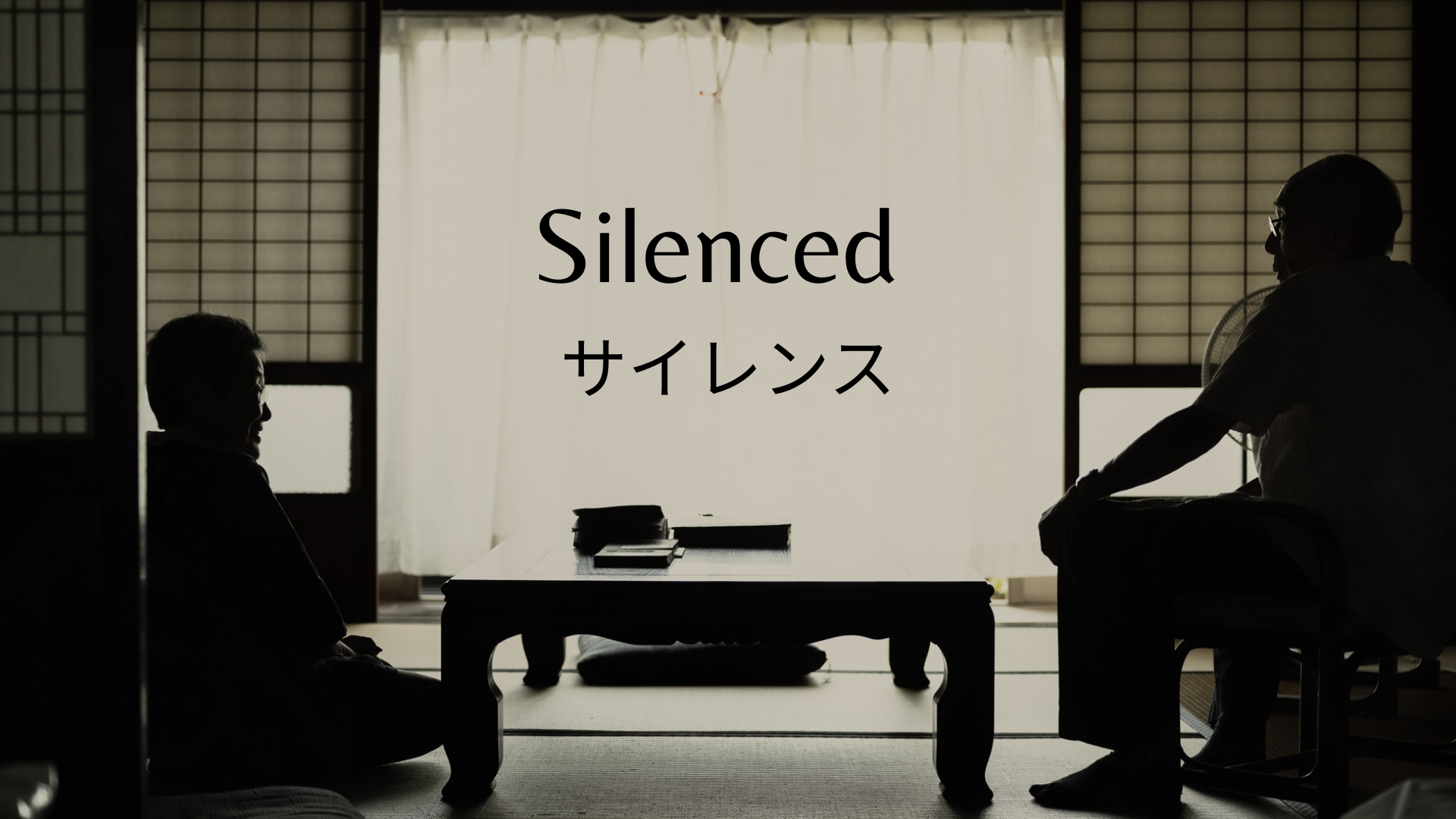
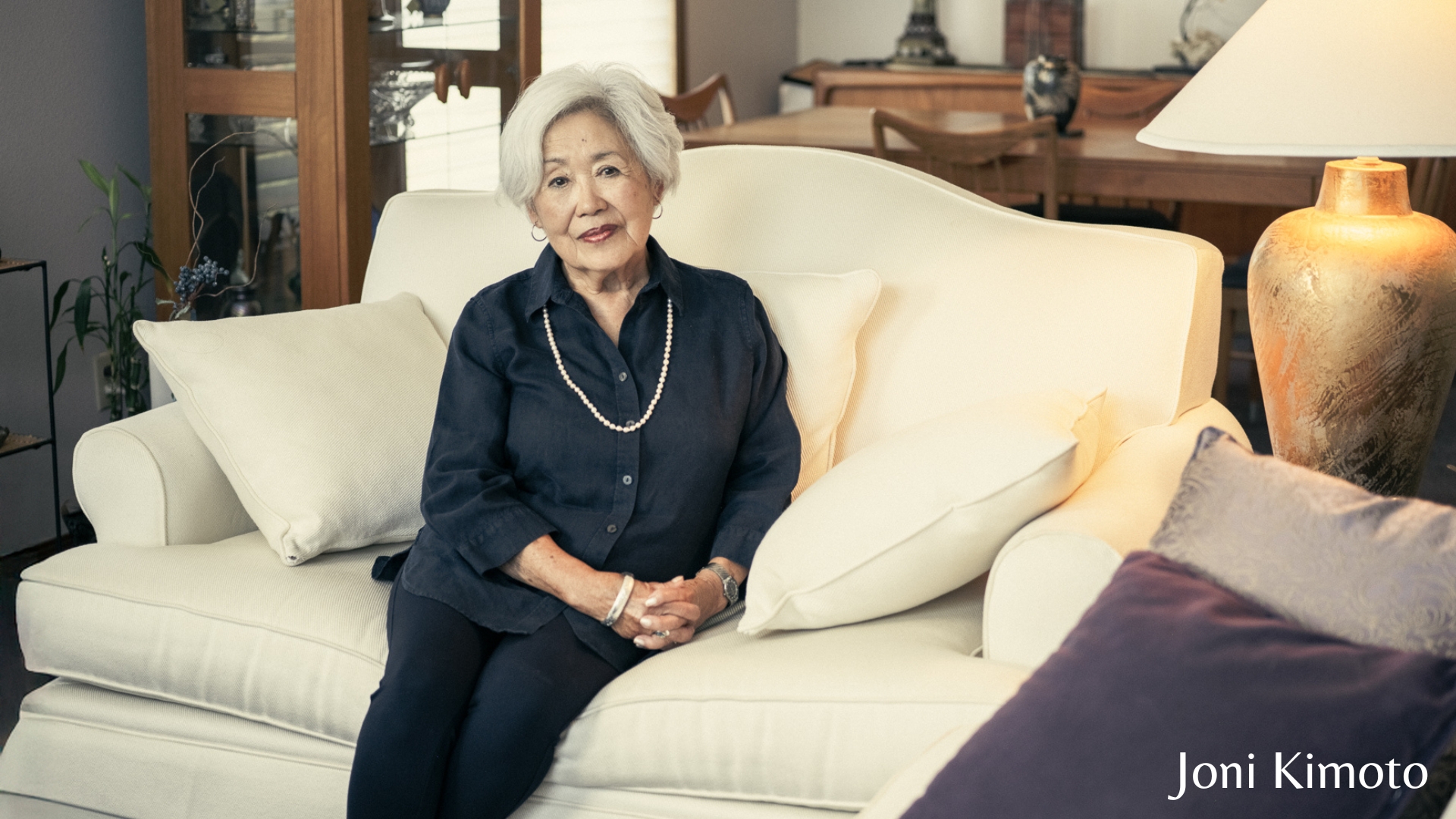
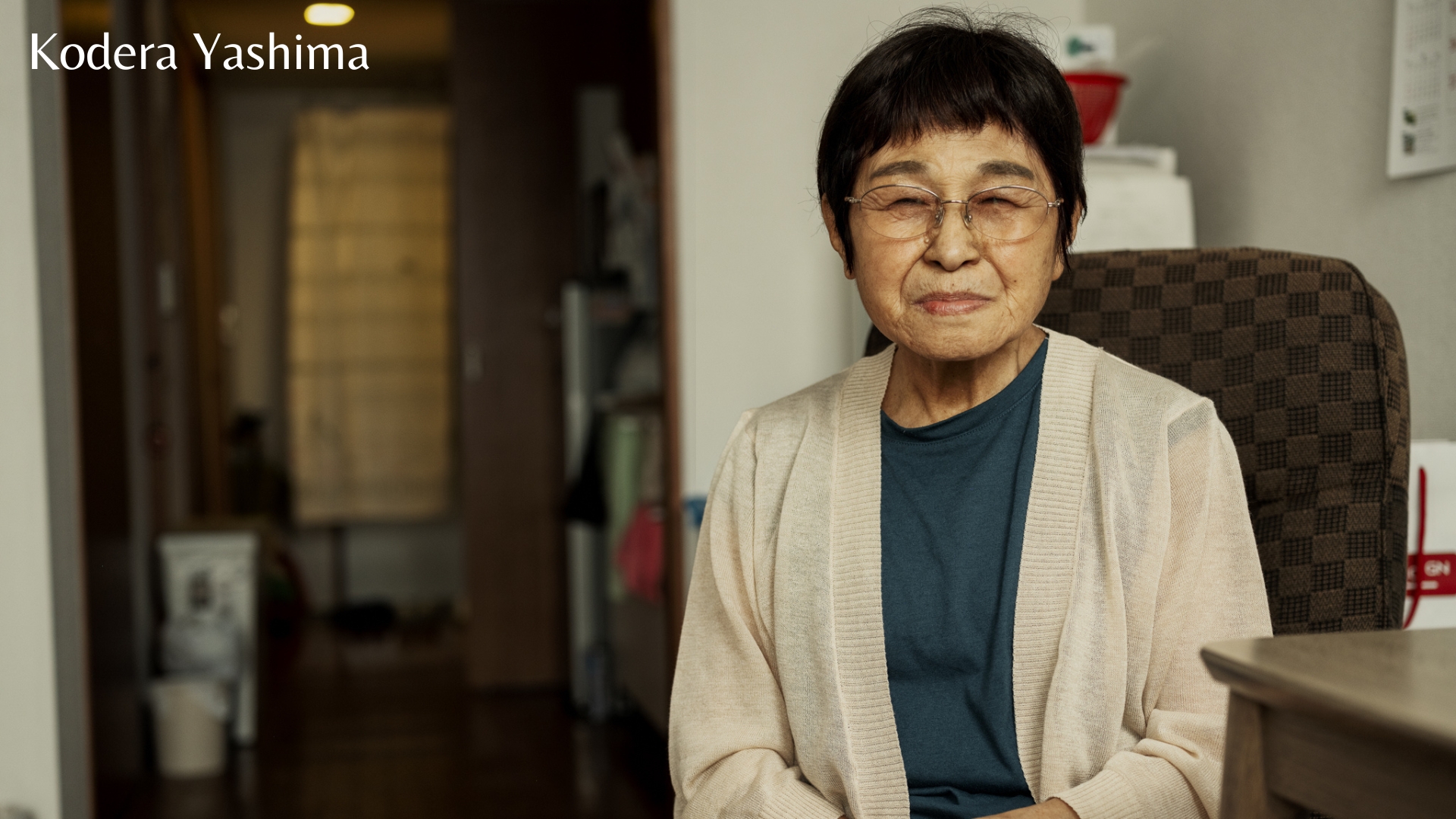
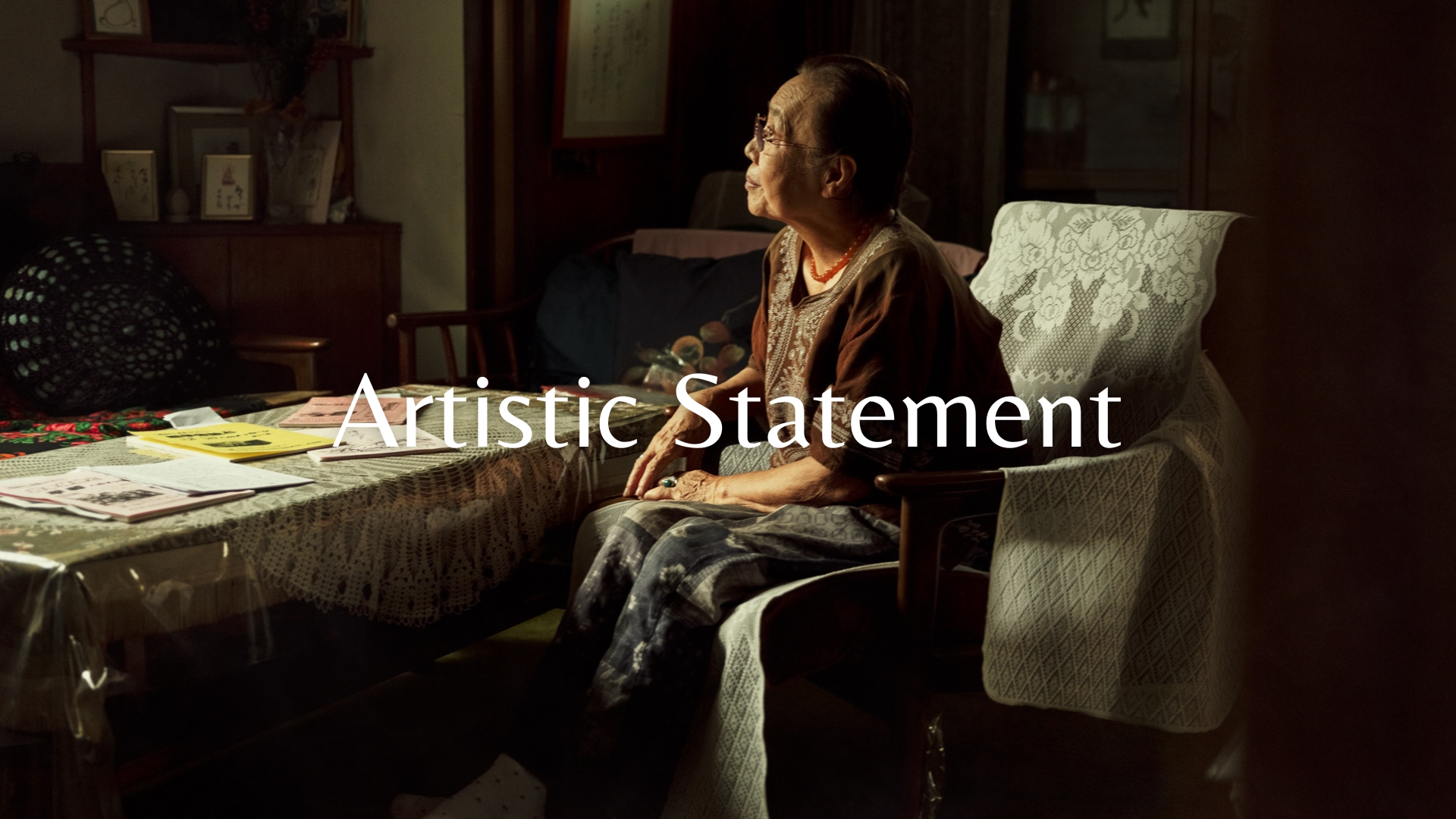
SILENCED is a feature-length documentary that follows internment camp survivor, Joni Kimoto, who found activism later in life and now shares her story to build awareness in Portland, Oregon, where she was originally detained in 1941. She was sent to the Minidoka War Relocation Center in Idaho with her family as a child. We follow Joni as she returns to the sites of her internment and interacts with the younger generation of Japanese Americans in the Pacific Northwest who were never told these stories of survival by their own parents and grandparents. Eventually, she will embark across the Pacific to meet Japanese war survivor Kodera Yashima, who was exiled to China during the war, where she and her family were faced with unimaginable hardships from starvation, sickness, suicide, and Russian soldiers. The two women will share their stories across continental, cultural, and language barriers. These are not interviews—they are acts of testimony.
Co-Director, Kenji Shimizu, spent his entire life in Japan, never knowing that, decades earlier, people who looked like him had been locked behind barbed wire in America. It was never in textbooks, never discussed in classrooms, never mentioned around the dinner table. It wasn’t until he moved to the U.S. that he stumbled upon a truth erased on both sides of the Pacific.
As a photographer, Kenji was drawn to capturing personal histories. During the COVID-19 pandemic, he began remotely interviewing people of Japanese descent about their families’ wartime experiences. The more he listened, the more he realized that this history had not only been silenced in Japan—it had been buried in the U.S. as well. The survivors who still carried these memories were in their nineties. If these stories weren’t captured now, they never would be.
Co-Director, Blake Robertshaw, grew up in Ontario, Oregon, a small town where many formerly interned Japanese Americans had resettled. His own community carried this history, but no one talked about it. As a military veteran, Blake has spent his life trying to understand war’s lasting impact—not just on soldiers, but on the civilians caught in its aftermath. When he met Kenji through their shared work as photographers in Eugene, Oregon, they connected over their fascination with the stories history tries to forget. But it wasn’t until Blake returned home that the film became inevitable.
One afternoon, Blake was photographing Marge Yasuda, an outspoken woman in her eighties. At the end of their session, she pulled him aside. “You need to actually make this film before everyone dies.” Her husband had been interned and has since suffered a stroke. She had spent decades watching the last survivors of the camps slip away, their stories untold.
Blake felt the weight of her words settle in his gut. This history wasn’t just fading—it was being erased in real time. If no one told these stories now, they never would be.
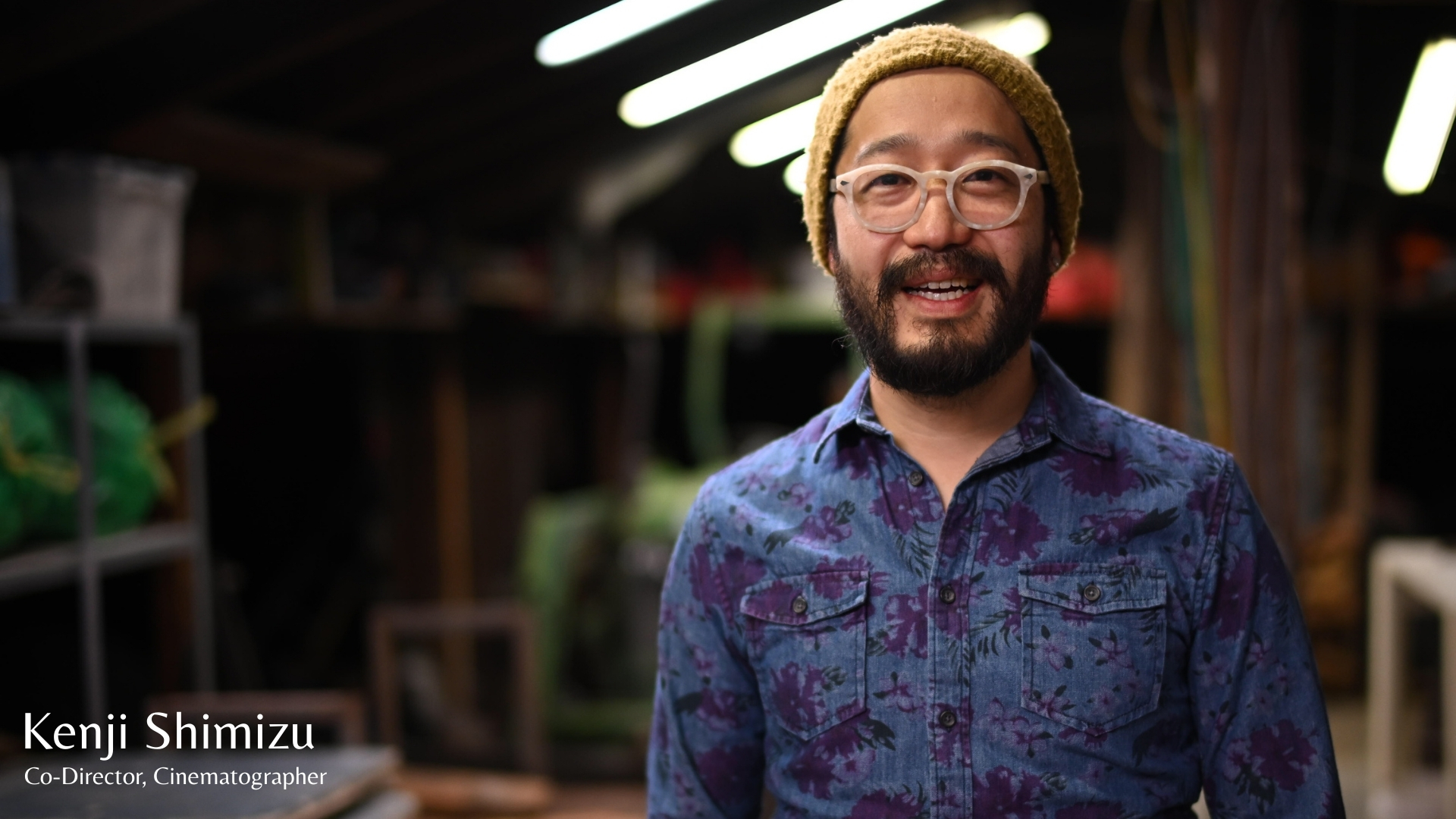
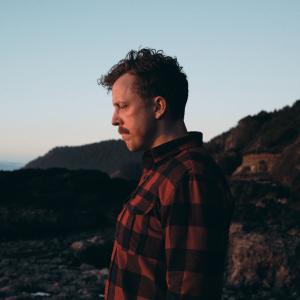
Kenji Shimizu (Co-Director, Cinematographer): Kenji Shimizu is a Japanese-born filmmaker and photographer based in Oregon whose work centers on intimacy, memory, and the visual poetics of silence. With nearly two decades of experience in portraiture, documentary, and commercial photography, Kenji brings a nuanced eye to stories of human connection. He previously directed a WWII oral history project on Japanese and Japanese American experiences, honing his sensitivity to intergenerational trauma and the politics of erasure. As co-director and cinematographer, Kenji’s deeply personal investment in the subject infuses the film with lyrical imagery and a cross-cultural reckoning with buried histories. https://www.shimizuphotography.com/
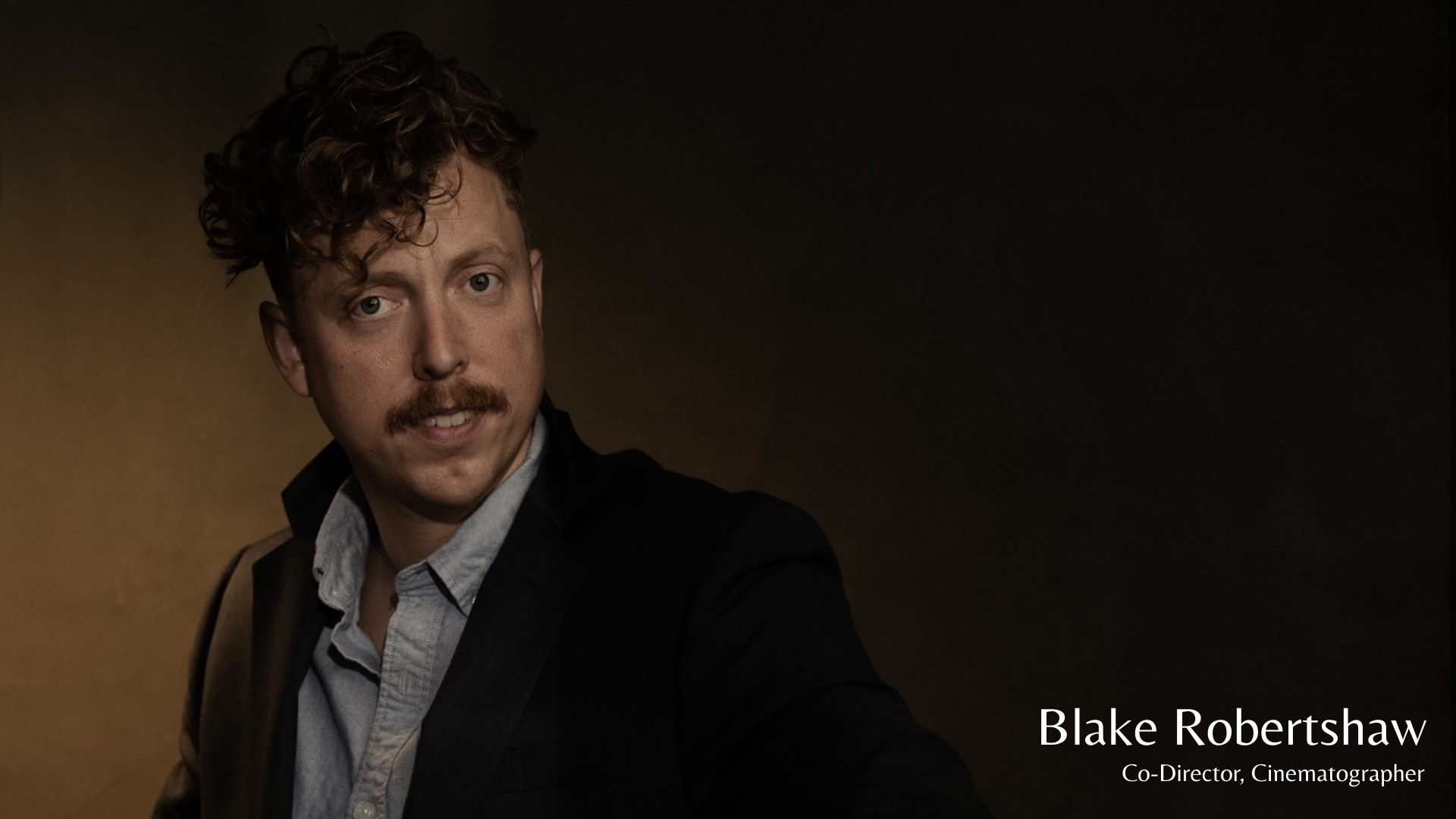
Blake Robertshaw (Co-Director): Blake Robertshaw is a documentary photographer and U.S. Coast Guard veteran whose camera has traveled from natural disasters to forgotten corners of American history. Born and raised in Ontario, Oregon—a resettlement site for many formerly incarcerated Japanese Americans—he grew up in a place where memory and silence collided. His own experience as a Veteran deepens his understanding of the emotional landscapes the film traverses. As co-director, Blake leads production and outreach with care and precision. His visual work and logistical stewardship ensure a process grounded in trust, and a final film that honors the complexities of resilience, displacement, and remembrance. https://blakerobertshaw.com/
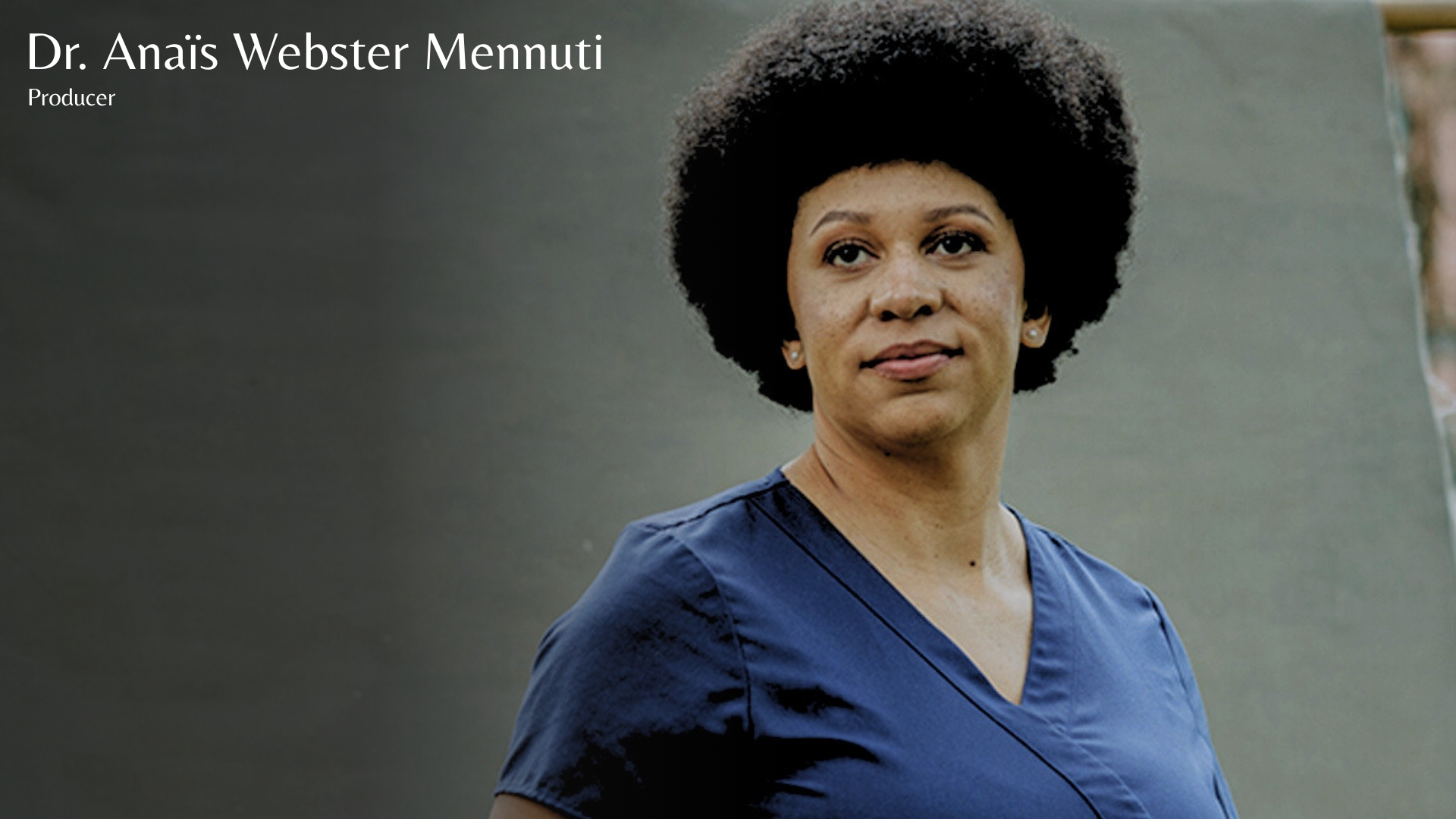
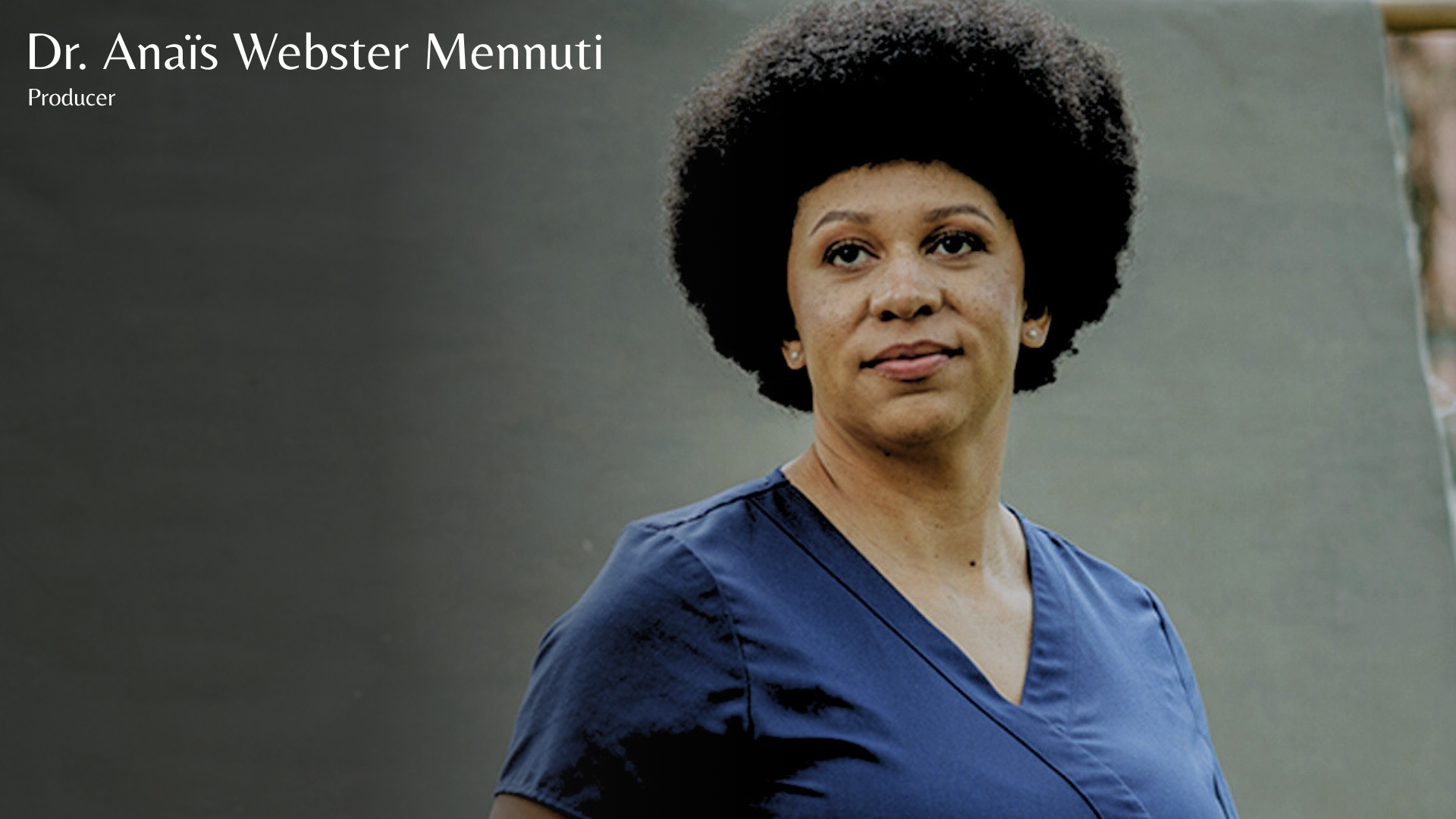
Dr. Anaïs Webster Mennuti (Producer): Dr. Anaïs Webster Mennuti, PharmD, is a filmmaker, producer, and Docs in Progress Legacy Fellow & BendFilm Basecamp Fellow whose work spans narrative film, advocacy, and impact-driven nonfiction. She combines rigorous production strategy with a deep investment in ethical, artist-centered storytelling. Her background in science and storytelling supports a cross-disciplinary approach to research, distribution, and engagement. Her documentary, HARMACY, exposes the understaffed and overwhelmed reality–or “fast food-ification”--of retail pharmacy, and is currently in post-production. Anaïs joined SILENCED to elevate underrepresented histories with care and clarity. As producer, she anchors the film’s vision while ensuring it is resourced, positioned for longevity, and accessible to communities most impacted by the histories it unearths. harmacyfilm.com
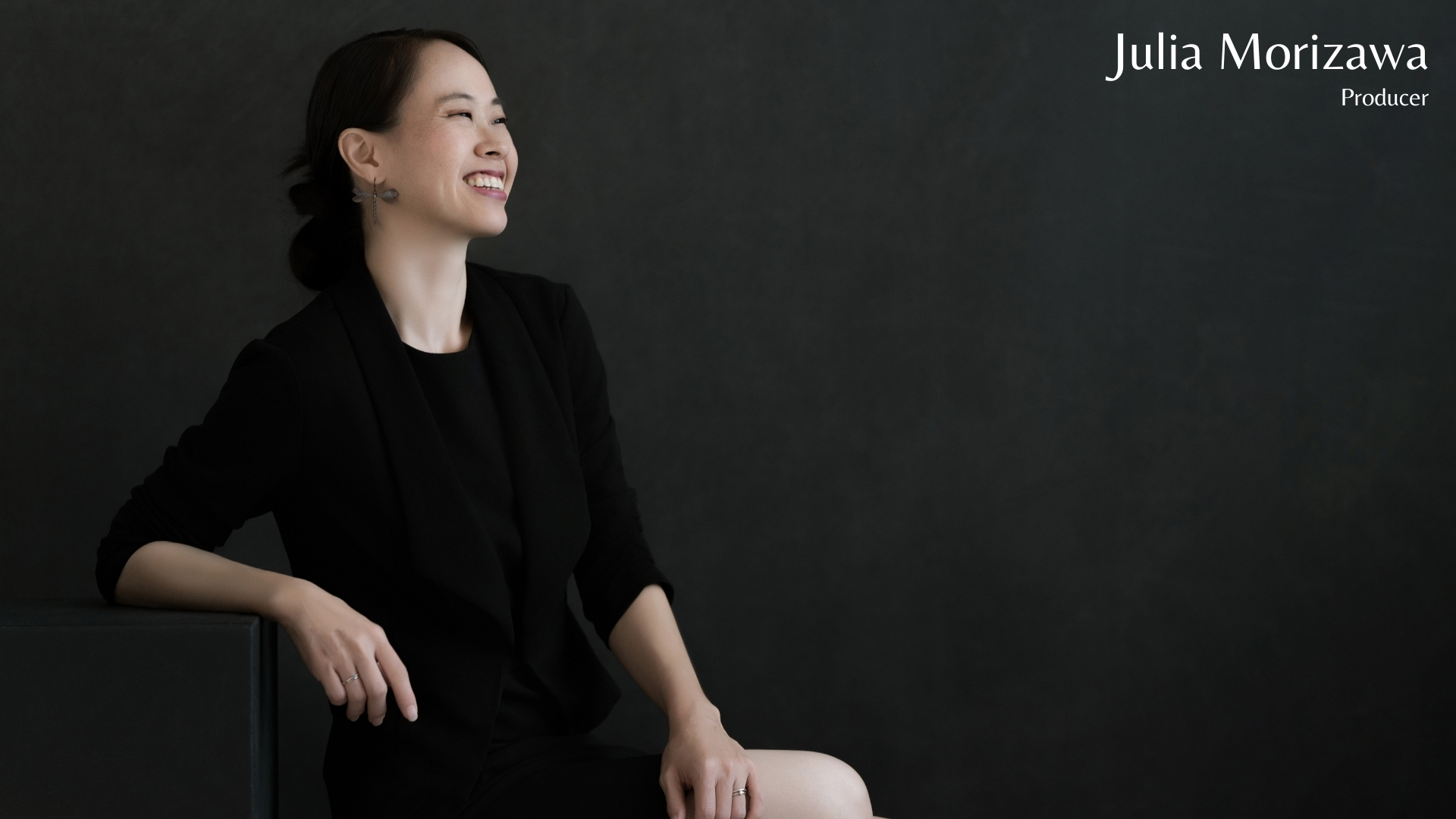
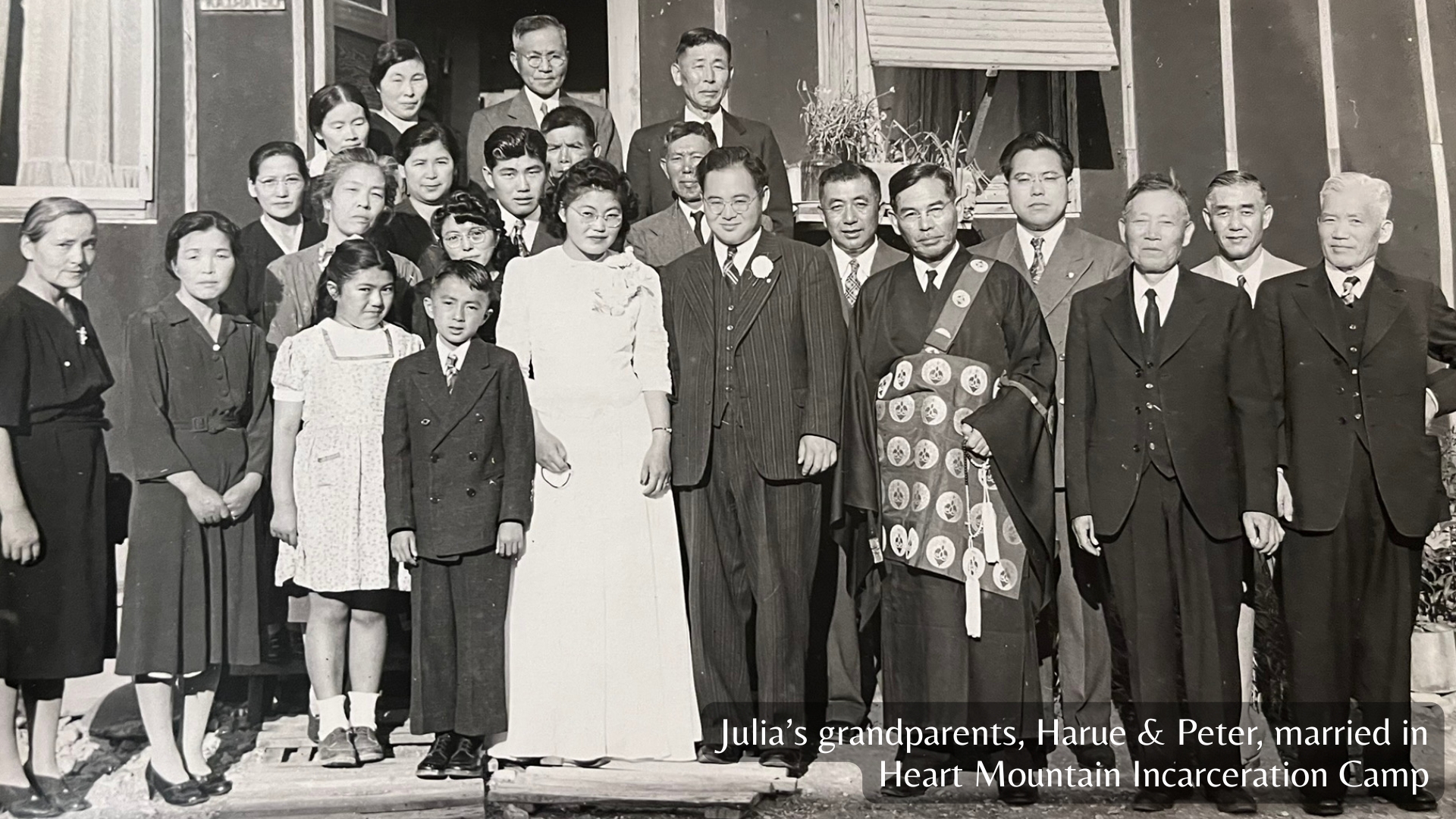
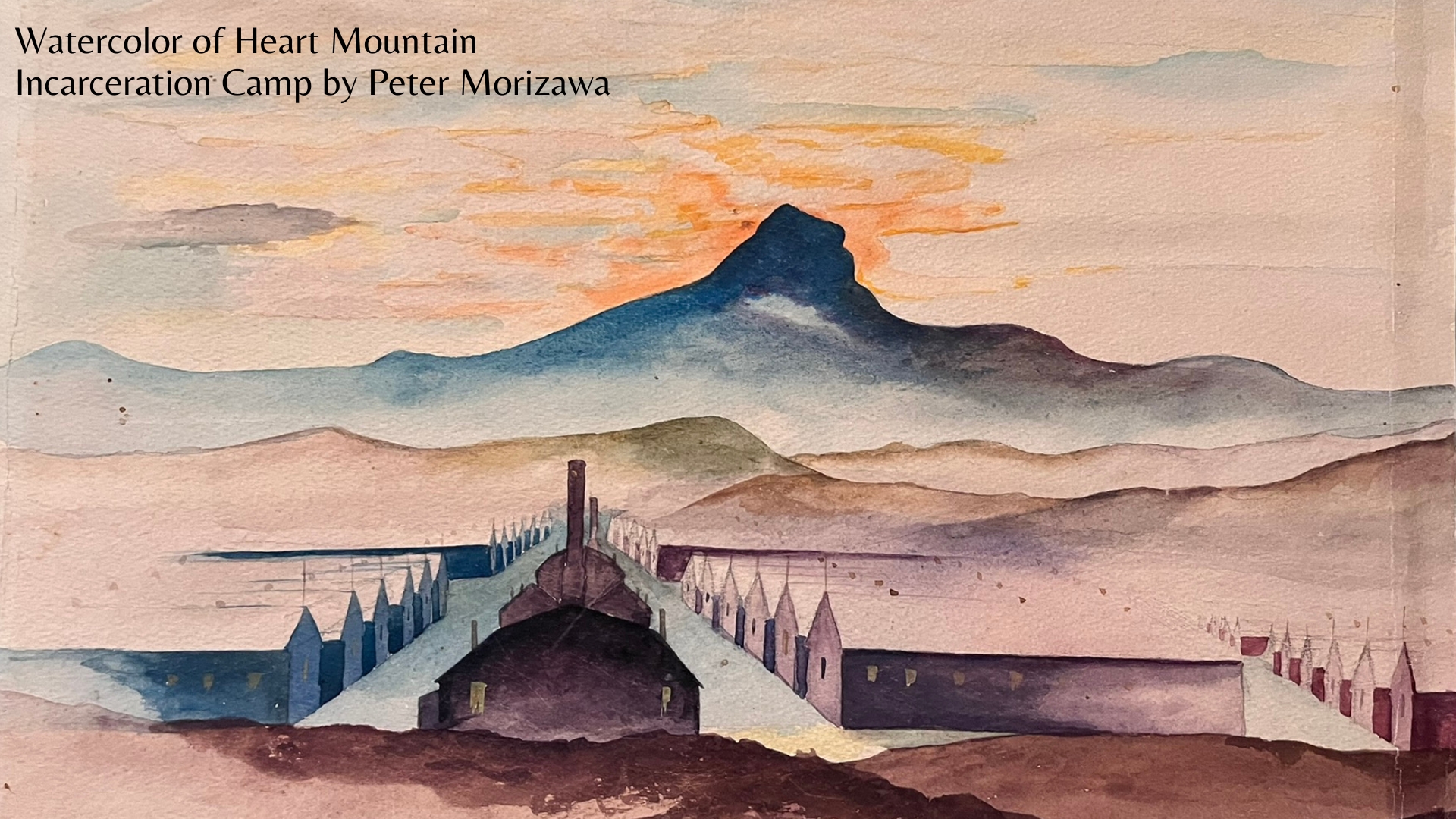
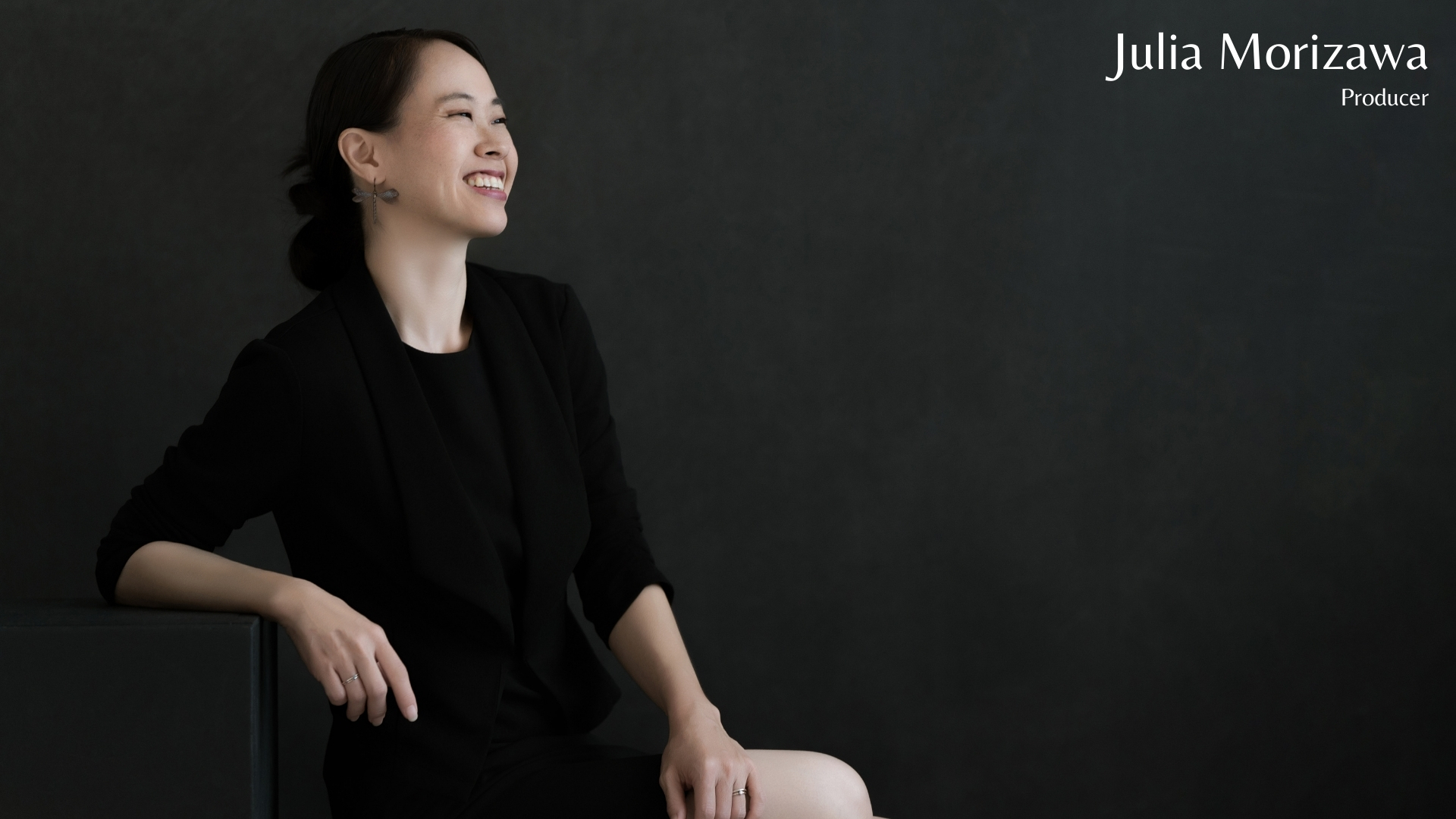
Julia Morizawa (Producer): Julia Morizawa is a fourth-generation Japanese American producer/writer based in Portland, Oregon, with over 20 years of experience in narrative film, television, new media, theater, and fiction podcasting. Produced projects include JESUSCAT (OR HOW I ACCIDENTALLY JOINED A CULT) (feature film), SIN & LYLE (short film), FIVE YEARS (short film), and TWENTY-TWO (play). Her most recent project, DRAGONFLY (animated short film), about the Tokyo Firebombing of March 9-10, 1945, premiered at the Los Angeles Asian Pacific Film Festival in May 2023. It was awarded Best Animation at the Maryland Int’l Film Festival, Best AAPI-Directed Film at the Phoenix Film Festival, and the Audience Award for Best Animation at DisOrient in 2024. Julia's paternal grandparents met and married in Heart Mountain incarceration camp, while her maternal grandparents survived firebombings in Japan. She never met any of them and aims to connect with her own family history through SILENCED. www.juliamorizawa.com
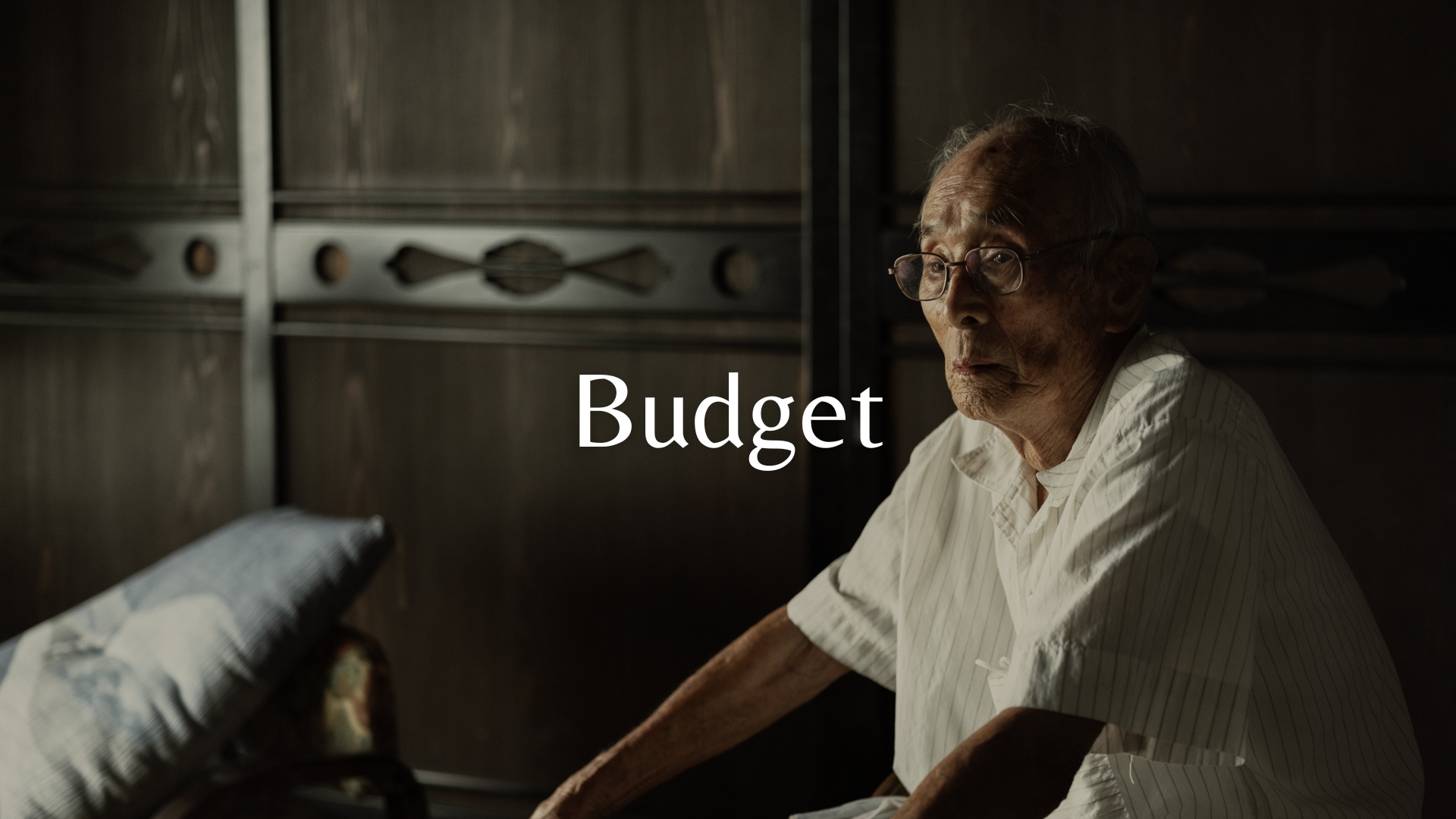
Our most pressing goal at this time is to travel to Japan so that our two war survivors, Joni Kimoto and Kodera Yashima, can meet. Joni is ready and eager to make the trip, but as she’s previously stated, “Just do it before I get too old.” With both of our subjects in their 80s, we must heed her advice and travel to Japan to capture this footage as soon as possible.
The $10,000 raised via Seed&Spark would go toward this trip and include:
- Round-trip flights to Japan for our protagonist and 2 core production team members
- Lodging for our protagonist in Osaka and Hiroshima
- Minimal public transportation to and from Osaka and Hiroshima
- Fees for one production coordinator from our Japanese co-production team
Funding beyond our minimum goal could then be allotted toward:
- Flights for our protagonist's family member and 1 additional production team member
- Additional lodging for our core production team
- Travel, lodging, and per diem for our Japanese co-production team member
- Van/driver services in Japan
- Equipment rental in Japan
- Location permits in Osaka and Hiroshima

Tax-deductible donations can be made through our fiscal sponsor, The Gotham, here. The Gotham is a non-profit organization. Contributions for the charitable purposes of SILENCED are tax-deductible to the extent permitted by law.
If you are interested in potentially becoming an investor, reach out directly to [email protected].
If you are a Japanese American or Japanese WWII survivor, or the descendant of one, and are interested in sharing your story, please don't hesitate to reach out.
MORE WAYS TO HELP:
1. Follow the Seed & Spark campaign
Following this campaign, even if you do not make a financial contribution, will help us become eligible for additional funds and resources from Seed&Spark. Specifically, we are participating in the AAPI Renaissance Rally and need at least 350 followers to qualify as Finalists for additional opportunities provided by Gold House.
2. Follow SILENCED on social media
Follow us on Instagram! It shows new visitors that it's not just us and our parents supporting this project, and helps the algorithm get our project noticed by more people.
3. Spread the word
Tell your friends, family, colleagues, and neighbors about our project. Share our social media posts and campaign page.
FAQs:
If you hit your goal, what happens to the money you make after that?
Any contributions beyond our goal will go toward production in Japan, as the total estimated cost for the travel, lodging, and production expenses for 14 days is approximately $40,000. We are also applying for filmmaking and artists' grants to secure the bulk of our funding.
What happens if you don't reach your goal?
Seed & Spark requires us to reach at least 80% of our goal for our project to be greenlit and for your contributions to be transferred to us. If we reach 80% but not 100%, any necessary development expenses not covered by this campaign will be paid for via personal funds (i.e. credit cards!). If we are unable to reach the 80% mark, you will not be charged and the campaign incentives will not be delivered.
How does the Wishlist work?
The Wishlist is Seed & Spark's way of breaking down our project's budget so you can see exactly where the money we raise will go. This campaign does not specify potential in-kind donations that we would graciously accept. Reach out directly to [email protected] if you would like to discuss other ways of helping.
Wishlist
Use the WishList to Pledge cash and Loan items - or - Make a pledge by selecting an Incentive directly.
Flights
Costs $3,000
Round-trip flights (x3) to Japan for our protagonist and 2 core team members.
Lodging
Costs $2,500
Lodging in Osaka and Hiroshima for our protagonist.
Transportation
Costs $1,000
Minimum for public transportation for our protagonist and 2 core team members while traveling in Japan.
Co-Production Team
Costs $3,500
Fee for our Japanese co-production coordinator/fixer.
Cash Pledge
Costs $0


Direct link:
Share this update!
About This Team
Kenji Shimizu (Co-Director, Cinematographer): Kenji Shimizu is a Japanese-born filmmaker and photographer based in Oregon whose work centers on intimacy, memory, and the visual poetics of silence. With nearly two decades of experience in portraiture, documentary, and commercial photography, Kenji brings a nuanced eye to stories of human connection. He previously directed a WWII oral history project on Japanese and Japanese American experiences, honing his sensitivity to intergenerational trauma and the politics of erasure. As co-director and cinematographer, Kenji’s deeply personal investment in the subject infuses the film with lyrical imagery and a cross-cultural reckoning with buried histories. https://www.shimizuphotography.com/
Blake Robertshaw (Co-Director): Blake Robertshaw is a documentary photographer and U.S. Coast Guard veteran whose camera has traveled from natural disasters to forgotten corners of American history. Born and raised in Ontario, Oregon—a resettlement site for many formerly incarcerated Japanese Americans—he grew up in a place where memory and silence collided. His own experience as a Veteran deepens his understanding of the emotional landscapes the film traverses.As co-director, Blake leads production and outreach with care and precision. His visual work and logistical stewardship ensure a process grounded in trust, and a final film that honors the complexities of resilience, displacement, and remembrance. https://blakerobertshaw.com/
 Dr. Anaïs Webster Mennuti (Producer): Dr. Anaïs Webster Mennuti, PharmD, is a filmmaker, producer, and Docs in Progress Legacy Fellow & BendFilm Basecamp Fellow whose work spans narrative film, advocacy, and impact-driven nonfiction. She combines rigorous production strategy with a deep investment in ethical, artist-centered storytelling. Her background in science and storytelling supports a cross-disciplinary approach to research, distribution, and engagement. Her documentary, HARMACY, exposes the understaffed and overwhelmed reality–or “fast food-ification”--of retail pharmacy, and is currently in post-production. Anaïs joined SILENCED to elevate underrepresented histories with care and clarity. As producer, she anchors the film’s vision while ensuring it is resourced, positioned for longevity, and accessible to communities most impacted by the histories it unearths. harmacyfilm.com
 Julia Morizawa (Producer): Julia Morizawa is a fourth-generation Japanese American producer/writer based in Portland, Oregon, with over 20 years of experience in narrative film, television, new media, theater, and fiction podcasting. Produced projects include JESUSCAT (OR HOW I ACCIDENTALLY JOINED A CULT) (feature film), SIN & LYLE (short film), FIVE YEARS (short film), and TWENTY-TWO (play). Her most recent project, DRAGONFLY (animated short film), about the Tokyo Firebombing of March 9-10, 1945, premiered at the Los Angeles Asian Pacific Film Festival in May 2023. It was awarded Best Animation at the Maryland Int’l Film Festival, Best AAPI-Directed Film at the Phoenix Film Festival, and the Audience Award for Best Animation at DisOrient in 2024. Julia's paternal grandparents met and married in Heart Mountain incarceration camp, while her maternal grandparents survived firebombings in Japan. She never met any of them and aims to connect with her own family history through SILENCED. www.juliamorizawa.com

Incentives
- The Story
- Wishlist
- Updates
- The Team
- Community
Mission Statement
The Story
Our Seed&Spark campaign is closed, but we can still accept tax-deductible donations through our fiscal sponsor, The Gotham, here. Thank you!
During WWII, over 120,000 Japanese Americans—most U.S. citizens—were forcibly removed from their homes and imprisoned in concentration camps. Some were later repatriated to Japan, a country many had never known. Few of these stories have been told, and in Japan, they remain largely silenced. Now in their 80s, 90s, and early 100s, survivors are beginning to speak.
SILENCED is a feature-length documentary that follows internment camp survivor, Joni Kimoto, who found activism later in life and now shares her story to build awareness in Portland, Oregon, where she was originally detained in 1941. She was sent to the Minidoka War Relocation Center in Idaho with her family as a child. We follow Joni as she returns to the sites of her internment and interacts with the younger generation of Japanese Americans in the Pacific Northwest who were never told these stories of survival by their own parents and grandparents. Eventually, she will embark across the Pacific to meet Japanese war survivor Kodera Yashima, who was exiled to China during the war, where she and her family were faced with unimaginable hardships from starvation, sickness, suicide, and Russian soldiers. The two women will share their stories across continental, cultural, and language barriers. These are not interviews—they are acts of testimony.
Co-Director, Kenji Shimizu, spent his entire life in Japan, never knowing that, decades earlier, people who looked like him had been locked behind barbed wire in America. It was never in textbooks, never discussed in classrooms, never mentioned around the dinner table. It wasn’t until he moved to the U.S. that he stumbled upon a truth erased on both sides of the Pacific.
As a photographer, Kenji was drawn to capturing personal histories. During the COVID-19 pandemic, he began remotely interviewing people of Japanese descent about their families’ wartime experiences. The more he listened, the more he realized that this history had not only been silenced in Japan—it had been buried in the U.S. as well. The survivors who still carried these memories were in their nineties. If these stories weren’t captured now, they never would be.
Co-Director, Blake Robertshaw, grew up in Ontario, Oregon, a small town where many formerly interned Japanese Americans had resettled. His own community carried this history, but no one talked about it. As a military veteran, Blake has spent his life trying to understand war’s lasting impact—not just on soldiers, but on the civilians caught in its aftermath. When he met Kenji through their shared work as photographers in Eugene, Oregon, they connected over their fascination with the stories history tries to forget. But it wasn’t until Blake returned home that the film became inevitable.
One afternoon, Blake was photographing Marge Yasuda, an outspoken woman in her eighties. At the end of their session, she pulled him aside. “You need to actually make this film before everyone dies.” Her husband had been interned and has since suffered a stroke. She had spent decades watching the last survivors of the camps slip away, their stories untold.
Blake felt the weight of her words settle in his gut. This history wasn’t just fading—it was being erased in real time. If no one told these stories now, they never would be.
Kenji Shimizu (Co-Director, Cinematographer): Kenji Shimizu is a Japanese-born filmmaker and photographer based in Oregon whose work centers on intimacy, memory, and the visual poetics of silence. With nearly two decades of experience in portraiture, documentary, and commercial photography, Kenji brings a nuanced eye to stories of human connection. He previously directed a WWII oral history project on Japanese and Japanese American experiences, honing his sensitivity to intergenerational trauma and the politics of erasure. As co-director and cinematographer, Kenji’s deeply personal investment in the subject infuses the film with lyrical imagery and a cross-cultural reckoning with buried histories. https://www.shimizuphotography.com/
Blake Robertshaw (Co-Director): Blake Robertshaw is a documentary photographer and U.S. Coast Guard veteran whose camera has traveled from natural disasters to forgotten corners of American history. Born and raised in Ontario, Oregon—a resettlement site for many formerly incarcerated Japanese Americans—he grew up in a place where memory and silence collided. His own experience as a Veteran deepens his understanding of the emotional landscapes the film traverses. As co-director, Blake leads production and outreach with care and precision. His visual work and logistical stewardship ensure a process grounded in trust, and a final film that honors the complexities of resilience, displacement, and remembrance. https://blakerobertshaw.com/
Dr. Anaïs Webster Mennuti (Producer): Dr. Anaïs Webster Mennuti, PharmD, is a filmmaker, producer, and Docs in Progress Legacy Fellow & BendFilm Basecamp Fellow whose work spans narrative film, advocacy, and impact-driven nonfiction. She combines rigorous production strategy with a deep investment in ethical, artist-centered storytelling. Her background in science and storytelling supports a cross-disciplinary approach to research, distribution, and engagement. Her documentary, HARMACY, exposes the understaffed and overwhelmed reality–or “fast food-ification”--of retail pharmacy, and is currently in post-production. Anaïs joined SILENCED to elevate underrepresented histories with care and clarity. As producer, she anchors the film’s vision while ensuring it is resourced, positioned for longevity, and accessible to communities most impacted by the histories it unearths. harmacyfilm.com
Julia Morizawa (Producer): Julia Morizawa is a fourth-generation Japanese American producer/writer based in Portland, Oregon, with over 20 years of experience in narrative film, television, new media, theater, and fiction podcasting. Produced projects include JESUSCAT (OR HOW I ACCIDENTALLY JOINED A CULT) (feature film), SIN & LYLE (short film), FIVE YEARS (short film), and TWENTY-TWO (play). Her most recent project, DRAGONFLY (animated short film), about the Tokyo Firebombing of March 9-10, 1945, premiered at the Los Angeles Asian Pacific Film Festival in May 2023. It was awarded Best Animation at the Maryland Int’l Film Festival, Best AAPI-Directed Film at the Phoenix Film Festival, and the Audience Award for Best Animation at DisOrient in 2024. Julia's paternal grandparents met and married in Heart Mountain incarceration camp, while her maternal grandparents survived firebombings in Japan. She never met any of them and aims to connect with her own family history through SILENCED. www.juliamorizawa.com
Our most pressing goal at this time is to travel to Japan so that our two war survivors, Joni Kimoto and Kodera Yashima, can meet. Joni is ready and eager to make the trip, but as she’s previously stated, “Just do it before I get too old.” With both of our subjects in their 80s, we must heed her advice and travel to Japan to capture this footage as soon as possible.
The $10,000 raised via Seed&Spark would go toward this trip and include:
- Round-trip flights to Japan for our protagonist and 2 core production team members
- Lodging for our protagonist in Osaka and Hiroshima
- Minimal public transportation to and from Osaka and Hiroshima
- Fees for one production coordinator from our Japanese co-production team
Funding beyond our minimum goal could then be allotted toward:
- Flights for our protagonist's family member and 1 additional production team member
- Additional lodging for our core production team
- Travel, lodging, and per diem for our Japanese co-production team member
- Van/driver services in Japan
- Equipment rental in Japan
- Location permits in Osaka and Hiroshima
Tax-deductible donations can be made through our fiscal sponsor, The Gotham, here. The Gotham is a non-profit organization. Contributions for the charitable purposes of SILENCED are tax-deductible to the extent permitted by law.
If you are interested in potentially becoming an investor, reach out directly to [email protected].
If you are a Japanese American or Japanese WWII survivor, or the descendant of one, and are interested in sharing your story, please don't hesitate to reach out.
MORE WAYS TO HELP:
1. Follow the Seed & Spark campaign
Following this campaign, even if you do not make a financial contribution, will help us become eligible for additional funds and resources from Seed&Spark. Specifically, we are participating in the AAPI Renaissance Rally and need at least 350 followers to qualify as Finalists for additional opportunities provided by Gold House.
2. Follow SILENCED on social media
Follow us on Instagram! It shows new visitors that it's not just us and our parents supporting this project, and helps the algorithm get our project noticed by more people.
3. Spread the word
Tell your friends, family, colleagues, and neighbors about our project. Share our social media posts and campaign page.
FAQs:
If you hit your goal, what happens to the money you make after that?
Any contributions beyond our goal will go toward production in Japan, as the total estimated cost for the travel, lodging, and production expenses for 14 days is approximately $40,000. We are also applying for filmmaking and artists' grants to secure the bulk of our funding.
What happens if you don't reach your goal?
Seed & Spark requires us to reach at least 80% of our goal for our project to be greenlit and for your contributions to be transferred to us. If we reach 80% but not 100%, any necessary development expenses not covered by this campaign will be paid for via personal funds (i.e. credit cards!). If we are unable to reach the 80% mark, you will not be charged and the campaign incentives will not be delivered.
How does the Wishlist work?
The Wishlist is Seed & Spark's way of breaking down our project's budget so you can see exactly where the money we raise will go. This campaign does not specify potential in-kind donations that we would graciously accept. Reach out directly to [email protected] if you would like to discuss other ways of helping.
Wishlist
Use the WishList to Pledge cash and Loan items - or - Make a pledge by selecting an Incentive directly.
Flights
Costs $3,000
Round-trip flights (x3) to Japan for our protagonist and 2 core team members.
Lodging
Costs $2,500
Lodging in Osaka and Hiroshima for our protagonist.
Transportation
Costs $1,000
Minimum for public transportation for our protagonist and 2 core team members while traveling in Japan.
Co-Production Team
Costs $3,500
Fee for our Japanese co-production coordinator/fixer.
Cash Pledge
Costs $0
Direct link:
Share this update!
About This Team
Kenji Shimizu (Co-Director, Cinematographer): Kenji Shimizu is a Japanese-born filmmaker and photographer based in Oregon whose work centers on intimacy, memory, and the visual poetics of silence. With nearly two decades of experience in portraiture, documentary, and commercial photography, Kenji brings a nuanced eye to stories of human connection. He previously directed a WWII oral history project on Japanese and Japanese American experiences, honing his sensitivity to intergenerational trauma and the politics of erasure. As co-director and cinematographer, Kenji’s deeply personal investment in the subject infuses the film with lyrical imagery and a cross-cultural reckoning with buried histories. https://www.shimizuphotography.com/
Blake Robertshaw (Co-Director): Blake Robertshaw is a documentary photographer and U.S. Coast Guard veteran whose camera has traveled from natural disasters to forgotten corners of American history. Born and raised in Ontario, Oregon—a resettlement site for many formerly incarcerated Japanese Americans—he grew up in a place where memory and silence collided. His own experience as a Veteran deepens his understanding of the emotional landscapes the film traverses.As co-director, Blake leads production and outreach with care and precision. His visual work and logistical stewardship ensure a process grounded in trust, and a final film that honors the complexities of resilience, displacement, and remembrance. https://blakerobertshaw.com/
Dr. Anaïs Webster Mennuti (Producer): Dr. Anaïs Webster Mennuti, PharmD, is a filmmaker, producer, and Docs in Progress Legacy Fellow & BendFilm Basecamp Fellow whose work spans narrative film, advocacy, and impact-driven nonfiction. She combines rigorous production strategy with a deep investment in ethical, artist-centered storytelling. Her background in science and storytelling supports a cross-disciplinary approach to research, distribution, and engagement. Her documentary, HARMACY, exposes the understaffed and overwhelmed reality–or “fast food-ification”--of retail pharmacy, and is currently in post-production. Anaïs joined SILENCED to elevate underrepresented histories with care and clarity. As producer, she anchors the film’s vision while ensuring it is resourced, positioned for longevity, and accessible to communities most impacted by the histories it unearths. harmacyfilm.com
Julia Morizawa (Producer): Julia Morizawa is a fourth-generation Japanese American producer/writer based in Portland, Oregon, with over 20 years of experience in narrative film, television, new media, theater, and fiction podcasting. Produced projects include JESUSCAT (OR HOW I ACCIDENTALLY JOINED A CULT) (feature film), SIN & LYLE (short film), FIVE YEARS (short film), and TWENTY-TWO (play). Her most recent project, DRAGONFLY (animated short film), about the Tokyo Firebombing of March 9-10, 1945, premiered at the Los Angeles Asian Pacific Film Festival in May 2023. It was awarded Best Animation at the Maryland Int’l Film Festival, Best AAPI-Directed Film at the Phoenix Film Festival, and the Audience Award for Best Animation at DisOrient in 2024. Julia's paternal grandparents met and married in Heart Mountain incarceration camp, while her maternal grandparents survived firebombings in Japan. She never met any of them and aims to connect with her own family history through SILENCED. www.juliamorizawa.com